Rubicon Restaurant occupies a quiet address in Griffith, one of Canberra's more established inner-south suburbs, and sits within a dining scene that has grown considerably more ambitious over the past decade. The restaurant draws on the collaborative energy between kitchen, floor, and cellar that defines the better end of the Australian capital's contemporary dining offer. Visitors planning ahead will find Griffith accessible from central Canberra by a short drive or taxi.
Pearl is the En Primeur Club membership app — saves, bookings, and concierge access live there. Same editors, same standards.
- Address
- 6A Barker St, Griffith ACT 2603, Australia
- Phone
- +61262959919
- Website
- rubiconrestaurant.com.au
- Directions
- Get directions
 Saves & bookings on Pearl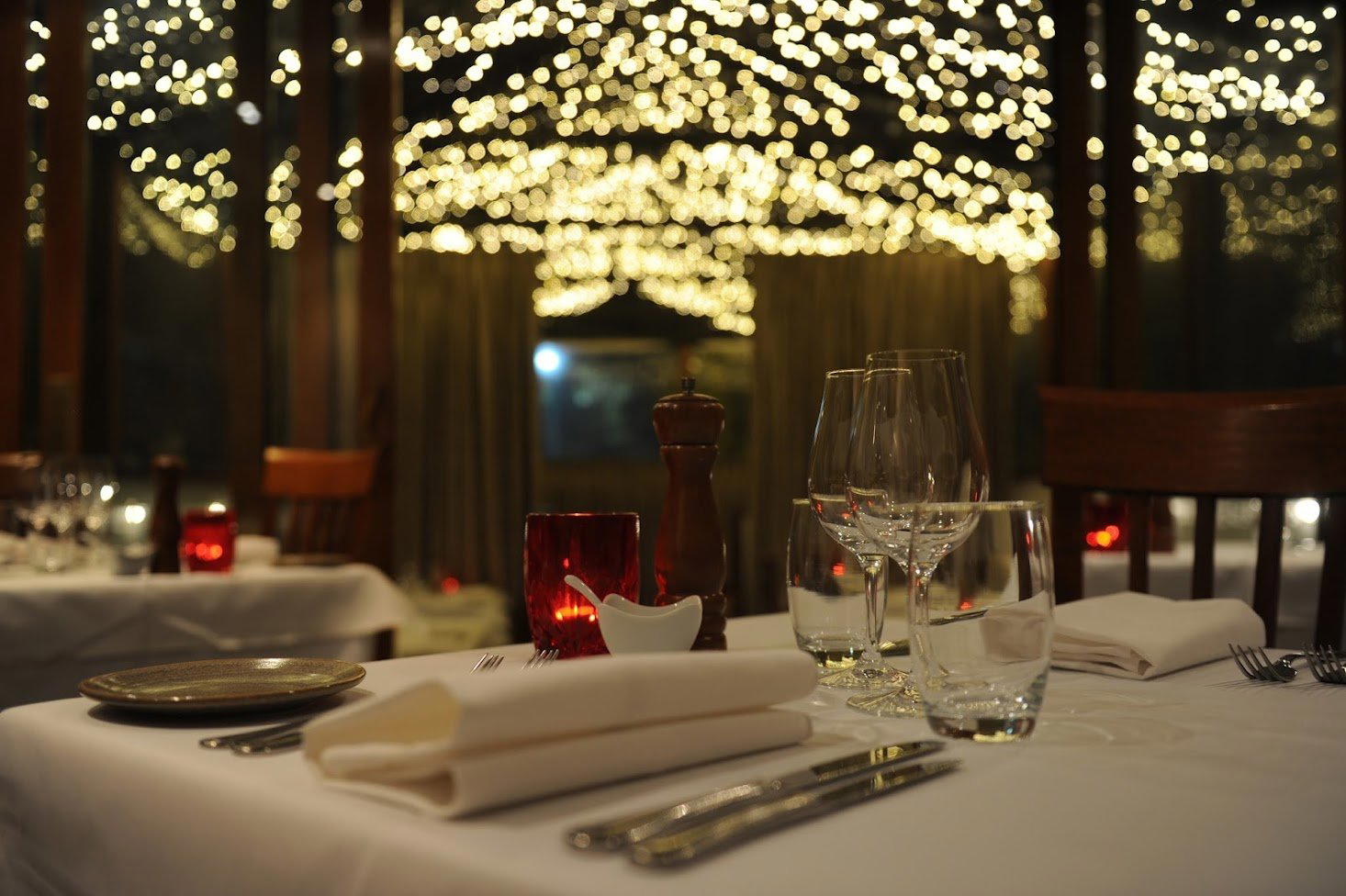
Griffith and the Canberra Fine Dining Conversation
Canberra's restaurant scene has undergone a slow but measurable shift over the past fifteen years. What was once a city defined almost entirely by its public service lunch culture now hosts a tier of restaurants serious enough to warrant comparison with mid-market fine dining in Melbourne or Sydney. That shift has been most visible in the inner-south suburbs, where Griffith, Manuka, and Kingston form a loose corridor of considered eating and drinking. Rubicon Restaurant, on Barker Street in Griffith, sits inside that corridor at a point where neighbourhood familiarity and dining ambition tend to converge.
The inner-south has an advantage that neither the CBD nor newer precincts entirely replicate: a residential density that creates a reliable, repeat local audience rather than a tourist-dependent one. Restaurants that survive and develop in this context tend to do so because of consistency rather than novelty. That dynamic shapes the expectations a room like Rubicon works against, and arguably sharpens what a front-of-house and kitchen team needs to deliver week after week.
The Team Dynamic at the Core of the Offer
Among the better Australian restaurants in the 100-to-200-seat mid-tier, the quality of a meal increasingly depends less on any single person at the pass and more on the coherence between kitchen output, floor pacing, and whatever the wine list is doing. A kitchen that outpaces its floor creates friction; a floor that over-performs relative to the food creates confusion about what the restaurant actually is. The restaurants in Canberra that have built sustained reputations, such as Flui and Champi Restaurant, share a quality of internal alignment that goes beyond individual talent.
Nationally, this collaborative model is well-evidenced at the upper tier. Attica in Melbourne and Brae in Birregurra both operate with a tight integration between kitchen philosophy and how the room is run, to the point where the front-of-house team carries as much of the narrative as the plate does. At Rockpool in Sydney, the wine program has historically acted as a third protagonist rather than a supporting element. The degree to which Rubicon inhabits this collaborative model in its own Griffith context is the defining question for anyone approaching it with serious dining expectations.
Approaching the Room
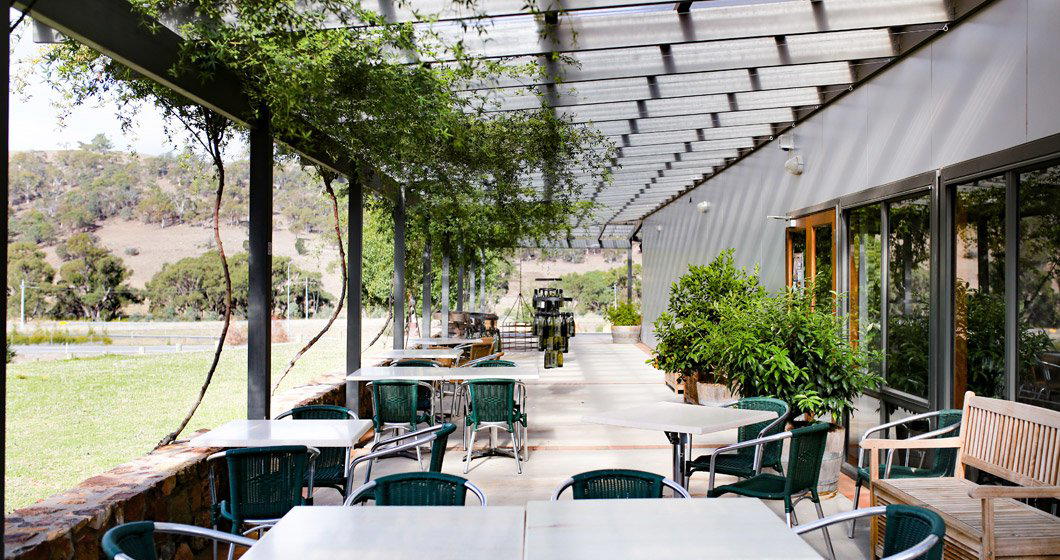
Barker Street in Griffith is a low-traffic residential address, quieter than the main Manuka retail strip a short distance away. The physical approach to Rubicon is accordingly unhurried, without the pedestrian energy of a destination precinct. This is the kind of location that tends to suit restaurants where the room itself carries the atmosphere rather than borrowing it from foot traffic outside. In the better examples of this format across Australia and internationally, that separation from ambient street noise is a feature rather than a liability: it creates the conditions for a dining room that can set its own tempo.
The neighbourhood sitting also means the restaurant draws from a local base that will have formed opinions about the room over time, adding a level of scrutiny that city-centre venues, with higher tourist turnover, may not face in the same way. That accountability tends to produce either complacency or continuous calibration. The inner-south Canberra market, modest in size but formed in its tastes, tends to reward the latter.
Canberra in the National Context
Comparing Canberra's serious dining offer to Sydney or Melbourne requires adjusting for scale. The ACT's population sits around 475,000, which means the number of restaurants that can sustain a genuine fine dining operation is structurally smaller than in a city of two or four million. What exists tends to be concentrated, and the audience for it is proportionally larger relative to the total dining-out population than in the major capitals. The result is a scene where restaurants like Rubicon, Akiba, and the city's better ethnic specialists, including Amara Indian Restaurant and Delhi to Canberra Indian Restaurant, operate in a market where word-of-mouth carries at an unusual velocity.
Internationally, the benchmark for collaborative, front-of-house-integrated fine dining at mid-tier venues is set by operations like Le Bernardin in New York City and Atomix in New York City, where the service model is as considered as the kitchen program. Closer to the casual end of the scale, the success of venues like bills in Bondi Beach and Barry Cafe in Northcote demonstrates that Australian dining culture has an appetite for spaces where the room and the food arrive as a unified proposition rather than separate departments. Bar Carolina in South Yarra, Bayly's Bistro in Kirribilli, Johnny Bird in Crows Nest, and Hungry Wolfs Italian Restaurant in Newcastle each represent regional and suburban versions of this approach, where the neighbourhood context becomes part of the offer rather than a constraint on it. Jaani Street Food in Ballarat shows that even smaller Australian cities are building a tier of restaurants that reward a considered trip.
Planning a Visit
Griffith is accessible from central Canberra by a short drive, generally under ten minutes from the parliamentary triangle, or by rideshare. The suburb has street parking and is within walking range of the Manuka strip if visitors want to combine a meal with a pre-dinner drink at nearby bars. As with most mid-tier restaurants operating in smaller Australian capitals, weekend bookings are likely to fill ahead of weekdays, and arriving without a reservation carries more risk on Friday and Saturday evenings than it would at a comparable venue in a higher-volume city. For a broader view of where Rubicon sits within the city's dining offer, the full Canberra restaurants guide provides context across price points and cuisines.
Continue exploring
More in Canberra
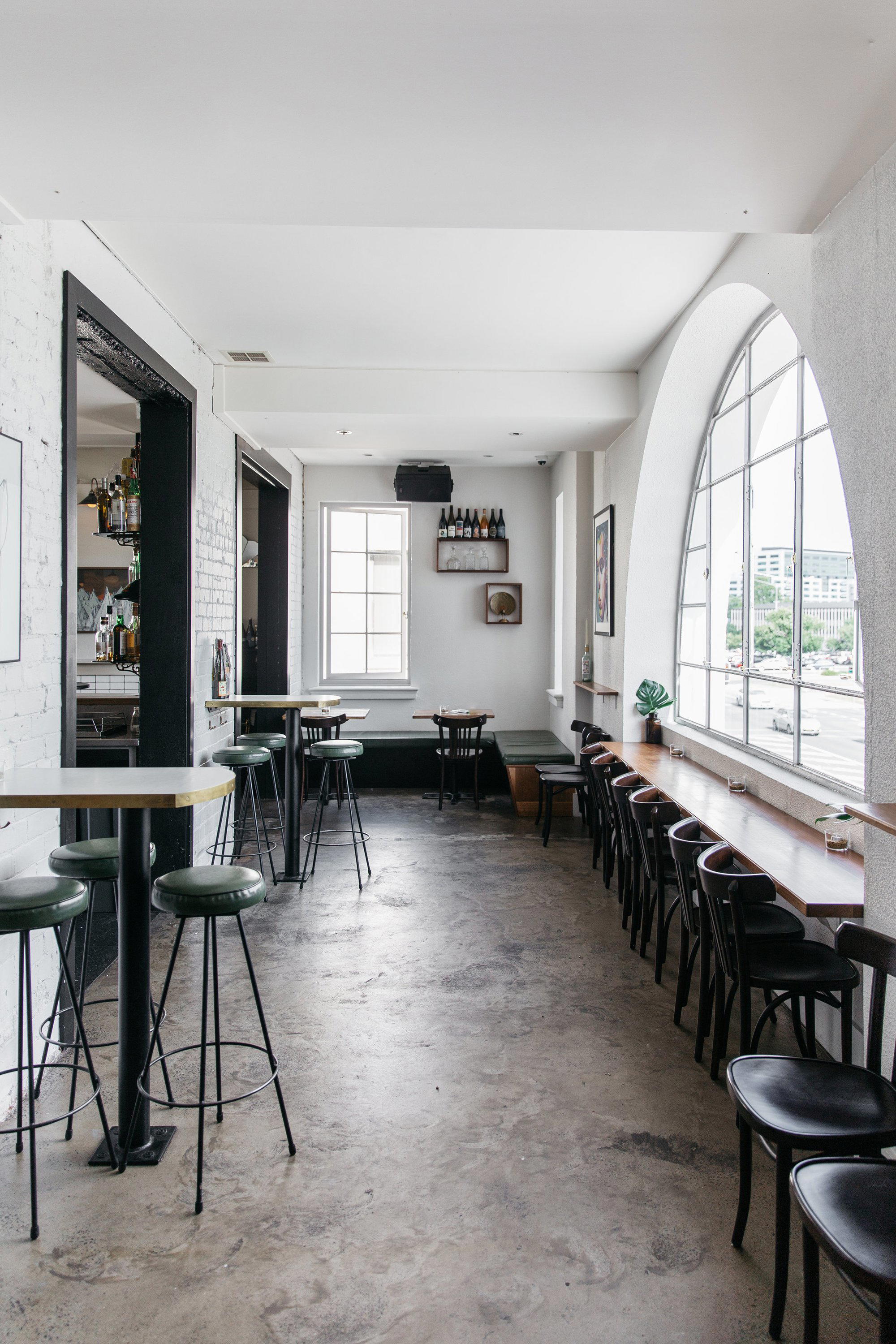
Restaurants in Canberra
Browse all →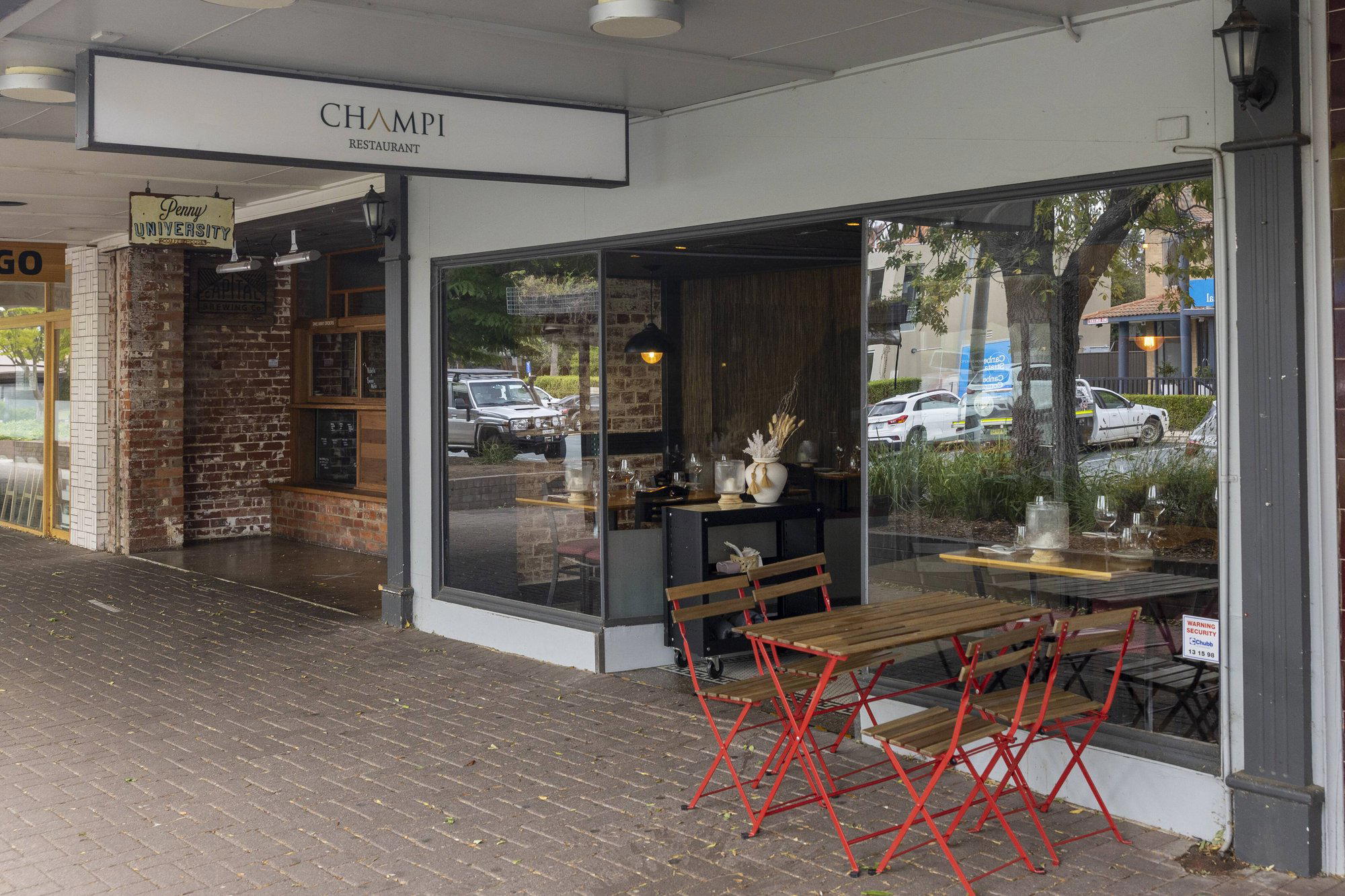

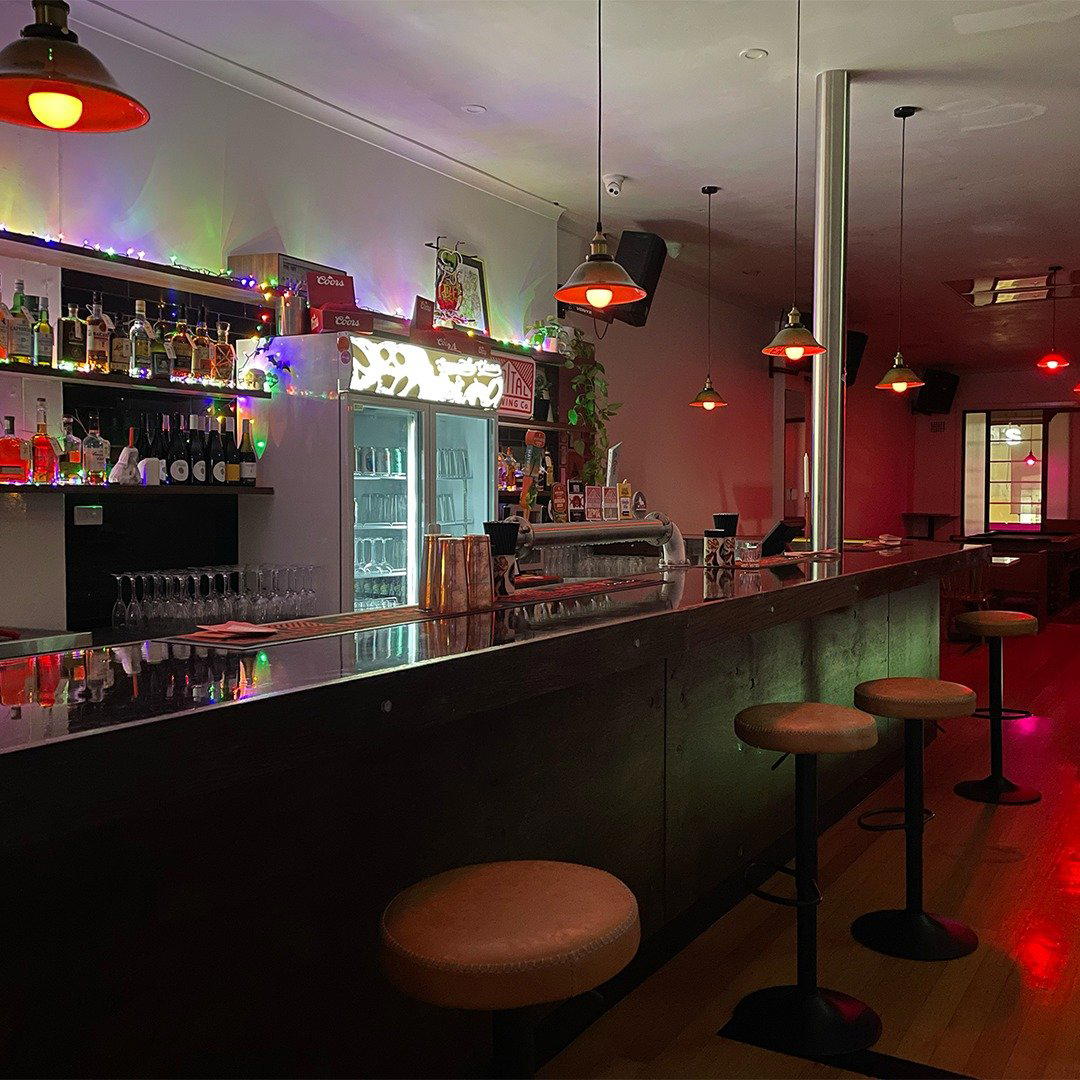
Bars in Canberra
Browse all →
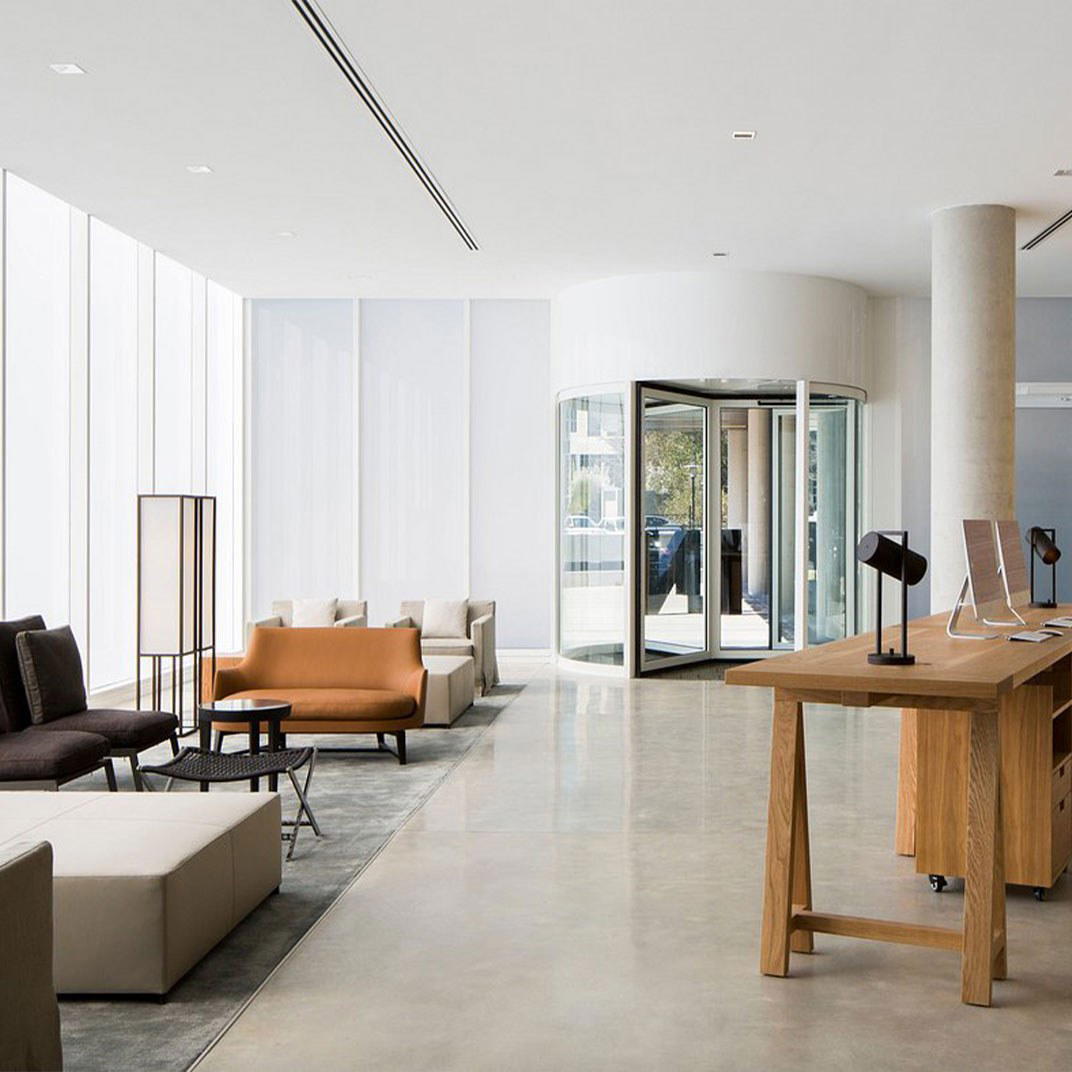
Hotels in Canberra
Browse all →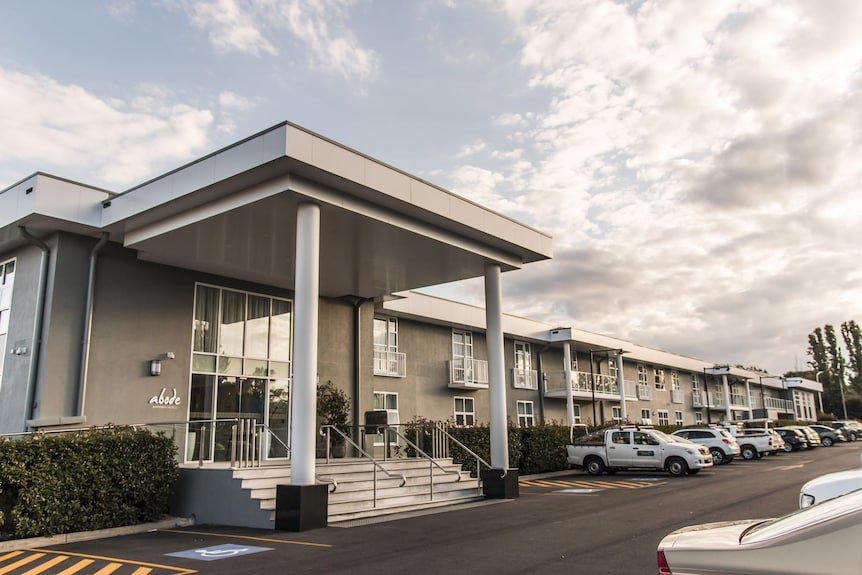

At a Glance
- Intimate
- Elegant
- Quiet
- Sophisticated
- Cozy
- Date Night
- Special Occasion
- Celebration
- Business Dinner
- Private Dining
- Standalone
- Extensive Wine List
- Sommelier Led
Current opening hours
- Monday
- 5:30–10:30 PM
- Tuesday
- 5:30–8:30 PM
- Wednesday
- 5:30–10:30 PM
- Thursday
- 5:30–10:30 PM
- Friday
- 5:30–10:30 PM
- Saturday
- 5:30–10:30 PM
- Sunday
- Closed
Hours can change for holidays and private events. Last verified .
Cosy and intimate with fairy lights creating a private, secluded atmosphere in an unassuming suburban location.
Know Before You Go
- Getting there
- 6A Barker St, Griffith ACT 2603, Australia