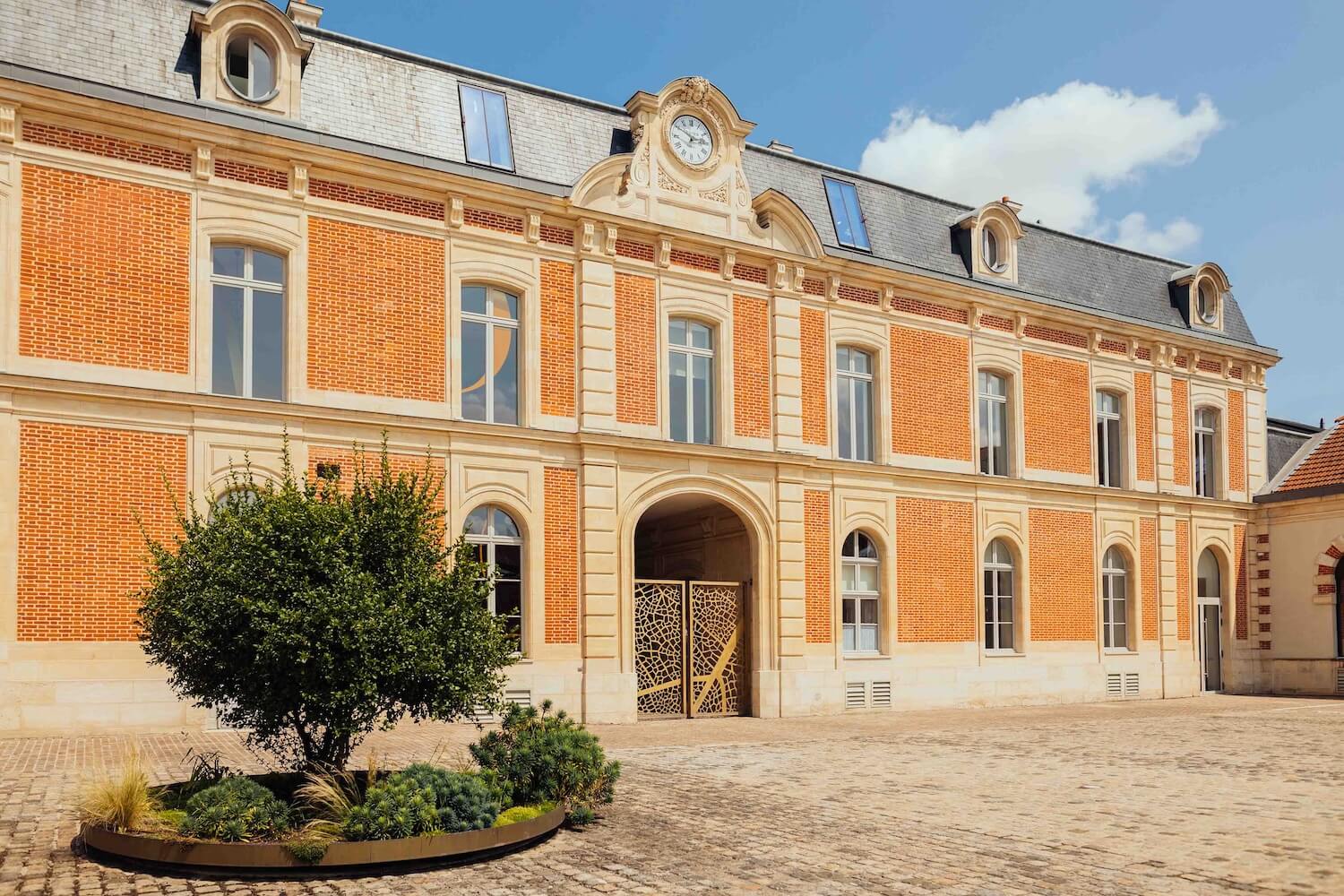
1 Michelin Star · Gault & Millau Remarkable Restaurant
Our verdict
Ōrtensia holds a Michelin star (2024) and a Remarkable rating for its French menu with measured Japanese accents, operating from a minimalist dining room at 4 Rue Beethoven in the 16th arrondissement. Service runs Tuesday through Saturday on a tight one-hour seating window per session, with online booking required.

Pearl is the En Primeur Club membership app, where members save venues, book tables and use the concierge.
The menu
What to order
- Pan-fried foie gras
- Veal sweetbreads
- Yellowtail with carrot variation
- Soya and vanilla millefeuille
A Franco-Japanese Approach in the 16th
Paris has long been a testing ground for chefs trained in Japanese kitchens who then redirect their precision toward classic French structure. That cross-training pattern, visible at restaurants like Kei at the three-star level and across a tier of newer one-star addresses, has produced a recognisable subset of the city's fine dining scene: French menus where Japanese technique appears as calibration rather than decoration.
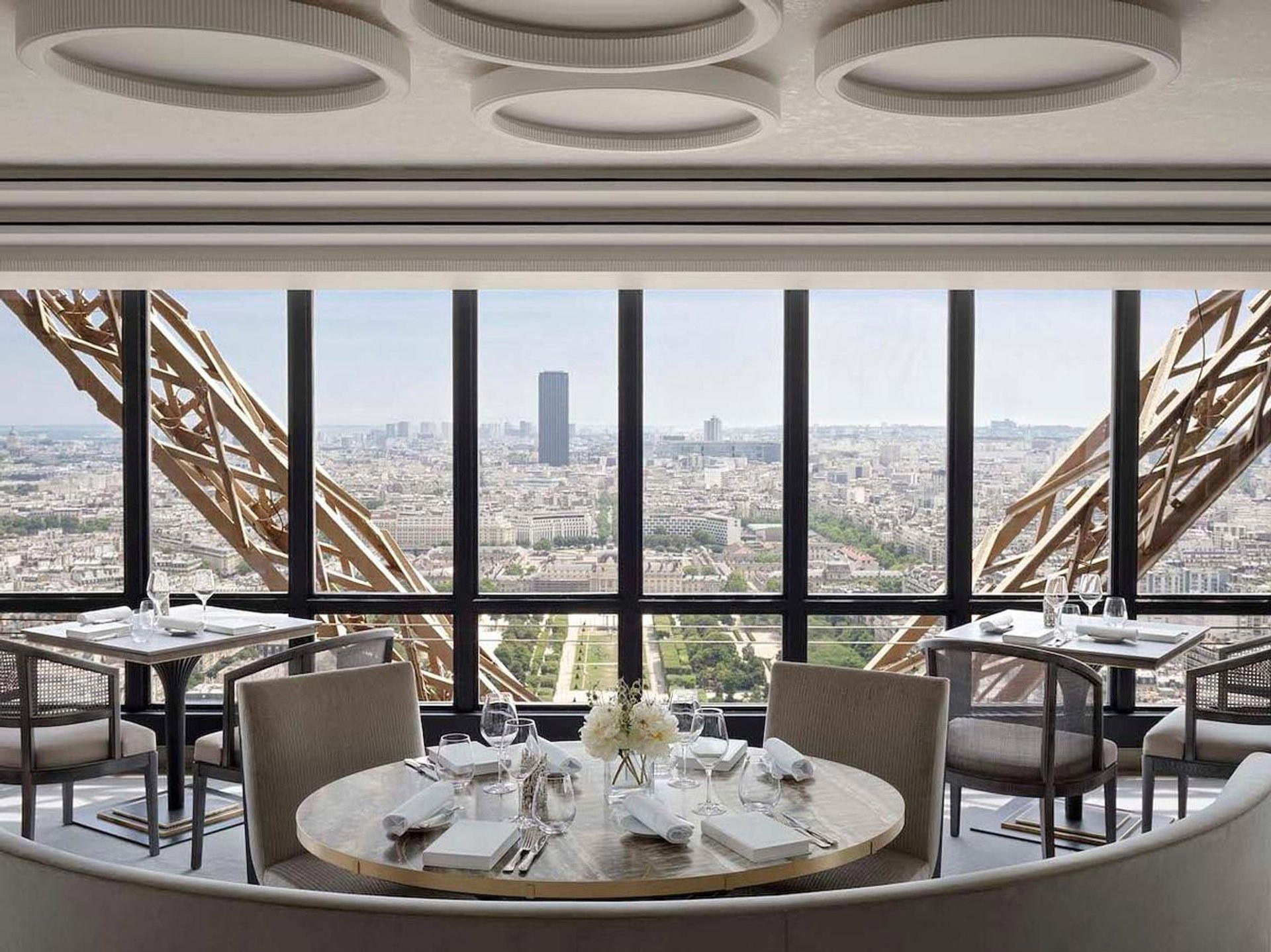
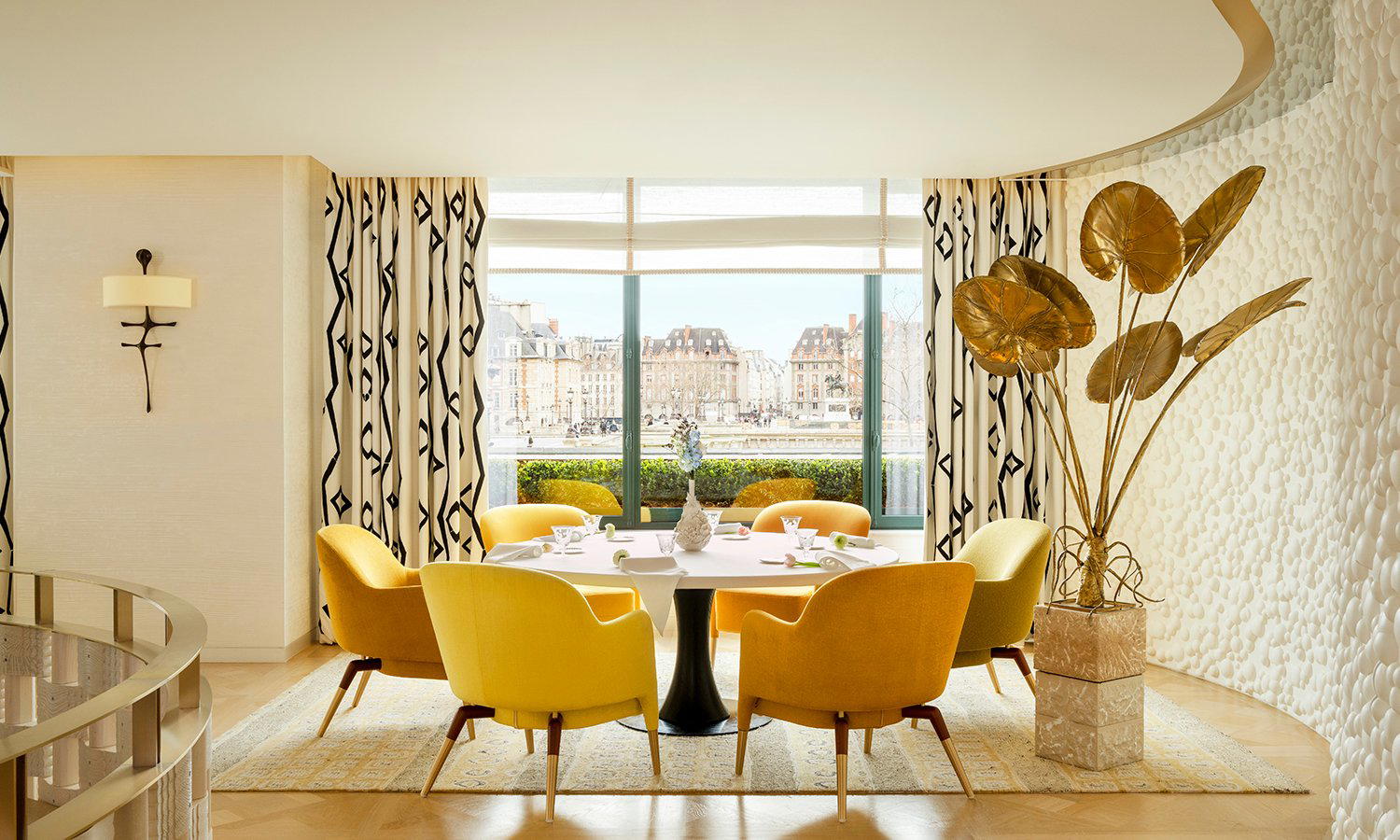
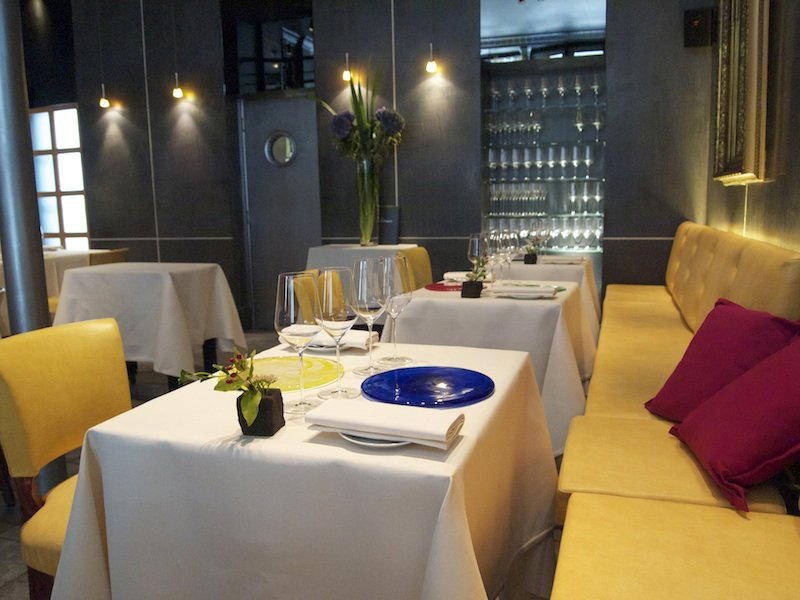
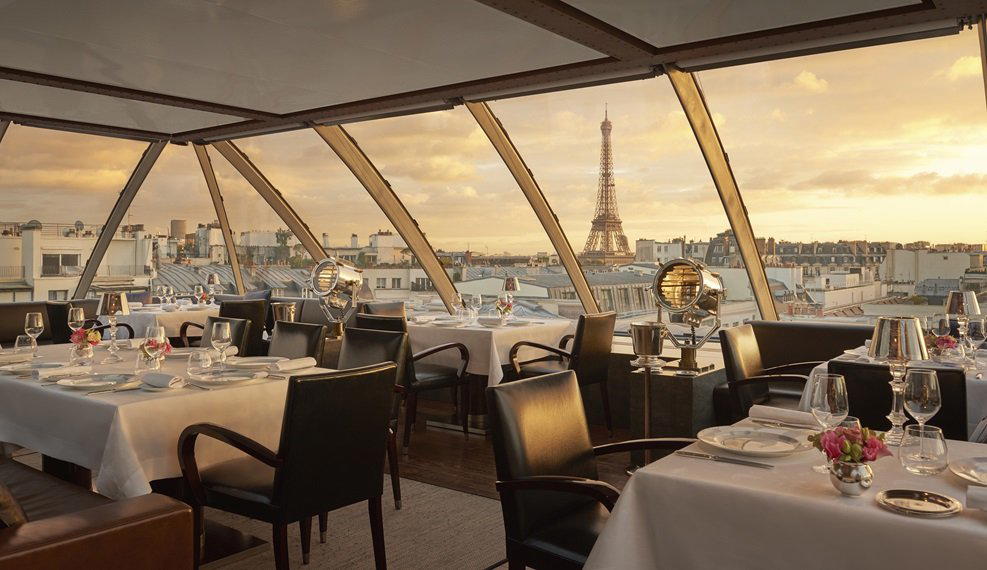
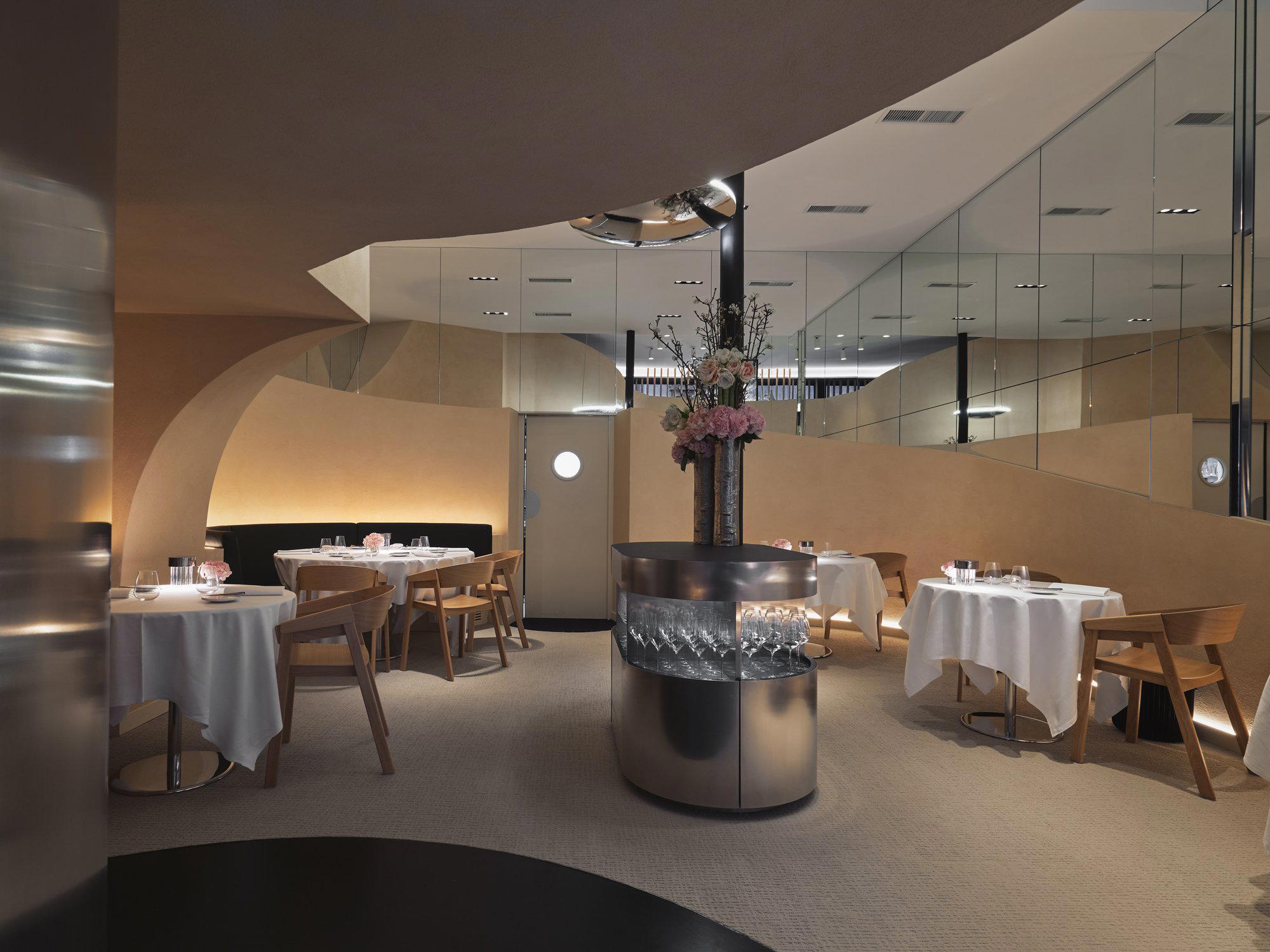
The 16th is not the neighbourhood most visitors map their restaurant itinerary around. Its dining scene runs quieter than the 8th or Saint-Germain, and that relative calm is part of what defines the character of places like Ōrtensia: a focused format, compressed service windows, and a room designed for concentration rather than spectacle. The interior works in light neutral tones with wood surfaces and mirrored walls that expand the perceived volume of the space without adding visual noise. It is the kind of room that has been thought through rather than styled.
The Seasonal Logic Behind the Menu
Michelin's own language for Ōrtensia draws on the hydrangea, the flower that gives the restaurant its name, to describe how the kitchen operates: a menu that shifts colour with the seasons. That metaphor does real critical work. Among the Paris addresses in the €€€€ bracket, the question of whether a kitchen is genuinely seasonal or merely seasonal in its marketing separates the more considered operations from the rest. At this price point, Ōrtensia sits alongside addresses like Accents Table Bourse and Anona, both of which work seasonal and producer-focused frameworks into their menus at similar positioning.
The Franco-Japanese register here is described as a Gallic menu sprinkled with Japanese accents rather than a fusion concept or a cultural statement. That distinction matters. The French structure remains the frame; Japanese sensibility appears in the editing, in what the kitchen chooses to leave out as much as what it puts in. It is a less emphatic approach than what you find at the three-star level in Paris's more theatrical rooms, and it suits the scale and tone of the address. For context on how Japanese training reshapes French fine dining at its most ambitious in Europe, Frantzén in Stockholm offers a three-star reference point where the synthesis goes further; closer to home, Amâlia in Paris works a different kind of cultural layering at a comparable price tier.
How the Format Has Evolved
The operating structure at Ōrtensia tells its own story about how fine dining formats have shifted in Paris over the past decade. The service window here is narrow by any measure: seatings open at 7:30 PM Tuesday through Thursday, with the booking period running just one hour per session. Friday and Saturday add a lunch sitting at 12:30 PM with an equally compressed window. The restaurant is closed Sunday and Monday. This is not the format of a room trying to maximise covers. It reflects a deliberate concentration of effort, the kind of decision that became more common in Paris's smaller starred addresses after a wave of chefs who trained at large brigade kitchens chose to open much tighter operations where quality control over each service is the primary operational goal.
This compression also functions as a commitment signal in both directions: the kitchen commits to a finite number of guests per sitting, and the diner commits early through an online-only booking system. That friction is calibrated. For comparison, similar one-star addresses in Paris with this operating structure tend to book two to four weeks ahead for weekend sittings and slightly shorter for mid-week.
The evolution toward tighter, more deliberate formats is visible across multiple generations of Parisian starred dining. Grands maisons like Paul Bocuse's Auberge du Pont de Collonges or Auberge de l'Ill represent the older model of destination dining built around heritage, scale, and long institutional memory. What Ōrtensia represents is a more recent mode: small, seasonal, cross-cultural in its training influences, operating on a deliberately restricted schedule. Both traditions have Michelin recognition; they are simply different bets about what fine dining should feel like in 2024.
Placing Ōrtensia in the Paris €€€€ Tier
At the €€€€ price range, Paris diners are making choices across a wide spectrum of styles, from the grand salon format of 114, Faubourg or Le Cinq at Four Seasons George V to the more cerebral contemporary French work at addresses like Plénitude. Ōrtensia belongs to a different subset: smaller rooms, no hotel affiliation, menus that change with the season rather than anchoring to a signature, and a register that is quiet rather than theatrical. That cohort also includes addresses like Auberge de Montfleury in the broader Paris orbit, which operates with similar attention to seasonal produce at a comparable positioning.
Outside Paris, the tradition of French restaurants where a single strong point of view shapes a compact, seasonally-driven operation runs from Bras in Laguiole to Flocons de Sel in Megève and Mirazur in Menton. Ōrtensia is a Paris-scale version of that sensibility: a room of 20 to 30 covers operating a focused tasting format where the kitchen's seasonal choices drive the experience rather than a fixed repertoire. The Michelin star awarded in 2024 formalises a recognition that had been accumulating in the kind of word-of-mouth networks that tend to discover smaller, harder-to-book addresses before the guides catch up. For those working across the broader French fine dining tier, Troisgros - Le Bois sans Feuilles remains the long reference point for how French classical cooking sustains itself through generational reinvention.
Planning Your Visit
Reservations: Online booking only; no phone reservations. Given the compressed service windows and single seating per session, book as far in advance as the system allows, particularly for Friday and Saturday sittings. When to go: Seasonal menus mean the kitchen's focus shifts across the year; spring and autumn sittings tend to reflect the most considered transitions in produce. Budget: €€€€ pricing places this in the upper tier of Paris's one-star addresses; expect a spend in line with other tasting-menu restaurants at this level. Getting there: The 16th arrondissement address on Rue Beethoven is walkable from Passy or La Muette metro stations on line 9. Dress: No published dress code, but the minimalist, considered room sets a tone that leans toward smart and understated. Hours: Tuesday through Thursday, dinner only at 7:30 PM; Friday and Saturday, lunch at 12:30 PM and dinner at 7:30 PM; closed Sunday and Monday.
For more options across the city, see our full Paris restaurants guide, alongside our full Paris hotels guide, our full Paris bars guide, our full Paris wineries guide, and our full Paris experiences guide.
Frequently asked questions
What does dinner at Ōrtensia typically cost?
Pricing at Ōrtensia is listed as €€€€.
What should I expect cuisine-wise at Ōrtensia?
Is Ōrtensia Michelin-listed?
Ōrtensia has received recognition including: Category: Remarkable; Most good food buffs agree that Japanese chefs can be relied on to produce truly outstanding French cuisine. At Ōrtensia, the Gallic menu is sprinkled with just the right dose of Japanese accents. Just like the flower ….
What do people recommend at Ōrtensia?
Michelin's own assessment points to the seasonal menu as the kitchen's defining strength, with Japanese technique applied to a French framework that shifts in character throughout the year. The hydrangea the restaurant takes its name from is a reference Michelin uses deliberately: the menu changes with season and conditions rather than following a fixed formula. Given the compressed service windows and single seating per session at 4 Rue Beethoven, most guests arrive having booked weeks ahead and trust the kitchen's current direction rather than ordering around specific dishes.
Is Ōrtensia open every day?
Hours at Ōrtensia: Monday closed Tuesday 7:30 PM-8:30 PM Wednesday 7:30 PM-8:30 PM Thursday 7:30 PM-8:30 PM Friday 12:30 PM-1 PM 7:30 PM-8:30 PM Saturday 12:30 PM-1 PM 7:30 PM-8:30 PM Sunday closed.
Price and Recognition
| Venue | Cuisine | Price | Awards | Notes |
|---|---|---|---|---|
| ŌrtensiaThis venue (the venue you are viewing) | French-Japanese Fusion Haute Cuisine | $200–300 | 1 Michelin Star · Gault & Millau Remarkable Restaurant | Not listed |
| Alléno Paris au Pavillon Ledoyen | Modern French Fine Dining | $150–200 | 3 Michelin Stars · World's 50 Best #79 | Creative |
| Kei | Modern French with Japanese Influences | $300–500 | 3 Michelin Stars · World's 50 Best #93 | Contemporary French, Modern Cuisine |
| L'Ambroisie | Classic French Haute Cuisine | $300–500 | 2 Michelin Stars · World's 50 Best #23 | French, Classic Cuisine |
| Le Cinq - Four Seasons Hôtel George V | Modern French Fine Dining | $300–500 | 3 Michelin Stars · World's 50 Best #24 | French, Modern Cuisine |
| Plénitude | Modern French Sauce-Led Fine Dining | $300–500 | 3 Michelin Stars · World's 50 Best #14 | Contemporary French |
Recognition history
Dated appearances from independent guides and award organizations, with the underlying list record or original source where available.
Michelin 1 Star
Michelin
Gault & Millau Remarkable Restaurant
Gault & Millau
Full recognition history (4 entries)
Michelin 1 Star
Michelin
Michelin 1 Star
Michelin