Rössli Feutersoey-Gstaad
Our verdict
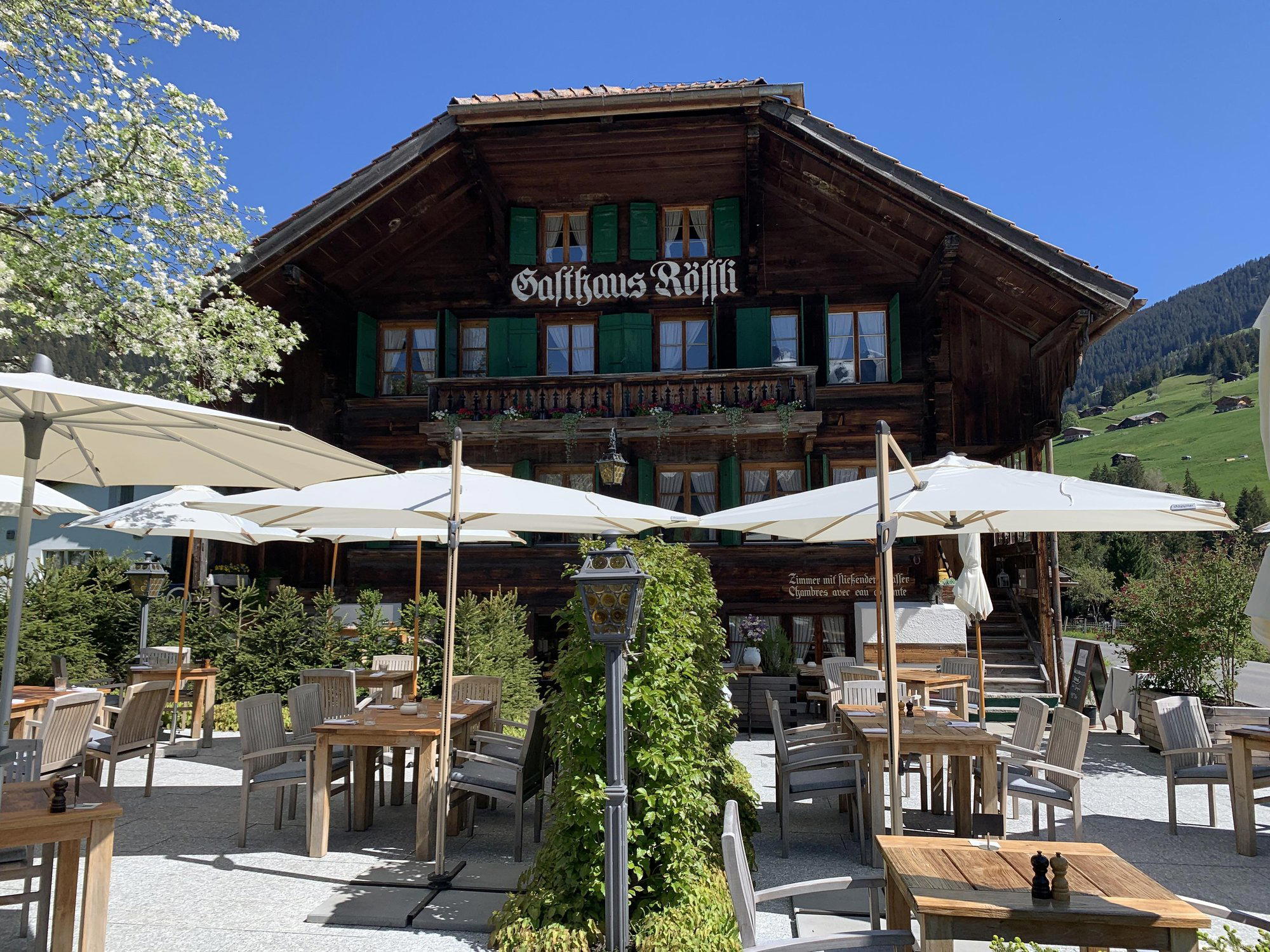
In the Saanen Valley village of Feutersoey, a short drive from Gstaad's resort core, Rössli occupies the kind of old Alpine inn that the region's wealthier neighbours have largely replaced with contemporary builds. The kitchen draws on the pastoral pantry immediately surrounding it — mountain dairy, valley produce, local butchery — placing it within a Swiss tradition where sourcing geography and menu geography are one and the same.

Pearl is the En Primeur Club membership app — saves, bookings, and concierge access live there. Same editors, same standards.
The menu
What to order
- Trout Blau
- Wiener Schnitzel vom Simmentaler Kalb
- Iced Coffee
Where the Saanen Valley Sets the Menu
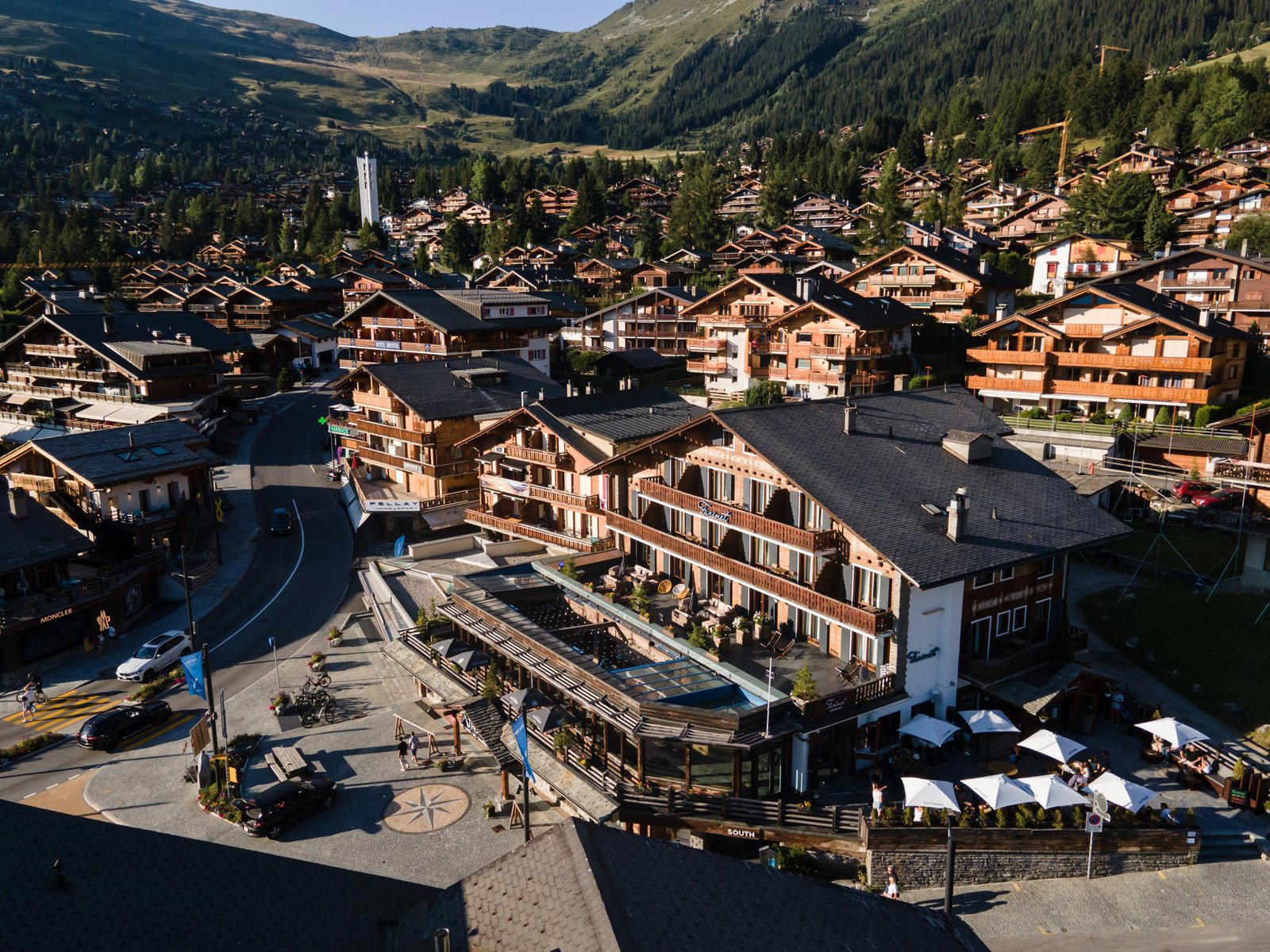
The road from Gstaad to Feutersoey takes less than ten minutes, but the shift in register is significant. Gstaad's resort strip runs on international capital and seasonal spectacle; Feutersoey, tucked further into the Saanen Valley toward the Gsteig pass, operates at a different pace. The buildings here are older, the farms more present, and the relationship between kitchen and landscape more direct. Rössli sits along Gsteigstrasse in this quieter pocket of the Bernese Oberland, in a structure that reads as a working Alpine inn rather than a curated hospitality concept. That distinction matters when you're trying to understand what kind of meal you're walking into. See our full Feutersoey restaurants guide for broader context on dining in this corner of the valley.
The Sourcing Logic of the Alpine Inn
Switzerland's mountain inns have always operated under a particular sourcing logic: you cook what the valley produces, because getting anything else up here in quantity requires effort that the seasonal calendar rarely rewards. In the Saanen Valley, that means dairy from high-pasture herds, mountain herbs that grow at altitude where growing seasons are short and flavour concentrates accordingly, and meat from local farming traditions that predate any contemporary farm-to-table framing. The Bernese Oberland sits at an intersection of Swiss-German and French culinary influences, which means a kitchen in Feutersoey might move between cheese-forward Alpine preparations and the cleaner, more restrained plating conventions that filter in from the Romandy side of the linguistic border.
This kind of sourcing geography is not unique to Rössli — it defines the category of Swiss mountain inn across the country — but the Gstaad area gives it a particular economic backdrop. The resort's presence has raised expectations without necessarily changing what the surrounding land produces. The leading village kitchens in this orbit have learned to let the quality of local ingredients do the argumentative work rather than layering technique over it. Contrast this approach with the more architecturally ambitious kitchens that characterise Switzerland's Michelin tier: Schloss Schauenstein in Fürstenau and Memories in Bad Ragaz operate in a different register entirely, where the sourcing story is one element inside a larger technical and creative framework. At a traditional inn, sourcing is the frame itself.
Atmosphere and Physical Setting
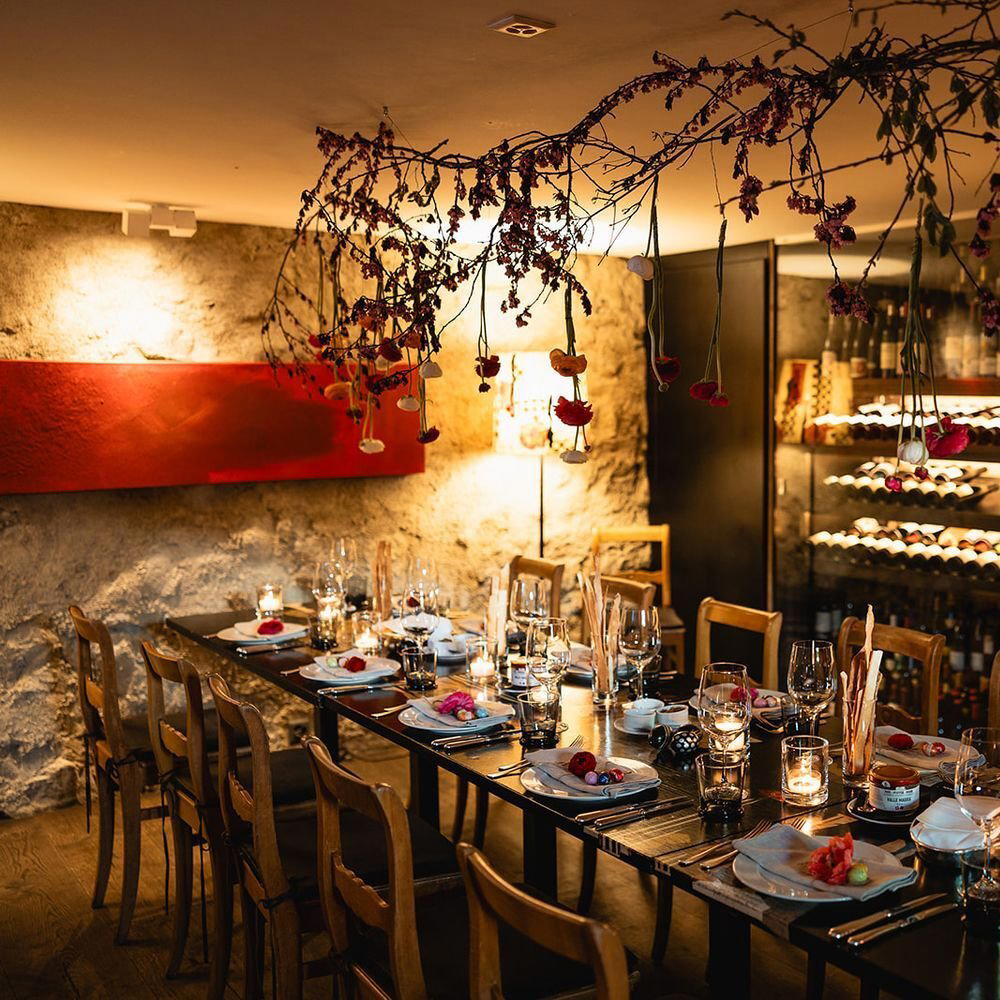
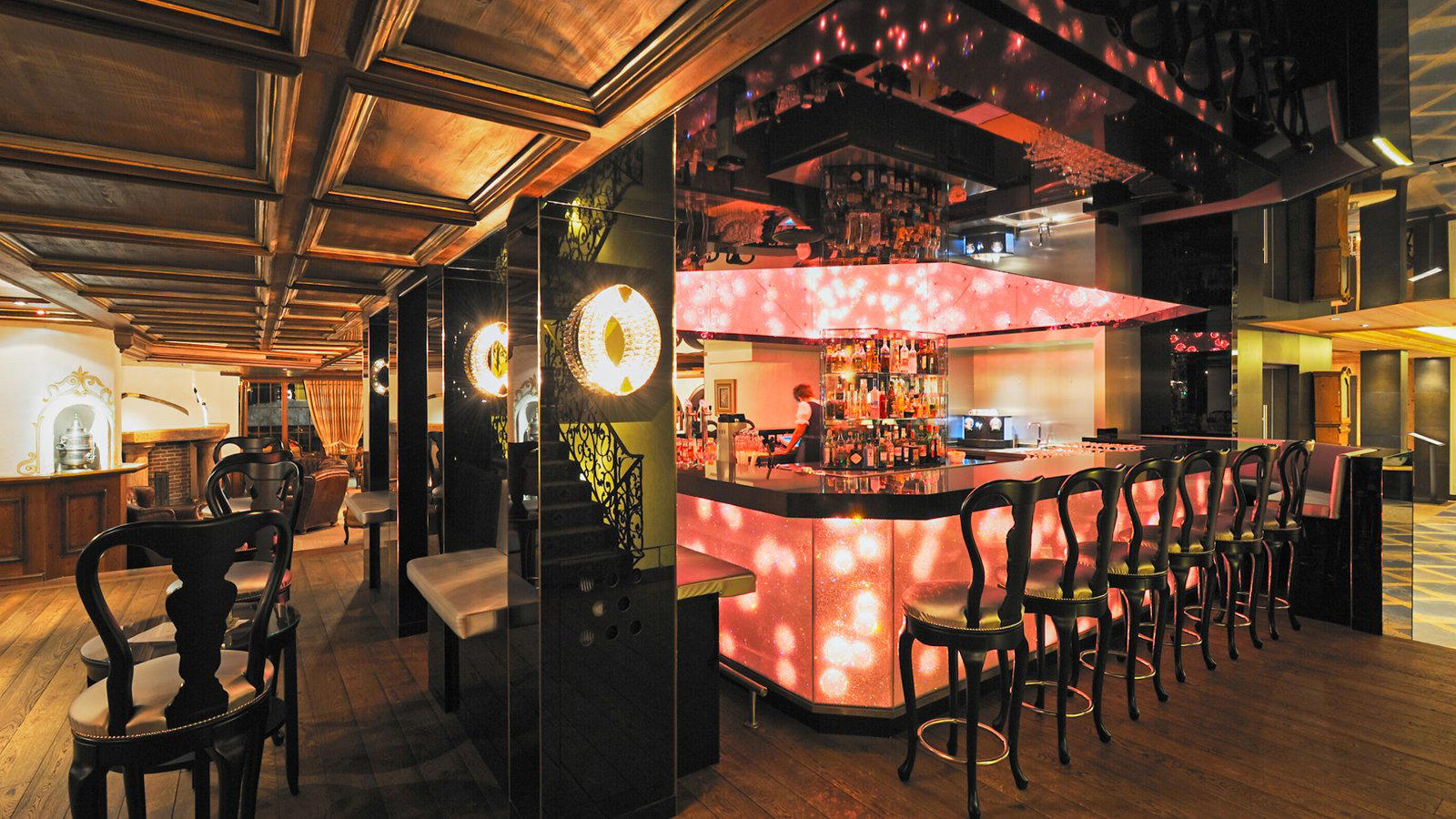
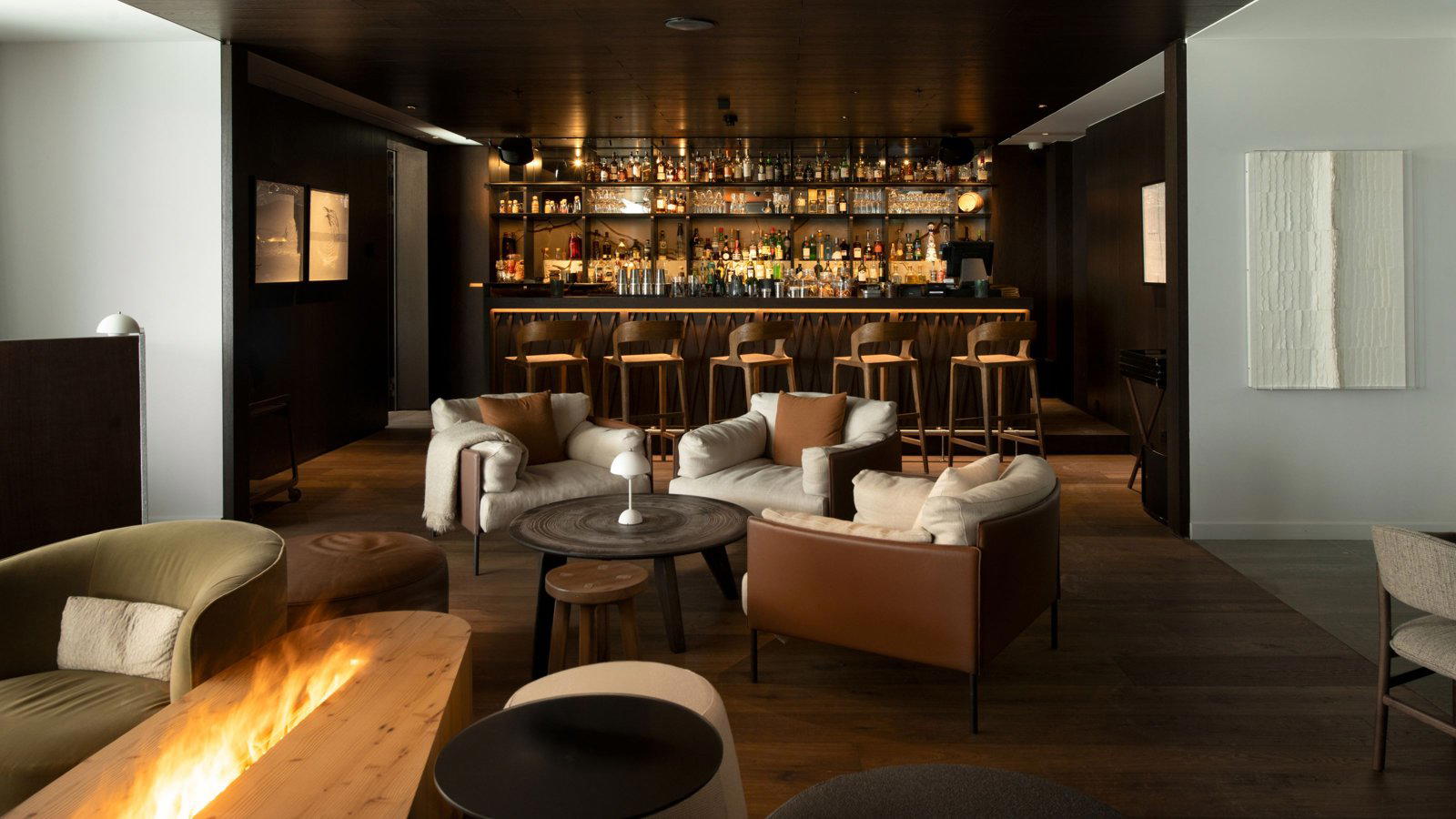
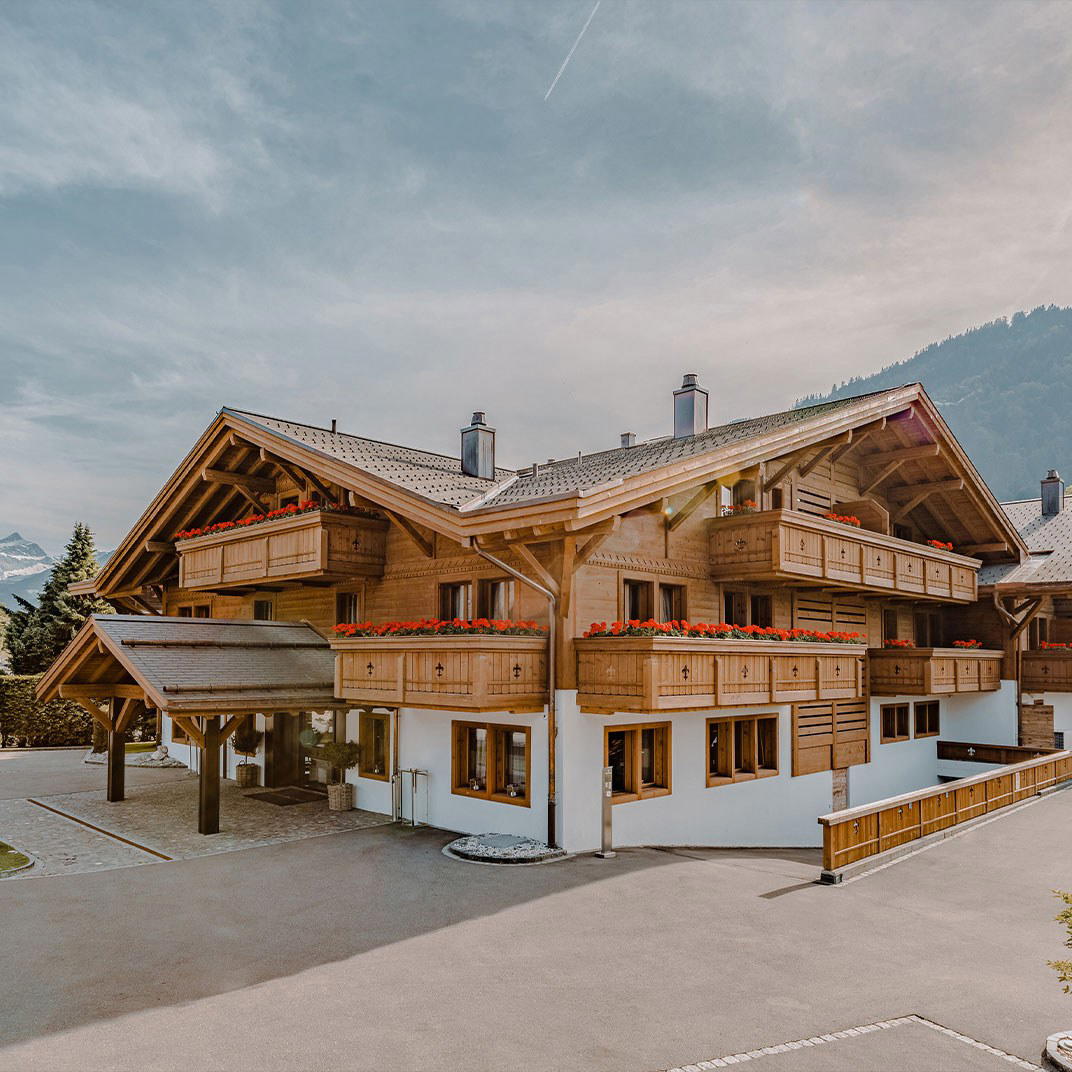
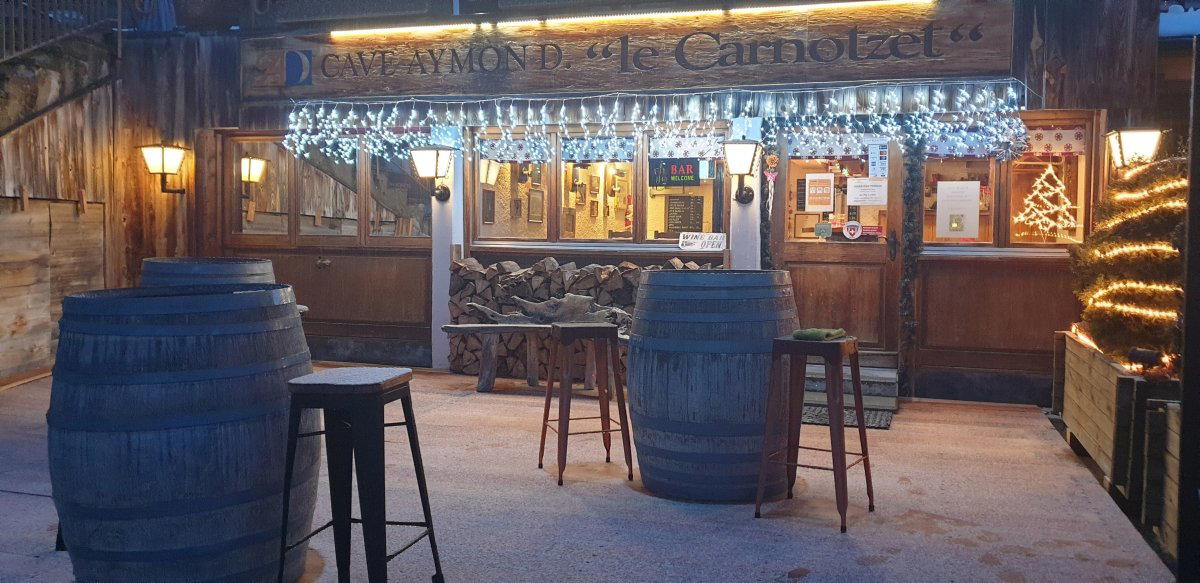
Approaching Rössli along Gsteigstrasse, the building announces itself in the way that older Swiss village inns typically do: a gabled structure, weathered timber, a facade that has absorbed several decades of mountain seasons without being renovated into neutrality. Inside, the atmosphere follows the pattern of Bernese Oberland gastronomy rather than the international hotel dining that dominates Gstaad proper. Wooden interiors, low ceilings, and the functional honesty of a room designed for people who have actually been outside in the cold, these are the markers of the form. The pace is unhurried in the way that Alpine villages are unhurried, not as a designed service philosophy but as a consequence of where the place is and who it serves.
Seasonality shapes the experience in ways that are hard to separate from the physical environment. The valley looks and feels different in January than it does in July, and a kitchen that sources locally will reflect that shift on the plate. Winter brings richer, more fortifying preparations; summer opens up to lighter dairy applications and fresh mountain herbs. Travellers used to year-round menu consistency at resort-adjacent properties may find this flux disorienting; those who read it correctly will find it informative.
The Gstaad Context: What the Resort Orbit Produces
Gstaad has always attracted a dining tier calibrated to its clientele, which is to say, expensive and internationally oriented. The village inns that survive in the surrounding communes, places like Feutersoey and Gsteig, occupy a different competitive space. They are not competing for the same diner as the resort hotel restaurants; they are serving a mix of locals, valley regulars, and visitors who have specifically sought out something that the resort core cannot offer. That gap has widened as Gstaad's food offer has grown more homogeneous at the high end.
For Swiss fine dining benchmarks, the reference points are elsewhere in the country. Cheval Blanc by Peter Knogl in Basel, Hotel de Ville Crissier in Crissier, and focus ATELIER in Vitznau represent the country's technically driven, award-recognised end of the spectrum. IGNIV Zürich by Andreas Caminada and La Table du Lausanne Palace anchor the urban luxury tier. Rössli in Feutersoey is not in conversation with any of those rooms. It belongs to a parallel Swiss dining tradition, the Wirtshaus or Beiz model, where the criteria for success are consistency, local embeddedness, and honest seasonal execution rather than creative ambition or critical recognition.
That positioning is worth naming directly. Visitors arriving from a reference frame built around 7132 Silver in Vals or Da Vittorio in St. Moritz will be making a category error if they apply the same evaluation framework. The appeal of a Feutersoey inn is structural, not aspirational, it offers access to a dining tradition that the resort economy tends to erode rather than support.
Planning a Visit
Feutersoey is accessible by car from Gstaad in under fifteen minutes, and the valley road is direct in summer; winter driving requires standard Alpine awareness of road conditions around the Gsteig area. As with most small Swiss inns, the practical details, hours, reservation policy, current menu format, are best confirmed directly and in advance, as seasonal operations in mountain villages rarely follow year-round urban scheduling. Given the inn's village scale and the relatively small number of covers typical of the form, arriving without a reservation during peak Gstaad seasons (January to February for skiing, July to August for summer) carries real risk. Visitors planning wider Swiss itineraries might also consider Magdalena in Schwyz, Maison Wenger in Le Noirmont, Einstein Gourmet in Sankt Gallen, Colonnade in Lucerne, La Brezza in Ascona, and L'Atelier Robuchon in Geneva to round out a cross-country dining itinerary. For international reference, Le Bernardin in New York City and Atomix in New York City represent the kind of rigorous sourcing-led cooking that, while technically very different from an Alpine inn format, shares the same foundational discipline around ingredient provenance.
Frequently asked questions
Is Rössli Feutersoey-Gstaad suitable for children?
Swiss village inns of Rössli's type have traditionally served the local community, including families, making them considerably more relaxed in format than the resort dining rooms up the road in Gstaad. The setting at Gsteigstrasse 161 is a working inn rather than a destination restaurant, which typically means a tolerance for younger guests that a tasting-menu counter would not offer.
What should I expect atmosphere-wise at Rössli Feutersoey-Gstaad?
The building on Gsteigstrasse is a gabled Alpine structure of the kind that Saanen Valley villages have produced for generations: weathered timber, low ceilings, and a register that reads as communal rather than performative. Feutersoey sits less than ten minutes from Gstaad's resort strip, but the atmosphere at an inn of this type is anchored to the valley rather than the international circuit above it. Expect the kind of room where regulars eat on weeknights, not one calibrated to a seasonal luxury clientele.
How does dining at Rössli Feutersoey compare to restaurants in Gstaad village itself?
Gstaad's dining tier is calibrated to an international resort clientele, with prices and formats to match. Rössli sits in Feutersoey, a separate village on Gsteigstrasse roughly ten minutes down the valley, and operates within the older tradition of the Swiss Gasthaus rather than the resort-hotel dining room. For travellers staying in the Gstaad area who want to eat closer to how the valley actually functions, an inn like Rössli represents a distinct alternative in both register and sourcing logic.
What's the signature dish at Rössli Feutersoey-Gstaad?
Swiss mountain inns at this altitude and in this valley have historically organized their menus around what local farms and seasonal production make available, which means the menu shifts rather than anchoring to a single set piece. For current offerings, contacting the venue directly before your visit is the practical approach.
Where exactly is Rössli Feutersoey-Gstaad?
Rössli Feutersoey-Gstaad is located at Gsteigstrasse 161, 3784 Gsteig, Switzerland, Feutersoey.
Can I walk in to Rössli Feutersoey-Gstaad?
No booking policy is documented for Rössli, and village inns in the Saanen Valley have typically operated with less formalized reservation systems than Gstaad's resort-facing restaurants. Feutersoey is a small settlement, so walk-in capacity depends heavily on the day and season. Arriving early or calling ahead remains the sensible approach, particularly during winter high season when the broader Gstaad area is at peak occupancy.
Fast Comparison
Comparable venues nearby, for context on price, style, and recognition.
| Venue | Cuisine | Price | Awards | Notes |
|---|---|---|---|---|
| Rössli Feutersoey-GstaadThis venue — the venue you are viewing | Swiss Alpine Classics | $50–100 | Not listed | Not listed |
| Hohliebestübli | Modern Alpine Seasonal | $100–150 | Not listed | Adelboden |
| gurtners | Modern Swiss with panoramic views | $50–100 | Not listed | Gurten / Wabern bei Bern |
| Romantik Hotel zu den drei Sternen | Swiss Regional Natural Cuisine | $50–100 | Star Wine List | Brunegg |
| Gasthaus Adler | Swiss Regional | Not listed | Not listed | Allenwinden |
| Landgasthof Kemmeriboden-Bad | Seasonal Swiss Regional | Not listed | Star Wine List | Schangnau |
Continue exploring
More in Feutersoey
Restaurants in Feutersoey
All restaurants in Feutersoey →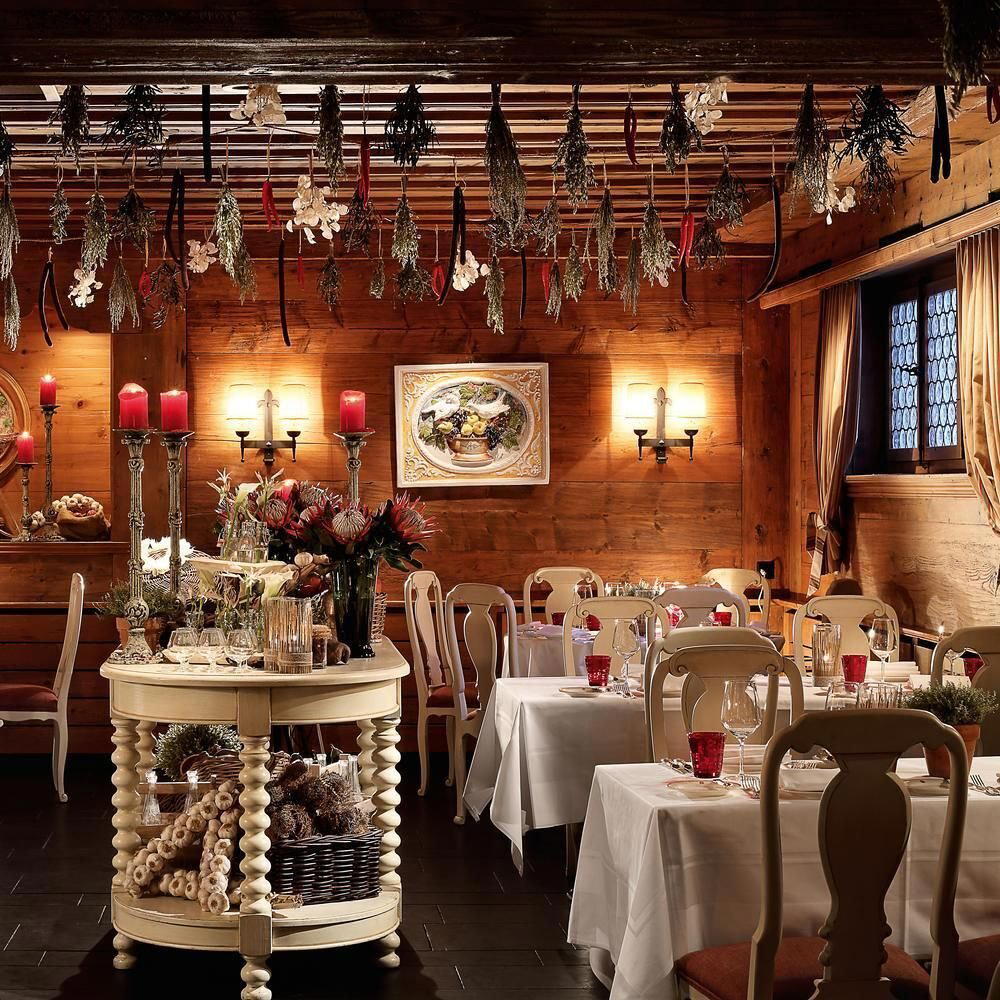
Bars in Feutersoey
Browse all →


Details
- Rustic
- Cozy
- Classic
- Intimate
- Family
- Group Dining
- Celebration
- Business Dinner
- Casual Hangout
- Terrace
- Garden
- Historic Building
- Standalone
- Beer Program
- Local Sourcing
- Farm To Table
- A La Carte
- Set Menu
- Wine
- Beer
- Vegetarian Friendly
Current opening hours
- Monday
- Closed
- Tuesday
- Closed
- Wednesday
- Closed
- Thursday
- Closed
- Friday
- Closed
- Saturday
- Closed
- Sunday
- Closed
Hours can change for holidays and private events. Last verified .
Warm and welcoming rustic dining room with atmospheric Rösslistube; newly designed garden terrace offering a blend of traditional Swiss hospitality with modern refinement.