Our verdict
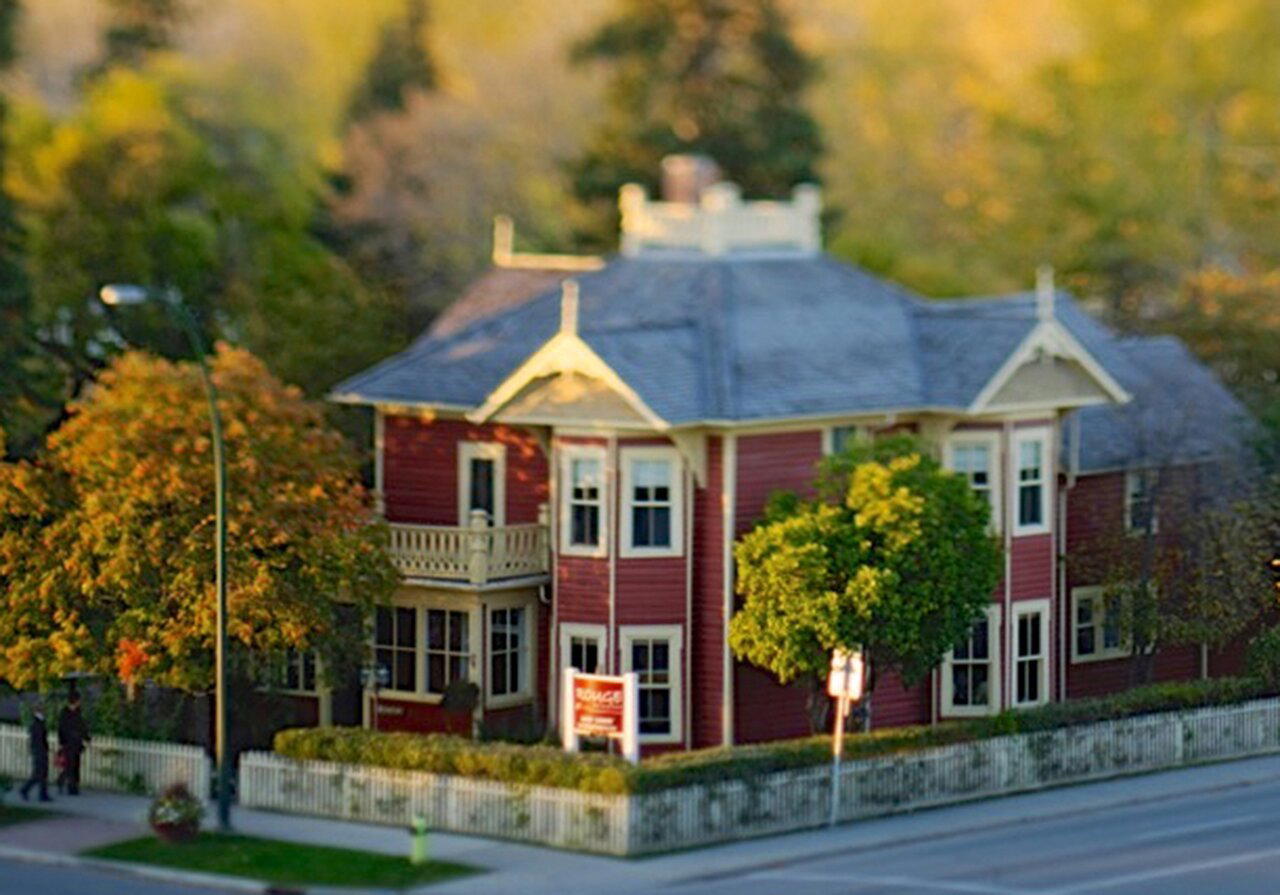
Rouge occupies a restored heritage house in Inglewood, one of Calgary's oldest residential neighbourhoods, where the format centres on a multi-course progression rooted in Canadian seasonal ingredients. The address at 1240 8 Ave SE places it within walking distance of the Bow River pathway, and the dining room's domestic scale shapes the pace of service as much as the kitchen does.

Pearl is the En Primeur Club membership app — saves, bookings, and concierge access live there. Same editors, same standards.
- Address
- 1240 8 Ave SE, Calgary, AB T2G 0M7, Canada
- Phone
- (403) 531-2767
- Hours
- Mon ClosedTue–Sun 5–10 PM
- Website
- rougecalgary.com
- Directions
- Get directions
- Booking
- Book on OpenTable
The menu
What to order
- Beef Tenderloin with Herbed Butter Crust
- Dungeness Crab and Lobster Risotto
- Pâté en Croûte
A Heritage House and What It Demands of a Meal
Inglewood is the oldest neighbourhood in Calgary, a grid of early-twentieth-century residential architecture that sits east of the downtown core along the north bank of the Elbow River. The block-by-block character of the area — corner shops, converted warehouses, a slow-moving main street — sets a particular expectation before you even reach the door. Rouge operates out of a restored heritage house at 1240 8 Ave SE, and the building's domestic proportions are not incidental to the experience. In most cities, fine dining declares itself through scale: tall ceilings, wide room spans, the visual grammar of institutional formality. A heritage house inverts that convention. The rooms are close, the ceilings are residential, and the accumulated detail of an old structure, trim work, window framing, the particular quality of light through older glass, frames a meal differently than a purpose-built dining room would.
That architectural context belongs to a broader pattern in Canadian fine dining, where heritage buildings have become one of the primary containers for serious kitchens. A Certain Flair Catering at Lougheed House operates within a designated historic property on 13th Avenue SW, reinforcing how Calgary's more considered dining rooms tend to occupy spaces with a prior life rather than ground-up builds. The logic is partly aesthetic and partly civic: heritage properties carry neighbourhood credibility that new construction takes years to earn.
The Sequence as the Point
The multi-course format is not a format that Rouge invented, it is one that the kitchen has chosen as the organizing principle of the experience, and that choice carries implications for how a meal actually unfolds. A tasting progression structures time. The early courses establish register: acidity, temperature, portion weight. The middle courses carry the most technical ambition, where protein, preparation method, and accompaniment converge in the courses that will define whether the kitchen has made a coherent argument across the table. The later courses, cheese, pre-dessert, dessert, function as a kind of editorial, slowing the pace and allowing the cumulative impression to settle.
This structure is the dominant format at the upper end of Canadian restaurant culture. Alo in Toronto built its reputation on precisely this discipline, and Tanière³ in Quebec City uses multi-course sequencing to frame hyper-regional Quebec ingredients within a technically precise context. What distinguishes these programs from one another is rarely the format itself but rather the sourcing logic and the relationship between the kitchen and its suppliers, the degree to which the progression reflects a specific geography rather than a generic luxury register.
In Alberta, that geography is unusually legible on a plate. The province's ranching culture produces beef and bison with a provenance story that is easier to tell than most Canadian proteins. Growing seasons are compressed by latitude, which concentrates the window for local produce and makes seasonal sourcing choices more visible to a diner who pays attention. A kitchen in Inglewood drawing on Alberta's agricultural calendar is working with a different set of constraints and opportunities than a kitchen in Montreal or Vancouver, and those constraints, when taken seriously, produce menus that feel earned rather than assembled.
Where Rouge Sits in Calgary's Upper Tier
Calgary's fine-dining tier has grown meaningfully over the past decade, and it now contains enough variety to allow for genuine comparison. Alloy represents one point on that spectrum, with a format and aesthetic that places it in a different competitive register than a heritage-house tasting room. The River Café on Prince's Island Park has long occupied the local-seasonal position in the city's dining narrative, using a Tuscan-influenced lens on Alberta ingredients. Rouge operates in a distinct lane: heritage setting, formal progression, a scope that aligns it more closely with the Canadian fine-dining category than with the neighbourhood bistro tier that Alforno Eau Claire or Annabelle's Kitchen Downtown occupy.
Restaurant Pearl Morissette in Lincoln does this for Niagara wine country. AnnaLena in Vancouver uses a similar structural approach on the West Coast. Eigensinn Farm in Singhampton takes the regional-sourcing logic to its most extreme expression, where the farm is the restaurant. Rouge's position in Inglewood, a neighbourhood with its own identity distinct from downtown Calgary, gives it a geographic anchor that the format can support.
Planning the Visit
Inglewood is reachable from downtown Calgary in under fifteen minutes on foot via the pathway network along the Bow River, or a short drive east along 9th Avenue SE. The neighbourhood has enough daytime activity, independent shops, coffee, the Inglewood Bird Sanctuary a short walk further east, to make an early arrival worthwhile before an evening sitting. For visitors comparing this address against other Calgary options, Aloha Modern Kitchen and the broader Inglewood dining scene offer context for the neighbourhood's current character. The full picture of Calgary's restaurant range is available in our full Calgary restaurants guide.
For those planning a broader Canadian fine-dining itinerary, the comparison set is instructive: Jérôme Ferrer - Europea in Montreal and Narval in Rimouski represent the Quebec end of the spectrum, while Fogo Island Inn Dining Room in Joe Batt's Arm anchors the hyper-local extreme in Newfoundland. Internationally, the structural discipline of a kitchen like Le Bernardin in New York City or the communal tasting format at Lazy Bear in San Francisco illustrates the range of approaches that share the multi-course framework while arriving at entirely different dining cultures. The Pine in Creemore offers another reference point for heritage-building fine dining in a small Canadian community, and Busters Barbeque in Kenora sits at the opposite end of the formality spectrum, useful for understanding how Alberta and Ontario approach the question of what a serious meal needs to look like.
Frequently asked questions
Where is Rouge in Calgary?
Rouge is located at 1240 8 Ave SE, Calgary, AB T2G 0M7, Canada, Calgary.
Is Rouge in Inglewood a good choice for a milestone anniversary dinner in Calgary?
The combination of a heritage residential setting in Calgary's oldest neighbourhood and a formal multi-course format positions Rouge as one of the more considered options for a milestone dinner in the city. The Inglewood address at 1240 8 Ave SE offers a quieter, residential atmosphere that reads differently from a downtown hotel dining room. For occasions where setting and sequence both matter, the format suits the intent.
What's the best thing to order at Rouge?
Rouge structures the meal as a multi-course progression, so the kitchen guides the sequence rather than leaving individual dishes to à la carte selection. The through-line is Alberta's regional ingredient base, which shapes the menu more than any single standout dish. Committing to the full progression rather than a shorter format gives the kitchen's logic the room it needs to land.
How hard is it to get a table at Rouge?
Rouge operates in Calgary's upper fine-dining tier, a category with a limited number of serious kitchens relative to the city's size, which concentrates demand at the handful of rooms that run a formal multi-course format. Advance booking is advisable, particularly for weekend sittings and occasions tied to specific dates. Checking availability several weeks out is a reasonable starting point.
Where the Accolades Land
Comparable venues nearby, for context on price, style, and recognition.
| Venue | Cuisine | Price | Awards | Notes |
|---|---|---|---|---|
| RougeThis venue — the venue you are viewing | French Farm-to-Table Fine Dining | $100–150 | Not listed | Not listed |
| Purlieu | Modern French Bistro | Not listed | Not listed | Oakridge |
| EIGHT | Modern Canadian Tasting Menu | $300–500 | World's 50 Best #2 · Canada's 100 Best Restaurants #9 | Downtown East Village |
| Carino | Japanese-Italian Fusion | $50–100 | Not listed | 4th Street SW |
| Lunch on 27 | Modern French Bistro | $30–50 | Not listed | Downtown Commercial Core |
| Chairman's steakhouse | Classic Steakhouse | $50–100 | Star Wine List · Wine Spectator Best of Award of Excellence | Mahogany |
Continue exploring
More in Calgary
Restaurants in Calgary
Browse all →
Bars in Calgary
Browse all →
Hotels in Calgary
Browse all →
Wineries in Calgary
Browse all →
Details
- Elegant
- Romantic
- Intimate
- Sophisticated
- Classic
- Date Night
- Special Occasion
- Celebration
- Business Dinner
- Private Event
- Garden
- Private Dining
- Historic Building
- Standalone
- Extensive Wine List
- Sommelier Led
- Farm To Table
- Local Sourcing
- Garden
- Tasting Menu
- A La Carte
- Prix Fixe
- Wine
- Vegetarian Friendly
- Vegan Options
- Gluten Free Options
Current opening hours
- Monday
- Closed
- Tuesday
- 5–10 PM
- Wednesday
- 5–10 PM
- Thursday
- 5–10 PM
- Friday
- 5–10 PM
- Saturday
- 5–10 PM
- Sunday
- 5–10 PM
Hours can change for holidays and private events. Last verified .
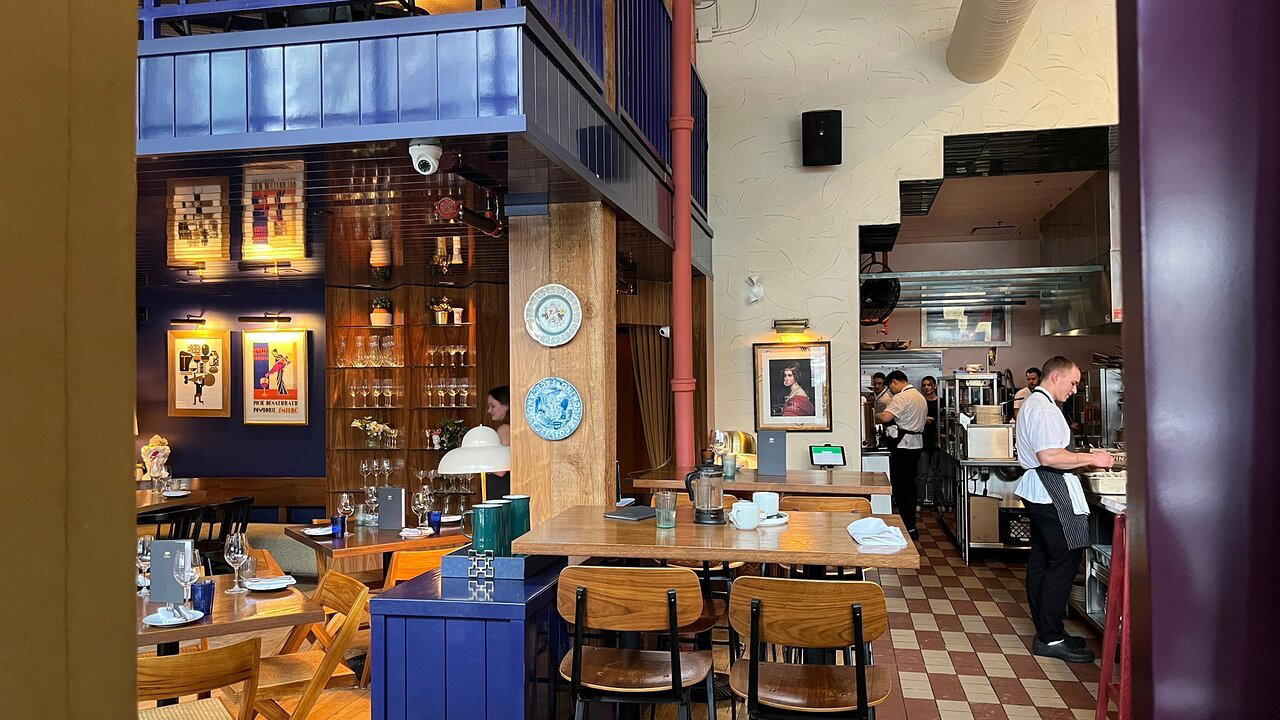
Warm and elegant atmosphere in a lovingly restored historic home with contemporary décor honoring the building's classic character, adorned with local artwork.