Himalayan Cafe
On South Fair Oaks Avenue in Old Pasadena, Himalayan Cafe occupies a corner of the city's dining scene where South Asian and Himalayan traditions converge. The menu draws from the culinary geography stretching across Nepal, Tibet, and northern India, a region whose cooking rarely receives the careful restaurant treatment it deserves in the San Gabriel Valley. For Pasadena diners looking beyond the familiar, this address delivers that treatment at a neighborhood scale.
Pearl is the En Primeur Club membership app — saves, bookings, and concierge access live there. Same editors, same standards.
- Address
- 36 S Fair Oaks Ave, Pasadena, CA 91105
- Phone
- +16265641560
- Website
- himalayancafela.com
- Directions
- Get directions
 Saves & bookings on Pearl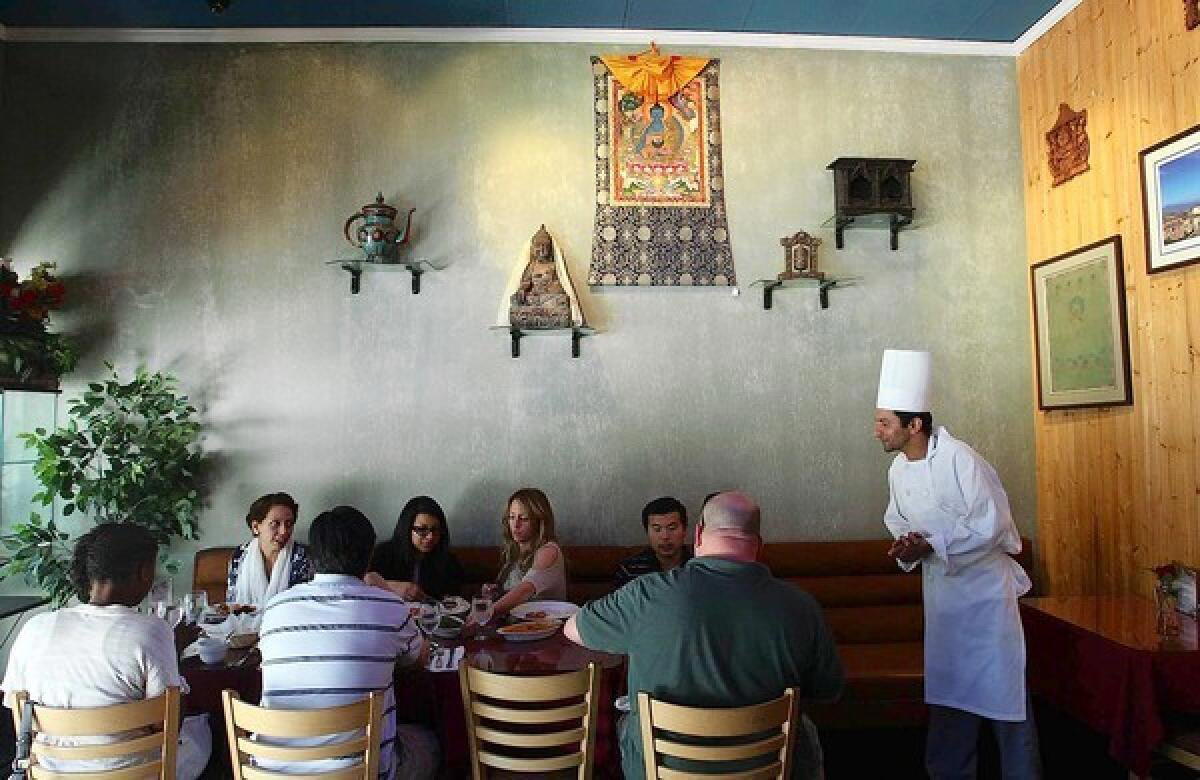
South Fair Oaks and the Case for Himalayan Cooking in Pasadena
Old Pasadena's dining corridor along South Fair Oaks Avenue has long attracted a range of cuisines that sit outside the city's more prominent steakhouse and contemporary California dining tier. Alexander's Steakhouse or Arbour, but that fills a genuine gap in the local food conversation. Himalayan cooking, as a cuisine tradition, occupies a territory that most American diners conflate with Indian food and most Indian restaurants do not represent. The distinction matters at the table.
The culinary geography that runs from Nepal through Tibet and into the northernmost corridors of the Indian subcontinent produces a set of flavors and techniques shaped by altitude, cold, and the trade routes that once connected Central Asia to South Asia. Dishes from this region tend to favor warming spice profiles built around cumin, fenugreek, and timur pepper, a Sichuan pepper relative native to Nepal. The cooking is often defined by restraint in fat, generous use of fermented ingredients, and a relationship with dumplings, specifically momo, that mirrors the role of dim sum in Cantonese tradition or pierogi in Eastern European cuisines. In a city like Pasadena, where the South Asian dining conversation tends to center on northern Indian and subcontinental formats, a restaurant that takes Himalayan sources seriously represents a different point on the map.
How the Meal Moves: Reading the Menu as a Progression
Himalayan menus, at their most coherent, build across a logic that differs from the appetizer-entree linearity familiar to American diners. The better approach at a restaurant like this is to read the menu in courses that reflect how the food is actually structured: small bites and soups first, dumplings as a middle layer, then the longer-cooked protein dishes and lentil preparations that form the meal's center of gravity. This sequencing matters because the flavors of Himalayan cooking tend to deepen rather than spike, and the contrast between a broth-based soup and a slow-cooked lamb or chicken preparation reads differently when they arrive in order rather than simultaneously.
Momo, the half-moon dumpling that functions as a throughline across Nepali and Tibetan cooking, typically anchors the early-to-middle stage of this progression. Steamed versions allow the filling's seasoning to register clearly; fried versions offer textural contrast. Both formats share space on most Himalayan menus. The dipping sauces that accompany momo, often tomato-based with dried chilies or sesame, do significant work and deserve attention rather than being treated as garnish. At restaurants where the kitchen is attentive to this detail, the sauce shifts the dumpling's register completely depending on how much you use and when in the meal you reach for it.
The larger curry and stew dishes that follow tend to use techniques rooted in slow reduction and layered tempering, a process where whole spices are bloomed in fat at different stages of cooking rather than added together. The result, in a well-executed Himalayan curry, is a depth that reads as neither purely Indian nor generically South Asian. Dal preparations, particularly black lentil versions cooked over extended periods, form the kind of backbone dish that rewards eating with rice rather than bread, though both are typically offered.
Pasadena's Broader South Asian Dining Context
Pasadena sits at the western edge of the San Gabriel Valley, a region that has built among the more concentrated and diverse Asian dining ecosystems in the United States. The western neighborhoods of Pasadena itself support a South Asian dining tier that includes All India Cafe, which occupies a well-established position in the subcontinental format, and Amara Cafe & Restaurant, which leans into a different register. Against that backdrop, a Himalayan-specific address on South Fair Oaks represents a narrower culinary niche, one that pulls from a region most diners encounter rarely even in major metro markets.
The contrast is instructive for anyone building a mental map of Pasadena's dining range. Himalayan Cafe operates in a neighborhood register, where the editorial interest lies in a cuisine tradition that rarely receives sustained restaurant attention in Southern California outside a handful of dedicated operations.
For context on what that regional dining scene looks like at its broadest, Pasadena's Old Town blocks are populated with distinct dining formats operating side by side. The Himalayan niche, in that context, occupies a specific gap rather than competing directly with the steakhouse or contemporary California tiers.
Planning Your Visit
Himalayan Cafe is located at 36 S Fair Oaks Ave in Old Pasadena, walkable from the main Colorado Boulevard blocks and positioned within the dining cluster that makes the neighborhood a natural evening destination. South Fair Oaks sits just south of the busier retail corridor, which typically means somewhat easier street parking than the Colorado Boulevard blocks immediately to the north, particularly on weekdays. The restaurant's neighborhood scale means the experience is calibrated for the kind of unhurried meal where working through a proper progression of the menu, soup to dumpling to main, takes the full shape of the evening rather than being compressed into a quick service format. Reservations are recommended, especially for weekend evenings when Old Pasadena is busiest.
Recognition Snapshot
Comparable venues nearby, for context on price, style, and recognition.
| Venue | Cuisine | Price | Notes |
|---|---|---|---|
| Himalayan CafeThis venue — the venue you are viewing | Nepalese, Indian & Tibetan | $$ | Not listed |
| All India Cafe | Authentic All India Cuisine | $$ | Old Pasadena |
| Amara Cafe & Restaurant | Venezuelan Café & Chocolate House | $$ | Old Town Pasadena |
| Plate 38 | Modern New American Gastropub | $$ | East Pasadena |
| Ramen Tatsunoya | Authentic Tonkotsu Ramen | $$ | Old Pasadena |
| TSUKE Artisan Noodle | Japanese Artisan Noodles | $$ | Old Town Pasadena |
Continue exploring
More in Pasadena
Restaurants in Pasadena
Browse all →
Bars in Pasadena
Browse all →

Hotels in Pasadena
Browse all →

Wineries in Pasadena
Browse all →
At a Glance
- Cozy
- Intimate
- Casual Hangout
- Family
Current opening hours
- Monday
- 11:30 AM–9:30 PM
- Tuesday
- 11:30 AM–9:30 PM
- Wednesday
- 11:30 AM–9:30 PM
- Thursday
- 11:30 AM–9:30 PM
- Friday
- 11:30 AM–10 PM
- Saturday
- 11:30 AM–10 PM
- Sunday
- 11:30 AM–9:30 PM
Hours can change for holidays and private events. Last verified .
Warmly lit spot decorated with regional art, offering an intimate and cozy dining atmosphere.