Roppongi Restaurant and Lounge
Roppongi Restaurant and Lounge brings Asian fusion to La Jolla's dining scene, pairing pan-Asian culinary traditions with the coastal California sensibility that defines the area's better tables. The lounge format places it in a hybrid tier between destination dining and social eating, making it a reference point for La Jolla's growing appetite for internationally inflected cooking. Visitors looking for alternatives to the neighbourhood's Italian and New American anchors will find the format worth considering.
Pearl is the En Primeur Club membership app — saves, bookings, and concierge access live there. Same editors, same standards.
- Address
- 875 Prospect St Ste 102, La Jolla, CA 92037
- Phone
- (858) 551-5252
- Website
- roppongiusa.net
- Directions
- Get directions
 Saves & bookings on Pearl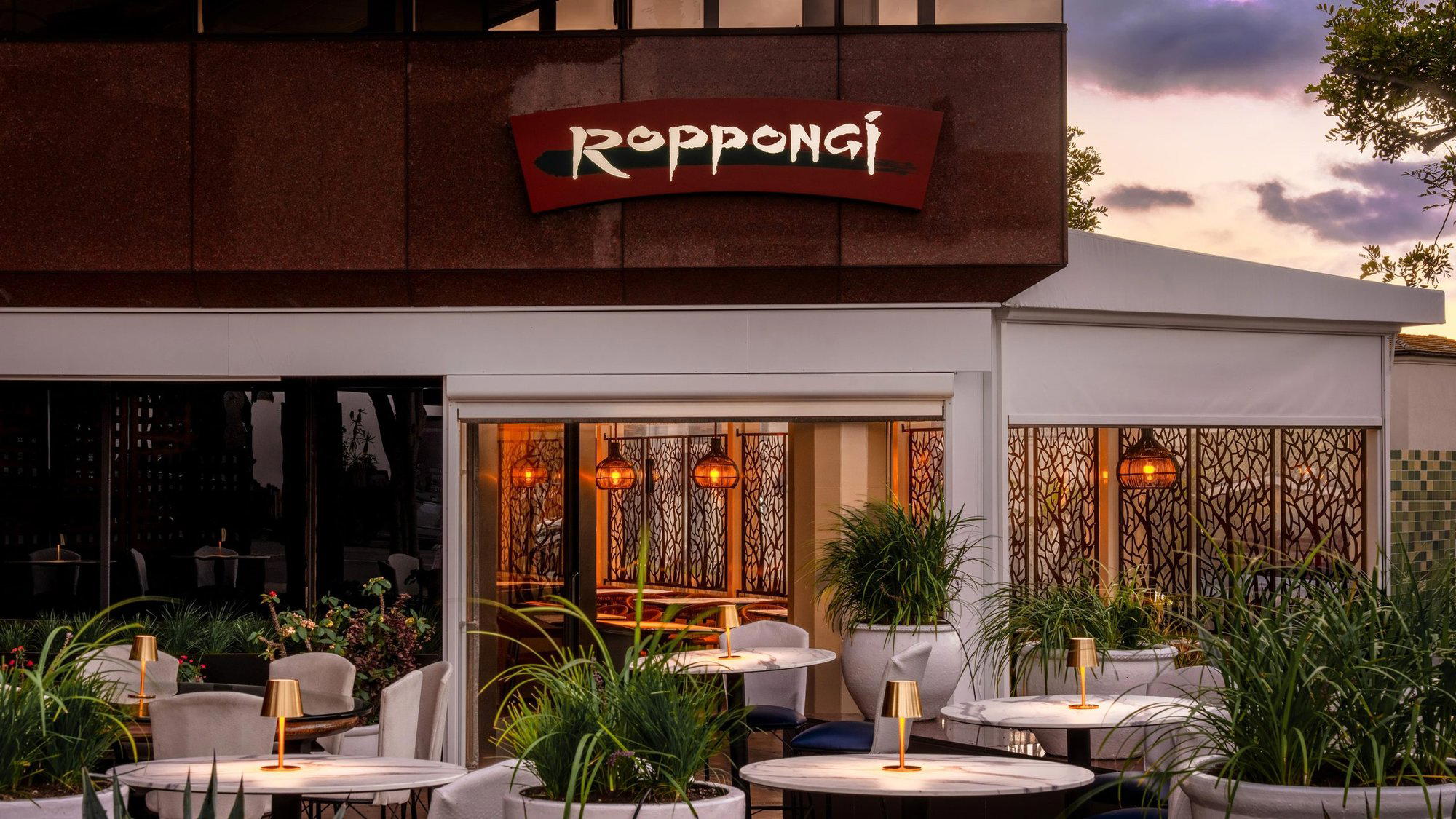
Asian Fusion in a California Coastal Context
La Jolla's dining identity has long been shaped by its geography: a cliff-edged coastal enclave with a concentration of serious restaurants that punches well above its residential scale. The dominant registers here are New American and Italian, with properties like A.R. Valentien and Catania anchoring the mid-to-upper price tier, and Nine-Ten and Georges at the Cove providing the contemporary fine-dining reference points. Against that backdrop, Asian fusion occupies a smaller but increasingly credible niche, one where the question is less about authenticity to a single tradition and more about how well a kitchen synthesises across culinary systems.
Roppongi Restaurant and Lounge is a La Jolla restaurant and lounge serving modern Asian fusion with sushi. Its name references one of Tokyo's most internationally layered districts, a neighbourhood historically known for its fusion of Western and Japanese culture, which signals something about the kitchen's intended register: not a single-origin Asian concept but a pluralist approach that draws from across the continent's cooking traditions. In a city where Japanese small plates are handled with precision at places like Himitsu, an Asian fusion format necessarily positions itself differently, appealing to diners who want range rather than depth in a single tradition.
The Cultural Architecture of Asian Fusion
Asian fusion as a category carries a complicated legacy in American dining. The format peaked commercially in the late 1990s and early 2000s, when it often functioned as a vehicle for surface-level borrowing across Japanese, Thai, Chinese, and Vietnamese cooking. What followed in better kitchens was a course correction: chefs with genuine training in specific Asian traditions began applying those foundations more rigorously, and the category shed much of its arbitrariness. The better examples of the format today tend to have a clear culinary anchor, often Japanese or Southeast Asian technique, onto which influences from adjacent traditions are layered with some logic.
That evolution is visible at comparable restaurants internationally. Dos Palilos in Barcelona applies Japanese izakaya structure to Spanish-influenced small plates with clear technical discipline. Aalto in Milan demonstrates how Asian culinary thinking can be threaded through a European fine-dining framework without losing coherence. In both cases, the fusion works because it starts from a specific tradition rather than a general aesthetic. The strongest version of this format elsewhere in the United States, at places like Lazy Bear in San Francisco or in the ingredient-led discipline you find at Single Thread Farm in Healdsburg, shows how cross-cultural cooking holds together when it is grounded in sourcing and technique rather than novelty.
Roppongi's lounge component places it in a distinct sub-tier of this category. The restaurant-lounge format is less about a singular tasting experience and more about a social dining rhythm, where the menu is designed to move across the table and the atmosphere supports extended stays rather than focused, course-by-course progression. This positions it closer to the izakaya and dim sum traditions than to the omakase or chef's-table formats that define one formal end of Asian-influenced dining in California.
Where Roppongi Sits in La Jolla's Dining Structure
La Jolla's restaurant concentration is unusually high for a neighbourhood its size. The area draws diners from across San Diego County partly because of its destination hotels and partly because several of its kitchens have sustained quality over multiple years. The comparison set for a restaurant like Roppongi includes not just other Asian-inflected venues but the full mid-to-upper dining tier in the neighbourhood, given that La Jolla diners typically select across cuisine type when planning evenings out.
Within that broader set, the lounge designation matters. It signals a format that sits between casual and formal, appropriate for group dining, pre-theatre eating, or extended social evenings in a way that a tasting-menu restaurant would not be. San Diego's dining culture has historically leaned toward this middle register more than, say, San Francisco or Los Angeles, where formal chef-driven experiences command a larger share of the premium market. Venues at the formal extreme, from Le Bernardin in New York to Alinea in Chicago and The French Laundry in Napa, operate under a different social contract entirely. Roppongi belongs to a more accessible register, which is not a limitation so much as a different set of priorities.
For visitors building an itinerary around La Jolla's dining scene, it is worth understanding the structural role each restaurant plays. Roppongi fills a gap that the neighbourhood's Italian and New American anchors do not, providing a pan-Asian framework in a setting comfortable enough for longer, less structured evenings. That is a specific kind of utility, and one that is harder to find in La Jolla than the proliferation of sushi bars might suggest. There is a meaningful difference between a single-cuisine Japanese restaurant and a kitchen that draws from multiple Asian traditions, and that difference tends to show most clearly in the breadth of the menu and the social flexibility of the format.
Planning Your Visit
Roppongi operates as both a restaurant and lounge, which means the experience can be shaped around how you arrive and what you are looking for. Visitors focused on a full dining experience should approach it as they would any mid-to-upper-tier La Jolla restaurant: evening reservations for weekend visits are advisable, though the lounge component may offer more flexibility for walk-in access later in the evening. La Jolla's restaurant corridor is compact and walkable, which makes it realistic to combine a meal at Roppongi with drinks elsewhere in the neighbourhood, including stops covered in our full La Jolla bars guide. For those building a longer stay around the area's dining, our La Jolla hotels guide covers the accommodation options that place you closest to the restaurant concentration. Those exploring the region's wine and experience offerings alongside dinner will find further context in our La Jolla wineries guide and La Jolla experiences guide. The full picture of the neighbourhood's dining options is mapped in our La Jolla restaurants guide, which sets Roppongi in the context of the area's wider culinary range.
Cost Snapshot
Comparable venues nearby, for context on price, style, and recognition.
| Venue | Cuisine | Price | Notes |
|---|---|---|---|
| Roppongi Restaurant and LoungeThis venue — the venue you are viewing | Not listed | $$$ | Not listed |
| La Dolce Vita | La Jolla, Authentic Italian Trattoria | $$$ | Not listed |
| Osteria Romantica | Not listed | $$ | La Jolla Shores, Authentic Italian Trattoria |
| Candor by Giuseppe | Not listed | $$$ | La Jolla, Modern Italian-American Gastropub |
| Duke's La Jolla | Not listed | $$ | La Jolla, Hawaiian Regional Seafood & Steakhouse |
| Taste of the Himalayas | Not listed | $$ | La Jolla, Authentic Indian and Nepalese Himalayan |
At a Glance
- Lively
- Elegant
- Trendy
- Sophisticated
- Date Night
- Group Dining
- Casual Hangout
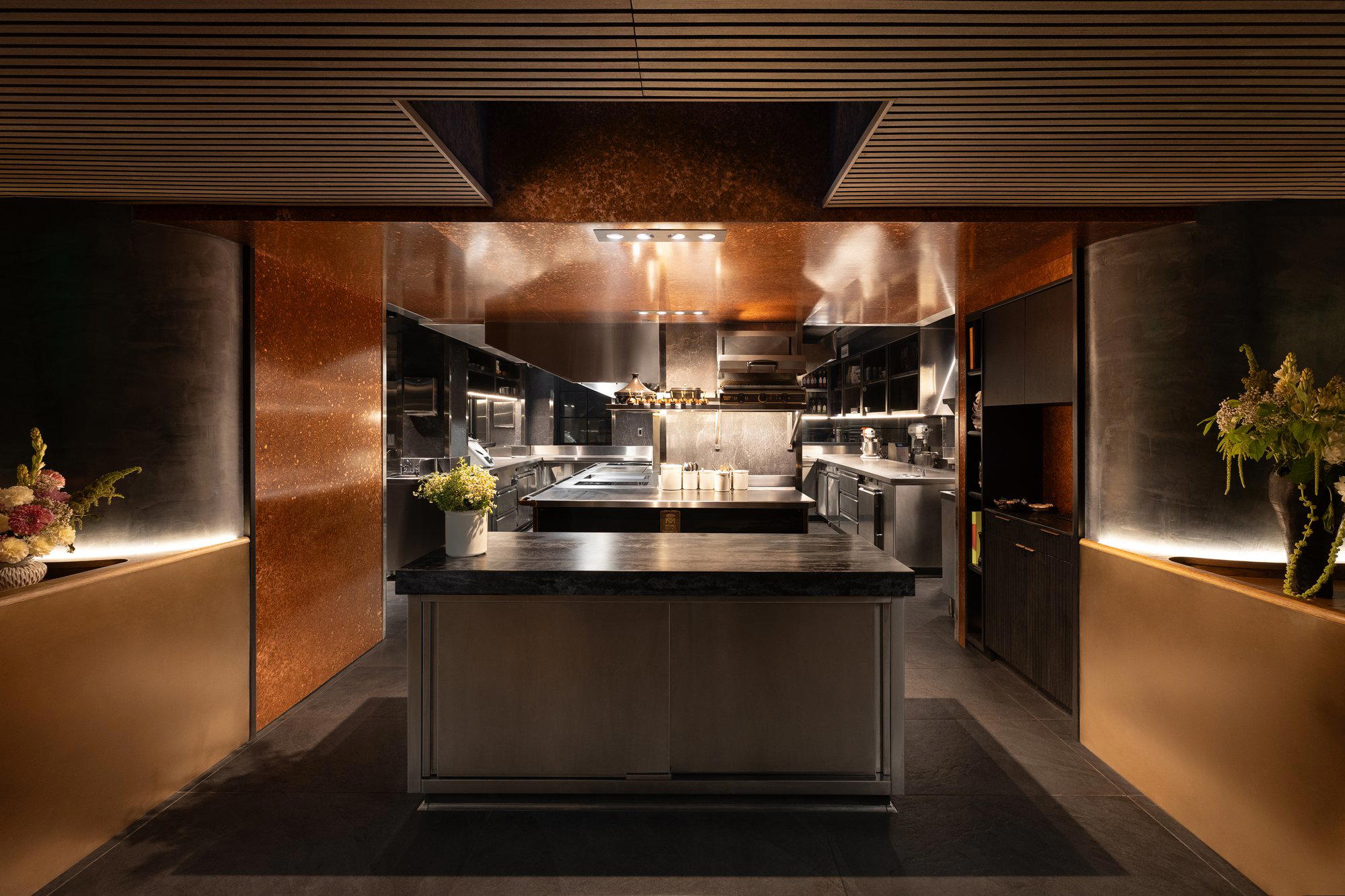
- Open Kitchen
- Craft Cocktails
Current opening hours
- Monday
- 3–9 PM
- Tuesday
- 3–9 PM
- Wednesday
- 3–9 PM
- Thursday
- 3–9 PM
- Friday
- 3–10 PM
- Saturday
- 3–10 PM
- Sunday
- 3–9 PM
Hours can change for holidays and private events. Last verified .
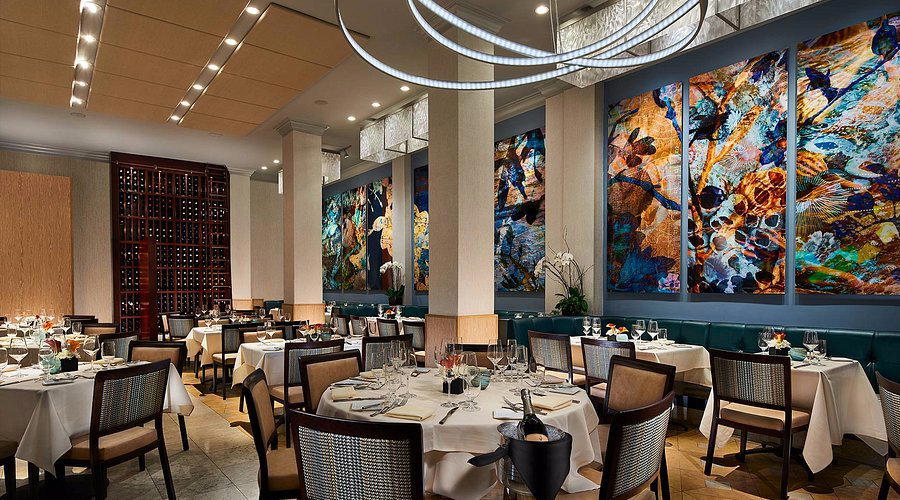
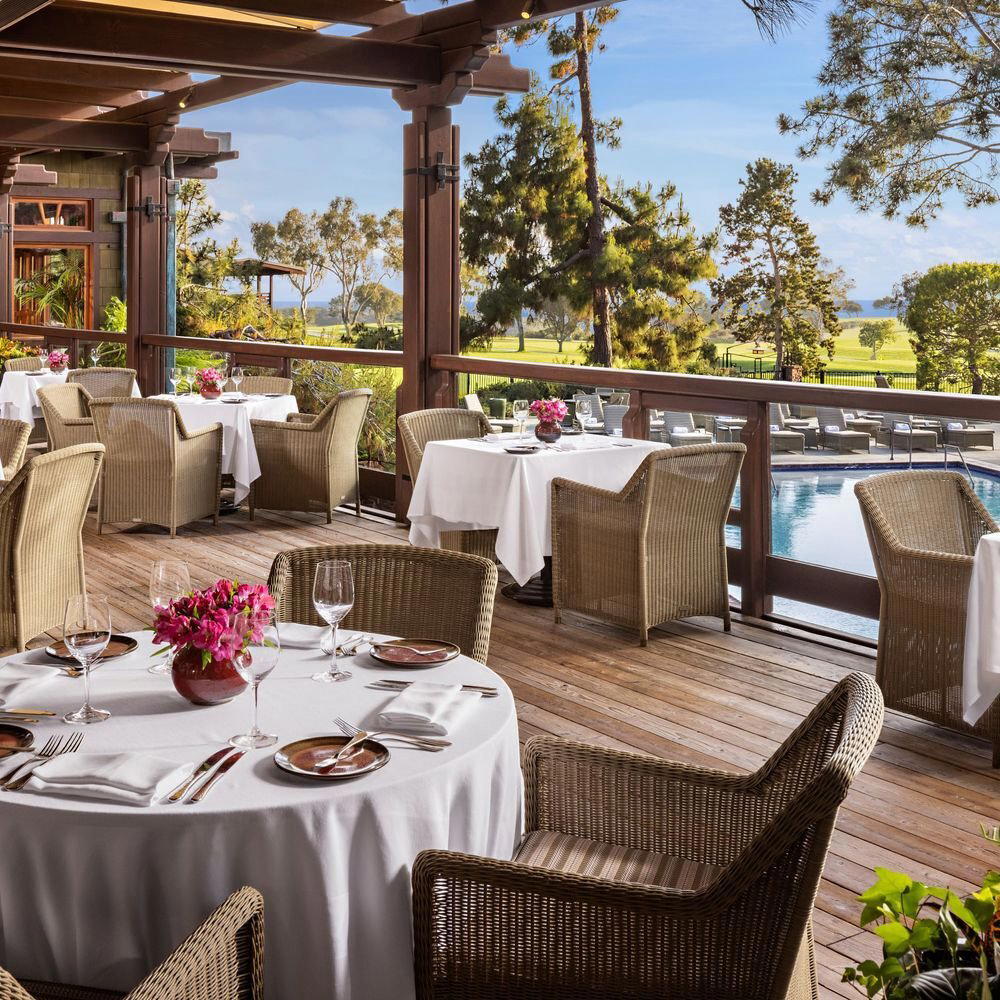
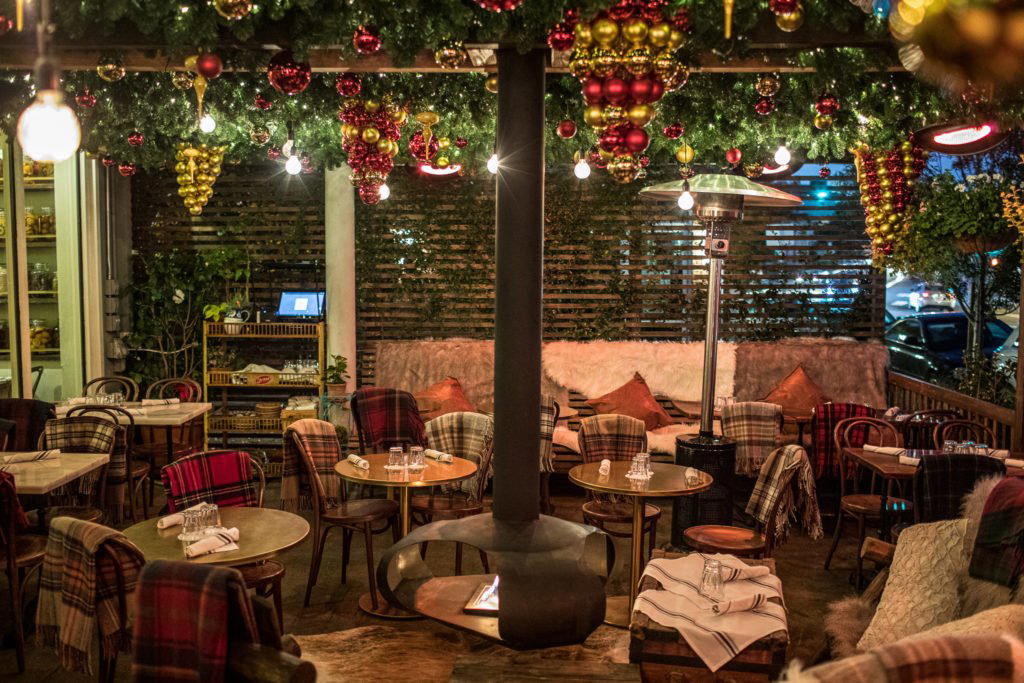
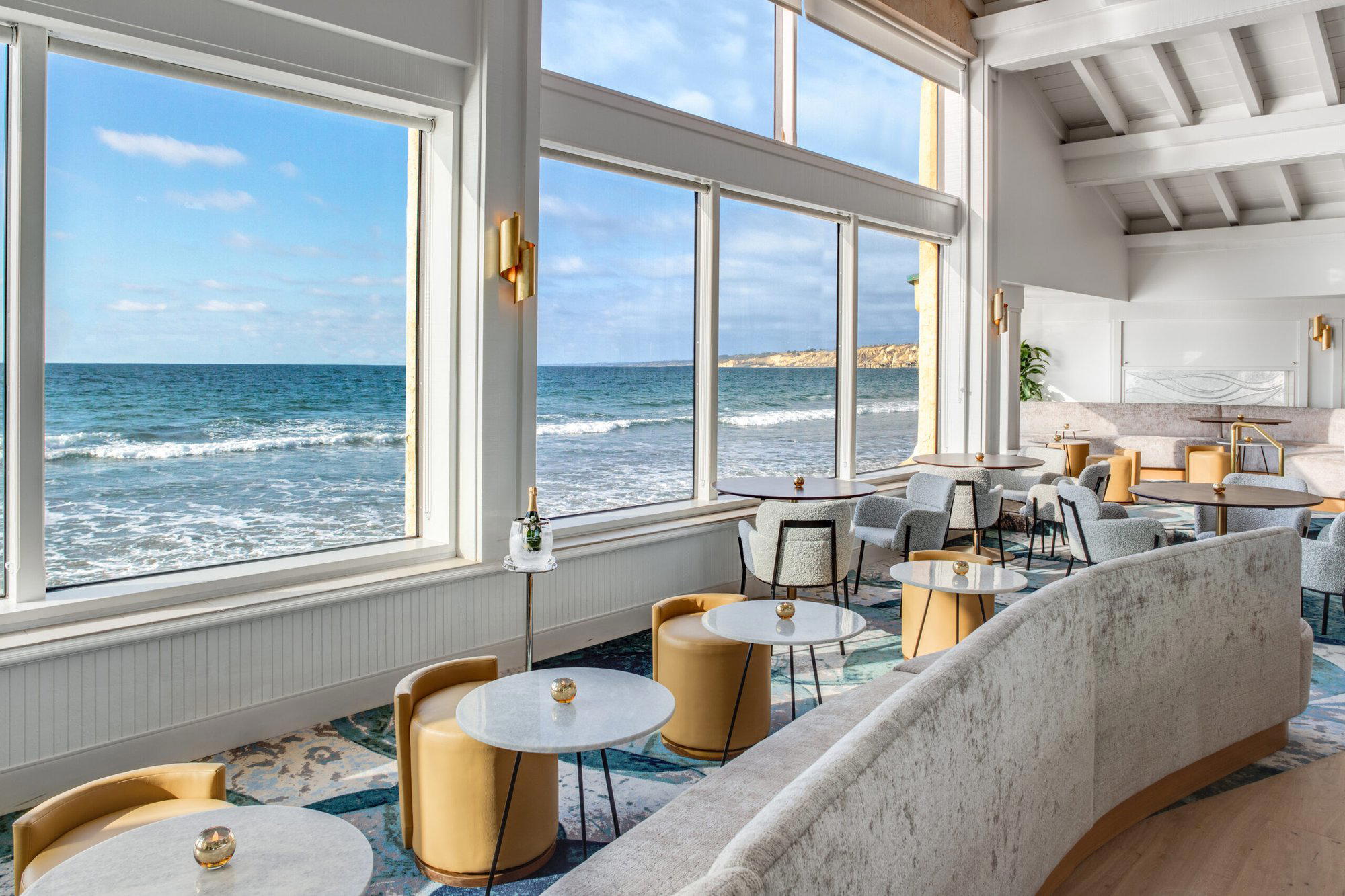
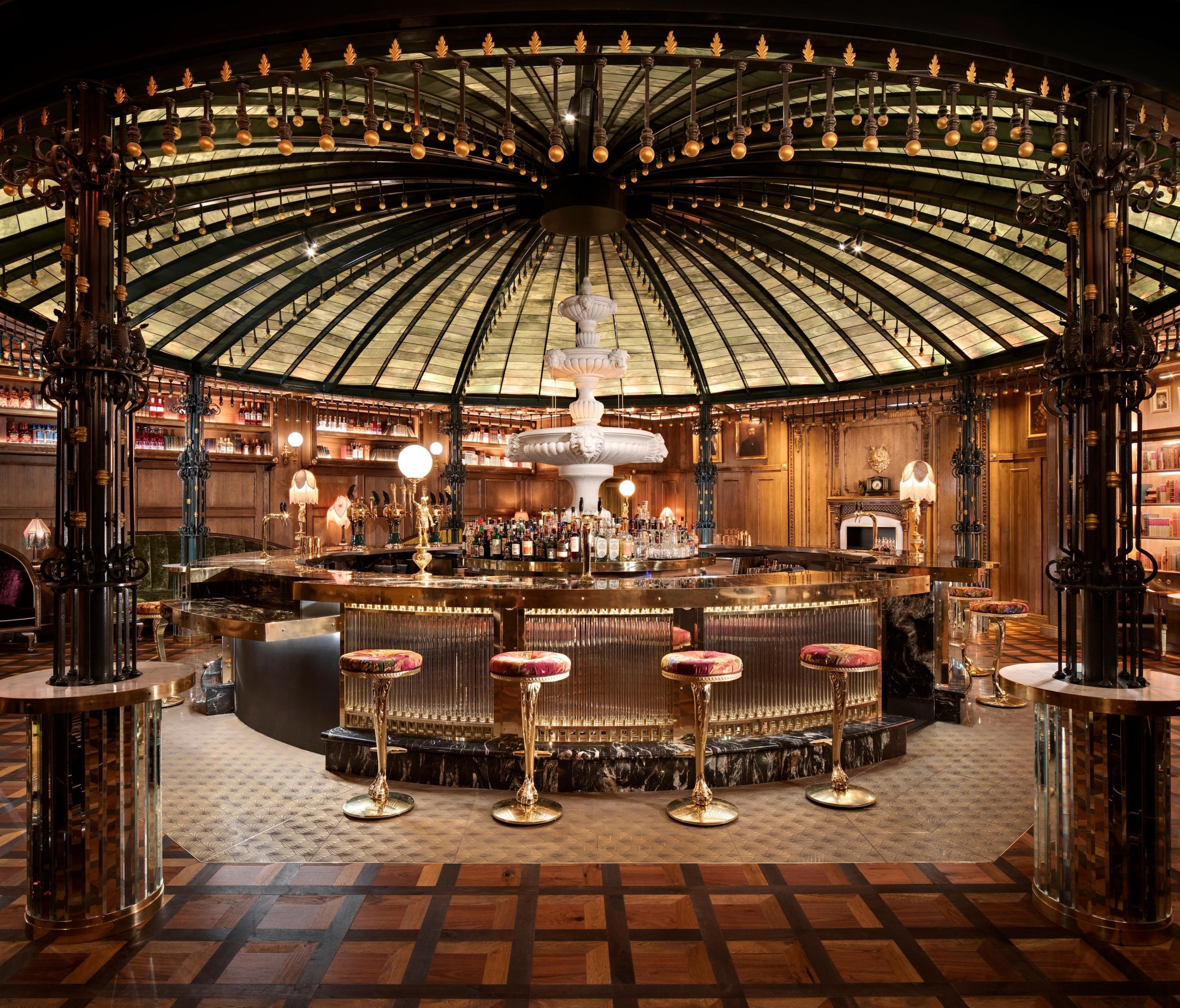
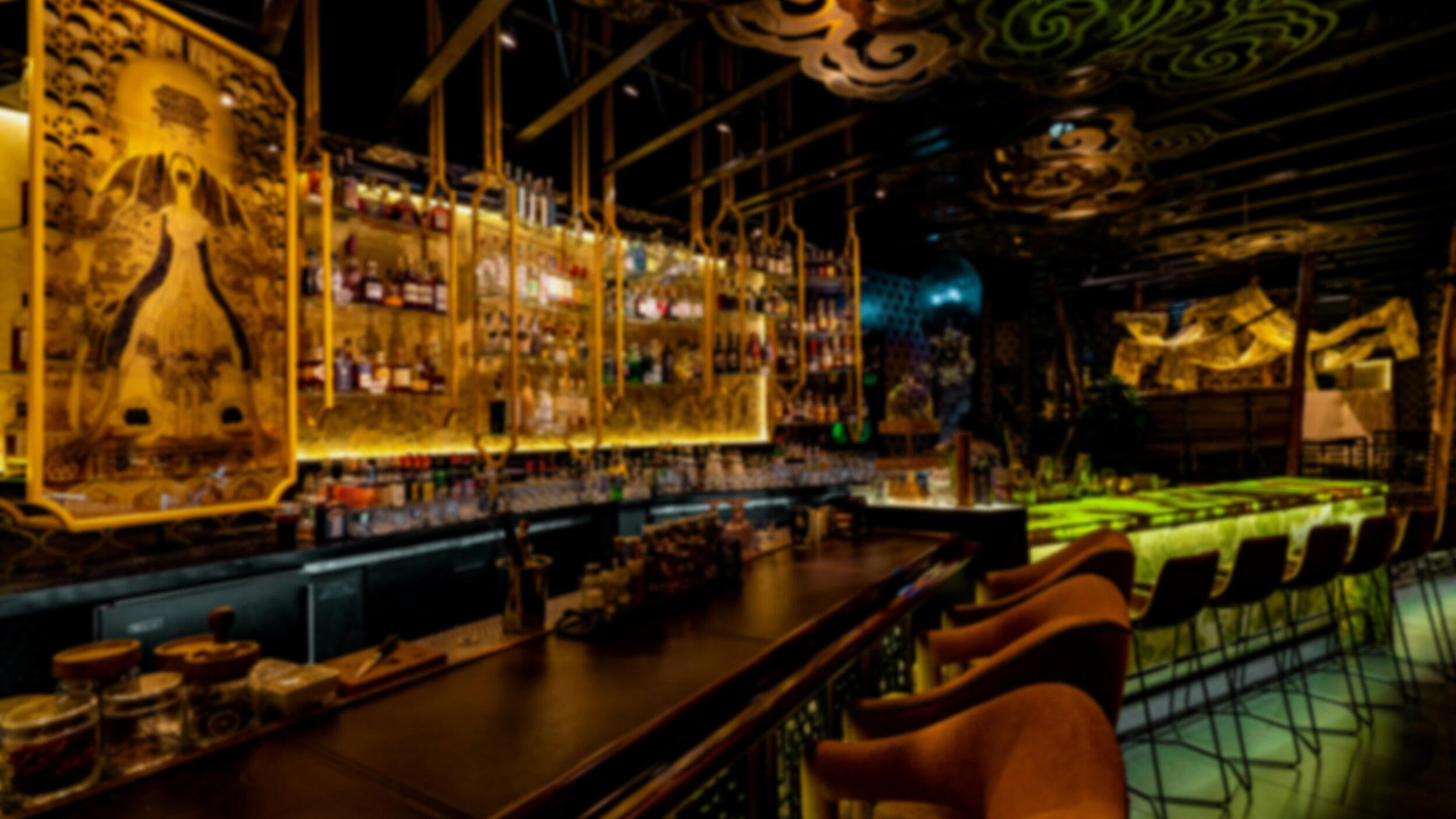
Upscale loungey atmosphere with artful design, beautiful decor, comfortable seating, lively bar vibe, and moderate noise.