Taste of the Himalayas
Taste of the Himalayas brings the high-altitude cooking traditions of Nepal and the broader Himalayan region to Girard Avenue, La Jolla's main dining corridor. The kitchen draws on a cuisine rarely represented at this depth along the Southern California coast, where Nepali and Tibetan flavors occupy a distinct niche from the Indian restaurants that more commonly anchor South Asian dining in the region. It sits at the quieter, more neighborhood-facing end of La Jolla's restaurant spread.
Pearl is the En Primeur Club membership app — saves, bookings, and concierge access live there. Same editors, same standards.
- Address
- 8008 Girard Ave #170, La Jolla, CA 92037
- Phone
- +18585519999
- Directions
- Get directions
 Saves & bookings on Pearl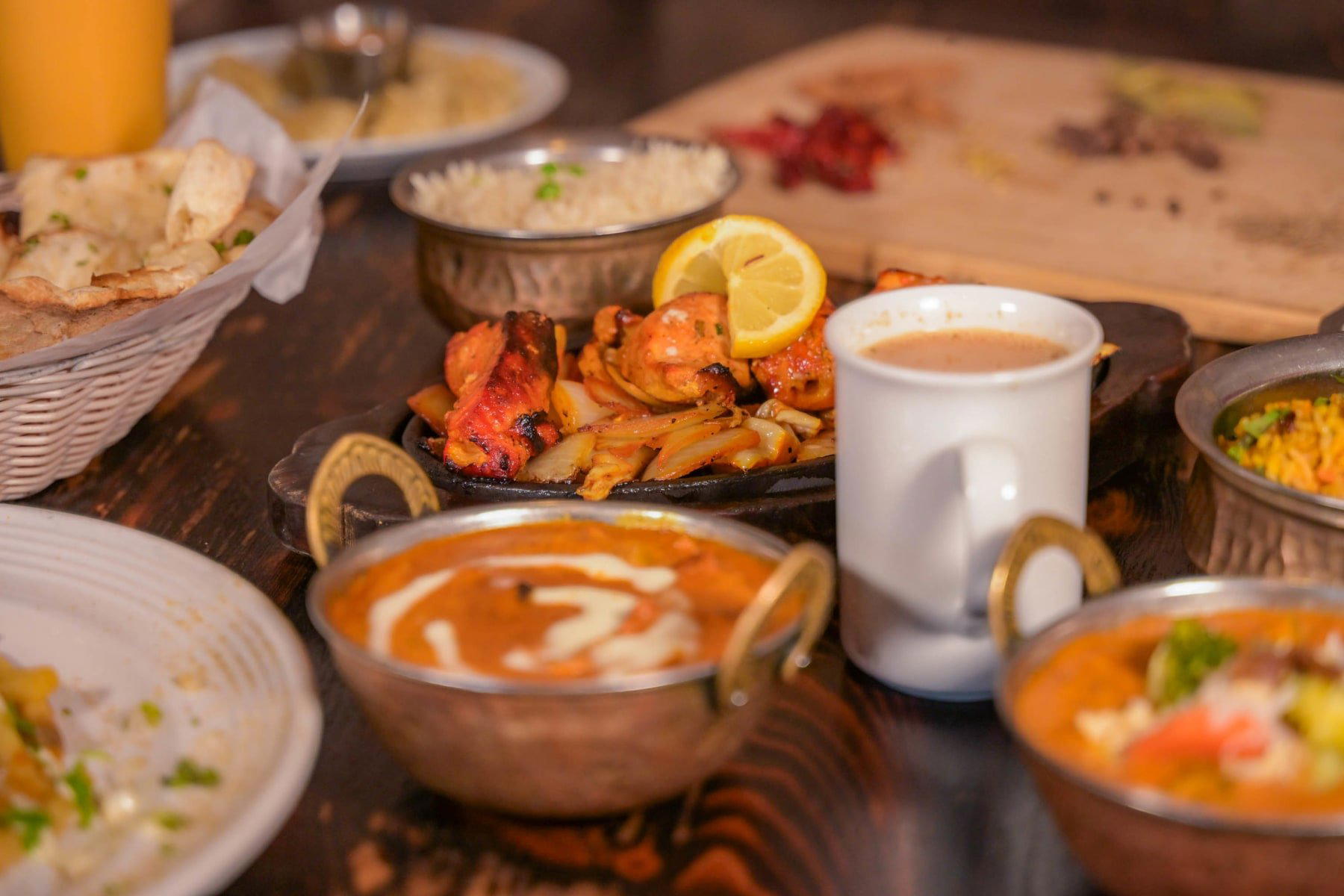
Where Himalayan Cooking Meets the La Jolla Dining Circuit
Girard Avenue functions as La Jolla's primary dining spine, a street where the mood shifts considerably depending on the hour. By midday, the corridor draws a mix of locals running errands, visitors on shorter schedules, and the kind of tables that want a full meal without a full evening commitment. By dinner, the same street operates at a slower register, with longer tables and more deliberate pacing. Taste of the Himalayas, situated at 8008 Girard Ave in suite 170, sits within that rhythm and serves Authentic Indian and Nepalese Himalayan cooking at a casual, recommended-reservation spot.
The cuisine itself deserves framing before anything else. Himalayan cooking, as it appears in American cities, often gets compressed into a generic South Asian category alongside Indian and Pakistani kitchens. That compression misses the specificity involved. The food traditions of Nepal, Tibet, and the broader Himalayan corridor developed under a distinct set of geographic and cultural pressures: high altitude, trade routes running between the Indian subcontinent and China, and a reliance on fermented, dried, and slow-cooked techniques that have no direct equivalents in the plains-based kitchens to the south. Dishes like momos, steamed or fried dumplings that are Tibetan in origin but thoroughly naturalized across Nepal, or dal bhat, the everyday Nepali plate of lentils, rice, and accompaniments, represent a culinary logic quite separate from the curries and tandoor traditions most diners in California associate with South Asian cooking.
Lunch and Dinner: Two Different Propositions
In a city where dinner reservations at places like A.R. Valentien or Nine-Ten can run well into the higher price brackets, lunch at a neighborhood-rooted kitchen like Taste of the Himalayas typically functions as the more value-accessible entry point. Across South Asian and Himalayan restaurants operating in the United States, the lunch hour tends to produce shorter, more focused menus, often built around set combinations or individual plates that move quickly from kitchen to table. This suits the cuisine: dal bhat and similar rice-lentil constructions are inherently efficient meals, designed in their home context to sustain a full day of physical activity, not to linger over.
The dinner mood shifts that proposition. The evening service at restaurants in this tradition tends toward larger table groups, longer stays, and broader menu exploration, the kind of ordering that lets a table work through multiple preparations of the same base ingredient. A momo ordered at lunch might be a single appetizer course; at dinner, the same dish can anchor a sequence that runs through several proteins or fillings. The difference is as much social as culinary, and it's a pattern visible across comparable Himalayan kitchens in San Francisco and the Los Angeles basin, where dinner service draws the diaspora community as well as curious diners from outside it.
For visitors coming specifically from outside La Jolla, the dinner window also allows time to walk Girard properly before or after. The avenue has enough variety to make an evening of it, Beaumont's, Bernini's Bistro, and Bistro du Marché all occupy the same corridor, which positions this part of the village as a walkable alternative to the resort-dining experience further toward the coast.
Where It Sits in the La Jolla Picture
La Jolla's restaurant scene has a well-documented split between resort-anchored fine dining and the more accessible, neighborhood-facing kitchens that line Girard and its cross streets. The former category, which includes operations like A.R. Valentien, competes in a different tier both on price and occasion type. Taste of the Himalayas belongs to the latter cohort, where frequency of visit and local loyalty tend to matter more than destination-dining credentials.
Within that cohort, it occupies a specific niche: South Asian and Himalayan cooking is genuinely thin on the ground in La Jolla proper, which skews heavily toward European cuisines, New American formats, and Japanese concepts. The gap is significant enough that anyone looking for this particular register of cooking in the village has few alternatives at the same address. For context on the broader La Jolla dining picture, the EP Club La Jolla restaurants guide maps the full competitive spread across price tiers and cuisine categories.
At the national level, the restaurants that draw sustained attention in American fine dining, places like Addison in San Diego or Providence in Los Angeles, operate in a structurally different category, where tasting menus and formal service are the baseline expectation. Himalayan kitchens, even particularly accomplished ones, generally operate outside that formal tier, competing instead on authenticity of technique, sourcing of spices, and the depth of a menu that can sustain repeat visits from a community that grew up eating the food. That's a different kind of claim to quality, and it's worth taking seriously on its own terms rather than mapping it onto a Michelin-calibrated framework designed for a different type of kitchen. The same argument applies across the country's leading South and Central Asian restaurants, whether you're looking at New York, Chicago, or the San Diego metro.
The Vegetarian Question
Himalayan cooking, like much of the food culture across Nepal and Tibet, has a structural relationship with vegetarian eating that predates any contemporary dietary trend. Buddhist influence across the region produced a deep tradition of meat-free preparation: vegetable momos, lentil-based soups and stews, paneer preparations, and fermented vegetable accompaniments are load-bearing parts of the menu rather than afterthoughts added to accommodate dietary restrictions. Anyone eating without meat at a well-run Himalayan kitchen is working through the same canon that forms the core of the cuisine, not a reduced version of it. That makes this category of restaurant one of the more genuinely vegetarian-friendly options in a dining corridor like Girard, where meat typically anchors the menu across most kitchens. Comparable restaurants in the La Jolla area rarely offer this structural depth for plant-based eating.
Planning a Visit
Taste of the Himalayas is at 8008 Girard Ave, suite 170, in the village core, walkable from most of central La Jolla and accessible from the main parking structures off Prospect and Girard. Lunch on a weekday is the lower-friction entry point for a first visit, offering the chance to orient around the menu before committing to a longer evening table.
Cuisine and Awards Snapshot
Comparable venues nearby, for context on price, style, and recognition.
| Venue | Cuisine | Price | Notes |
|---|---|---|---|
| Taste of the HimalayasThis venue — the venue you are viewing | Authentic Indian and Nepalese Himalayan | $$ | Not listed |
| PopUp Bagels | Artisan Bagels & Schmears | $$ | La Jolla |
| Osteria Romantica | Authentic Italian Trattoria | $$ | La Jolla Shores |
| The Cottage | American Cafe with Southern California influences | $$ | La Jolla |
| Beaumont's | Contemporary American | $$ | Bird Rock |
| Sea & Sky | Coastal Californian Seafood | $$$ | La Jolla Shores |

At a Glance
- Cozy
- Casual
- Family
- Casual Hangout
- Group Dining
- Terrace
- Street Scene
Current opening hours
- Monday
- 12–9 PM
- Tuesday
- 12–9 PM
- Wednesday
- 12–9 PM
- Thursday
- 12–9 PM
- Friday
- 12–9 PM
- Saturday
- 12–9 PM
- Sunday
- 12–9 PM
Hours can change for holidays and private events. Last verified .
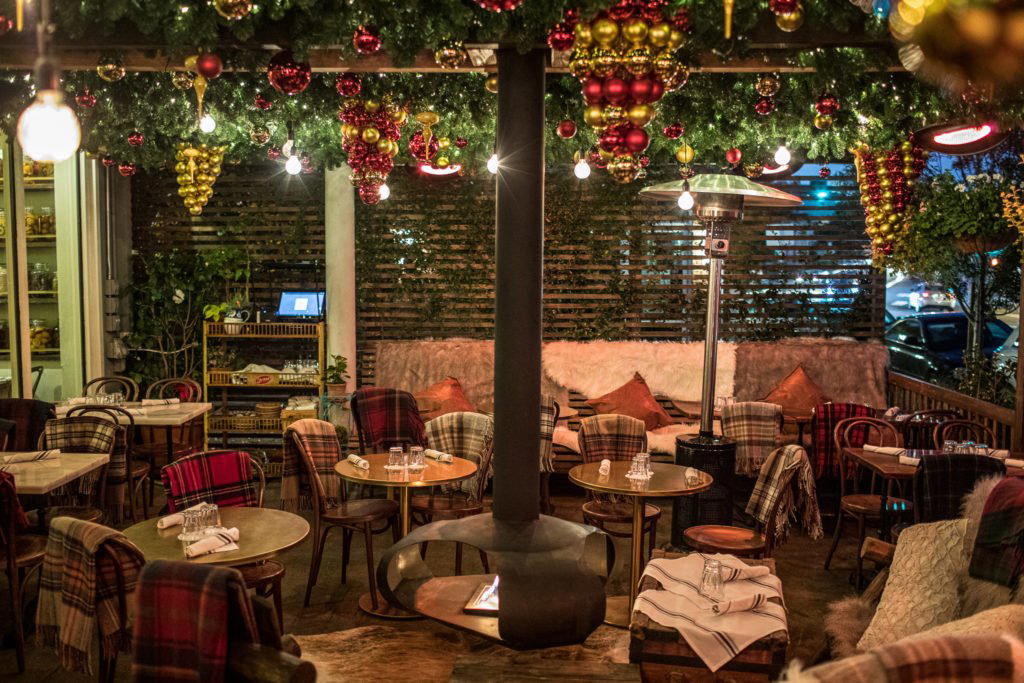
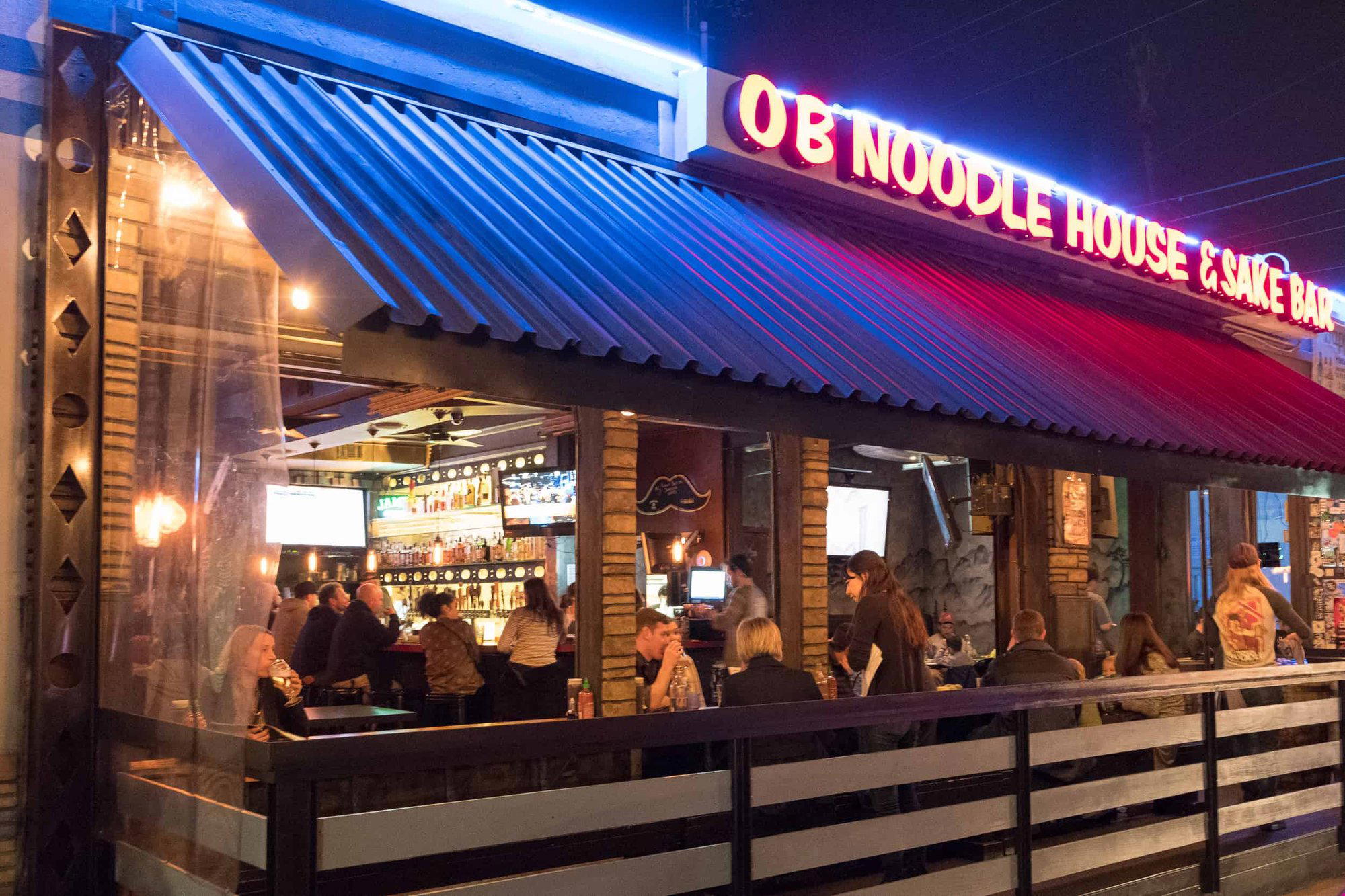
Cozy and lively atmosphere with a casual, warm setting; some guests note it as dated or dark while others enjoy the comfortable patio dining.