Post


Post in Newnham is a bottle shop and bistro operating from Horwood House on the High Street, where a regularly changing blackboard menu draws on produce from the team's own smallholding. The cooking is direct and seasonal, with homemade pasta and a tarte Tatin among the recurring fixtures. Sensible pricing and a genuine connection between kitchen and land make it one of the more grounded dining options in the Forest of Dean area.
Pearl is the En Primeur Club membership app — saves, bookings, and concierge access live there. Same editors, same standards.
- Address
- Horwood House, High St, Newnham GL14 1AA, United Kingdom
- Phone
- +44 7838 806719
- Website
- postprovisions.co.uk
- Directions
- Get directions
 Saves & bookings on Pearl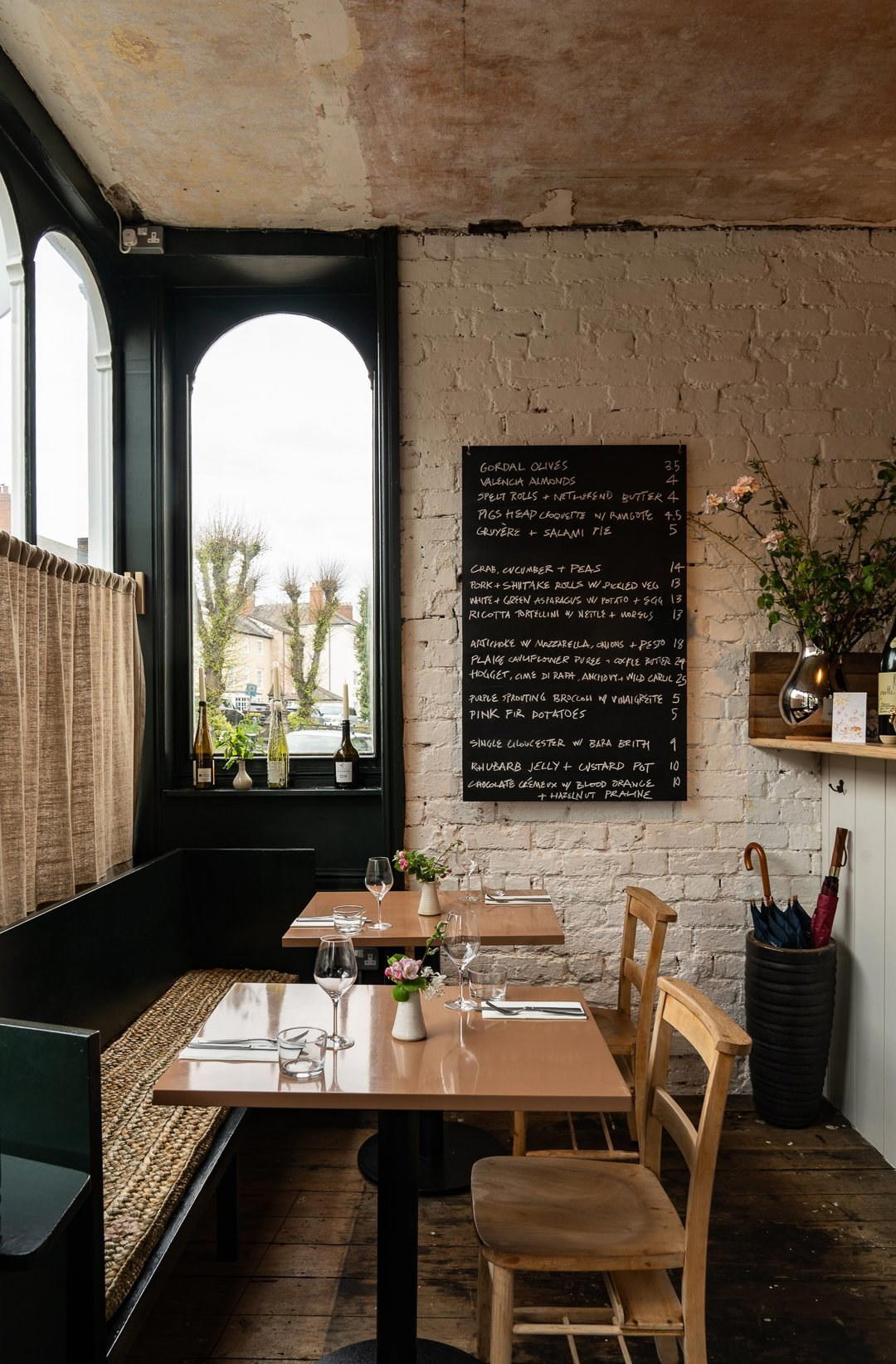
A Striped Canopy on the High Street
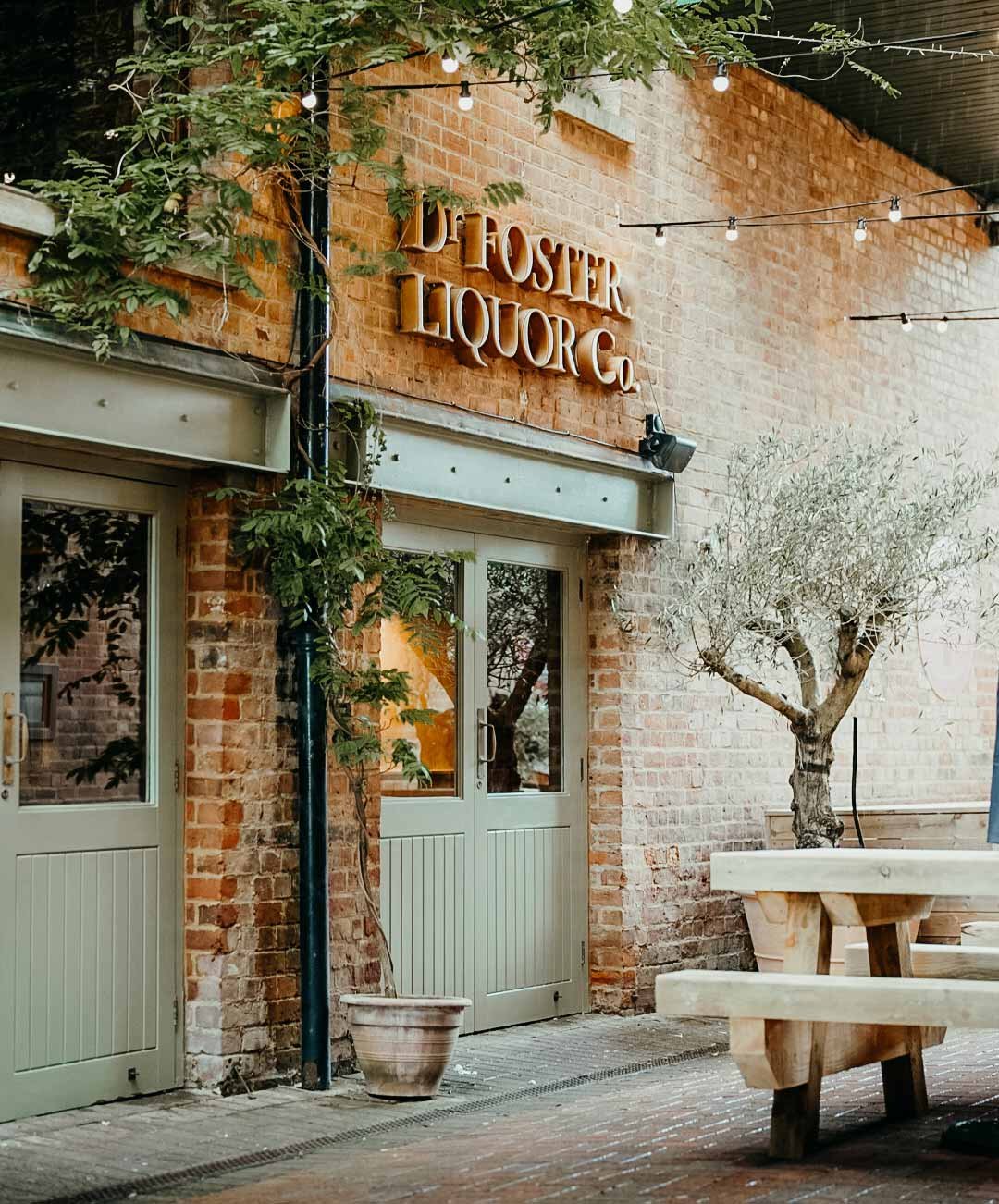
Arriving at Post Newnham, the signal is immediate: a striped canopy strung with fairy lights marks out Horwood House on the High Street as something worth pausing for. The format is a bottle shop and bistro combined, a pairing that has become more common in British market towns over the past decade as small operators look for revenue models that work across different day-parts. What distinguishes this particular version is the directness of the cooking and the clarity of where the ingredients come from. Post is a Seasonal British Bistro in Newnham with.
Newnham itself sits on the western bank of the Severn in Gloucestershire, a small historic town at the edge of the Forest of Dean. It is not a dining destination in the way that, say, Cartmel is with L'Enclume, or Marlow with the Hand and Flowers. The Michelin record is empty here, and there is no destination hotel attached. What the area does have is proximity to serious agricultural land, the Wye Valley, and a tradition of small-scale food production that predates the current farm-to-table trend by generations. Post operates squarely within that context.
The Smallholding Connection
The ingredient sourcing at Post is one editorially significant thing about it, and it is worth spending time on. The team runs its own smallholding, which feeds directly into the menu. This is not a branding exercise. In the current British dining scene, the claim of farm or garden provenance has become so widespread that it functions more as marketing than as meaningful information. The test is always whether the sourcing actually shapes what appears on the plate and when, or whether a kitchen simply orders from a local supplier and calls it provenance.
At Post, the blackboard changes regularly, which is the functional sign that the sourcing is genuine. A fixed or slowly rotating printed menu is the giveaway of a kitchen that selects ingredients to fit dishes rather than the other way around. A chalked board that shifts with what is available points to a different working method, one in which the smallholding output and the season set the terms. This approach puts Post in a category of British restaurants that treat the kitchen garden or smallholding as the actual creative centre of the operation, rather than as a footnote in the menu copy.
For diners who care about this distinction, it places Post in a compelling category for its price point. The operational discipline required to cook around a live smallholding calendar is non-trivial, and the flavour differential when produce arrives hours rather than days after harvest is detectable even by a casual diner.
The Menu: Directness as a Position
The à la carte is concise. Among the fixtures are homemade pasta and a tarte Tatin, both of which sit in the category of dishes that are easy to underestimate and difficult to execute well consistently. Homemade pasta in a small bistro context is a reliable indicator of kitchen seriousness: it takes time, requires skill, and cannot be cheaply outsourced. A well-made tarte Tatin, balanced between caramelisation and acidity, is similarly a dish that separates kitchens that understand classical technique from those that only approximate it.
The cooking at Post is described as direct. In British bistro terms, this places it at a specific point on the register: not minimalist in the Nordic sense, not elaborately sauced in the classical French sense, but clear in its intentions and restrained in its interventions. The better comparison set for this style is the kind of neighbourhood restaurant that has become the reference point for a particular strand of contemporary British cooking, where good ingredients, honest technique, and portion confidence matter more than architectural plating. At the high end of that tradition, you find places like Hide and Fox in Saltwood or Midsummer House in Cambridge. Post operates at a different price tier and scale, but the underlying instinct shares something with that commitment to ingredient-led cooking.
Pricing sits in price tier 3, which suits a rural Gloucestershire bistro drawing on its own smallholding. This is less common than it should be. Many operations with comparable sourcing credentials use them to justify price points that outrun the cooking. Post appears to price against the local market and the format rather than against the ingredient narrative.
Bottle Shop as Context
Bottle shop dimension of Post matters because it changes the social register of the space. A bistro attached to a wine shop operates differently from a standalone restaurant: the retail element keeps the atmosphere from becoming too formally dining-room in its expectations, and it signals something about how the operators think about wine. It also provides a practical function for the surrounding area, where specialist wine retail is limited. The combination of browsing, buying, and eating at the same address has worked in British food cities for some time. In a small town like Newnham, it is a more unusual proposition, and one that gives the address a utility beyond a single occasion.
For those planning a visit, Post sits at Horwood House on the High Street in Newnham GL14 1AA. Newnham is accessible by road from Gloucester (roughly 10 miles) and from the Forest of Dean to the west. Given the rural location and the nature of a small bistro with a changing menu, booking ahead is recommended, particularly on weekends. The restaurant is closed on Mondays and Tuesdays, open Wednesday from 5 to 10 PM, Thursday and Friday from 12 to 10 PM, Saturday from 9 AM to 10 PM, and Sunday from 9 AM to 4 PM.
Where Post Sits in the Broader British Bistro Conversation
British dining at the summit tier has spent the past two decades consolidating around destination formats: the tasting menu restaurant anchored by a named chef, the country house with serious kitchen credentials, the London address positioning against international competition. Places like The Fat Duck in Bray, The Ledbury in London, Moor Hall in Aughton, Gidleigh Park in Chagford, Le Manoir aux Quat' Saisons in Great Milton, Restaurant Andrew Fairlie in Auchterarder, and Opheem in Birmingham all operate in that register. These are high-investment, high-expectation formats that require the diner to organise themselves around the restaurant.
Post fits into a day or an evening rather than anchoring it. The blackboard changes, the pricing is accessible, the format is relaxed. This is not a lesser version of the destination model; it is a different model with different values. In a rural Gloucestershire town with limited dining infrastructure, a bistro this committed to its own smallholding and this clear about its cooking represents something that the destination tier rarely provides: a place that serves the locality first and visitors second, and is better for it.
In Context: Similar Options
Comparable venues nearby, for context on price, style, and recognition.
| Venue | Cuisine | Price | Awards | Notes |
|---|---|---|---|---|
| PostThis venue — the venue you are viewing | Seasonal British Bistro | $$$ | Michelin Plate | Not listed |
| The Butchers Arms | Seasonal British Gastropub | $$$ | Michelin Plate | Eldersfield |
| The Sorting Room | Modern British Brasserie | $$$ | Michelin Plate | City Centre |
| Woodsman | Contemporary British Wild Food Grill | $$$ | Michelin Plate | Chapel Street |
| Grey's | Modern British Brasserie | $$$ | Michelin Plate | Easton Grey |
| Holm | Modern British | $$$ | Michelin Plate | South Petherton |
Recognition history
Dated appearances from independent guides and award organizations, with the underlying list record or original source where available.
Michelin Bib Gourmand
Michelin
Michelin Plate
Michelin
The Good Food Guide Good Food Guide Best Local Restaurant
The Good Food Guide
At a Glance
- Modern
- Cozy
- Intimate
- Trendy
- Date Night
- Casual Hangout
- Special Occasion
- Open Kitchen
- Extensive Wine List
- Local Sourcing
Current opening hours
- Monday
- Closed
- Tuesday
- Closed
- Wednesday
- 5–10 PM
- Thursday
- 12–10 PM
- Friday
- 12–10 PM
- Saturday
- 9 AM–10 PM
- Sunday
- 9 AM–4 PM
Hours can change for holidays and private events. Last verified .
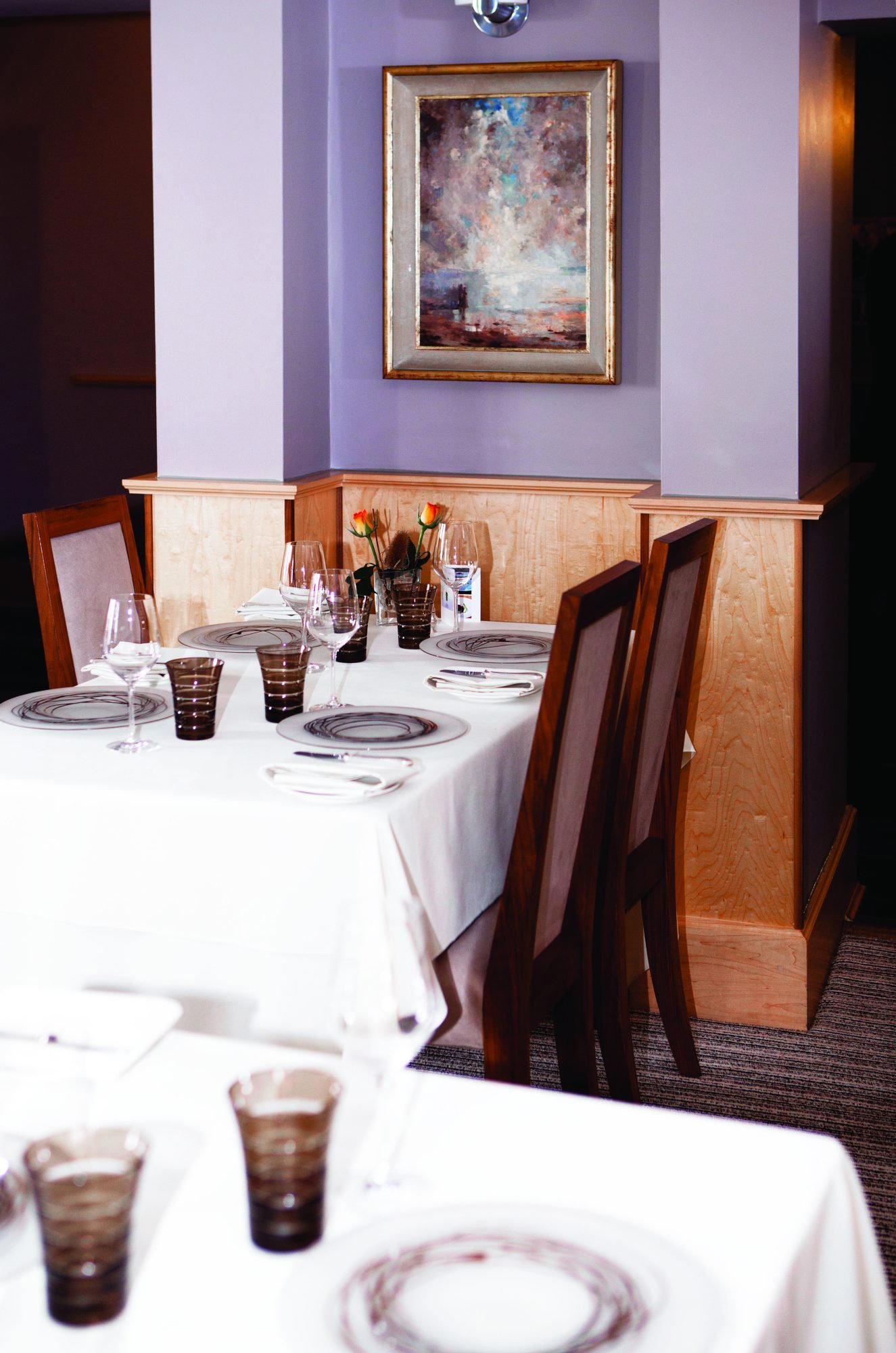
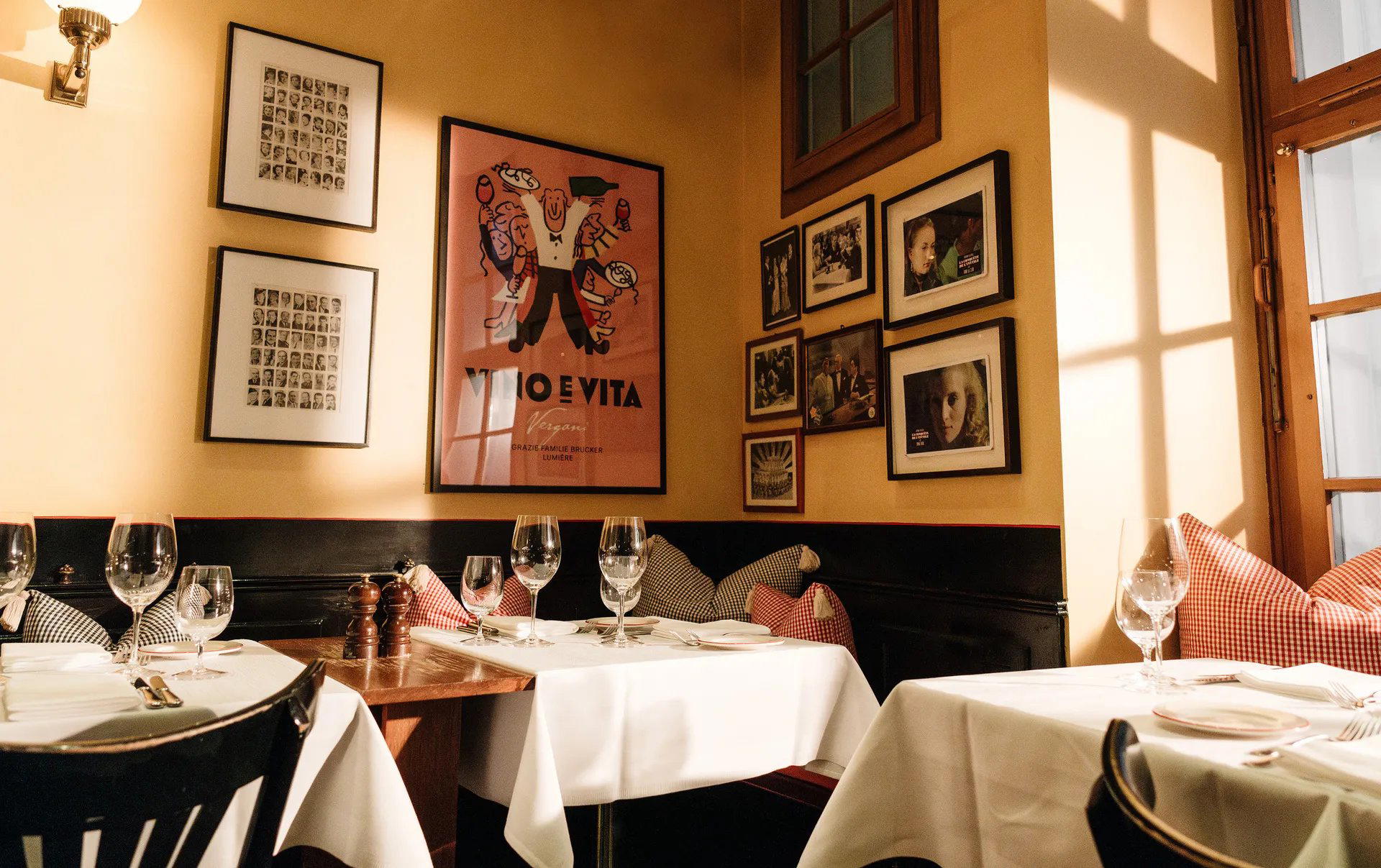
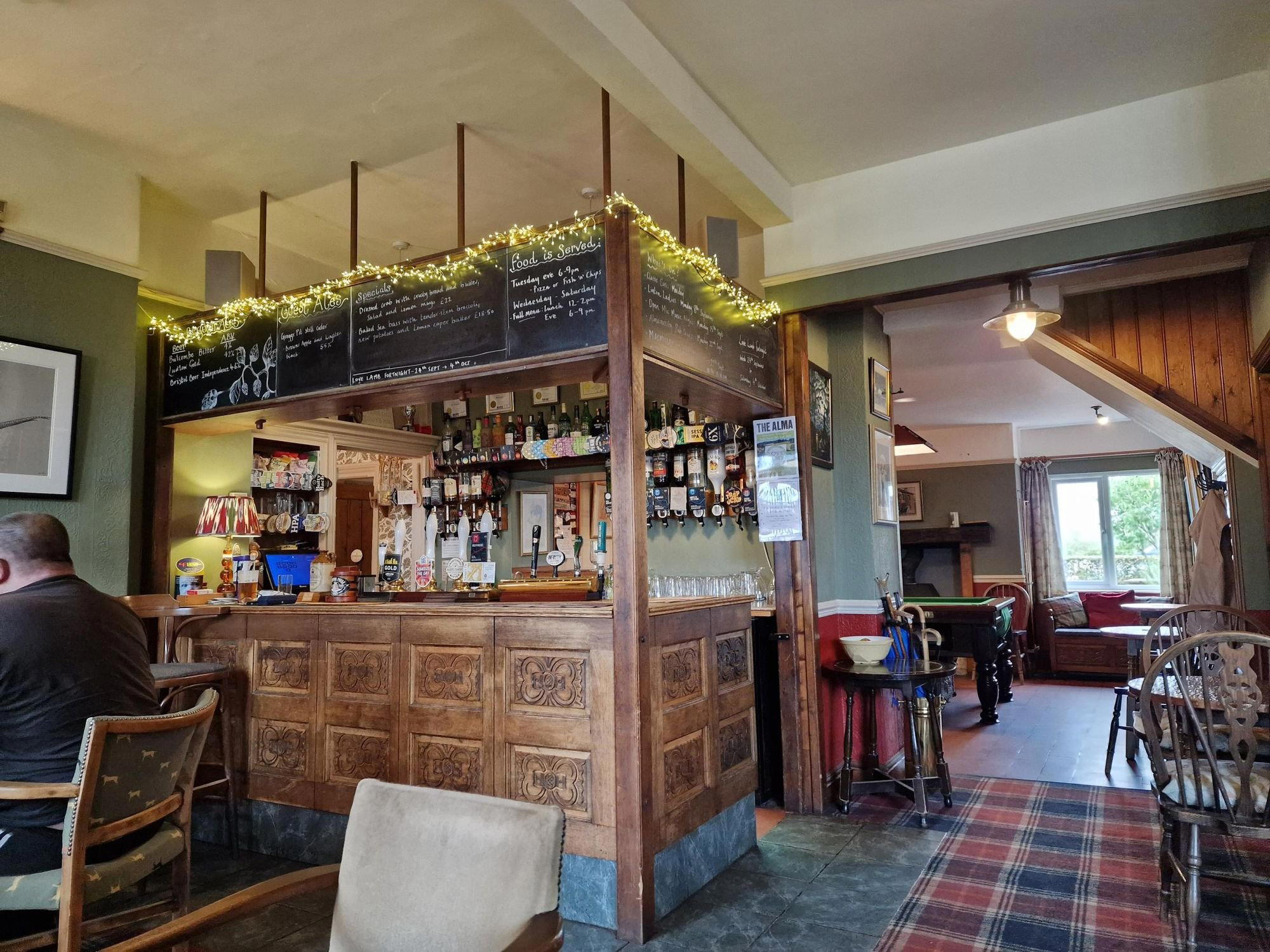
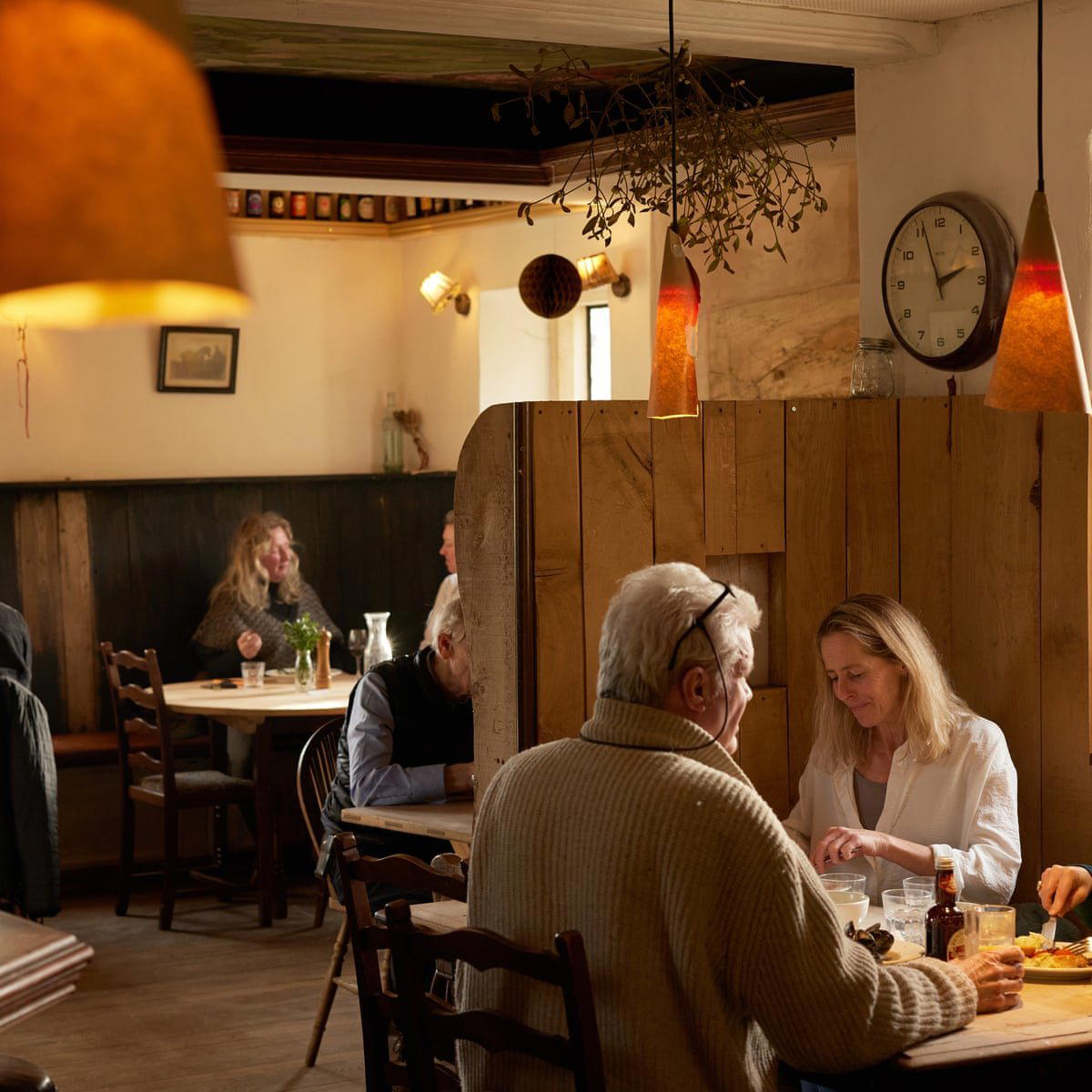
Artfully distressed with bare plaster ceilings and rough wooden floors, chilled music, warm and welcoming atmosphere.