Our verdict
A fixture in Taitung's casual dining scene, Rong Shu Xia Rice Noodles draws locals to its straightforward, ingredient-focused approach to a dish that defines everyday eating across southern Taiwan. The name, meaning "under the banyan tree", signals the kind of unhurried, neighbourhood-rooted atmosphere that mass-market restaurants rarely manage. For visitors looking beyond the tourist trail, it represents the texture of how Taitung actually eats.

Pearl is the En Primeur Club membership app, where members save venues, book tables and use the concierge.
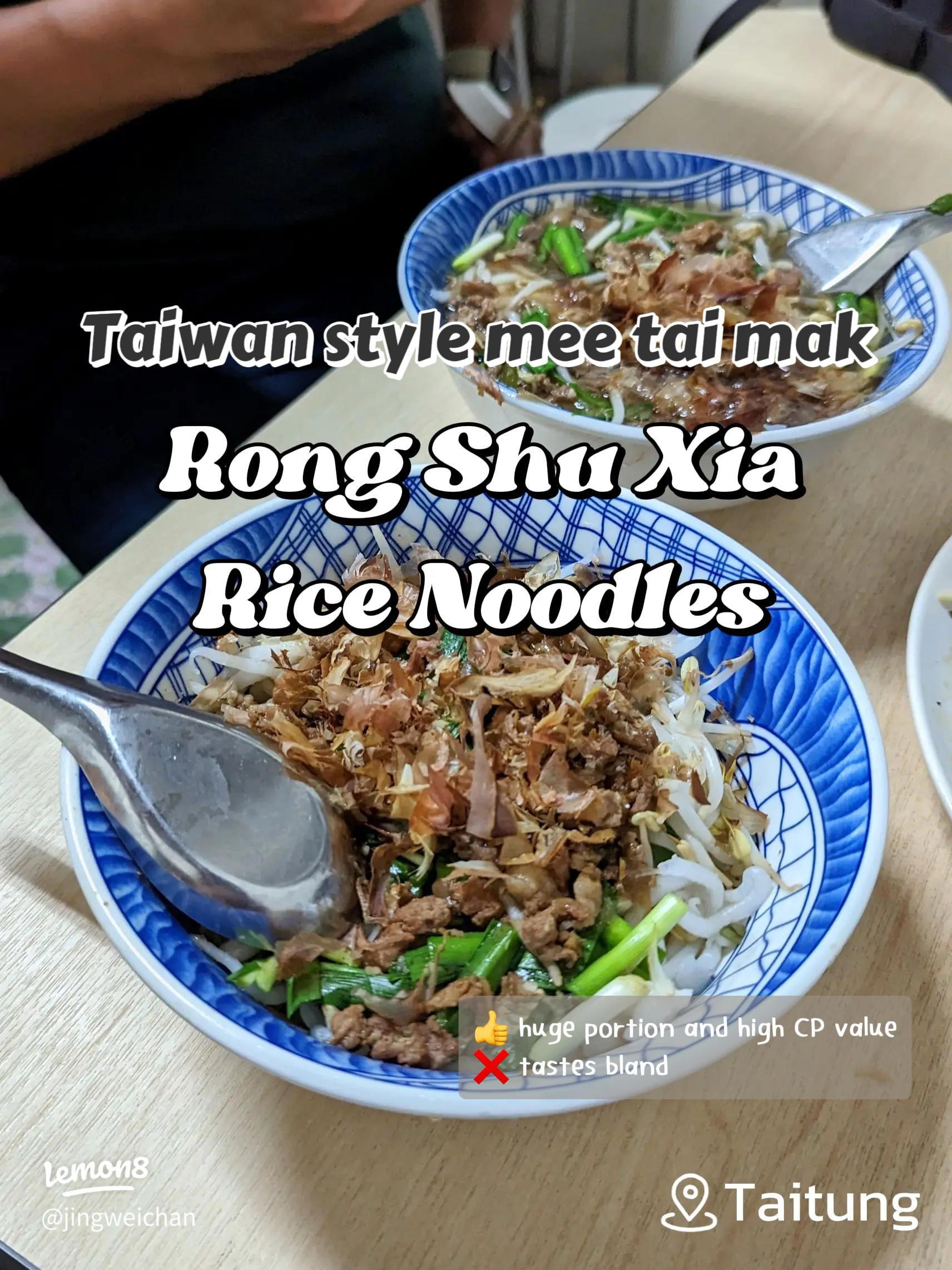
The menu
What to order
- Rice noodles
- Dry rice noodles
Under the Banyan: Rice Noodles as a Measure of a City
In Taitung, as in most of southern and eastern Taiwan, the quality of a city's casual food culture is often leading measured not by its headline restaurants but by the consistency of its everyday staples. Rice noodles, thin, slippery, and deceptively difficult to execute well, sit near the best of that list. The dish is eaten at all hours, by all ages, and the gap between a bowl made with care and one turned out mechanically is immediately apparent. Rong Shu Xia Rice Noodles, whose name translates roughly as "under the banyan tree," has built a local reputation within exactly that context: a place where a direct dish is treated as a craft rather than a commodity.
The banyan tree framing is worth taking seriously. In Taiwanese towns and cities, the banyan has long functioned as a social anchor, a place where older residents gather in the morning, where vendors set up in its shade, where neighbourhood life organises itself without any formal invitation. A restaurant that names itself after that image is making a quiet statement about the kind of experience it intends to offer: rooted, unhurried, and oriented toward the regular visitor rather than the one-time tourist.
The Scene: Eastern Taiwan's Casual Dining Register
Taitung occupies a different position in Taiwan's dining conversation than Taipei, Tainan, or Taichung. It lacks the density of fine dining institutions that have made cities like Taipei internationally recognised, venues such as logy in Taipei or the technically ambitious JL Studio in Taichung occupy a different register entirely. What Taitung has instead is a coherent tradition of ingredient-led, technique-honest casual cooking, shaped in part by the agricultural richness of the Huadong Valley and the Pacific coastal corridor running south toward Taitung City.
That agricultural context matters for rice noodle culture specifically. The quality of the broth, the texture of the noodle, and the sourcing of toppings are all downstream of what the surrounding region produces. Eastern Taiwan's pork, vegetables, and aromatics carry a regional character that distinguishes the bowl from the equivalent dish served in a Taipei night market.
Service and the Front-of-House Character of Small Taiwanese Restaurants
One dimension of the editorial angle worth addressing here is how the team dynamic operates in venues of this type. In small Taiwanese casual restaurants, the distinction between chef, service, and floor management often collapses into a single operation managed by a tight-knit group, frequently family. The kitchen's output, the pace of service, and the atmosphere at the table are not separate departments but expressions of the same working relationship. This is structurally different from the formal division of labour you find at a restaurant like Atomix in New York City, where sommelier, chef, and front-of-house each carry distinct institutional weight.
At places like Rong Shu Xia, coherence comes from proximity and repetition rather than from organisational hierarchy. The person who takes your order may also be managing the broth, and the rhythm of the dining room reflects whoever is working that shift. This model produces a particular kind of consistency: it can be extremely reliable when the core team is present and more variable when it is not. For visitors, that means the experience is leading understood as a relationship with a place over time, rather than a service transaction reproducible on any given Tuesday. That character is part of what distinguishes this kind of Taitung institution from the more standardised casual chains expanding across Taiwan's urban centres.
Taitung in Context: Where Rice Noodles Fit the Wider Food Map
Rong Shu Xia does not operate in isolation. Taitung's food culture is diverse enough to sustain specialists across multiple categories simultaneously: the sweet end of the spectrum runs through Bao Sang Bean Flower Shop and Chan Kee Mochi, while rice noodle shops anchor the savoury, everyday register. Across Taiwan more broadly, rice noodle traditions vary significantly by region, Hsinchu's thin, dried rice vermicelli is a different product from the fresh, wider noodles more common in southern and eastern preparations, as seen at venues like 廖壁鴻香飯店 in Hsinchu City.
The southern Taiwan comparison is also instructive. In Tainan, rice noodle culture intersects with a longer tradition of Hokkien-influenced cooking, visible at places like A Xia in Tainan. In Kaohsiung, the approach shifts again, as seen in the range documented at GEN in Kaohsiung. Taitung's version tends toward cleaner, less heavily seasoned preparations, a reflection of both local ingredient quality and the quieter culinary pace of the east coast. For anyone building a mental map of how rice noodle culture shifts across Taiwan's geography, eastern venues like Rong Shu Xia provide a useful reference point against the more studied regional styles of the west.
Comparisons extend to other parts of Taiwan's casual dining scene. The braised and slow-cooked traditions visible at 深湖龍蝦大蝦炒麵 in Taichung City and the pork-forward rice dishes at 碗仔魚露豬飯 in Sanchong District all sit within the same broad category of ingredient-focused, low-price-point, high-repeat-visit Taiwanese casual dining. Rong Shu Xia belongs to this national tradition while reflecting distinctly eastern Taiwanese conditions.
Planning a Visit: Practical Notes
Taitung is most accessibly reached by the Taiwan Railways Administration (TRA) express service from Taipei, a journey of approximately three to four hours depending on the train class, or by short-haul flight to Taitung Airport. Within the city, the casual dining scene is concentrated enough that most notable spots are reachable by scooter or short taxi ride. For rice noodle shops of this type, visits at meal-peak hours, late morning for a transitional breakfast-lunch service, or early evening, tend to reflect the venue at its busiest and most characteristic. Booking is not typically required or available for casual restaurants in this category; arrival at off-peak times is the practical alternative to queuing.
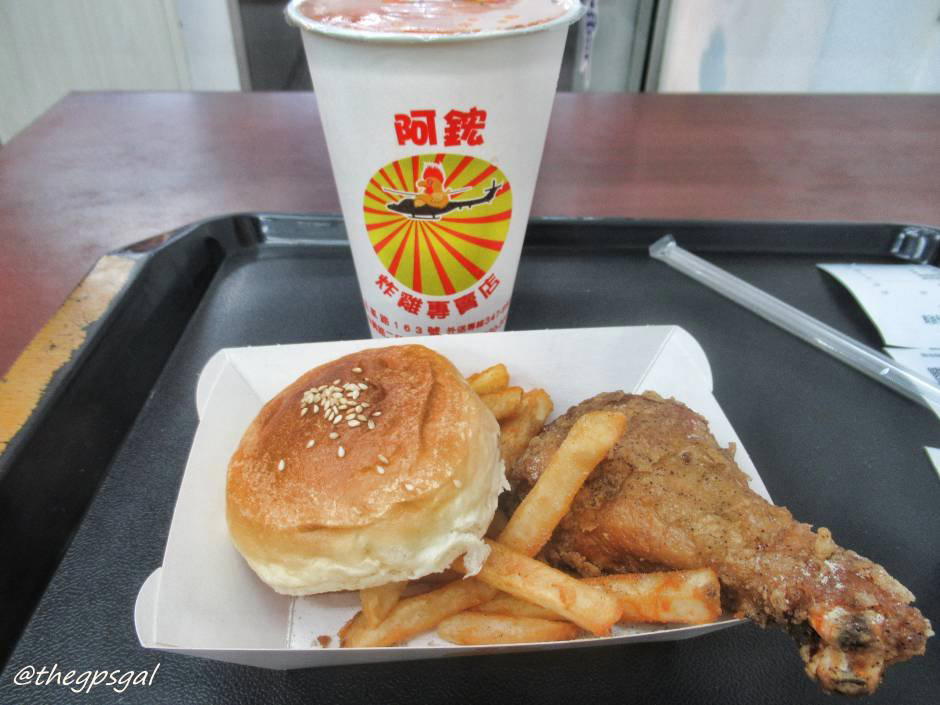
Visitors building a broader Taitung itinerary should treat Rong Shu Xia as one entry point into a dining culture worth exploring across multiple meals and formats. Our full Taitung restaurants guide covers the city's range in more depth, from traditional mochi producers to fried chicken specialists. For context on how Taiwan's casual dining scene maps to different price points and regional styles, additional reference points include GARDENh in Yonghe District, Volcanic rock in Zhubei City, and Chenggong Douhua in Chenggong, the last of which offers a useful point of comparison for eastern Taiwan's tradition of simple, ingredient-led dessert and snack culture.
Frequently asked questions
How does Rong Shu Xia Rice Noodles fit into Taitung's broader food scene?
Taitung's food map is anchored by indigenous ingredients, coastal seafood, and long-standing casual specialists rather than by headline restaurant names. Rong Shu Xia sits within that casual specialist tier, where rice noodle shops function as reliable reference points for understanding a city's everyday culinary baseline. Visiting a venue like this alongside Taitung's night market circuit gives a more complete read of the city than any single formal restaurant can.
What's the must-try dish at Rong Shu Xia Rice Noodles?
Rong Shu Xia is built around rice noodles, which in eastern Taiwan's casual dining register means the noodle itself is the centrepiece rather than a supporting element. Order the rice noodle bowl in whatever broth the kitchen is running that day. In venues of this type across Taitung, the broth preparation is where the kitchen's character shows most clearly.
What's the best way to book Rong Shu Xia Rice Noodles?
No booking details are currently listed for Rong Shu Xia. Small casual noodle shops in Taitung typically operate on a walk-in basis, with peak hours around lunch drawing the longest waits. Arriving shortly before or after the midday rush is the practical approach for most visitors.
What is Rong Shu Xia Rice Noodles known for?
Rong Shu Xia is known as a local rice noodle specialist in Taitung, a city where casual food culture carries significant weight in the wider dining conversation. The name translates roughly to 'under the banyan tree,' situating the venue within the neighbourhood-rooted, shade-and-pavement tradition common to eastern Taiwan's street-level food scene.
Is Rong Shu Xia Rice Noodles good for vegetarians?
Vegetarians should confirm options on arrival, as the kitchen's range can shift depending on the day and season.
Is Rong Shu Xia Rice Noodles worth it?
For anyone in Taitung with an interest in eastern Taiwan's casual food culture, a rice noodle specialist of this type represents exactly the kind of venue the city's dining reputation is built on. Taitung lacks the fine dining density of Taipei or Tainan, which means its casual specialists carry more editorial and cultural weight by comparison.
Budget and Context
| Venue | Cuisine | Price |
|---|---|---|
| Rong Shu Xia Rice NoodlesThis venue (the venue you are viewing) | Taiwanese Rice Noodles | Not listed |
| Ling Dumpling | Taiwanese Dumpling House | Not listed |
| Chan Kee Mochi | Traditional Taiwanese Mochi | $1–10 |
| Bao Sang Bean Flower Shop | Taiwanese Tofu Pudding | Not listed |
| Wong Kee Scallion Pancake | Traditional Taiwanese Scallion Pancake | $1–10 |
Continue exploring
More in Taitung
Details
- Classic
- Well Known
- Solo
- Family
- Casual Hangout
- Standalone
- A La Carte
- Counter Dining
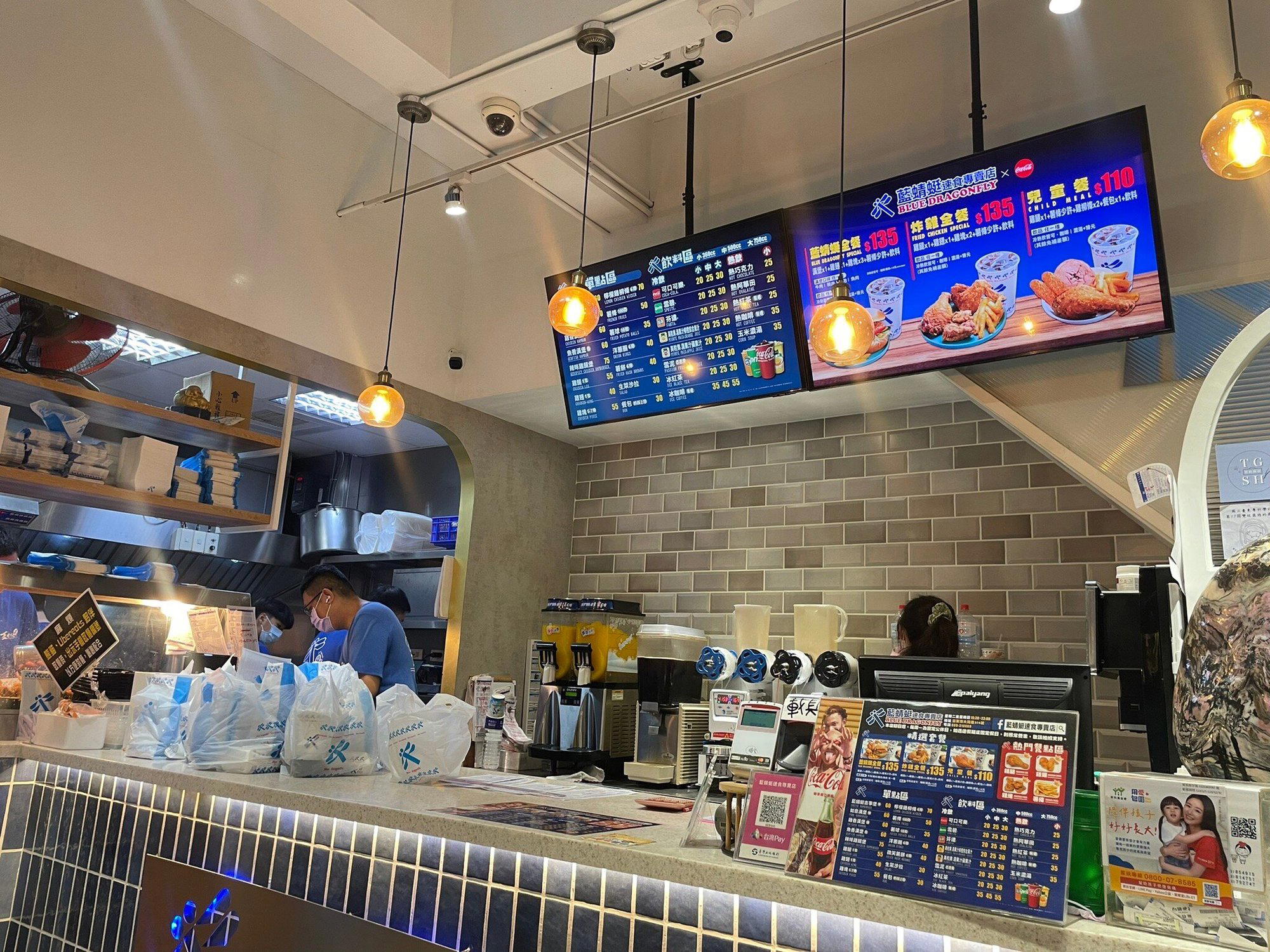
Casual, clean, and spacious local noodle shop atmosphere with counter-style ordering and a focus on quick meals.