Our verdict
Chan Kee Mochi is a Taitung institution operating within the glutinous rice tradition that runs along Taiwan's east coast from Hualien south. The shop follows the walk-in, daily-production format that defines serious mochi craft: fresh-made portions, a compact selection, and a local clientele that measures quality through consistency rather than novelty. It is a practical and culturally grounded stop for anyone eating through Taitung properly.

Pearl is the En Primeur Club membership app, where members save venues, book tables and use the concierge.
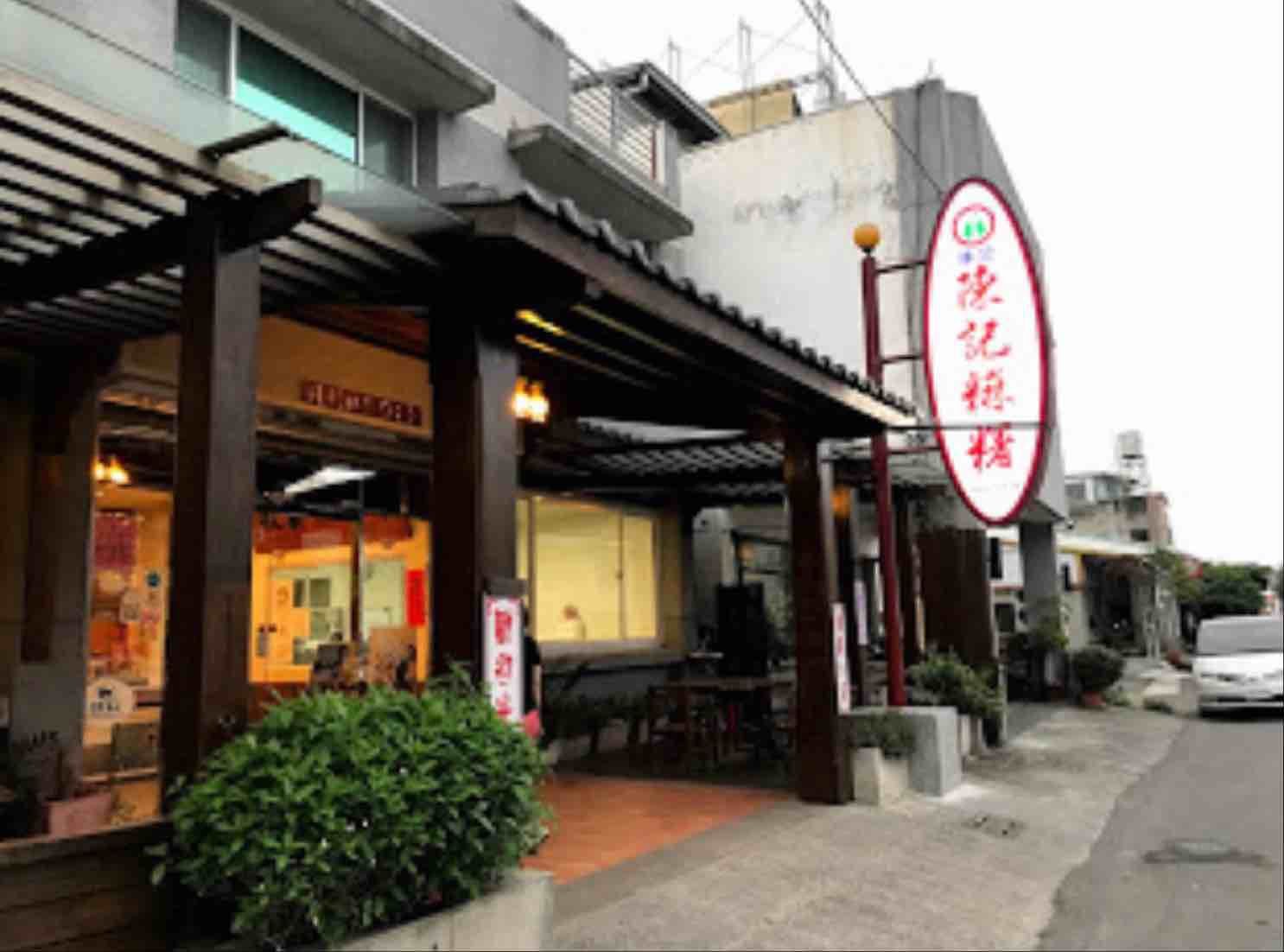
The menu
What to order
- Black mochi
- Peanut mochi
- Red bean mochi
- Green tea with red bean mochi
- Sailfish mochi
The Ritual of Mochi in Taitung
There is a particular kind of patience built into the making of mochi. The pounding, the stretching, the careful portioning: these are not steps that can be rushed without consequence. In Taitung, where indigenous Amis and Puyuma food traditions sit alongside Hakka and mainlander influences brought after 1949, mochi is not a novelty item sold to tourists. It is a daily ritual, a snack picked up on the way somewhere else, eaten standing up or at a plastic stool with very little ceremony. Chan Kee Mochi occupies that tradition without apparent effort to dress it up.
Taitung's food scene is worth understanding in this context. The city sits at the southeastern edge of Taiwan, where the Central Mountain Range meets the Pacific coast, and its relative distance from Taipei has allowed a slower, more locally inflected food culture to persist. You will not find the high-compression tasting menu format that defines places like logy in Taipei or the modernist ambition of JL Studio in Taichung here. What you find instead are stalls and shops that have been doing one thing well for a long time, with a clientele that holds them to account not through review aggregators but through daily habit.
What the Mochi Ritual Actually Looks Like
At a specialist mochi shop in Taiwan, the exchange between customer and counter follows a pattern that has changed very little over generations. You arrive, you look at what is available that day, you indicate your preference, and the portions are cut and packaged in front of you. The pacing is quick but not rushed. There is no explanation of provenance, no tasting notes offered. The product speaks through its texture: the pull of well-worked glutinous rice, the give of the filling, the fine coating of peanut powder or sesame that prevents sticking and adds another layer of flavor.
This is the format that shops like Chan Kee Mochi operate within, and it is a format that rewards regulars. Visitors coming from outside Taitung are well advised to arrive with some knowledge of what they want rather than expecting a guided experience. The ritual here is one of quiet commerce, not performance. That distinction matters when you consider that the most memorable food encounters in a city like Taitung are rarely the ones where the most explanation is offered.
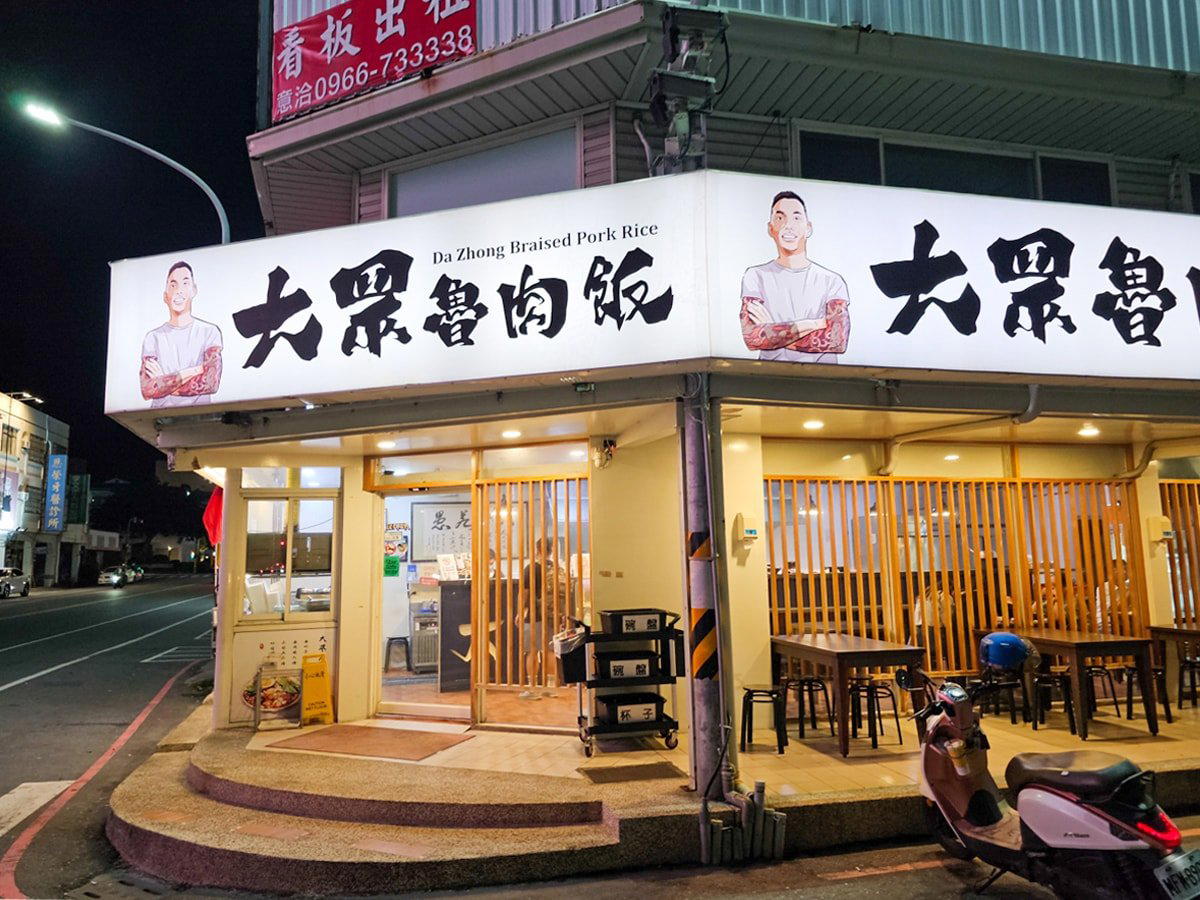
Taitung's street food and snack culture is well populated. Ah Hong Fried Chicken and Dazhong Braised Pork Rice represent the savory anchor of local eating; Bao Sang Bean Flower Shop sits at the sweeter end of that spectrum. Mochi occupies a category slightly apart from both: neither a full meal nor a pure dessert, but a substantial snack with deep cultural weight. Shops that have earned local loyalty in this category do so through consistency, not through reinvention.
Mochi as Cultural Marker
Across Taiwan, glutinous rice preparations appear in different regional registers. In the north, tang yuan and red-bean preparations dominate festive cycles. In Hualien, just up the coast from Taitung, mochi has been so thoroughly identified with the city that it appears on souvenir packaging sold at high-speed rail stations. Taitung operates with a quieter version of the same tradition: the mochi is here, it matters, but it does not announce itself.
The broader Taiwan food context is one in which local snack formats have proven surprisingly durable against the expansion of international chains and the visibility of fine dining. Even venues that operate at a high technical register, like GEN in Kaohsiung or A Xia in Tainan, draw from a foundation of local ingredients and techniques that shops like Chan Kee have preserved at street level for decades. The supply chain and the cultural memory that make refined Taiwanese cuisine legible both run through places like this one.
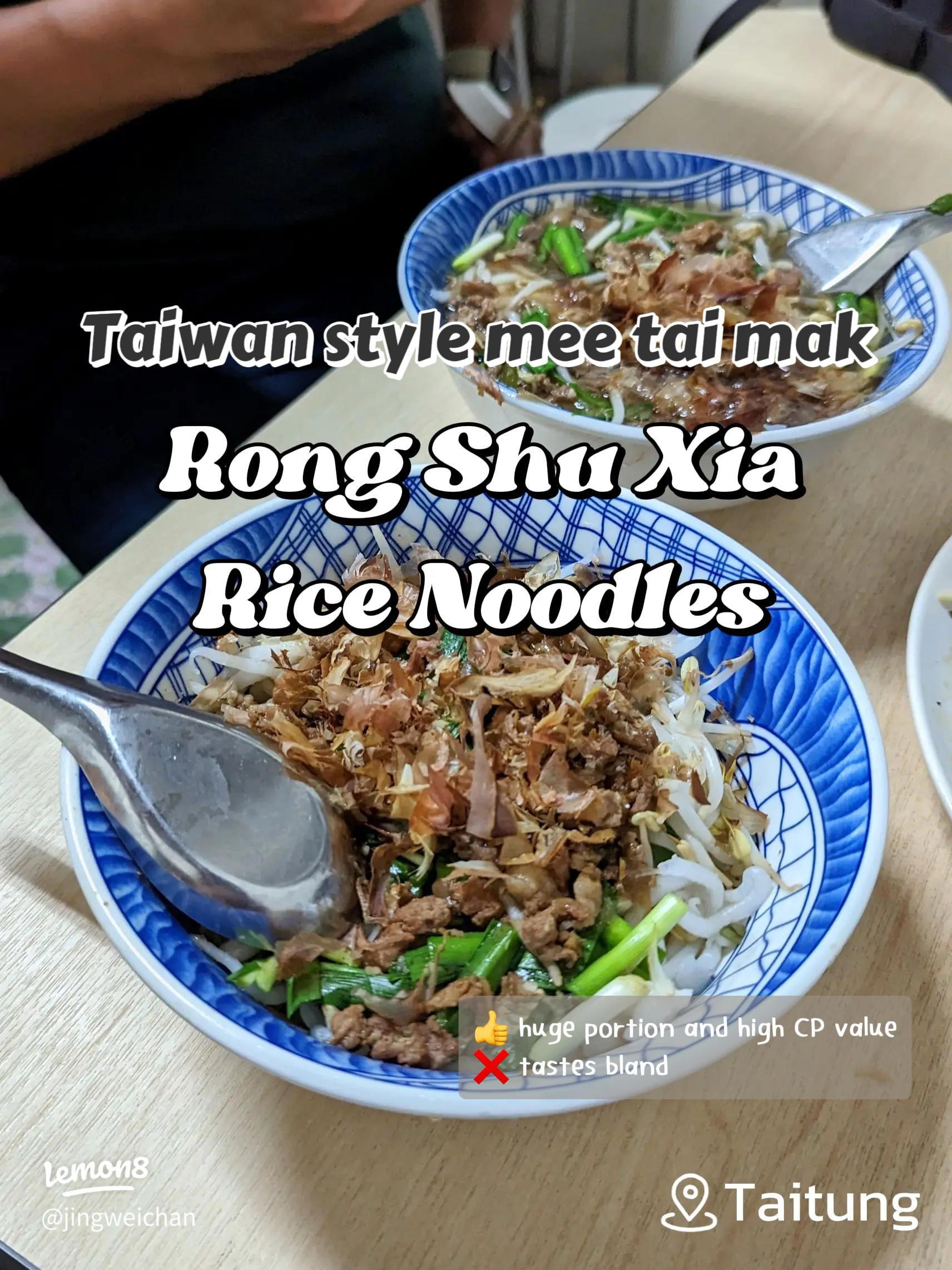
For visitors who have built itineraries around Taitung's outdoor draw, including the East Rift Valley, Zhiben hot springs, and the Pacific coastline, food stops tend toward the practical and local. Rong Shu Xia Rice Noodles and Ling Dumpling serve the appetite built by a day outside. Mochi from Chan Kee fits a different moment: the mid-morning stop, the post-market purchase, the thing you bring back to share.
Planning a Visit
Taitung is roughly two and a half hours from Taipei by high-speed rail and shuttle, or accessible by a slower, more scenic route along the eastern coast. The city is compact enough that most food stops can be reached on foot or by scooter from the central area. For visitors building a broader picture of where Chan Kee Mochi sits within Taitung's eating culture, our full Taitung restaurants guide maps the scene by category and neighborhood.
Given the walk-in format typical of mochi shops of this type, advance planning is less about reservations and more about timing. Morning hours generally offer the widest selection before popular varieties sell through. There are no formal dress expectations, no booking system, and no minimum spend. The practical barrier to entry is low; the reward is a product made within a tradition that has very little interest in performing itself for an outside audience.
Frequently asked questions
Can I bring kids to Chan Kee Mochi?
A specialist mochi counter in Taitung is about as family-appropriate as it gets. The product itself, soft glutinous rice in portioned pieces, appeals across ages, and the counter format keeps the visit short and focused. There is no formal dining room to manage children through.
Is Chan Kee Mochi better for a quiet night or a lively one?
Chan Kee Mochi is a daytime or early-evening stop, not an evening destination. Specialist mochi shops in Taitung operate on the rhythm of production, not nightlife. Come for a focused, unhurried exchange at the counter rather than a social occasion.
How does Chan Kee Mochi fit into Taitung's broader food culture?
Taitung sits at the centre of Taiwan's eastern-coast food identity, where indigenous ingredients and Hakka culinary traditions overlap in ways not replicated in the west or north of the island. A mochi specialist here is not a novelty stop but a functional part of local daily life, occupying the same role that a neighbourhood bakery might elsewhere. Chan Kee operates within that local register, making it a useful reference point for understanding Taitung's food culture beyond its night markets.
What's the must-try dish at Chan Kee Mochi?
Mochi is the sole reason to visit, and at a Taitung specialist that means glutinous rice prepared and portioned by hand. The regional tradition here leans toward peanut and sesame coatings that differ from the red-bean-forward preparations common in northern Taiwan. Go with the house selection rather than seeking a single item.
How far ahead should I plan for Chan Kee Mochi?
Specialist mochi shops in Taitung typically sell out of daily production rather than taking reservations. Planning around opening hours and arriving early in the day is more relevant than booking ahead. Check current hours locally before visiting, as production schedules can shift seasonally.
What's the defining dish or idea at Chan Kee Mochi?
The defining idea is process over product: mochi made through repeated pounding and hand-shaping, following a method that has changed very little across generations of Taiwanese practice. In Taitung specifically, this tradition carries eastern-coast regional character distinct from preparations found in Taipei or Tainan. The result is a food that reads as cultural artifact as much as confection.
Cuisine and Awards Snapshot
| Venue | Cuisine | Price |
|---|---|---|
| Chan Kee MochiThis venue (the venue you are viewing) | Traditional Taiwanese Mochi | $1–10 |
| Ling Dumpling | Taiwanese Dumpling House | Not listed |
| Bao Sang Bean Flower Shop | Taiwanese Tofu Pudding | Not listed |
| Wong Kee Scallion Pancake | Traditional Taiwanese Scallion Pancake | $1–10 |
| Ah Hong Fried Chicken | Taiwanese Fried Chicken | $1–10 |
Continue exploring
More in Taitung
Details
- Casual
- Casual Hangout
- Solo
- A La Carte
- Vegetarian Friendly
Casual, bright bakery atmosphere with a focus on fresh, handmade mochi products displayed for quick purchase.