Roma Imports
Roma Imports sits on South Vine Avenue in Tucson's mid-city corridor, operating in the tradition of specialty import shops that blur the line between retail and dining destination. The address has drawn a loyal local following for its European goods in a city better known for its Sonoran food culture. For those tracing Tucson's full culinary range, it anchors the import end of the spectrum.
Pearl is the En Primeur Club membership app — saves, bookings, and concierge access live there. Same editors, same standards.
- Address
- 627 S Vine Ave, Tucson, AZ 85719
- Phone
- +15207923173
- Website
- romaimports.com
- Directions
- Get directions
 Saves & bookings on Pearl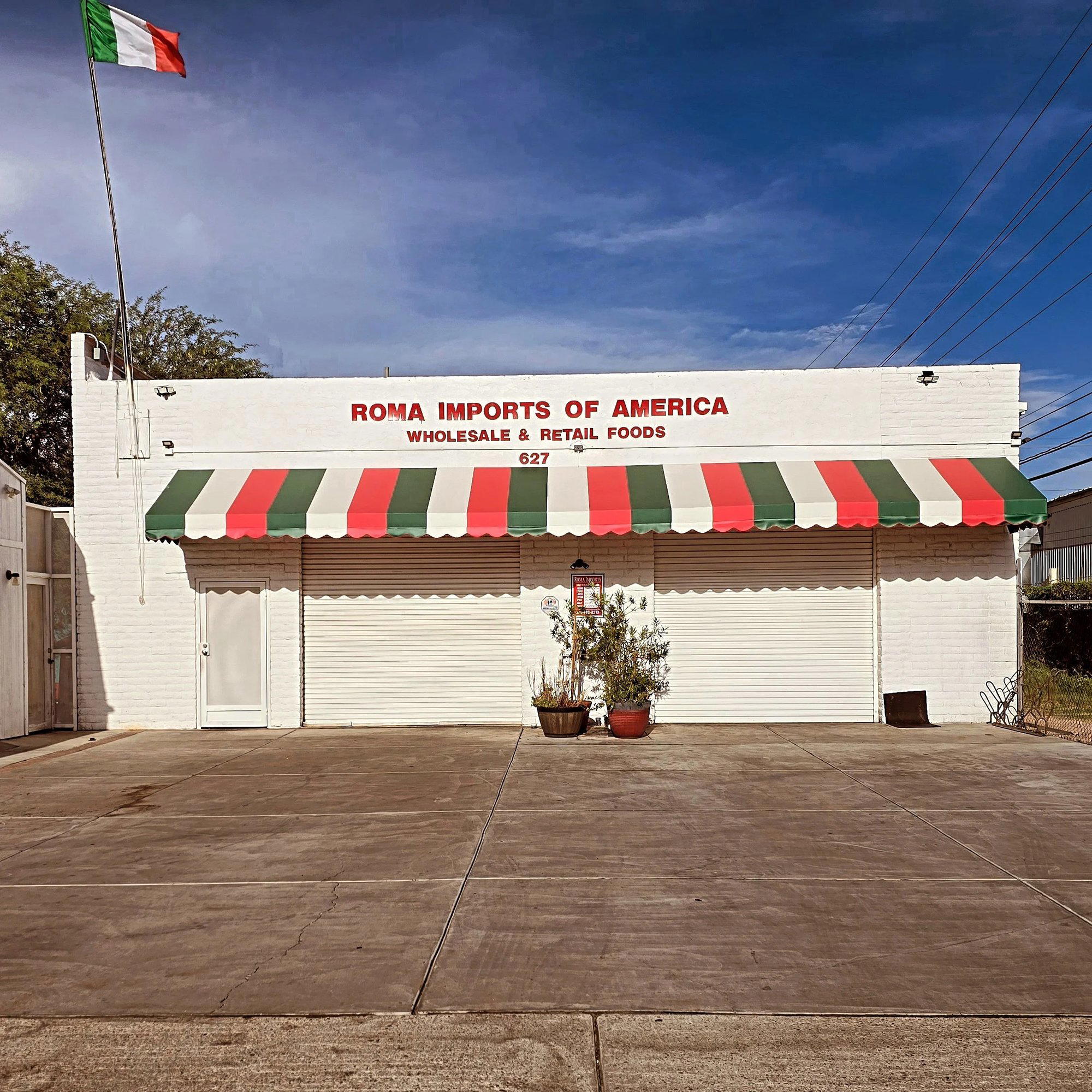
South Vine Avenue and the Logic of the Import Shop
Tucson's food identity is most loudly associated with its Sonoran Mexican tradition, its James Beard America's Classic honorees, and a growing wave of chef-driven independents working the stretch from downtown to the university district. But embedded in this scene is a quieter category: the specialty import shop that functions as something more than a retail stop. Roma Imports, a Tucson Italian Deli & Trattoria at 627 S Vine Ave, belongs to that category. The address is mid-city, away from the concentrated dining corridors that draw visitors, which means the people who find it have usually been pointed there by someone who already knows.
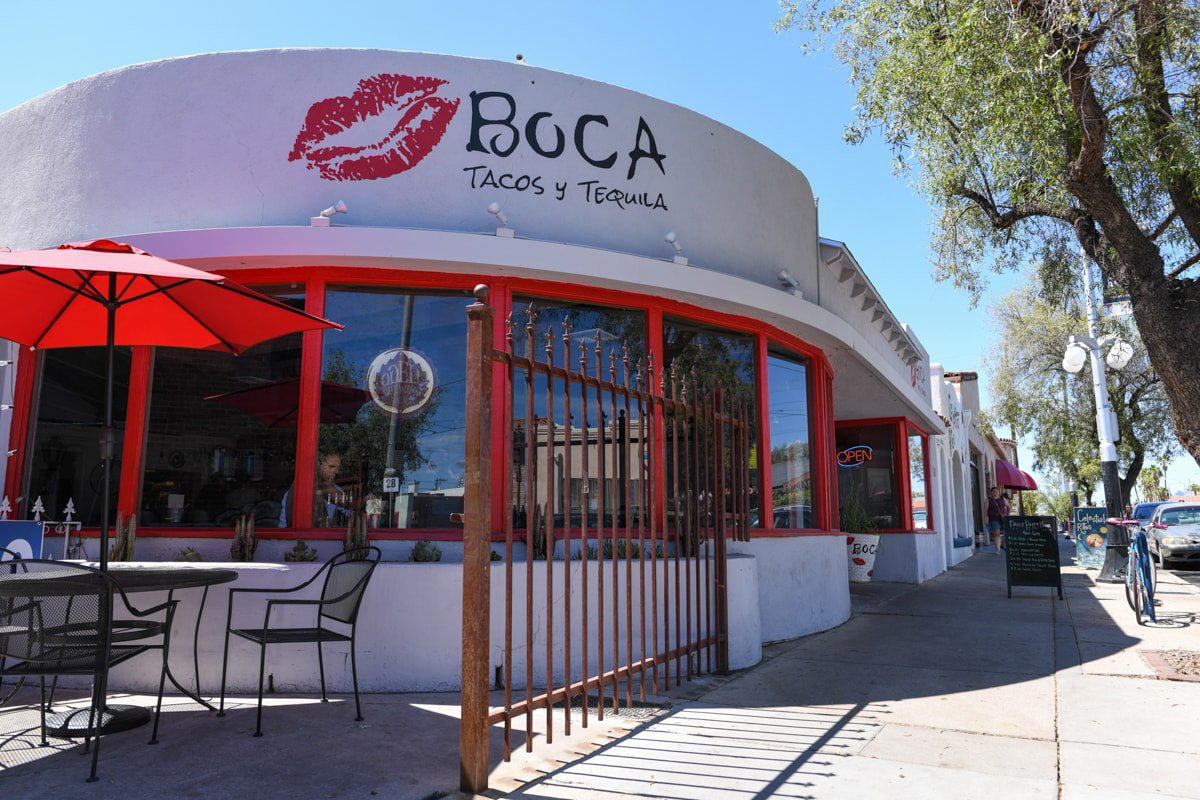
Import shops of this type occupy a specific role in mid-sized American cities. They fill the gap between the restaurant and the home kitchen, supplying ingredients, cured goods, and pantry staples that allow serious cooks to work at a level the local supermarket cannot support. In a city where places like BOCA by Chef Maria Mazon and AMELIA'S MEXICAN KITCHEN have raised the standard for ingredient-led cooking in the Mexican tradition, the parallel demand for European imports reflects a dining public that has developed parallel appetites. Roma Imports serves that demand from a building that does not announce itself loudly.
The Collaborative Structure Behind a Shop Like This
The editorial angle assigned to Roma Imports is team dynamic, and that framing is apt for understanding how specialty import operations actually function. Unlike a restaurant where a single chef can become the defining voice, an import shop runs on interlocking expertise: the buyer who selects which producers and regions to stock, the floor staff who can explain provenance and use, and whoever manages the relationship between the retail format and any prepared or deli component that may exist alongside packaged goods.
In the broader American specialty retail tradition, this three-part dynamic determines whether a shop becomes a genuine culinary resource or simply a curated shelf. The leading examples, whether in cities like New York or San Francisco or in more isolated markets, succeed because the buying knowledge translates into floor-level conversation. A customer asking about a specific cut of imported salumi or a type of pasta format gets an answer that reflects actual sourcing knowledge, not a label recitation. That kind of floor competence is what separates a working import shop from a decorated one. At the restaurant, the South Vine Avenue address and the local reputation suggest the former model.
Where Roma Imports Sits in Tucson's Food Ecosystem
Tucson's dining scene has deepened considerably over the past decade. The UNESCO City of Gastronomy designation, awarded in 2015, recognized the city's agricultural heritage and indigenous food traditions rather than its fine dining infrastructure, but the effect has been a broader civic interest in food provenance and quality. That interest benefits every tier of the food economy, including specialty retail.
The comparison set for the restaurant is not the city's sit-down restaurants but rather the small cluster of independent food businesses that supply Tucson's home cooks and professional kitchens with specialty product. In that context, a European import shop on South Vine Avenue occupies a specific gap. Places like 5 Points Market and Restaurant operate at the intersection of retail and prepared food in a different register. Barista del Barrio anchors the specialty beverage side. Cafe Desta brings East African culinary tradition into the mix. The restaurant, by focusing on the Italian and broader European import category, is working a lane that has relatively few direct competitors in this market.
For context on how import-focused retail translates into higher-end dining environments elsewhere, the contrast with restaurants like Le Bernardin in New York City or Providence in Los Angeles is instructive. Those kitchens depend on the availability of specialty product at the ingredient level. In cities where that supply chain is well developed, restaurants can source more precisely. In mid-sized markets like Tucson, specialty importers help close that gap for both professional and home kitchens, and the city's chef-driven independents benefit accordingly.
What the Format Implies for the Visitor
The practical guidance here must be general. Import shops in this category typically operate on retail hours rather than restaurant service windows, meaning lunch and early evening are particularly reliable windows. The physical format at an address like 627 S Vine Avenue, a residential-adjacent mid-city block, suggests a small-footprint operation where browsing is part of the experience and where staff availability determines how useful a visit becomes.
For visitors building a Tucson itinerary that spans multiple dining and food experiences, the restaurant fits logically alongside a broader exploration of the city's independent food scene rather than as a standalone destination. Those planning a fuller picture of what Tucson's food culture offers should explore the city's dining options across price points and traditions.
For comparison on how destination-level restaurants elsewhere integrate the kind of ingredient quality that specialty importers supply, Blue Hill at Stone Barns in Tarrytown and Single Thread Farm in Healdsburg represent the farm-to-table end of that sourcing conversation, while The French Laundry in Napa and Alinea in Chicago show how ingredient quality functions in technically driven tasting menu formats. Atomix in New York City and 8 1/2 Otto e Mezzo Bombana in Hong Kong extend that reference set internationally. Closer to Tucson's own region, Addison in San Diego and Lazy Bear in San Francisco demonstrate the West Coast's approach to sourcing-led fine dining. Emeril's in New Orleans and The Inn at Little Washington round out the national picture on how regional food identity shapes fine dining ambition.
Fast Comparison
Comparable venues nearby, for context on price, style, and recognition.
| Venue | Cuisine | Price | Notes |
|---|---|---|---|
| Roma ImportsThis venue — the venue you are viewing | Italian Deli & Trattoria | $$ | Not listed |
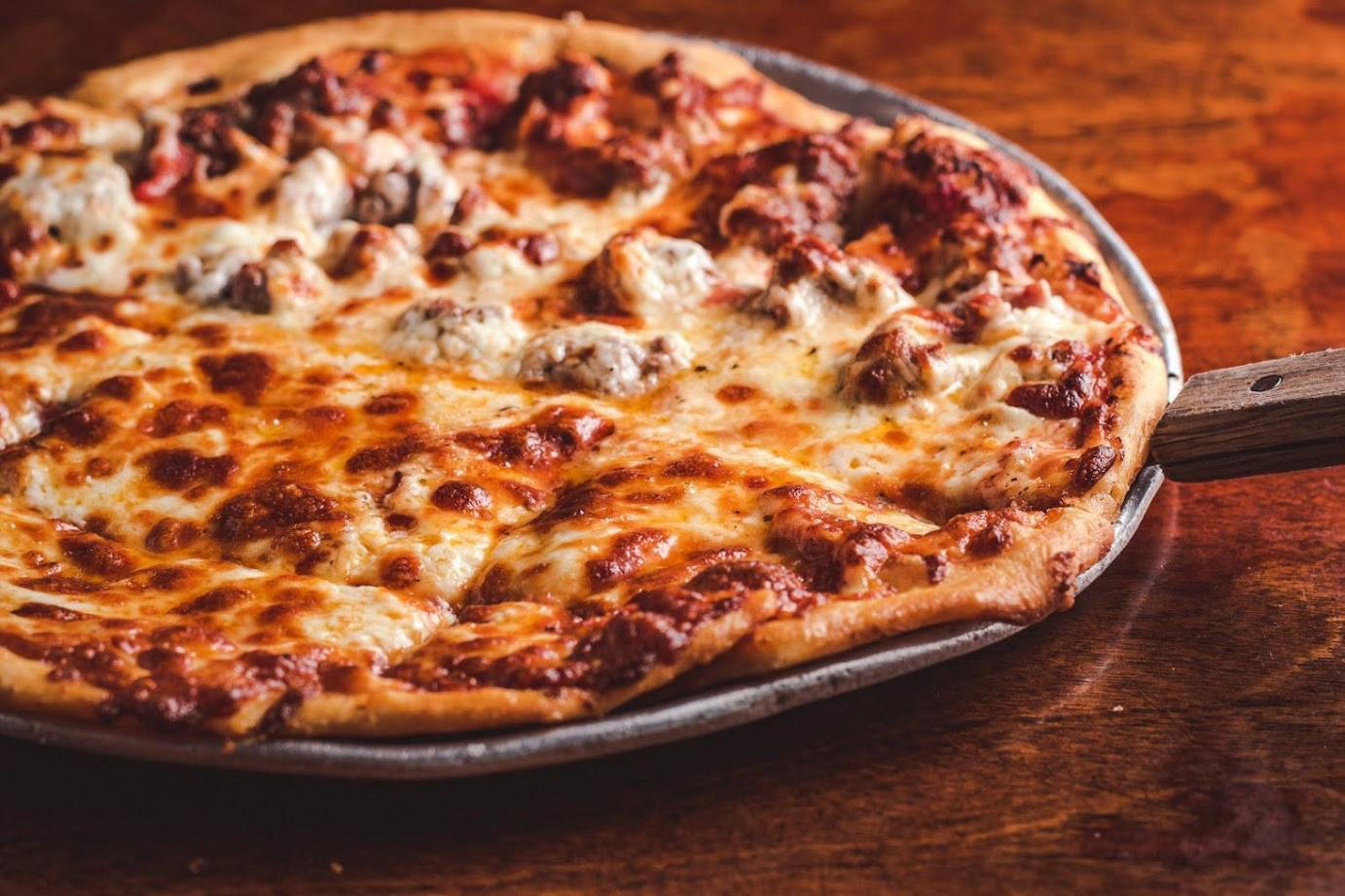
| Penelope Pizza | Wood-Fired Neapolitan & New York Pizza | $$ | Downtown Tucson / East Side |
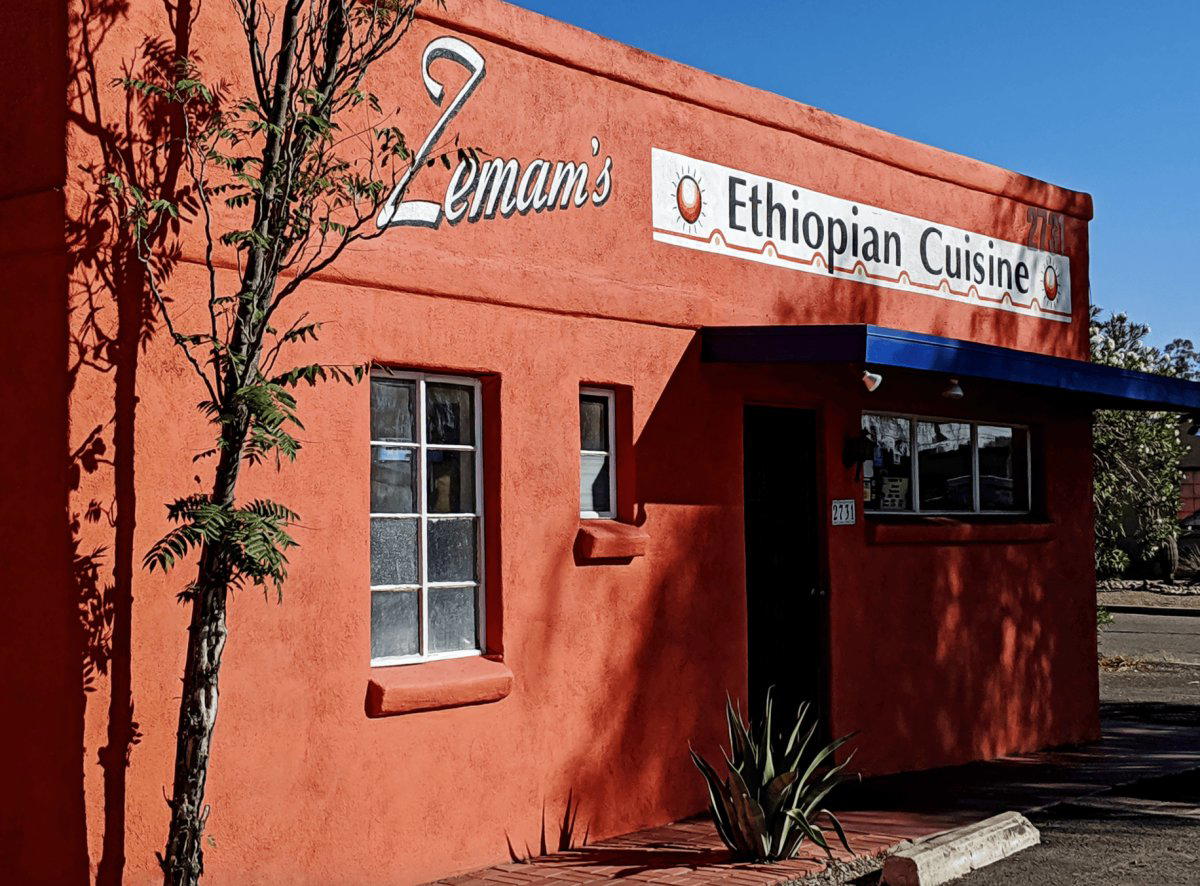
| Cafe Desta | Traditional Ethiopian | $$ | south of Downtown |
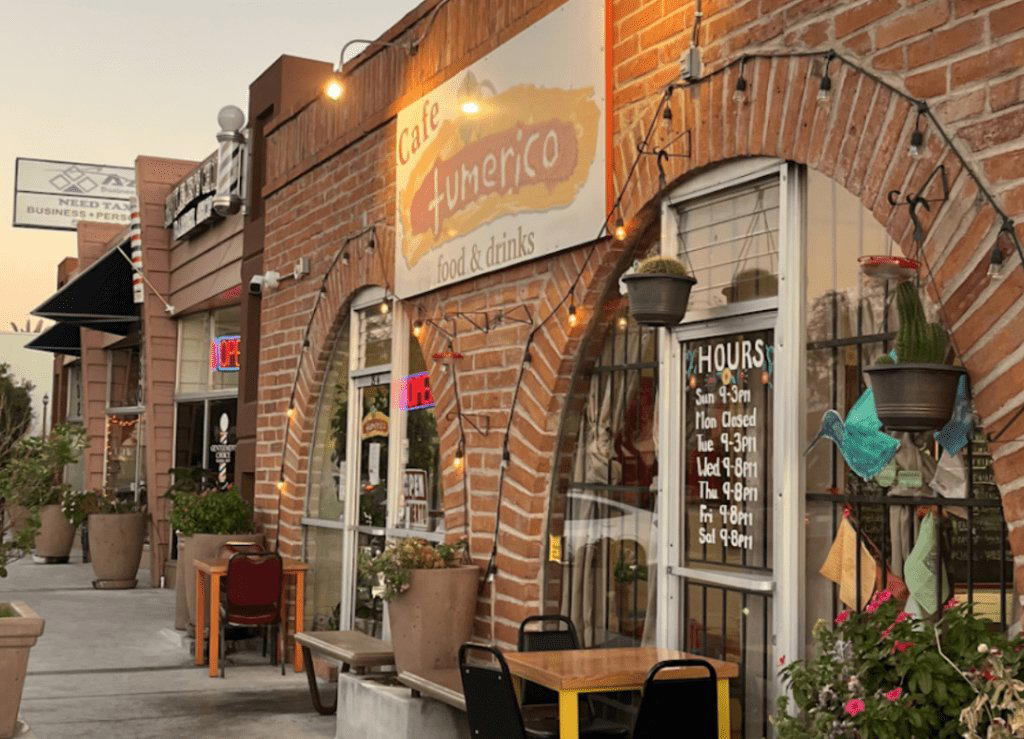
| Time Market | Dining | $$ | Downtown / 4th Ave / University |
| BOCA by Chef Maria Mazon | Modern Mexican Tacos | $$ | West University |
| Truland Burgers & Greens | American Burgers & Salads | $$ | Oro Valley |

At a Glance
- Rustic
- Cozy
- Casual Hangout
- Group Dining
- Family
- Standalone
- Local Sourcing
Current opening hours
- Monday
- 9 AM–6 PM
- Tuesday
- 9 AM–6 PM
- Wednesday
- 9 AM–6 PM
- Thursday
- 9 AM–6 PM
- Friday
- 9 AM–6 PM
- Saturday
- 9 AM–6 PM
- Sunday
- Closed
Hours can change for holidays and private events. Last verified .
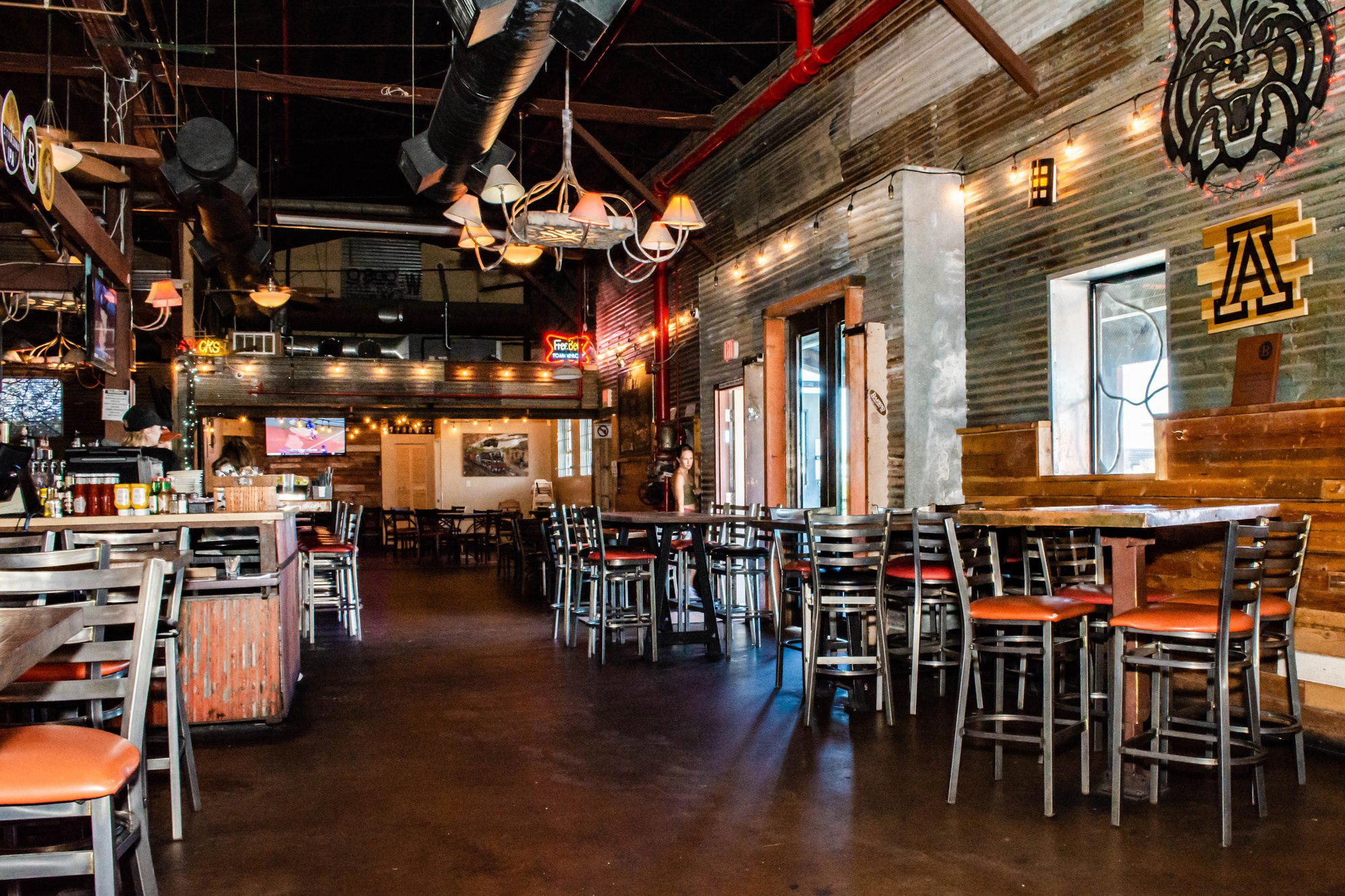
Warm and inviting with red and white checked tablecloths in the dining area; casual counter-service setup with a retail grocery component creating an authentic, unpretentious Italian market atmosphere.