Catalina Dining Room
Catalina Dining Room sits in Tucson’s north-side resort-and-club corridor, where dining is shaped as much by desert setting as by the plate. The stronger read is contextual: Tucson’s serious food identity comes from Sonoran ingredients, borderland technique, and nearby farms, and this room belongs to the quieter club-dining side of that conversation rather than the street-food or chef-counter track.
Pearl is the En Primeur Club membership app — saves, bookings, and concierge access live there. Same editors, same standards.
- Address
- 6200 N Club House Ln, Tucson, AZ 85750
- Phone
- 520-577-1400
- Directions
- Get directions
 Saves & bookings on Pearl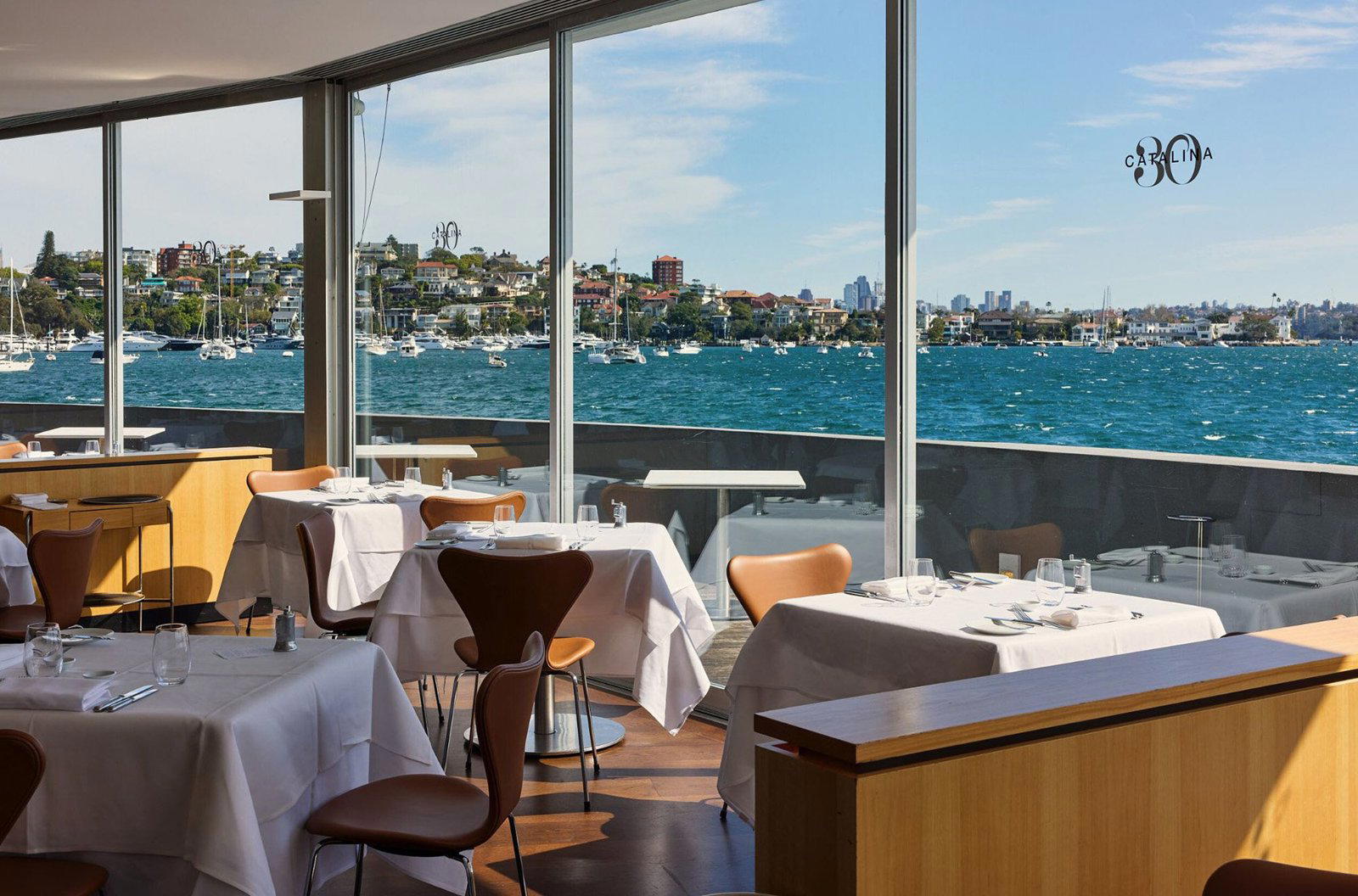
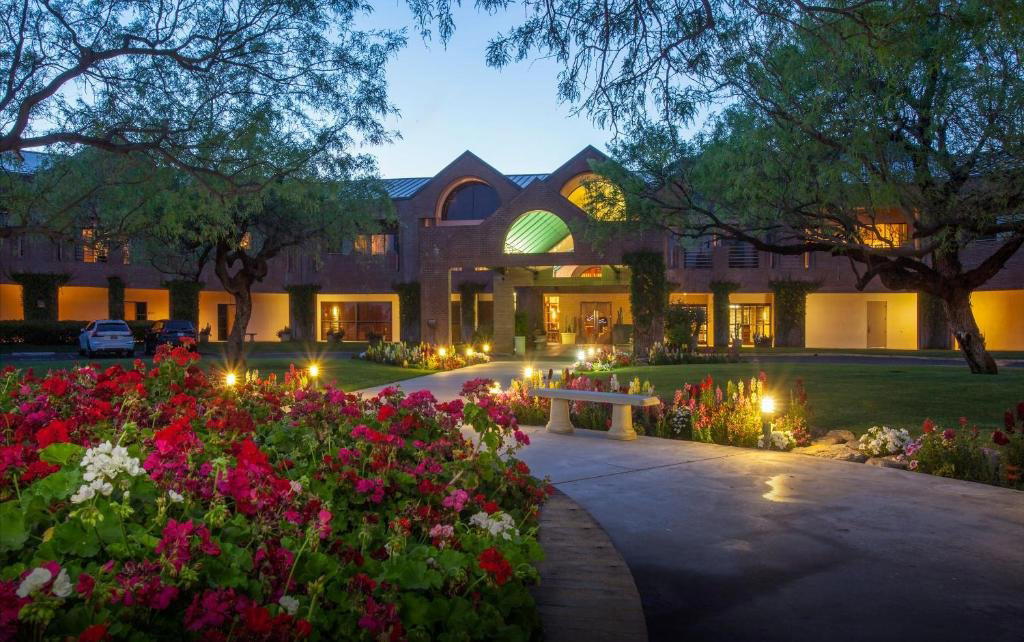
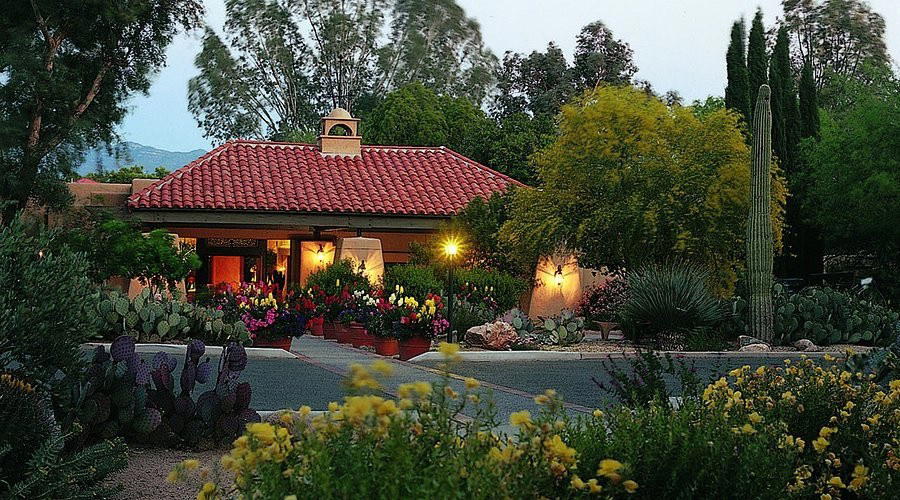
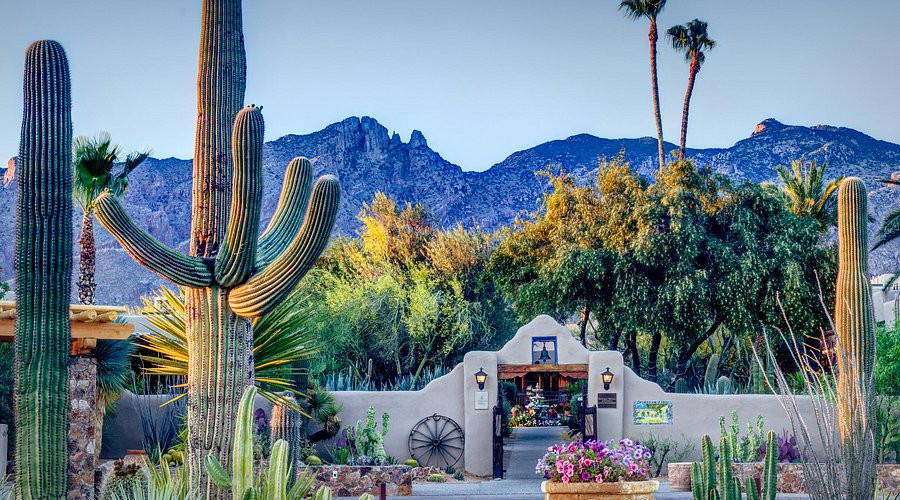
The approach to Catalina Dining Room runs through the north Tucson foothills, where the city thins into saguaro country and the dining rhythm changes. Downtown Tucson trades in walkable cafés, taquerias, markets, and chef-led rooms; the Catalina Foothills trade in longer views, quieter rooms, and a resort-club style of service. That distinction matters. A meal here belongs to Tucson’s more composed side, not the faster urban circuit clustered around breakfast counters, masa specialists, and bar programs closer to the center of town.
Tucson’s food reputation is not built on luxury dining alone. The city’s deeper authority comes from the Sonoran Desert: wheat, corn, beans, chiles, mesquite, squash, citrus, cattle country, and the cross-border habits that make a plate feel specific to southern Arizona. The useful question for any north-side dining room is not whether it competes with a downtown taqueria or a chef-owned Mexican kitchen. It is whether the setting, pacing, and sourcing vocabulary make sense in a city whose culinary identity is unusually place-bound.
North Tucson dining is quieter, but the ingredient question is louder
In Tucson, ingredient sourcing is not a decorative talking point. It is the spine of the city’s serious cooking culture. The region’s UNESCO City of Gastronomy designation rests on agricultural continuity, Indigenous foodways, Mexican influence, and desert adaptation rather than imported luxury cues. That makes Tucson different from cities where fine dining can float above its surroundings. Here, the stronger kitchens tend to signal place through corn, chiles, beans, native plants, ranch products, and the logic of heat, preservation, and seasonality.
Catalina Dining Room sits inside that broader expectation. With no public awards or chef-led tasting format attached to its profile, the room reads less like a destination restaurant chasing national attention and more like a polished foothills dining address whose value depends on fit: the view-driven north-side setting, the meal’s pacing, and how convincingly the kitchen reflects the desert region around it. That is a different proposition from 5 Points Market & Restaurant, where Tucson’s market-café culture is closer to the surface, or BOCA by Chef Maria Mazon, where the city’s contemporary Mexican conversation is more explicit.
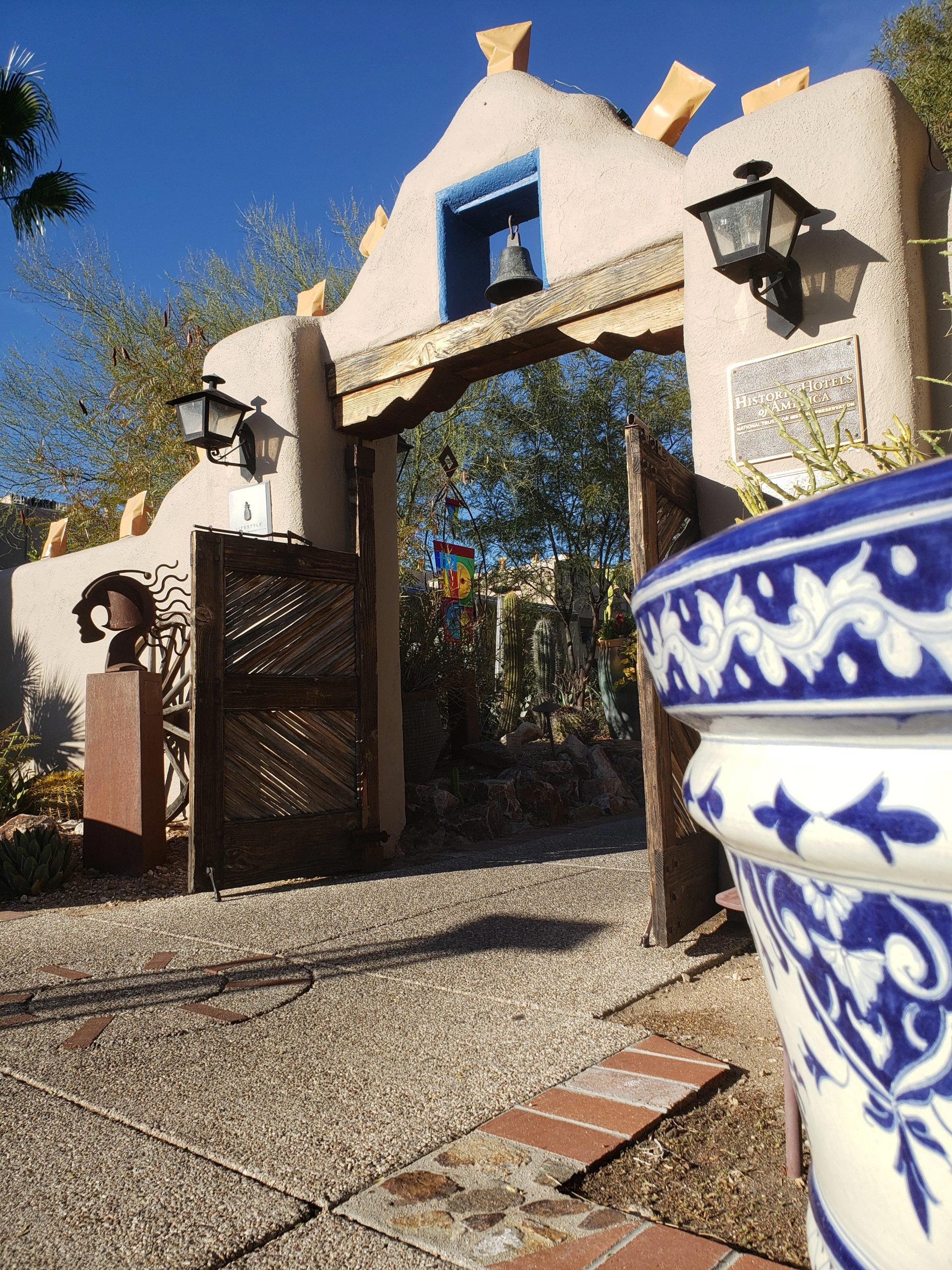
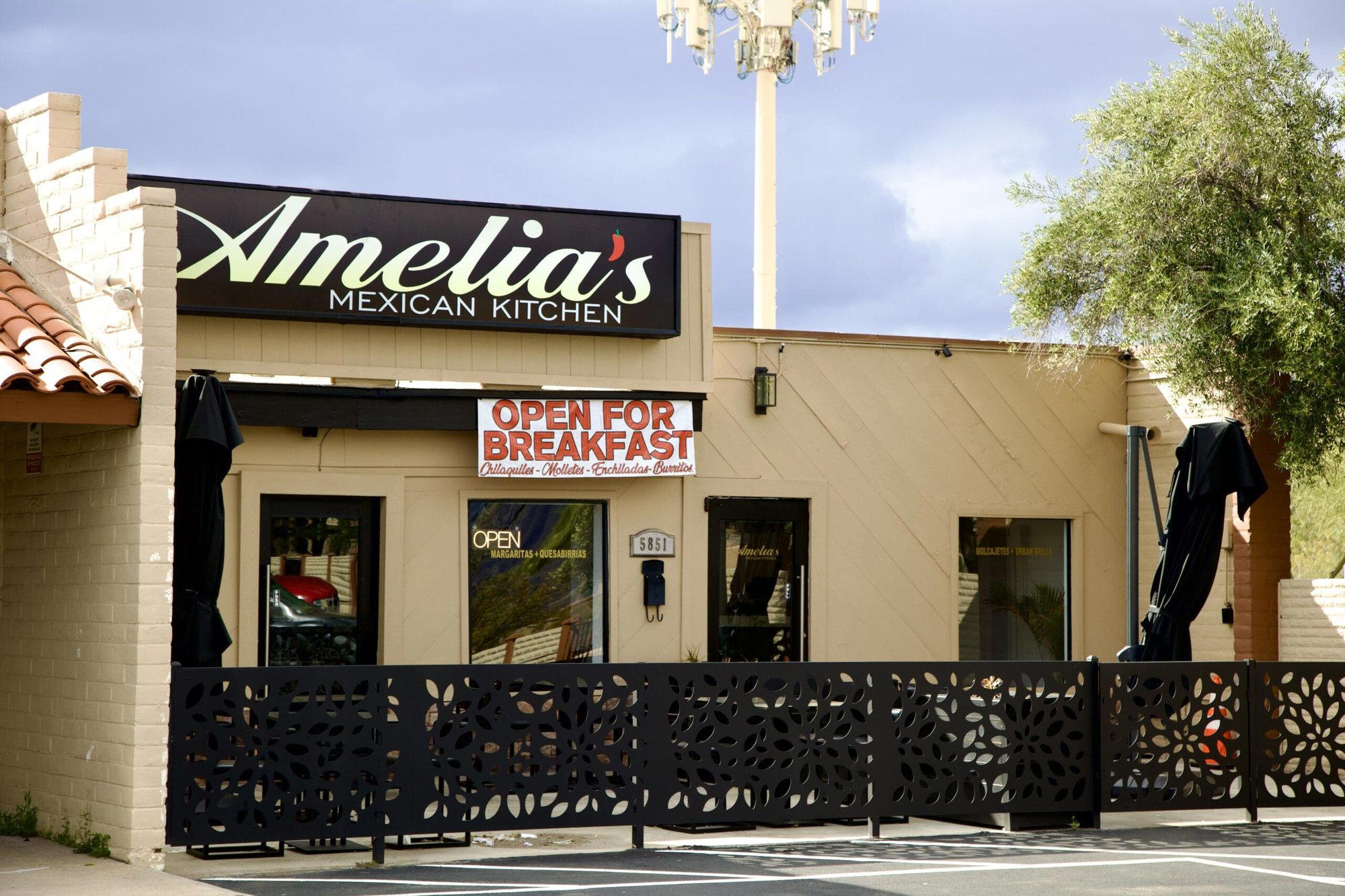
The comparison also helps separate north-side club dining from Tucson’s more casual ingredient circuits. Barista del Barrio and AMELIAS MEXICAN KITCHEN occupy a more direct everyday lane, while Cactus Flower Restaurant points toward a hotel-restaurant context. Catalina Dining Room belongs to the foothills version of the city: less about rapid turnover, more about a seated, contained meal shaped by north Tucson’s residential and resort geography.
The foothills room, measured against Tucson's broader table
The Catalina Foothills create a particular dining mood. The city below supplies the culinary gravity, but the north-side rooms tend to soften the edges: more space between tables, more emphasis on conversation, less of the kinetic energy that defines central Tucson. Ventana Bar & Grill, Ginza, Piazza Gavi, Double U Café, and Vaquero Canyon Ranch all sit in the local comparison frame for readers sorting the north and east side of the city, though the decision is less about ranking them than about choosing the kind of evening required.
That is where the restaurant is easiest to understand. It is not the address to use as a first lesson in Tucson’s street-level Sonoran cooking. For that, the city’s cafés, tortillerías, taco rooms, and Mexican kitchens give a sharper education. It makes more sense when the brief calls for a composed dining room in the foothills, especially for travelers staying north of downtown or pairing dinner with a slower desert itinerary.
For wider planning, Tucson rewards splitting meals by neighborhood rather than chasing a single all-purpose dining answer. Use Our full Tucson restaurants guide to separate downtown, university, south-side, and foothills options; Our full Tucson hotels guide for the resort geography that shapes where dinner feels convenient; Our full Tucson bars guide when the evening needs a stronger cocktail endpoint; Our full Tucson wineries guide for Arizona wine context; and Our full Tucson experiences guide for desert, museum, and cultural timing around a meal.
How to place it within a larger food itinerary
Tucson’s dining scene is strongest when read through categories rather than hype: Sonoran staples, market-driven cafés, hotel rooms, club dining, neighborhood breakfast counters, and chef-owned restaurants that translate regional ingredients into a more contemporary register. The restaurant belongs in the club-dining category, where the room and setting carry as much weight as the menu description. That makes it a useful contrast meal, particularly after a day built around downtown or south-side eating.
Travelers building a broader Southwest and Pacific food route can see the same ingredient question play out elsewhere: Japanese drinking-food discipline at Jōdo Saké Bar in Los Angeles, everyday rice formats at Onigiri Time in Pasadena, regional Mexican casual dining at ¿Por Qué No? in Portland, plant-forward Hawai‘i cooking at 'Ai Love Nalo in Waimanalo Beach, island-Californian sourcing at 'āina in San Francisco, resort dining at 'Ama 'Ama in Kapolei, specialist Japanese beef service at -Grilled beef Sukiyaki- KAMAKURA TANUKIAN 鎌倉 たぬき庵 in Kamakura, and Mexican-American casual cooking at ¡Salud! in Los Angeles. The common thread is not format, but whether a restaurant’s ingredients make sense where it is.
The editorial read is simple: the restaurant is for a slower foothills meal in a city where place matters. Tucson’s sharper culinary lessons may happen elsewhere, but this room has a clear role for travelers who want the north-side version of the city, measured, scenic, and removed from the downtown rush.
A Quick Peer Check
Comparable venues by cuisine and price in the same metro.
| Venue | Cuisine |
|---|---|
| Catalina Dining Room | This venue |
At a Glance
- Elegant
- Scenic
- Sophisticated
- Romantic
- Date Night
- Business Dinner
- Group Dining
- Special Occasion
- Panoramic View
- Hotel Restaurant
- Standalone
- Extensive Wine List
- Local Sourcing
- Sustainable Seafood
- Mountain
- Skyline
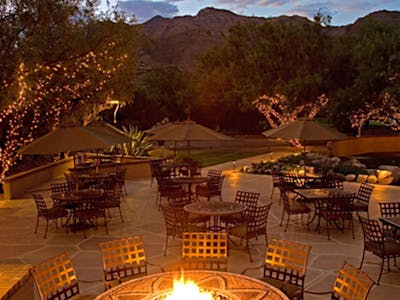
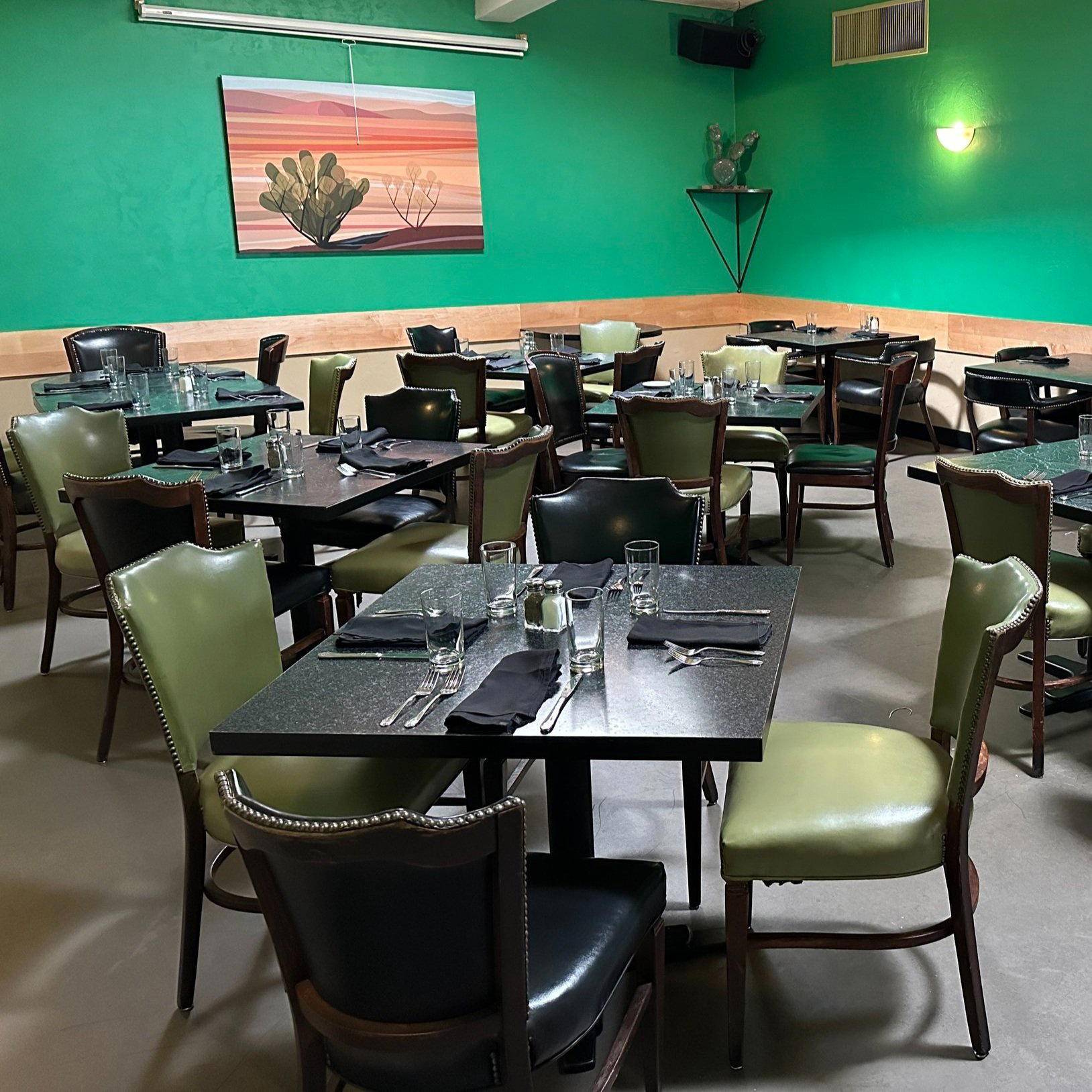
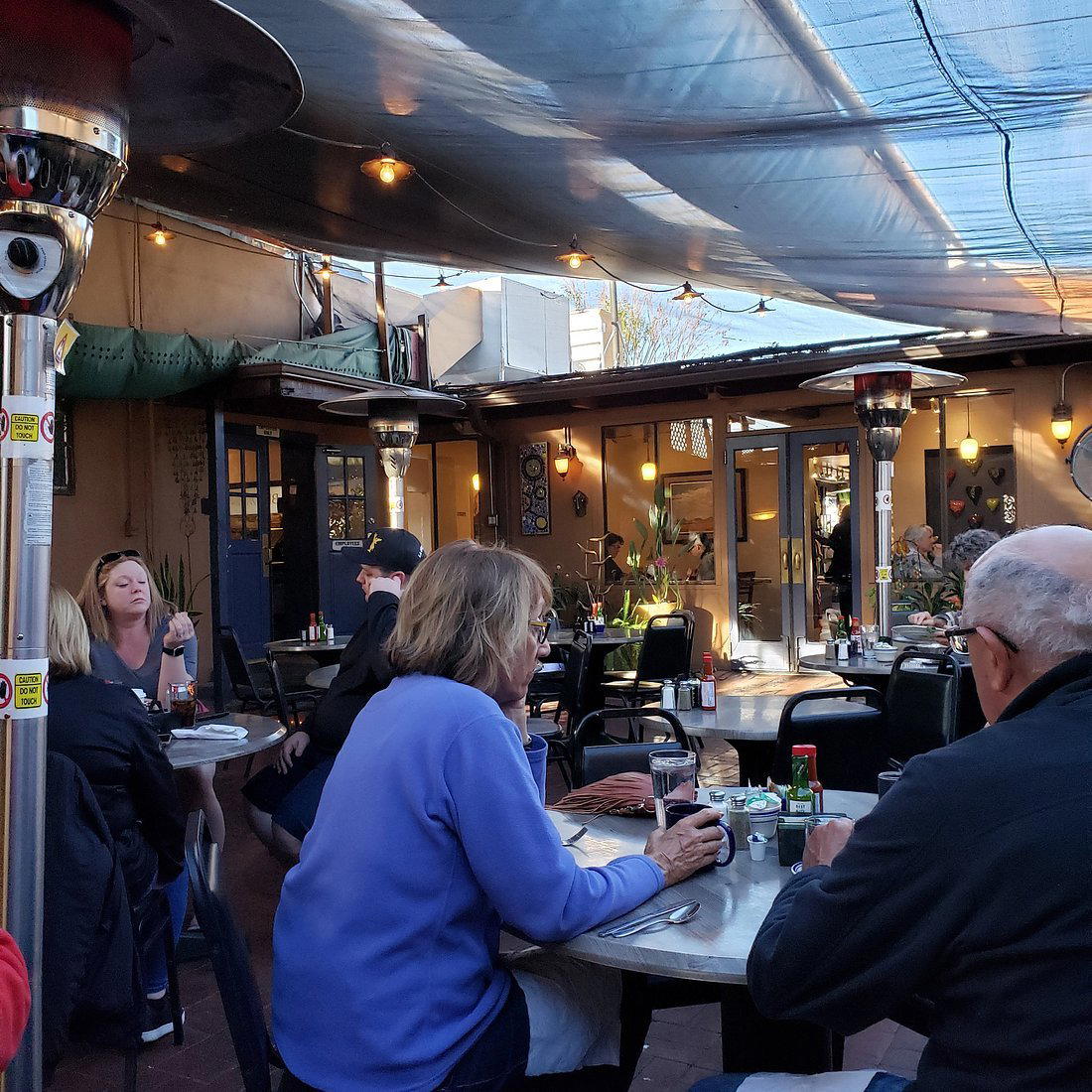
An upscale yet relaxed club dining room with large windows framing mountain and desert views, especially vivid at sunset; white-tablecloth style service and softened lighting create a refined, unhurried atmosphere suited to couples and small groups.