Cactus Flower Restaurant
Cactus Flower Restaurant belongs to Tucson’s resort-dining side, where Sonoran desert setting and wellness-minded cooking shape the meal as much as the plate. With no public awards or chef-led tasting format defining the story, the useful lens is sourcing: how Arizona produce, heat, altitude, and restraint inform a dining room away from the city’s louder taqueria-and-downtown circuit.
Pearl is the En Primeur Club membership app — saves, bookings, and concierge access live there. Same editors, same standards.
- Address
- 5000 E. Via Estancia Miraval (main restaurant)
- Directions
- Get directions
 Saves & bookings on Pearl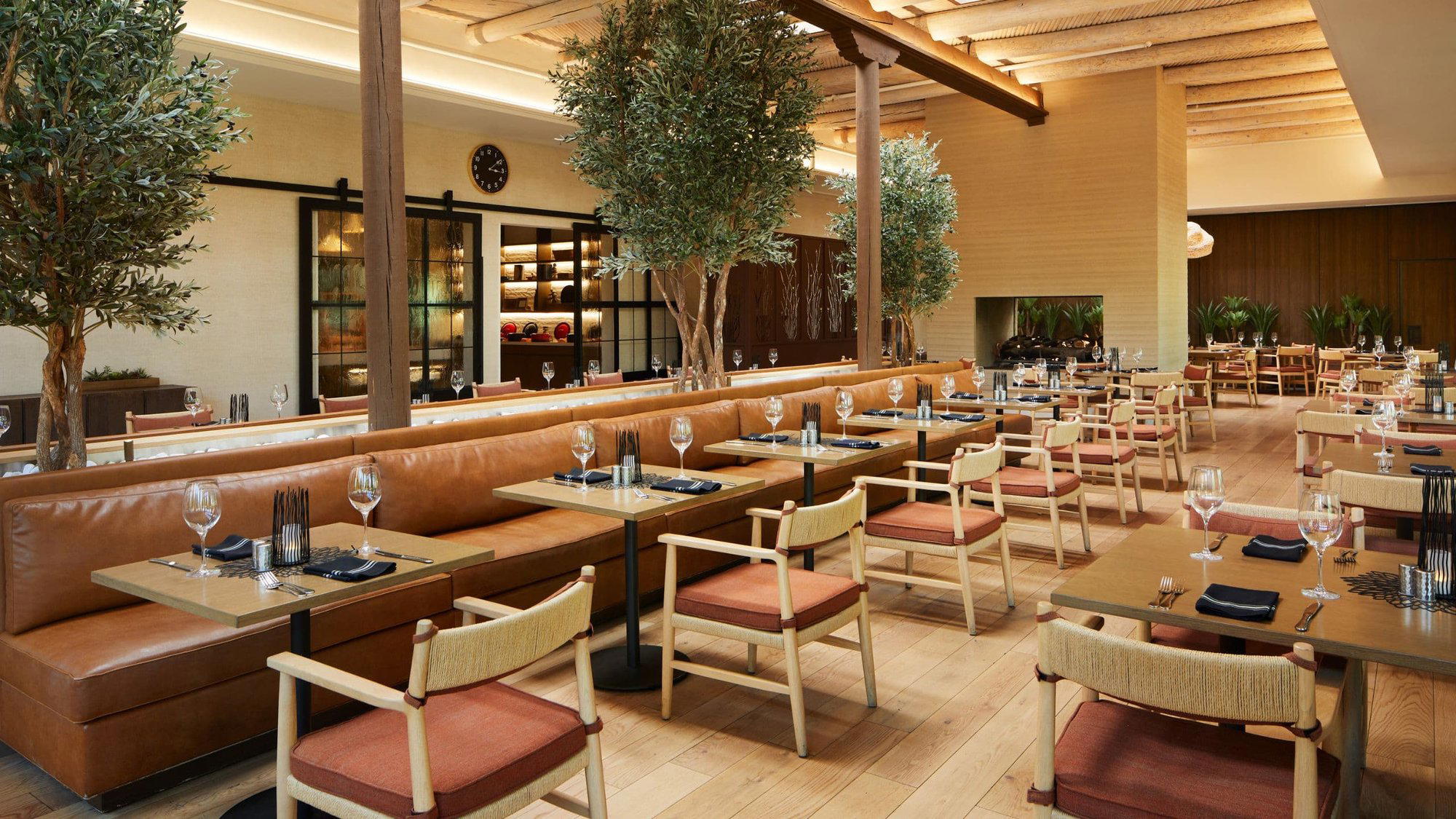
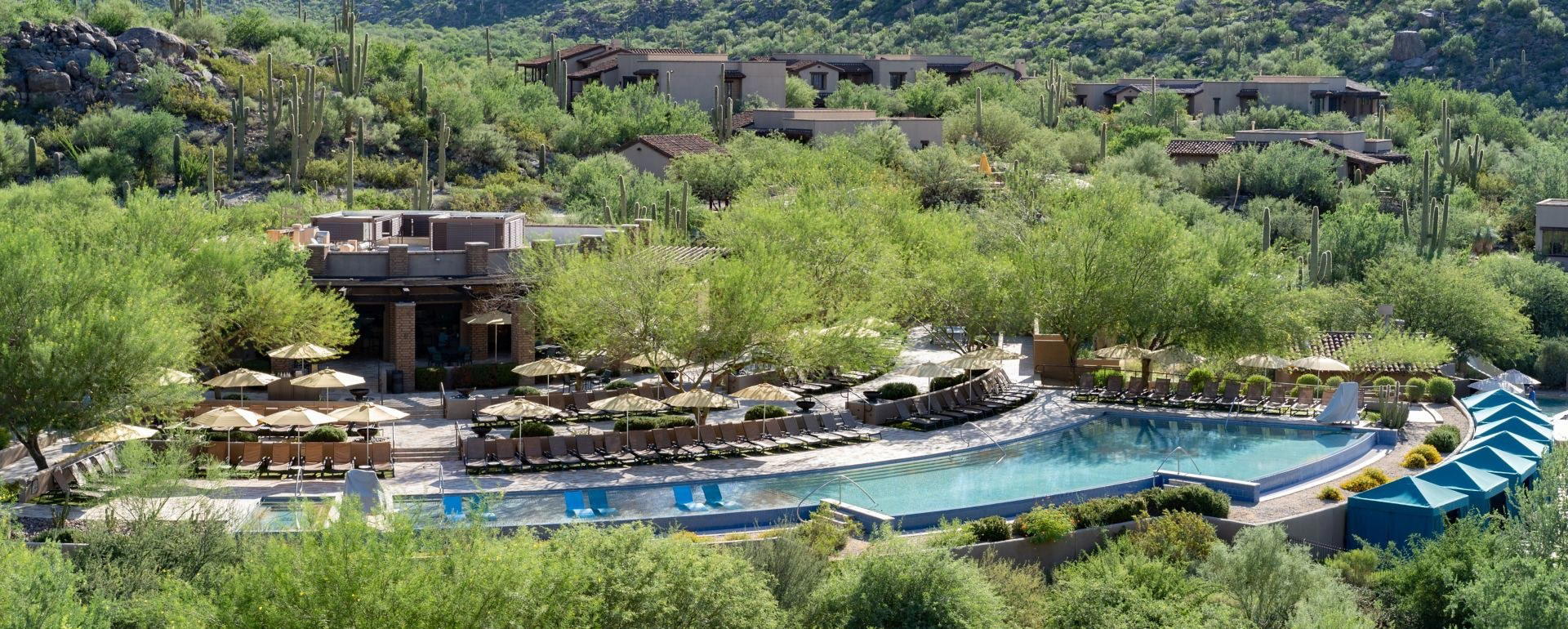
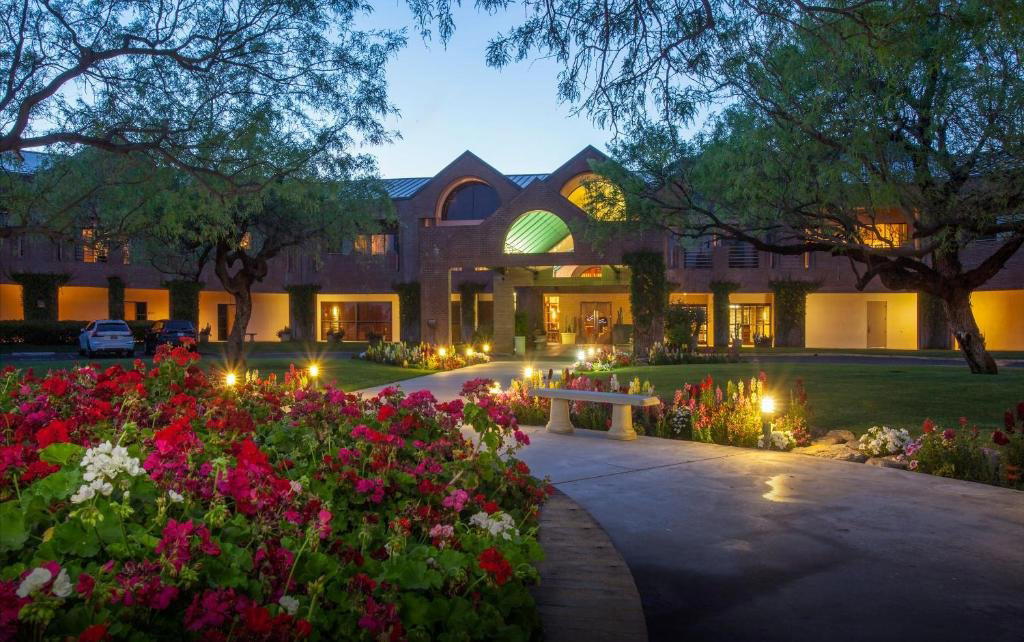
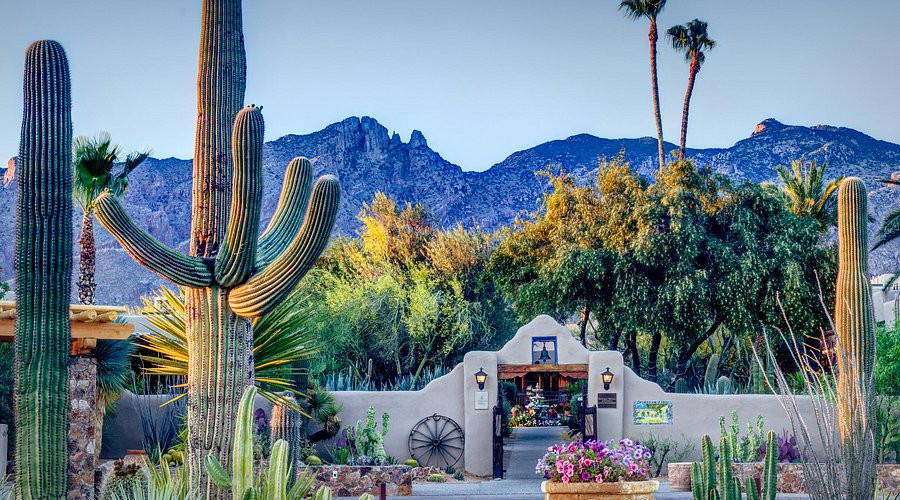
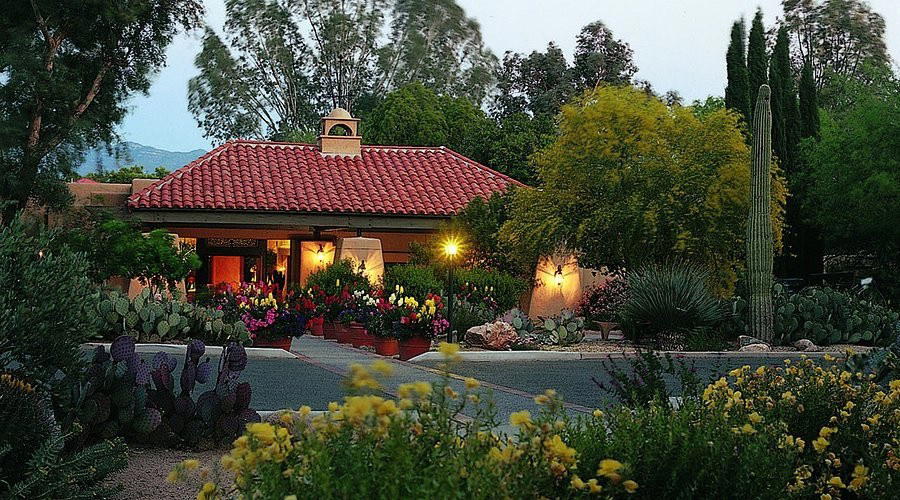
Approaching Cactus Flower Restaurant means entering a different Tucson register: less street-corner sizzle, more desert quiet, low buildings, long light, and the dry geometry of the Santa Catalina foothills. In a city whose food identity is often told through tortillas, chiles, mesquite smoke, and borderland markets, this kind of room asks a separate question: what happens when Sonoran ingredients are filtered through resort dining rather than counter-service urgency or downtown restaurant theatre? The answer is not necessarily louder flavor or more overt regional signaling. It is a slower kind of translation, where the surrounding landscape is part of the meal’s meaning and where comfort, clarity, and atmosphere become part of how Tucson is read.
Desert sourcing, not spectacle, is the useful way to read the room
Tucson’s strongest culinary argument is agricultural before it is stylistic. The city sits inside a UNESCO City of Gastronomy region because its food culture is tied to long cultivation histories, Indigenous crops, Mexican borderland cooking, ranching, citrus, native beans, squash, corn, mesquite, prickly pear, and heat-adapted herbs. A restaurant in this part of Tucson is judged less by imported luxury signals than by how clearly it understands place. That does not mean every room has to announce itself with rusticity or heritage cues at full volume. In the foothills, especially, the more revealing question is whether the cooking belong to the climate and terrain rather than simply being staged against them.
Cactus Flower Restaurant fits the quieter end of that conversation. It is not framed by public awards, a named chef personality, or a tightly advertised tasting-menu format. That absence matters. Tucson already has louder reference points for visitors trying to read the city through a single meal: BOCA by Chef Maria Mazon pushes the chile-and-taco conversation into chef-driven territory, AMELIAS MEXICAN KITCHEN keeps Mexican cooking closer to neighborhood rhythm, and 5 Points Market & Restaurant shows how daytime sourcing can anchor a local dining reputation without resort formality. Against those examples, Cactus Flower reads less like a thesis statement and more like an atmospheric variation, a place where the same regional vocabulary can be softened, broadened, and made approachable for travelers who are eating in the context of a stay rather than a food crawl.
The better comparison is not award-chasing fine dining, but Arizona resort cooking that has to satisfy travelers while staying legible to the desert around it. Palm Court Café in Tucson occupies the same broad resort-café conversation, while CORE Kitchen & Wine Bar, an out-of-metro American Southwestern reference point, signals the category’s common language: vegetables, grains, leaner proteins, regional accents, and menus built for repeat guests rather than once-a-year trophy dining. In that category, restraint can be a strength. The meal is expected to be accessible enough for a range of diners, polished enough for the setting, and specific enough that it does not feel detached from Tucson. The point is not to overwhelm the table with novelty, but to keep the desert visible through sourcing cues, balance, and a certain sun-baked ease.
Where Cactus Flower sits in Tucson's dining map
Tucson rewards diners who separate the city into formats. Morning belongs to market cafés and breakfast counters such as Barista del Barrio. Casual lunches can move toward Ethiopian plates at Cafe Desta or Mexican kitchens with deeper local followings. Dinner, meanwhile, splits between destination restaurants, resort dining rooms, and borderland specialists. Thinking this way prevents a common mistake: judging every Tucson table by the same standard. A breakfast counter, a neighborhood Mexican kitchen, a chef-led chile destination, and a foothills resort restaurant all contribute to the city’s food identity, but they do so with different tempos, audiences, and expectations.
Cactus Flower Restaurant belongs in the resort-dining category, where atmosphere, pacing, and ingredient clarity carry more weight than scene energy. That makes it more useful for a composed meal tied to a stay in the foothills than for travelers trying to compress Tucson’s full food culture into one night. Its value is strongest when the meal is allowed to be part of a broader experience of place: the quieter edges of the city, the change in light, the sense of being slightly removed from animated dining corridors. For that broader sweep, use Our full Tucson restaurants guide, then cross-check the trip against Our full Tucson hotels guide, Our full Tucson bars guide, Our full Tucson wineries guide, and Our full Tucson experiences guide. The restaurant makes more sense inside that itinerary logic than as a stand-alone shortcut to everything Tucson can say on a plate.
The editorial call is simple: treat this as a setting-led, ingredient-aware Tucson meal, not as the city’s definitive culinary thesis. Travelers building a Southwest itinerary can compare the way place appears across different regions: sake-bar precision at Jōdo Saké Bar in Los Angeles, rice-ball minimalism at Onigiri Time in Pasadena, Portland taqueria culture at ¿Por Qué No? in Portland, plant-based Hawaiian cooking at 'Ai Love Nalo in Waimanalo Beach, island-Californian sourcing at 'āina in San Francisco, resort dining in Hawai‘i at 'Ama 'Ama in Kapolei, beef-focused Japanese tradition at -Grilled beef Sukiyaki- KAMAKURA TANUKIAN 鎌倉 たぬき庵 in Kamakura, and Los Angeles Mexican dining at ¡Salud! in Los Angeles. In that wider map, Cactus Flower’s role is modest but legible: it shows how regional identity can be carried by calm surroundings and desert attentiveness rather than by spectacle, queues, or culinary declarations.
Comparable Spots, Quickly
Comparable venues by cuisine and price in the same metro.
| Venue | Cuisine | Price |
|---|---|---|
| Cactus Flower Restaurant | This venue | Not listed |
| CORE Kitchen & Wine Bar | American Southwestern | American Southwestern |
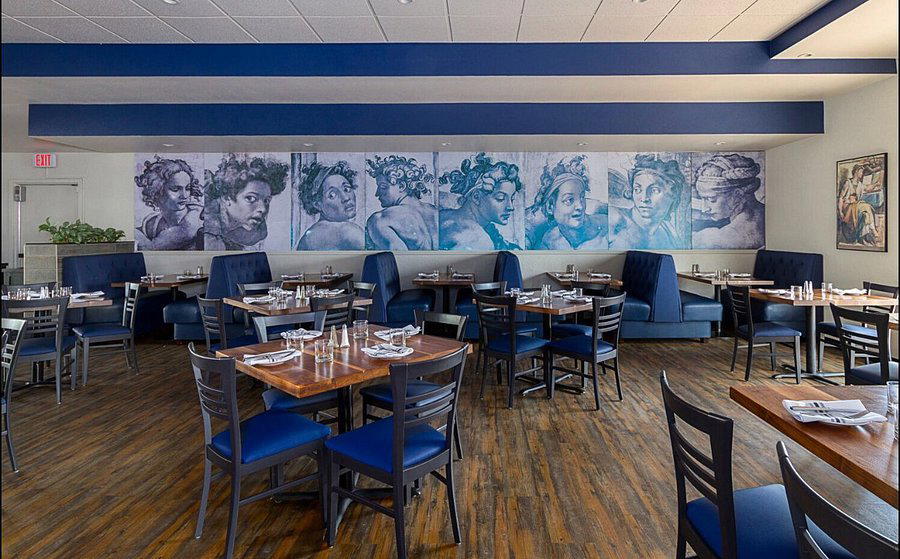

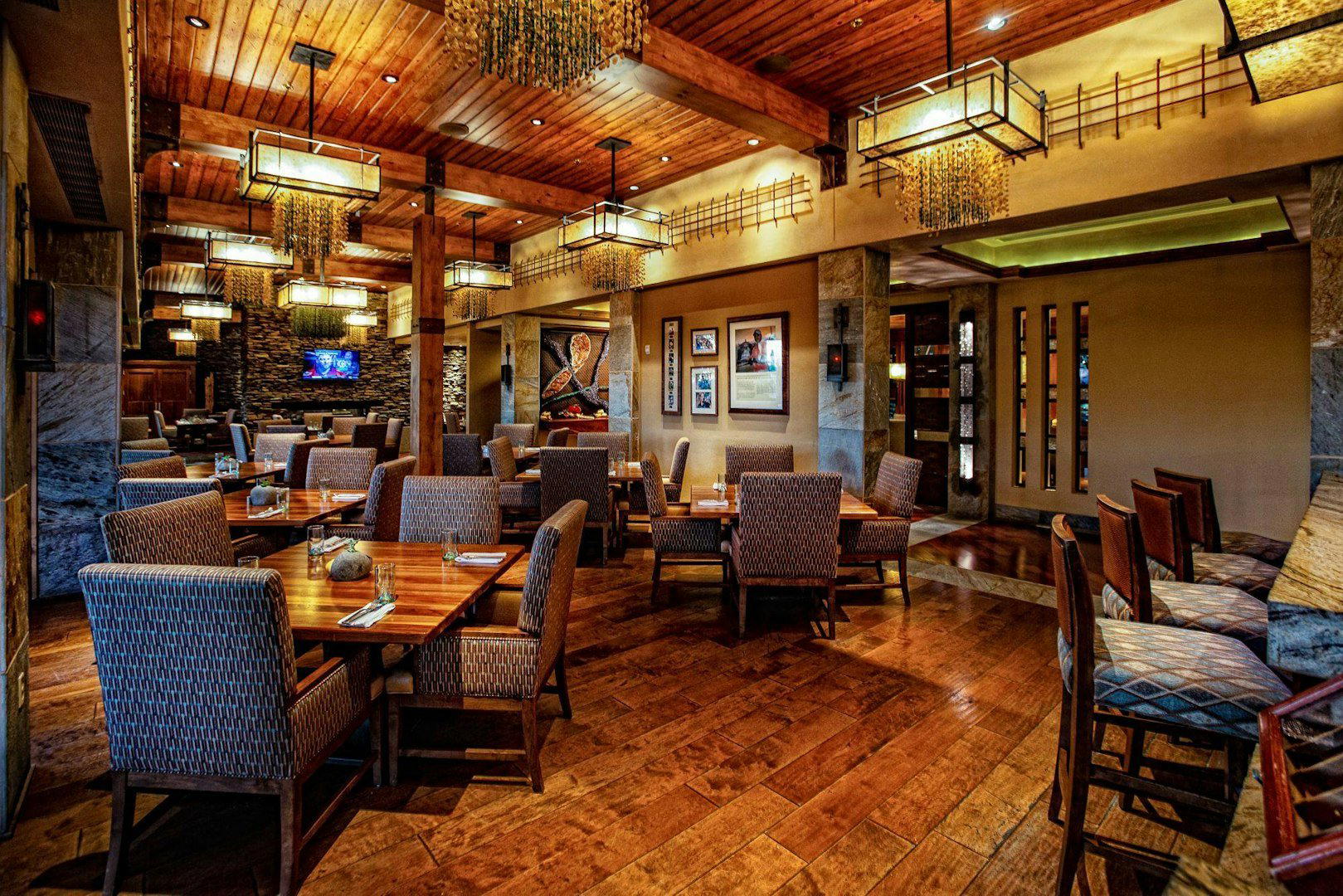
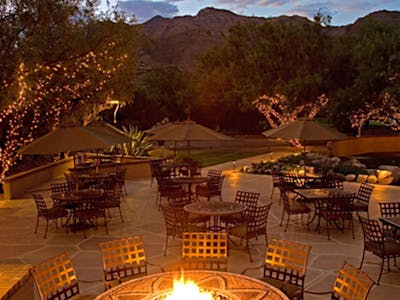
At a Glance
- Scenic
- Quiet
- Elegant
- Sophisticated
- Intimate
- Brunch
- Special Occasion
- Group Dining
- Date Night
- Panoramic View
- Terrace
- Hotel Restaurant
- Zero Proof
- Beer Program
- Local Sourcing
- Farm To Table
- Mountain
- Garden
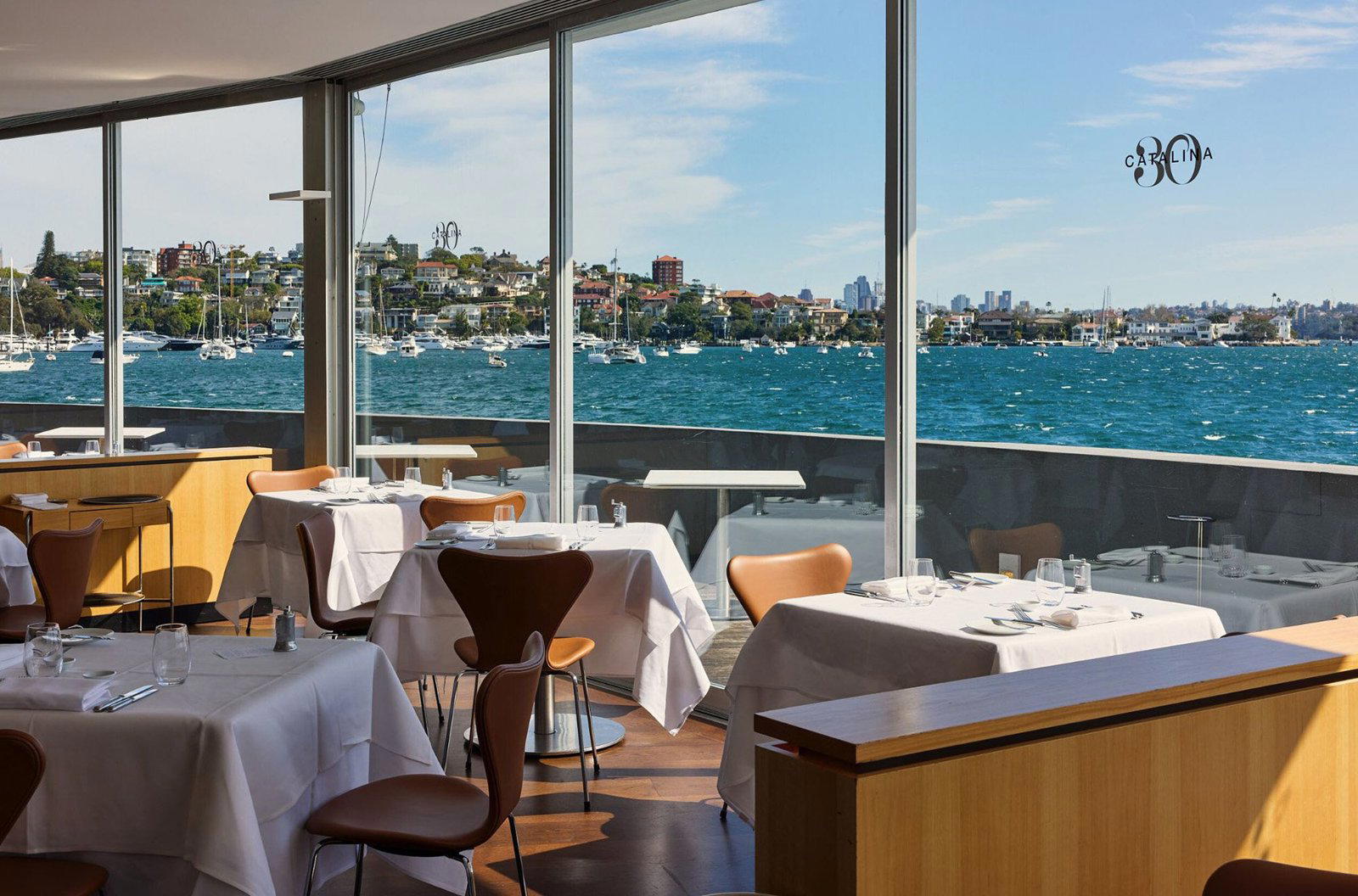
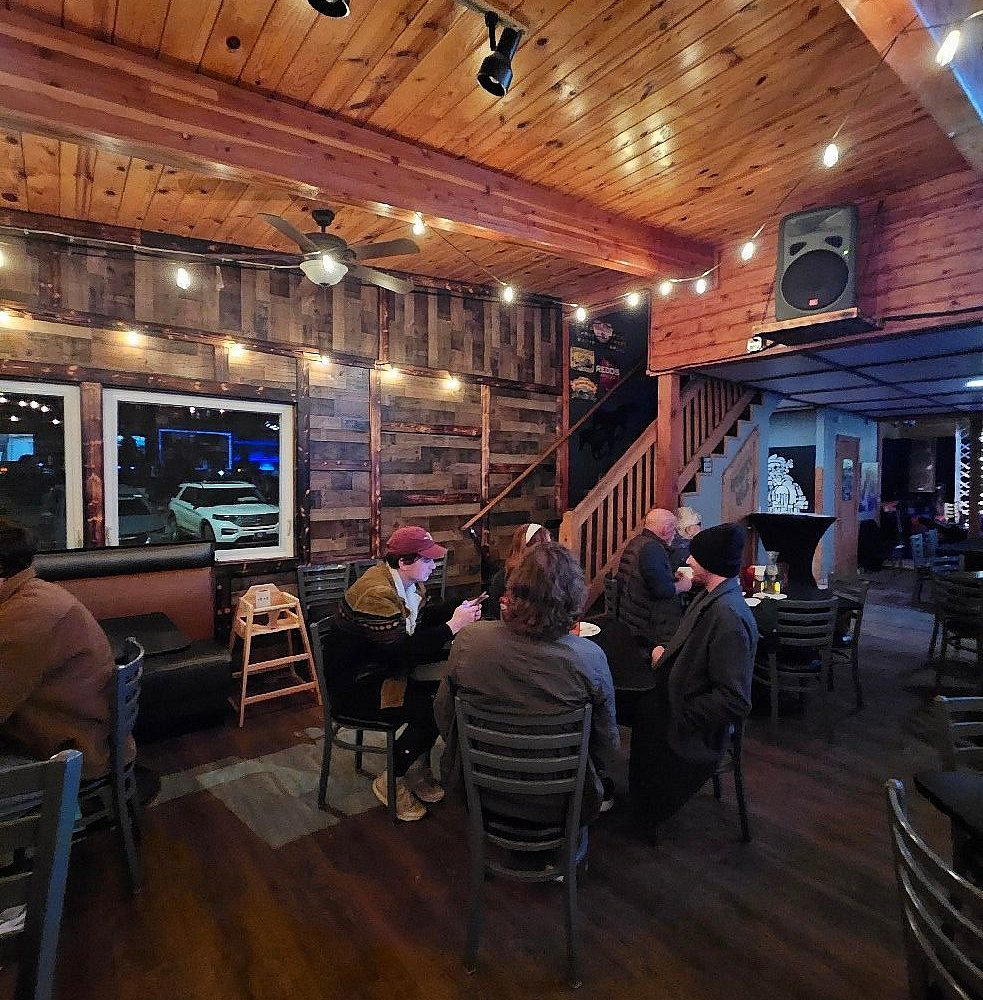
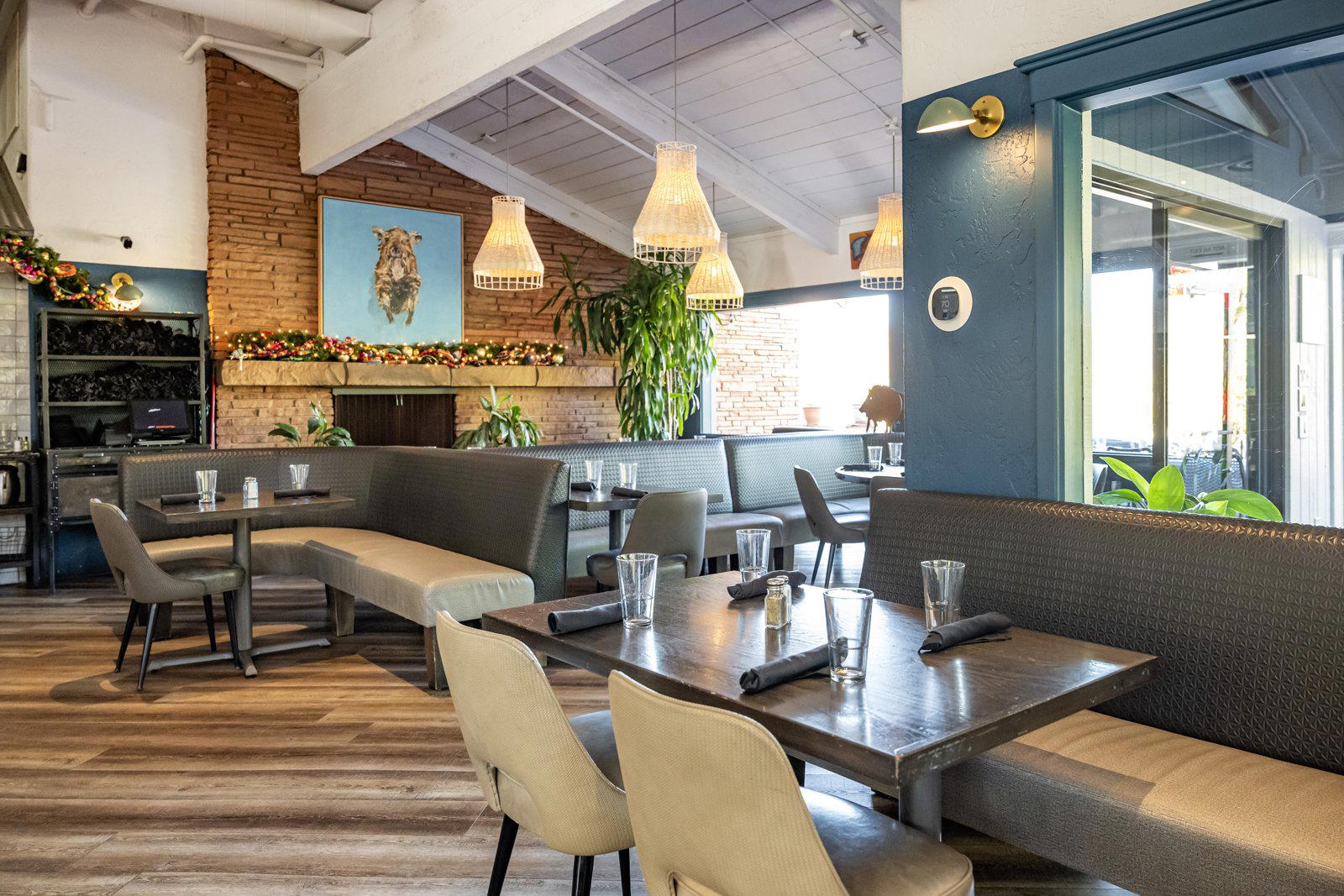
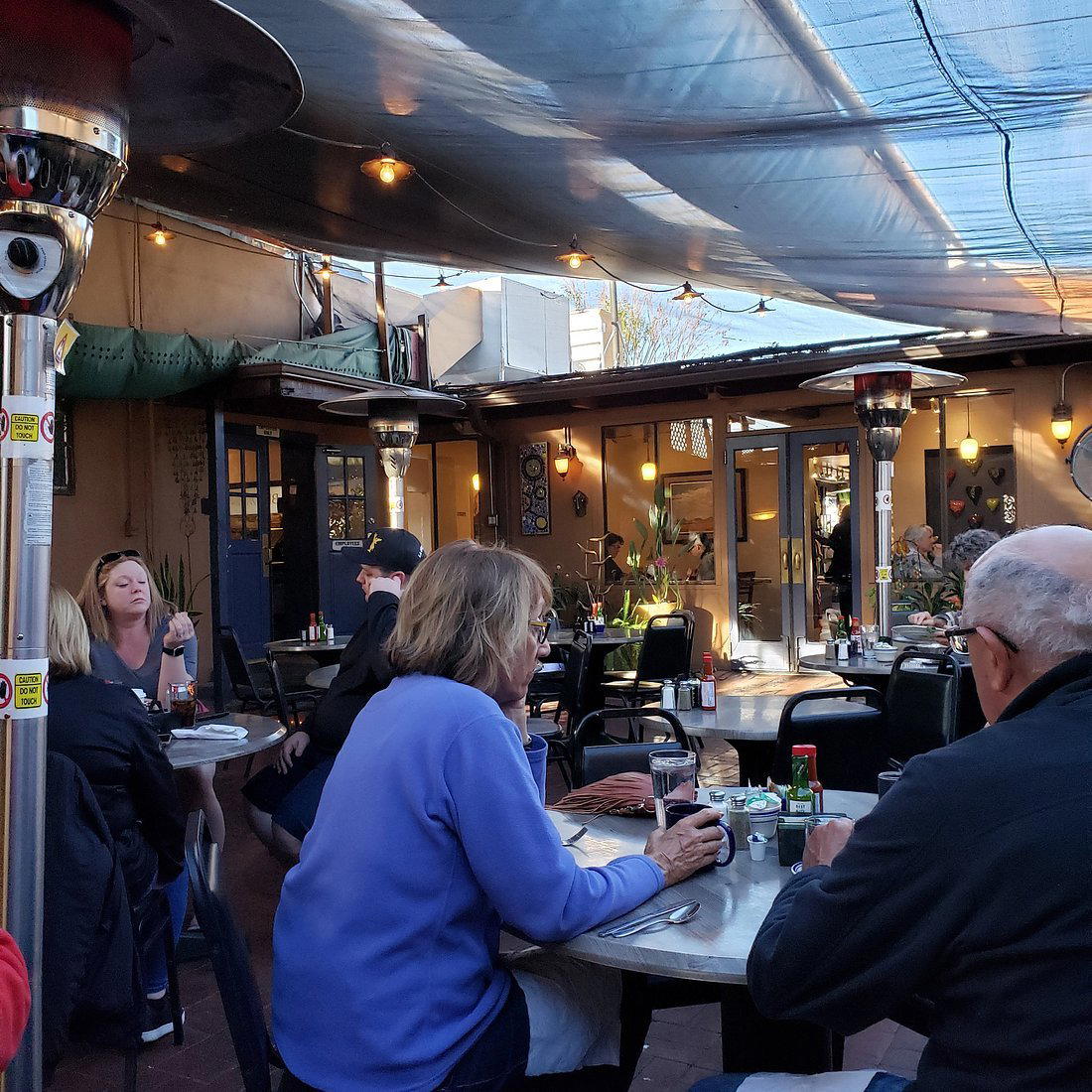
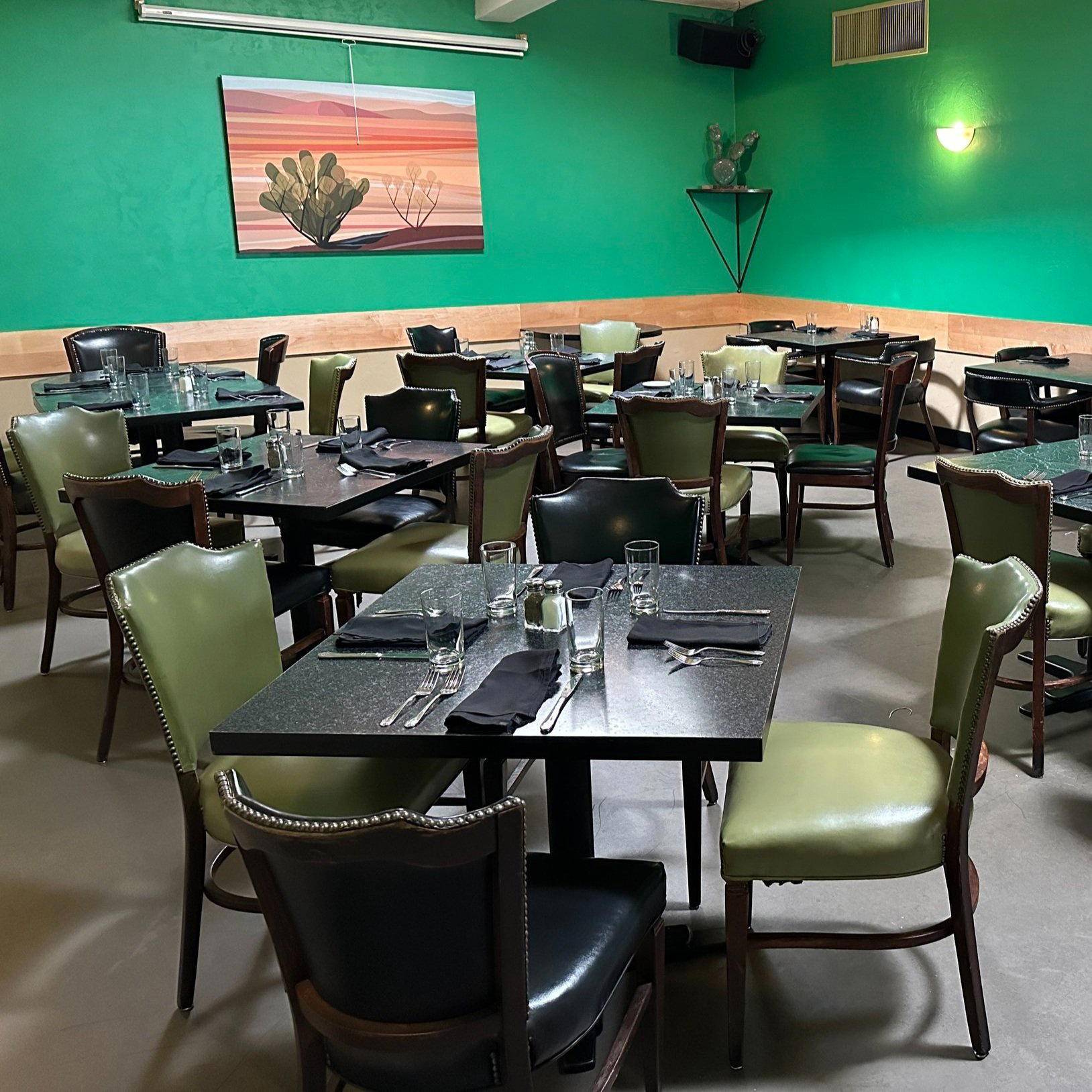
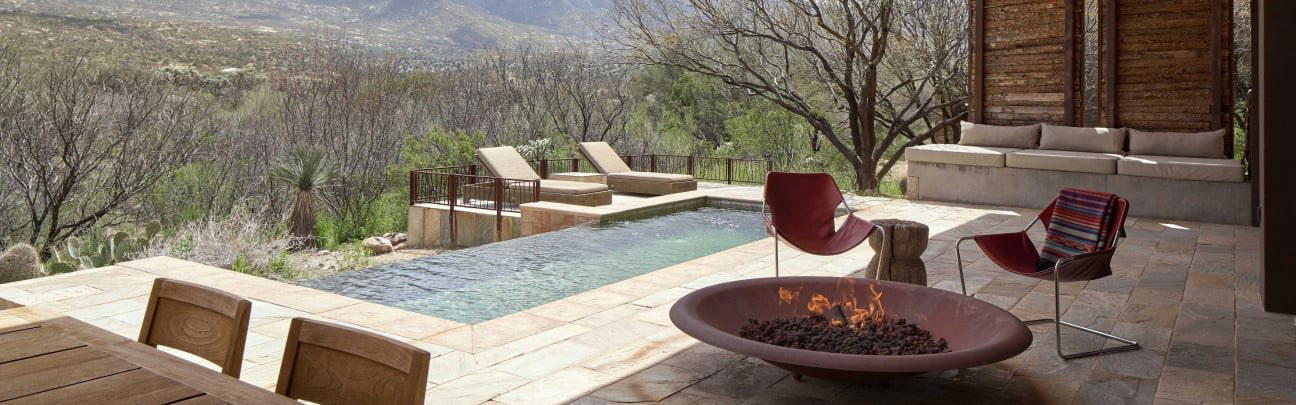
Refined and serene, with elegant interiors and a patio-oriented atmosphere that emphasizes desert scenery and a calm resort dining experience.