ROKA Jeddah
Our verdict
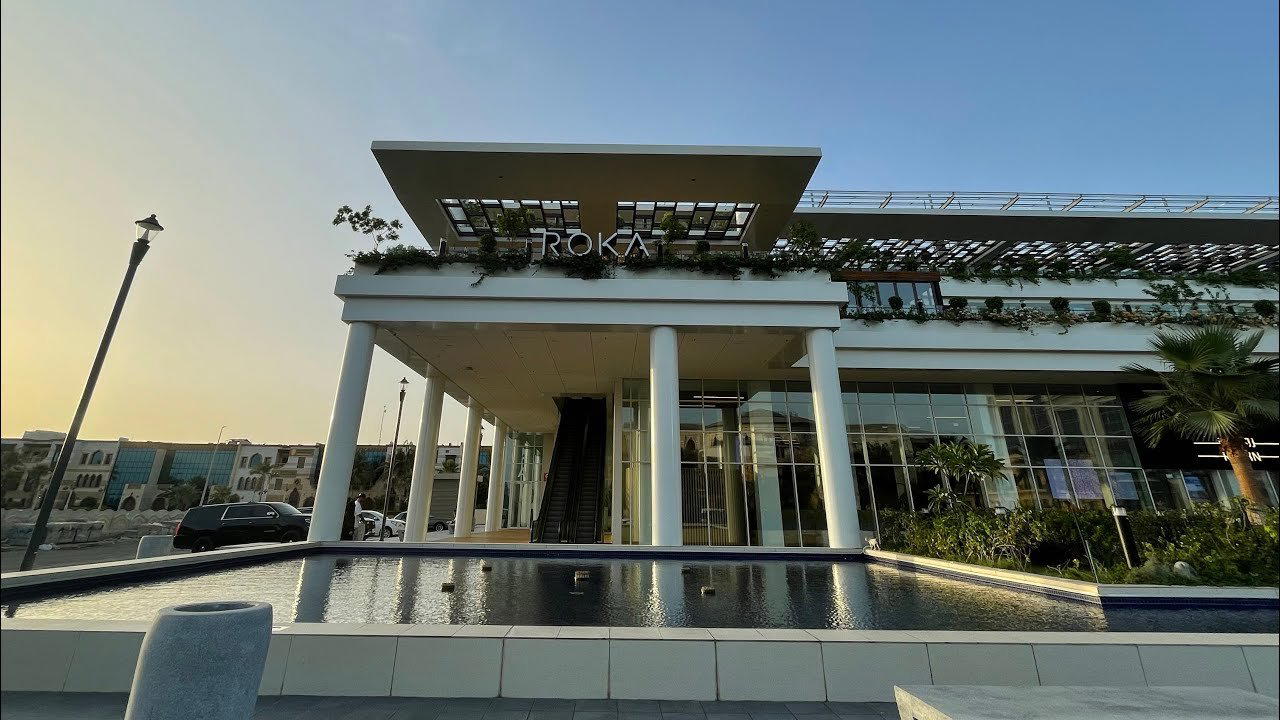
ROKA Jeddah brings the robatayaki format, slow-fire counter grilling rooted in northern Japanese tradition, to Al Khalidiyyah, one of the city's more established dining corridors. The London-origin group has built its reputation across international markets on the discipline of live-fire cooking and high-quality Japanese ingredients. For Jeddah's expanding roster of contemporary Japanese dining, ROKA sits toward the premium end of the format spectrum.

Pearl is the En Primeur Club membership app, where members save venues, book tables and use the concierge.
The menu
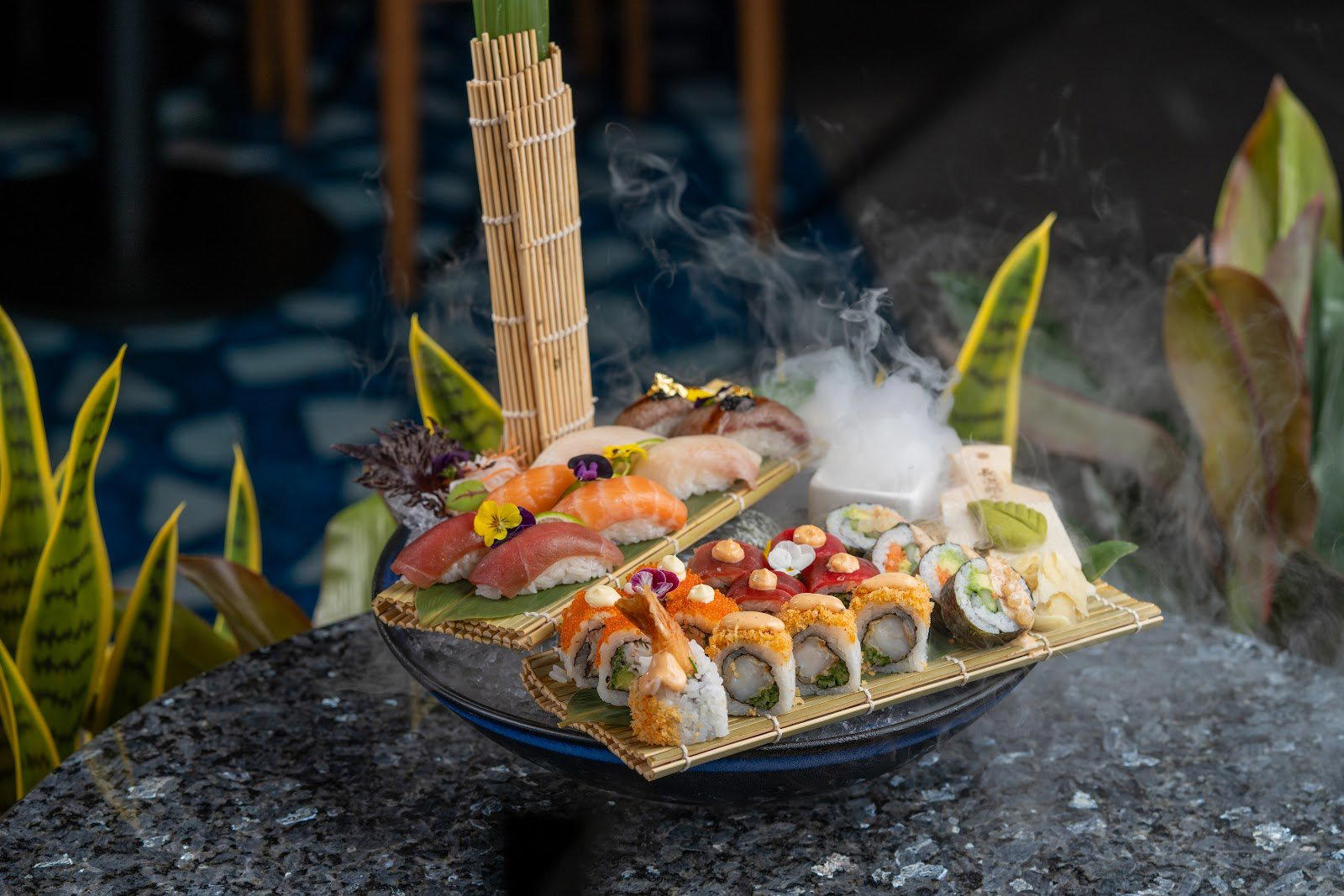
What to order
- Black Cod Miso
- Yellowtail Sashimi
- Crab Tempura Hand Rolls
Live Fire, Global Format: Where ROKA Fits in Jeddah's Dining Scene
Jeddah's restaurant scene has expanded faster in the past five years than almost any city in the Gulf, and within that expansion, Japanese dining has claimed a disproportionate share of the premium tier. The city now sustains multiple formats, from izakaya-adjacent casual counters to high-end omakase, and it is within this more structured competitive environment that ROKA operates on Prince Mohammed Bin Abdulaziz Street in Al Khalidiyyah. The address matters: Al Khalidiyyah is one of Jeddah's more established commercial and dining corridors, with the infrastructure and foot traffic that support a full-service, internationally positioned restaurant.
ROKA as a group originated in London, where it built a reputation by centering the robatayaki grill as both a cooking method and a theatrical anchor. That format, slow charcoal grilling over a low, wide hearth, traditionally associated with northern Japanese fishing communities, arrived in Western dining via a handful of London restaurants in the early 2000s and has since spread through international markets. ROKA's expansion into the Gulf, and specifically into Saudi Arabia, reflects the broader pattern of London-origin premium dining concepts following Gulf capital and the social dining preferences of the region's upper-middle and affluent demographic. For comparison, similar international format transfers are visible across the region's major cities, from contemporary Korean at Atomix in New York City demonstrating how specialized Asian cuisine formats travel, to Le Bernardin in New York City showing how internationally credentialed restaurants anchor premium dining corridors in major cities.
The Robatayaki Tradition and What It Means at the Table
Understanding ROKA requires a working understanding of robatayaki as a culinary tradition rather than a menu category. The method originates in the cold coastal prefectures of northern Honshu, where fishermen grilled their catch over communal charcoal fires. The pace is slow, the heat indirect, and the result is a degree of moisture retention and surface caramelization that short-order grilling cannot replicate. When this format moved into restaurant contexts, first in Japan, then internationally, it retained the communal, sharing-plate logic even as the ingredient quality and presentation became more formal.
At ROKA's various international locations, the menu has consistently structured itself around that sharing logic: robata-grilled proteins and vegetables alongside cold dishes, salads, and hot kitchen preparations. This is not a tasting-menu format or an omakase sequence. It is closer to what the Japanese call izakaya dining, social, multi-dish, conversational, but executed at a higher ingredient and technique level. The implication for the Jeddah diner is a format that suits group bookings and extended evening meals rather than quick solo dining.
Within Jeddah's Japanese dining options, this format occupies a distinct tier. Venues like Kuuru and Maritime represent different points on the city's seafood and contemporary dining spectrum, while locally grounded options including Fish Market and Karamna anchor the more traditional end of the city's seafood dining. ROKA's robatayaki positioning sits apart from all of these: it is the live-fire Japanese sharing format, international in origin, premium in execution.
Jeddah's Premium Dining Context
Saudi Arabia's dining environment has shifted substantially since the Vision 2030 social reforms created space for mixed-gender dining, entertainment venues, and a more openly commercial hospitality sector. Jeddah, as the country's most cosmopolitan city and its commercial gateway, absorbed much of that change first. International restaurant groups that had previously held back from the Saudi market moved quickly into Jeddah and Riyadh, and the city's Al Khalidiyyah district became one of the addresses that concentrated premium international concepts.
This is relevant context for understanding ROKA's position. The restaurant is not operating in isolation, it sits within a competitive set of internationally credentialed dining formats that have all arrived in Jeddah within a compressed timeframe. The Saudi diner, particularly in Jeddah, is often highly travelled and familiar with ROKA from its London, Dubai, or Hong Kong outposts. That pre-existing brand familiarity is a factor in how the local market receives it, and it also sets a baseline expectation: guests who know ROKA from other cities will arrive with a clear quality benchmark. For a broader picture of how that premium tier stacks up across the city, the full Jeddah restaurants guide covers the range in more detail.
Across Saudi Arabia more broadly, the premium dining category has diversified significantly. Aseeb in Riyadh represents contemporary Saudi cuisine at the formal end; Banyan Tree AlUla in AlUla anchors the destination-dining category; and international fast-casual formats like Al Baik, the beloved Jeddah-origin fried chicken chain, show that the country's dining identity runs from deep-rooted local to globally referenced premium. Takara in Khobar provides another data point for Japanese dining's spread across the Kingdom's major cities. The broader Saudi dining geography also includes everything from kol restaurant in Jizan to Khayal Restaurant, Camel Burger Food Truck in Medina, Shawarmer in Shaqra, yello in Ad Diriyah, and 56th Avenue Diner, illustrating how varied the country's restaurant landscape has become across regions and price points.
Planning a Visit: What to Know in Advance
ROKA Jeddah is located on Prince Mohammed Bin Abdulaziz Street in Al Khalidiyyah, a well-serviced address accessible by car with parking available in the district, or by ride-hail from central Jeddah. As with other internationally positioned restaurants in the city operating at this tier, reservations are advisable, particularly for Thursday and Friday evenings, which function as the Saudi weekend and carry the highest demand across Jeddah's premium dining circuit. Walk-in availability depends on timing and day of week; weekday lunches and early-week evenings tend to be more accessible without a booking.
The ROKA group's international pricing across its Dubai and London locations positions its menus in the upper-mid to premium range, and the Jeddah outlet operates within that same positioning logic.
Frequently asked questions
How do I find ROKA Jeddah?
ROKA Jeddah is located at Prince Mohammed Bin Abdulaziz St, Al Khalidiyyah, Jeddah 23421, Saudi Arabia, Jeddah.
How does ROKA Jeddah compare to other ROKA locations globally?
ROKA operates across London, Miami, Dubai, and several other cities, maintaining a consistent robatayaki-centred format at each location. The Jeddah outpost on Prince Mohammed Bin Abdulaziz Street in Al Khalidiyyah brings that same Japanese live-fire cooking tradition into one of the Gulf's fastest-expanding dining cities. The menu structure and grill-led approach follow the group's established format, making it a reliable reference point for those who know ROKA from other markets.
What do people recommend at ROKA Jeddah?
ROKA's format across its global locations centres on the robata grill, where proteins and vegetables are cooked over charcoal at low heat for extended periods, the dishes that draw the most consistent attention tend to be those that come directly off the robata rather than from the kitchen. At the Jeddah location on Prince Mohammed Bin Abdulaziz Street, the grill-driven plates are where the cooking method is most legible.
Can I walk in to ROKA Jeddah?
ROKA operates popular dining rooms across its international locations, and walk-ins depend heavily on timing and day of the week. At the Al Khalidiyyah address in Jeddah, weekday lunch periods are generally more accessible than weekend evenings, when demand in Jeddah's premium dining corridor tends to be higher. Contacting the restaurant directly to check availability before arrival is advisable, particularly for groups.
What is ROKA Jeddah known for?
ROKA built its international reputation on robatayaki, the Japanese tradition of grilling over charcoal using long-handled skewers, a technique that produces a distinct smokiness and texture that oven or pan cooking cannot replicate. In Jeddah, that format sits within a dining scene that has grown substantially since Vision 2030 reforms opened space for mixed-gender, entertainment-led hospitality. ROKA is one of the few venues in the city bringing a globally consistent Japanese grill format to the Al Khalidiyyah district.
Is ROKA Jeddah allergy-friendly?
Japanese grill menus of ROKA's format typically involve soy, sesame, and shellfish across multiple preparations, which is relevant for guests with common allergens. The Jeddah kitchen, like other ROKA locations, works across a menu where cross-contact is a practical consideration given the shared grill environment. Guests with specific dietary requirements should communicate those directly with the restaurant when booking or on arrival, the Al Khalidiyyah location is the right point of contact for current allergen protocols.
Is a meal at ROKA Jeddah worth the investment?
ROKA positions itself in the premium segment of Jeddah's restaurant market, consistent with its placement in London, Dubai, and other cities where it operates. The robatayaki format justifies the price point through technique and sourcing rather than theatre alone, the charcoal grill produces results that are genuinely different from conventional Japanese restaurants in the city. Whether the spend aligns with expectations depends on familiarity with the format; guests new to robatayaki will find the cooking method itself part of the value.
Budget and Context
Comparable venues nearby, for context on price, style, and recognition.
| Venue | Cuisine | Price | Awards | Notes |
|---|---|---|---|---|
| ROKA JeddahThis venue (the venue you are viewing) | Modern Japanese Robatayaki | $100–150 | Not listed | Not listed |
| Fish Market | Fresh Red Sea Seafood | $50–100 | Michelin Plate | intercontinental_hotel, Fresh Red Sea Seafood |
| مطعم أوليف جاردن جده | Al Khalidiyah, Italian Chain Classics | Not listed | Not listed | Not listed |
| Section B | Craft American Burgers | $10–20 | Not listed | Hera Street, Craft American Burgers |
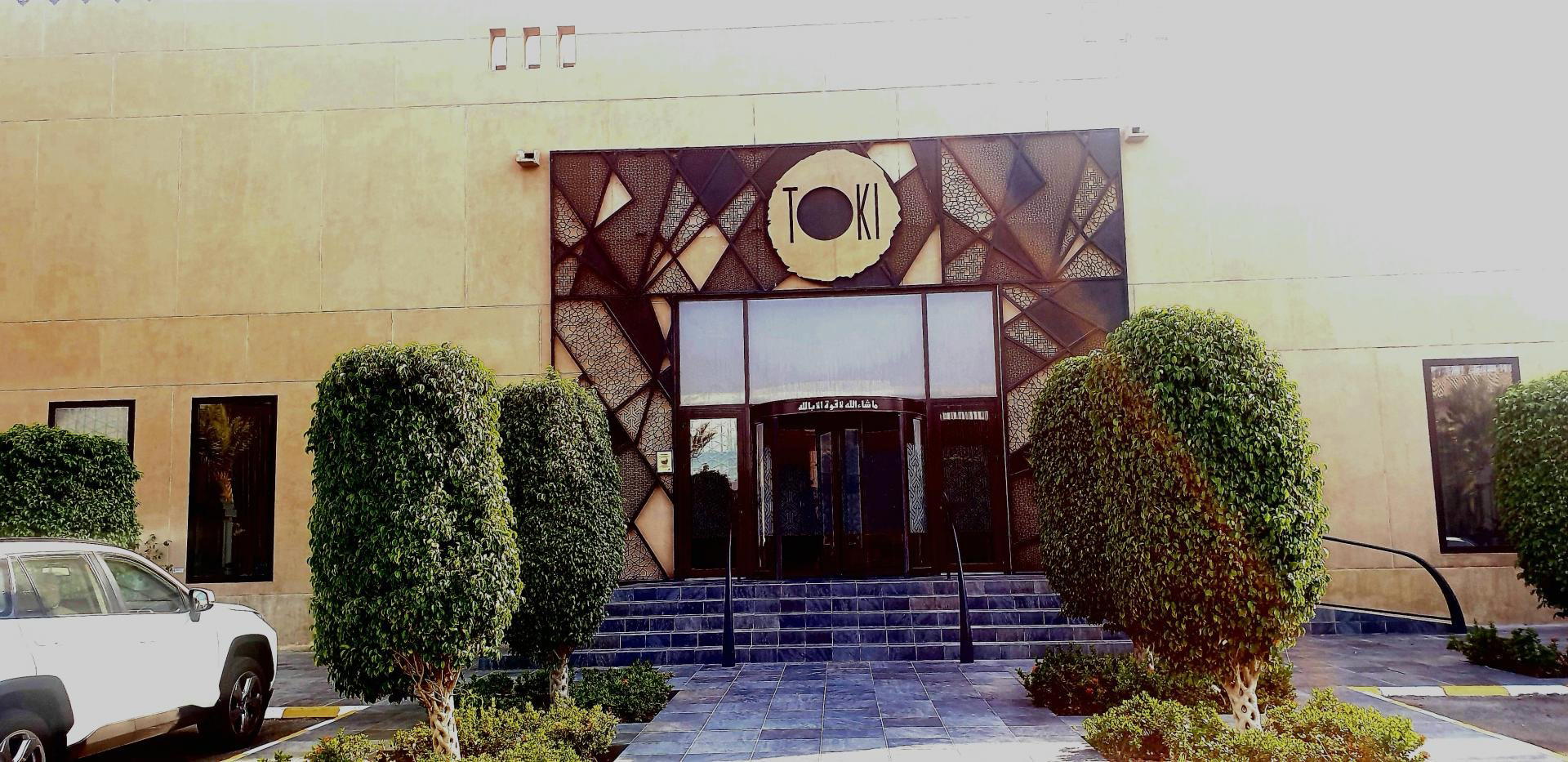
| Toki | Contemporary Chinese with Peking & Cantonese Classics | $50–100 | Michelin Plate | Al Rawdah District, Contemporary Chinese with Peking & Cantonese Classics |
| Niyyali | Modern Lebanese Grill | $50–100 | Michelin Plate | Ash Shati, Modern Lebanese Grill |
Continue exploring
More in Jeddah
Restaurants in Jeddah
All restaurants in Jeddah →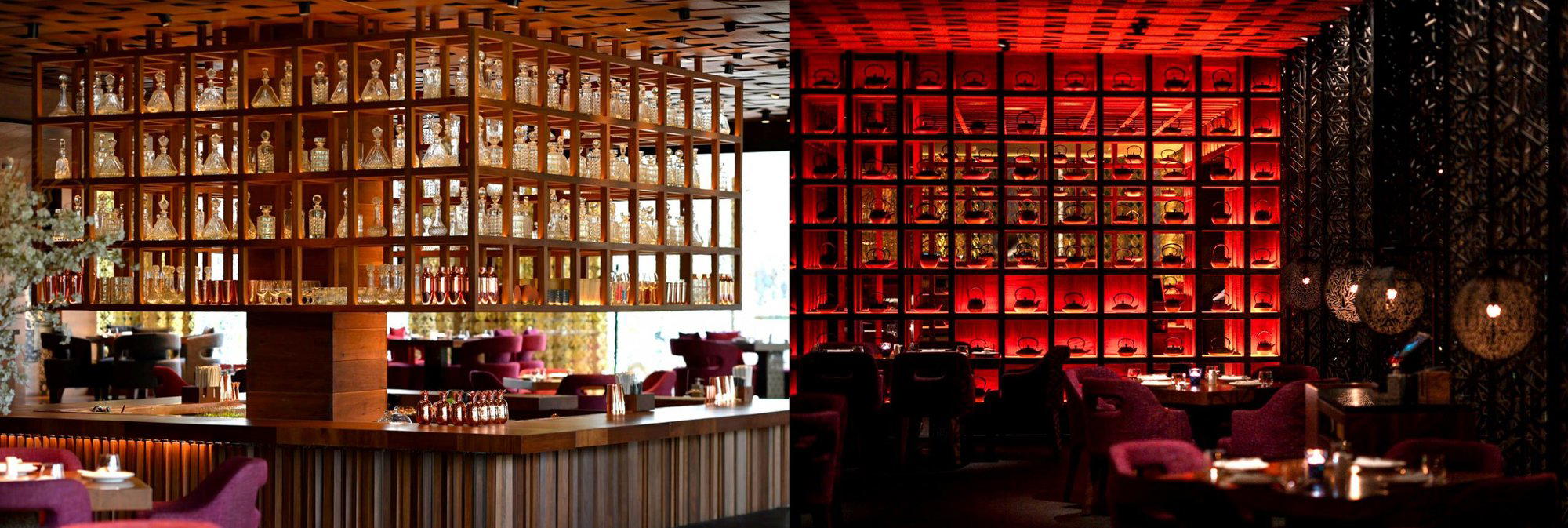
Details
- Trendy
- Modern
- Sophisticated
- Elegant
- Date Night
- Group Dining
- Special Occasion
- Open Kitchen
- Sake Program
- A La Carte
- Tasting Menu
- Small Plates
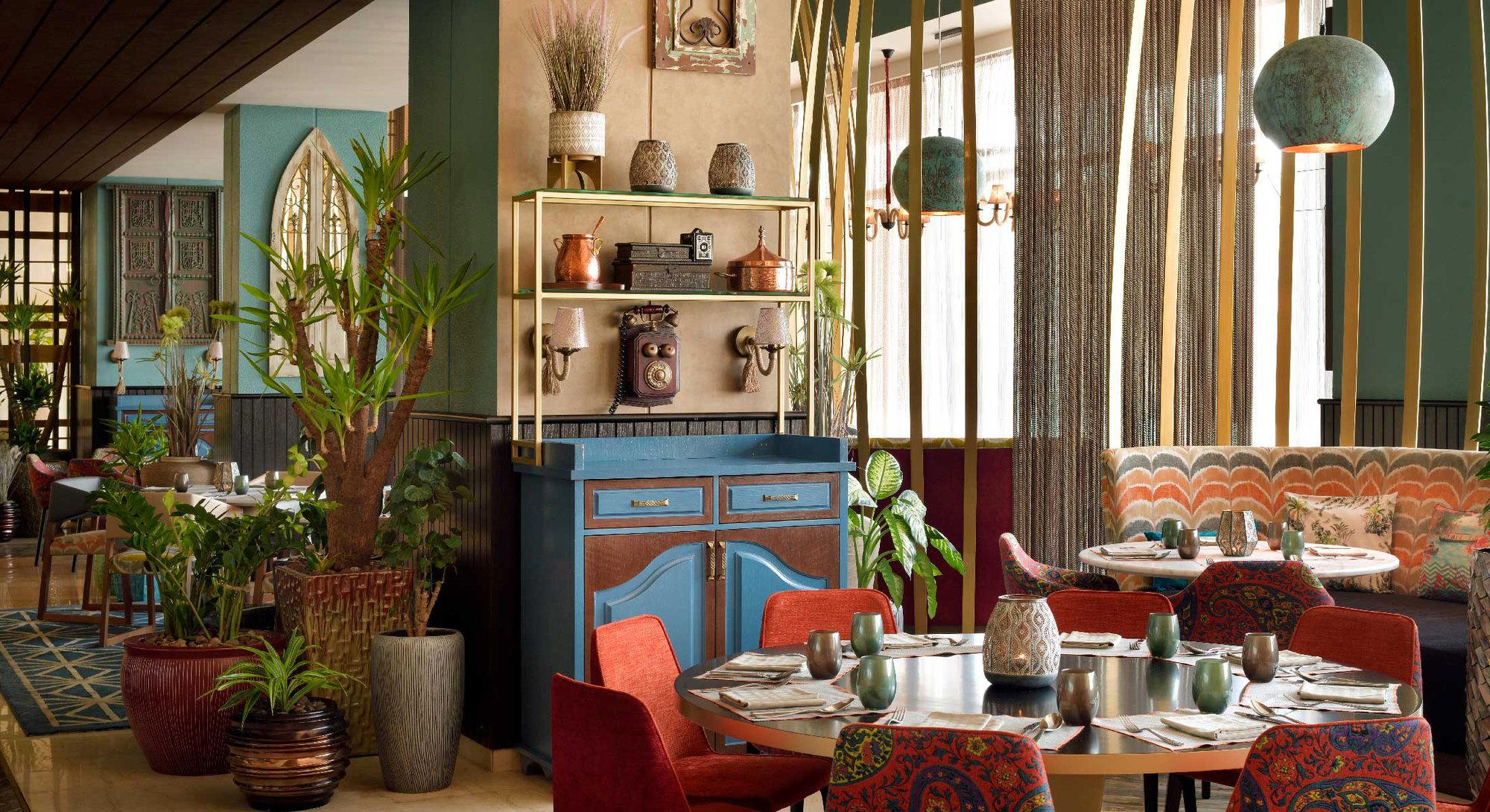
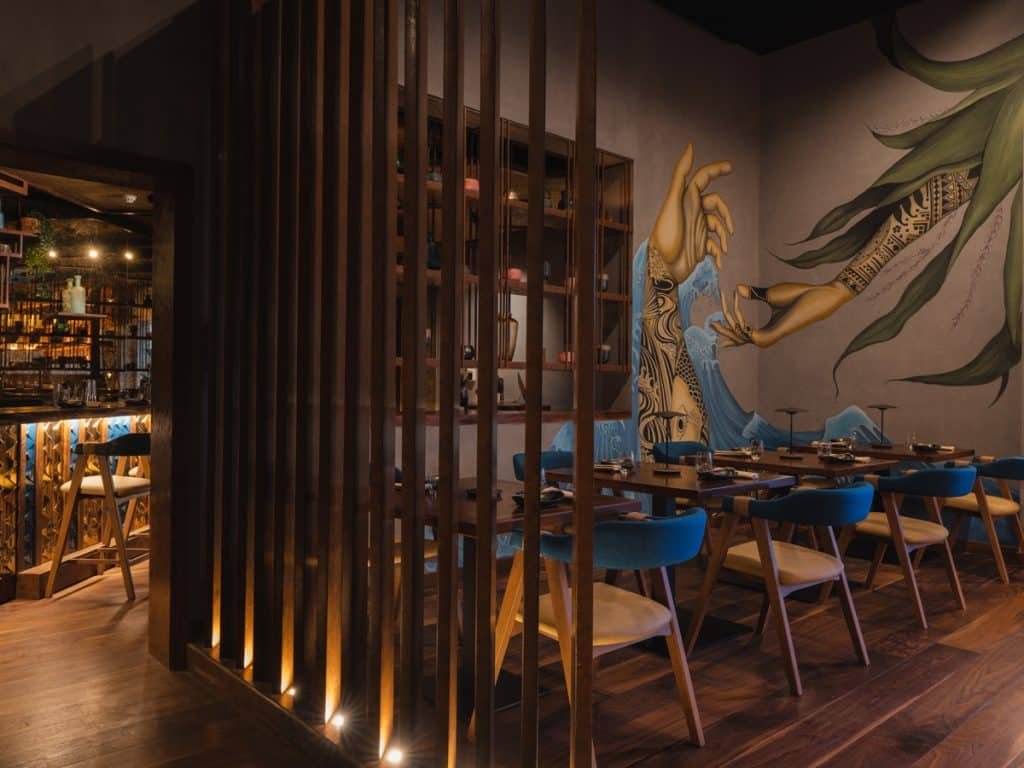
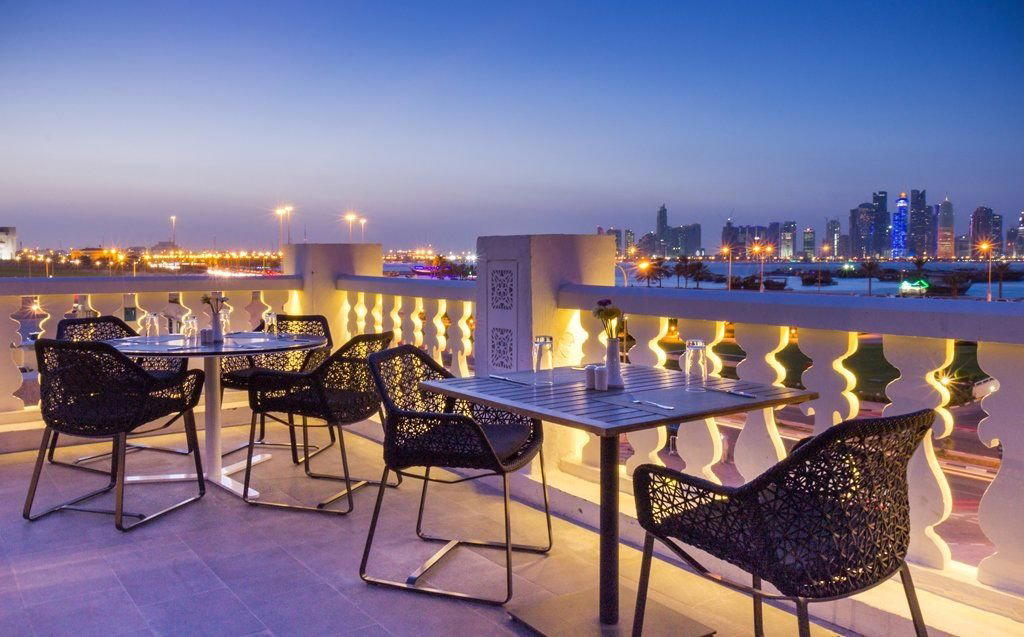
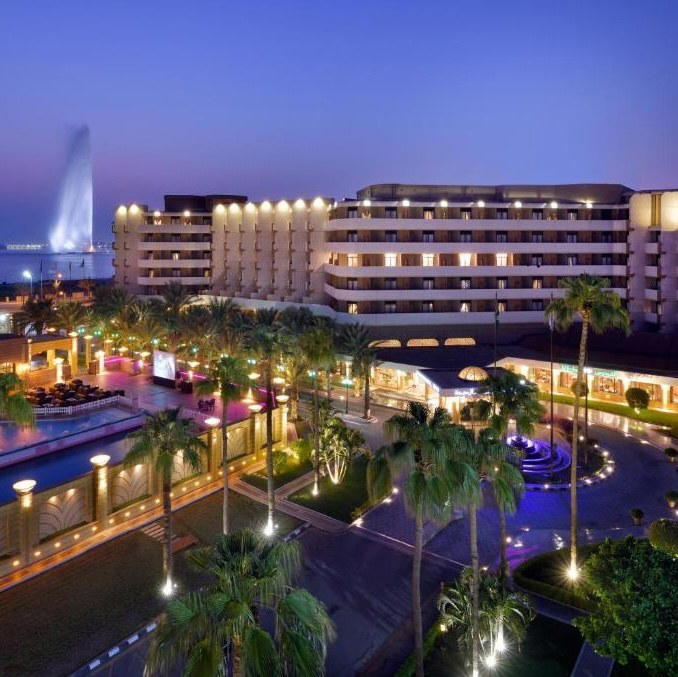
Sleek, stylish, and modern with well-suited lighting, cozy interior, and lively upscale atmosphere.