Yaza

Michelin Plate
Our verdict
On Prince Sultan Road in As Salamah, Yaza positions itself at the intersection of contemporary Saudi cooking and deep Hijazi tradition. Josper-grilled meats, roasted prawns with mint sauce, and a reworked Om Ali signal a kitchen that treats heritage as a starting point rather than a constraint. The welcome ritual of fresh dates and Saudi gahwa sets the tone before a single dish arrives.

Pearl is the En Primeur Club membership app, where members save venues, book tables and use the concierge.
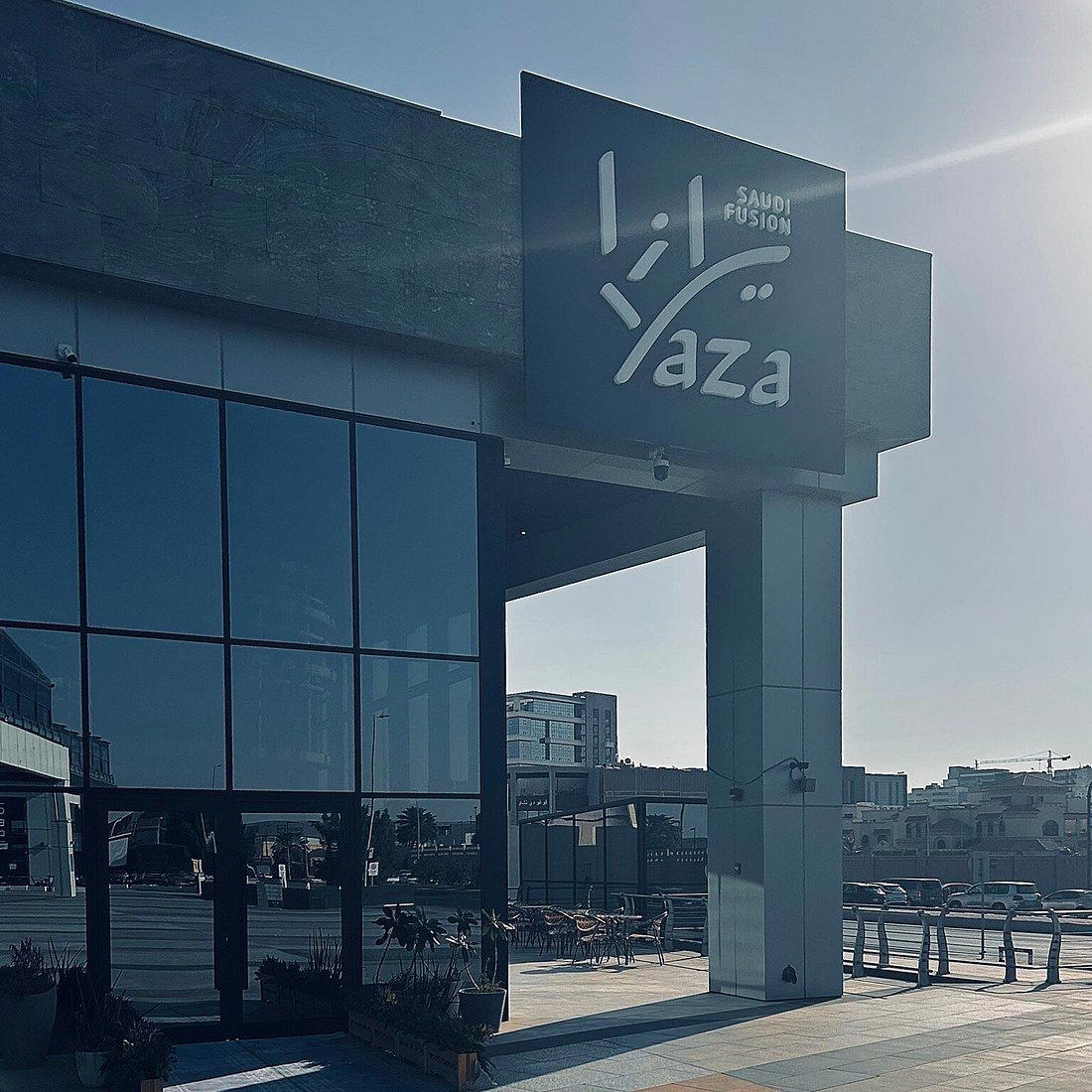
Where the Welcome Is the First Course
In Jeddah's dining scene, the ritual of arrival still carries weight. At Yaza, on Prince Sultan Road in the As Salamah district, that ritual is formalised into the opening of every meal: a smiling host offers fresh dates and a small cup of gahwa, the lightly spiced Saudi coffee that has marked hospitality across the Arabian Peninsula for centuries. The gesture is not decorative. It signals what the meal intends to be, a conversation between contemporary technique and deeply rooted Hijazi custom, delivered in a room designed to feel both modern and considered.
Jeddah occupies a distinct position in Saudi Arabia's restaurant scene. As the country's commercial and coastal capital, it has historically been more exposed to outside culinary influences than Riyadh, drawing on its Red Sea trade heritage and its position as a gateway city for Hajj pilgrims arriving from dozens of countries. That exposure has produced a dining culture unusually comfortable with contrast: old spice-market flavours sitting alongside imported technique, communal eating formats adapted for contemporary plating. Yaza works within that tradition rather than against it. Venues like Karamna and Meez occupy different points on the same spectrum, each framing Saudi cooking through a contemporary lens. Yaza's particular position is the Josper grill and a menu that moves between classical and modern Saudi plates within a single sitting.
The Arc of the Meal
The structure of eating at Yaza follows a progression that mirrors the broader logic of Hijazi hospitality: the threshold moment of dates and gahwa gives way to a menu built around fire, spice, and bread, the three constants of cooking in this part of the world.
The Josper grill is the kitchen's central instrument. In restaurants across the region, the charcoal oven has become a go-to tool for concentrating flavour while maintaining the char-and-smoke character that defines grilled cooking in the Arabian tradition. At Yaza, it is applied to both shellfish and meat, producing results that carry genuine smoke without losing the texture of the ingredient. The roasted prawns with mint sauce represent the lighter register of this approach: the brine of the Red Sea shellfish sharpened by the cool, herbaceous counterpoint of mint. For a city with Fish Market operating as one of its defining seafood institutions and Maritime representing another point in the coastal dining conversation, the pairing of shellfish with an unexpectedly fresh sauce is a conscious positioning move.
Heavier middle of the menu arrives with the lamb and Hijazi debyaza. Debyaza is a traditional preserve of dried fruits, nuts, and sugar, a preparation with roots in the Hejaz region that surrounds Jeddah and, used historically as both a condiment and a standalone dish during celebrations. When it appears alongside slow-cooked or grilled lamb, the effect is the kind of sweet-savoury depth that defines cooking in this corridor between the Red Sea coast and the Hejaz mountains. Freshly baked bread completes the plate, functioning as it does throughout the region: less as a side and more as the instrument through which the rest of the food is properly consumed. This is the densest point of the meal's narrative, where the kitchen commits most fully to classical Hijazi flavour logic rather than contemporary restraint.
Close comes with a reworked Om Ali. The dish itself, an Egyptian and Gulf institution, somewhere between a bread pudding and a layered pastry dessert, is well established across the region's restaurant menus. What makes a kitchen's version worth noting is the degree to which it commits to the original's richness while finding a point of difference. Yaza's iteration is described as a specialty, which in the context of a menu that otherwise toggles between classical and modern signals a dessert given particular attention rather than treated as an afterthought. Across the broader Saudi dining scene, desserts that engage seriously with Gulf tradition rather than defaulting to imported formats are still less common than the savory side of menus would suggest they should be.
Room and Register
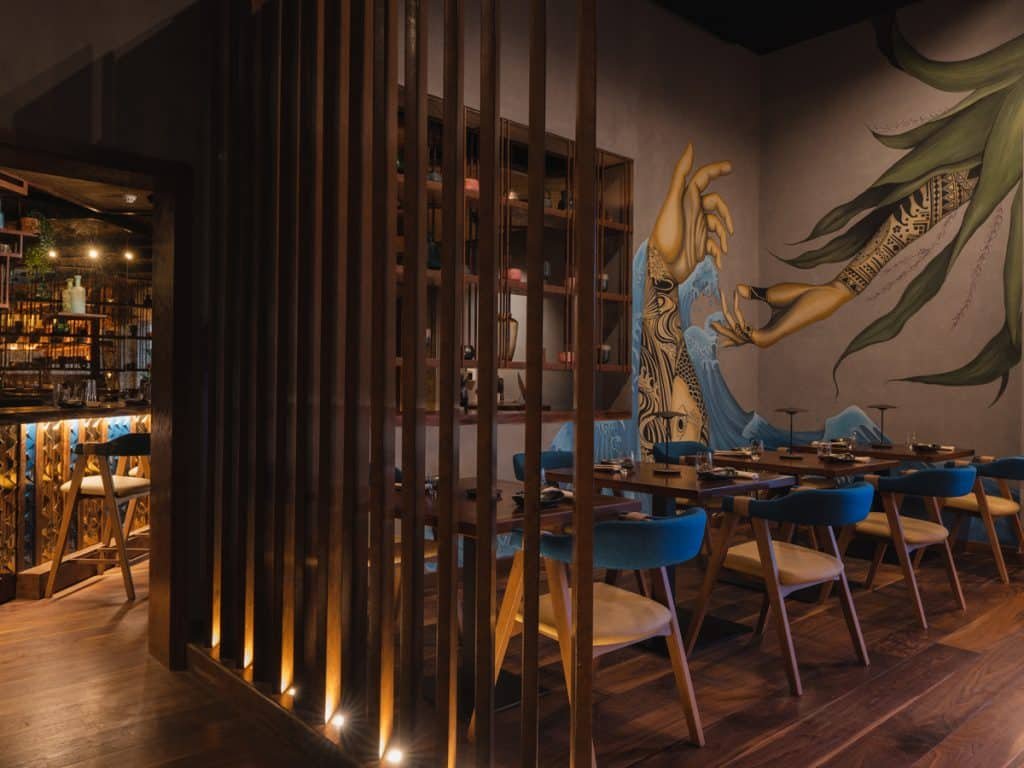
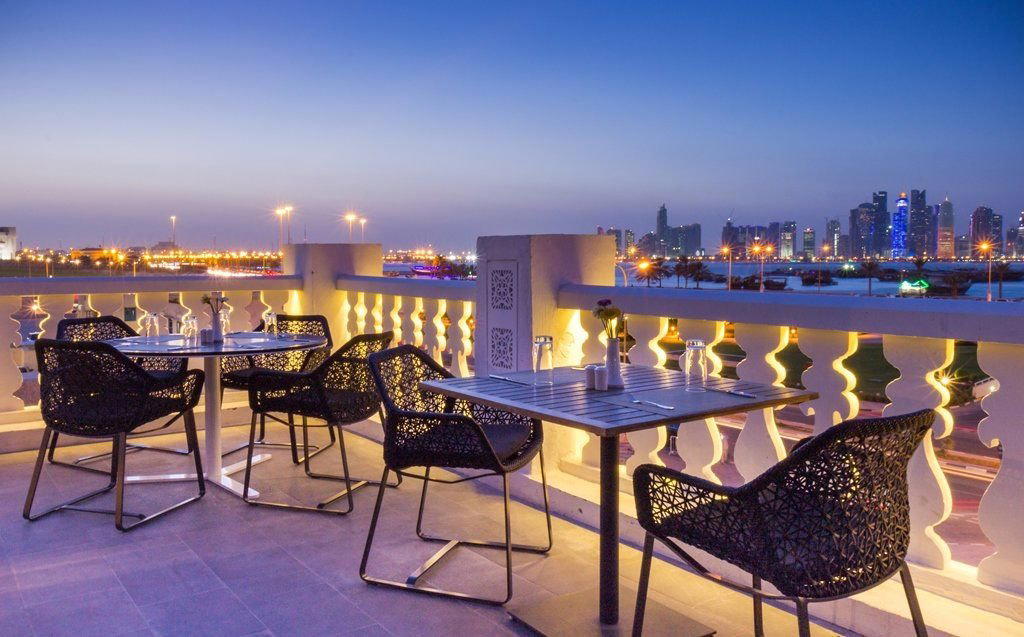
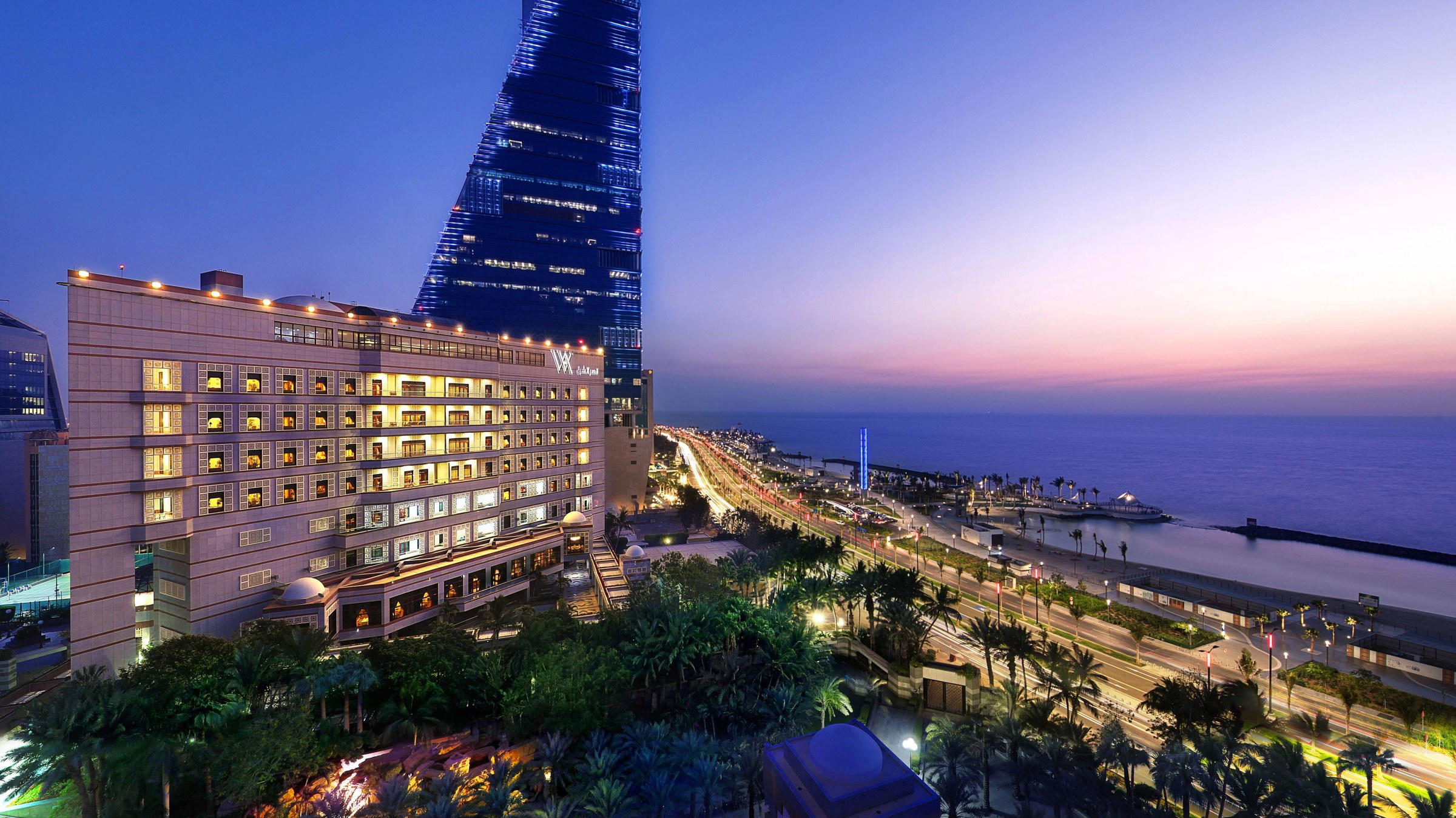
Interior at Yaza is described as modern throughout, with design and food working in the same direction. The room's modernity is not the kind that distances a diner from local context, the opening ritual of dates and gahwa makes that clear, but rather the kind that frames heritage ingredients and preparations through a contemporary spatial sensibility. Cosy side seats are part of the described character of the space, suggesting a room built for tables of two or four rather than large communal gatherings, which places Yaza in a more intimate register than many of Jeddah's larger, event-format restaurants.
Saudi dining rooms have undergone significant transformation since the country's Vision 2030 reforms began reshaping the hospitality sector in earnest. The shift toward mixed-gender dining spaces, longer evening service hours, and greater investment in restaurant design has made the interior experience of eating out in Jeddah and Riyadh significantly different from what it was even five years ago. Venues opening in this period have had to calibrate their interiors for a new kind of Saudi night out, one where the dining room itself is expected to do more social and aesthetic work than before. Yaza's approach to modernity sits within that shift.
For visitors to Jeddah, the city's restaurant scene rewards specificity. Kuuru represents a different register entirely, and the broader guides to Jeddah restaurants, hotels, bars, wineries, and experiences map the full territory. Elsewhere in Saudi Arabia, Lunch Room in Riyadh and Harrat in AlUla are doing comparable work in different cities and formats, each engaging with local culinary identity from a contemporary vantage point.
The international frame of reference for this kind of cooking, technically grounded, culturally anchored, designed for a modern dining room, runs from Le Bernardin in New York City to Emeril's in New Orleans to Lazy Bear in San Francisco, all kitchens that have built recognisable identities around a defined culinary inheritance. Further afield, 8 1/2 Otto e Mezzo Bombana in Hong Kong, Alain Ducasse at Louis XV in Monte Carlo, and Alinea in Chicago each represent what happens when a kitchen commits fully to its own logic over time. Yaza is earlier in that arc, but the menu's clarity about what it is, Hijazi tradition refracted through contemporary technique, served in a room that matches the ambition, suggests a restaurant that knows its direction.
Planning a Visit
Yaza is located at 6315 Prince Sultan Road in As Salamah, one of Jeddah's more established residential and commercial districts with reasonable access from the city's main hotel corridors. Given the attention the restaurant has received for its hospitality and food quality, booking ahead is advisable, particularly for evening sittings later in the week. The meal's structure, from the gahwa welcome through the grilled courses to the Om Ali close, suits a leisurely pace, and the room's configuration rewards those who are not in a hurry.
Frequently asked questions
Is Yaza Michelin-listed?
Yaza has received recognition including: As you enter, you’re warmly greeted by a smiling team who offer you fresh dates and Saudi coffee, also known as gahwa. Modernity is found throughout, from the interior design to the food. Grab a cosy side seat and order from a menu filled w….
How do I find Yaza?
Yaza is located at 6315 Prince Sultan Road, As Salamah, Jeddah.
What dish is Yaza famous for?
Yaza draws consistent attention for two plates: roasted prawns with mint sauce from the Josper grill, and lamb with Hijazi debyaza served alongside freshly baked bread. The meal typically closes with the house take on Om Ali, a traditional dessert that Yaza has made its own signature finish.
Is Yaza reservation-only?
The venue's structured hospitality sequence, beginning with dates and gahwa on arrival, suggests a considered dining pace rather than a walk-in casual model.
What is Yaza known for?
Yaza is known for a menu that moves between classical and contemporary Saudi cooking, anchored by Josper-grilled proteins and traditional Hijazi preparations. The arrival ritual of fresh dates and gahwa sets the register from the outset, and the modern interior on Prince Sultan Road in As Salamah, Jeddah, positions the restaurant as a considered rather than casual destination.
Is Yaza good for vegetarians?
The menu as documented centres on Josper-grilled meats and shellfish, with lamb and debyaza among the core offerings, so vegetarians will find the options limited. Freshly baked bread accompanies several dishes, and the Om Ali dessert provides one confirmed plant-forward course, but guests with strict vegetarian requirements should confirm current menu options directly with the restaurant.
Does Yaza serve traditional Saudi coffee as part of the dining experience?
Yes. Guests at Yaza on Prince Sultan Road are welcomed with fresh dates and gahwa, the lightly spiced Saudi coffee that functions as a threshold ritual across Hijazi hospitality. This arrival sequence is built into the dining format rather than offered on request, placing it closer to a ceremonial gesture than a standard beverage service.
Peers Worth Knowing
Comparable venues nearby, for context on price, style, and recognition.
| Venue | Cuisine | Price | Awards | Notes |
|---|---|---|---|---|
| YazaThis venue (the venue you are viewing) | Modern Saudi Fusion | $50–100 | Michelin Plate | Not listed |
| Reyhana | International Fusion Buffet | Not listed | Not listed | Al Hamra District |
| Samia's Dish | Authentic Saudi Hijazi Cuisine | $20–30 | Michelin Bib Gourmand | Al Zahra |
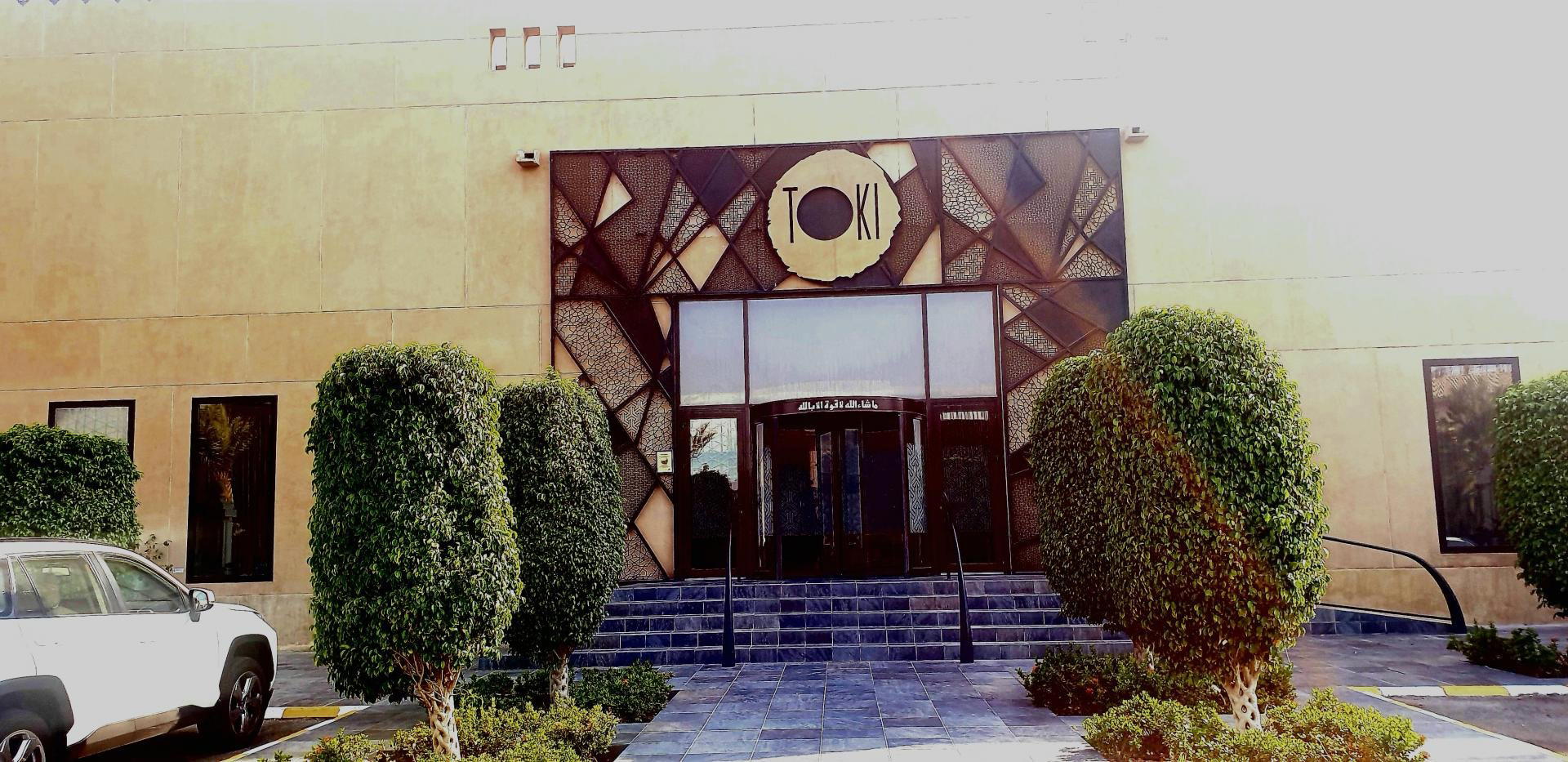
| Toki | Contemporary Chinese with Peking & Cantonese Classics | $50–100 | Michelin Plate | Al Rawdah District |
| Rasoi By Vineet | Modern Indian Fine Dining | Not listed | Michelin Plate | Al Andalus |
| Tamees House | Hijazi Saudi Cuisine | Not listed | Michelin Plate | Prince Fawaz Southern District |
Recognition history
Dated appearances from independent guides and award organizations, with the underlying list record or original source where available.
Michelin Plate
Michelin
Continue exploring
More in Jeddah
Restaurants in Jeddah
All restaurants in Jeddah →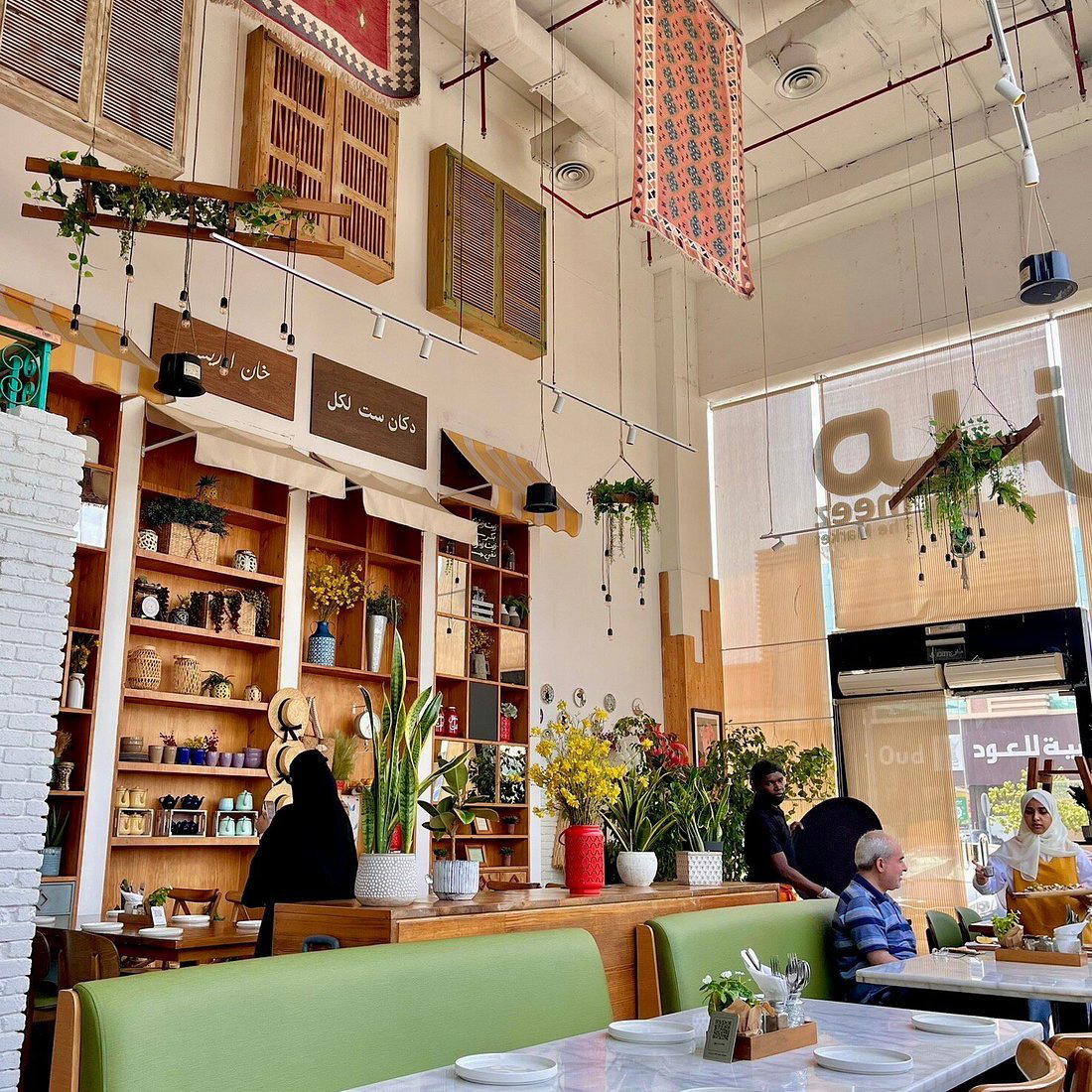
Details
- Modern
- Elegant
- Trendy
- Date Night
- Family
- Celebration
- Group Dining
- Open Kitchen
- Zero Proof
- Local Sourcing
- A La Carte
- Zero Proof
- Halal
Current opening hours
- Monday
- 1 PM–1 AM
- Tuesday
- 1 PM–1 AM
- Wednesday
- 1 PM–1 AM
- Thursday
- 1 PM–1 AM
- Friday
- 1 PM–1 AM
- Saturday
- 1 PM–1 AM
- Sunday
- 1 PM–1 AM
Hours can change for holidays and private events. Hours as of .
Modern and elegant interior with traditional elements, cosy seating, warm welcoming atmosphere with fresh dates and Saudi coffee.