Rodizio Grill Brazilian Steakhouse Estero
Our verdict
The continuous-service model separates it from conventional steakhouses, placing the ritual of the meal at the center of the experience.

Pearl is the En Primeur Club membership app — saves, bookings, and concierge access live there. Same editors, same standards.
- Address
- 8017 Plaza del Lago Dr Suite 101, Estero, FL 33928
- Phone
- (239) 498-0018
- Hours
- Mon–Thu 5–9 PMFri 12–9 PMSat 12–9:30 PMSun 12–9 PM
- Website
- rodiziogrill.com
- Directions
- Get directions
- Booking
- Book on OpenTable
The menu
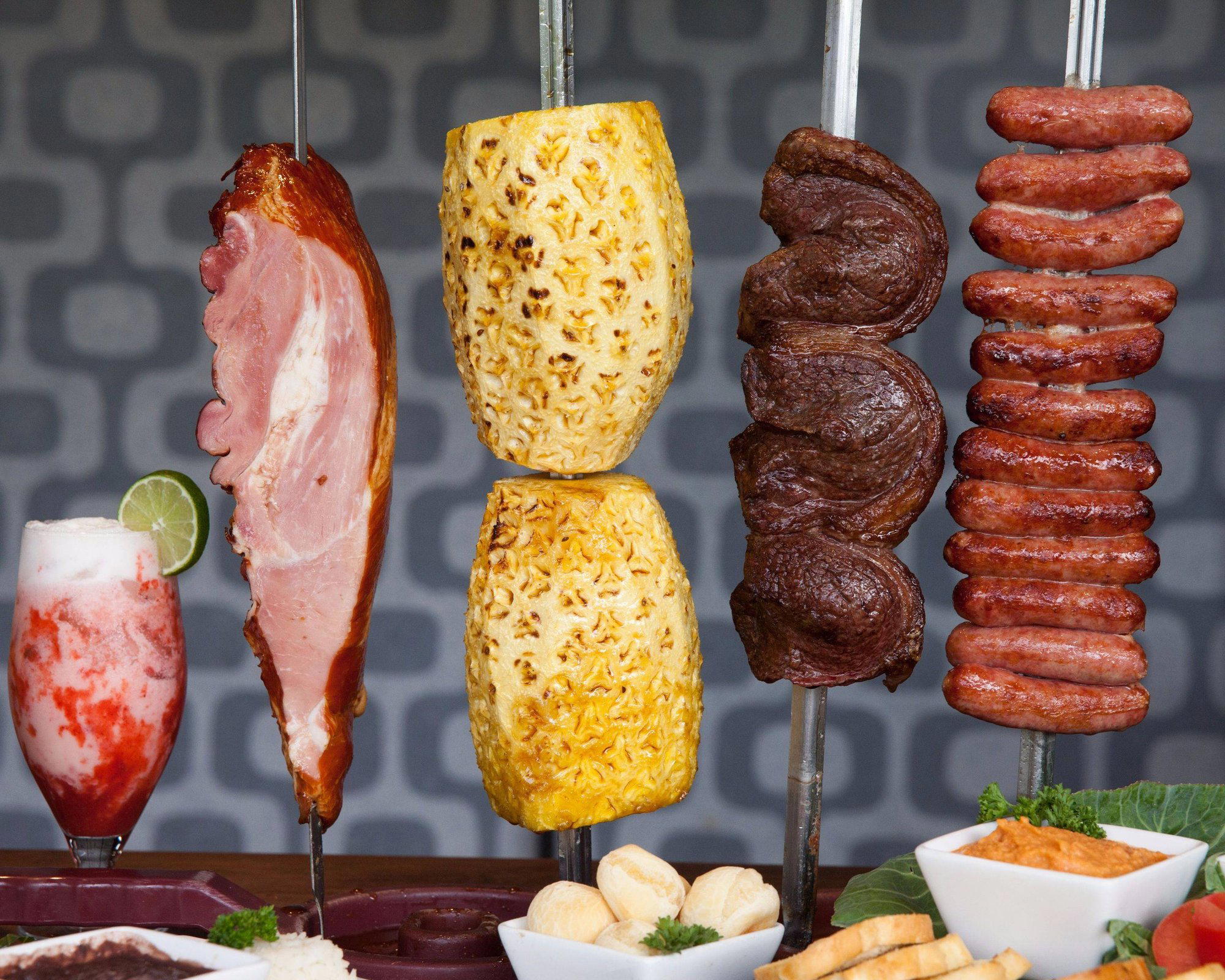
What to order
- Picanha
- Filet mignon
- Tri-tip
- Linguica
- Grilled pineapple
- Flan
The Churrascaria Format in Southwest Florida
The churrascaria model occupies a specific position in American dining that most steakhouse formats do not. Rather than ordering by the cut, guests enter a continuous-service contract: a coin or card on the table signals readiness, and gauchos circulate with skewers of meat until the signal flips. The pacing is entirely in the diner's hands, and the ritual that governs the meal is more communal and theatrical than the standard à la carte steakhouse. The churrascaria sits outside those defaults, which gives it a distinct function in the local restaurant mix. The corridor along US-41 and the Ben Hill Griffin Parkway has attracted a broader range of formats than the area historically supported.enprimeurclub.enprimeurclub.enprimeurclub.
How the Rodizio Ritual Works
Understanding the dining ritual at a churrascaria matters more than knowing the menu in advance, because the menu is largely experiential rather than textual. The rodizio format, from the Portuguese word for rotation, structures the meal around continuous movement. Gauchos, the tableside meat carvers, move through the dining room with long skewers holding various cuts: picanha (the Brazilian sirloin cap that functions as the format's signature cut), fraldinha, costela, and typically chicken and lamb alongside pork preparations. The cuts rotate and repeat; there is no fixed progression of courses in the French sense, and pacing is determined by how long the green side of the coin or card stays face-up.
The salad bar in a rodizio operation is not a side feature but an integral counterpart to the meat service. Brazilian churrascarias typically offer a spread of cold preparations, hot sides, and accompaniments, farofa (toasted cassava flour), vinagrete, rice, and black beans among the expected constants, that punctuate the meat rounds and prevent the meal from becoming monotonous. This dual structure, carving service plus self-directed salad bar, is what gives the format its particular rhythm and why experienced diners tend to start lighter at the salad bar to leave capacity for the meat rotations that follow.
For first-time visitors, the etiquette is worth understanding before arrival. The green-and-red indicator is the sole communication device between diner and gaucho: green side up means service continues, red side up means pause. Ignoring the indicator or leaving it ambiguous leads to interruptions or missed cuts. Groups that coordinate the indicator as a table tend to have a more controlled experience than those who manage it individually.
Brazilian Steakhouse in American Context
The churrascaria format entered American dining consciousness in the 1990s primarily through Texas de Brazil and Fogo de Chão, both of which built national footprints around the format. Rodizio Grill operates within the same category but with a smaller national presence, positioning it between the high-volume national chains and the independent Brazilian restaurants that operate in major metros. The format itself draws from the gaucho culture of Rio Grande do Sul in southern Brazil, where open-fire meat cookery over long skewers developed as a practical method for cooking large quantities of meat in cattle-ranching communities. What American churrascarias export is the social structure of that tradition more than any precise culinary technique.
At the high end of American dining, the focus on provenance, precision, and restraint drives formats at places like The French Laundry in Napa, Le Bernardin in New York City, or Alinea in Chicago. The churrascaria operates on an entirely different logic: abundance rather than scarcity, participation rather than observation, and communal duration rather than choreographed progression. That contrast is not a hierarchy but a distinction of purpose. The rodizio meal is designed for extended group engagement in a way that tasting-menu formats at Atomix in New York City or Blue Hill at Stone Barns in Tarrytown explicitly are not.
Other American formats built around theatrical or ritualistic service, the collaborative tasting experience at Lazy Bear in San Francisco, the produce-driven narrative at Single Thread Farm in Healdsburg, or the farm-to-table philosophy at Bacchanalia in Atlanta, share with the churrascaria an interest in meal structure as experience, even as the content and register differ entirely.enprimeurclub.enprimeurclub. The format works well with groups of four or more, where the communal pacing of the rodizio service creates the kind of extended table time the meal is designed for. Smaller parties of two can certainly use the format effectively, but the social architecture of the churrascaria scales upward with group size. Reservations are advisable on weekend evenings, particularly during the November-through-April season when Southwest Florida's seasonal population is at its densest and dining demand across the corridor rises accordingly. The fixed-price rodizio structure means the per-person cost is predictable before arrival, which removes the variable that makes some steakhouse formats difficult to budget for group dining. Arriving with appetite rather than grazing early in the day is standard practical advice for any all-inclusive carving format; the meal is designed to be the event rather than part of a larger evening.
For further context on the broader American fine dining spectrum, EP Club also covers Providence in Los Angeles, Addison in San Diego, Emeril's in New Orleans, The Inn at Little Washington, and 8 1/2 Otto e Mezzo Bombana in Hong Kong for readers whose itineraries extend beyond Southwest Florida.
Frequently asked questions
Where is Rodizio Grill Brazilian Steakhouse Estero located?
Rodizio Grill Brazilian Steakhouse Estero is located at 8017 Plaza del Lago Dr Suite 101, Estero, FL 33928, Estero.
How does Rodizio Grill Estero compare to other Brazilian steakhouses in Southwest Florida?
Rodizio Grill operates as a national churrascaria brand, placing it in the same format category as Fogo de Chão and Texas de Brazil, both of which built the American market for continuous tableside meat service from the 1990s onward. The Estero location at Plaza del Lago brings that established rodizio structure to a Southwest Florida market otherwise dominated by conventional steakhouse and seafood formats. For diners in the Naples-Fort Myers corridor, it represents one of the few dedicated churrascaria options in the immediate area.
What should I eat at Rodizio Grill Brazilian Steakhouse Estero?
The format answers this question for you: at a churrascaria, gaucho servers circulate the dining room with skewers of wood-fire-roasted meats and carve directly at the table until you signal to stop. The range typically spans beef cuts, chicken, pork, and lamb across a full service. Beyond the meat rotation, the salad bar at most churrascarias runs to hot sides, rice, and Brazilian staples, so the table spread is broader than the skewers alone suggest.
Do I need a reservation for Rodizio Grill Brazilian Steakhouse Estero?
Rodizio Grill Estero sits inside Plaza del Lago at 8017 Plaza del Lago Drive, Suite 101, a shopping-center location in a high-traffic Southwest Florida corridor. Weekends and holiday periods typically see heavier demand at full-service Brazilian steakhouses in the region, so contacting the restaurant directly ahead of your visit is advisable. Reservation availability and walk-in policy details are best confirmed with the Estero location.
Cuisine and Awards Snapshot
Comparable venues nearby, for context on price, style, and recognition.
| Venue | Cuisine | Price | Notes |
|---|---|---|---|
| Rodizio Grill Brazilian Steakhouse EsteroThis venue — the venue you are viewing | Brazilian Churrascaria | $30–50 | Not listed |
| PJK Neighborhood Chinese Restaurant - Estero | Coastal Neighborhood Chinese | $20–30 | Coconut Point |
| El Gaucho Deli Cafe | Argentinean & Peruvian Deli Cafe | $10–20 | Estero |
| Ristorante Farfalla | Fine Dining Italian | $50–100 | Estero |
| El Gaucho Inca Estero | Peruvian-Argentine Steakhouse & Ceviche | $30–50 | Coconut Point |
| Toreros Churrascaria Kendall | Brazilian Rodizio Steakhouse | $30–50 | Westwood Lake |
Details
- Lively
- Energetic
- Classic
- Celebration
- Group Dining
- Date Night
- Family
- Standalone
- Craft Cocktails
- Buffet
- Family Style
- Caipirinha
- Brazilian Limeades
Current opening hours
- Monday
- 5–9 PM
- Tuesday
- 5–9 PM
- Wednesday
- 5–9 PM
- Thursday
- 5–9 PM
- Friday
- 12–9 PM
- Saturday
- 12–9:30 PM
- Sunday
- 12–9 PM
Hours can change for holidays and private events. Last verified .
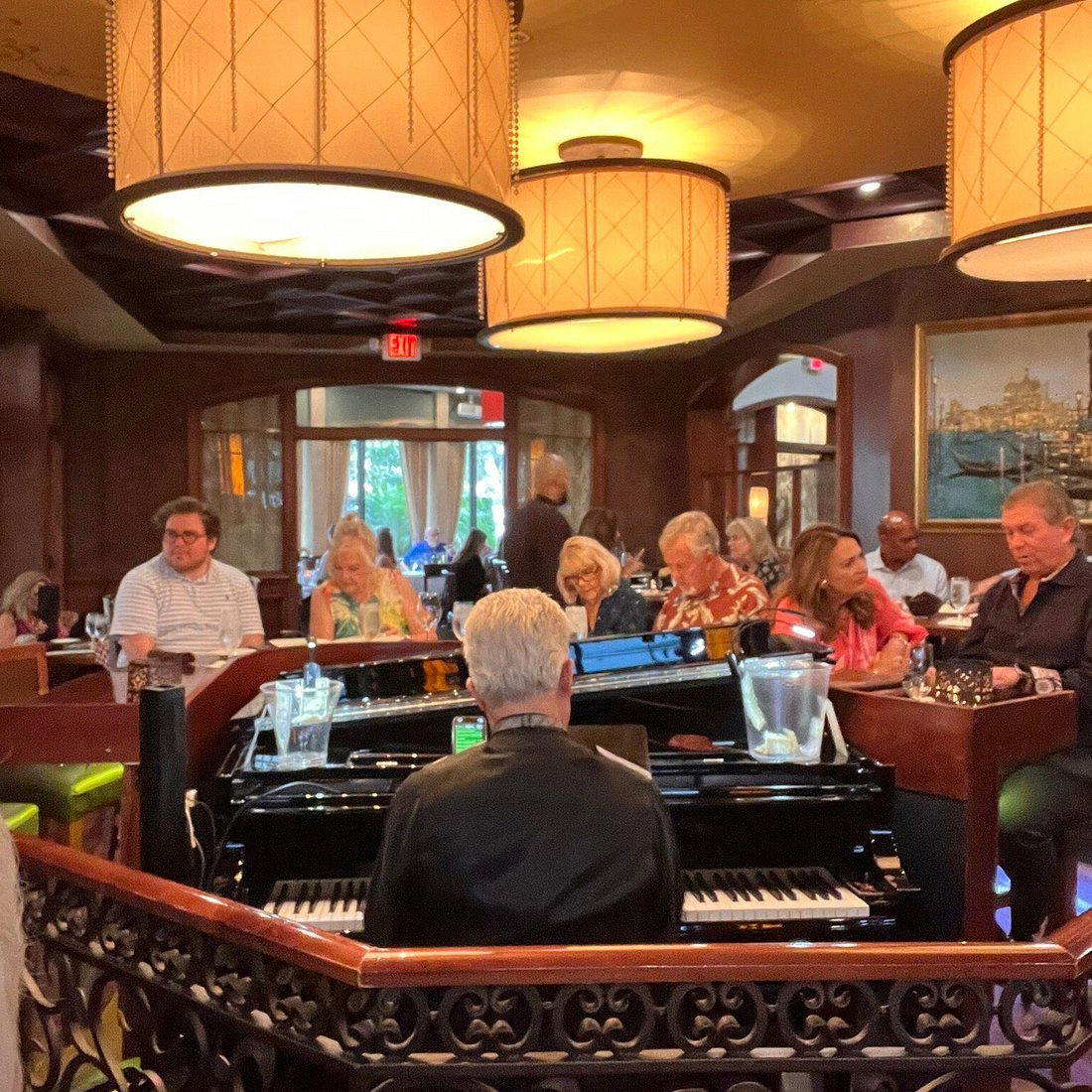
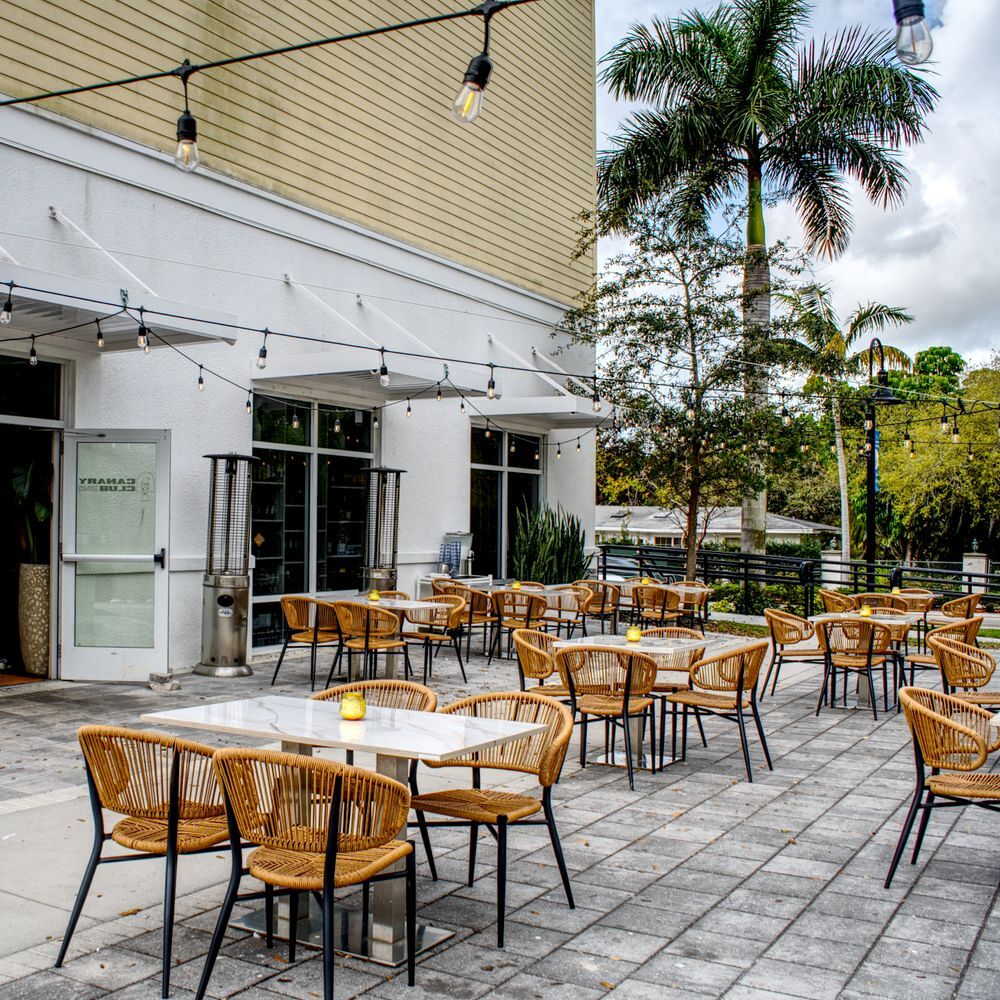
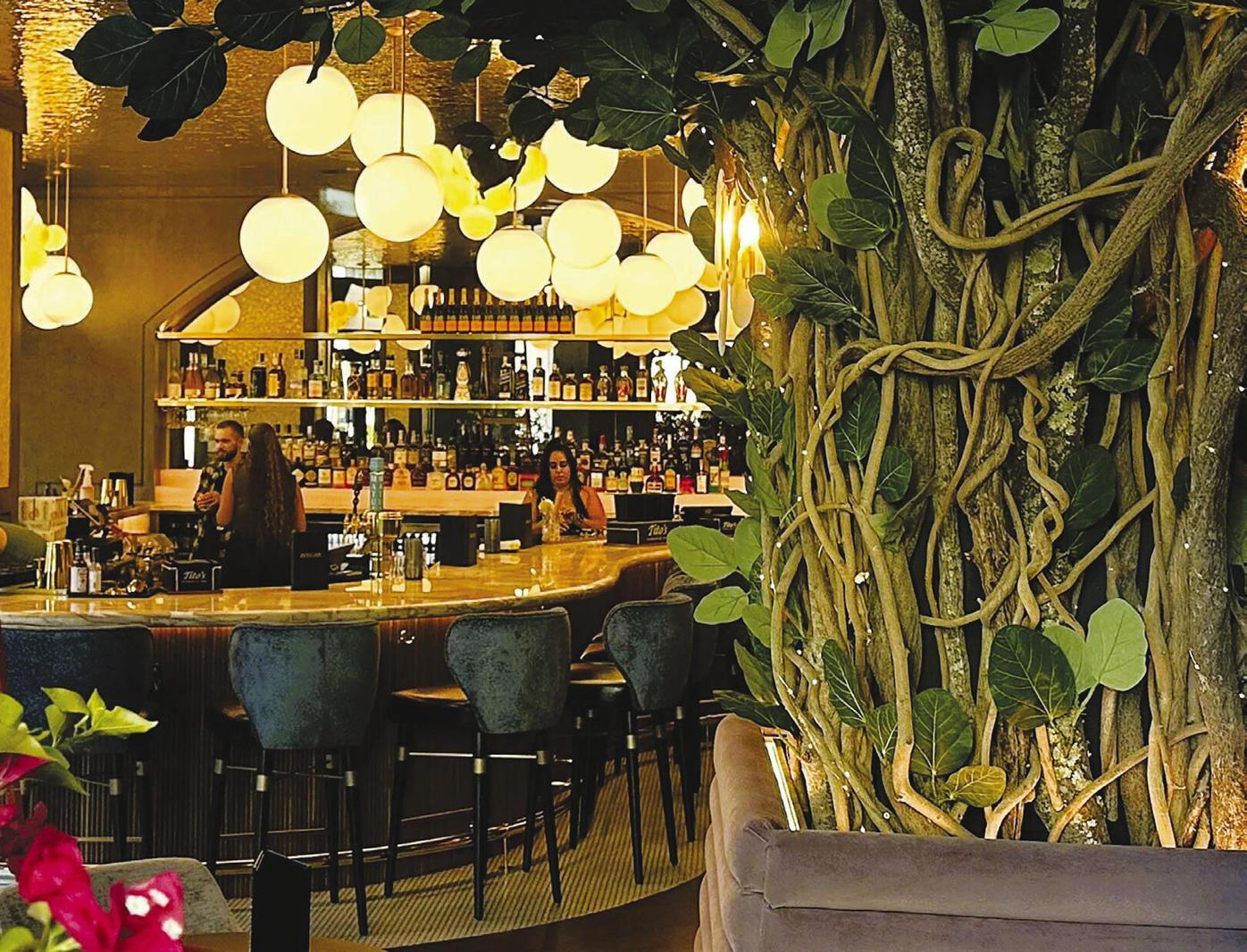
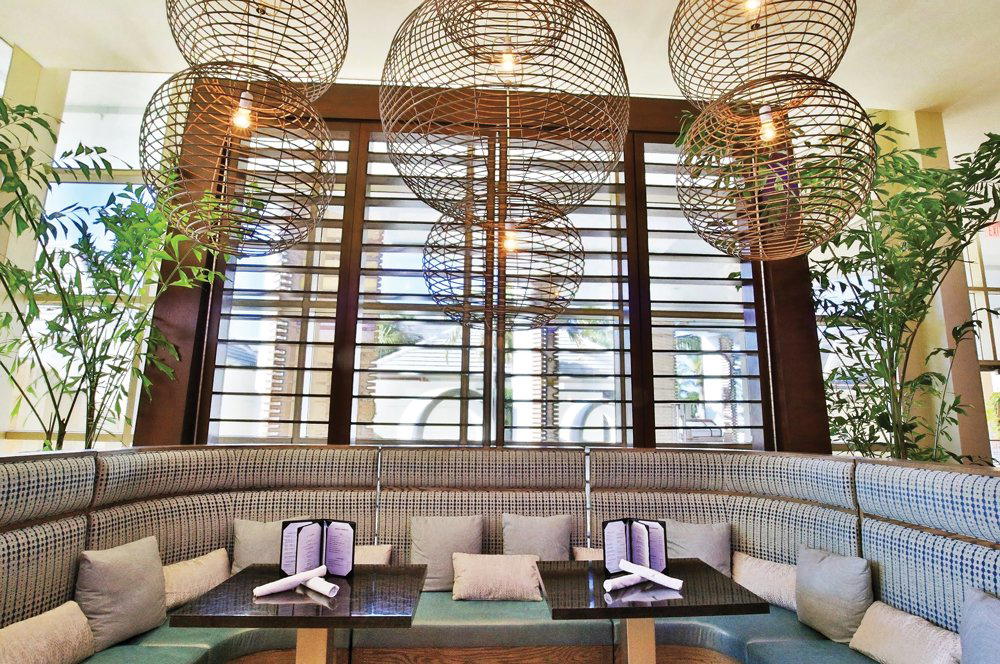
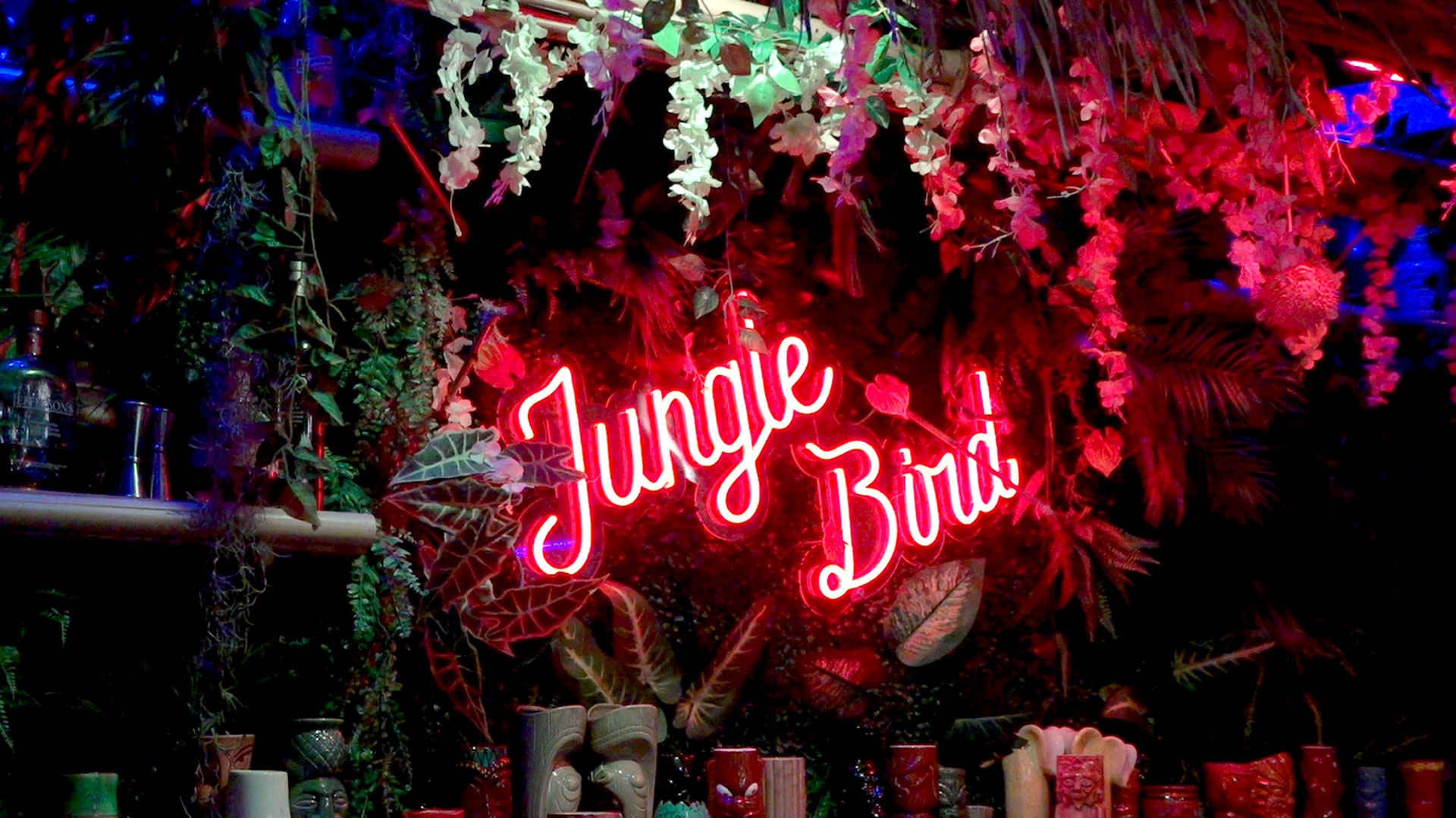
Lively and energetic dining room with servers circulating with skewers of meats; casual yet festive atmosphere with both indoor and outdoor seating options.