El Gaucho Inca Estero
Our verdict
El Gaucho Inca Estero brings Latin American grill traditions to Lyden Drive in Estero, Florida, occupying a niche where South American culinary heritage meets Southwest Florida's dining scene. The name signals a dual cultural reference, pairing the Argentine gaucho tradition with Andean Inca roots, a combination that positions it distinctly among Estero's international dining options.

Pearl is the En Primeur Club membership app — saves, bookings, and concierge access live there. Same editors, same standards.
- Address
- 22909 Lyden Dr, Estero, FL 33928
- Phone
- (239) 494-1564
- Hours
- Mon ClosedTue–Thu 3–9 PMFri–Sat 12–10 PMSun 12–8 PM
- Website
- elgauchoincaestero.com
- Directions
- Get directions
- Booking
- Book on OpenTable
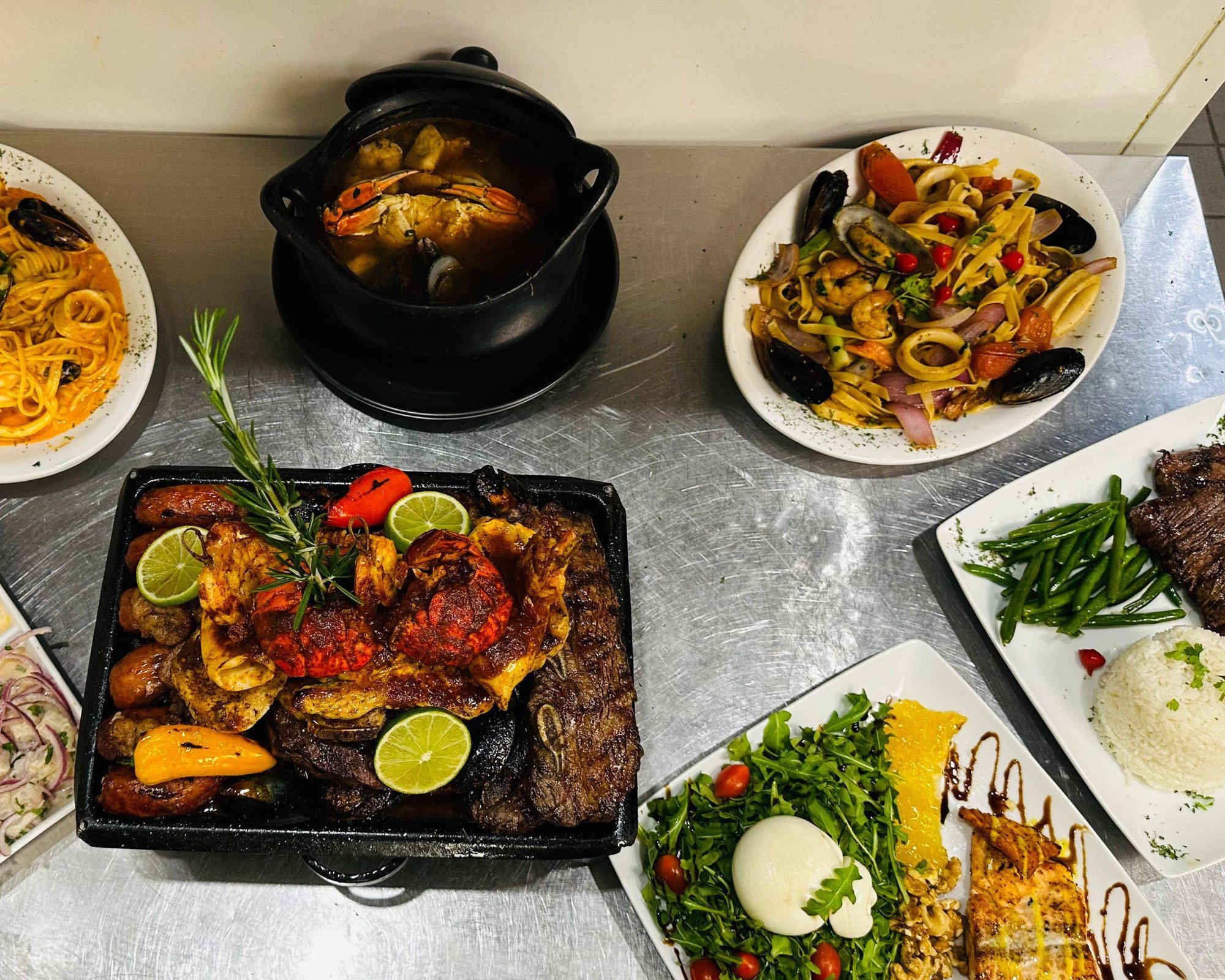
Where the Pampas Meets the Andes, in Southwest Florida
Southwest Florida's dining corridor along US-41 and its surrounding streets has grown considerably over the past decade, moving from a predominantly chain-heavy strip into a more textured mix of independent kitchens representing cuisines from across the Americas. Estero sits at the southern edge of that expansion, and on Lyden Drive, El Gaucho Inca occupies a position that is genuinely worth understanding in context: it draws from two of South America's most distinct culinary traditions, the Argentine gaucho culture of the pampas and the Andean heritage associated with Peru and the broader Inca civilization, under a single roof.
That dual framing is not cosmetic. Argentine asado culture and Peruvian-Andean cooking represent different lineages, different protein treatments, different spice philosophies. Argentine grilling is disciplined and fire-forward, built around slow wood or charcoal cooking, generous cuts, and a culture of patience at the parilla. Peruvian cuisine, by contrast, draws from indigenous Andean ingredients, coastal influences, and the layered immigration history that produced dishes like lomo saltado and ceviche, an acid-led, citrus-forward school of cooking that sits at the opposite end of the flavor register from the deep smoke of a proper asado. A kitchen that genuinely handles both traditions is doing more than offering variety; it is holding two distinct culinary logics in parallel.
South American Grill Culture and What It Demands
The gaucho tradition deserves particular attention for anyone approaching this style of restaurant for the first time. The word gaucho refers historically to the nomadic cattle workers of the South American pampas, primarily in Argentina, Uruguay, and southern Brazil, and the cooking style associated with them is defined by its relationship to fire and time. Cuts are large, flames are managed rather than maximized, and the meal is structured around a slow communal rhythm rather than a quick service model. Restaurants that do this seriously invest in the right equipment and in sourcing cuts that reward the method.
Across Southwest Florida, South American grill options are not dense. Rodizio Grill Brazilian Steakhouse Estero represents the Brazilian churrasco tradition in the same market, a related but distinct approach where the service model centers on continuous tableside carving rather than plated orders. El Gaucho Inca's Argentine-Peruvian framing puts it in a different category, one where the menu likely balances fire-cooked proteins with Andean-inflected sides and preparations. For those mapping the broader Estero dining scene, our full Estero restaurants guide shows where this fits among the area's international options, alongside El Gaucho Deli Cafe, which shares a naming register but operates in a different format.
The Andean Half of the Menu
Peruvian cooking has attracted serious international attention over the past fifteen years, with Lima emerging as one of the most discussed restaurant cities in the Americas. The country's cuisine benefits from extraordinary biodiversity, with potato varieties numbering in the thousands, native chili peppers like aji amarillo and rocoto that carry specific heat profiles and flavors unavailable in other traditions, and a coastal fishery that supplies one of the world's most celebrated ceviche cultures. When that tradition arrives in Southwest Florida, it arrives without the sourcing infrastructure that Lima kitchens take for granted, which means the quality of any given Peruvian dish outside Peru depends heavily on the kitchen's commitment to importing or substituting key ingredients correctly.
The Inca reference in the name points directly to this Andean heritage, positioning the restaurant as engaged with the pre-Columbian culinary foundation that underpins modern Peruvian cooking. Dishes built on that foundation, whether quinoa, purple corn, native potatoes, or Andean-style braised preparations, tell a different story from the coastal ceviche and Asian-inflected Nikkei dishes that dominate most international Peruvian menus. Both traditions are valid; what they share is the complexity that makes Peruvian cuisine one of the most documented in the Americas.
Placing Estero in a Wider Frame
It is worth being direct about the context here. Estero is not a fine dining destination in the way that, say, a restaurant district in a major metro would be. The comparison set for a venue like El Gaucho Inca is local and regional, not national. The kind of technical ambition on show at Le Bernardin in New York City, the ingredient philosophy at Blue Hill at Stone Barns in Tarrytown, or the tasting menu precision at The French Laundry in Napa exists in a different category of institution entirely. Similarly, places like Smyth in Chicago, Lazy Bear in San Francisco, Providence in Los Angeles, Single Thread Farm in Healdsburg, Addison in San Diego, Frasca Food & Wine in Boulder, Atomix in New York City, Emeril's in New Orleans, The Inn at Little Washington in Washington, and Atelier Moessmer Norbert Niederkofler in Brunico operate with credentials and infrastructure that place them in a national or international conversation. El Gaucho Inca's relevance is neighborhood-scaled, and that is where it should be evaluated: as a kitchen bringing a culturally specific South American tradition to a Florida ZIP code where alternatives are limited.
That is not a diminishment. Estero diners looking for grilled protein traditions outside the American barbecue register, or for Andean-inflected preparations outside the handful of Peruvian spots in Naples or Fort Myers, are working with a thin set of options. A kitchen that genuinely holds the line on these traditions serves a real function in its local market.
Also worth noting in the Estero context: the area's dining scene includes a range of international kitchens, from PJK Neighborhood Chinese Restaurant to Ristorante Farfalla, reflecting a community that has grown diverse enough to support cooking from multiple non-American traditions. El Gaucho Inca fits that pattern and addresses the Latin American segment of it specifically.
Planning Your Visit
El Gaucho Inca Estero is located at 22909 Lyden Drive, Estero, FL 33928. Current hours, pricing, and booking availability are best confirmed directly with the venue before visiting, as no real-time data is available here. For South American grill formats in general, weekend evenings tend to draw the heaviest traffic, so midweek visits or early seatings typically offer a more relaxed experience. If the kitchen follows the asado-style pacing that the gaucho tradition implies, a meal is not a quick affair, so allow two hours or more rather than planning around a strict departure time.
Frequently asked questions
How do I find El Gaucho Inca Estero?
El Gaucho Inca Estero is located at 22909 Lyden Dr, Estero, FL 33928, Estero.
How does El Gaucho Inca Estero differ from Brazilian churrascarias in the area?
El Gaucho Inca draws from Argentine gaucho grilling and Andean-Peruvian cooking, which puts it in a different category from Brazilian rodizio-format restaurants where tableside service of skewered meats defines the experience. The Argentine tradition centers on specific cuts prepared over live fire, while the Peruvian side introduces ceviches, stews, and Andean ingredients — a combination not typical of the churrascaria format common elsewhere in Southwest Florida. For diners based near Estero on Lyden Drive, that dual-tradition approach is the clearest point of difference.
What's the signature dish at El Gaucho Inca Estero?
The name itself maps the menu: gaucho-tradition fire-cooked beef cuts on the Argentine side, and Andean-Peruvian preparations on the other. These are two distinct cooking cultures sharing one address at 22909 Lyden Drive in Estero. Fire-grilled beef and Peruvian staples such as ceviche or lomo-style dishes represent the likely anchors of the format, though specific menu items should be confirmed directly with the restaurant.
Do I need a reservation for El Gaucho Inca Estero?
Southwest Florida's restaurant market peaks sharply between November and April, when seasonal residents and winter visitors push dining demand well above summer levels. During that window, securing a table at independent Latin American restaurants in the Estero corridor without a reservation carries real risk. Calling ahead or checking current booking options directly with El Gaucho Inca Estero at its Lyden Drive location is the practical move, particularly on weekend evenings.
What do critics highlight about El Gaucho Inca Estero?
No published critical reviews are currently indexed for El Gaucho Inca Estero. The restaurant operates in an independent Latin American segment in Estero, FL — a market that receives less critical coverage than urban dining corridors in Miami or Tampa. The Argentine-Peruvian pairing is structurally unusual for Southwest Florida and may attract attention as that dining corridor continues to develop.
Cost and Credentials
| Venue | Cuisine | Price |
|---|---|---|
| El Gaucho Inca EsteroThis venue — the venue you are viewing | Peruvian-Argentine Steakhouse & Ceviche | $30–50 |
| El Gaucho Deli Cafe | Argentinean & Peruvian Deli Cafe | $10–20 |
| PJK Neighborhood Chinese Restaurant - Estero | Coastal Neighborhood Chinese | $20–30 |
| Ristorante Farfalla | Fine Dining Italian | $50–100 |
| Rodizio Grill Brazilian Steakhouse Estero | Brazilian Churrascaria | $30–50 |




Details
- Rustic
- Elegant
- Date Night
- Group Dining
- Special Occasion
- Open Kitchen
- A La Carte
- Vegetarian Friendly
Current opening hours
- Monday
- Closed
- Tuesday
- 3–9 PM
- Wednesday
- 3–9 PM
- Thursday
- 3–9 PM
- Friday
- 12–10 PM
- Saturday
- 12–10 PM
- Sunday
- 12–8 PM
Hours can change for holidays and private events. Last verified .
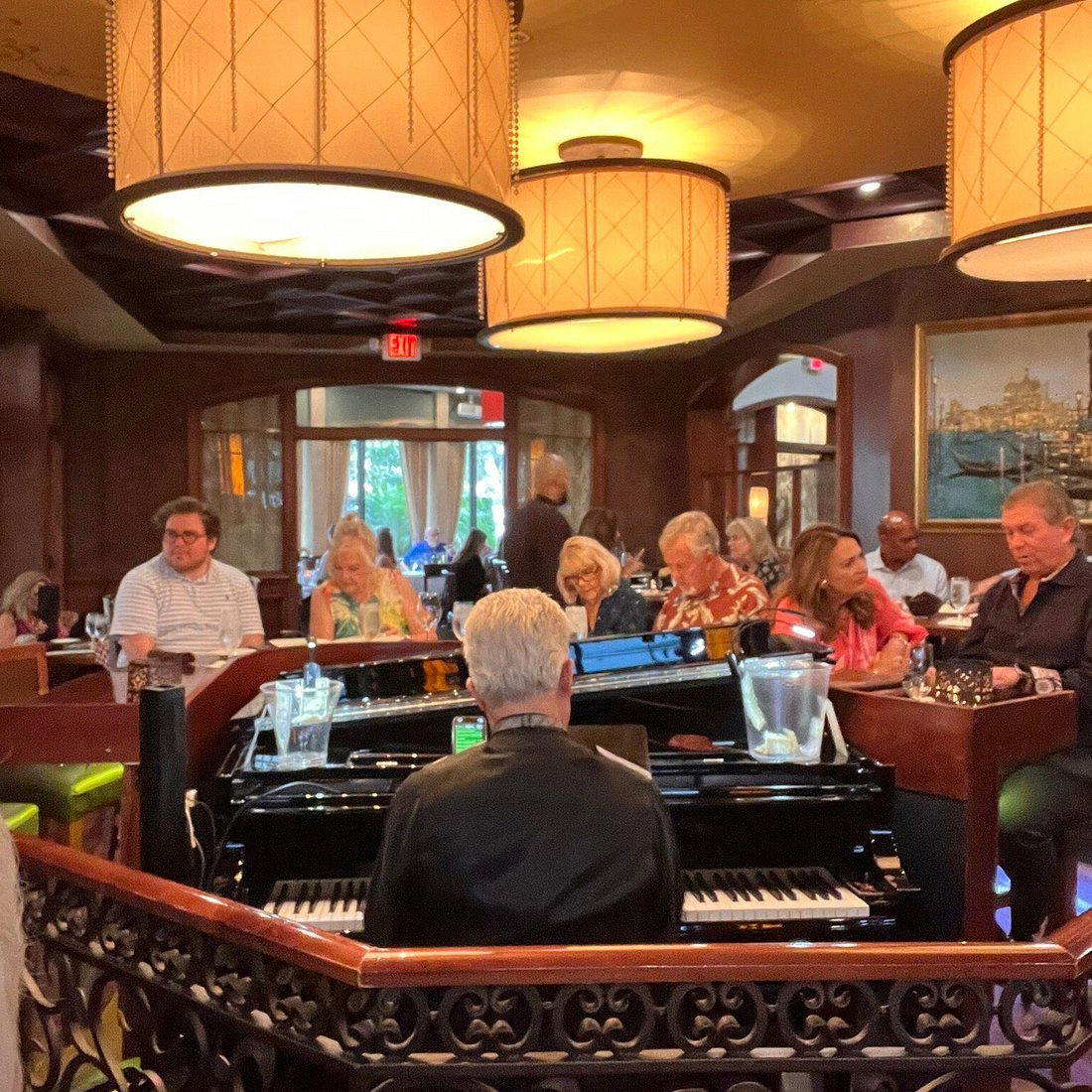
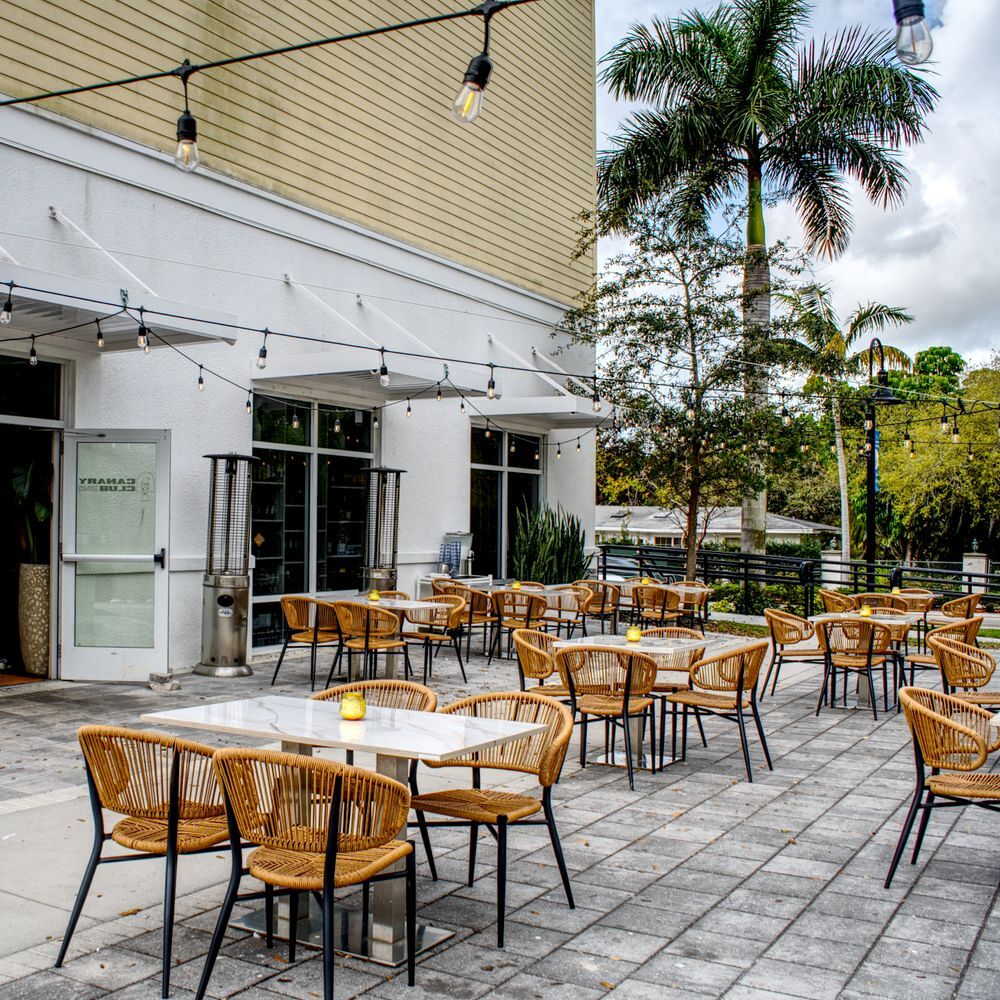
Welcoming South American atmosphere with walls dedicated to Peruvian and Argentine cultures.