RéNapoli
RéNapoli brings Neapolitan cooking traditions to Sound Beach Avenue in Old Greenwich, CT, operating in a Connecticut dining scene that increasingly rewards neighborhood restaurants with serious culinary intent. Located at 216 Sound Beach Ave, the restaurant positions itself within a small but growing cohort of suburban Italian addresses that draw from Naples rather than the broader Italian-American canon. Confirm current hours and booking availability directly before visiting.
Pearl is the En Primeur Club membership app — saves, bookings, and concierge access live there. Same editors, same standards.
- Address
- 216 Sound Beach Ave, Old Greenwich, CT 06870
- Phone
- +12036989300
- Website
- renapoli.com
- Directions
- Get directions
 Saves & bookings on Pearl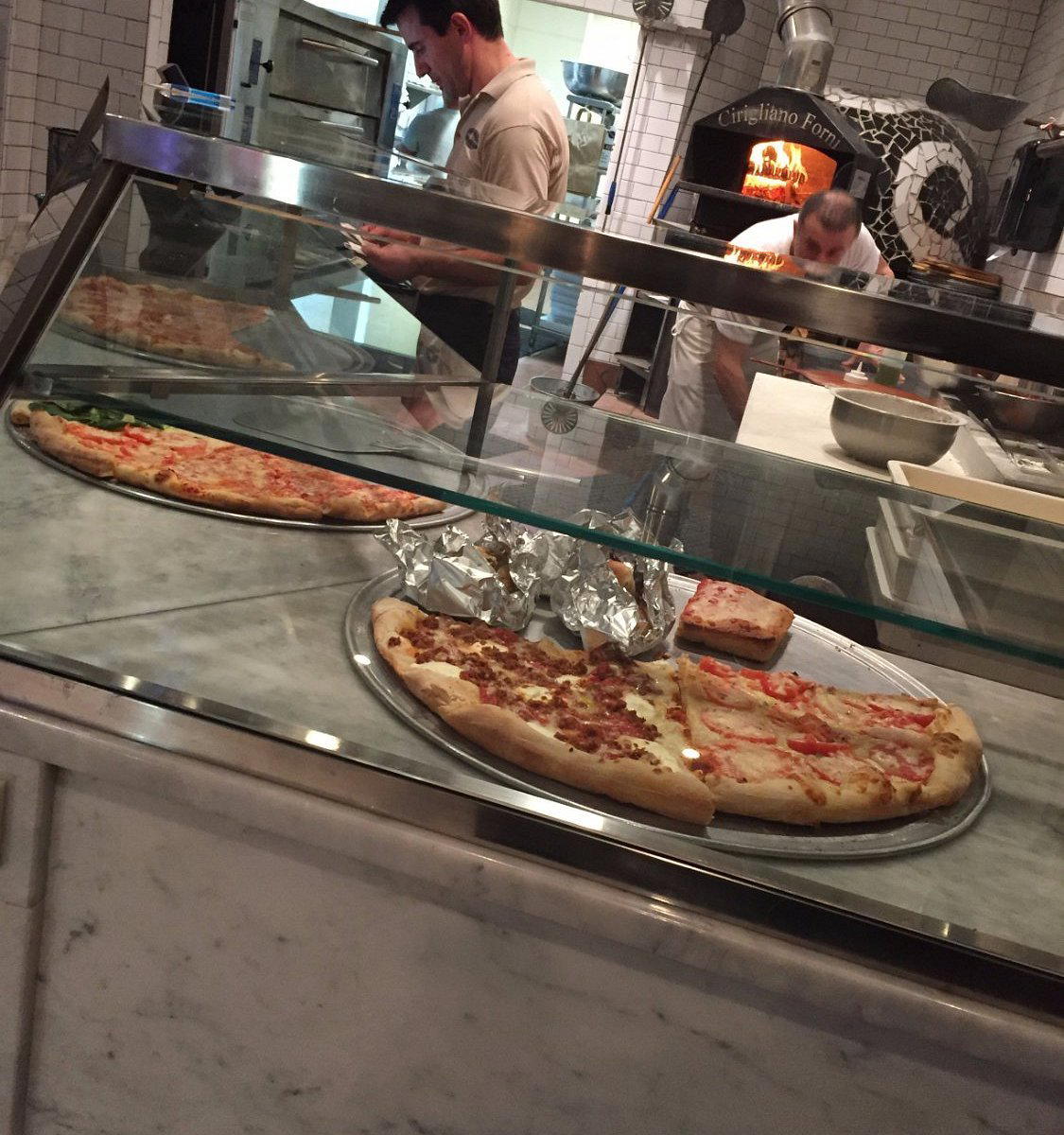
Sound Beach Avenue and the Case for Neapolitan Seriousness Outside the City
Old Greenwich occupies a particular position in the Connecticut dining conversation: close enough to Manhattan that its restaurants are measured against New York standards, yet suburban enough that the neighborhood format still shapes expectations. Sound Beach Avenue runs a short stretch of independently owned restaurants that have, over the past decade, moved away from the generic Italian-American model that dominated suburban Connecticut for a generation. Our full Old Greenwich restaurants guide maps this shift in detail, but the short version is this: the avenue now supports restaurants with specific regional Italian identities, and RéNapoli is the clearest expression of that tendency.
Neapolitan cooking is one of the most codified regional traditions in Italy, and also one of the most frequently diluted outside it. The city of Naples has its own regulatory body for pizza, strict protocols for dough hydration and wood-fired temperature, and a culture of argumentation about what constitutes an acceptable margherita. When a restaurant places Naples at the center of its identity, it is inviting that comparison directly. That is either a confident move or a reckless one, depending on what arrives at the table.
What the Neapolitan Tradition Actually Demands
To understand what RéNapoli is working within, it helps to understand what the Neapolitan canon requires. The tradition is built around restraint rather than abundance: fewer ingredients, handled with more precision. The canonical Neapolitan pizza dough ferments for a minimum of eight hours, more commonly twenty-four to seventy-two, and is cooked in a wood-fired oven at temperatures between 800 and 900 degrees Fahrenheit for no more than ninety seconds. The result is a soft, slightly charred crust with what Neapolitans call the cornicione, the raised, airy outer edge that distinguishes the style from its Roman or American counterparts.
Beyond pizza, the Neapolitan kitchen draws from a coastal pantry: San Marzano tomatoes grown in volcanic soil south of Naples, buffalo mozzarella from the Campania plains, and a repertoire of pasta shapes that includes paccheri, spaghetti alle vongole, and the egg-rich ragù alla napoletana that simmers for hours rather than minutes. These are not decorative details; they are the technical vocabulary that defines whether a restaurant is genuinely engaged with the tradition or simply borrowing its name.
Suburban American Italian restaurants have historically struggled with this standard, not because of talent but because of economics. The ingredients required for Neapolitan authenticity are expensive to import, the wood-fired ovens require significant capital investment, and the dough protocols demand labor that does not fit neatly into a high-volume suburban model. The restaurants on this end of the spectrum that do it credibly tend to be small, owner-operated, and deeply committed.
Old Greenwich in the Broader Connecticut Dining Context
Connecticut's dining identity has historically been shaped by two poles: the university-driven restaurant culture of New Haven, where Frank Pepe Pizzeria Napoletana and Sally's Apizza established a distinctly American pizza tradition decades ago, and the commuter-suburb model of Fairfield County, where restaurants have often prioritized comfort and familiarity over culinary specificity. Old Greenwich sits in Fairfield County but has been moving, gradually, toward the kind of neighborhood restaurant culture that rewards specificity.
The comparison to New Haven is instructive. The New Haven apizza tradition is American, not Neapolitan: thin, coal-fired, with a crispier crust and a different flour profile. It is its own valid tradition with deep roots. Neapolitan-style restaurants in Connecticut are working from a different reference point entirely, and the two should not be confused. A restaurant like RéNapoli, by invoking Naples rather than New Haven, is positioning itself within an Italian rather than an American lineage.
For context on what serious Italian cooking looks like at the upper end of the American dining spectrum, consider Le Bernardin in New York City, where precision and restraint define the kitchen's relationship with its source ingredients, or Frasca Food & Wine in Boulder, which built its identity on a specific Italian regional tradition (Friulian) and maintained it with consistency over many years. Regional specificity, sustained over time, is what separates these restaurants from their more generic counterparts.
Closer geographically, Blue Hill at Stone Barns in Tarrytown demonstrates what happens when a suburban New York restaurant commits fully to a culinary identity: it becomes a destination rather than a convenience. That is the ceiling for what a neighborhood restaurant with genuine ambition can achieve in this corridor.
Within Old Greenwich itself, Osteria Applausi operates in adjacent Italian territory, making Sound Beach Avenue a street worth treating as a destination in its own right for Italian cooking in suburban Connecticut.
Planning a Visit
RéNapoli is located at 216 Sound Beach Ave in Old Greenwich, CT 06870, a walkable stretch that anchors the village's restaurant cluster. Given the restaurant's neighborhood scale and the format typical of owner-operated Italian addresses in this tier, reservations are advisable for weekend evenings; the room size at venues of this type rarely accommodates large walk-in volumes on busy nights. Phone and website details were not available at time of writing, so booking is best confirmed through current listings or direct inquiry. Parking along Sound Beach Avenue and on adjacent streets is generally available, and the Old Greenwich Metro-North station is within walking distance for those arriving from Manhattan or elsewhere on the New Haven Line.
For readers building a longer Connecticut itinerary or comparing dining options across the region, our full Old Greenwich restaurants guide provides neighborhood-level context across multiple price points and cuisines. Those comparing RéNapoli against the broader American dining spectrum might reference Atomix in New York City, Lazy Bear in San Francisco, or Alinea in Chicago for a sense of what full commitment to a culinary identity looks like at the top of the American market.
Continue exploring
More in Old Greenwich
Restaurants in Old Greenwich
Browse all →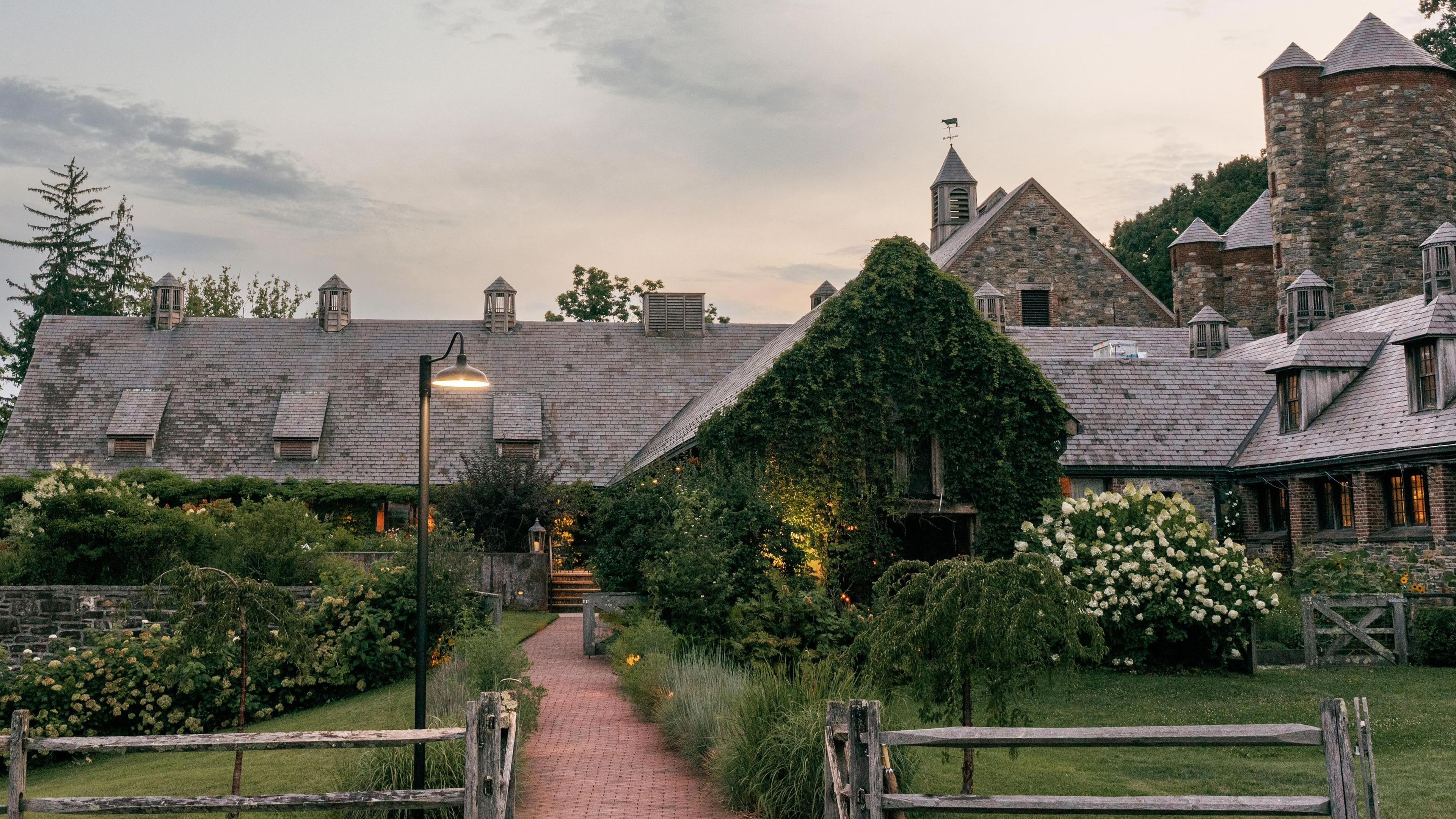
Bars in Old Greenwich
Browse all →

Hotels in Old Greenwich
Browse all →






At a Glance
- Cozy
- Classic
- Casual Hangout
- Family
- Open Kitchen
- Local Sourcing
- Organic
Current opening hours
- Monday
- 11 AM–9 PM
- Tuesday
- 11 AM–9 PM
- Wednesday
- 11 AM–9 PM
- Thursday
- 11 AM–9 PM
- Friday
- 11 AM–10 PM
- Saturday
- 11 AM–10 PM
- Sunday
- 11 AM–9 PM
Hours can change for holidays and private events. Last verified .
Warm and inviting with a comfortable, casual interior featuring booths and a neighborhood feel.
Know Before You Go
- Getting there
- 216 Sound Beach Ave, Old Greenwich, CT 06870