Rangoon
Our verdict
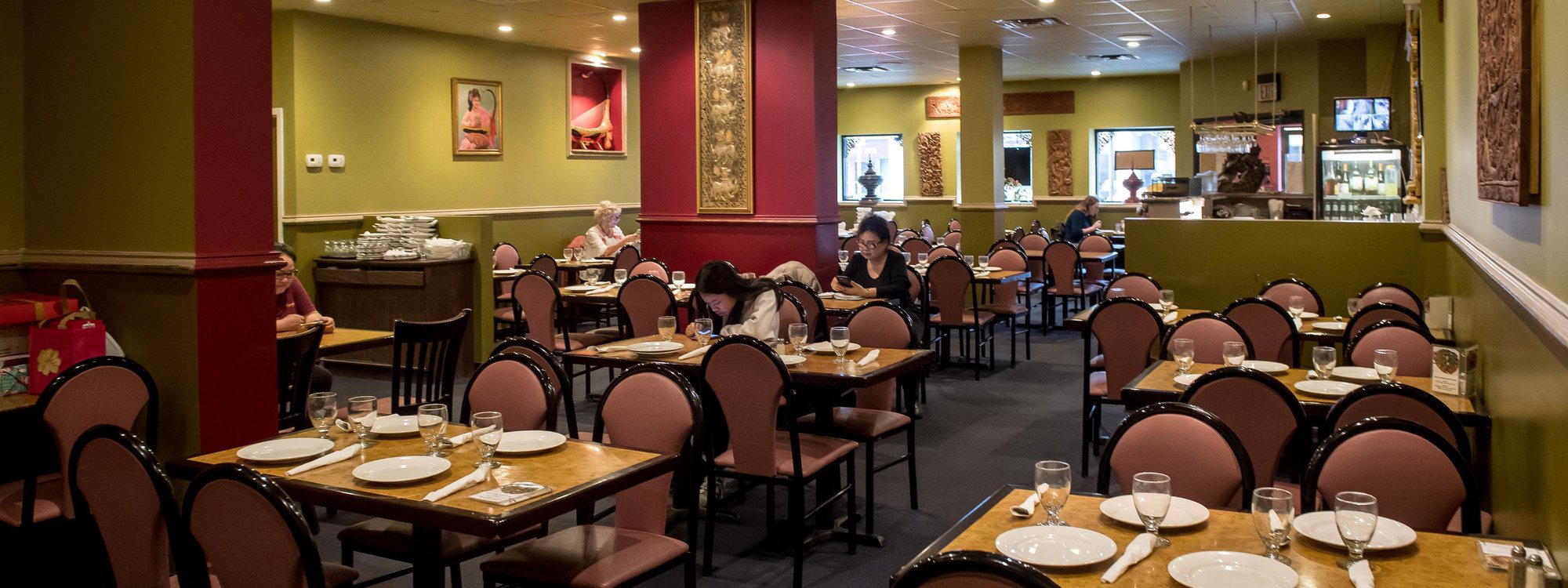
Rangoon occupies a specific lane in Philadelphia's Chinatown: a dedicated Burmese address on 9th Street where the cuisine's fermented, spiced, and sour registers stand apart from the surrounding East and Southeast Asian context. The neighborhood's walkability and casual format make it a low-friction entry point for diners building a multi-restaurant visit to the corridor.
- Address
- 112 N 9th St, Philadelphia, PA 19107
- Phone
- (215) 829-8939
- Directions
- Get directions
The menu
What to order
- Tea Leaf Salad
- Thousand Layer Bread
- Mohinga
- Jungle Chicken
Chinatown's Burmese Counter, Placed in Context
The 900 block of Philadelphia's 9th Street marks the southern edge of the city's Chinatown, where the density of Southeast and East Asian restaurants makes cuisine comparison almost unavoidable. Within that corridor, Burmese cooking occupies a narrower lane than its neighbors. Rangoon, at 112 N 9th St, is among the few Philadelphia addresses where that cuisine gets sustained attention rather than a footnote on a pan-Asian menu. That specificity matters in a city whose dining conversation frequently defaults to New American tasting menus and the flagship rooms drawing national press.
Burmese food sits at a crossroads of culinary influences that reflects Myanmar's geography: Indian spice logic, Chinese noodle tradition, and Thai herb registers all appear, but rarely in the proportions a diner schooled in any one of those traditions would predict. The result is a cuisine that rewards attention rather than pattern recognition. Philadelphia's Chinatown gives Rangoon the right neighborhood framing, positioned among the kind of concentrated Asian dining that makes comparative eating easy for anyone spending more than a single night in the city.
What to Know Before You Arrive
The editorial angle on Rangoon is largely logistical, and that shapes how a first visit should be planned. Unlike the tightly orchestrated booking programs at places such as Lazy Bear in San Francisco or Smyth in Chicago, where prepaid reservations and release-window timing govern access, Chinatown neighborhood restaurants in Philadelphia tend to operate on a more direct model. Walk-in culture still functions here in a way it has largely been displaced elsewhere in the city's upper tiers, where rooms such as Friday Saturday Sunday and Fork require advance planning, especially on weekends.
Midweek evenings tend to distribute Chinatown foot traffic more evenly across the block's restaurants, which makes seating easier to secure without a long wait. Weekend evenings draw larger crowds to the neighborhood overall, and Rangoon's position on 9th Street puts it in direct competition for foot traffic with several adjacent rooms.
Burmese Cooking Inside Philadelphia's Wider Scene
Philadelphia's dining scene has increasingly made space for Southeast Asian specificity. Mawn, which operates in the Cambodian and pan-Asian register, represents one strand of that movement. South Philly Barbacoa demonstrates how a single-cuisine specialist can build a loyal following by staying narrow. Rangoon occupies a similar position within Burmese cooking, a cuisine that rarely gets standalone treatment in American cities outside of a handful of dedicated communities.
The comparison set matters here. In New York, Burmese restaurants like those in the East Village have built modest critical recognition for the cuisine's distinctiveness, particularly around tea leaf salad, mohinga, and the fermented, sour, and fish-paste notes that separate Burmese from neighboring traditions. Philadelphia's version of that argument is smaller in scale, but Rangoon's Chinatown address gives it geographic credibility within the category. It is not positioned against rooms like My Loup on the French-inspired end of the city's spectrum, nor against the nationally profiled rooms you'd compare to Le Bernardin in New York City or The French Laundry in Napa.
Planning the Visit
9th Street in Chinatown is walkable from Jefferson Station on the Market-Frankford Line, placing Rangoon within easy reach of Center City without requiring a cab or rideshare. The address at 112 N 9th St sits in the heart of the district, meaning a visit pairs naturally with exploration of adjacent blocks before or after a meal. For visitors building a Philadelphia itinerary around dining, this corridor offers density that rewards multiple visits across a trip rather than a single concentrated evening.
Pricing in Philadelphia's Chinatown generally remains below the city's upmarket New American tier, and Burmese restaurants in comparable American markets typically operate in the casual-to-mid range, making Rangoon a practical option for travelers calibrating spend across a multi-restaurant visit. For the kind of sustained, research-heavy commitment required at rooms like Atomix in New York City, Providence in Los Angeles, or Addison in San Diego, Rangoon is not the comparable. It occupies a different tier entirely, one where spontaneity is still possible and the cost of entry is low enough to allow a speculative first visit without significant planning investment.
Travelers staying in Center City hotels are roughly ten minutes on foot from 9th Street, depending on starting point. The neighborhood concentrates its restaurant activity between Arch and Race Streets, so arrival before peak dinner service allows the most flexibility. For a fuller picture of where Rangoon sits within Philadelphia's dining options, our full Philadelphia restaurants guide maps the city's key rooms by cuisine and neighborhood.
What the Cuisine Delivers
Burmese cooking, at its core, is built around a pantry that most American diners encounter infrequently: fermented tea leaves used as a salad base, mohinga broth thickened with fish and banana stem, the layered salads that use fried garlic, dried shrimp, and sesame in combinations that resist single-note description. These are not dishes that map easily onto neighboring Thai or Chinese frameworks, which is part of what makes specialist restaurants in the tradition worth seeking out when they appear in American cities.
What the cuisine tradition itself promises is a set of flavors that diverge meaningfully from the surrounding Chinatown context, and that divergence is precisely what gives the address its reason to exist within the block. For visitors who have worked through Philadelphia's better-documented rooms, including those with Michelin recognition or national press profiles, Rangoon offers a different kind of value: cuisine specificity in a neighborhood built for it, without the booking friction that defines the city's most sought-after tables.
Frequently asked questions
What is the signature dish at Rangoon?
Burmese restaurants in the American market have built their reputations most consistently around a small number of anchor dishes: tea leaf salad (lahpet thoke), mohinga noodle soup, and various samusa preparations that borrow from Indian tradition while adapting to Burmese flavor logic. The cuisine tradition itself, however, points toward those anchors as the most likely reference points for first-time diners. For Philadelphia's wider dining context, see our Philadelphia guide.
What is the ideal way to book Rangoon?
In Philadelphia's Chinatown, the norm for neighborhood specialists leans toward walk-in availability, particularly compared to the reservation-heavy systems used by the city's New American rooms. Arriving during weekday evenings or early in the dinner window on weekends reduces wait risk. If you are building a tighter itinerary, checking third-party reservation aggregators or visiting the address directly to confirm current policy is the most reliable approach.
What is Rangoon leading at?
The answer here is cuisine specificity. In a Philadelphia Chinatown that covers considerable East and Southeast Asian ground, a dedicated Burmese address occupies a distinct lane. The cuisine's combination of fermented, sour, and spiced registers, built on a pantry that differs from Thai, Chinese, and Vietnamese neighbors, is the core offer. That specificity positions Rangoon as a reference point for the cuisine in the city, rather than a destination competing in the price-and-prestige tier occupied by rooms such as Blue Hill at Stone Barns or The Inn at Little Washington.
Is Rangoon in Philadelphia suitable for diners new to Burmese cuisine?
Chinatown neighborhood restaurants in Philadelphia, including those operating in less familiar Southeast Asian traditions, generally serve as accessible entry points into the cuisine precisely because the format is casual and the price of a first visit is low. Burmese cooking's distinctive pantry, including tea leaf salad and mohinga-style preparations, is more approachable in a neighborhood restaurant context than in a high-commitment tasting menu format. For diners curious about how Burmese flavors compare to the wider Southeast Asian options in Philadelphia's Chinatown, a visit to Rangoon at 112 N 9th St provides that comparison within a few blocks of the surrounding context. See also Mawn for the city's Cambodian and pan-Asian register.
Recognition Snapshot
| Venue | Cuisine | Price | Awards | Notes |
|---|---|---|---|---|
| RangoonThis venue — the venue you are viewing | Burmese | Not listed | Not listed | Not listed |
| Friday Saturday Sunday | Modern American Tasting Menu | $100–150 | 1 Michelin Star · World's 50 Best #40 | New American |
| Fork | Seasonal New American | Not listed | James Beard Award Outstanding Restaurateur #1 · Wine Spectator Award of Excellence | New American |
| South Philly Barbacoa | Authentic Mexican Barbacoa Taqueria | $10–20 | James Beard Award Best Chef: Mid Atlantic · Chef's Table Featured on Chef's Table | Mexican |
| Jean-Georges Philadelphia | Modern French Fine Dining | $200–300 | La Liste Top Restaurants · Wine Spectator Best of Award of Excellence | French |
| Helm | Seasonal New American Small Plates | $50–100 | Not listed | Filipino |
Continue exploring
More in Philadelphia
Restaurants in Philadelphia
Browse all →
Bars in Philadelphia
Browse all →
Details
- Cozy
- Casual Hangout
- Group Dining
- A La Carte
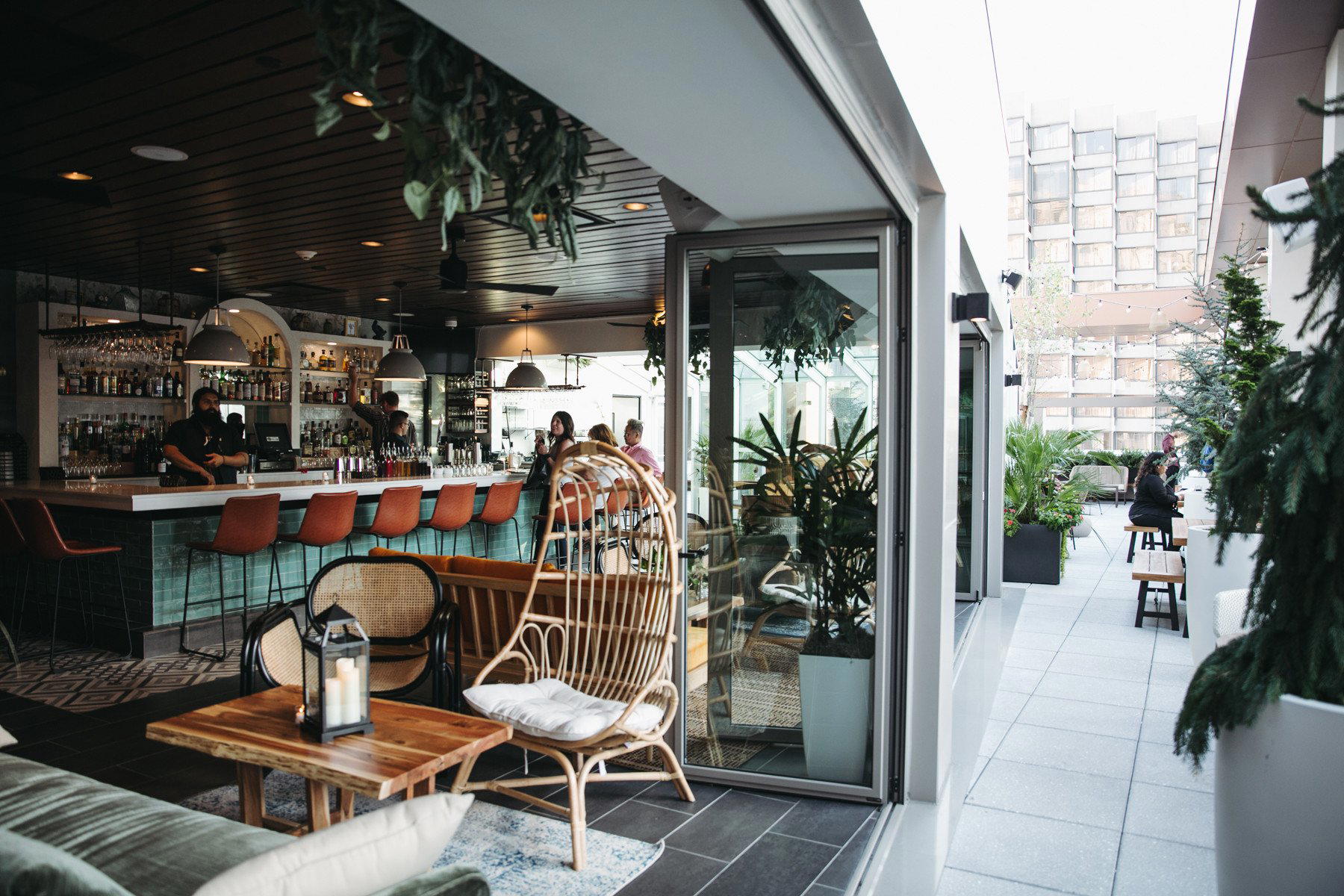
Casual dining atmosphere in a neighborhood staple setting.