Rice Field

Michelin Plate
Our verdict
A Michelin Plate recipient in consecutive years (2024 and 2025), Rice Field occupies a mid-range price position on Hồ Tùng Mậu in District 1, making it one of the more accessible entry points into Michelin-recognised Vietnamese cooking in Ho Chi Minh City.

Pearl is the En Primeur Club membership app, where members save venues, book tables and use the concierge.
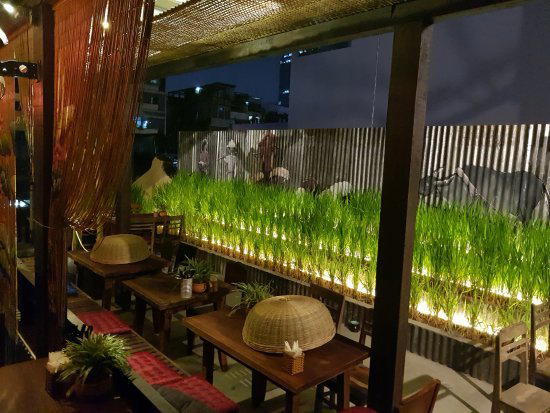
Where District 1 Vietnamese Cooking Meets Recognisable Benchmarks
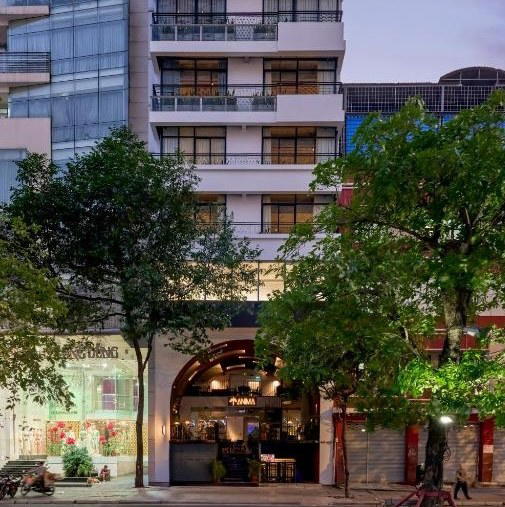
The stretch of Hồ Tùng Mậu in Bến Nghé sits close enough to the dense commercial core of District 1 that foot traffic arrives without much coaxing. Rice Field occupies numbers 75–77 on that street, a mid-block address that places it in a neighbourhood already navigated by travellers moving between the waterfront and the older French-quarter grid. The physical approach offers no grand announcement: the address fits a pattern common to this tier of Ho Chi Minh City dining, where the signalling is in the food and the recognition, not in architectural statement.
That recognition matters here. Rice Field has carried a Michelin Plate in both 2024 and 2025, a consecutive acknowledgement that removes it from the sprawling anonymous mass of Vietnamese restaurants in the city and places it in a smaller, audited set. The Plate designation, which Michelin awards to restaurants serving food of good quality, is a floor signal rather than a ceiling one, it tells you the kitchen meets a consistent standard without claiming the ambition of a starred room. For District 1, where the ₫₫ price tier is crowded, consecutive Plate recognition is a meaningful differentiator. Compare that against the ₫ positioning of Bánh Xèo 46A, which operates at the stripped-back end of the market, or the ₫₫₫₫ territory of CieL and Long Trieu, and Rice Field sits at a sensible mid-point: accessible in price, accountable to a credentialling body.
The Role of Coffee in a Vietnamese Dining Room
Any serious account of dining in Ho Chi Minh City has to sit with coffee for a moment. Vietnamese café culture is not incidental to the meal; it is structurally woven into how people eat across the day. Cà phê sữa đá, iced coffee with sweetened condensed milk, arrives in tall glasses with ice that dilutes slowly, paced to conversation. The bitterness of robusta-heavy Vietnamese blends cuts through sweetness in a way that Arabica-dominant Western café culture rarely replicates, and that contrast governs the rhythm of meals here in a way that wine or spirits do in other cuisines.
In the context of a Vietnamese restaurant operating at Rice Field's tier, coffee is not a footnote to the food. It functions as a palate marker, the end of a meal signalled less by a dessert trolley than by the arrival of a drip filter or a condensed-milk glass. Egg coffee, cà phê trứng, began as a Hanoi tradition (an improvised response to milk shortages, a beaten egg yolk emulsified with condensed milk over espresso) but has migrated south and now appears in Ho Chi Minh City rooms of various registers. The drink's presence in a Vietnamese dining context communicates something about the kitchen's relationship to tradition: whether it is referencing northern technique, adapting it for southern palates, or ignoring it entirely in favour of a straight black finish. These choices are small but they read.
For travellers exploring the broader drinking culture that surrounds meals like this, our full Ho Chi Minh City bars guide maps the city's after-dinner options, from cocktail rooms to late café culture.
Reading the Menu Tradition
Vietnamese cuisine at this price point in District 1 tends to anchor around regional dishes that travel well across a generalist audience: southern-style caramelised claypot proteins, fresh herb-heavy salads, the grilled and wrapped formats that characterise central Vietnamese cooking, and broth-based dishes that reward slow eating. The ₫₫ tier in Ho Chi Minh City signals a kitchen cooking with reasonable ingredient quality and some care for presentation without the theatrical plating of the innovation-led rooms above it.
Rice Field's cuisine_type is recorded simply as Vietnamese, without a regional qualifier, which places it in the generalist category rather than a specialist niche like the Hội An-focused Bếp Người Hội An or the home-cooking register of Bếp Mẹ ỉn on Lê Thánh Tôn Street. That generalist framing, combined with consecutive Michelin recognition, suggests a kitchen confident in breadth rather than committed to a single regional identity. It is a different proposition from Béo Ơi or the courtyard-style address of Cục Gạch Quán, both of which carry their own sense of place and cooking identity.
For those exploring how Vietnamese cuisine is interpreted internationally, comparison points include Berlu in Portland and Camille in Orlando, where the translation of the cuisine operates under different ingredient and cultural pressures. Within Vietnam, the Hanoi counterparts, Tầm Vị, 1946 Cua Bac, and A Bản Mountain Dew, illustrate how northern technique and ingredient logic diverge from the sweeter, more herb-forward southern register that Ho Chi Minh City kitchens tend to favour.
Planning Your Visit
Rice Field sits at the ₫₫ tier, which in the context of Ho Chi Minh City means per-person spend at a level comfortable for multiple courses without the commitment of a tasting menu. The practical approach for those with fixed schedules is to check availability ahead of arrival rather than rely on the mid-week flexibility that works for lower-traffic rooms.
The Bến Nghé location is served by the city's broader District 1 infrastructure, and the address on Hồ Tùng Mậu is accessible on foot from most central accommodation. For those planning a wider stay, our full Ho Chi Minh City hotels guide covers the accommodation options close to this corridor, and our full Ho Chi Minh City restaurants guide maps the broader dining context across the city's districts. Those drawn to high-end Vietnamese cooking elsewhere in the country may also find reference value in Hibana by Koki in Hanoi or La Maison 1888 in Da Nang, both of which operate at markedly different price and ambition tiers. For experiences and activities around the city, our full Ho Chi Minh City experiences guide and wineries guide cover complementary itinerary options.
Frequently asked questions
What should I eat at Rice Field?
What the Michelin Plate recognition in 2024 and 2025 does confirm is that the kitchen meets a consistent quality standard within its Vietnamese cuisine category. Given the ₫₫ price tier and the generalist Vietnamese framing, the menu most likely covers the range of southern and central Vietnamese dishes common to Ho Chi Minh City at this level, broth dishes, grilled and wrapped formats, herb-heavy salads, and claypot preparations. Coffee, given its structural role in Vietnamese dining, is worth ordering as part of the meal rather than skipping for the more familiar end-of-service options.
Do they take walk-ins at Rice Field?
That said, District 1 dinner service at a recognised mid-range address can fill across peak hours, particularly on weekends. If your timing is fixed, confirming availability in advance is a reasonable precaution. The ₫₫ pricing means this is not a room where a booking failure costs you a rare tasting menu experience, but it is recognised enough within the city that assuming availability during prime hours carries some risk.
What's the defining dish or idea at Rice Field?
The Agave in Ubon Ratchathani comparison is a reminder that Michelin recognition at accessible price points is a wider regional pattern, not unique to Ho Chi Minh City.
A Quick Peer Check
| Venue | Cuisine | Price | Awards | Notes |
|---|---|---|---|---|
| Rice FieldThis venue (the venue you are viewing) | Authentic Vietnamese Home-Style | $10–20 | Michelin Plate | Not listed |
| Anan Saigon | Modern Vietnamese Street Food Fine Dining | $50–100 | 1 Michelin Star · World's 50 Best #86 | Vietnamese Street Food, ₫₫ |
| CieL | Modern Vietnamese Fusion Fine Dining | $100–150 | 1 Michelin Star · The Best Chef One Knife | Innovative, ₫₫₫₫ |
| Coco Dining | Progressive Vietnamese Fine Dining | $150–200 | 1 Michelin Star | Innovative, ₫₫₫ |
| Long Trieu | Michelin-Starred Cantonese | $50–100 | 1 Michelin Star · La Liste Top Restaurants | Cantonese, ₫₫₫₫ |
| Bánh Xèo 46A | Traditional Vietnamese Bánh Xèo | $10–20 | Michelin Bib Gourmand | Vietnamese, ₫ |
Recognition history
Dated appearances from independent guides and award organizations, with the underlying list record or original source where available.
Michelin Plate
Michelin
Full recognition history (3 entries)
Michelin Plate
Michelin
Michelin Plate
Michelin
Continue exploring
More in Ho Chi Minh City
Restaurants in Ho Chi Minh City
All restaurants in Ho Chi Minh City →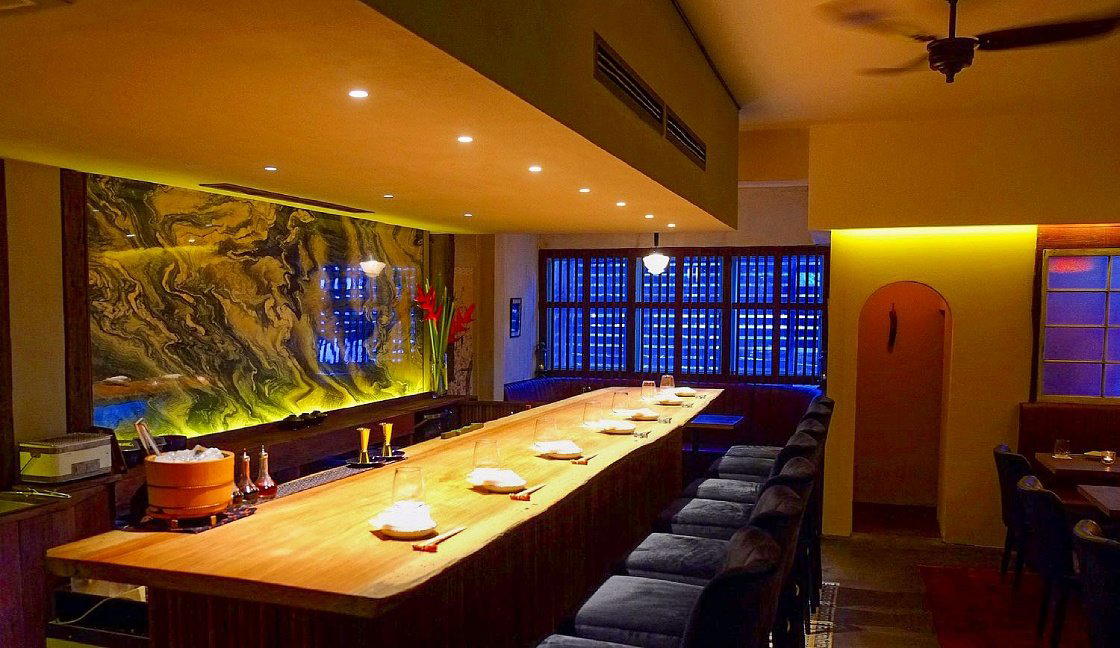
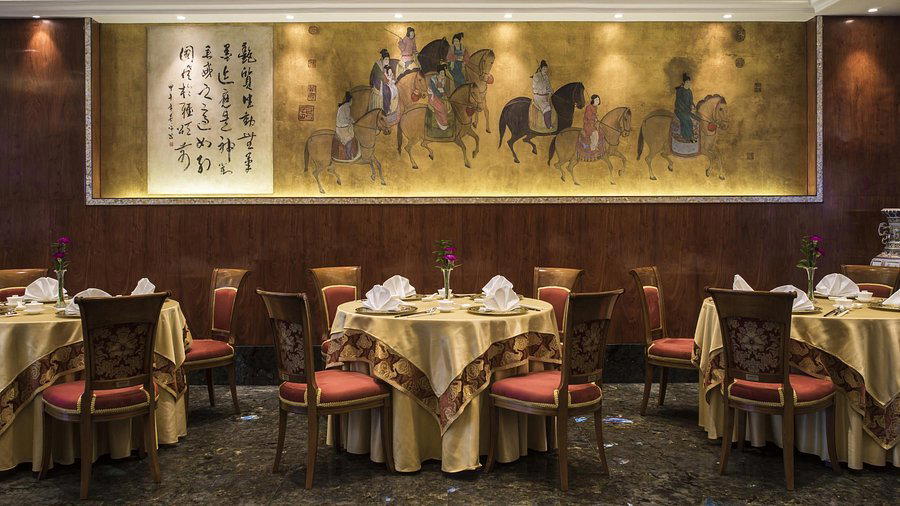
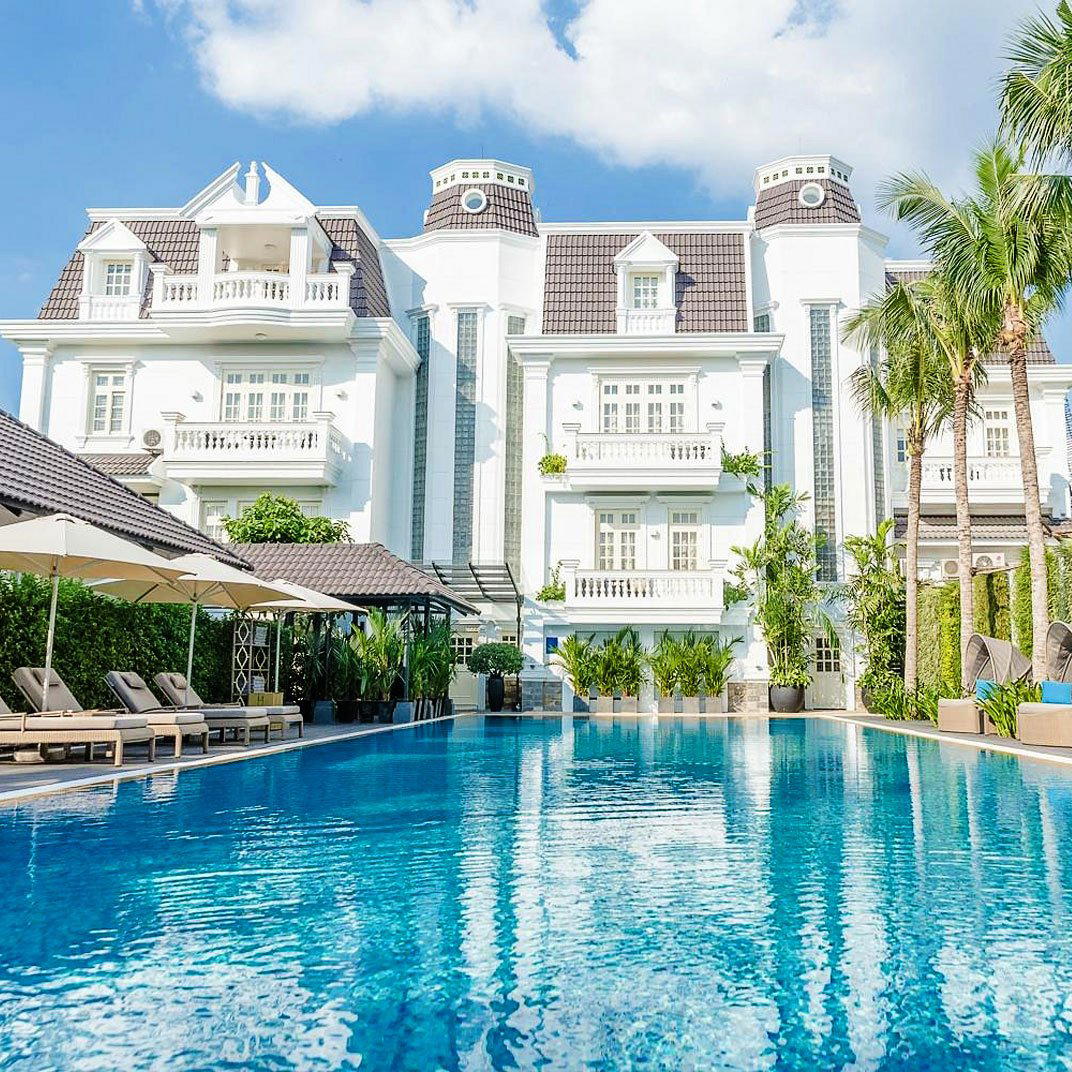
Bars in Ho Chi Minh City
All bars in Ho Chi Minh City →
Details
- Rustic
- Cozy
- Family
- Casual Hangout
- Rooftop
- Open Kitchen
- Street Scene
- A La Carte
- Vegetarian Friendly
- Vegan Options
- Gluten Free Options
Current opening hours
- Monday
- 10 AM–12 AM
- Tuesday
- 10 AM–12 AM
- Wednesday
- 10 AM–12 AM
- Thursday
- 10 AM–12 AM
- Friday
- 10 AM–12 AM
- Saturday
- 10 AM–12 AM
- Sunday
- 10 AM–12 AM
Hours can change for holidays and private events. Hours as of .
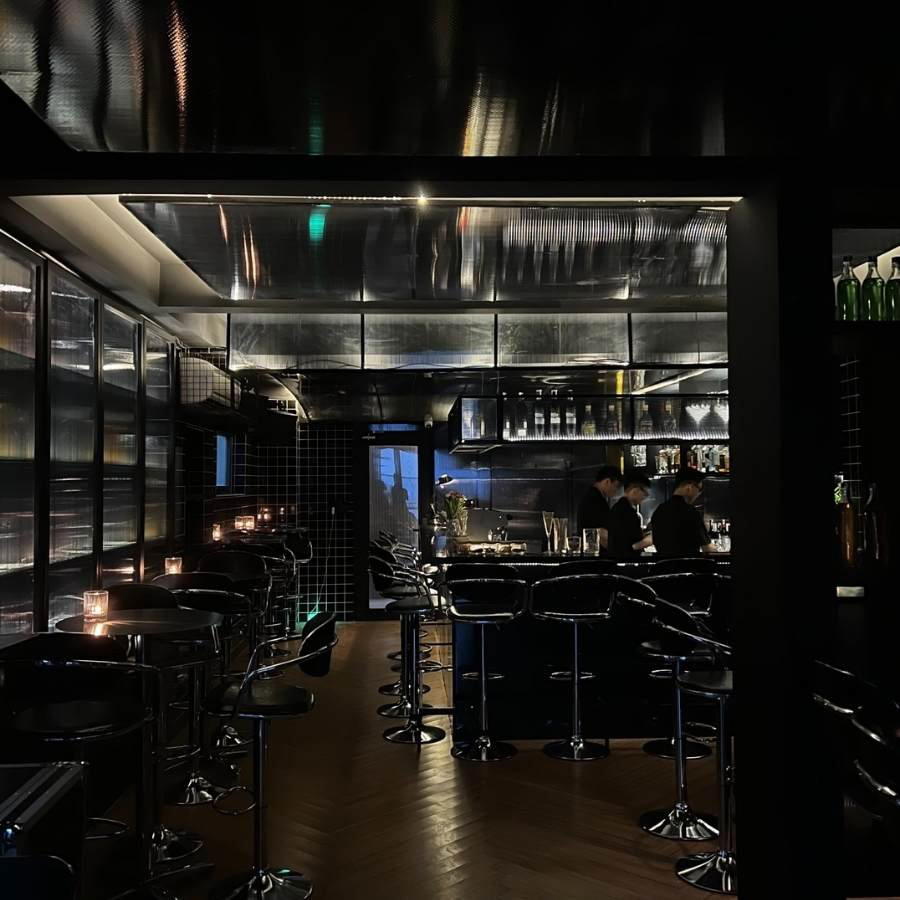
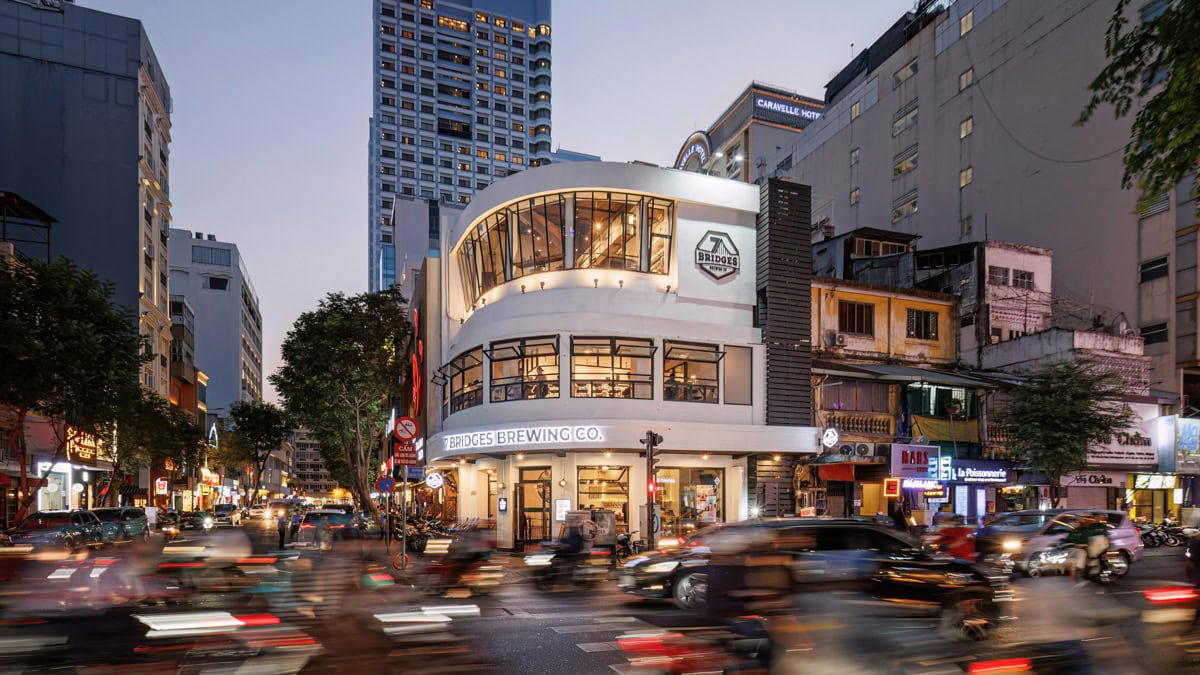
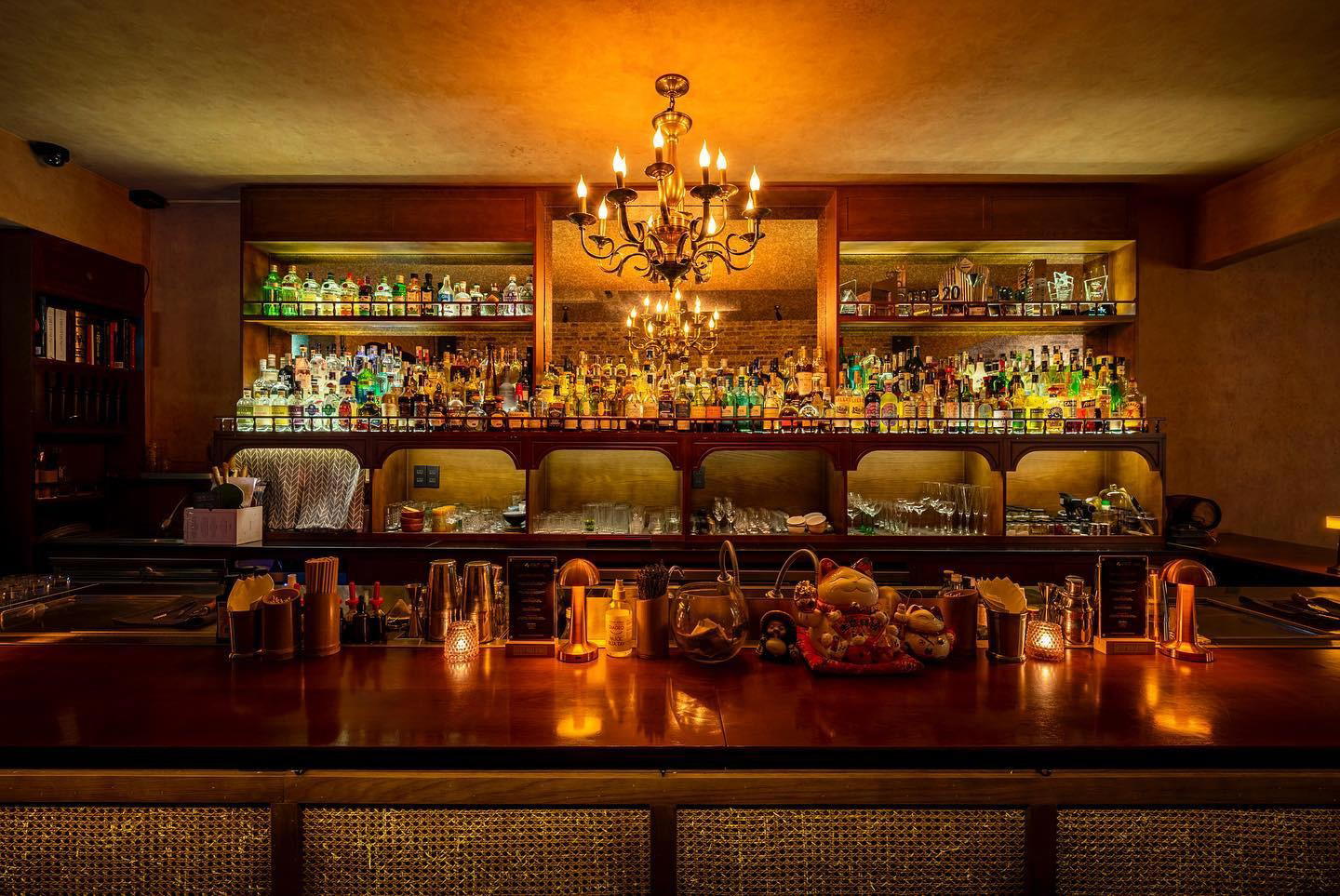
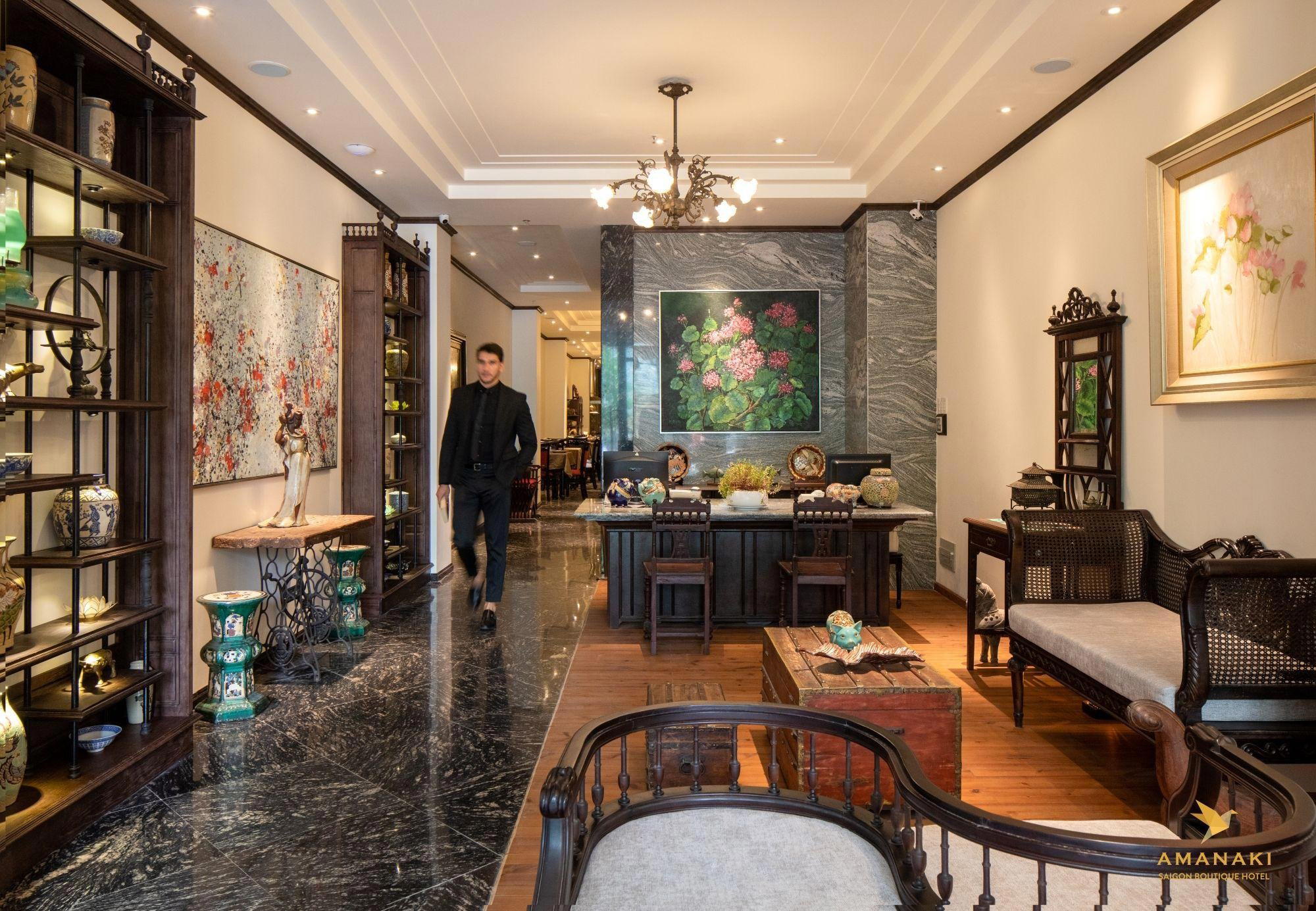
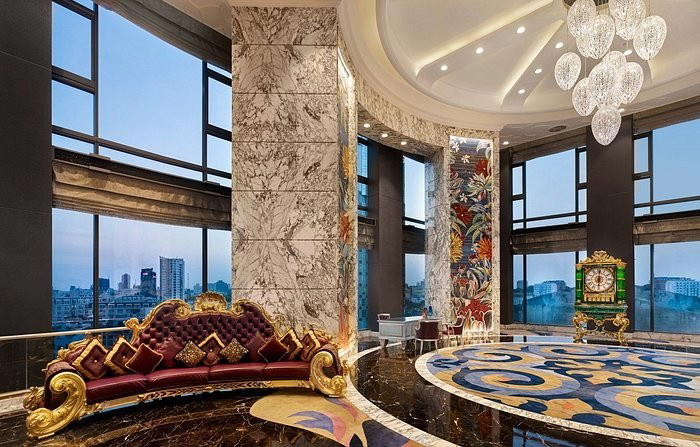
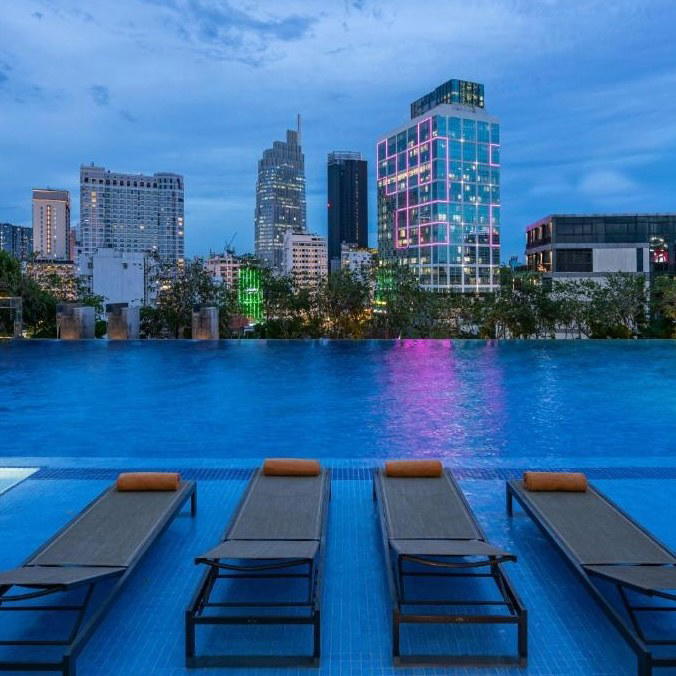
Rustic decor inspired by Vietnamese countryside rice fields and villages, cozy atmosphere across three levels with an open-air rooftop.