Vietnam House

Michelin Plate
Our verdict
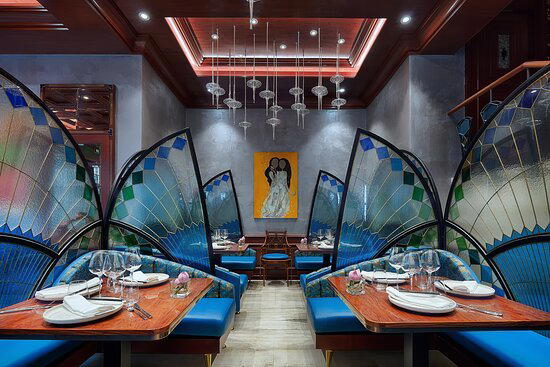
A Michelin Plate recipient in both 2024 and 2025, Vietnam House occupies a heritage address on Đồng Khởi Street in District 1, where traditional Vietnamese cooking is presented in a setting that reads as colonial-era Ho Chi Minh City rather than street-corner canteen.

Pearl is the En Primeur Club membership app, where members save venues, book tables and use the concierge.
The menu
What to order
- Twice Cooked Duck Breast with Plum Sauce
- Fresh Rolls with Prawns and Pork
- Abalone Soup
- Softshell Crab
- Jackfruit Salad
Đồng Khởi and the Weight of Address
There is a particular category of Vietnamese restaurant that Saigon produces with more confidence than most cities produce anything: the heritage dining room. On Đồng Khởi, the street that once connected French colonial administration to the Saigon River, and that now anchors District 1's most established commercial corridor, the physical environment does considerable work before a dish arrives. Vietnam House operates within that context. The French-colonial shophouse facade at 93-95-97 Đồng Khởi signals a deliberate positioning: this is Vietnamese cooking inside architecture that carries the city's layered history, not a canteen optimised for turnover.
That address places Vietnam House in a particular competitive tier. The restaurant sits above entry-level pho-and-bun-bo specialists, most of which operate from tiled shopfronts with plastic stools and laminated menus, and well below the innovation-forward rooms like CieL at ₫₫₫₫ pricing. At ₫₫, it occupies the mid-range bracket where traditional Vietnamese cooking is presented with some formality, comparable in price positioning to Bánh Xèo 46A, though the latter leans into a single-dish identity, while Vietnam House reads as a broader-repertoire room.
The Broth Question, and Why It Matters Here
In Vietnamese cooking, pho is less a dish than a diagnostic. A kitchen's commitment to broth depth, the hours of bone simmering, the charred onion and ginger, the spice balance between star anise and cinnamon, tells you something immediate about its broader approach to technique. The pho ritual in Ho Chi Minh City differs from its Hanoi counterpart in meaningful ways: southern pho typically arrives with a fuller condiment table, a wider spread of fresh herbs, bean sprouts, and hoisin for self-assembly, and a broth that runs slightly sweeter and more complex than the restrained northern style.
A heritage room on Đồng Khởi, serving a tourist-facing and local-business clientele at this price point, has to perform that ritual credibly or risk becoming a set-piece. Vietnam House's Michelin Plate recognition in both 2024 and 2025 suggests the kitchen is meeting a standard that the Guide's inspectors find worth noting, the Plate designation signals food worth eating rather than a technical ceiling reached, and in a city where Michelin's Vietnam coverage has grown quickly, maintaining it across consecutive years carries some weight.
The condiment table philosophy matters here as much as what comes out of the kitchen. Southern Vietnamese pho service asks the diner to participate: fresh Thai basil, sawtooth herb, bean sprouts, lime wedges, and chilli slices are not garnish but architectural material. The ratio at which a diner assembles them against the broth is a statement of regional literacy. A room that respects this ritual will offer the herbs in quantity, at temperature, and let the diner lead.
Where Vietnam House Sits in Saigon's Vietnamese Dining Tier
Ho Chi Minh City's Vietnamese restaurant scene has fragmented into distinct registers. At the street end, stalls and canteens operate on volume and speed, this is where the city's most technically precise pho often lives, cooked by specialists who do one thing across a lifetime. At the formal end, places like Cục Gạch Quán approach Vietnamese cooking as a heritage project with interior design to match, while others in the ₫₫₫₫ bracket treat Vietnamese ingredients as raw material for contemporary plating.
The mid-range heritage room, polished but not precious, traditional in menu scope, housed in architecture that reinforces the cooking's cultural context, is a smaller category, and Vietnam House occupies it on one of the city's most visited streets. This positioning makes it a logical reference point for travellers staying in District 1 hotels who want Vietnamese food presented with some coherence rather than the sensory improvisation of street eating. It also sits alongside other Michelin-acknowledged mid-range Vietnamese rooms in the city's growing recognition ecosystem, as the Guide has steadily extended its Plate and Bib Gourmand lists across Saigon since entering Vietnam.
For wider context on Vietnamese cooking across formats and price tiers in the region, Tầm Vị in Hanoi and 1946 Cua Bac in Hanoi represent how northern Vietnamese rooms handle the same heritage-restaurant register with a different regional accent. Outside Vietnam, Berlu in Portland and Camille in Orlando show how the diaspora interprets the same culinary tradition at a significant remove.
The Neighbourhood and What Surrounds It
Đồng Khởi in 2025 is both a tourist artery and a working commercial street, which means Vietnam House operates in a high-footfall zone where the competition for a dinner decision includes hotel restaurants, rooftop bars, and international chains.
The District 1 dining corridor extends in both directions from this address, with Vietnamese specialists of various registers within walking distance. Bếp Người Hội An brings central Vietnamese cooking into the mix, while Béo Ơi and Bếp Mẹ Ỉn on Le Thanh Ton Street represent the city's appetite for regional Vietnamese variation within the central district. Vietnam House's decision to anchor itself to a broad traditional menu rather than a single regional identity or format is a considered one for this address.
For those planning a broader stay, our full Ho Chi Minh City restaurants guide, hotels guide, bars guide, experiences guide, and wineries guide map the full picture. Elsewhere in Vietnam, Hibana by Koki in Hanoi and La Maison 1888 in Da Nang anchor the country's other major dining markets at the premium end, while A Bản Mountain Dew in Hanoi and Agave in Ubon Ratchathani extend the regional frame further.
Know Before You Go
| Address | 93-95-97 Đồng Khởi, Bến Nghé, District 1, Ho Chi Minh City |
|---|---|
| Price Range | ₫₫ (mid-range) |
| Awards | Michelin Plate 2024; Michelin Plate 2025 |
| Booking | Contact details not publicly listed, walk-in availability likely given the address and format, though peak dinner hours on Đồng Khởi warrant early arrival |
| Getting There | Central District 1; within walking distance of most Ben Thanh-area hotels |
Frequently asked questions
What awards or recognition does Vietnam House have?
Vietnam House has received recognition including: Michelin Plate (2025); Michelin Plate (2024).
What do regulars order at Vietnam House?
Consecutive Michelin Plate recognition in 2024 and 2025 points to a kitchen built around Vietnamese classics executed with consistency. In a heritage dining room at this price tier, broth-based dishes, pho, canh chua, and slow-simmered soups, are typically the measure of a kitchen's seriousness. Those dishes are the place to start.
What's the pricing like at Vietnam House?
Pricing at Vietnam House is listed as ₫₫.
Can I walk in to Vietnam House?
Vietnam House sits at 93-95-97 Đồng Khởi, a high-footfall artery in District 1 where hotel guests, riverfront visitors, and office workers converge throughout the day. Michelin Plate status draws deliberate diners, so peak lunch and dinner slots fill quickly. Arriving off-peak or checking availability before you show up is the more reliable approach.
What makes Vietnam House worth seeking out?
The Đồng Khởi address places it inside one of Saigon's most competitive dining corridors, yet back-to-back Michelin Plate recognition (2024 and 2025) confirms the kitchen holds its standard against that pressure. The mid-range price point makes it accessible by the standards of the neighbourhood, where comparable heritage rooms often charge considerably more.
A short peer table to compare basics side-by-side.
| Venue | Cuisine | Price | Awards | Notes |
|---|---|---|---|---|
| Vietnam HouseThis venue (the venue you are viewing) | Modern Vietnamese Fine Dining | $50–100 | Michelin Plate | Not listed |
| Anan Saigon | Modern Vietnamese Street Food Fine Dining | $50–100 | 1 Michelin Star · World's 50 Best #86 | Vietnamese Street Food, ₫₫ |
| CieL | Modern Vietnamese Fusion Fine Dining | $100–150 | 1 Michelin Star · The Best Chef One Knife | Innovative, ₫₫₫₫ |
| Coco Dining | Progressive Vietnamese Fine Dining | $150–200 | 1 Michelin Star | Innovative, ₫₫₫ |
| Long Trieu | Michelin-Starred Cantonese | $50–100 | 1 Michelin Star · La Liste Top Restaurants | Cantonese, ₫₫₫₫ |
| Bánh Xèo 46A | Traditional Vietnamese Bánh Xèo | $10–20 | Michelin Bib Gourmand | Vietnamese, ₫ |
Recognition history
Dated appearances from independent guides and award organizations, with the underlying list record or original source where available.
Michelin Plate
Michelin
Full recognition history (3 entries)
Michelin Plate
Michelin
Michelin Plate
Michelin
Continue exploring
More in Ho Chi Minh City
Restaurants in Ho Chi Minh City
All restaurants in Ho Chi Minh City →
Bars in Ho Chi Minh City
All bars in Ho Chi Minh City →
Details
- Elegant
- Romantic
- Sophisticated
- Classic
- Date Night
- Business Dinner
- Special Occasion
- Celebration
- Historic Building
- Design Destination
- Private Dining
- Extensive Wine List
- Beer Program
- Local Sourcing
- A La Carte
- Set Menu
- Wine
- Beer
- Vegetarian Friendly
- Gluten Free Options
- Allergy Accommodating
Current opening hours
- Monday
- 11:30 AM–3 PM, 5:30–10 PM
- Tuesday
- 11:30 AM–3 PM, 5:30–10 PM
- Wednesday
- 11:30 AM–3 PM, 5:30–10 PM
- Thursday
- 11:30 AM–3 PM, 5:30–10 PM
- Friday
- 11:30 AM–3 PM, 5:30–10 PM
- Saturday
- 11:30 AM–3 PM, 5:30–10 PM
- Sunday
- 11:30 AM–3 PM, 5:30–10 PM
Hours can change for holidays and private events. Hours as of .
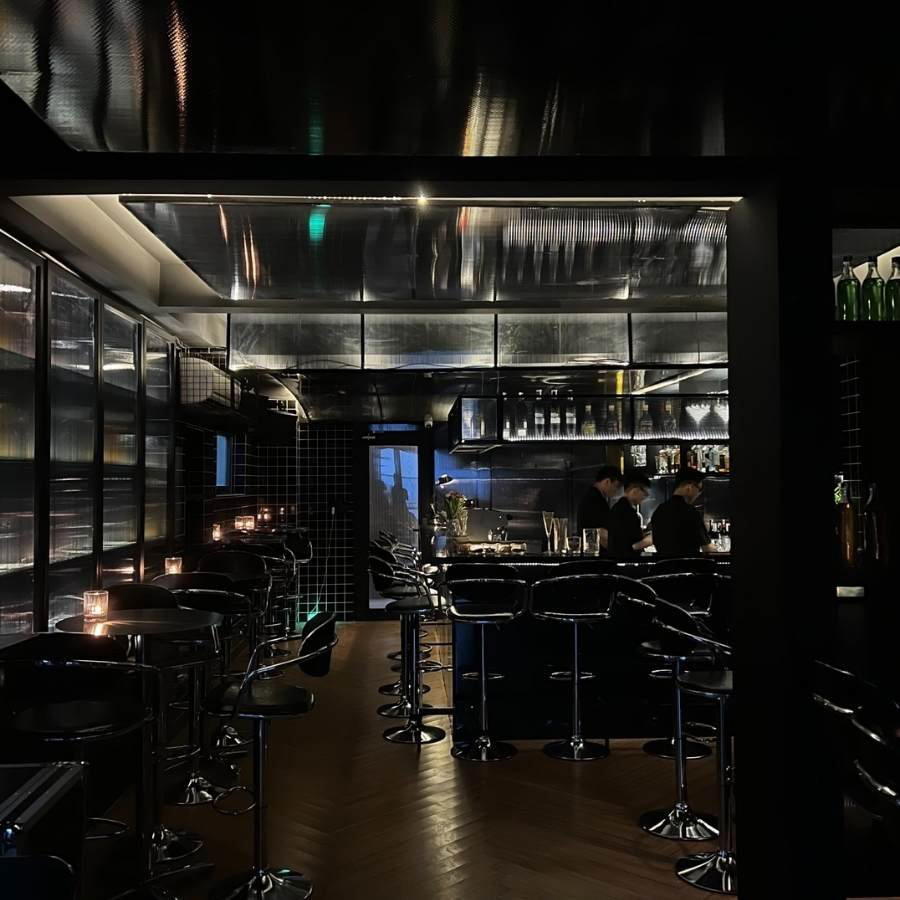
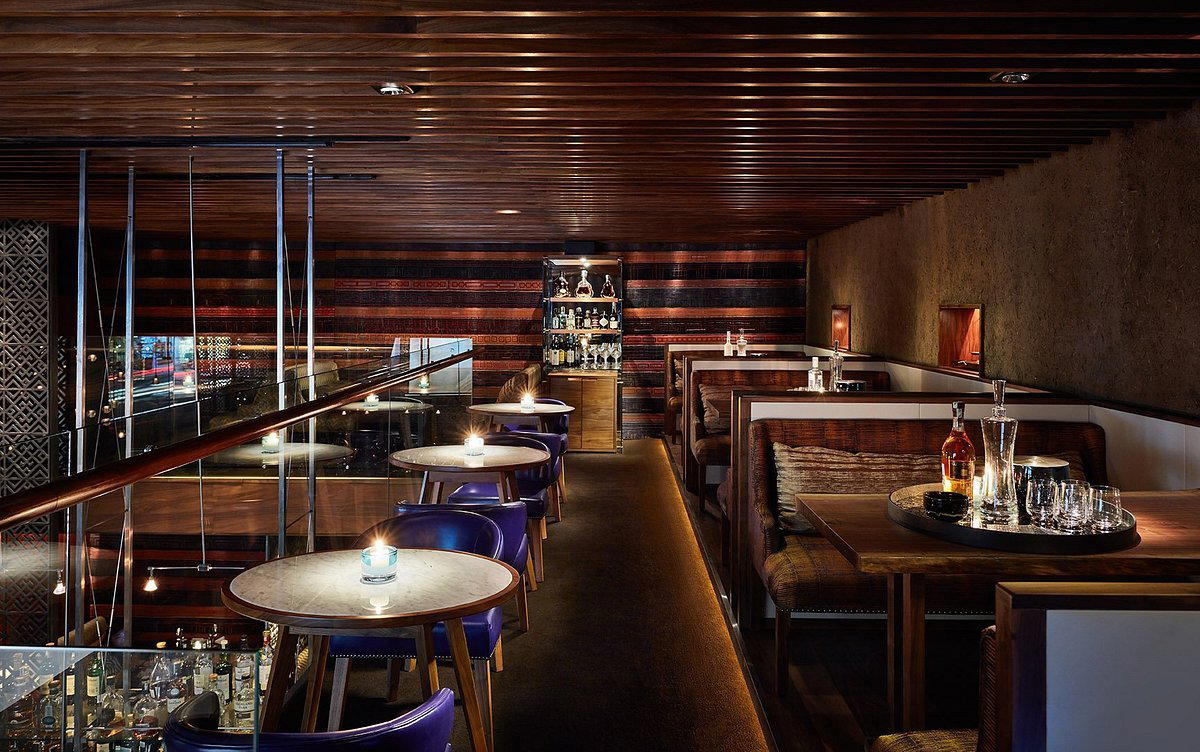
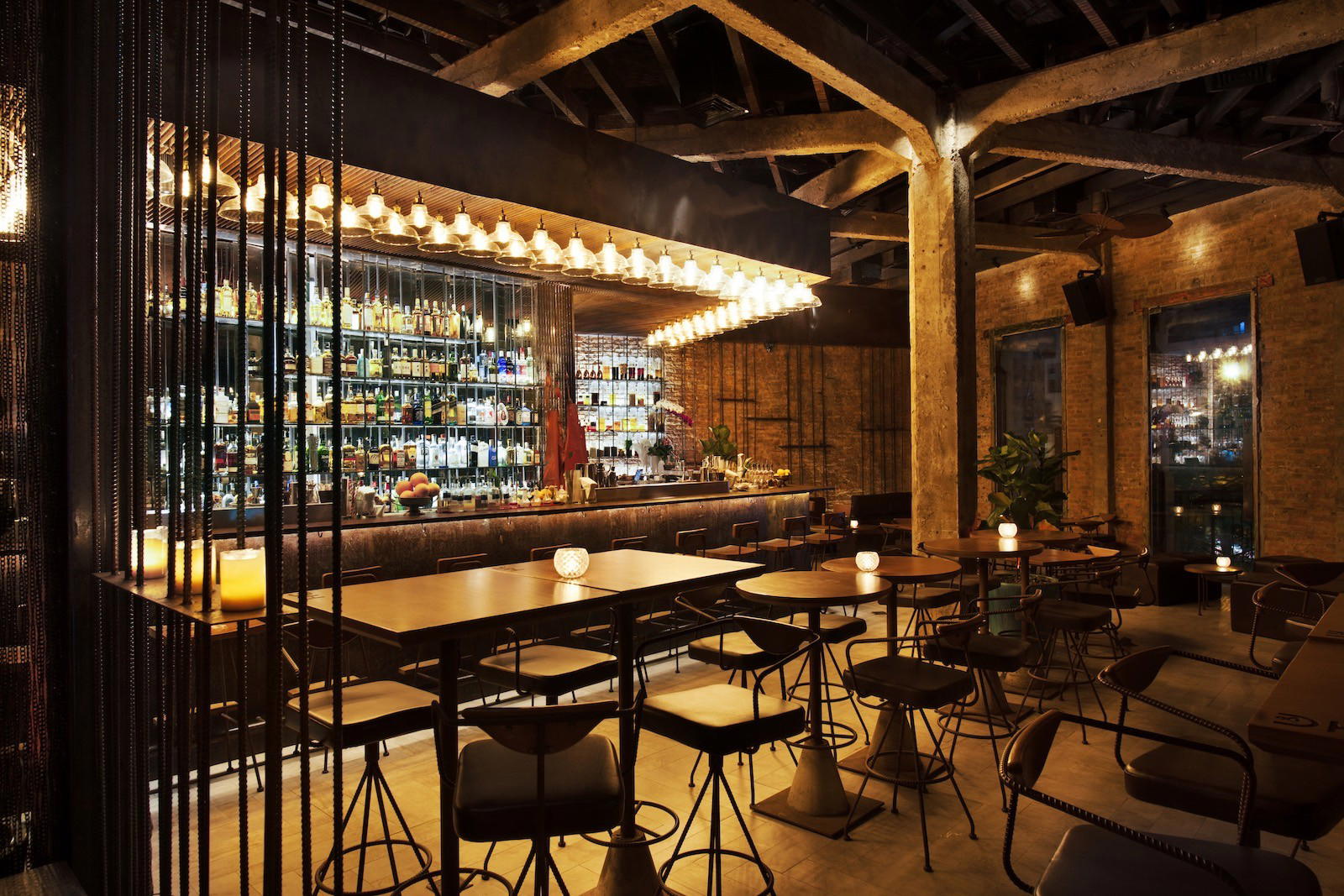
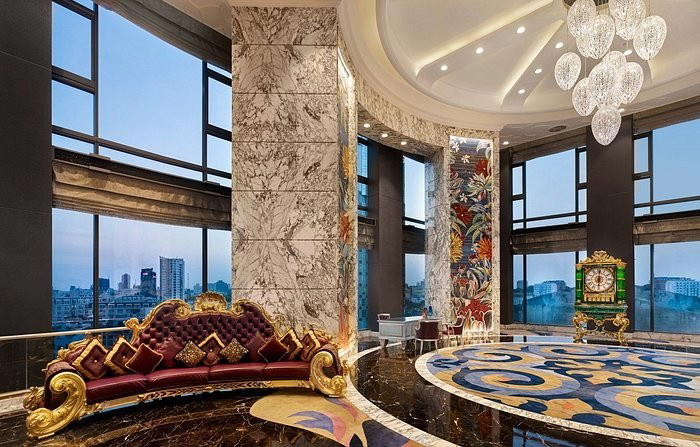
Warm and elegant with Art Deco features and colonial charm; well-lit dining room with beautiful decor and attentive service creating a sophisticated atmosphere.