Rhumb Lines Cuisine in Indigo Grill
Our verdict
Rhumb Lines Cuisine in Indigo Grill sits at the quieter, eastern end of St. John in Coral Bay, a village that trades Cruz Bay's ferry-crowd energy for a slower, more local rhythm. The kitchen draws on the Caribbean's historic trade-route ingredients and island-grown produce, positioning it within the small tier of St. John dining that prioritizes sourcing over spectacle. For travelers making the drive from Cruz Bay, the setting and the food both reward the effort.
The menu
What to order
- Shrimp Pad Thai
- Cracked pepper crusted tuna
- Chicken pot stickers
- Bacon-wrapped shrimp
Coral Bay's Culinary Position on St. John
St. John divides into two distinct dining zones that reflect very different visitor profiles. Cruz Bay, accessible by ferry from St. Thomas, concentrates most of the island's restaurant traffic and leans toward crowd-pleasing Caribbean standards. Coral Bay, a twenty-minute drive east along a ridge road with no guardrails and genuinely dramatic sea views, operates on a different register entirely. The village has long attracted long-term residents, sailors anchoring in the bay, and travelers who have made deliberate peace with limited infrastructure in exchange for something less packaged. The restaurants that survive here do so because the local community actually eats in them, not because a resort concierge sends guests their way. Rhumb Lines Cuisine in Indigo Grill sits inside that context, at 3 Estate Emmaus on the eastern approach to the village.
For a broader map of where this fits within the island's dining options, our full Coral Bay restaurants guide places it alongside the other venues worth knowing in this part of St. John.
What the Name Signals: Trade Routes and the Kitchen
The name "Rhumb Lines" is a navigational term, referring to a path that crosses all meridians at the same angle, the route that sailing ships once used to hold steady across open ocean. It is the kind of name that works as a thesis statement for a Caribbean kitchen: the dishes that define cooking across the Lesser and Greater Antilles arrived via those same shipping lanes, carried by traders, colonizers, and the enslaved people who were forced across them. African spice traditions, Dutch and Danish preservation techniques, Amerindian agricultural knowledge, and later Asian contract-labor foodways all converged in these islands over three centuries. A kitchen that takes that seriously has access to one of the most layered ingredient traditions in the Atlantic world.
That sourcing story matters because the U.S. Virgin Islands sit at an interesting moment in Caribbean food culture. A generation of chefs across the region has been pushing back against the all-inclusive buffet version of Caribbean cuisine, turning instead toward local fishing communities, small-scale farmers growing heritage cultivars, and the kind of spice combinations that reflect actual historical contact rather than resort-friendly compromise. The venues that participate in that shift tend to read differently from the ones that don't, even at the same price point. Restaurants like Emeril's in New Orleans built a national reputation partly by treating southern American ingredient traditions with archival seriousness; the same instinct, applied to Caribbean sourcing, produces a fundamentally different dining experience than menus assembled from commodity imports.
The Coral Bay Setting and Its Implications
Approaching Coral Bay from the Cruz Bay side, the road drops toward the water past hillside homesteads and secondary-growth forest. The village itself is small enough that most of its businesses are visible within a few minutes of arrival. Dining here is not preceded by valet parking or a lobby bar; the approach is more casual, the expectation more communal. Coral Bay's food scene has historically included a mix of beach-adjacent rum shacks, long-running local kitchens, and the occasional more ambitious project that survives on a combination of quality and word of mouth among repeat visitors.
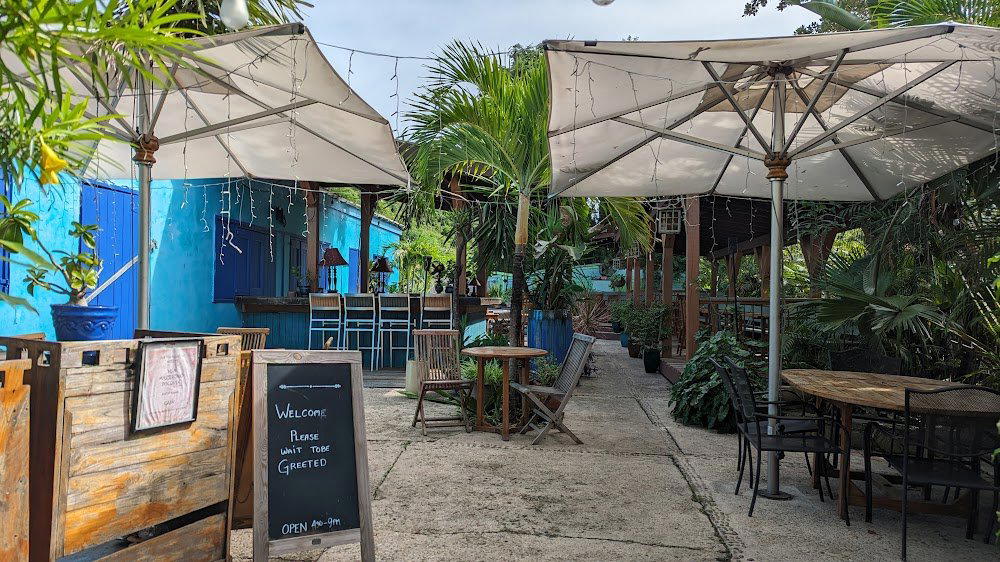
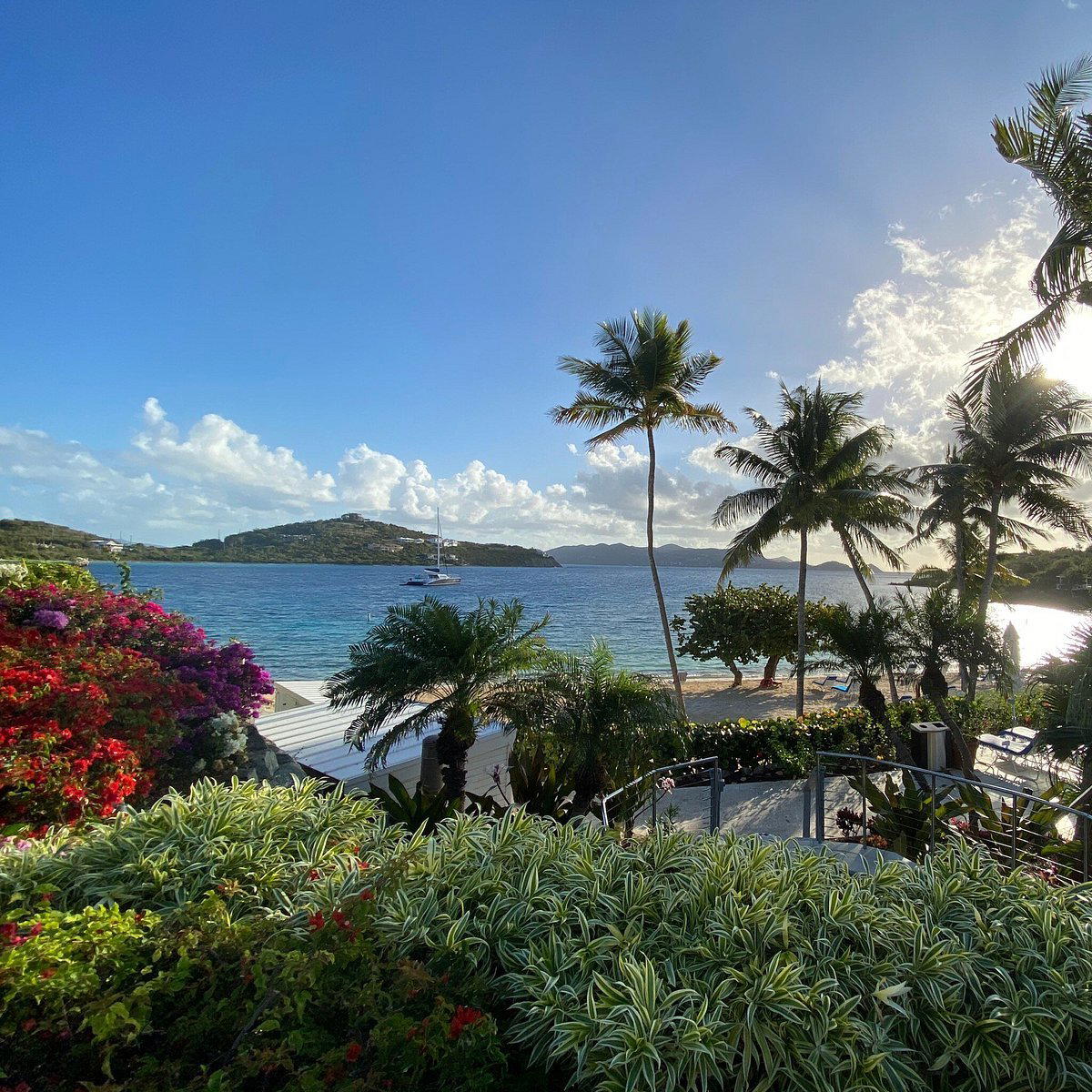
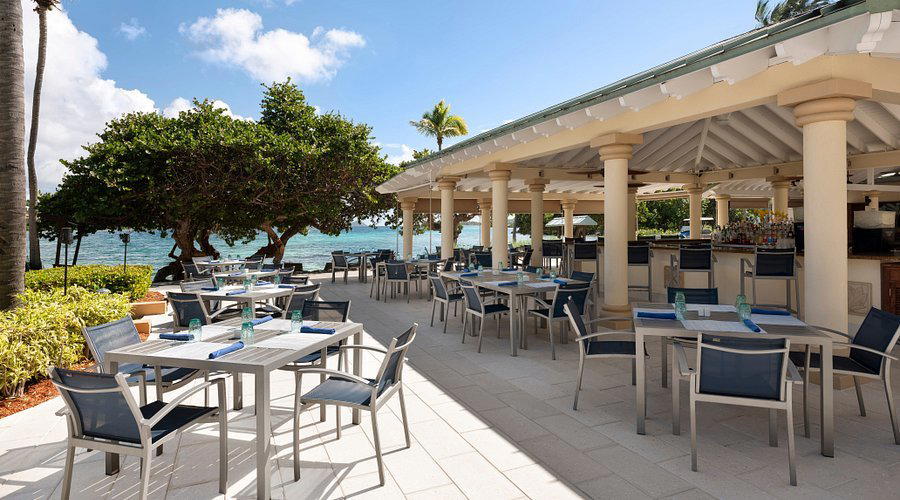
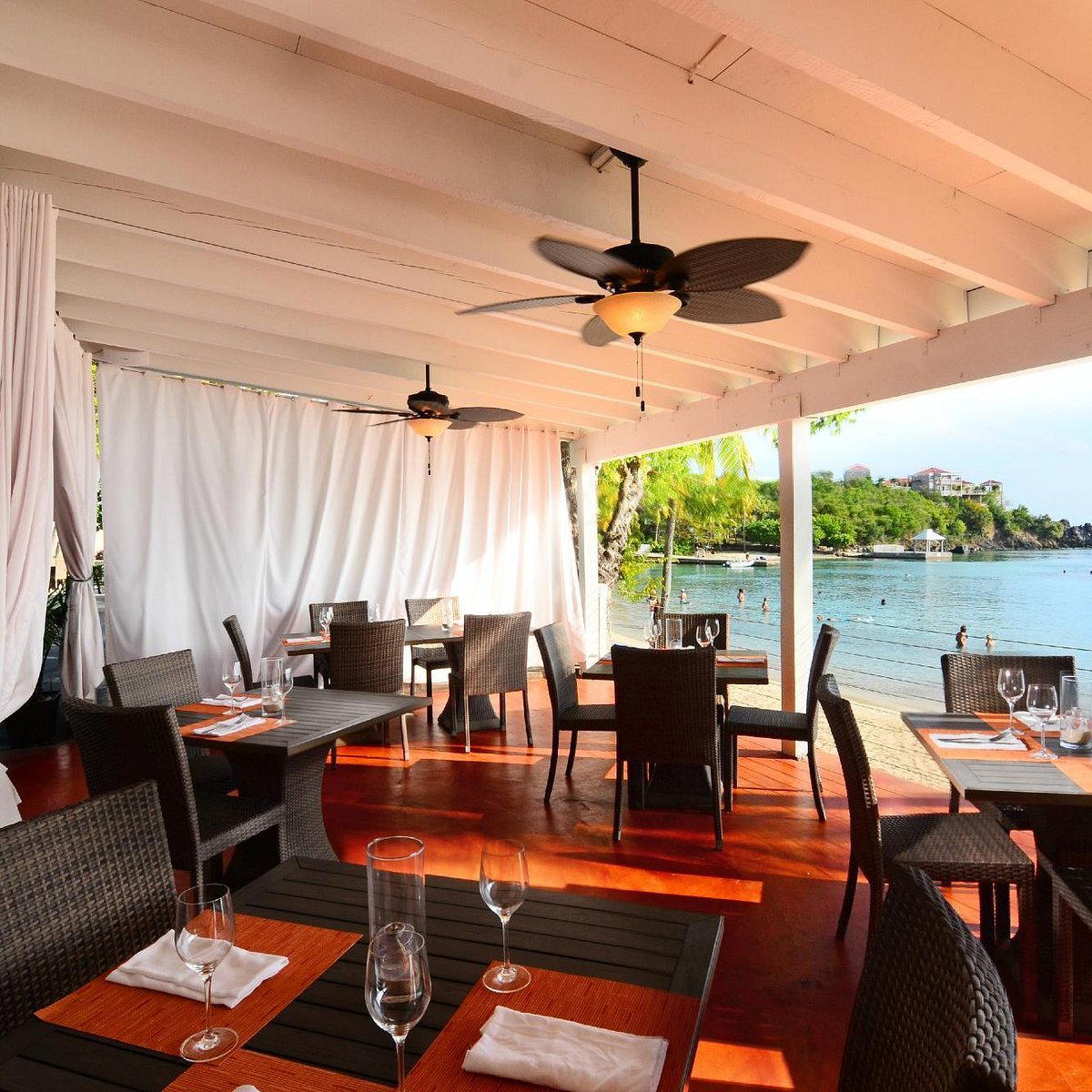
Indigo Grill as a physical space reflects that environment. The setting in the eastern Caribbean means open-air or semi-open dining is the norm rather than the exception, with ambient heat and salt air as constants rather than carefully managed variables. What this means for sourcing is practical as well as philosophical: kitchens in this part of the world without industrial supply chains tend to cook what arrives, what the local fishermen bring in, what the hillside gardens produce, and what holds in a Caribbean climate. That constraint, when treated seriously rather than apologetically, often produces menus with more genuine local character than their air-conditioned, fully-imported counterparts.
The contrast with St. John's other dining formats is worth understanding. Cruz Bay Landing in Cruz Bay operates in the higher-traffic zone with the accessibility advantages that come with it. On St. Thomas, spots like Jen's Island Cafe and Deli in Charlotte Amalie and The Delly Deck in Charlotte Amalie East represent the more accessible, daytime-friendly end of Virgin Islands dining. On St. Croix, La Reine Chicken Shack in Christiansted and Franklin's on the waterfront in Frederiksted occupy the local-institution category that Rhumb Lines is reaching toward on St. John. Duffy's Love Shack in Red Hook sits at the opposite end of the tone spectrum, a party-forward bar-restaurant that makes no pretensions toward the sourcing-led register.
Sourcing in the Caribbean Context: Why It Is Harder Than It Looks
Running a kitchen with genuine local-sourcing ambitions in the U.S. Virgin Islands involves logistical challenges that mainland American restaurants rarely contend with. The islands import the majority of their food, and supply chains that run through St. Thomas can be disrupted by weather, shipping delays, and the economics of small-volume purchasing. Local fishermen operate on irregular schedules tied to conditions in the Sir Francis Drake Channel and the waters to the south. Small-scale agriculture on St. John exists but is not industrialized, which means quantities are limited and seasonality is real. Against that backdrop, a kitchen that commits to working with what the island actually produces is making an operational choice that costs more in planning than simply ordering from a mainland distributor.
This is the sourcing framework that kitchens at restaurants like Uliassi in Senigallia and Quattro Passi in Marina del Cantone have built careers around in the Italian coastal context, where proximity to specific fishing grounds and agricultural microclimates defines the menu. The geography differs, but the principle transfers: a kitchen tethered to what its region actually produces tells a more specific story than one that could operate identically in any port city with reliable freight. At the level of fine dining ambition, Atelier Moessmer Norbert Niederkofler in Brunico and Reale in Castel di Sangro have made regional specificity the entire editorial argument of their menus. Rhumb Lines operates at a different scale and in a different register, but the underlying sourcing logic is part of the same broader conversation about what it means for a restaurant to be genuinely of its place.
Planning a Visit
Frequently asked questions
Does Rhumb Lines Cuisine in Indigo Grill work for a family meal?
Coral Bay's dining scene runs considerably more casual than Cruz Bay's resort-facing restaurants, which generally makes venues here more accommodating for mixed groups and families. Rhumb Lines sits at 3 Estate Emmaus in a village setting where the pace slows considerably compared to the ferry-terminal side of the island. That relaxed cadence tends to suit unhurried family meals better than tightly timed tasting formats.
Is Rhumb Lines Cuisine in Indigo Grill better for a quiet night or a lively one?
Coral Bay draws a different crowd than Cruz Bay: fewer day-trippers, more long-term residents and sailors anchoring in the bay, which keeps the atmosphere grounded rather than festive. Rhumb Lines, positioned within this village at 3 Estate Emmaus, reflects that quieter east-end character. Expect conversation-friendly noise levels rather than a bar-forward energy. If you are after a late-night scene, Cruz Bay is the more reliable choice.
Why is Rhumb Lines Cuisine in Indigo Grill located in Coral Bay rather than Cruz Bay?
Cruz Bay concentrates the majority of St. John's resort infrastructure and ferry-dependent visitor traffic, which drives up rents and pushes kitchens toward high-volume, tourist-facing formats. Coral Bay, roughly twenty to twenty-five minutes east along Centerline Road, retains a working-village character with a sailing community and a longer-stay resident base, an audience more likely to value a kitchen with genuine local-sourcing ambitions over a standardised resort menu. Positioning at 3 Estate Emmaus in Coral Bay signals a deliberate alignment with that slower, more independent side of St. John rather than with the island's commercial ferry hub.
What do people recommend at Rhumb Lines Cuisine in Indigo Grill?
What the name itself signals, Rhumb Lines referencing the old sailing trade routes, suggests the kitchen orients around Caribbean ingredients and the maritime sourcing traditions associated with the region. For current menu specifics, visiting in person or checking recent local reviews on St. John community boards is the most reliable approach.
What part of town is Rhumb Lines Cuisine in Indigo Grill in?
Rhumb Lines Cuisine in Indigo Grill is located at 3 Estate Emmaus, Coral Bay, St John 00830, U.S. Virgin Islands, Coral Bay.
Do they take walk-ins at Rhumb Lines Cuisine in Indigo Grill?
Coral Bay operates at a slower pace than Cruz Bay, and restaurants here have historically been more amenable to walk-in traffic than their busier counterparts across the island. That said, the east end of St. John has attracted growing attention in recent years, so arriving early, particularly in peak winter season, is a sensible precaution.
At-a-Glance Comparison
| Venue | Cuisine | Price |
|---|---|---|
| Rhumb Lines Cuisine in Indigo GrillThis venue (the venue you are viewing) | Pacific Rim & Caribbean Fusion | Not listed |
| Duffy's Love Shack | Caribbean Bar Food | $30–50 |
| Cruz Bay Landing | American-Caribbean Seafood | $20–30 |
| La Reine Chicken Shack | Caribbean BBQ Chicken Shack | $10–20 |
Continue exploring
More in Coral Bay
Restaurants in Coral Bay
Browse all →
Bars in Coral Bay
Browse all →


Details
- Cozy
- Rustic
- Date Night
- Casual Hangout
- Open Kitchen
- Craft Cocktails
- Garden
- A La Carte
- Small Plates
- Vegetarian Friendly
- Vegan Options
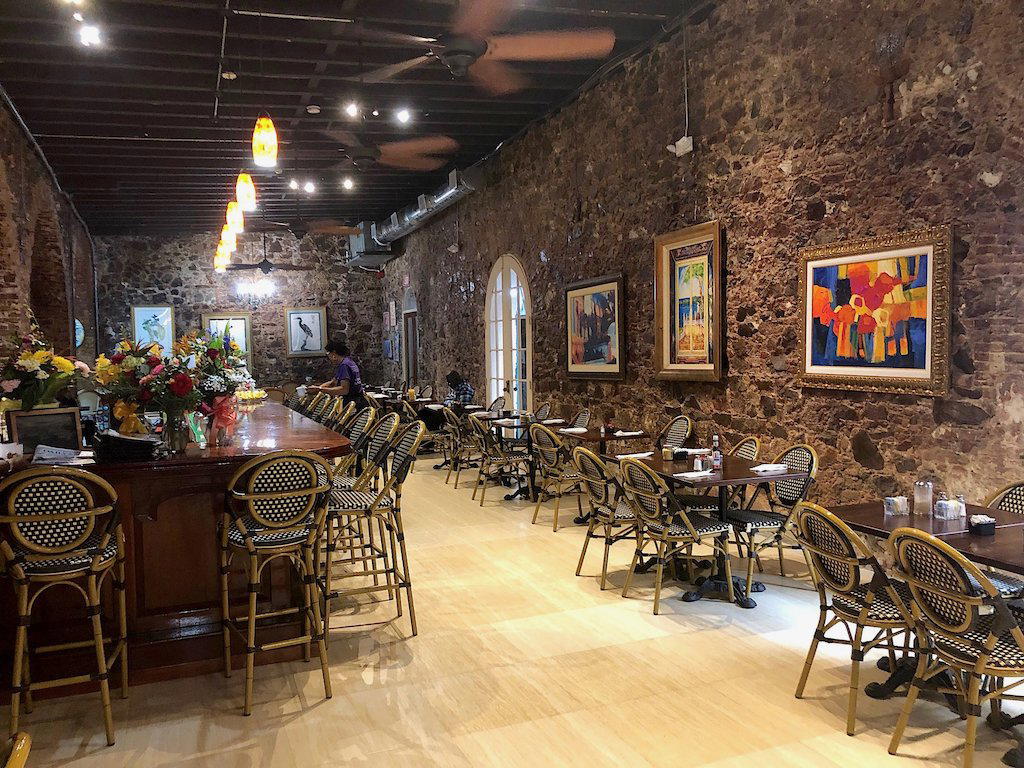
Cozy tropical setting with bamboo decor, local flora, paper lanterns, and a laid-back magical atmosphere enhanced by resident cats.