Cruz Bay Landing
Our verdict
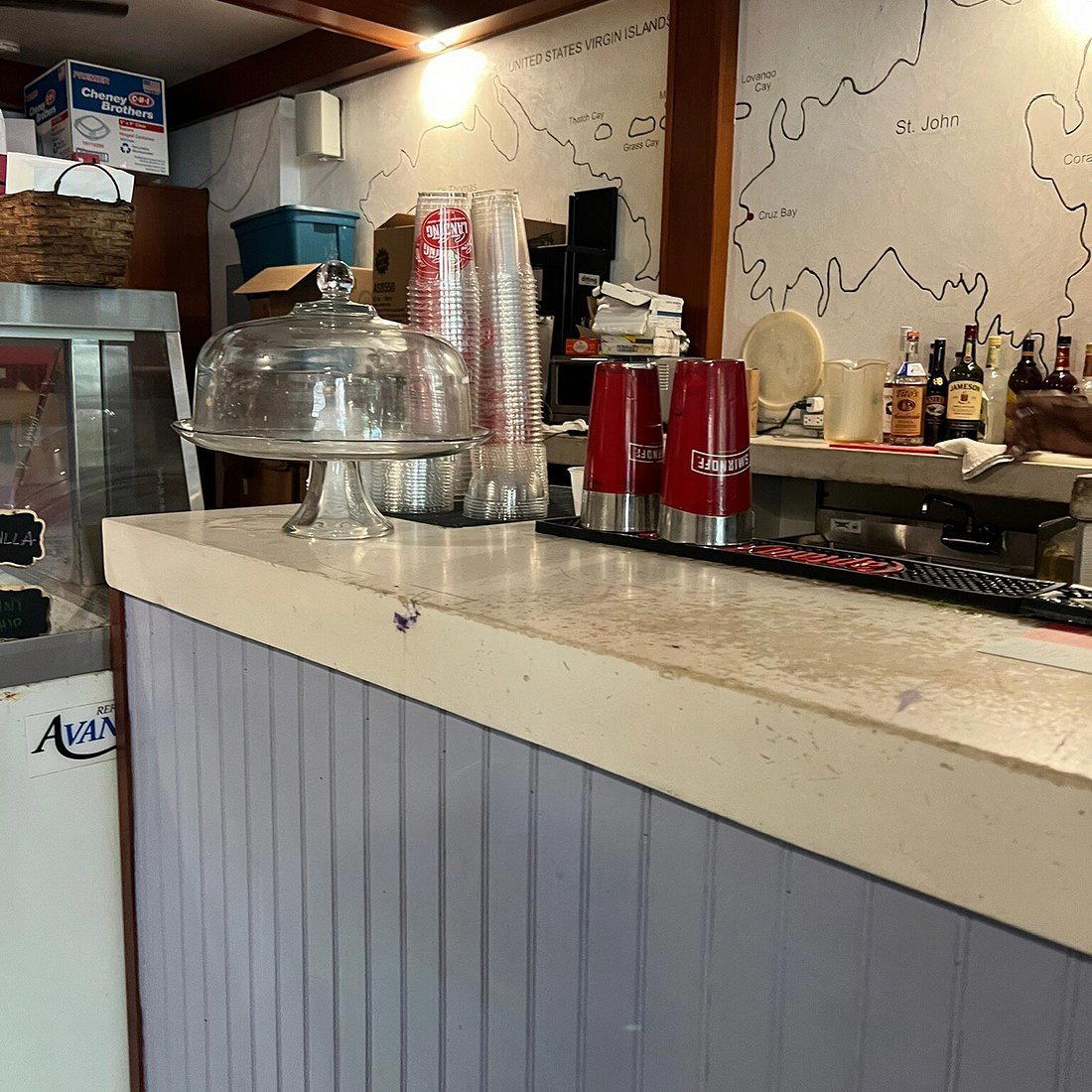
Cruz Bay Landing sits at the heart of St. John's most active waterfront, where the ferry traffic, local foot trade, and visitor flow all converge. The address places it squarely in the dining pattern that defines Cruz Bay: casual, accessible, and shaped by the island's geography as much as its kitchen. For an orientation to the town's eating scene, it belongs on the map.

Pearl is the En Primeur Club membership app, where members save venues, book tables and use the concierge.
The menu
What to order
- Crispy coconut shrimp-and-crab cakes
- Blackened Baja fish tacos
Where the Island Arrives
Cruz Bay is the point where St. John begins for almost everyone who visits. The ferry from St. Thomas deposits passengers within a short walk of the town's main cluster of restaurants, bars, and provisioners, and the energy at the waterfront reflects that constant arrival and departure. Dining here is not a retreat from the island's rhythm but a direct expression of it: open, informal, and conditioned by proximity to the sea. Cruz Bay Landing, addressed at 6 D Cruz Bay Town, sits within that convergence, positioned where the town's pedestrian traffic is at its most consistent.
The broader dining character of Cruz Bay has been shaped by two forces that pull against each other in interesting ways. The first is the tourist economy, which demands accessibility, speed, and familiar comfort. The second is the island's physical isolation from the continental supply chain, which pushes kitchens toward whatever arrives fresh and whatever the local fishing community brings in. The gap between those two pressures is where Cruz Bay's more interesting food tends to live. For context on the full range of options across the town, the EP Club Cruz Bay restaurants guide maps the scene across price points and formats.
The Sourcing Reality of an Island Kitchen
Understanding what ends up on a plate in Cruz Bay requires understanding the logistics of St. John's food supply. The island has no significant agricultural interior by mainland standards, no large commercial fishing fleet, and no direct air freight to speak of at the volume that sustains a high-throughput restaurant district. Most dry goods arrive by barge. Perishables make the same water crossing as the ferry passengers. This is not a constraint that kitchens here can engineer around in the way a San Francisco or New York operator might source from a dozen specialist farms within a day's drive. The equivalent conversation in those cities, about hyper-local provenance and farm-to-table specificity, takes a different form in the Virgin Islands.
What island kitchens in Cruz Bay can work with is the catch. Wahoo, mahi-mahi, lionfish (whose population control has become something of a conservation-driven sourcing story across the Caribbean), and whatever the local boats bring in on any given morning represent the most direct line between water and table. Restaurants along the Cruz Bay waterfront that commit to working with that variability tend to have menus that shift accordingly, which is a different kind of sourcing discipline than the one celebrated at, say, Aponiente in El Puerto de Santa María, where marine sourcing is the conceptual spine of the entire operation, but it reflects the same underlying logic: cook what the water gives you. For contrast in how sourcing shapes ambition at the highest level, the approaches at Le Bernardin in New York City and Amber in Hong Kong illustrate how dedicated seafood kitchens build identity around supply chain mastery. In Cruz Bay, that mastery is quieter and more pragmatic, but no less real in its effect on what arrives at the table.
Cruz Bay's Competitive Set
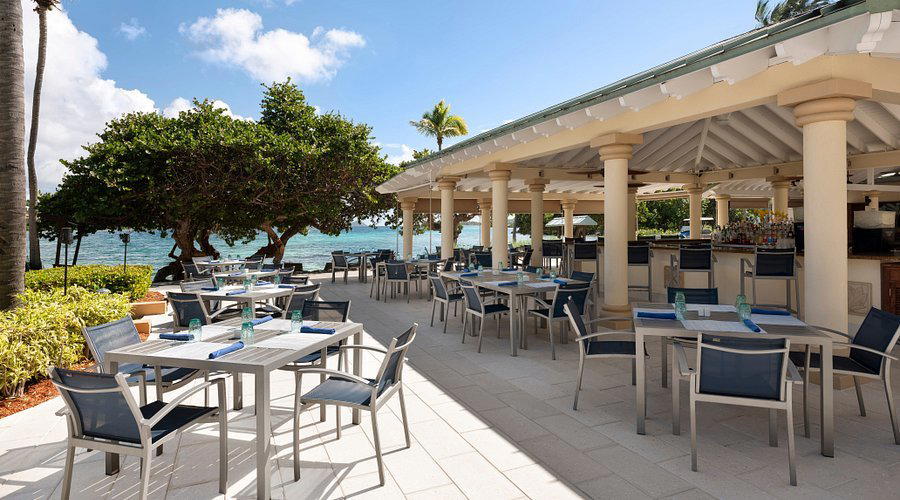
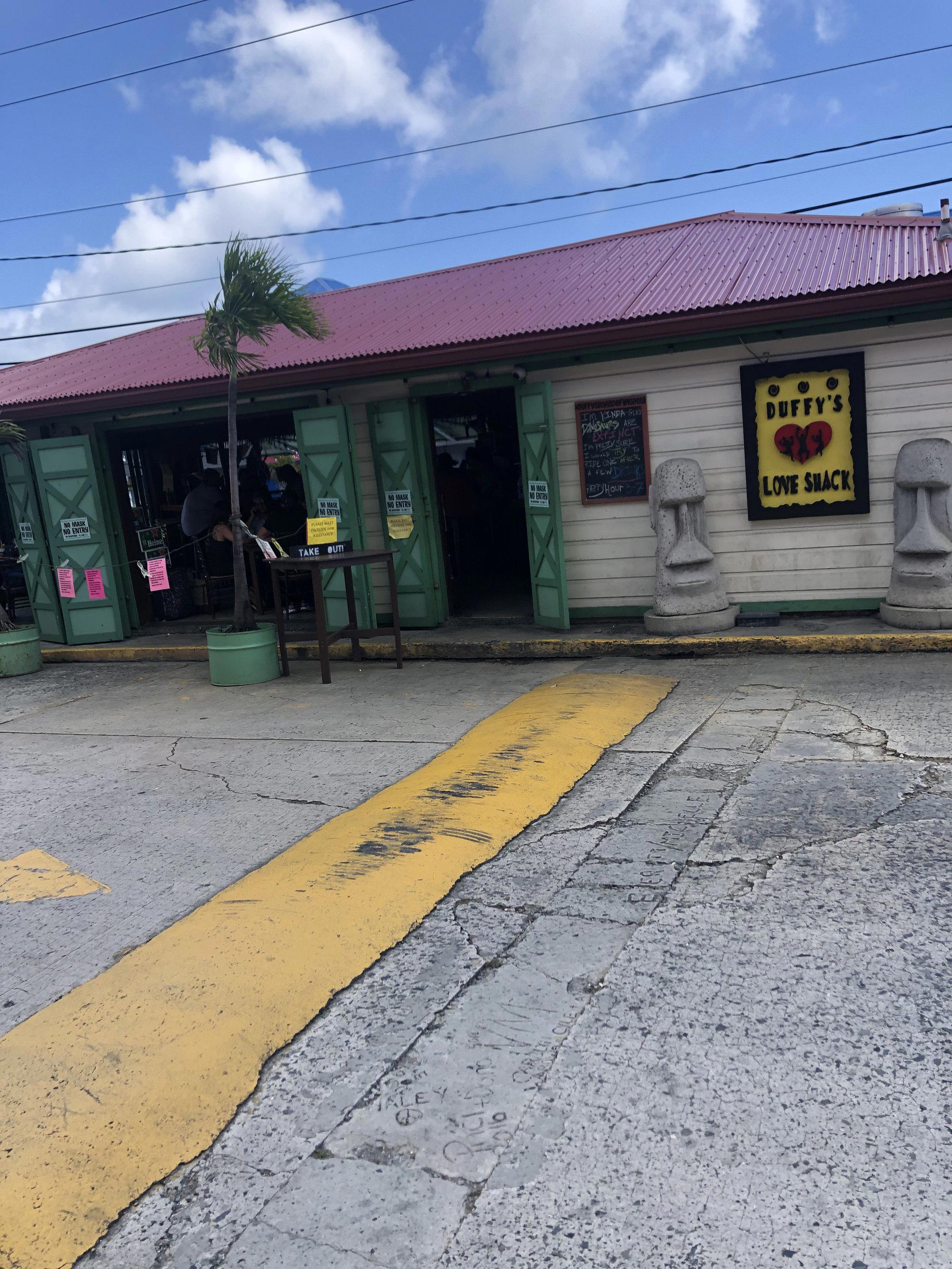
The waterfront dining pattern in Cruz Bay is broadly casual, with most operations prioritizing outdoor or open-air seating, accessible price points, and menus that work across lunch and dinner without demanding advance planning. This places Cruz Bay Landing in a peer group that includes Rhumb Lines Cuisine in Indigo Grill over in Coral Bay, which operates with a similar island-casual register on the quieter eastern end of St. John, and the more festive, drink-forward format of Duffy's Love Shack in Red Hook, which anchors the St. Thomas side of the ferry crossing and draws a consistent crowd on the strength of its atmosphere rather than culinary ambition.
Across the wider Virgin Islands, the dining scene distributes across several distinct registers. La Reine Chicken Shack in Christiansted, St. Croix represents the deeply local, no-frills end of the spectrum, while Franklin's on the waterfront in Frederiksted and Rhythms at Rainbow Beach in Frederiksted, St. Croix both work the beach-adjacent, casual-dining format that defines much of the territory's food culture. On St. Thomas, The Delly Deck in Charlotte Amalie East and The Twisted Cork Cafe in Charlotte Amalie represent the more urban, slightly more polished end of the territory's casual dining. Cruz Bay Landing sits within the St. John version of that pattern, which trends more relaxed and visitor-oriented than St. Thomas's Charlotte Amalie district.
What the Address Tells You
The Cruz Bay Town address is a logistical signal as much as a geographic one. It places the venue within easy reach of the ferry dock, the main taxi stand, and the cluster of shops and provisioners that form the town's commercial core. For visitors arriving from St. Thomas, this means Cruz Bay Landing is one of the first dining options within walking distance, which shapes the customer mix: a blend of day-trippers with a few hours on the island, charter boat crews re-provisioning, and longer-stay visitors who have made Cruz Bay their base. That mix influences what kitchens in this pocket of town tend to do well: approachable formats, moderate pacing, and menus that don't presuppose a long evening commitment.
For travelers who want to understand the full range of what careful sourcing and culinary ambition can look like across different contexts, the contrast between a Cruz Bay waterfront spot and a destination like Lazy Bear in San Francisco, Alinea in Chicago, or Atomix in New York City is instructive not as a hierarchy but as a map of what different dining contexts demand and reward. The ambition that drives Alain Ducasse at Louis XV in Monte Carlo or Alléno Paris au Pavillon Ledoyen operates in a different register entirely from what Cruz Bay's waterfront requires. Here, the measure of a good meal is more immediate: fresh fish, cold drinks, and a direct view of the harbor.
Planning Your Visit
Cruz Bay is most accessible by ferry from Red Hook on St. Thomas, with crossings running regularly throughout the day. The town's main restaurant cluster is walkable from the ferry terminal, which makes planning a meal at Cruz Bay Landing direct for day visitors and resort guests alike. Given the casual format common to this part of the waterfront, advance reservations are generally not a structural requirement in the way they are at destination restaurants like 8½ Otto e Mezzo Bombana in Hong Kong or Emeril's in New Orleans, but arriving outside peak lunch and dinner windows typically allows for a more relaxed experience. The high season for St. John runs from mid-December through April, when visitor volume is at its highest and waterfront spots fill quickly in the early evening.
Frequently asked questions
Is Cruz Bay Landing good for families?
Cruz Bay's waterfront dining scene runs casual and open-air, which generally works well for families arriving off the St. Thomas ferry. The Cruz Bay Town address puts the venue within the town's main restaurant cluster, close to the taxi stand and ferry dock, so logistics are straightforward for groups with children.
Is Cruz Bay Landing better for a quiet night or a lively one?
Cruz Bay Town functions as St. John's primary arrival and social hub, and the waterfront strip tends toward activity rather than seclusion, particularly on evenings when ferries are still running from Red Hook on St. Thomas. The address at 6 D Cruz Bay Town places the venue inside that social core rather than at the island's quieter edges. Travelers looking for a low-key meal would be better served by venues further from the ferry dock.
How close is Cruz Bay Landing to the St. Thomas ferry dock, and does that affect when you should arrive?
The 6 D Cruz Bay Town address places Cruz Bay Landing within the immediate ferry arrival zone, meaning foot traffic from the Red Hook crossing peaks in the late morning and early afternoon as day-trippers move through town. Arriving just ahead of those ferry windows, or later in the evening after the day-visitor crowd thins, tends to reflect the rhythm of the Cruz Bay dining scene broadly.
What's Cruz Bay Landing's location?
Cruz Bay Landing is located at 6 D Cruz Bay Town, St John, VI 00831, U.S. Virgin Islands, Cruz Bay.
Comparable Spots, Quickly
| Venue | Cuisine | Price |
|---|---|---|
| Cruz Bay LandingThis venue (the venue you are viewing) | American-Caribbean Seafood | $20–30 |
| Duffy's Love Shack | Caribbean Bar Food | $30–50 |
| Polly's At the Pier Cafe | American Waterfront Cafe | $10–20 |
| La Reine Chicken Shack | Caribbean BBQ Chicken Shack | $10–20 |
Continue exploring
More in Cruz Bay
Restaurants in Cruz Bay
All restaurants in Cruz Bay →
Bars in Cruz Bay
All bars in Cruz Bay →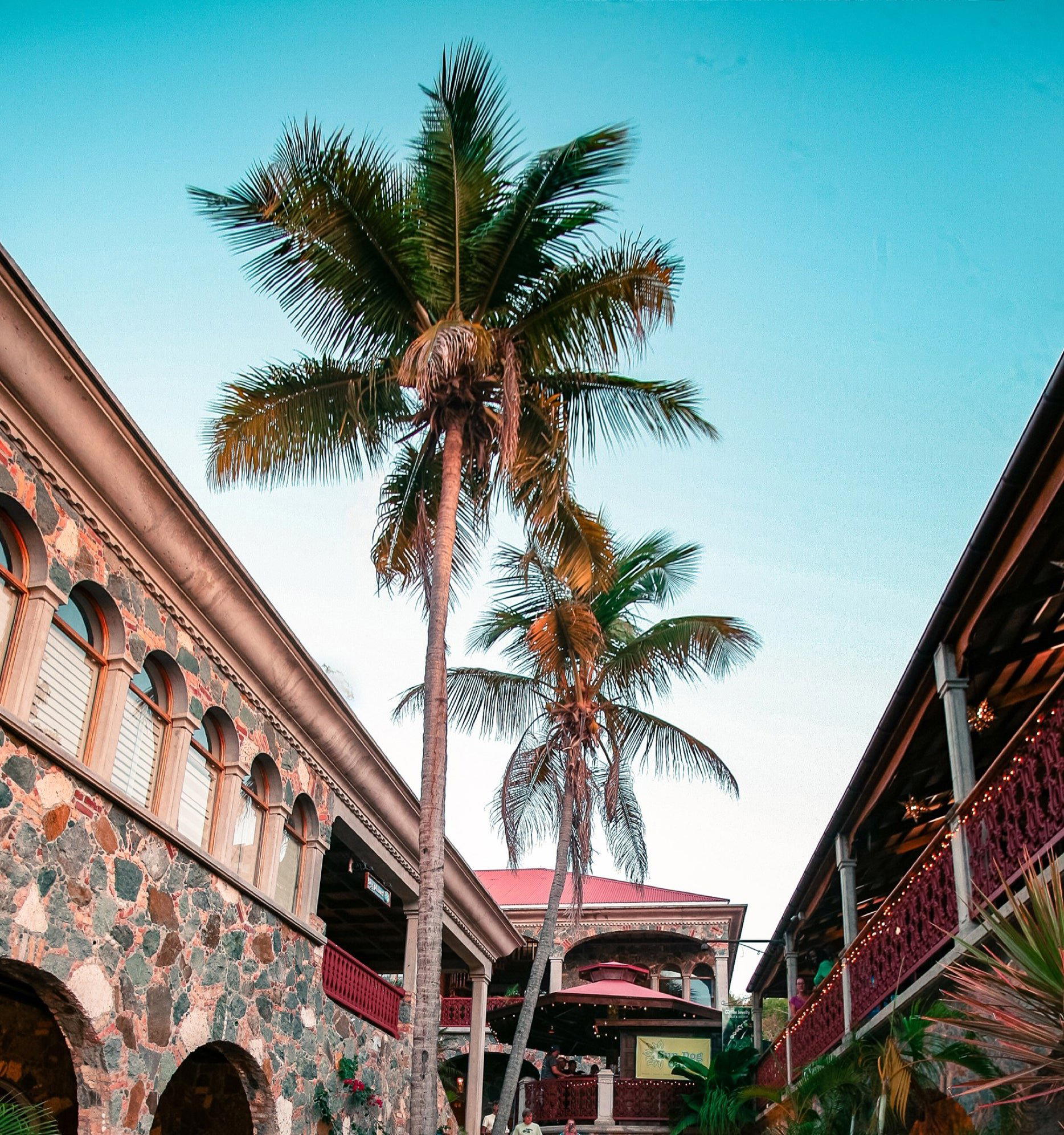



Details
- Casual
- Scenic
- Casual Hangout
- Brunch
- Waterfront
- Craft Cocktails
- Waterfront
- A La Carte
- Craft Cocktails
- Vegetarian Friendly
- Vegan Options
- Gluten Free Options
Current opening hours
- Monday
- 7 AM–9 PM
- Tuesday
- 7 AM–9 PM
- Wednesday
- 7 AM–9 PM
- Thursday
- 7 AM–9 PM
- Friday
- 7 AM–9 PM
- Saturday
- 7 AM–9 PM
- Sunday
- 7 AM–9 PM
Hours can change for holidays and private events. Hours as of .
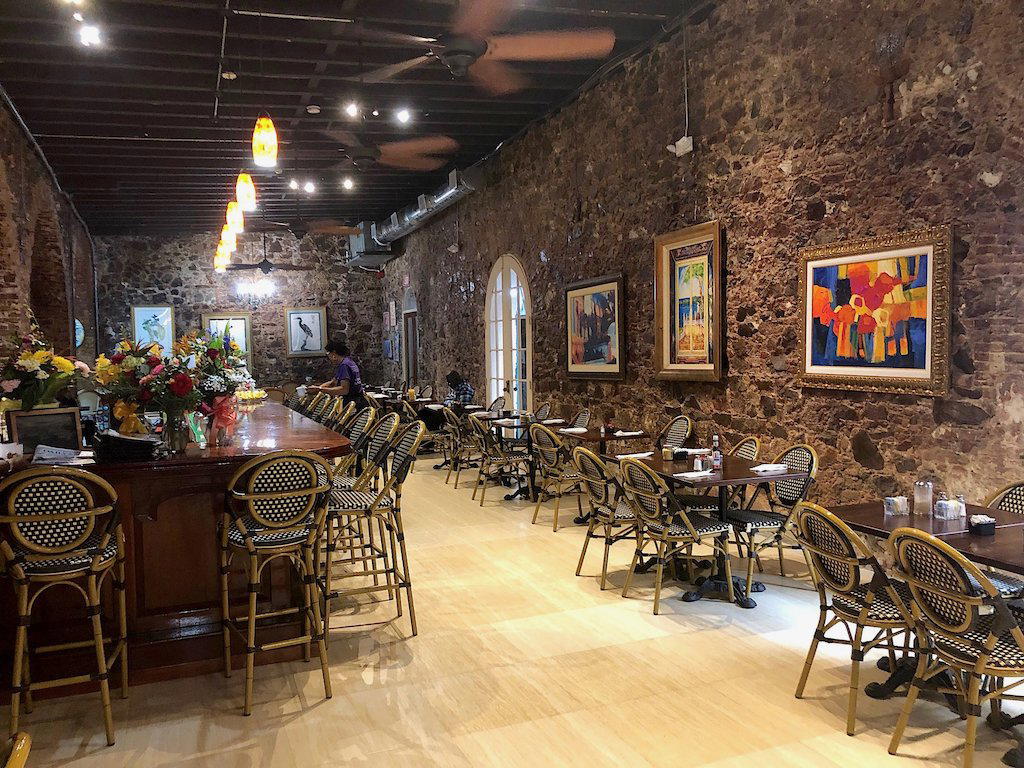
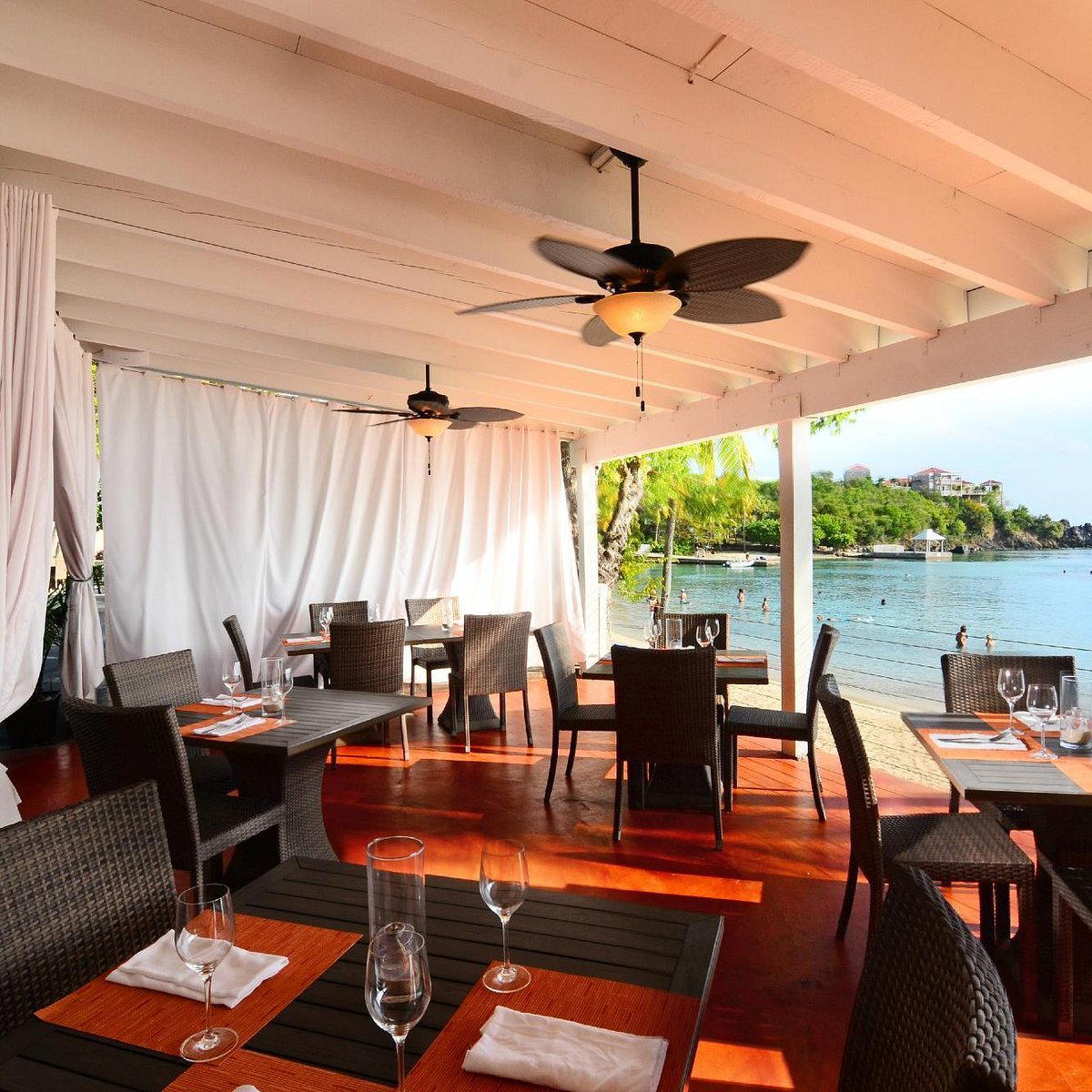
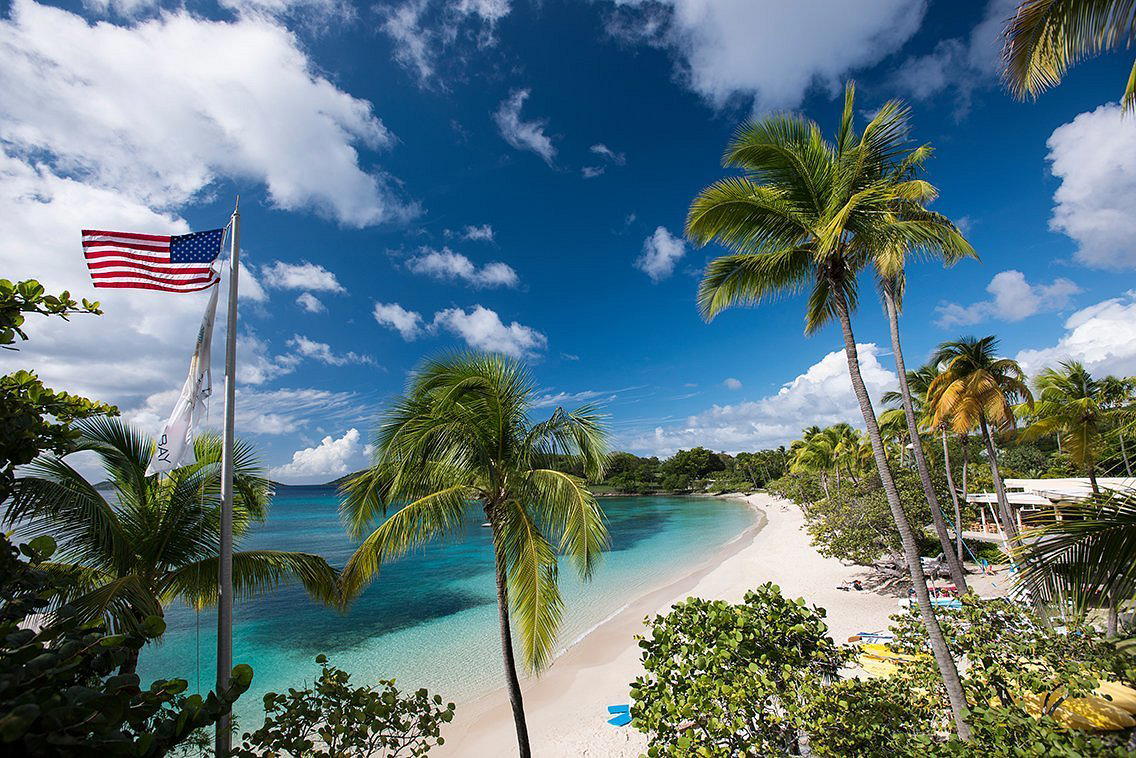
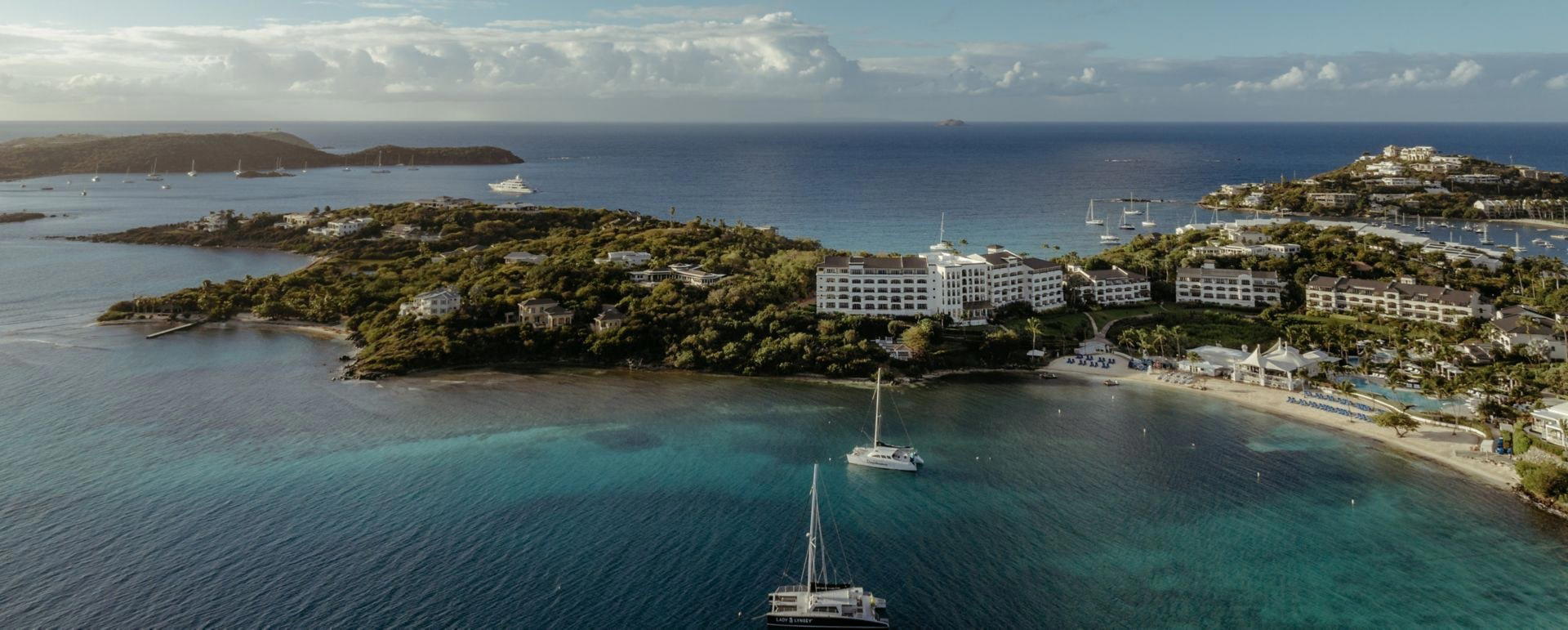
Casual open-air park atmosphere with waterfront views, lively bar seating, and a relaxed island vibe.