Reyhana
Our verdict
Al Corniche and the Question of Where Jeddah Eats Al Corniche Road runs along Jeddah's Red Sea waterfront with the kind of purposeful length that makes it a structural fact of the city rather than merely a scenic route. Restaurants positioned...

Pearl is the En Primeur Club membership app — saves, bookings, and concierge access live there. Same editors, same standards.
- Address
- Southern Corniche، District، Al Hamra, Jeddah 21493, Saudi Arabia
- Phone
- +966 50 066 2097
- Hours
- Daily 6:30–11 AM, 1–4 PM, 6:30–11:30 PM
- Website
- ritzcarlton.com
- Directions
- Get directions
The menu
What to order
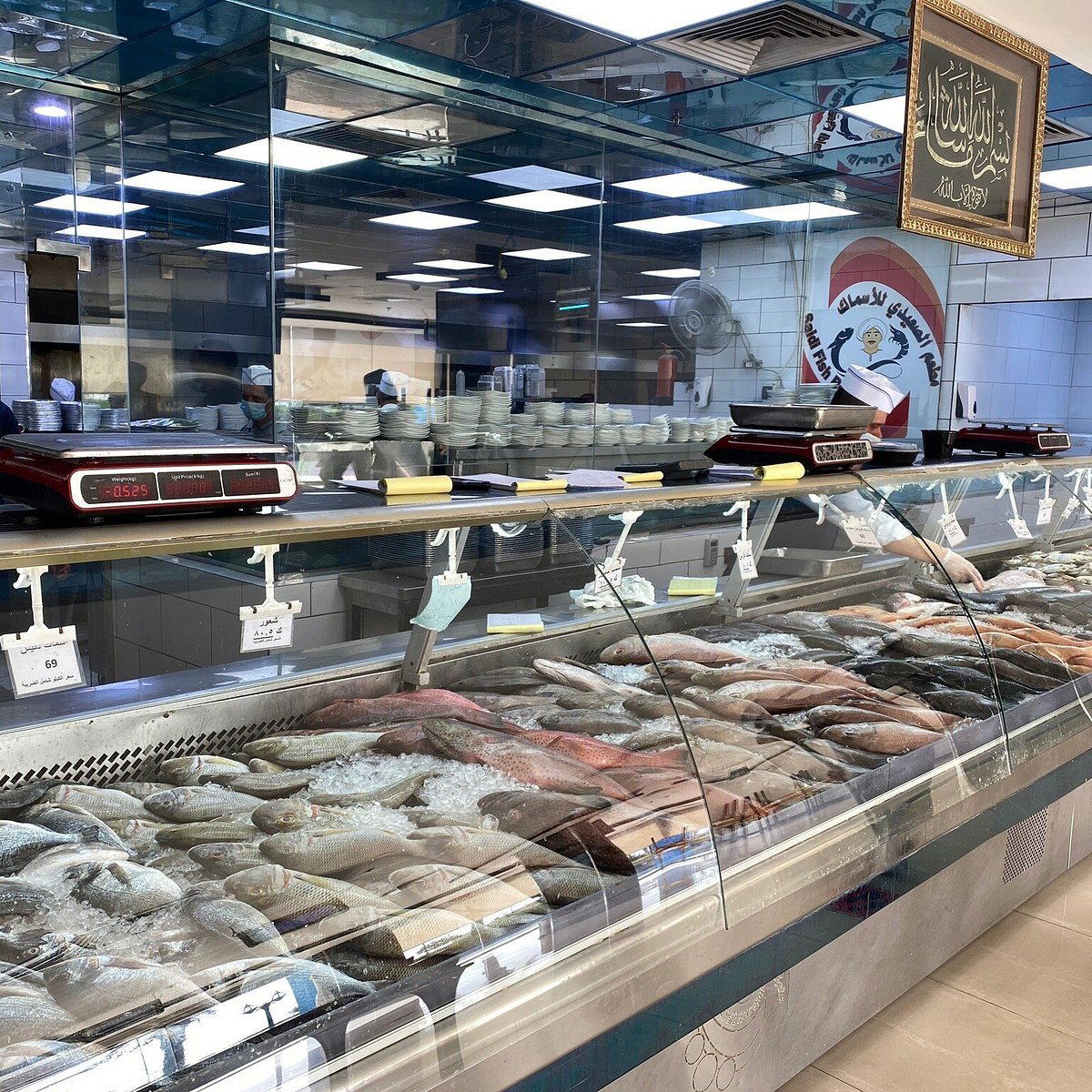
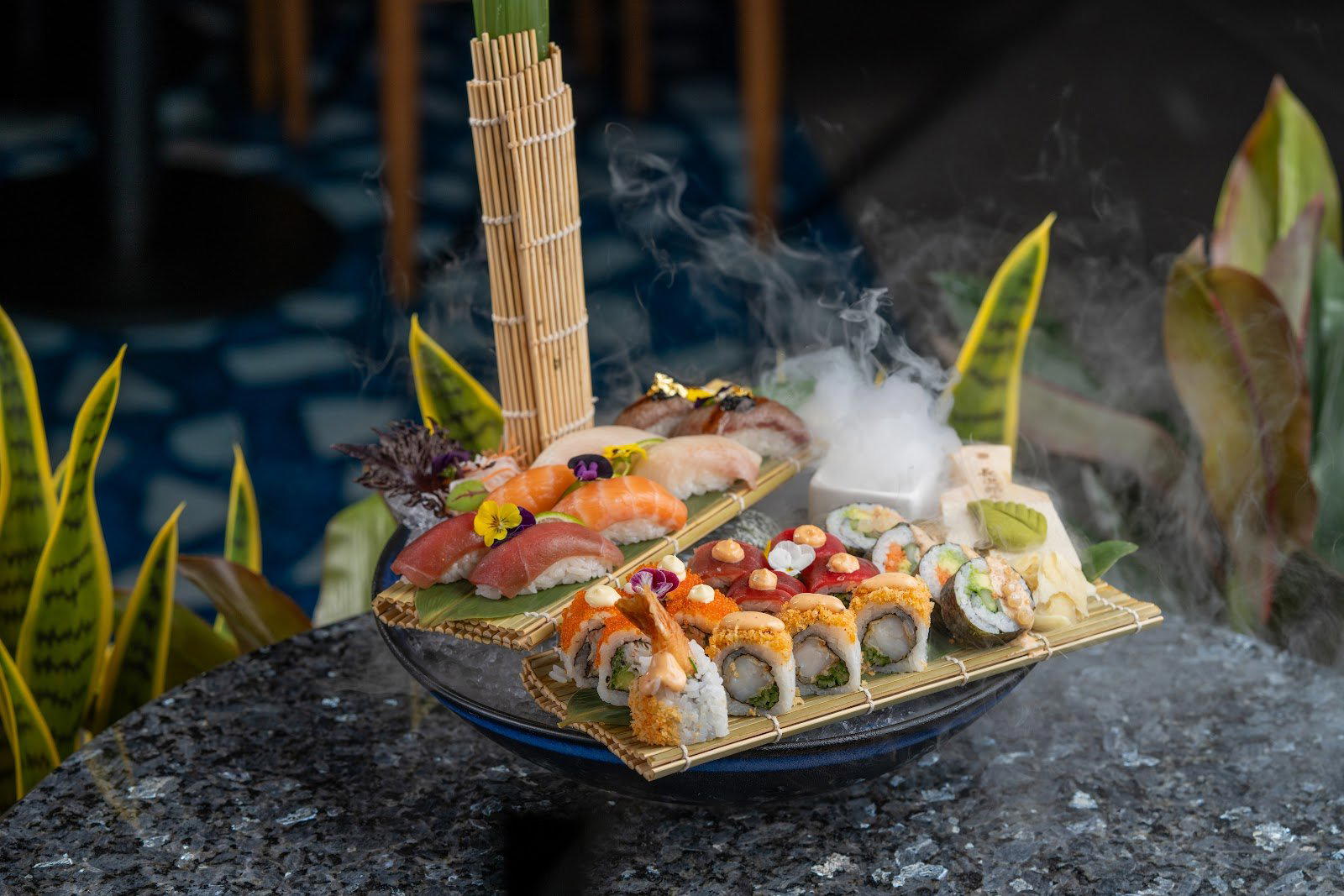
- Seafood night market
- International buffet
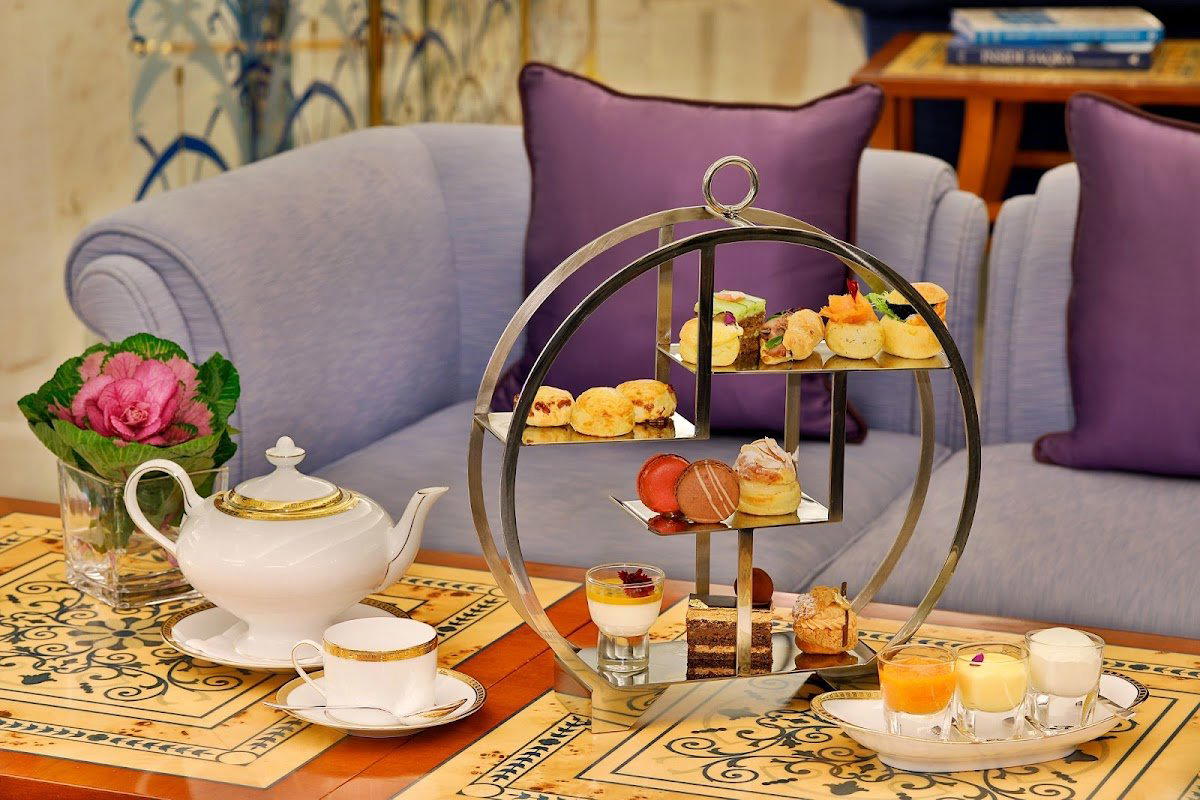
- Refined desserts
Al Corniche and the Question of Where Jeddah Eats
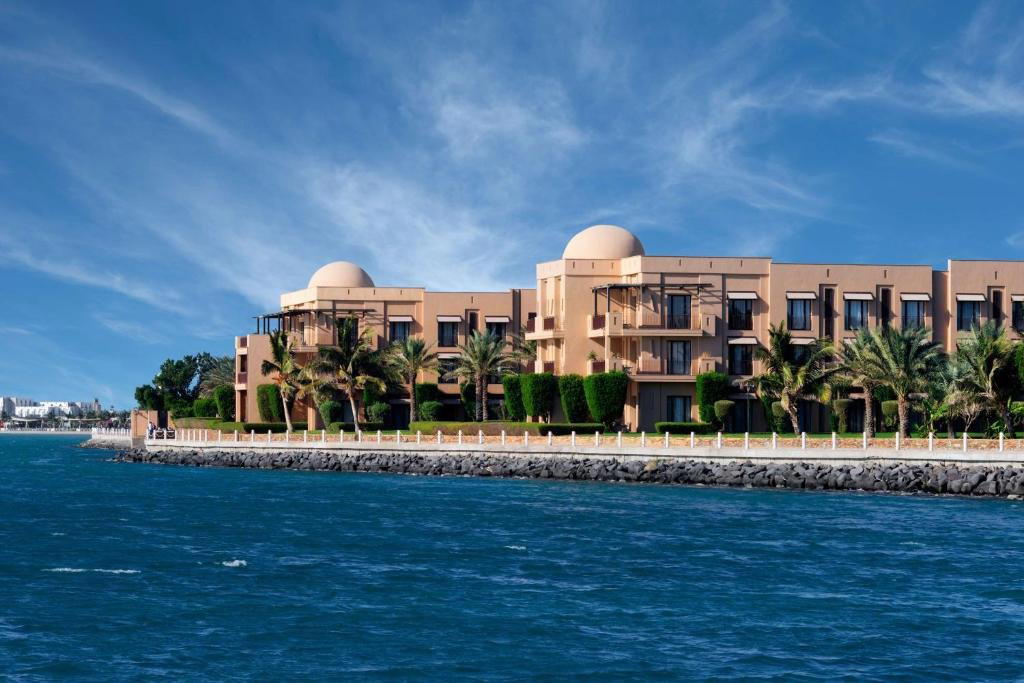
Al Corniche Road runs along Jeddah's Red Sea waterfront with the kind of purposeful length that makes it a structural fact of the city rather than merely a scenic route. Restaurants positioned here are trading on two things simultaneously: the physical orientation toward water and the social weight of a boulevard that has anchored Jeddah's leisure culture for generations. Reyhana sits within that context, on a stretch of road where the dining expectations are shaped as much by tradition and family custom as by any single kitchen's ambitions.
Jeddah occupies a different register in Saudi dining than Riyadh. The port city's long history as a trading hub on the Hejaz coast produced a food culture that absorbed influences from across the Red Sea, East Africa, and the Indian Ocean littoral, then folded them into a distinctly Hijazi idiom. Dishes built on rice, slow-cooked lamb, spiced broths, and the particular seasoning traditions of western Saudi households carry a cultural weight here that imported formats rarely replicate. Venues on Al Corniche that understand this tend to draw a different kind of loyalty than those operating primarily on novelty. For more on the wider dining scene, see our full جدة restaurants guide.
The Hejazi Table: A Culinary Tradition Worth Understanding
Western Saudi cuisine, sometimes called Hejazi cooking, is among the least exported and most locally specific food traditions in the Gulf region. Where Najdi cooking from the central plateau emphasizes austerity and restraint, Hejazi food reflects centuries of pilgrimage traffic, maritime trade, and cosmopolitan contact. Saleeg, a white rice dish cooked in broth and finished with milk, has its roots in this tradition. So does the use of dried lemon, fenugreek, and layered spice profiles that read as distinct from both Levantine and Gulf Arab cooking in their balance and application.
Across Saudi Arabia, there is an ongoing reckoning with what it means to serve this food at a standard that honors its domestic origins. Venues like Aseeb in Riyadh have built reputations precisely by taking the Najdi and Hejazi canon seriously as a fine-dining proposition rather than treating it as comfort food that requires no further editorial thought. The question worth asking of any restaurant on Al Corniche is whether it applies the same seriousness to the Hejazi tradition it purports to represent. That question is harder to answer than it looks, and the answer says more about a venue's actual standing than any physical setting.
What the Corniche Format Demands
Waterfront dining in Jeddah carries specific social expectations. Families book large tables. The evening meal extends well past what European service formats would classify as a reasonable sitting time. The assumption is that hospitality is durational, not transactional. Restaurants that attempt to impose a different rhythm tend to learn that lesson at the cost of repeat business. The formats that succeed on Al Corniche tend to be ones that allow a table to breathe, that bring food in waves rather than on a clock, and that understand the difference between service and supervision.
This places Jeddah's Corniche dining in an interesting peer relationship with venues like Kuuru in Jeddah, which approaches the city's appetite for extended evening experiences from a different cuisine register. Across Saudi Arabia, from kol restaurant in Jizan to Khayal Restaurant, the premium tier is increasingly defined by venues that respect local social customs while applying kitchen rigor that can hold up to comparison with international benchmarks. Compare that with purely global formats such as Le Bernardin in New York City or Atomix in New York City, and the structural difference becomes instructive: what makes a Jeddah restaurant work at this level is cultural fluency, not technical mimicry.
Saudi Dining in Motion
The broader Saudi dining scene is in a period of rapid formalization. Venues that previously operated without much critical infrastructure are now being evaluated against international standards, both by residents with significant exposure to global restaurant culture and by visitors arriving under Vision 2030's expanded tourism framework. This creates a dual pressure: to be legible to international guests while remaining genuinely rooted for the local audience that constitutes the actual base of any Jeddah restaurant's business.
That tension is visible across the Kingdom. yello in Ad Diriyah operates in a heritage site context that frames its food decisions differently than a freestanding urban restaurant. Banyan Tree AlUla in AlUla sits inside a destination hospitality model that changes the dining calculus entirely. A Corniche restaurant in Jeddah faces none of those structural supports and must make the case on kitchen and hospitality alone. That is, in many ways, the harder test. Internationally, venues like Lazy Bear in San Francisco and Emeril's in New Orleans have built durable positions by understanding their cities as deeply as their cuisines. The same principle applies in Jeddah.
Planning a Visit
Reyhana's address on Al Corniche Road places it within Jeddah's most navigated waterfront corridor, accessible by car from most central districts and from the northern residential neighborhoods that make up a significant part of its likely audience. As with most Jeddah restaurants operating in this social register, evening visits tend to be the primary mode, with Friday and Thursday nights carrying the heaviest demand given the weekend structure of the Saudi calendar. Booking ahead for larger groups is advisable on those evenings.
For travelers cross-referencing options across the Kingdom before arriving in Jeddah, the range of formats available nationally is worth surveying, from the street-level energy of Camel Burger Food Truck in Medina to the more structured dining of Takara in Khobar. Jeddah's own scene, anchored by the Corniche, occupies a mid-to-upper tier in that national picture, with Al Corniche Road functioning as the city's most prominent dining address.
Frequently asked questions
Is Reyhana child-friendly?
Al Corniche Road venues in Jeddah are structurally oriented toward family dining — large-group bookings and extended evening meals are the norm rather than the exception. Reyhana's address on the Corniche places it squarely within that tradition. Expect wide tables, a relaxed pace, and a social atmosphere suited to mixed-age groups.
How would you describe the vibe at Reyhana?
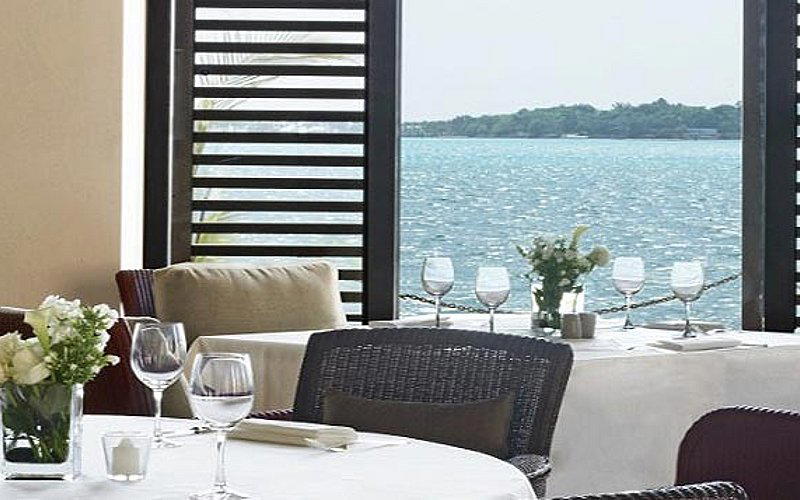
Corniche dining in Jeddah operates on a different clock than European service — evenings begin late and run long, with the Red Sea waterfront providing a consistent backdrop. Reyhana sits within that format: unhurried, family-weighted, and oriented around the communal table rather than the tasting-menu counter. It is a place where the meal is the evening's main event, not a prelude to one.
Does Reyhana reflect traditional Hejazi cooking or a more contemporary Saudi dining style?
Reyhana's Al Corniche Road address situates it in Jeddah, the city most closely associated with Hejazi culinary heritage rather than the modernist restaurant movement more visible in Riyadh. The broader Saudi dining scene is formalizing rapidly, but Jeddah's waterfront corridor has historically prioritized regional tradition over trend-driven menus. Without a published chef name or concept statement on record, the venue's specific position on that spectrum is worth confirming directly.
What's the must-try dish at Reyhana?
What is documented is the Hejazi culinary tradition that defines western Saudi cooking — lamb and rice preparations, spiced stews, and Red Sea seafood are the pillars of that canon. Any of those categories is worth anchoring your order around.
What's the address for Reyhana?
Reyhana is located at Al Corniche Road, جدة 21493, جدة.
How hard is it to get a table at Reyhana?
That said, waterfront restaurants on Al Corniche Road tend to fill quickly on Thursday and Friday evenings, which function as the weekend in Saudi Arabia. Contacting the venue directly before your intended visit is the practical approach.
What's the defining dish or idea at Reyhana?
The defining idea is Hejazi cooking — western Saudi cuisine that remains among the least exported food traditions in the Gulf region. Unlike pan-Gulf menus that circulate across borders, Hejazi food is locally specific: shaped by Red Sea trade history, distinct spice use, and rice-centric hospitality formats. Reyhana's position on Al Corniche Road in Jeddah, the historical center of Hejazi culture, frames that identity before you sit down.
Cost Snapshot
| Venue | Cuisine | Price | Awards |
|---|---|---|---|
| ReyhanaThis venue — the venue you are viewing | International Fusion Buffet | Not listed | Not listed |
| تكية - TAKYA | Saudi Arabian | Not listed | Not listed |
| Aseeb | Authentic Najdi Cuisine | $30–50 | Michelin Plate · World's 50 Best #39 |
| Kuuru | Nikkei (Japanese-Peruvian Fusion) | Not listed | Michelin Plate · World's 50 Best #6 |
| Marble | American Steakhouse | $150–200 | World's 50 Best #12 |
| Myazu | Contemporary Japanese Fusion | $200–300 | World's 50 Best #45 |
Details
- Elegant
- Sophisticated
- Classic
- Lively
- Family
- Group Dining
- Celebration
- Casual Hangout
- Special Occasion
- Hotel Restaurant
- Buffet
- A La Carte
- Halal
Current opening hours
- Monday
- 6:30–11 AM, 1–4 PM, 6:30–11:30 PM
- Tuesday
- 6:30–11 AM, 1–4 PM, 6:30–11:30 PM
- Wednesday
- 6:30–11 AM, 1–4 PM, 6:30–11:30 PM
- Thursday
- 6:30–11 AM, 1–4 PM, 6:30–11:30 PM
- Friday
- 6:30–11 AM, 1–4 PM, 6:30–11:30 PM
- Saturday
- 6:30–11 AM, 1–4 PM, 6:30–11:30 PM
- Sunday
- 6:30–11 AM, 1–4 PM, 6:30–11:30 PM
Hours can change for holidays and private events. Last verified .
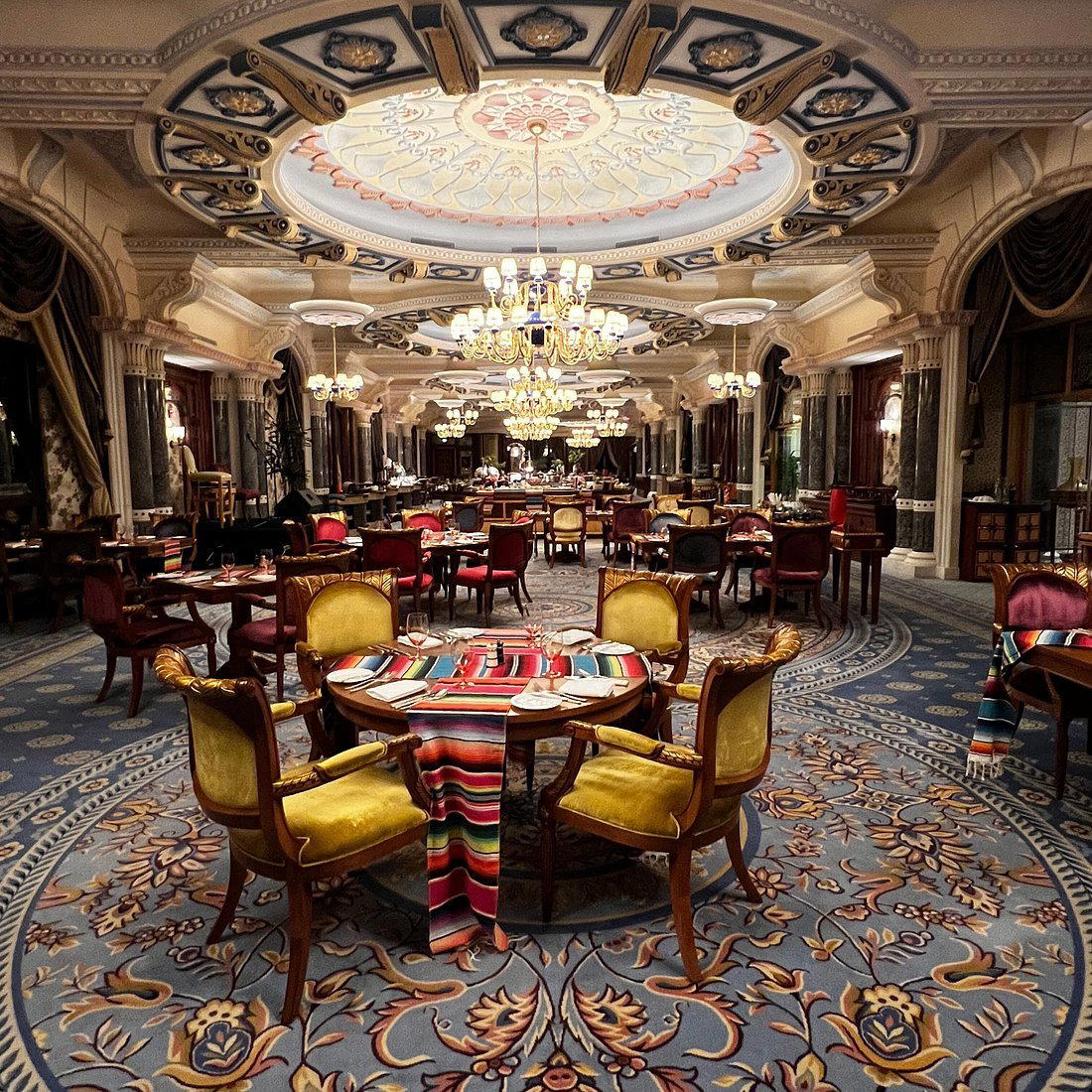
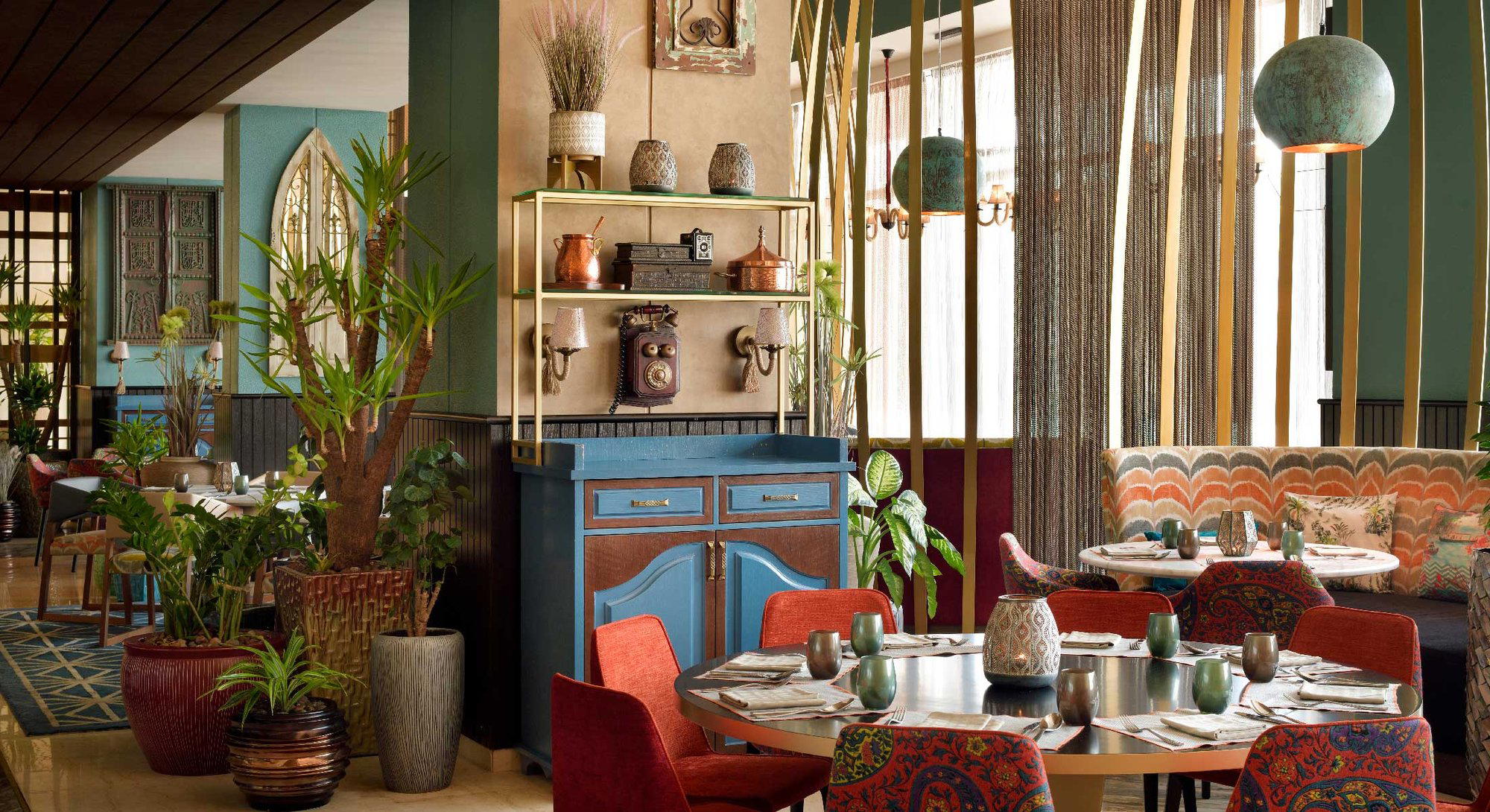
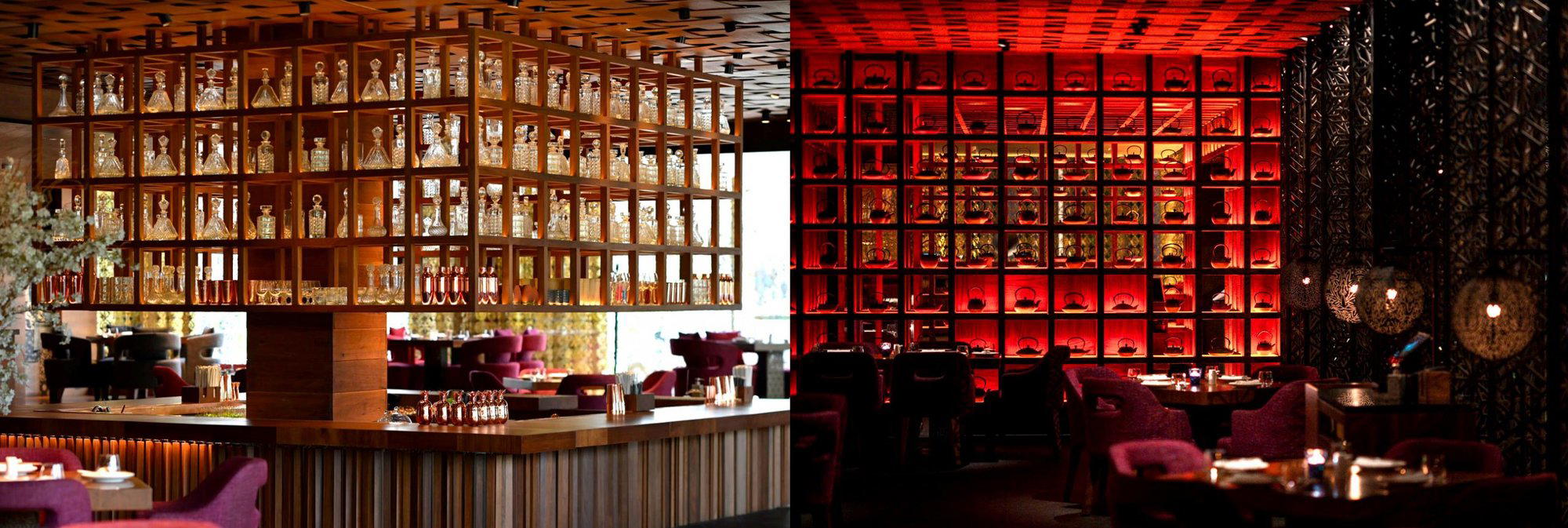
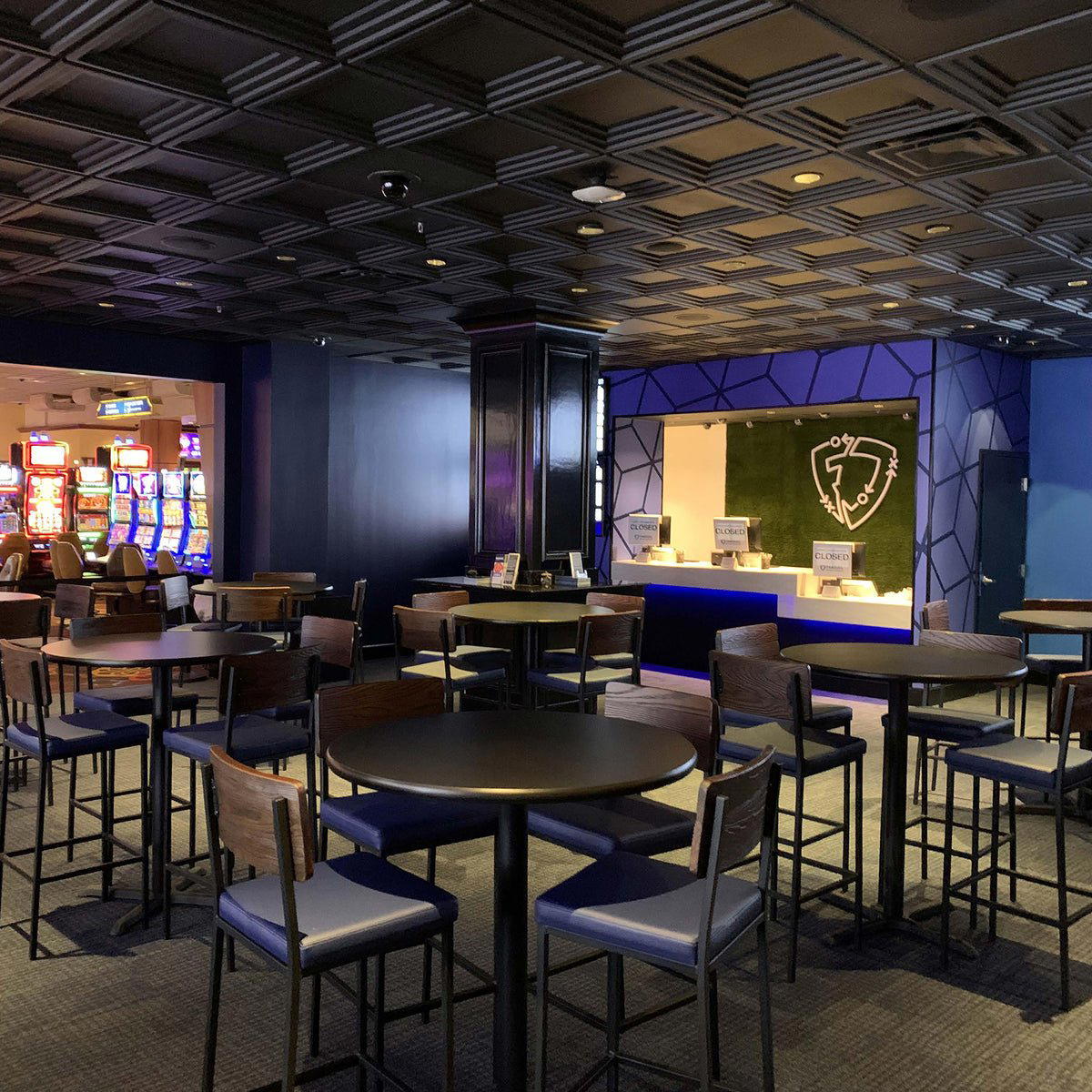
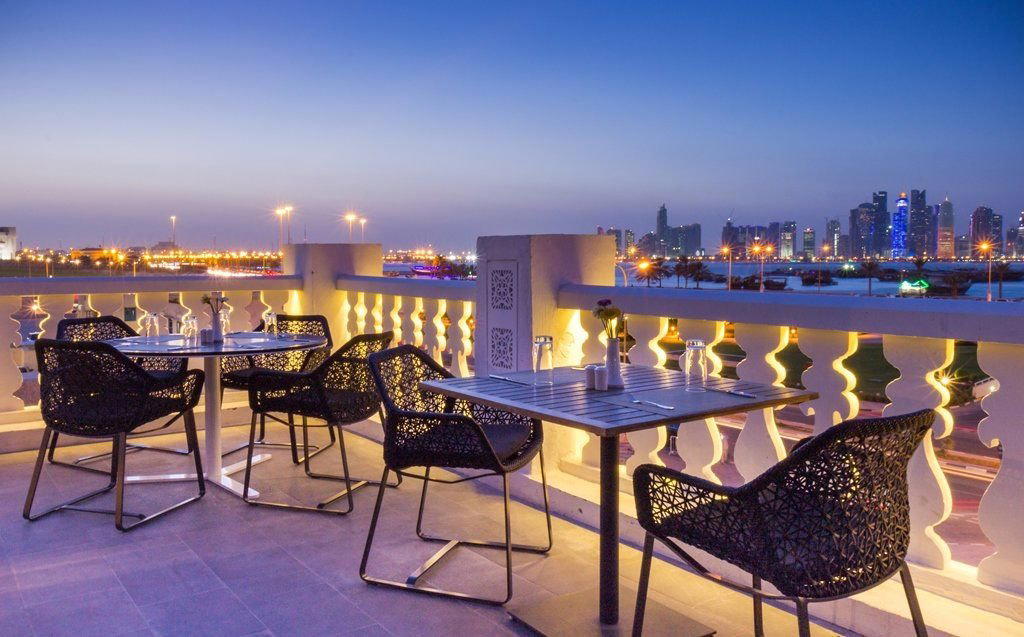
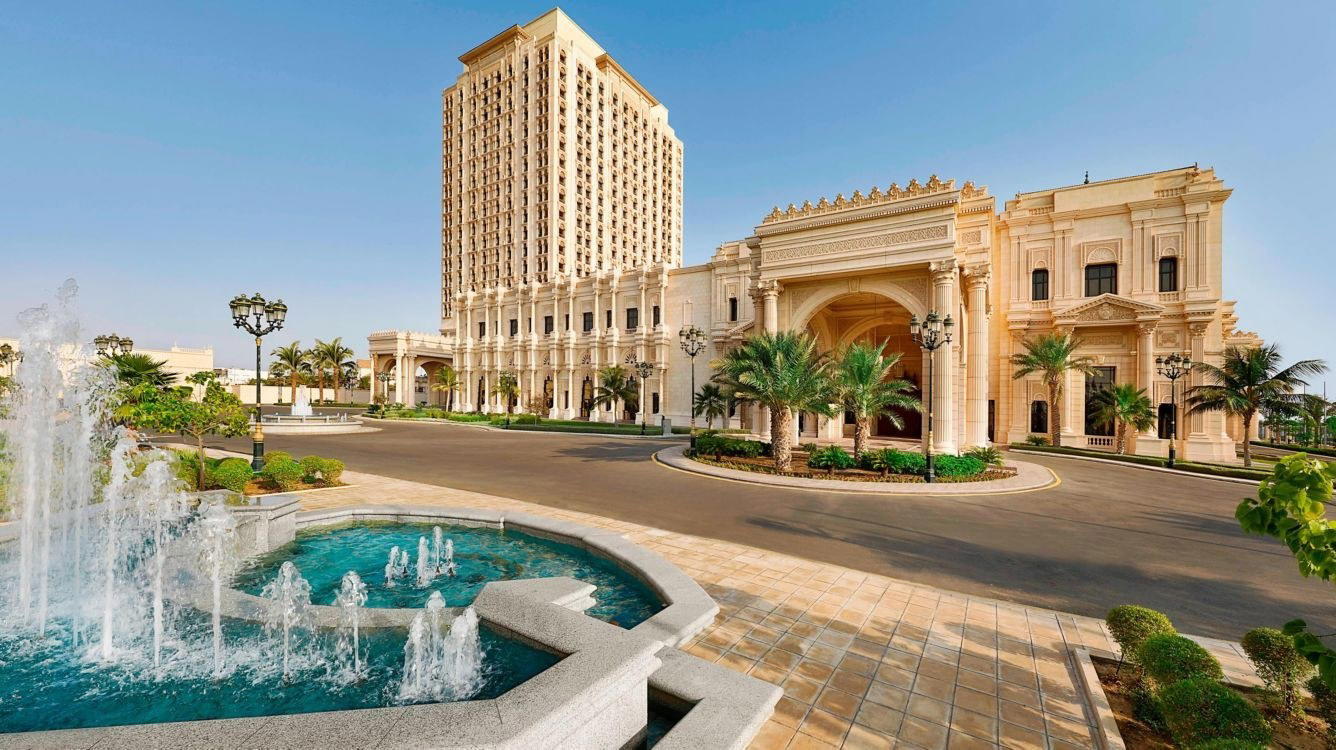
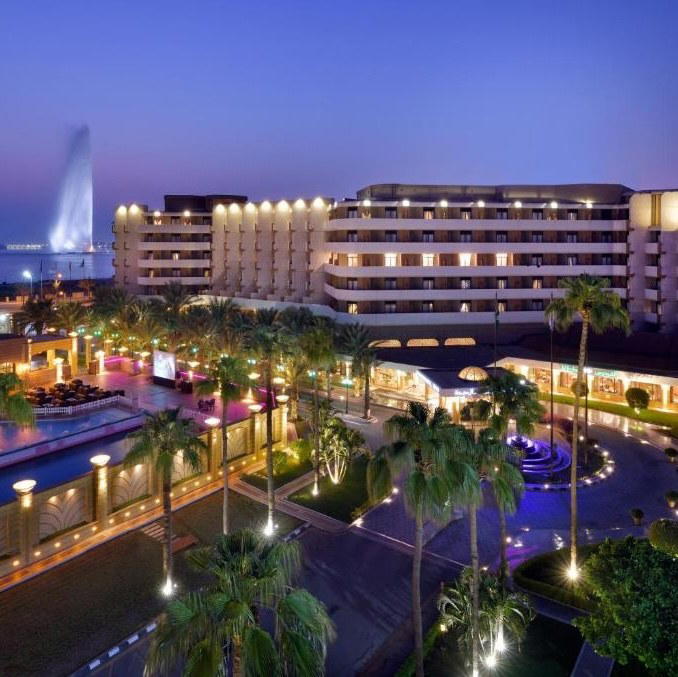
A luxurious yet casual hotel-dining atmosphere with a serene, refined feel, especially during the Friday evening brunch and seafood night market.