Our verdict
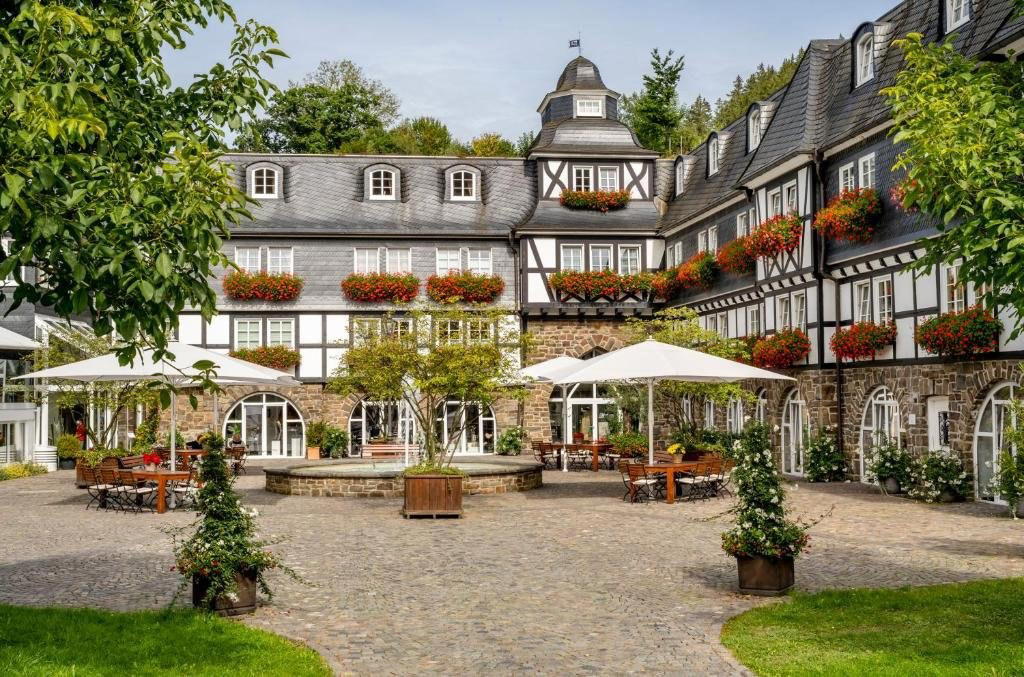
Restaurant Waldschlösschen serves Regional German Fine Dining in a historic building with terrace seating, quiet pacing, and local sourcing.

Pearl is the En Primeur Club membership app, where members save venues, book tables and use the concierge.
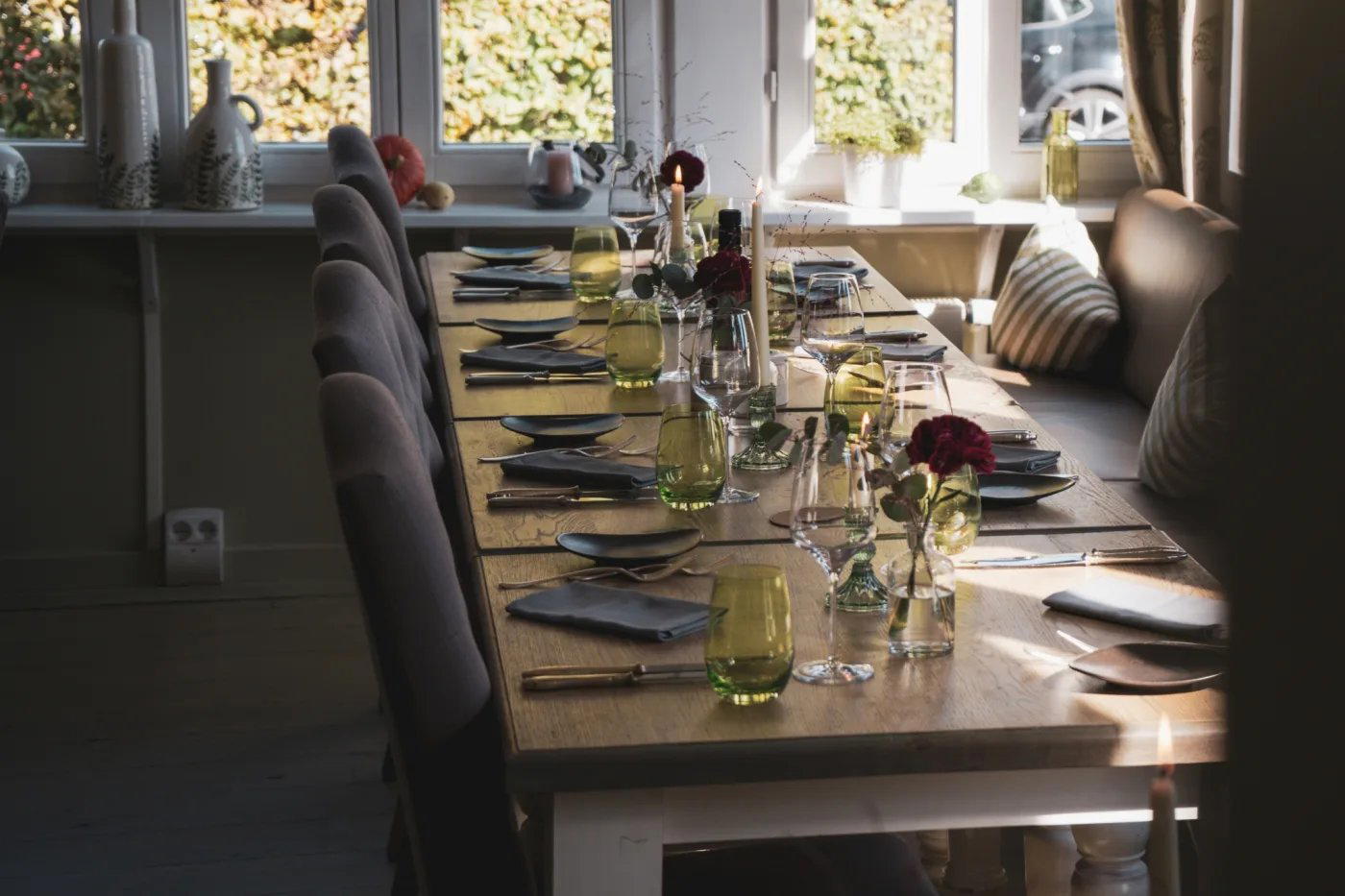
Where the Forest Edge Meets the Table
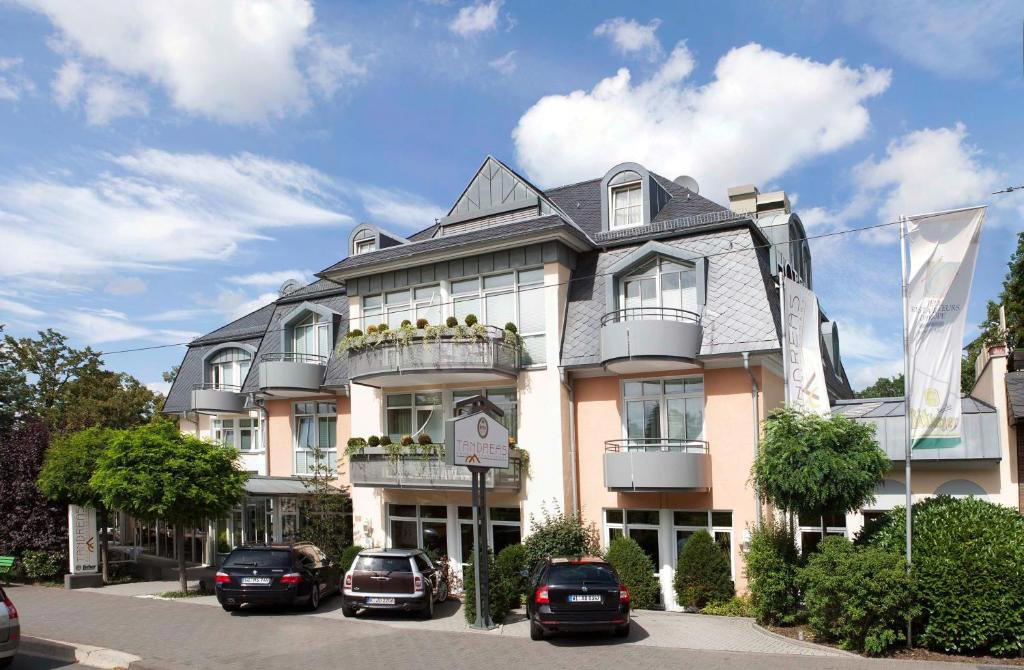
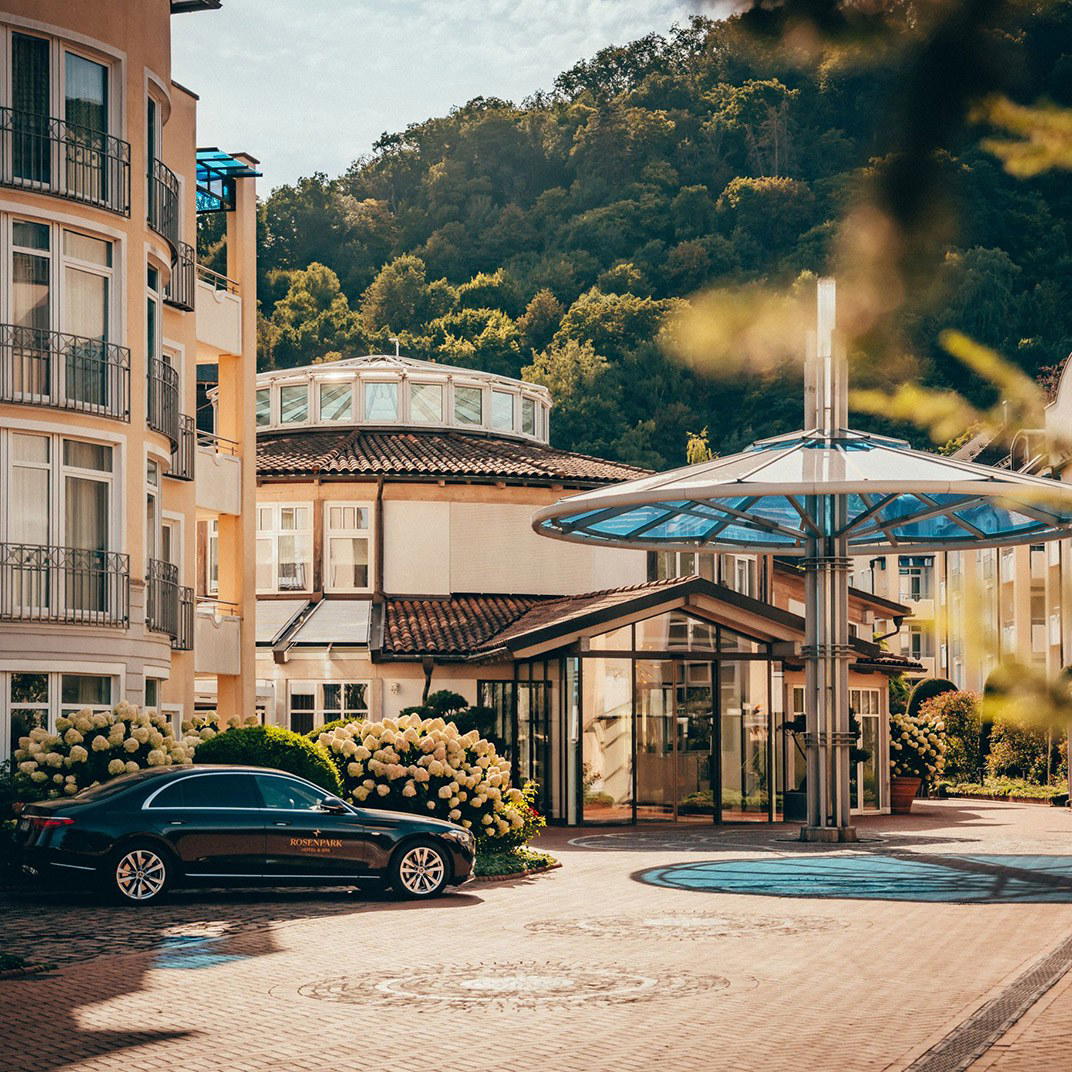
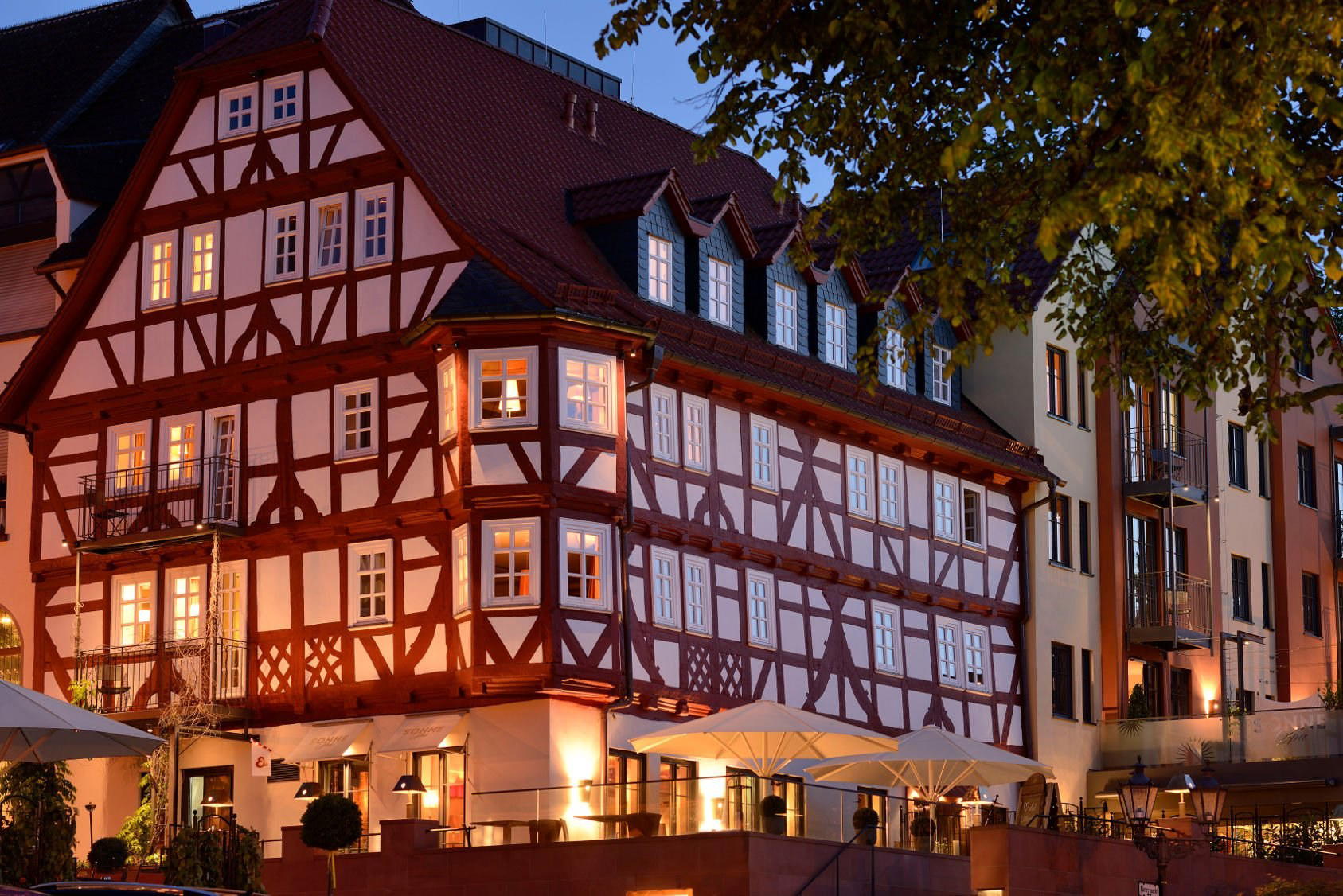
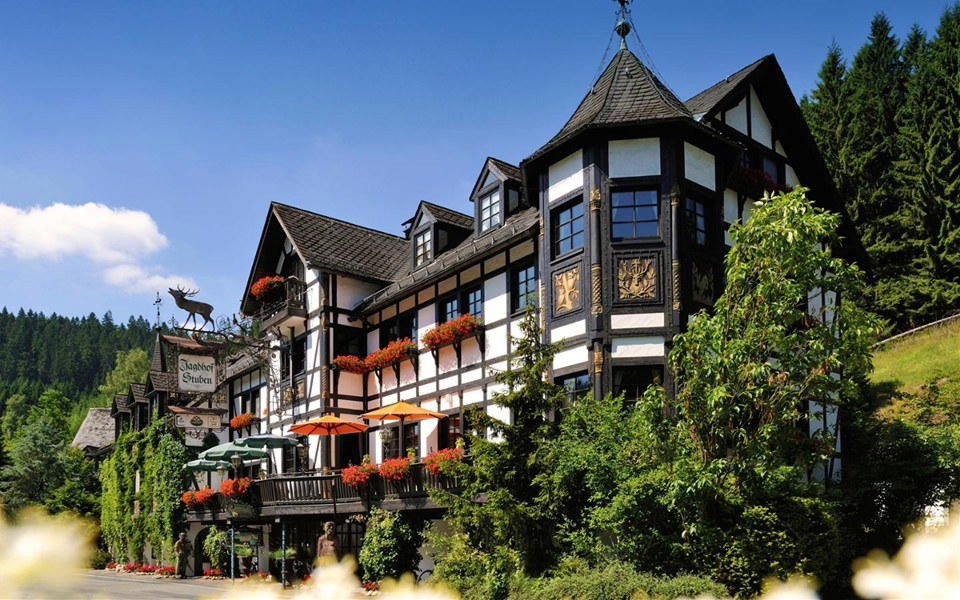
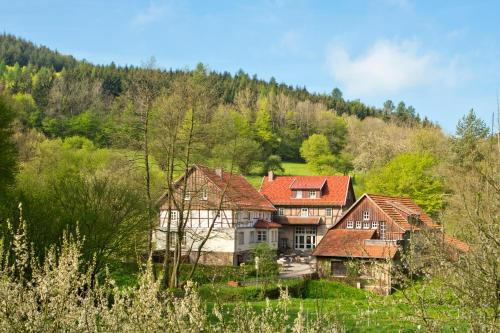
Arriving at Dagobertshäuser Str. 12 on Marburg's quieter outskirts, the shift in register is immediate. The city's medieval silhouette recedes behind you, and the Waldschlösschen sits where residential streets give way to denser tree cover, the kind of setting that German dining culture has long associated with a particular kind of seriousness: away from the tourist circuit, drawing guests who come specifically, not incidentally. Restaurants positioned at the forest edge in this region tend to operate on a logic of deliberate destination rather than passing footfall, and that framing shapes expectations before you've seen a menu.
Central Hesse as a Culinary Region
Marburg occupies a position in German dining that rewards attention. The city sits within Hesse, a federal state whose food culture is often overshadowed by Bavaria to the south or the Rhine-Main metropolitan energy around Frankfurt. Yet central Hesse has its own agricultural rhythm: river valleys, mixed farmland, and managed woodland that supply regional producers with a range of seasonal raw materials. The question for any serious restaurant in this context is whether it actually connects to that supply chain, or simply operates as any other European kitchen might regardless of geography.
The strongest kitchens in smaller German cities have learned to treat their regional position as an asset rather than a limitation. The comparison is instructive: places like Schanz in Piesport or Bagatelle in Trier have built identities that are legible partly because their sourcing and regional references give them a fixed point. Waldschlösschen's address, at the intersection of a small city and its surrounding countryside, places it in a similar structural position: close enough to agricultural Hesse to draw on local producers, while serving a guest who may arrive from Marburg's university community or from the broader Frankfurt corridor.
The Sourcing Question in Hessian Cooking
Ingredient sourcing in this part of Germany operates through a network that is neither as formalised as the starred kitchen circuits around Munich or Hamburg, nor as informal as purely domestic cooking. Central Hesse supports small-scale meat producers, market gardeners, and foragers whose seasonal output shifts meaningfully between spring herb flushes, summer vegetable abundance, game seasons in autumn, and root vegetable winters. A kitchen at the forest edge is particularly well-placed to engage the game and mushroom pipeline that defines autumn eating in this region: venison, wild boar, porcini, and chanterelles from managed local woodland represent some of the most terroir-specific cooking available in German cuisine.
This sourcing context matters editorially because it differentiates restaurants that operate within a regional food economy from those that merely occupy a regional address. Germany's most discussed tables, from Aqua in Wolfsburg to Vendôme in Bergisch Gladbach, have largely resolved this question through explicit sourcing programs and documented supplier relationships. For a restaurant in Marburg's dining tier, the equivalent signal is whether the menu reflects seasonal availability in ways that suggest real supply chain engagement rather than generic European produce sourcing.
Marburg's Dining Scene in Context
Marburg is a university city of around 75,000 residents, and its restaurant culture reflects that demographic split between student-oriented casual dining and a smaller, more considered tier of venues that serve the faculty, medical community, and visitors drawn to the Philipps-Universität and the historic Altstadt. That upper tier is genuinely small. Marburger Esszimmer represents the modern French register in the city, while MIZU addresses the Asian-influenced contemporary segment. Waldschlösschen occupies a distinct spatial and atmospheric niche within that compact field, with its forested edge address separating it physically from the city centre dining cluster.
For readers calibrating where Waldschlösschen sits against Germany's wider fine dining spectrum, the reference points are necessarily some distance away. The three-star circuit represented by places like Schwarzwaldstube in Baiersbronn or Victor's Fine Dining by Christian Bau in Perl operates in a different register entirely. Waldschlösschen is better understood as part of a category of regionally significant restaurants in mid-sized German cities, venues that serve as the local anchor for serious eating without aspiring to or requiring the national recognition that comes with Michelin campaigns and 50 Best positioning. That category includes credible cooking, genuine hospitality, and often a more personal relationship between kitchen and community than you find at the starred circuit's more performative end.
For those interested in creative format dining further afield, CODA Dessert Dining in Berlin, ES:SENZ in Grassau, and ATAMA by Martin Stopp in Sankt Ingbert each demonstrate how regional German kitchens are developing distinct identities. Similarly, Restaurant Haerlin in Hamburg, Waldhotel Sonnora in Dreis, and JAN in Munich represent the range of formats German fine dining currently sustains. For international comparison in the ingredient-led tradition, Le Bernardin in New York City and Atomix in New York City show how rigorous sourcing philosophy operates at the global level, offering a useful frame for understanding what commitment to raw material quality looks like at its most developed. ammolite in Rust rounds out the picture of how distinctive settings across Germany shape dining identity.
Planning a Visit
Waldschlösschen's address at Dagobertshäuser Str. 12, 35041 Marburg places it outside the immediate Altstadt walking area, making a car or taxi the practical approach from central Marburg. Marburg is reachable by train from Frankfurt in approximately one hour, making a day trip or extended visit from the Frankfurt corridor realistic. For a broader picture of what the city offers across cuisine types and formats, the full Marburg restaurants guide provides the most complete current overview.
Frequently asked questions
Where do I go for Restaurant Waldschlösschen?
Restaurant Waldschlösschen is located at Dagobertshäuser Str. 12, 35041 Marburg, Germany, Marburg.
Is Restaurant Waldschlösschen a good option for a dinner away from Marburg's busy city centre?
For diners looking to step outside Marburg's university-town restaurant circuit, Waldschlösschen's position at Dagobertshäuser Str. 12 on the city's outskirts offers a noticeably quieter setting than the Altstadt. Central Hesse as a culinary region draws on local sourcing networks that differ from the more formalised starred-kitchen circuits around Frankfurt or Munich. No cuisine type or price range is formally documented, so contacting the venue ahead of a visit is recommended to confirm what the current menu reflects.
What do people recommend at Restaurant Waldschlösschen?
Given its position on Marburg's outskirts at Dagobertshäuser Str. 12 and the regional sourcing patterns common to Central Hessian kitchens, the emphasis is likely on produce tied to the surrounding landscape rather than an import-heavy menu.
Can I walk in to Restaurant Waldschlösschen?
Waldschlösschen's address at Dagobertshäuser Str. 12 places it outside Marburg's Altstadt walking area, so reaching it on foot from the city centre is impractical. A car or taxi is the realistic approach.
What is Restaurant Waldschlösschen known for?
Waldschlösschen occupies a distinct position in Marburg's dining scene by sitting apart from the casual, student-oriented restaurants that dominate the city centre. Marburg has roughly 75,000 residents and its restaurant culture skews heavily toward that demographic, making a venue on the quieter outskirts a different register entirely.
How It Stacks Up
Comparable venues nearby, for context on price, style, and recognition.
| Venue | Cuisine | Price | Awards | Notes |
|---|---|---|---|---|
| Restaurant WaldschlösschenThis venue (the venue you are viewing) | Regional German Fine Dining | $50–100 | Not listed | Not listed |
| MIZU | Asian Fusion | $50–100 | Not listed | Lahn |
| MARBURGER Esszimmer | Modern French Contemporary | $150–200 | 1 Michelin Star | Marburg |
| Blaue Ziege | Regional German with Seasonal Fusion | Not listed | Not listed | Petersberg |
| Schlicht. Esslokal | Modern Regional German Fine Dining | $100–150 | Not listed | Koblenz |
| Onkel Otto | Creative German with French Influences | Not listed | Not listed | Pommern |
Continue exploring
More in Marburg
Restaurants in Marburg
All restaurants in Marburg →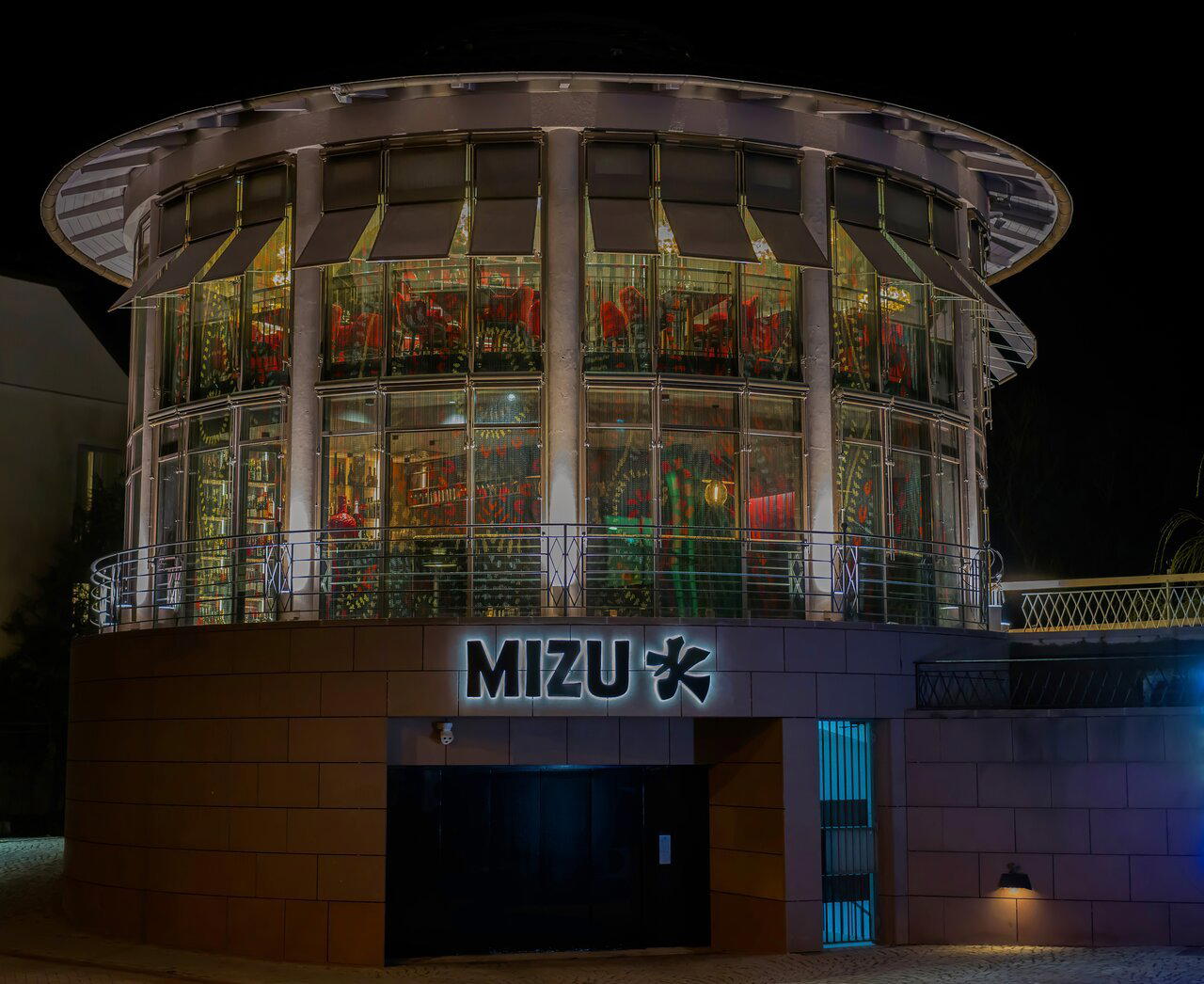
Details
- Scenic
- Cozy
- Elegant
- Special Occasion
- Date Night
- Terrace
- Historic Building
- Local Sourcing
- A La Carte
- Prix Fixe
- Vegetarian Friendly
- Vegan Options
- Gluten Free Options
Current opening hours
- Monday
- Closed
- Tuesday
- 12–10 PM
- Wednesday
- 12–10 PM
- Thursday
- 12–10 PM
- Friday
- 12–10 PM
- Saturday
- 12–10 PM
- Sunday
- 12–10 PM
Hours can change for holidays and private events. Hours as of .
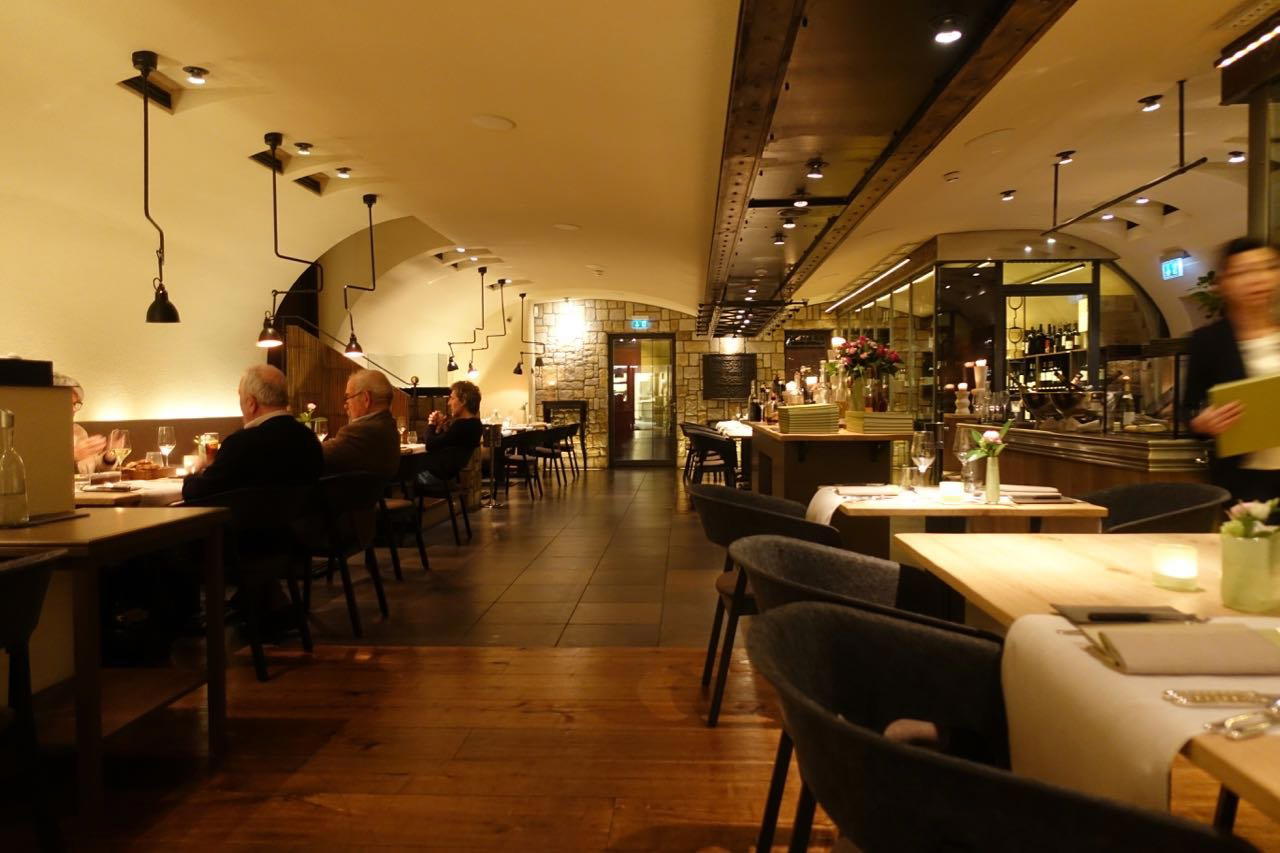
Idyllic countryside setting with cozy indoor spaces and sunny terrace for outdoor dining.