Our verdict
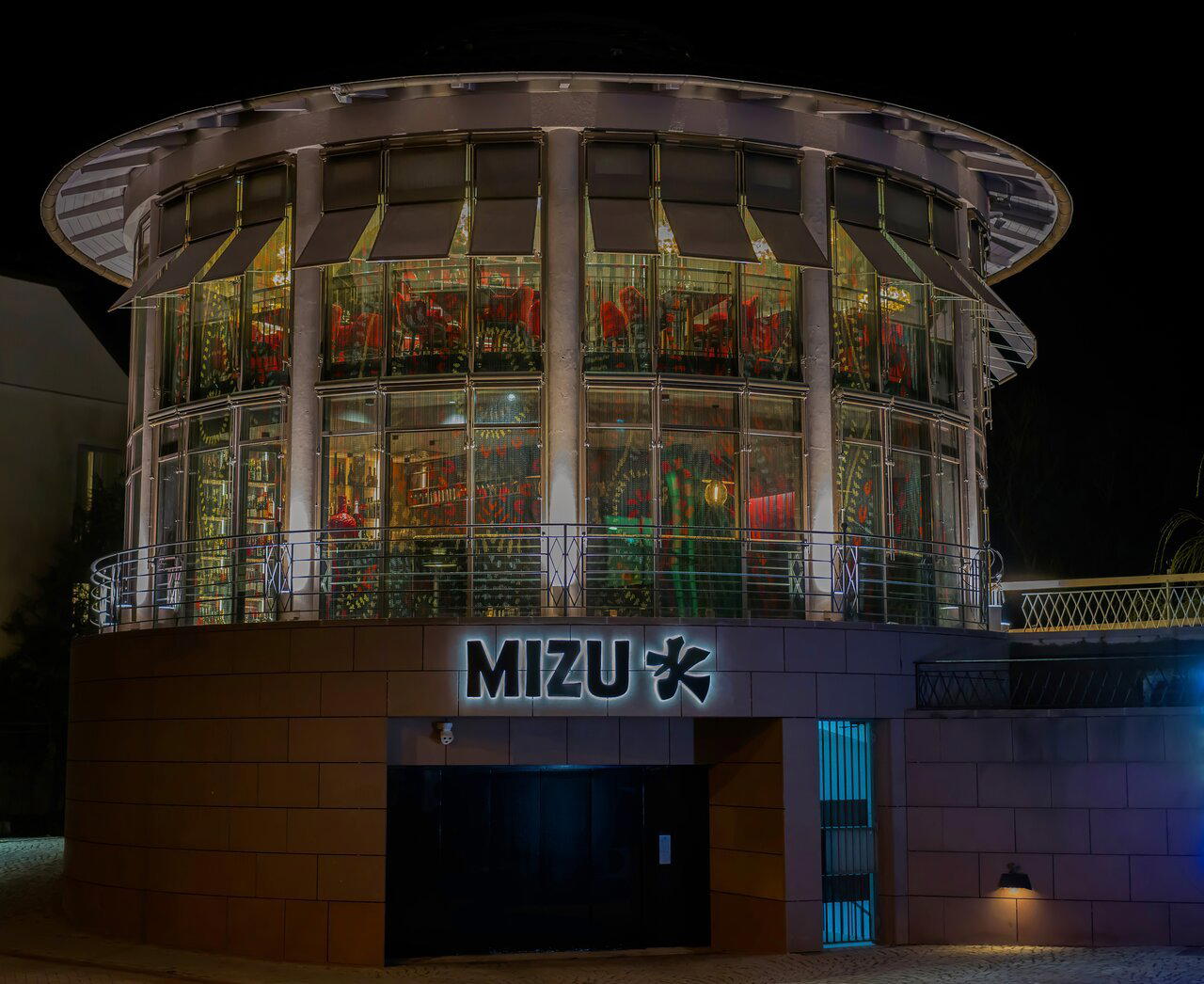
MIZU occupies a specific niche in Marburg's dining scene, where Asian-influenced cooking meets the quieter rhythms of a mid-sized German university city. Located at Anneliese-Pohl-Allee 2, the restaurant draws on culinary traditions that have gained serious traction across Germany's fine-dining tier, placing it in a broader national conversation about how Asian techniques are being absorbed and reinterpreted in non-metropolitan contexts.

Pearl is the En Primeur Club membership app, where members save venues, book tables and use the concierge.
The menu
What to order
- Mizu sushi signature selection
- Wagyu beef
- Cauliflower and broccoli tempura
Where Marburg Meets the Water
Marburg is not a city that announces itself loudly. Its half-timbered Altstadt climbs a steep hillside, the Lahn river moves quietly below, and the university that has defined the city for centuries keeps its intellectual weight understated. Against that backdrop, a restaurant named MIZU, the Japanese word for water, reads as more than incidental. Water, in Japanese culinary philosophy, is not a passive element. It governs texture, temperature, and the behaviour of ingredients at a fundamental level. That framing, whether the name was chosen with that weight in mind or not, positions MIZU inside a tradition where precision and restraint carry more meaning than spectacle.
The address, Anneliese-Pohl-Allee 2, places MIZU in a part of Marburg that sits at some remove from the medieval centre, in the flatter, more contemporary southern stretches of the city. For diners arriving from the Altstadt, the walk or short drive becomes a kind of reset, away from the tourist-facing restaurants clustered around the Marktplatz and into a quieter register. That physical separation is not unusual for restaurants that have positioned themselves as alternatives to the historic core's more familiar offer. See also Restaurant Waldschlösschen, which occupies a similarly peripheral, lower-profile position in the city.
The German Appetite for Asian Fine Dining
To understand where MIZU sits, it helps to understand the broader trajectory of Asian cooking in Germany's premium restaurant tier. Over the past two decades, Japanese technique, precision knife work, dashi-based broths, the interplay of umami and acidity, has moved from specialist curiosity to a structuring influence across German kitchens at every price point. At the high end, properties like Aqua in Wolfsburg have integrated Japanese and Italian inflections into a contemporary German framework that holds three Michelin stars. At the dessert-forward creative end, CODA Dessert Dining in Berlin applies similar rigour to sweet courses. The influence runs deep and wide.
In smaller German cities, that same appetite shows up in a different form: restaurants that draw on Asian culinary vocabulary to distinguish themselves from the Franco-German mainstream that still dominates regional fine dining. Marburg's fine dining offer is anchored by places like MARBURGER Esszimmer, which operates in a Modern French register. MIZU represents a different orientation, one that looks east rather than west for its reference points. That distinction matters in a city where the dining market is small enough that each restaurant tends to occupy a relatively clear lane.
The German relationship with Japanese cooking also has a useful international echo. In New York, Atomix has demonstrated how Korean fine dining can achieve serious critical recognition in a Western context, while Le Bernardin has long shown how French seafood technique can be applied with a precision that crosses cultural borders. The underlying principle, that culinary traditions translate powerfully when applied with discipline rather than superficiality, holds across geographies. MIZU operates in that same conceptual space, on a necessarily different scale.
What Asian Technique Means at the Regional Level
Outside the major German cities, restaurants working in an Asian idiom face a specific set of pressures. Supply chains for specialist Japanese ingredients are longer and less reliable than in Berlin, Munich, or Hamburg. The customer base is smaller and, in university cities like Marburg, often younger and price-sensitive in ways that do not always align with premium tasting menus. The restaurants that succeed in this context tend to find a middle register: enough technical ambition to differentiate from generic pan-Asian dining, but a format accessible enough to sustain regular trade rather than relying on destination dining traffic.
Germany's regional fine dining circuit has produced interesting models in this space. ATAMA by Martin Stopp in Sankt Ingbert applies Japanese thinking to a Saarland context with notable critical attention. Further south, ES:SENZ in Grassau and Schanz in Piesport demonstrate how smaller German cities and towns can support serious cooking without the critical infrastructure of a metropolitan scene. The common thread is a willingness to work in relative isolation from peer pressure, finding definition through consistency rather than hype cycles.
For context on what high-end French-influenced cooking looks like across the broader German landscape, Schwarzwaldstube in Baiersbronn, Vendôme in Bergisch Gladbach, Waldhotel Sonnora in Dreis, Victor's Fine Dining by Christian Bau in Perl, Restaurant Haerlin in Hamburg, Bagatelle in Trier, ammolite in Rust, and JAN in Munich collectively map a landscape in which French and European tradition remains the dominant grammar. MIZU, in working from a different lexicon, occupies a deliberate counterpoint to that dominant mode.
Planning a Visit
MIZU is located at Anneliese-Pohl-Allee 2, 35037 Marburg. Marburg is served by direct train connections from Frankfurt, roughly an hour away, making it a feasible day or evening destination from one of Germany's main international hubs. Given Marburg's small dining market, weekend reservations at restaurants in this tier tend to book ahead, and arriving without a confirmed table at a destination-oriented venue carries risk. For a broader orientation to eating and drinking in the city, see our full Marburg restaurants guide.
Frequently asked questions
Is MIZU okay with children?
Marburg functions as a university city with a young, mixed-age population, and its restaurants generally reflect that. MIZU's address on Anneliese-Pohl-Allee places it outside the historic-centre cluster, in a register that reads as more considered than casual.
What's the overall feel of MIZU?
The address at Anneliese-Pohl-Allee 2 is a deliberate departure from Marburg's half-timbered Altstadt dining corridor, signalling something with a distinct identity rather than a tourism-facing pitch. The name MIZU, Japanese for water, points toward a considered aesthetic programme. The overall register appears quieter and more intentional than the city-centre offer.
How far is MIZU from Frankfurt, and is it practical as a day trip destination?
Marburg sits approximately 90 kilometres north of Frankfurt, with direct train connections running roughly one hour from Frankfurt Hauptbahnhof, a straightforward return journey for a dinner reservation. MIZU's position at Anneliese-Pohl-Allee 2 is accessible from Marburg's main station without requiring a car. For Frankfurt-based diners seeking Asian fine dining outside the city's own competitive restaurant tier, the journey is proportionate to the offer.
What's the best thing to order at MIZU?
EP Club's verified data does not include confirmed menu details for MIZU, so recommending specific dishes would mean fabricating information rather than reporting it. What is clear is that MIZU operates in an Asian idiom within a Marburg dining scene dominated by Franco-German and Central European cooking, which itself defines the terms of the kitchen's ambition.
Where is MIZU located?
MIZU is located at Anneliese-Pohl-Allee 2, 35037 Marburg, Germany, Marburg.
Is MIZU reservation-only?
In a mid-sized university city like Marburg, premium-register venues typically operate with limited covers and lean toward advance reservations, particularly on evenings when university-term demand peaks. Contacting MIZU directly at Anneliese-Pohl-Allee 2 is the reliable approach before planning a visit.
Price and Recognition
| Venue | Cuisine | Price | Awards | Notes |
|---|---|---|---|---|
| MIZUThis venue (the venue you are viewing) | Asian Fusion | $50–100 | Not listed | Not listed |
| Aqua | Not listed | Not listed | Michelin 3 Star | Contemporary German, Italian/Japanese, Creative |
| Schwarzwaldstube | Modern French Fine Dining | $150–200 | 3 Michelin Stars · World's 50 Best #47 | French, Classic French |
| CODA Dessert Dining | Dessert-Inspired Fine Dining | $200–300 | 2 Michelin Stars · World's 50 Best #79 | Creative |
| Vendôme | Modern German Haute Cuisine | $200–300 | 2 Michelin Stars · World's 50 Best #47 | Modern European, Creative |
| Tantris | Modern French Fine Dining | $300–500 | 2 Michelin Stars · World's 50 Best #73 | Modern French, French Contemporary |
Continue exploring
More in Marburg
Details
- Lively
- Modern
- Elegant
- Date Night
- Special Occasion
- Open Kitchen
- Waterfront
- A La Carte
- Omakase
- Small Plates
Current opening hours
- Monday
- Closed
- Tuesday
- Closed
- Wednesday
- 6–10 PM
- Thursday
- 6–10 PM
- Friday
- 6–11 PM
- Saturday
- 6–11 PM
- Sunday
- 6–10 PM
Hours can change for holidays and private events. Hours as of .
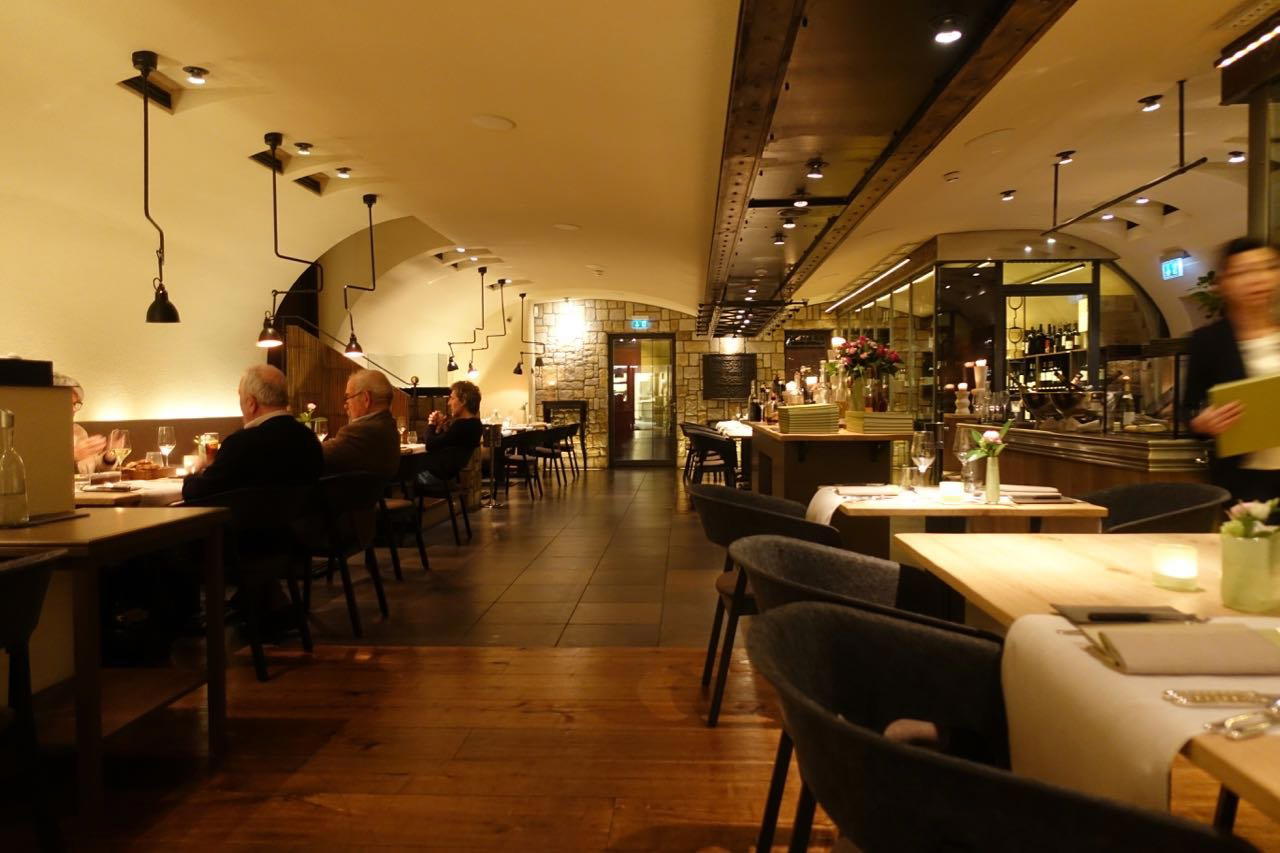
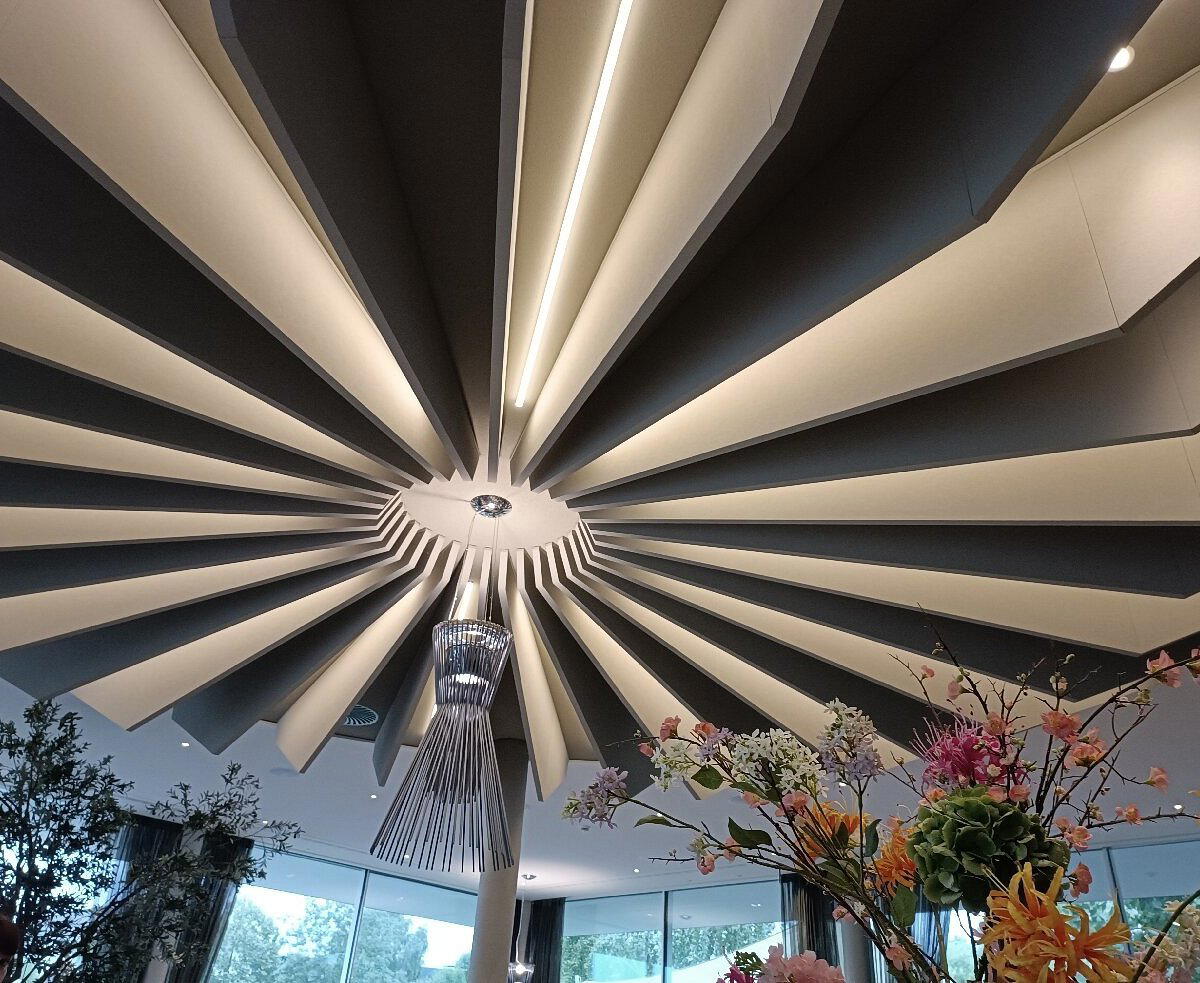
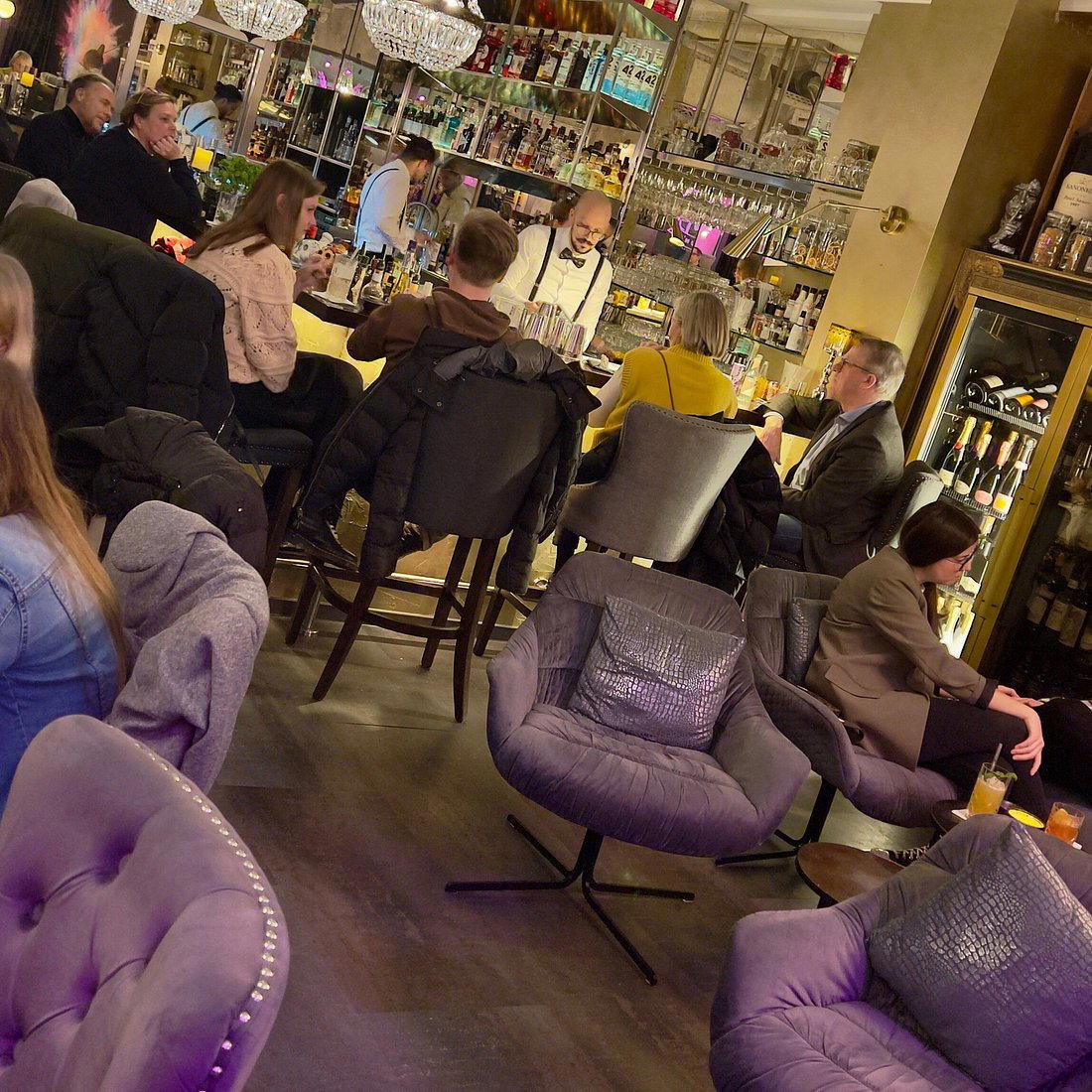
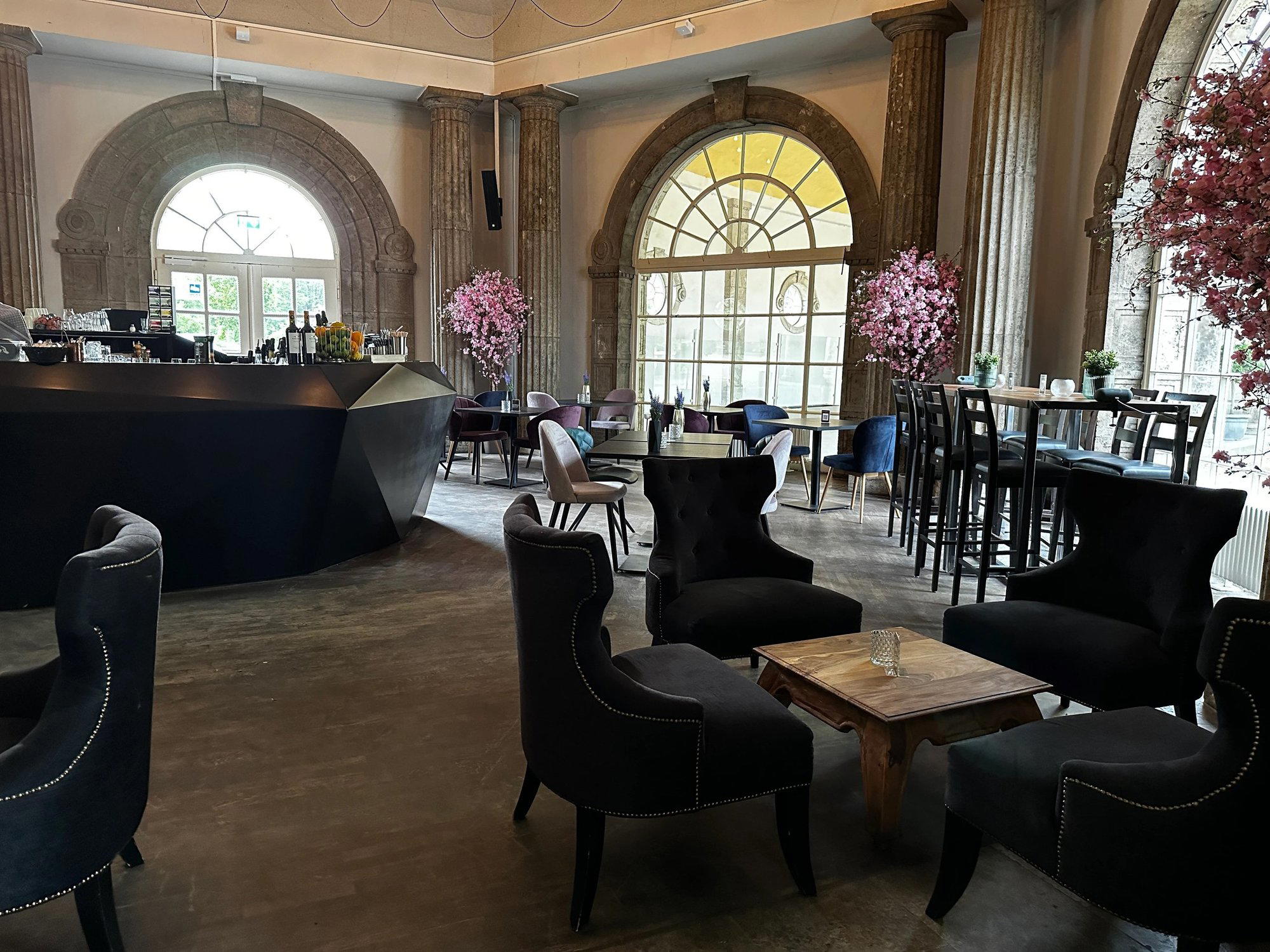
Stylish cosmopolitan decor with lively urban energy, open kitchen views, and a lively yet sophisticated atmosphere.