Positioned on Esbjerg's seafront at Strandpromenaden 1, Restaurant Strandpavillonen occupies a location where the North Sea context does most of the editorial work. Denmark's west coast dining scene has historically lagged behind Copenhagen's New Nordic moment, but a growing cluster of serious kitchens is closing that gap. Strandpavillonen sits within that shift, drawing on a coastline that has supplied Danish tables for generations.
Pearl is the En Primeur Club membership app — saves, bookings, and concierge access live there. Same editors, same standards.
- Address
- Strandpromenaden 1, 6710 Esbjerg, Denmark
- Phone
- +4575117000
- Website
- hjertingbadehotel.dk
- Directions
- Get directions
 Saves & bookings on Pearl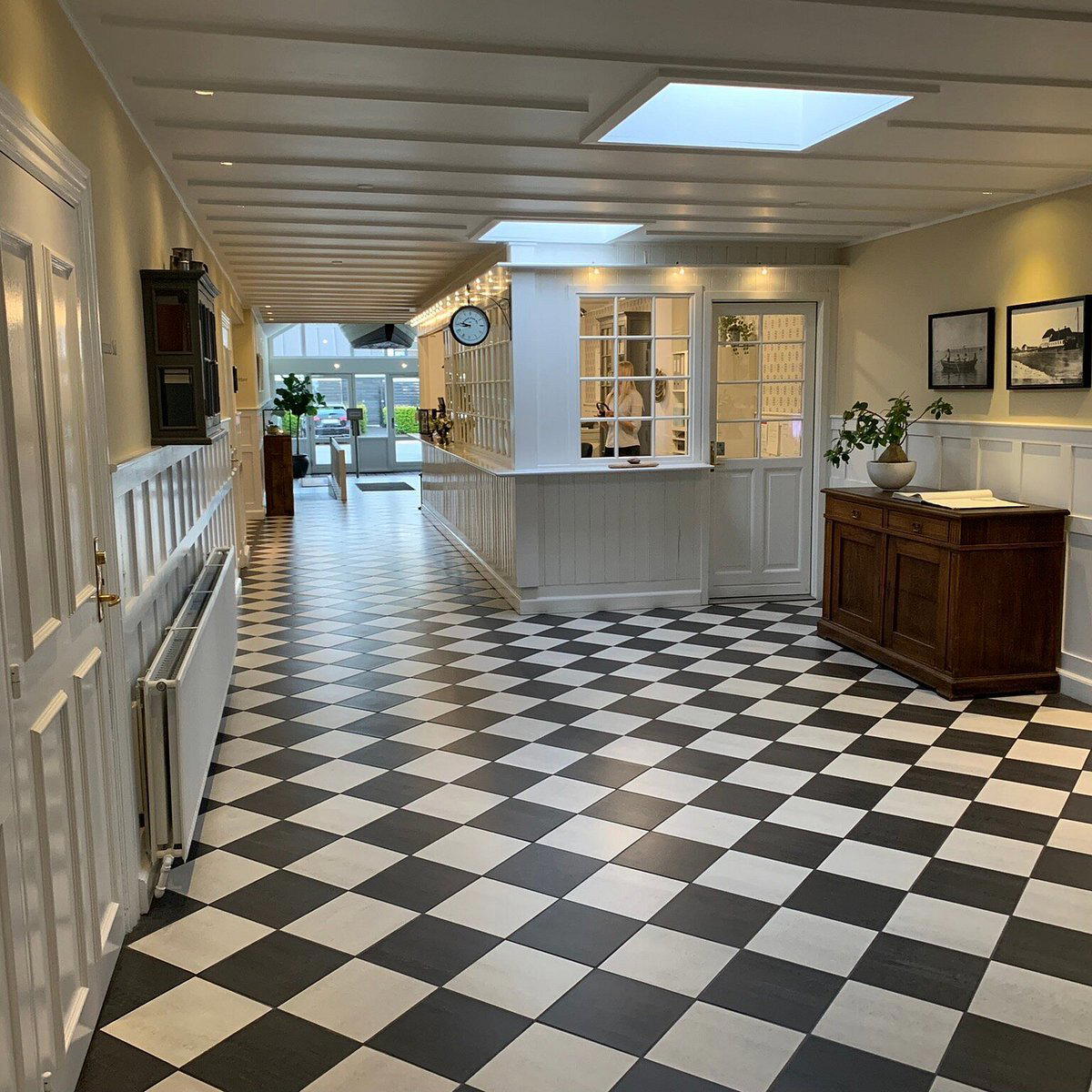
Where the North Sea Sets the Agenda
Approach Strandpromenaden on the western edge of Esbjerg and the logic of this address becomes immediately clear. The wind comes off the North Sea with enough force to remind you that this is a working coast, not a scenic backdrop. The harbour that made Esbjerg Denmark's largest fishing port still operates within sight, and that proximity to one of Europe's most productive cold-water fisheries is not incidental to what ends up on the plate at a restaurant positioned at its edge. Along Denmark's west coast, the relationship between kitchen and coastline tends to be shorter, more direct, and less mediated by the supply chains that Copenhagen's dining scene relies on.
Esbjerg's dining scene sits in an interesting position relative to the broader Danish restaurant story. The New Nordic movement that redrew European fine dining over the past two decades has been concentrated, institutionally at least, in the capital. Geranium in Copenhagen and Jordnær in Gentofte represent the formal apex of that tradition, operating at price points and levels of Michelin recognition that put them in conversation with the leading tables in Europe. But the philosophy those restaurants articulate, ingredient provenance, seasonal discipline, the primacy of what the Danish land and sea can provide, is not exclusive to the capital. Provincial kitchens that take it seriously often have a sourcing advantage: the ingredients are closer, the relationships with producers more immediate, the supply chain shorter.
A Coast That Has Always Fed Denmark
The North Sea off Esbjerg has supplied Danish kitchens for centuries. The fish landed here, plaice, sole, turbot, herring, cod, shaped the dietary patterns of an entire country before the concept of terroir was applied to anything other than wine. Esbjerg's port status as a commercial fishing hub means the distance between water and kitchen can be measured in minutes rather than the hours that separate a Copenhagen fish market from the boats that supply it. For a kitchen at Strandpromenaden 1, that geography is the foundational sourcing argument.
West Jutland also contributes to the table in less obvious ways. The salt marshes and coastal heathland that characterise this stretch of Denmark produce lamb with a distinct mineral quality, shaped by grazing on vegetation saturated with sea air. Root vegetables grown in the sandy, wind-exposed soils of the region carry a different density than those grown in more sheltered conditions further east. These are the raw materials that define a west coast Danish kitchen when it takes its context seriously, not as a marketing position, but as a genuine constraint on what can and should appear on the menu.
For readers tracing serious Danish cooking outside the capital, the provincial tier has been developing steadily. Frederikshøj in Aarhus and LYST in Vejle demonstrate what is possible at the higher end of Jutland's restaurant scene, while Henne Kirkeby Kro in Henne, just up the coast from Esbjerg, has long been a reference point for serious cooking rooted in the west Jutland larder. Strandpavillonen's address places it in that regional conversation.
Esbjerg's Dining Moment
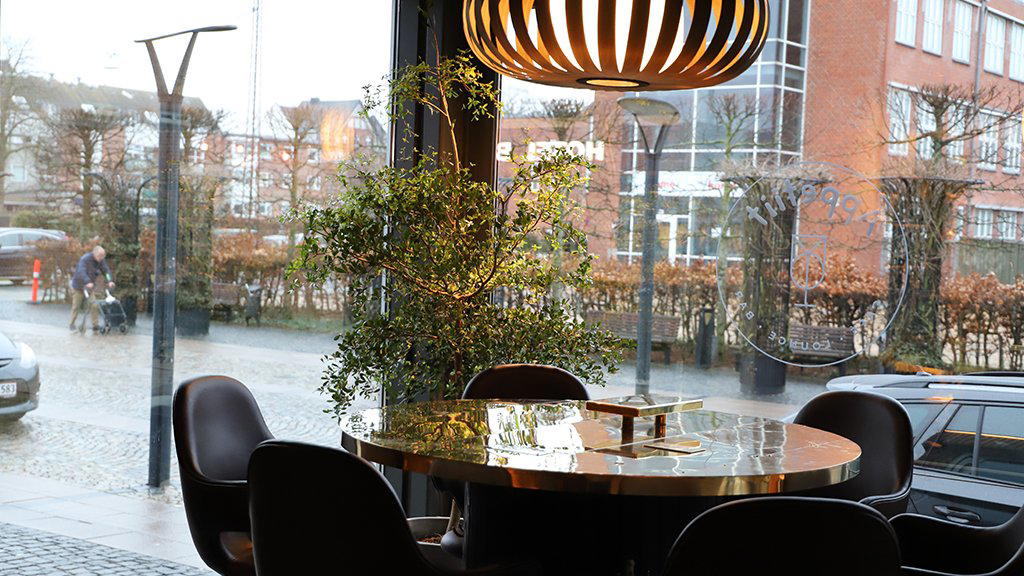
The city itself is often passed over on Danish itineraries that prioritise Copenhagen or Aarhus, which means the restaurants that operate here do so for a local audience rather than tourist capture. That tends to produce a different kind of kitchen, one calibrated to regulars, seasonal availability, and genuine community use rather than the performance expectations of a destination dining circuit. Within Esbjerg, Appetiit and Mundheld represent the city's more established dining options, providing useful reference points for understanding where Strandpavillonen sits in the local sequence.
Across Jutland more broadly, the dining picture is more varied than its reputation suggests. Alimentum in Aalborg and Domæne in Herning indicate that ambition in provincial Danish kitchens is not confined to the east coast or the capital's orbit. The archipelago model, where serious cooking is distributed across the country rather than centralised, is becoming more visible, and Esbjerg is a plausible node in that network given its access to the raw materials that New Nordic's sourcing philosophy prizes most highly.
Le Bernardin in New York City built its reputation on an equally disciplined relationship with seafood sourcing, though through a French technical lens rather than a Nordic one. The underlying argument, that proximity to the primary ingredient is a fundamental quality variable, translates across culinary traditions.
Planning Your Visit
Strandpavillonen's address on Strandpromenaden places it at the seafront in Esbjerg. The west Jutland coast is best experienced outside peak summer, when the light in early autumn and late spring has a particular quality and the seasonal seafood calendar aligns with particularly interesting catches.
Dragsholm Slot Gourmet in Hørve, Frederiksminde in Præstø, MOTA in Nykøbing Sjælland, and Parsley Salon in Hellerup each represent a distinct regional angle. ARO in Odense and Pearl by Paul Proffitt in Kruså extend that map toward Funen and the southern border, respectively. Against that spread, Esbjerg's west coast position, and the North Sea sourcing argument it makes possible, offers something geographically specific that the rest of Denmark's dining circuit cannot replicate.
Comparison Snapshot
Comparable venues nearby, for context on price, style, and recognition.
| Venue | Cuisine | Price | Notes |
|---|---|---|---|
| Restaurant StrandpavillonenThis venue — the venue you are viewing | Danish Coastal Fine Dining | $$$$ | Not listed |
| Mundheld | Nordic Fine Dining | $$$ | city center |
| Appetiit | European Bistro | $$ | City Center |
| Klinten | Danish Seafood | $$$ | Faaborg Fjord waterfront |
| Restaurant Piaf | Southern French with Danish influences | $$$$ | Quartier Latin |
| Båringskov gl. Badehotel | Seafood Buffet | $$$ | Asperup |
Continue exploring
More in Esbjerg
At a Glance
- Scenic
- Elegant
- Cozy
- Date Night
- Special Occasion
- Waterfront
- Hotel Restaurant
- Local Sourcing
- Waterfront
Current opening hours
- Monday
- 6–11 PM
- Tuesday
- 6–11 PM
- Wednesday
- 6–11 PM
- Thursday
- 6–11 PM
- Friday
- 6–11 PM
- Saturday
- 6–11 PM
- Sunday
- Closed
Hours can change for holidays and private events. Last verified .
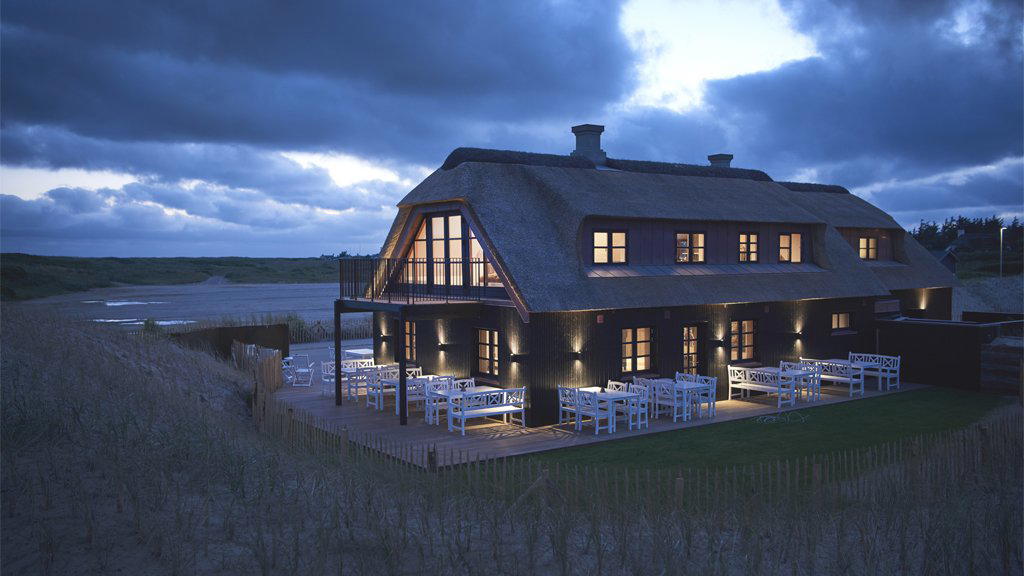
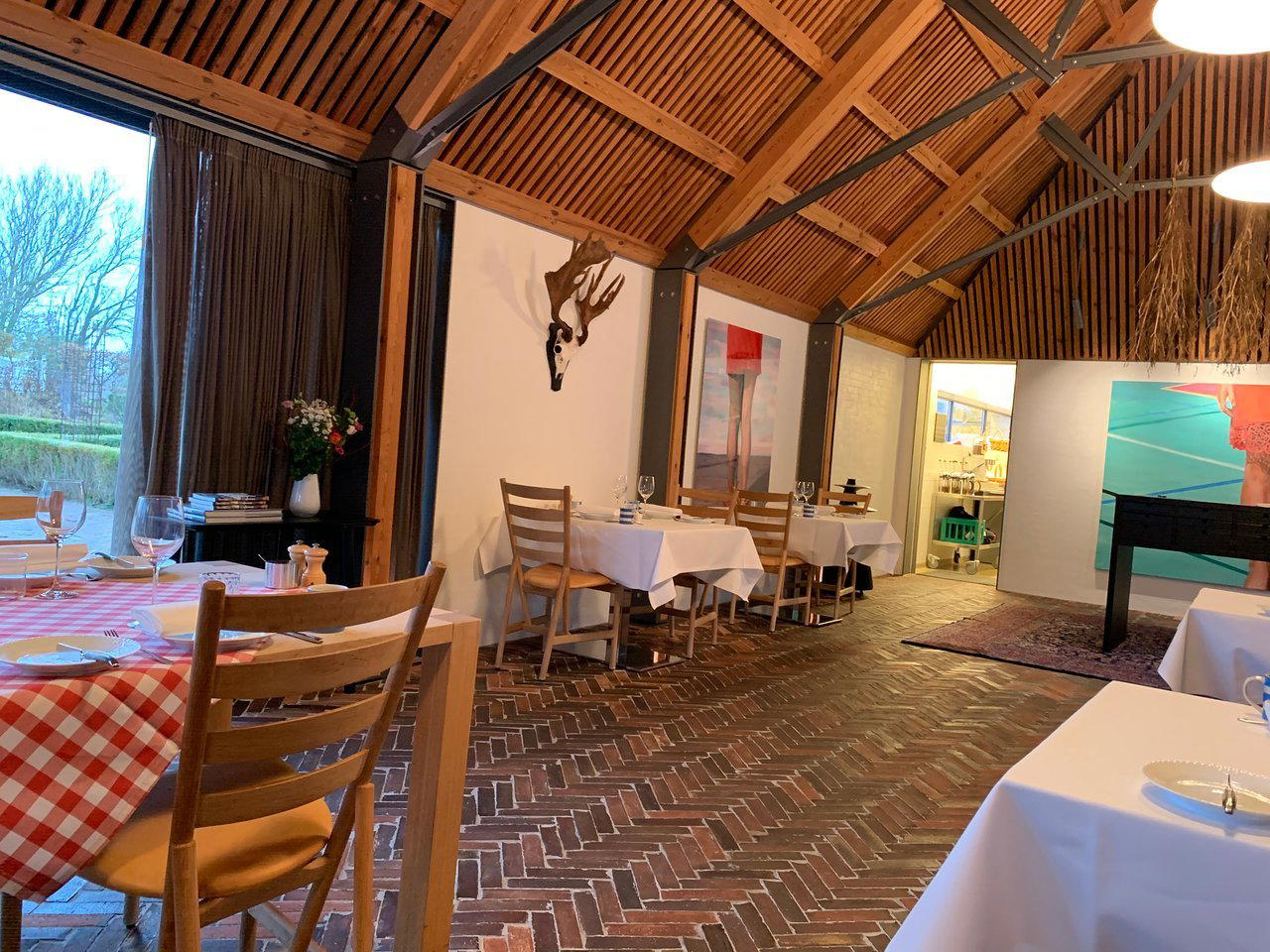
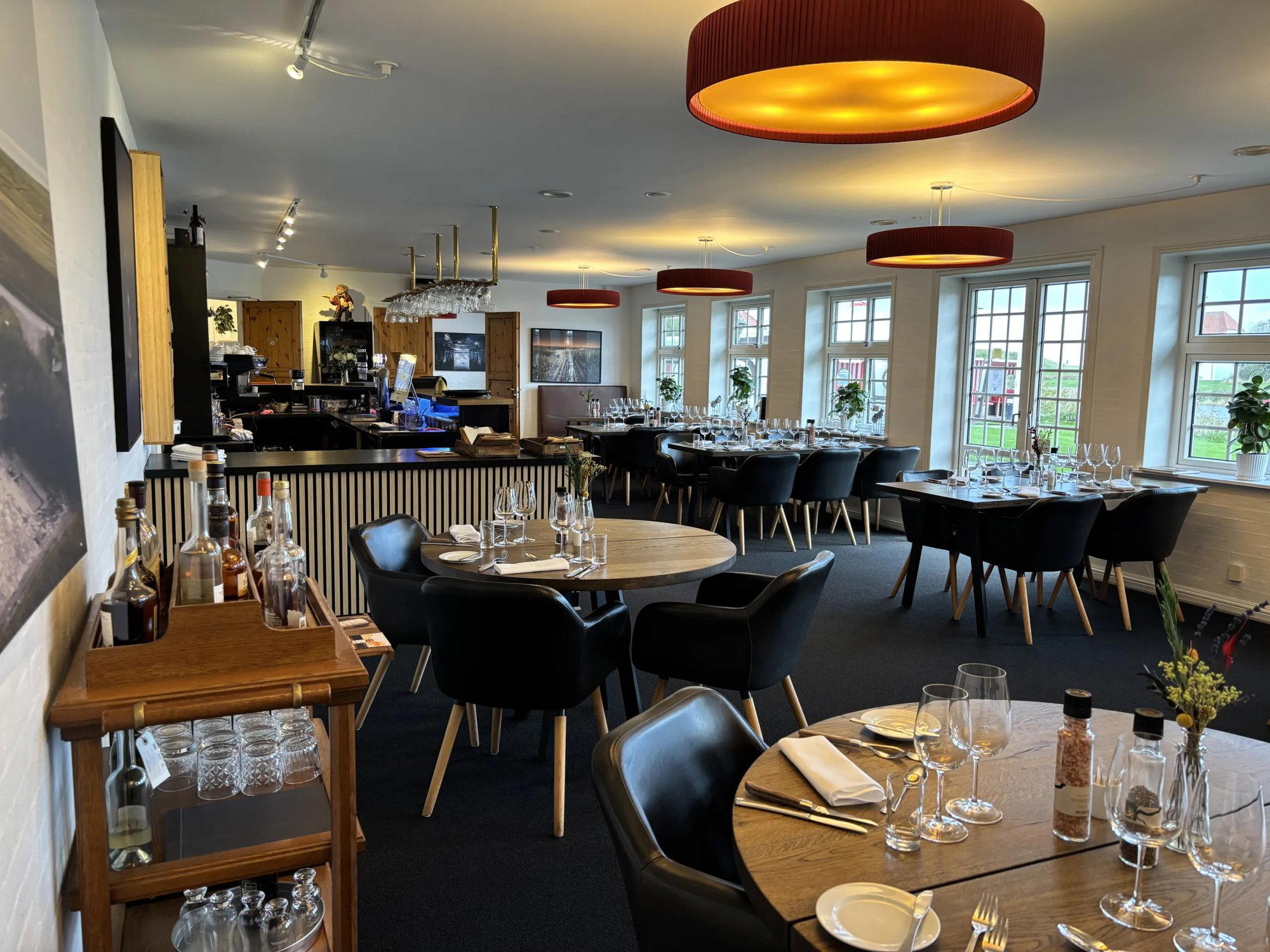
Cozy and elegant atmosphere with natural light from dramatic sea views, blending classic seaside charm and modern aesthetics.