Lieblingssalat
Lieblingssalat on Baarerstrasse brings a focused, vegetable-forward offer to a Zug dining scene more accustomed to steakhouses and traditional Swiss kitchens. The name translates literally as 'favourite salad,' signalling a deliberate positioning in the lighter, plant-led tier of the city's casual dining options. For visitors working through Zug's restaurant range, it represents a distinct counterpoint to the richer, meat-centred formats nearby.
Pearl is the En Primeur Club membership app — saves, bookings, and concierge access live there. Same editors, same standards.
- Address
- Baarerstrasse 87, 6300 Zug, Switzerland
- Phone
- +41415302797
- Website
- lieblingssalat.ch
- Directions
- Get directions
 Saves & bookings on Pearl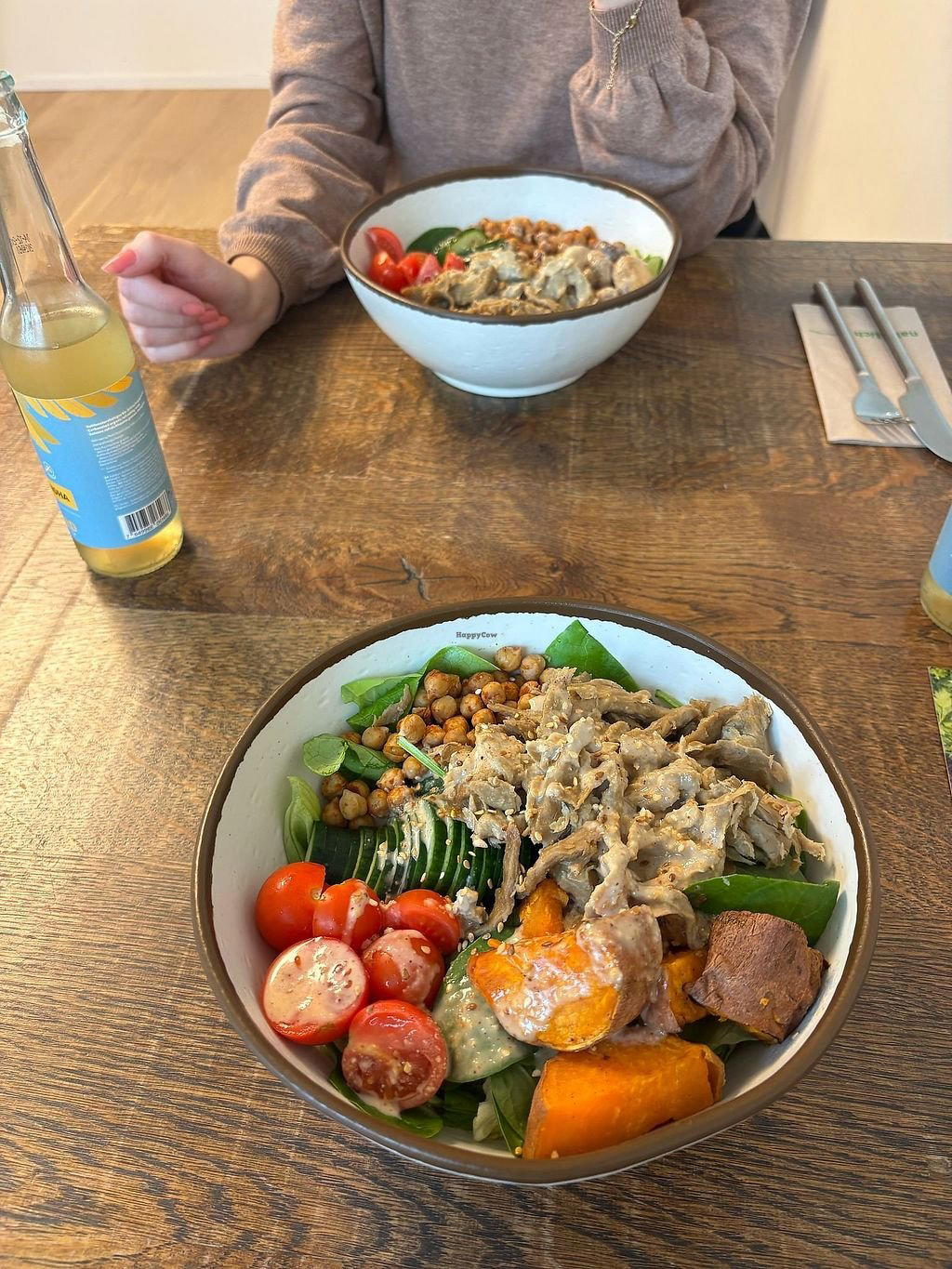
Where Zug Eats Light: The Case for Plant-Led Dining in a Meat-Heavy City
Zug's restaurant culture has long leaned toward the substantial: lake fish, veal, cheese-laden rösti, and the kind of wine-paired dinners that reflect the canton's high per-capita wealth. That context makes the positioning of Lieblingssalat on Baarerstrasse 87 editorially interesting. In a city where the default casual dining move tends toward something from the hearty Central Swiss playbook, a venue whose name translates literally as 'favourite salad' is staking out a deliberate alternative. Across Switzerland, this kind of plant-led, lighter-format offer has grown as urban professionals increasingly treat lunch as functional rather than ceremonial, a shift visible in cities from Basel to Zurich and now filtering into smaller, wealthier cantons like Zug.
Baarerstrasse itself is a workaday artery rather than a destination dining strip, running south from the old town through a stretch of offices, service businesses, and commuter infrastructure. A venue here is aimed at the working week rather than the weekend table, which shapes everything from pacing to format. The comparison set in Zug's casual daytime tier includes direct bistro operations, and Lieblingssalat's name-led identity distinguishes it from the more anonymous lunch spots that populate the same corridor.
The Salad as a Category, Not a Side Dish
Across European dining, the salad has undergone a quiet repositioning over the past decade. What was once a qualifier or an accompaniment has, in a handful of format-specific restaurants, become the main event. This is partly driven by ingredient sourcing: when seasonal vegetables, grains, and dressed proteins are treated with the same attention given to a protein-led main course, the bowl format becomes genuinely satisfying rather than merely virtuous. The more credible operators in this niche work with daily or weekly ingredient rotations tied to availability, which keeps the format dynamic and gives the front-of-house something substantive to communicate.
In Swiss cities with strong professional lunch cultures, this format has found a reliable audience. Zurich has developed a visible tier of bowl-and-salad concepts pitched at the finance and tech workforce, and Zug, with its own dense concentration of commodity trading firms and multinationals, has an analogous population to draw from. The question for any venue in this category is whether the offer is genuinely ingredient-led or simply a lighter-looking version of the same low-margin fast-casual playbook. That distinction determines whether a place builds a returning audience or cycles through novelty seekers.
Team Format and the Counter Dynamic
At lighter-format lunch venues, the dynamic between whoever is composing the bowl, the person explaining the options, and the overall pace of service matters more than it might at a table-service dinner restaurant. There is no sommelier pairing to slow the rhythm, no tasting menu structure to anchor the experience. Instead, the coherence of the offer depends on how well the team communicates what is available that day, what combinations work, and how the ingredients are being treated. In formats like this, front-of-house knowledge about sourcing, seasonality, or preparation method becomes the primary differentiator, since the food itself arrives quickly and without extensive theatre.
That team dynamic is where lighter-format restaurants either develop genuine character or collapse into interchangeability. The venues that build reputations in this tier, whether in Zurich or in comparable European cities, tend to be the ones where the person handing over the bowl can articulate what makes today's offer different from last week's, and where that explanation reflects genuine operational knowledge rather than scripted upselling.
Zug in Context: A Dining Scene with Gaps
Zug punches below its weight in terms of fine dining recognition relative to its wealth. The canton has no Michelin-starred restaurants of its own, and visitors looking for that level of ambition typically travel to Zurich, Lucerne, or further afield. For three-star ambition, Hotel de Ville Crissier in Crissier remains Switzerland's most decorated address, while Schloss Schauenstein in Fürstenau and Cheval Blanc by Peter Knogl in Basel represent the country's top tier in the east and northwest respectively. In the broader Central Switzerland region, Colonnade in Lucerne and focus ATELIER in Vitznau operate closer to Zug's geography at a recognised quality level.
Within the city itself, the casual and mid-market tier is where most dining happens. Felsenkeller and Hafenrestaurant represent more traditional formats anchored to the lake and the old town's social fabric. Juanito's and Meating cover the international and meat-led brackets respectively, while Hidén Harlekin Jazz Kissa offers something more experiential. Against that backdrop, a plant-led salad format occupies a genuinely underserved position in Zug's casual dining mix. Our full Zug restaurants guide maps the full range of options across price points and formats.
For comparison, Switzerland's more developed urban dining scenes have seen concepts like this scale with some speed once the format is proven. IGNIV Zürich by Andreas Caminada in Zurich demonstrates how sharing-format concepts can build serious reputations in Switzerland even outside conventional fine dining structures. At the international level, the discipline required to make a focused, ingredient-driven format feel purposeful rather than limited is visible in places like Le Bernardin in New York City, where a single-product focus built over decades becomes the source of authority rather than a constraint, or Atomix in New York City, where tightly structured formats and strong team communication define the entire experience. Closer in ambition, though not in category, Memories in Bad Ragaz, 7132 Silver in Vals, Da Vittorio - St. Moritz in St. Moritz, and Einstein Gourmet in Sankt Gallen show how Switzerland's regional dining scene beyond Zurich and Geneva supports serious culinary ambition when the format and location align.
Planning a Visit
Lieblingssalat is located at Baarerstrasse 87, 6300 Zug, within reasonable walking distance of Zug's main train station and the commercial centre along Baarerstrasse. Given the format and location, this is primarily a daytime and early-week destination, suited to working lunches or a lighter meal before or after exploring the old town and lakefront. Current hours are Mon to Fri 11 AM to 2 PM and 5 PM to 8 PM; the restaurant is closed on Saturday and Sunday. It is walk-in friendly, and pricing is about $20 per person.
Price and Recognition
Comparable venues nearby, for context on price, style, and recognition.
| Venue | Cuisine | Price | Notes |
|---|---|---|---|
| LieblingssalatThis venue — the venue you are viewing | Baar, Vegan Plant-Based Salad Bowls | $$ | Not listed |
| Juanito's | Zug Center, Mexican Lakeside | $$ | Not listed |
| Più Zug | Altstadt, Modern Neapolitan Italian | $$$ | Not listed |
| Restaurant Zur Taube | Not listed | $$$ | Old Town, Modern Mediterranean Fine Dining |
| Restaurant au Premier at Hotel Ochsen | Not listed | $$$ | Old Town, Seasonal Regional International Fine Dining |
| Wirtschaft Brandenberg | Zug, Traditional Swiss | $$ | Not listed |
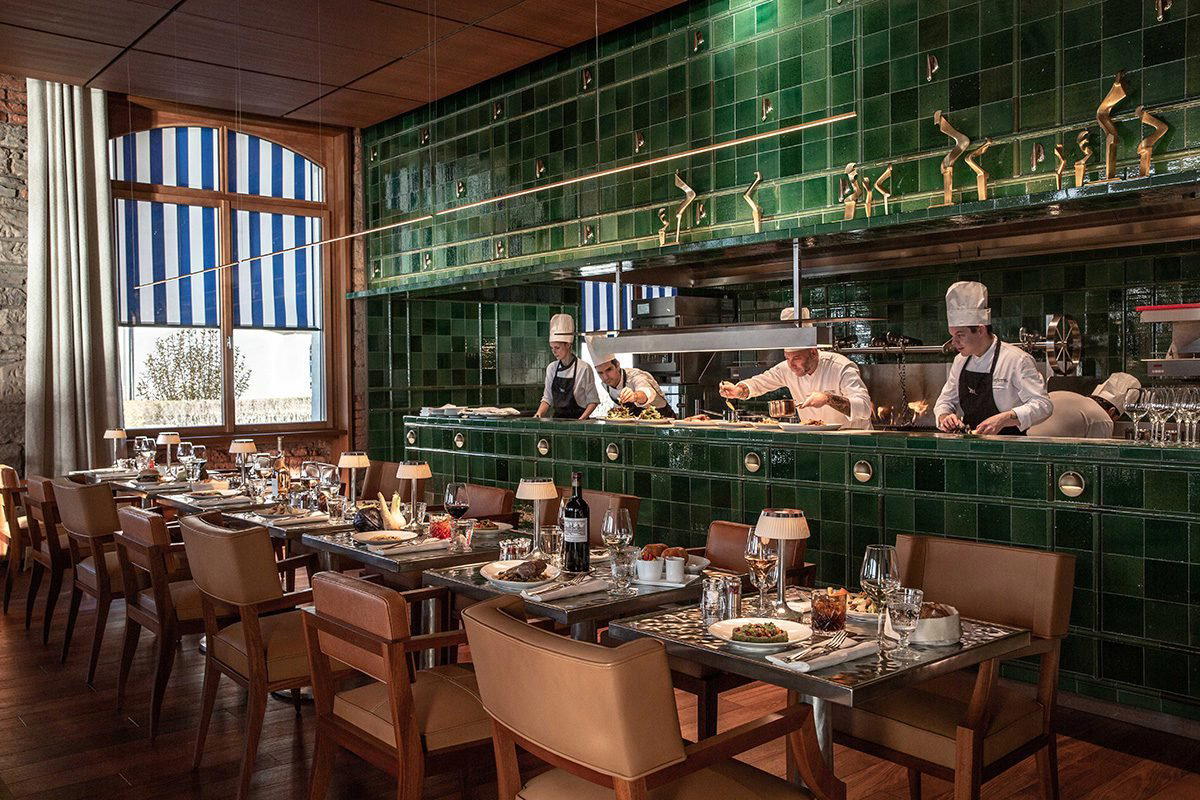
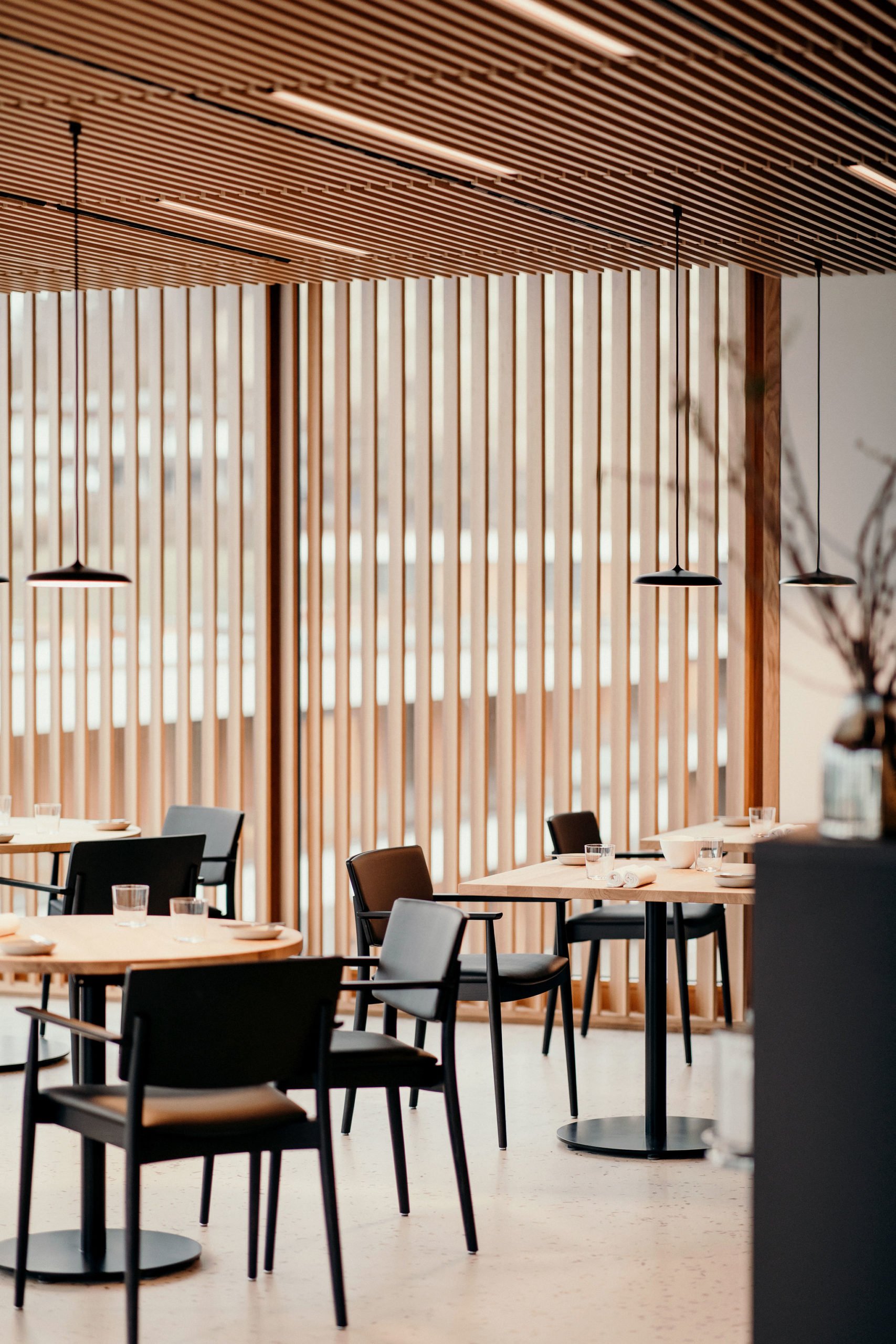
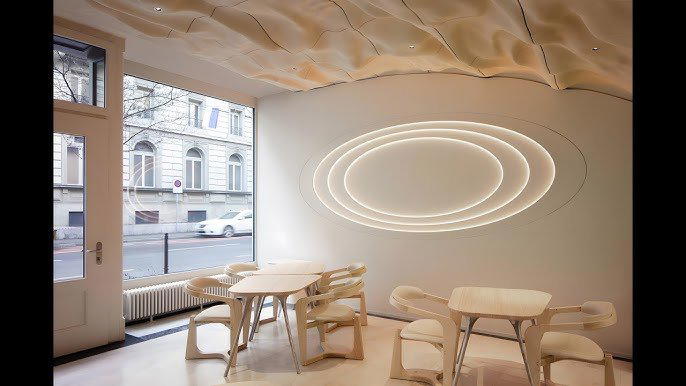
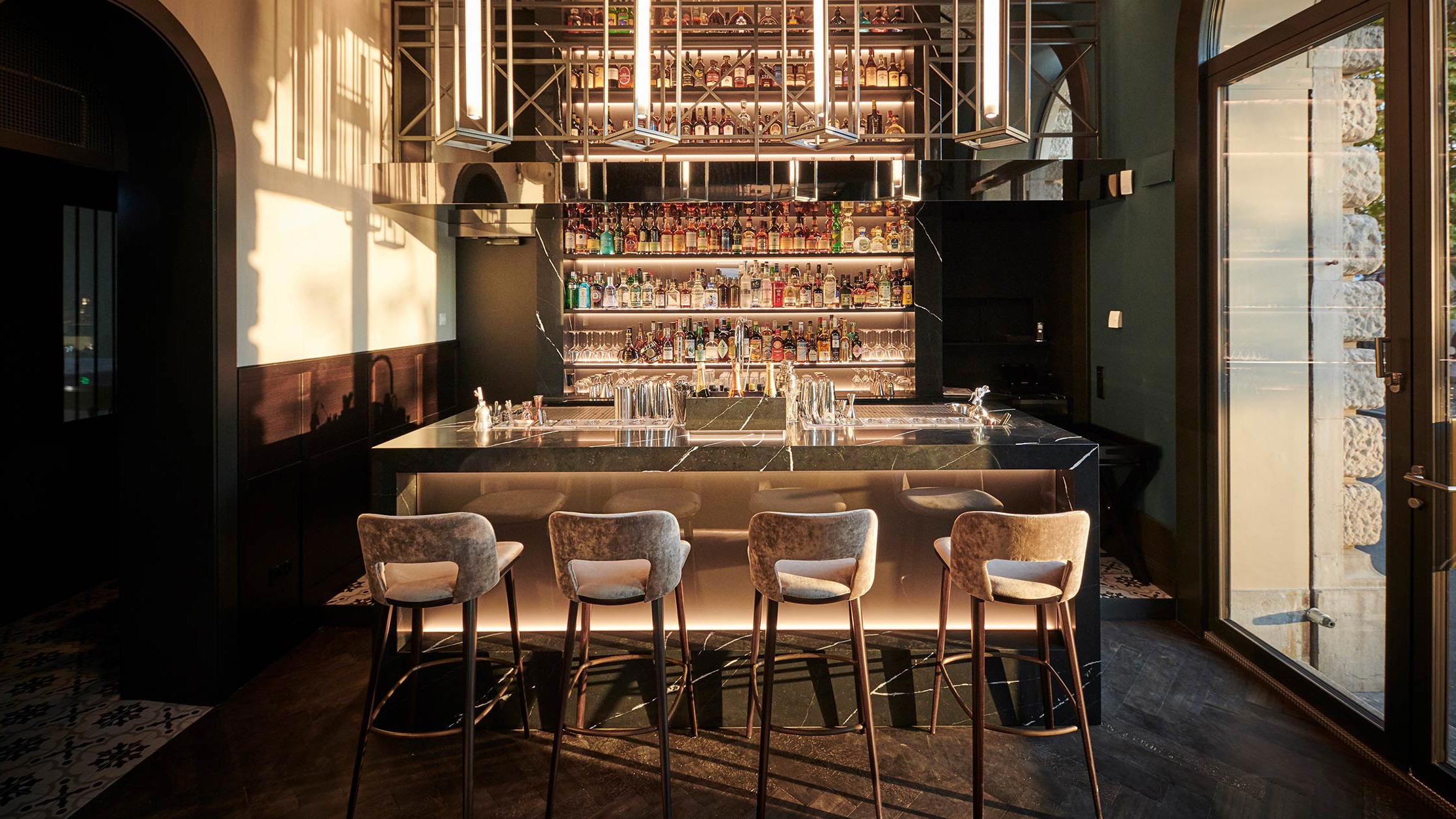
At a Glance
- Modern
- Cozy
- Trendy
- Casual Hangout
- Open Kitchen
- Local Sourcing
Current opening hours
- Monday
- 11 AM–2 PM, 5–8 PM
- Tuesday
- 11 AM–2 PM, 5–8 PM
- Wednesday
- 11 AM–2 PM, 5–8 PM
- Thursday
- 11 AM–2 PM, 5–8 PM
- Friday
- 11 AM–2 PM, 5–8 PM
- Saturday
- Closed
- Sunday
- Closed
Hours can change for holidays and private events. Last verified .
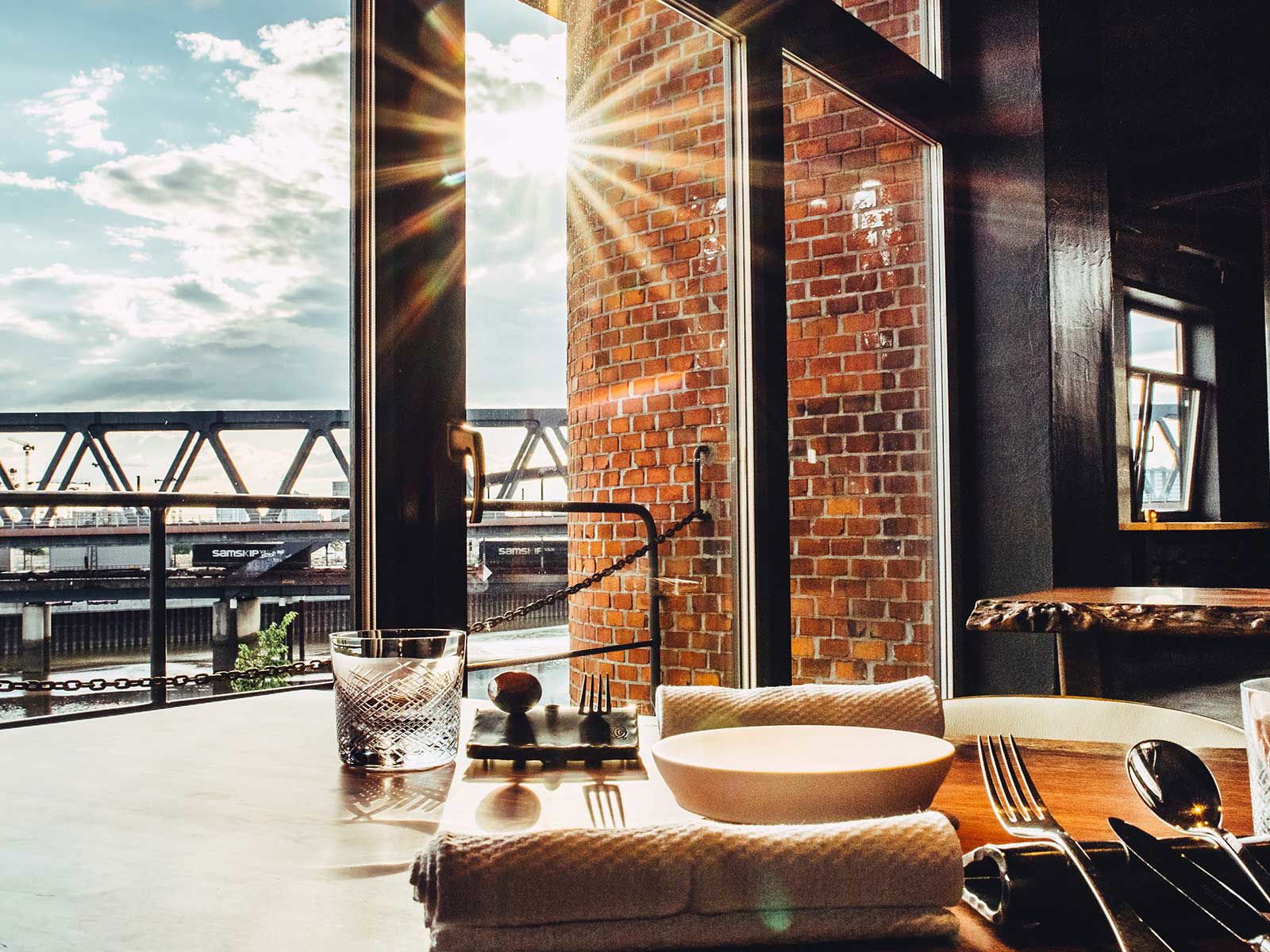
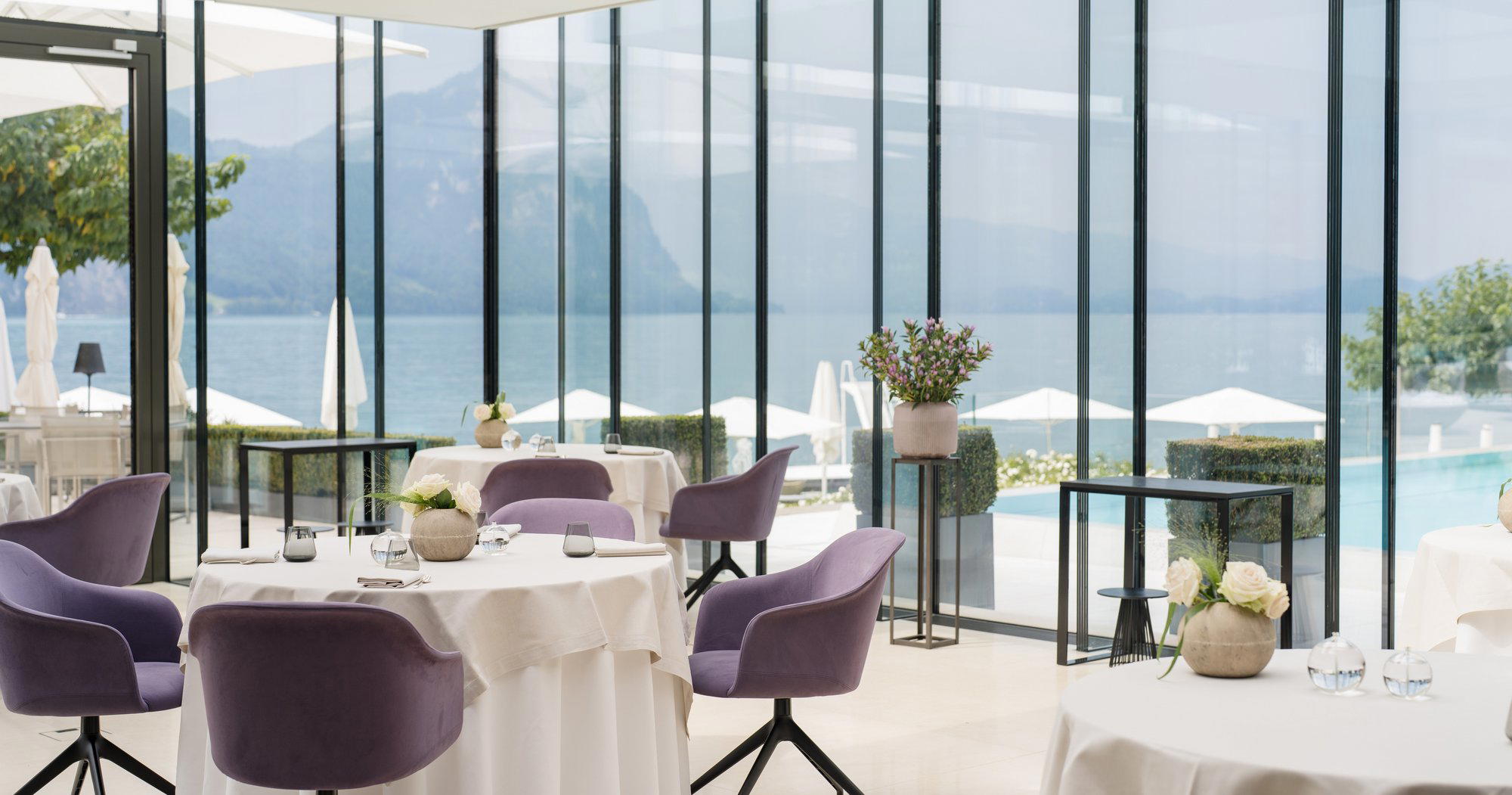
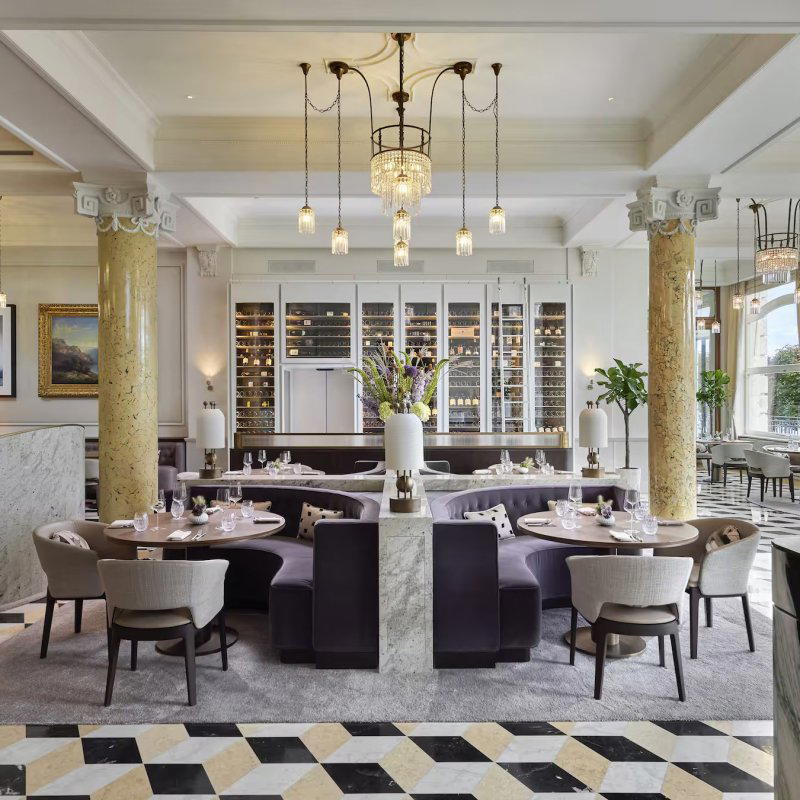
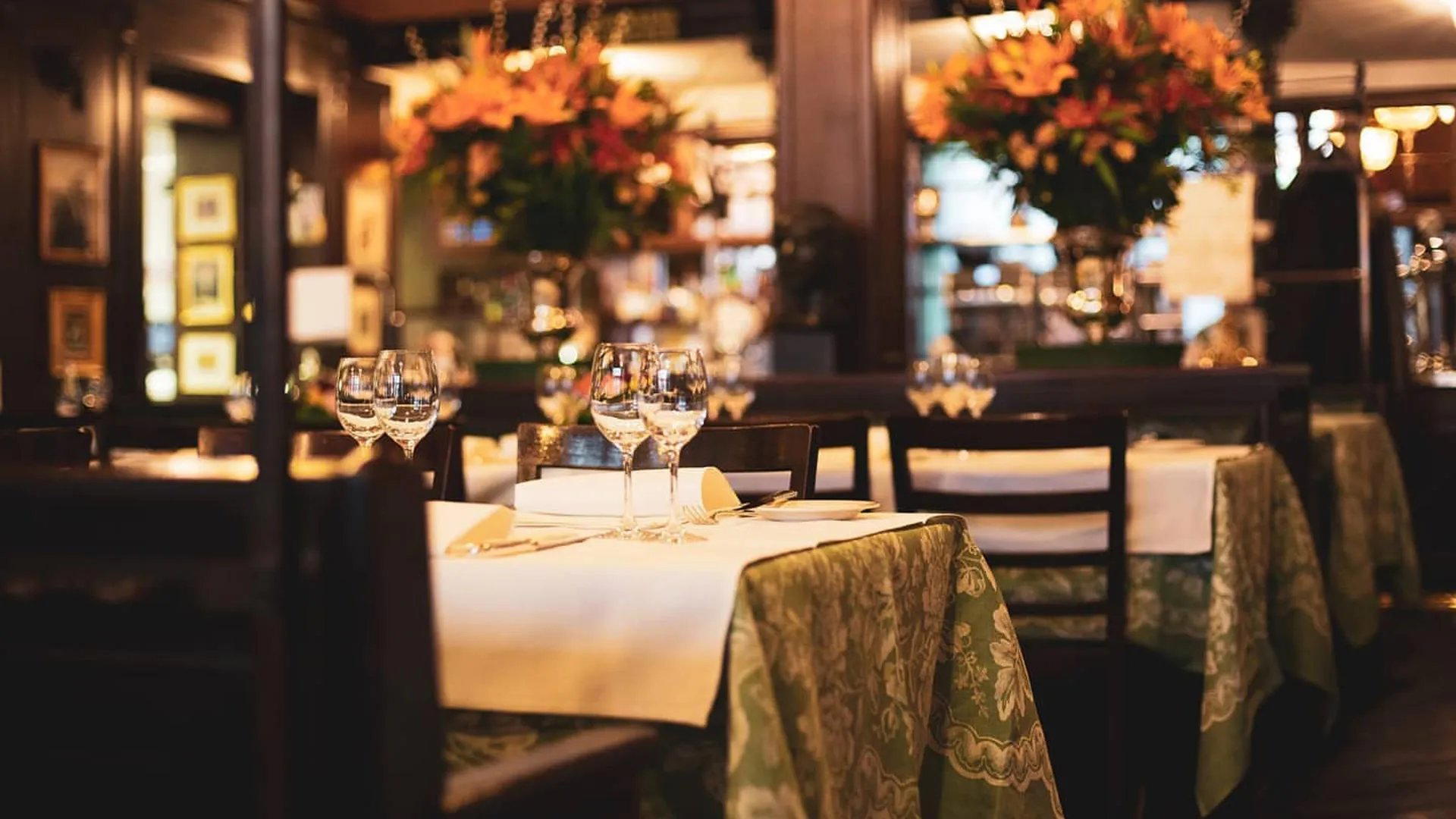
Bright and casual bistro atmosphere focused on healthy, fresh plant-based meals.