Restaurant Rootsch

Set within the historic Oude Haven in Zierikzee, Restaurant Rootsch operates from inside boutique hotel Mondragon and delivers a Modern French menu grounded in Zeeland's coastal larder. Chef Bradley Deurloo works with regional ingredients at their seasonal peak, producing dishes that favour clarity over complexity. For a province defined by water, salt, and shellfish, Rootsch makes a compelling case that Zeeland belongs in the Netherlands' fine-dining conversation.
Pearl is the En Primeur Club membership app — saves, bookings, and concierge access live there. Same editors, same standards.
- Address
- Oude Haven 11, 4301 JJ Zierikzee, Netherlands
- Phone
- +31 111 230 000
- Website
- mondragon.nl
- Directions
- Get directions
 Saves & bookings on Pearl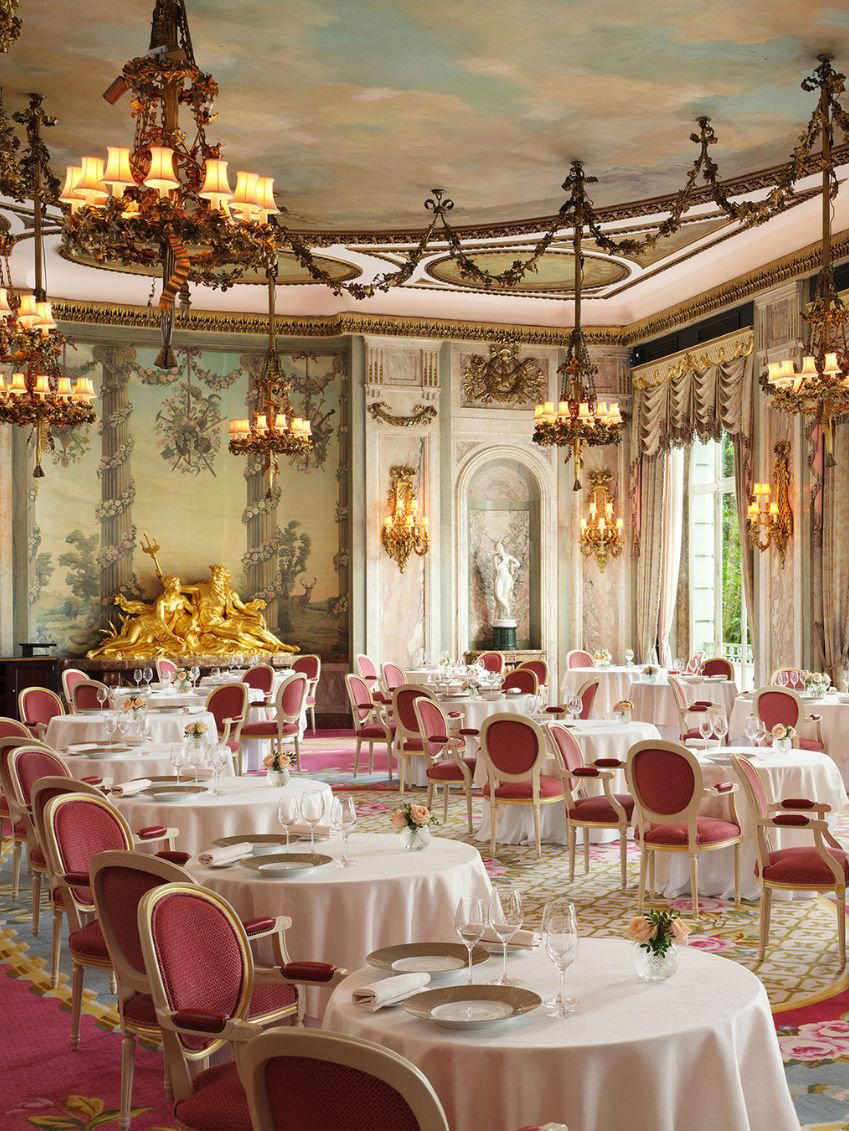
Where the Harbour Meets the Plate
Zierikzee's Oude Haven is among the more preserved medieval harbour fronts in the Netherlands, ringed by gabled facades that have faced the tidal waters of Zeeland for centuries. The stillness here is the point: no container traffic, no tourist-trap density, just stone quays, moored wooden vessels, and a skyline interrupted by the unfinished tower of Sint-Lievensmonstertoren. It is into this context that Restaurant Rootsch sits, occupying the ground floor of boutique hotel Mondragon at Oude Haven 11. The architectural setting does a great deal of editorial work before a single dish arrives.
Zeeland as a culinary province is chronically underrepresented in the national conversation, which tends to cluster its fine-dining attention around Amsterdam, Rotterdam, and the southern provinces. Yet the region's ingredient credentials are among the strongest in the country. The Oosterschelde and Westerschelde estuaries produce shellfish, particularly oysters and mussels, of a quality that commands export prices across Europe. Salt-marsh lamb from the Zeeuwse polders carries a mineral salinity absorbed from coastal grazing. The terroir is immediate and legible, and restaurants willing to let it lead tend to produce food that feels grounded in a way that more technically ambitious kitchens sometimes do not.
A Kitchen That Follows the Estuary
Rootsch sits in the €€€ tier, positioning it below the four-star spending level of Dutch fine-dining flagships such as De Librije in Zwolle or Ciel Bleu in Amsterdam, and closer in register to restaurants like 't Ganzenest in Rijswijk and 't Raedthuys in Duiven, which operate Modern French frameworks at a similar price point. Within that tier, Rootsch's distinguishing factor is its regional specificity: this is not a generic Modern French operation transplanted to a photogenic harbour town, but a kitchen that appears genuinely shaped by the geography surrounding it.
Chef Bradley Deurloo's approach, as documented by Michelin recognition, is one of restraint in composition and confidence in sourcing. A dish combining lightly seared scallops, gently braised leeks, a sherry-infused beurre blanc, and lacinato kale chips is illustrative of how the kitchen works: French technique provides the architecture, but the ingredients carry the message. Beurre blanc is a Loire Valley preparation that has been absorbed into the broader vocabulary of European fine dining, but anchored here with sherry it acquires a Zeeland-adjacent character, the fortified wine trade having been historically significant along the Dutch coast. The kale chips add texture where cream might otherwise dominate. The construction is deliberate without being laboured.
This kind of cooking, focused on clarity and ingredient quality over elaborate layering, sits in a broad current that has defined the more interesting end of Dutch fine dining over the past decade. Restaurants like De Groene Lantaarn in Staphorst and De Lindenhof in Giethoorn have pursued similar philosophies in their respective provincial contexts. Rootsch belongs to that current, applying it to one of the country's most ingredient-rich coastal settings.
Hotel Mondragon and the Logic of the Setting
The relationship between restaurant and hotel matters here in a way that it does not at every hotel dining room. Mondragon is a boutique property, and Rootsch is described as matching its elegance rather than merely occupying a spare room. In the Netherlands and across northern Europe more broadly, the hotel restaurant has undergone a significant reappraisal over the past fifteen years. Properties like De Bokkedoorns in Overveen and Brut172 in Reijmerstok demonstrate that the format can support serious cooking, particularly in smaller towns where the hotel is one of the few architectural anchors capable of supporting a fine-dining operation. Rootsch fits that pattern precisely.
The decor, according to Michelin's account of the restaurant, incorporates references to Zeeland throughout, from the visual language of the interior to the menu's regional anchoring. This consistency between setting and plate is not a given. It requires a deliberate editorial decision on the part of the kitchen to resist the generic and commit to the local, even when the local means a small island province with a relatively modest international dining profile.
Planning a Visit
Zierikzee is located on the island of Schouwen-Duiveland in the Zeeland province, accessible by car across the Zeelandbrug, one of the longest bridges in Europe, or via the A59 and N57 road network from Rotterdam and The Hague. The town is compact and easily walkable once you arrive; the Oude Haven is within a short distance of the historic centre. For those travelling for the meal specifically, staying at hotel Mondragon removes any logistics around transport after dinner, and makes the proposition of a longer stay in Zeeland sensible rather than effortful. Booking ahead is advisable, particularly in the summer months when Zeeland's coastal towns attract significant Dutch and Belgian leisure traffic. For those building a wider Zeeland dining itinerary, Inter Scaldes in Kruiningen and Fred in Rotterdam represent adjacent reference points at a higher price tier.
For the broader Zierikzee picture, see our full Zierikzee restaurants guide, our full Zierikzee hotels guide, our full Zierikzee bars guide, our full Zierikzee wineries guide, and our full Zierikzee experiences guide.
What This Kitchen Does Well
The case for Rootsch is not built on spectacle. There are no dramatic tableside preparations, no extended tasting menus documented at thirty-plus courses, no chef's-table theatre of the kind that defines the leading of Dutch fine dining at restaurants such as Aan de Poel in Amstelveen or De Lindehof in Nuenen. The case is built on proportionality: a kitchen operating within its means, in a setting that reinforces rather than contradicts its food, in a region whose ingredients make the argument for cooking this way. Michelin's recognition of the restaurant reflects exactly that. The food is, in the assessment of the guide, beautifully in tune with the times. That is a considered editorial verdict from an institution not given to casual praise, and it places Rootsch in the company of kitchens across the Netherlands that have chosen specificity over ambition as their competitive position. For a dining destination as geographically distinctive as Zeeland, that is probably the correct choice.
How Restaurant Rootsch Zierikzee compares with similar nearby venues.
| Venue | Cuisine | Price | Awards |
|---|---|---|---|
| Restaurant Rootsch | Modern French | €€€ | Michelin Plate (2025) |
| Mezger | Modern French | €€€ | Not listed |
| Vista | Modern French | €€€ | Not listed |
| Wielinga | Modern French | €€ | Not listed |
| Restaurant de Juwelier | Modern French | €€€ | Not listed |
| Olde Marckt | Modern French | €€€ | Not listed |
Recognition history
Dated appearances from independent guides and award organizations, with the underlying list record or original source where available.
Michelin Plate
Michelin
Continue exploring
More in Zierikzee
Restaurants in Zierikzee
Browse all →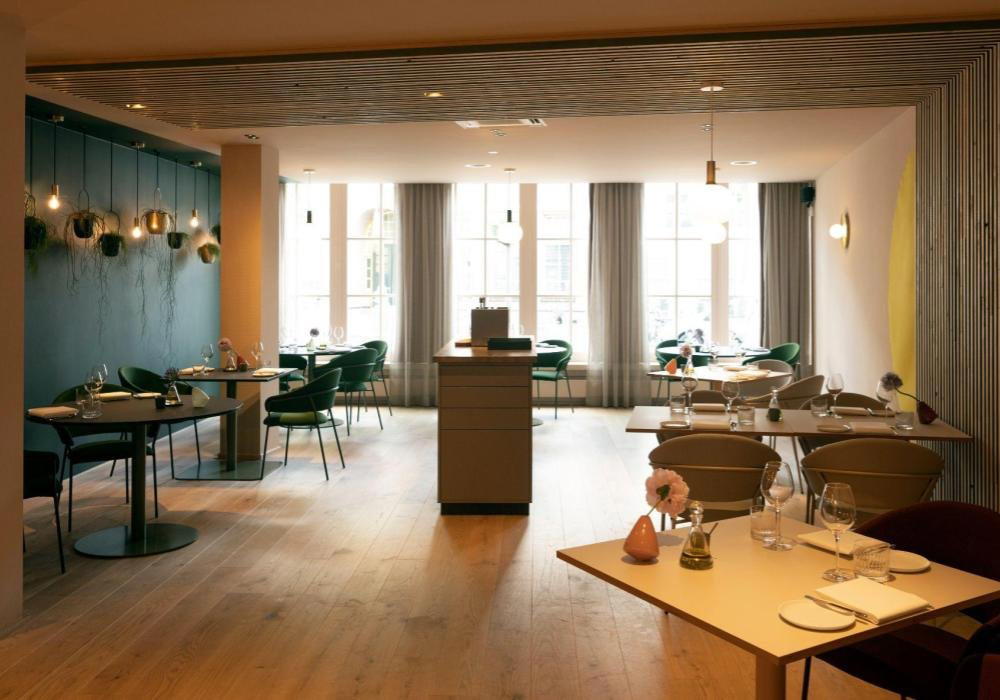
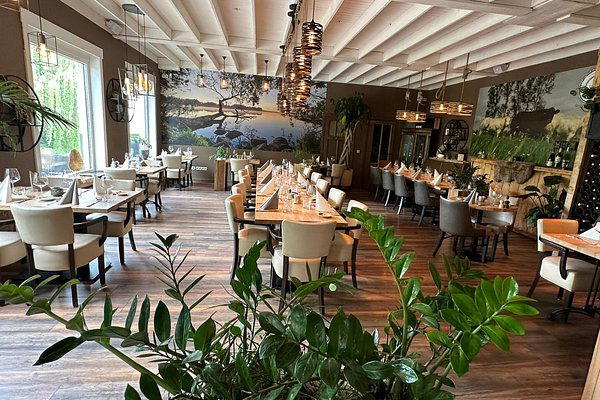
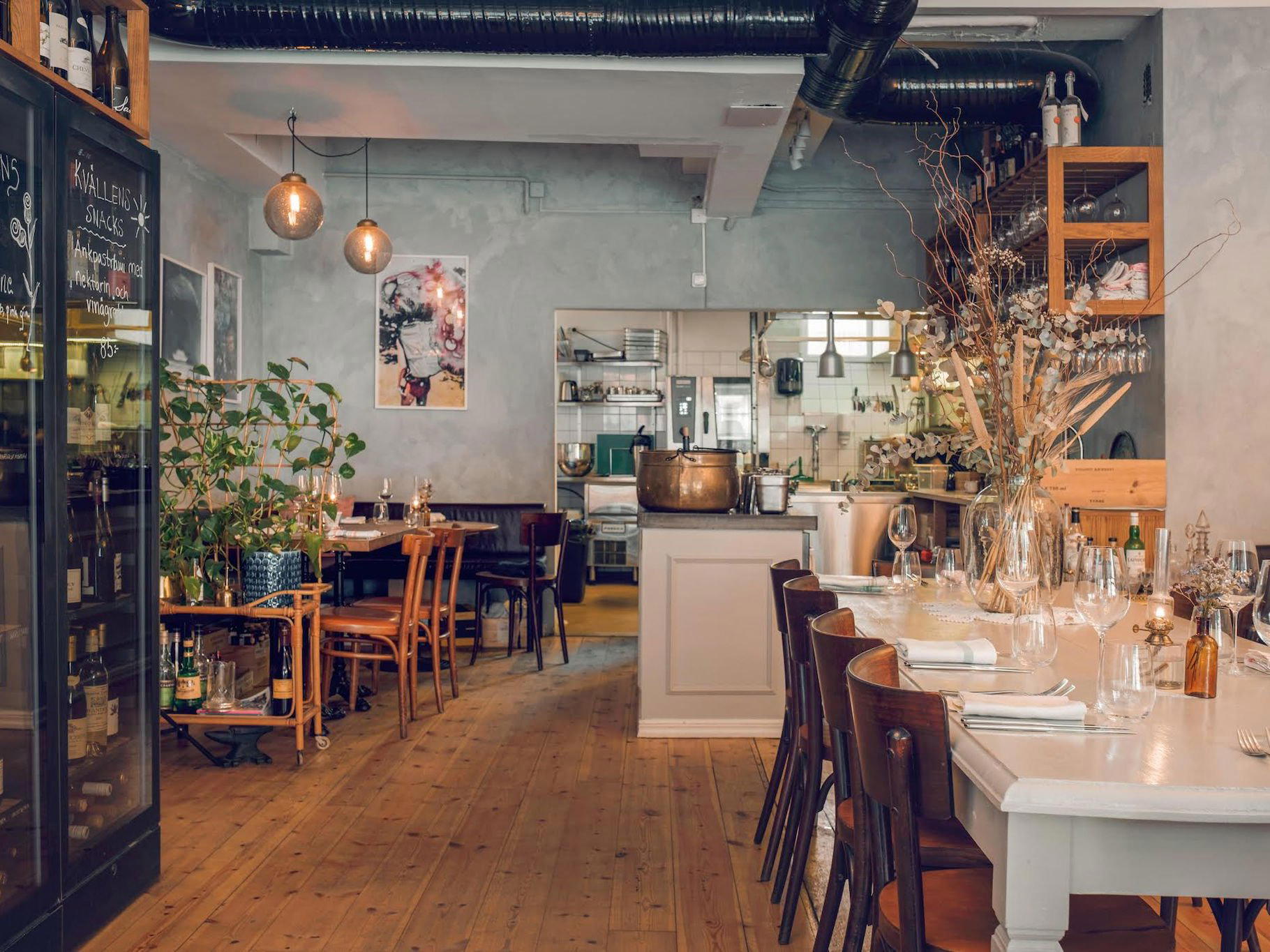
Bars in Zierikzee
Browse all →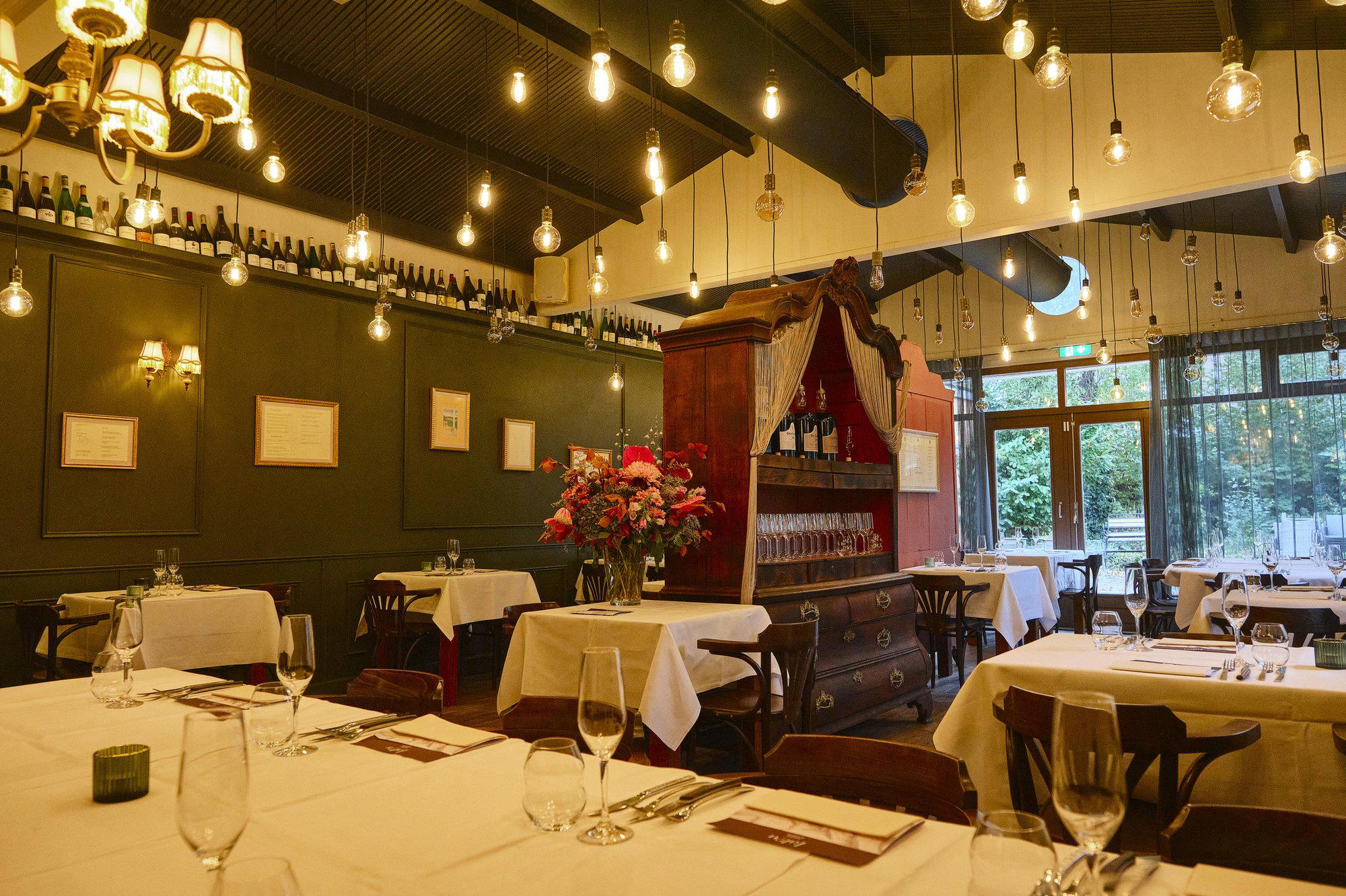
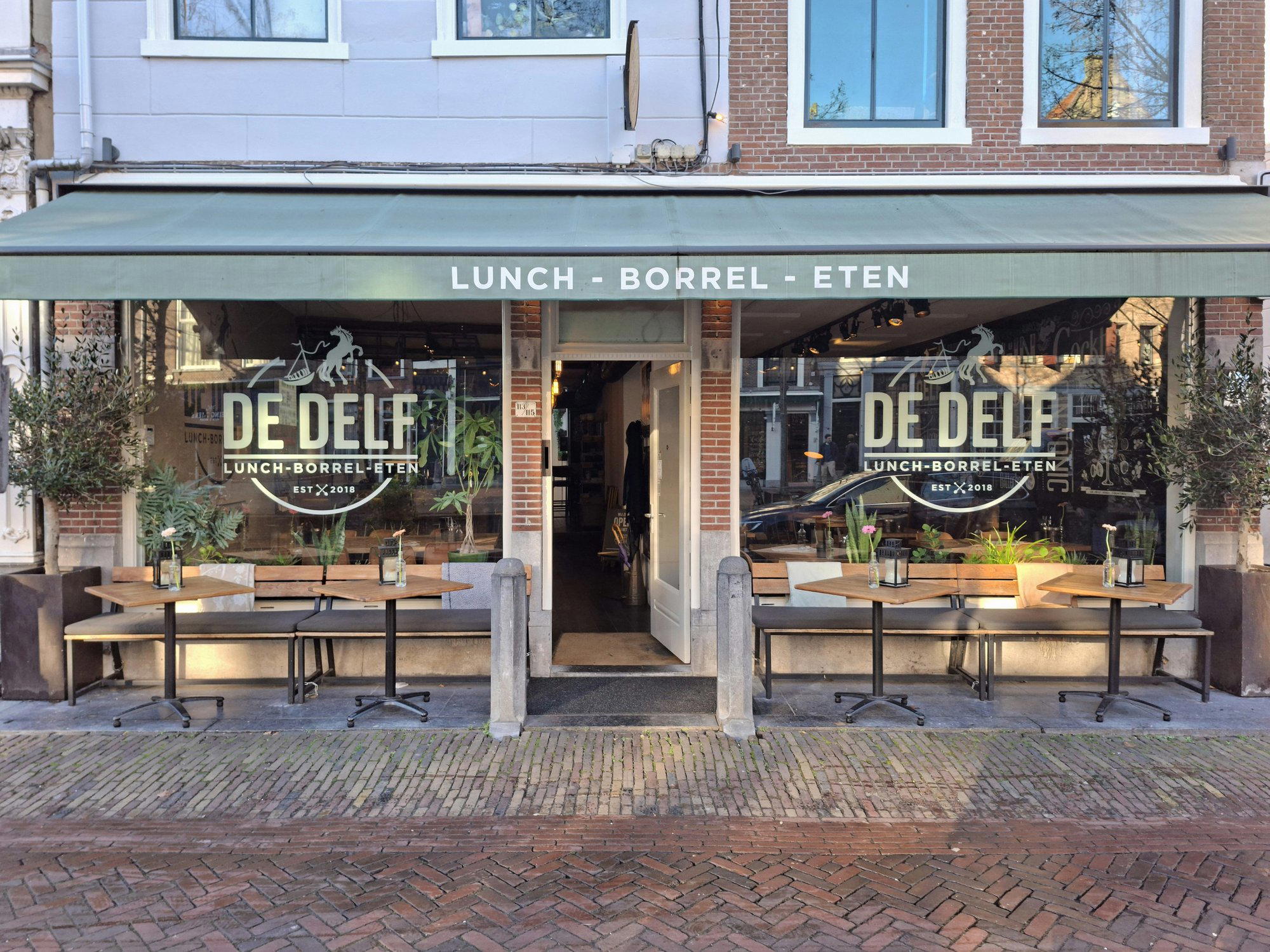
Hotels in Zierikzee
Browse all →
Wineries in Zierikzee
Browse all →
At a Glance
- Elegant
- Cozy
- Intimate
- Sophisticated
- Date Night
- Special Occasion
- Waterfront
- Hotel Restaurant
- Extensive Wine List
- Sommelier Led
- Local Sourcing
- Waterfront
Current opening hours
- Monday
- 6 PM–12 AM
- Tuesday
- Closed
- Wednesday
- Closed
- Thursday
- 6 PM–12 AM
- Friday
- 12–2 PM, 6 PM–12 AM
- Saturday
- 12–2 PM, 6 PM–12 AM
- Sunday
- 12–2 PM, 6 PM–12 AM
Hours can change for holidays and private events. Last verified .
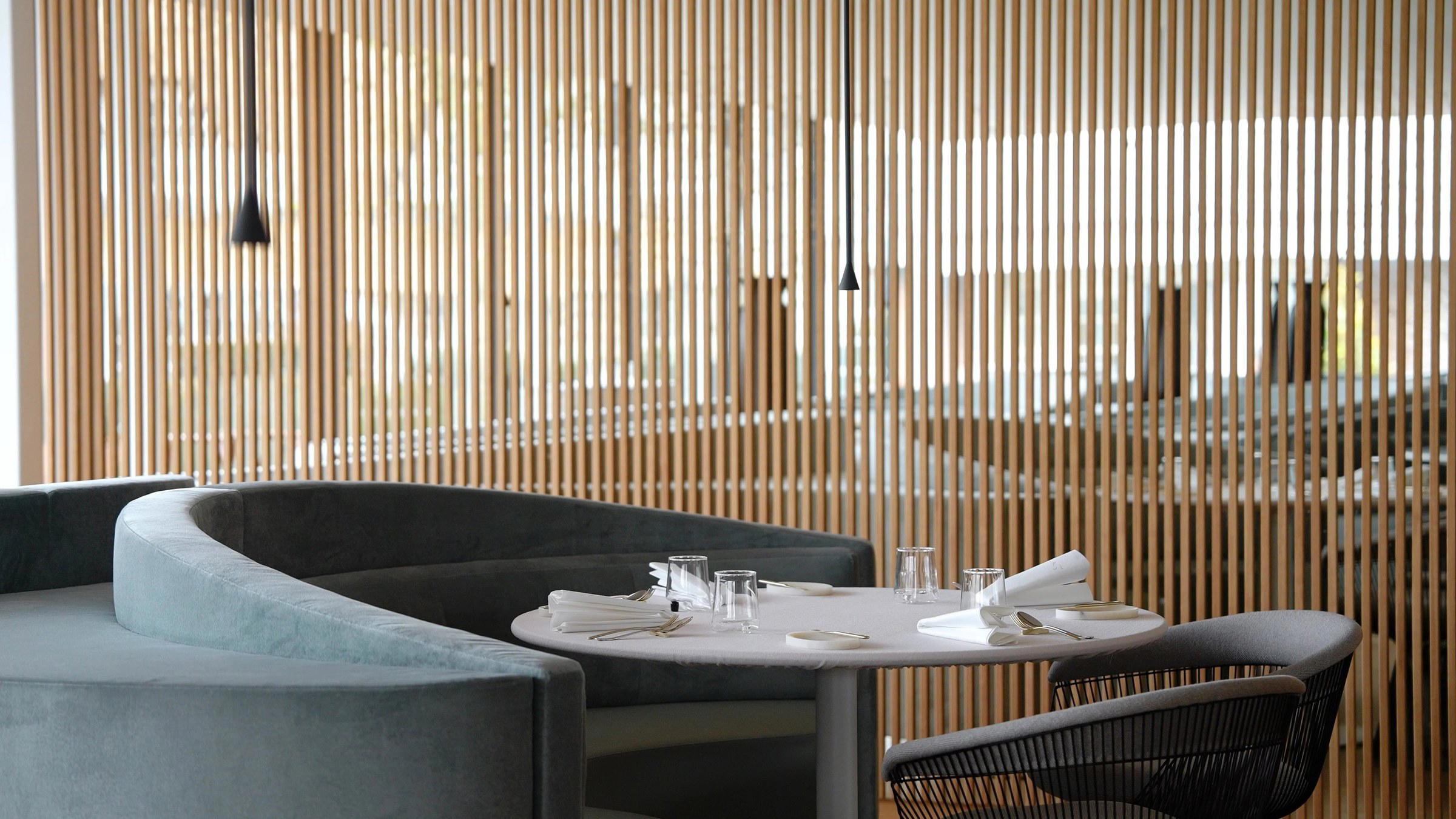
Elegant dining room with warm woods, linen settings, subtle maritime decor, large windows framing Oude Haven views, and quiet conversational atmosphere.