Restaurant Ritter
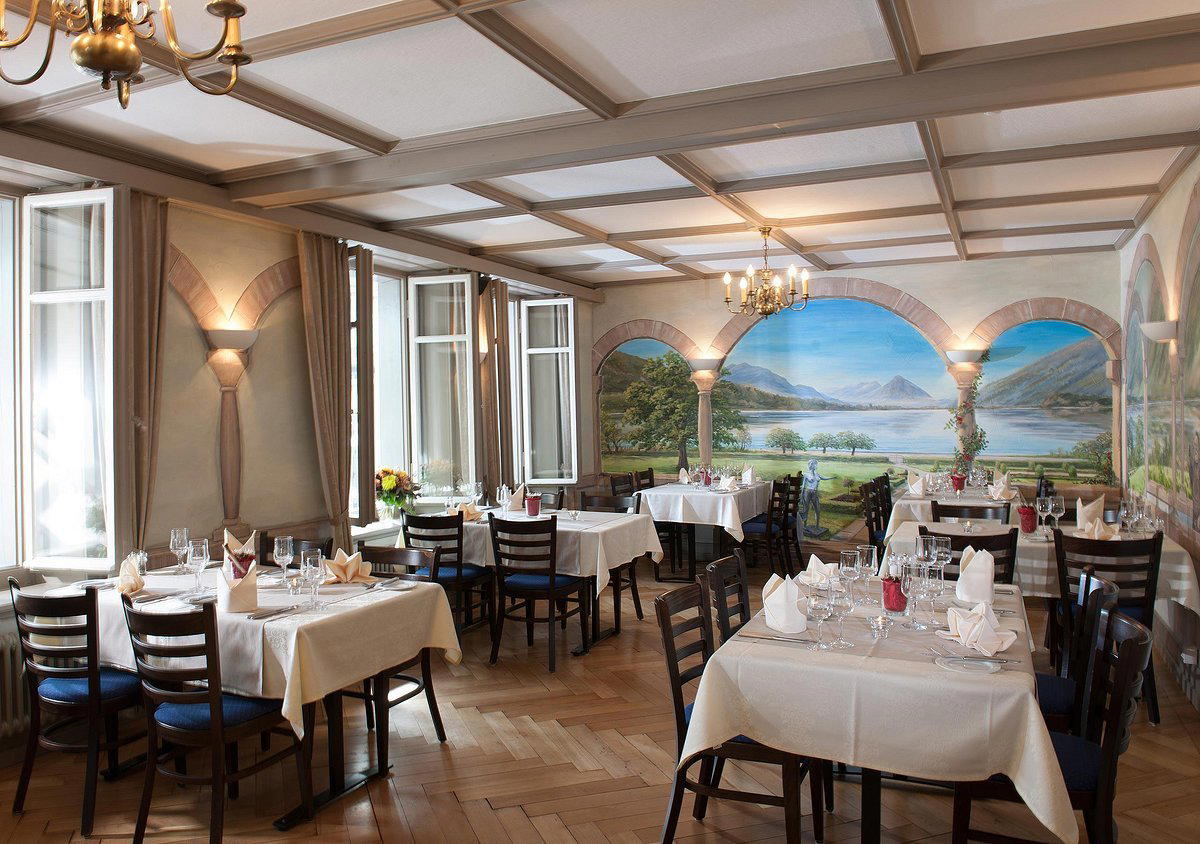
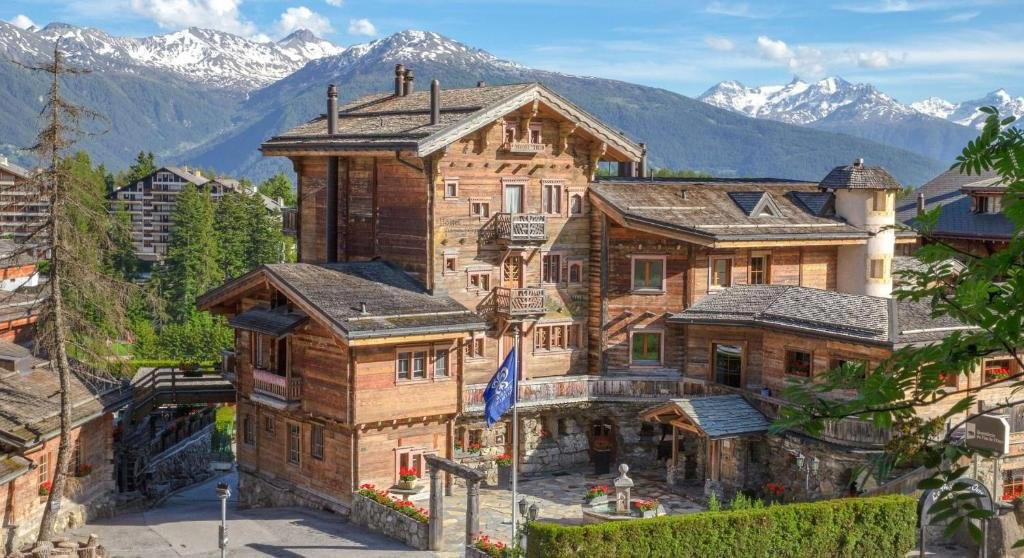
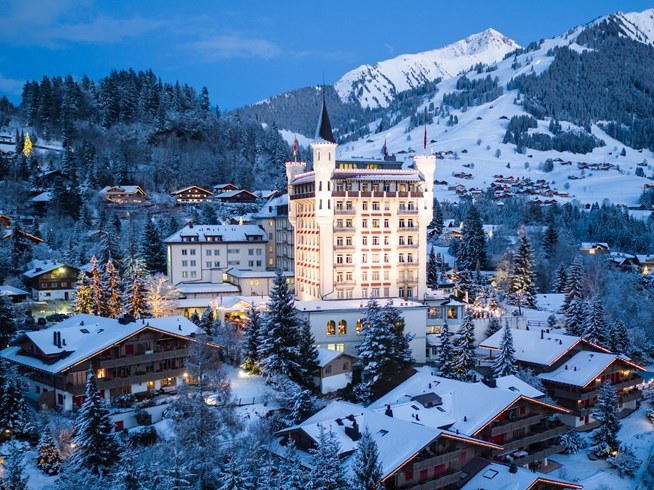
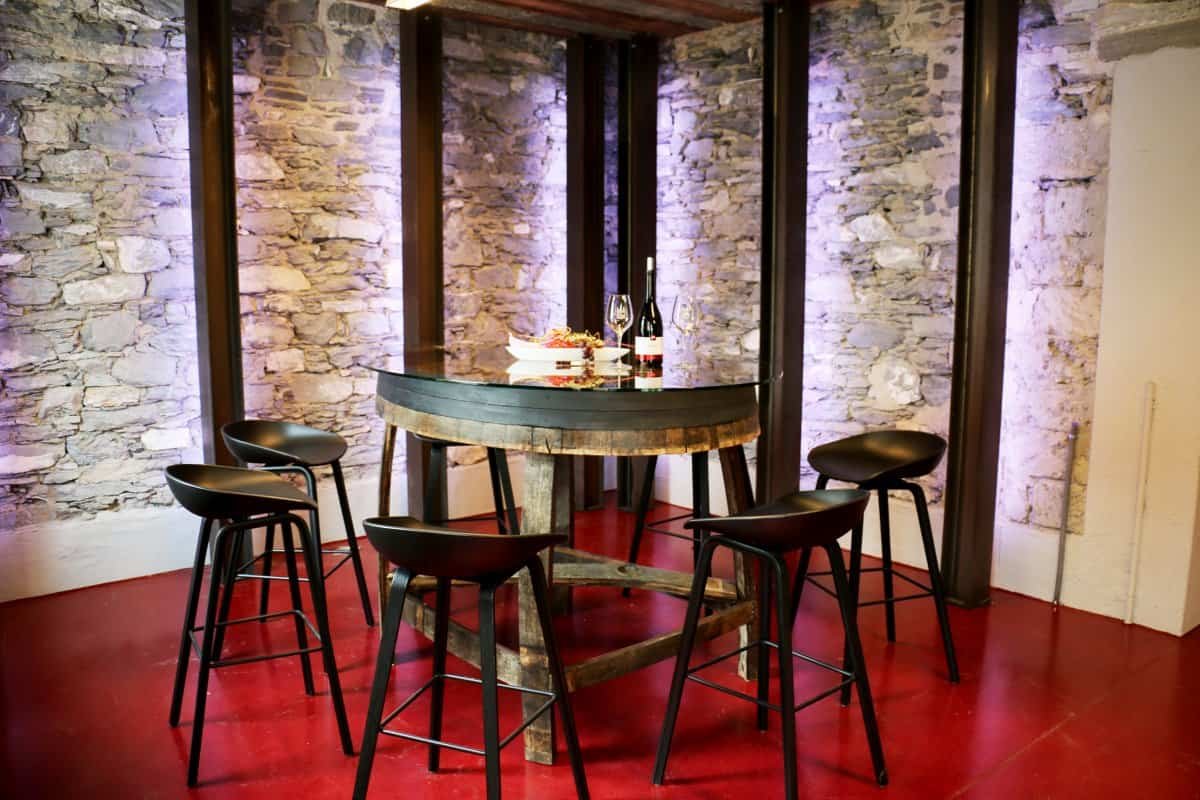
Restaurant Ritter serves Swiss & International Classics at the Belle Epoque Hotel Victoria, with mountain and garden views, terrace seating, and an extensive wine list.
Pearl is the En Primeur Club membership app — saves, bookings, and concierge access live there. Same editors, same standards.
- Address
- Äussere Dorfstrasse 2, 3718 Kandersteg, Switzerland
- Phone
- +41336758000
- Website
- hotel-victoria.ch
- Directions
- Get directions
 Saves & bookings on Pearl
Where the Alps Shape the Plate
Kandersteg sits at the end of a valley road that dead-ends at a cable car and a wall of limestone, the kind of Swiss alpine village where the mountains are not backdrop but geography — they determine what grows, what survives winter, and what arrives on a restaurant table. The Bernese Oberland has long operated on this logic: proximity to altitude defines the larder. Restaurant Ritter, at Äussere Dorfstrasse 2, occupies that context directly, positioned in a village where farming traditions, dairy culture, and short supply lines between pasture and kitchen remain the structural reality of daily cooking rather than a marketing position.
Alpine cooking in this part of Switzerland predates the farm-to-table rhetoric that took hold in urban European restaurants over the past two decades. The Bernese highlands have always cooked from what was close, not because of ideology but because of logistics. Cheese-making culture, cured meats, root vegetables, and game have defined the regional table here through practical necessity long before they became signals of culinary credibility. For the visitor arriving from Geneva or Zurich, where restaurants like L'Atelier Robuchon in Geneva or IGNIV Zürich by Andreas Caminada in Zurich operate in an entirely different register of urban fine dining, the shift to Kandersteg's pace requires a recalibration of expectations — and that recalibration is the point.
The Sourcing Logic of the Bernese Oberland
The ingredient story in this corner of Switzerland runs through altitude. The valley floor around Kandersteg sits at roughly 1,200 metres, with summer grazing pushing livestock considerably higher. The milk from high-altitude pastures carries a different fat composition and a broader flavour range than lowland equivalents, a distinction that Swiss dairy culture has documented and prized for centuries, and that any kitchen operating in this region inherits as a baseline. Bernese dairy products, particularly aged cheeses from nearby co-operatives, carry the specific character of Simmental and Bernese Oberland grass varieties. This is not interchangeable with supermarket stock, and it is what separates alpine cooking with genuine sourcing logic from alpine cooking as aesthetic.
Game from the surrounding mountains enters the regional kitchen through well-established seasonal patterns. Hunting in Swiss cantons operates under strict federal and cantonal regulation, with seasons tightly bounded and quotas enforced, which means the venison, chamois, or ibex that appears on autumn menus in this region is genuinely local by legal and logistical necessity, not as a claim. This stands in contrast to restaurants in Swiss cities that import game from Eastern Europe or New Zealand and serve it within an alpine narrative. The difference is traceable and material. For a sense of how Swiss kitchens at the higher end of the credential spectrum treat comparable sourcing questions, the work at Schloss Schauenstein in Fürstenau and Memories in Bad Ragaz provides useful comparison points, both operate at the €€€€ tier with sourcing frameworks that make regional provenance central to menu construction.
Kandersteg as a Dining Destination
Kandersteg draws a specific visitor: hikers using the village as a base for the Bernese Alps trail network, winter sports travellers, and a quieter cohort of people who come specifically because the valley road goes no further by car. The restaurants serving this population range from hotel dining rooms attached to larger alpine properties to smaller independent operations. The village is not a fine-dining destination in the way that Da Vittorio in St. Moritz or 7132 Silver in Vals anchor their respective resort villages, Kandersteg's dining culture sits closer to honest alpine hospitality than to destination gastronomy. That positioning is not a limitation; it reflects what the village is and what its visitors want from a meal after a day at altitude.
Within Kandersteg's dining scene, Restaurant Ritter sits alongside Au Gourmet as one of the addresses worth noting. The broader Kandersteg restaurants guide maps the full range of options across the village, from casual Stübli formats to hotel-attached dining rooms with more extended menus. For context on how alpine Swiss dining has evolved across different price tiers and regions, the programmes at focus ATELIER in Vitznau, Magdalena in Schwyz, and Einstein Gourmet in Sankt Gallen illustrate how Swiss kitchens at the recognised tier have pushed ingredient sourcing toward regional specificity with documented results. At the European level, the sourcing discipline seen at Hotel de Ville Crissier in Crissier, Switzerland's most decorated kitchen, sets a benchmark for what provenance-led cooking looks like when applied at the highest technical level.
The Format and the Setting
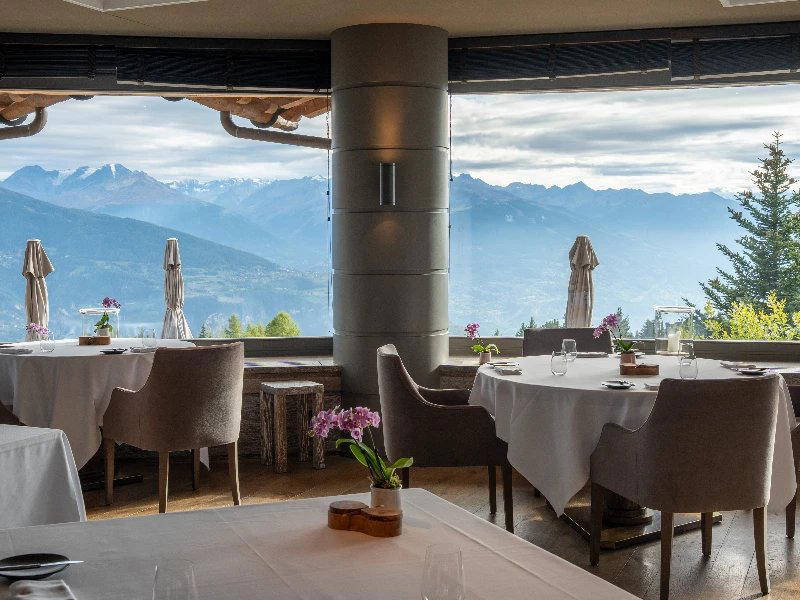
The address at Äussere Dorfstrasse 2 places Restaurant Ritter within the village's outer residential-commercial fabric, away from the immediate tourist cluster around the train station and main square. In Kandersteg, that distinction in positioning matters: the restaurants closest to the station serve the day-tripper flow, while those a few minutes further on tend to draw guests with a more deliberate interest in being there. The physical setting of the Bernese Oberland, the light quality in late afternoon as it catches the limestone faces of the Balmhorn and Altels peaks, the particular quiet of a mountain village where car traffic ends, creates a dining atmosphere that no urban room can replicate through design alone.
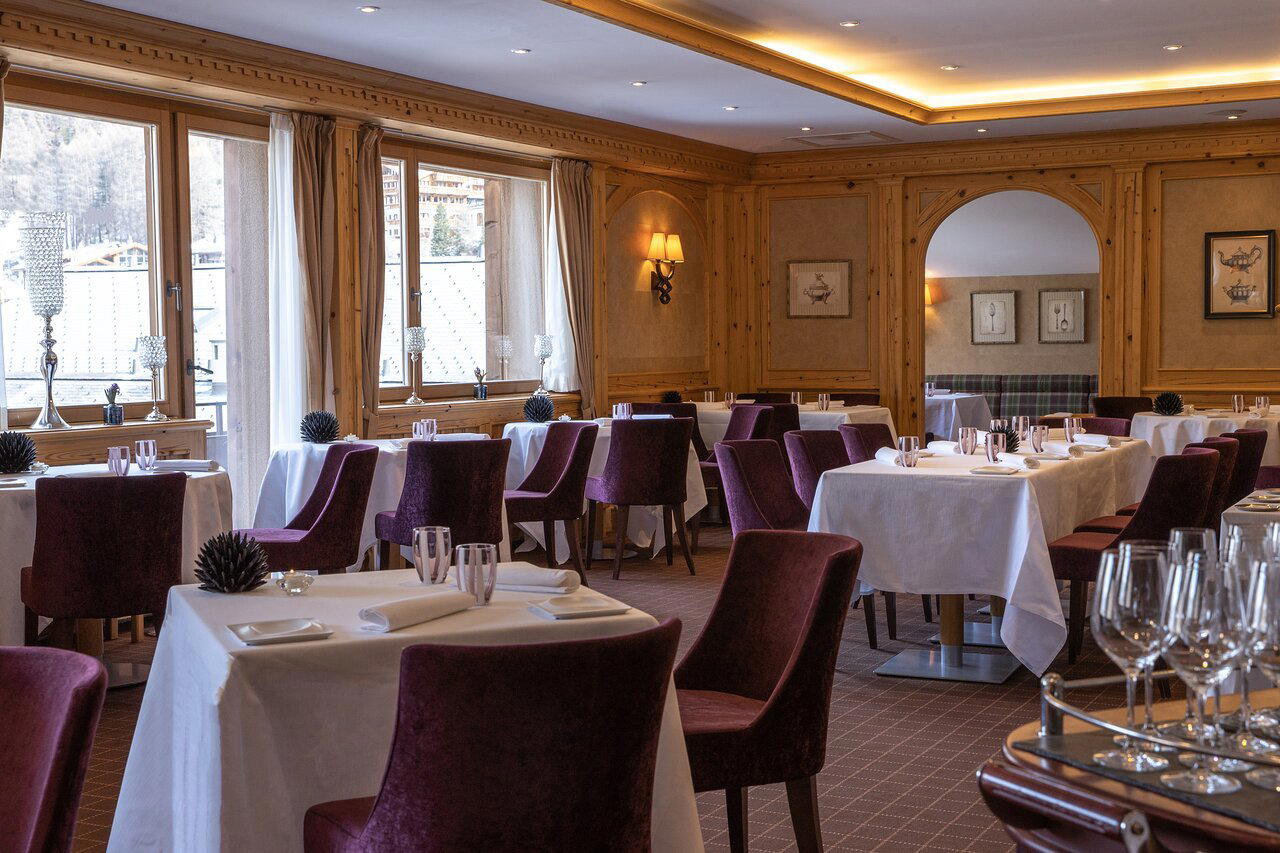
Swiss alpine interiors in this region tend toward wood-panelled warmth: low ceilings, heavy timber, ceramic stoves in older buildings, and a general orientation toward comfort over visual statement. This is a different register from the design-forward rooms at Colonnade in Lucerne or La Brezza in Ascona, and deliberately so. The format that works in an alpine village dining room is one calibrated to the physical reality of guests arriving from the outdoors, often hungry and cold, and wanting to eat well without ceremony.
Planning a Visit
Kandersteg is accessible by direct train from Bern in under an hour and a half, and from Visp via the Lötschberg tunnel route. Travelling without a car is entirely practical, the village is walkable from the station. For restaurants in mountain resort villages across Switzerland, the general pattern holds: summer and winter peak seasons drive higher occupancy, and booking ahead for dinner is sensible during July, August, and the Christmas-to-February ski window. Shoulder seasons, May and October, offer quieter access to the village and its restaurants. For visitors using Kandersteg as a base while exploring the wider Bernese Oberland dining range, cross-referencing with the full Kandersteg guide before arrival will clarify the full picture of what the village currently offers. For those interested in how ingredient-driven Swiss cooking performs at the recognised international tier, the comparison with La Table du Lausanne Palace in Lausanne is instructive, a kitchen operating within a similar national tradition but at a different scale and ambition level entirely. Internationally, the sourcing rigour applied at Le Bernardin in New York City and the product-led precision at Atomix in New York City represent where sourcing-first logic lands when applied at the highest technical level.
How Restaurant Ritter Kandersteg compares with similar nearby venues.
| Venue | Cuisine |
|---|---|
| Au Gourmet | Swiss Fine Dining |
Continue exploring
More in Kandersteg
Restaurants in Kandersteg
Browse all →
Bars in Kandersteg
Browse all →

Hotels in Kandersteg
Browse all →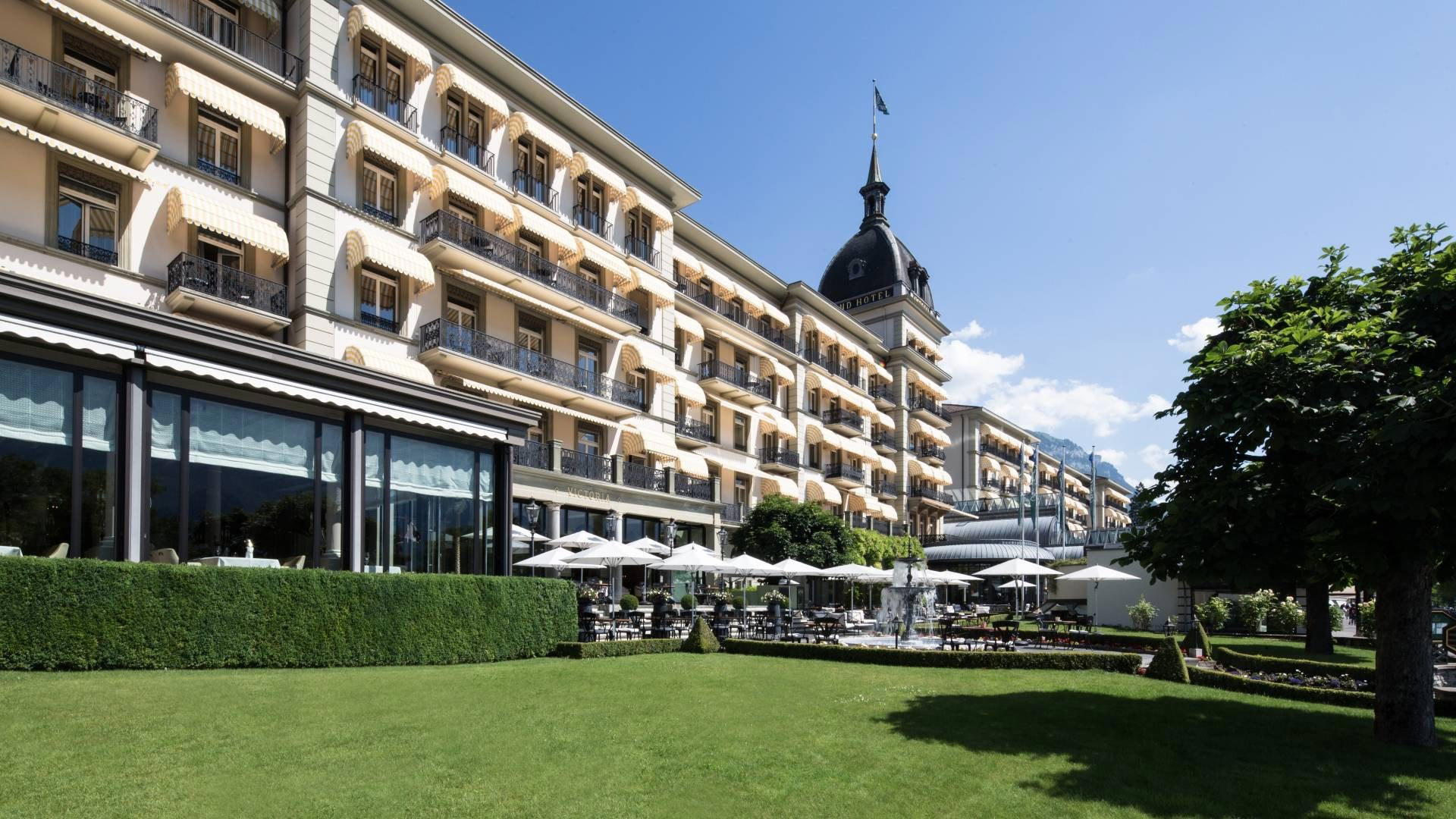

At a Glance
- Cozy
- Elegant
- Rustic
- Scenic
- Family
- Casual Hangout
- Date Night
- Terrace
- Hotel Restaurant
- Extensive Wine List
- Mountain
- Garden
Current opening hours
- Monday
- Closed
- Tuesday
- Closed
- Wednesday
- 10 AM–10 PM
- Thursday
- 10 AM–10 PM
- Friday
- 10 AM–11 PM
- Saturday
- 10 AM–11 PM
- Sunday
- 10 AM–10 PM
Hours can change for holidays and private events. Last verified .
Cozy atmosphere with warm lighting, loving furnishings, and relaxed stylish elegance praised in guest reviews.
Know Before You Go
- Getting there
- Äussere Dorfstrasse 2, 3718 Kandersteg, Switzerland