Google: 4.5 · 770 reviews
Au Gourmet

Au Gourmet sits on Doldenhornstrasse in the alpine village of Kandersteg, carrying the COOKING CLASSICS distinction within Switzerland's fine dining circuit. Under chef Atrem Estafev, the kitchen works within the Swiss fine dining tradition, drawing a 4.5 Google rating from nearly 400 reviews. For the Bernese Oberland, that combination of classical grounding and consistent local approval marks it as a serious address.
 Discover on Pearl
Pearl is the En Primeur Club membership app — saves, bookings, and concierge access live there. Same editors, same standards.
Kandersteg and the Case for Fine Dining at Altitude
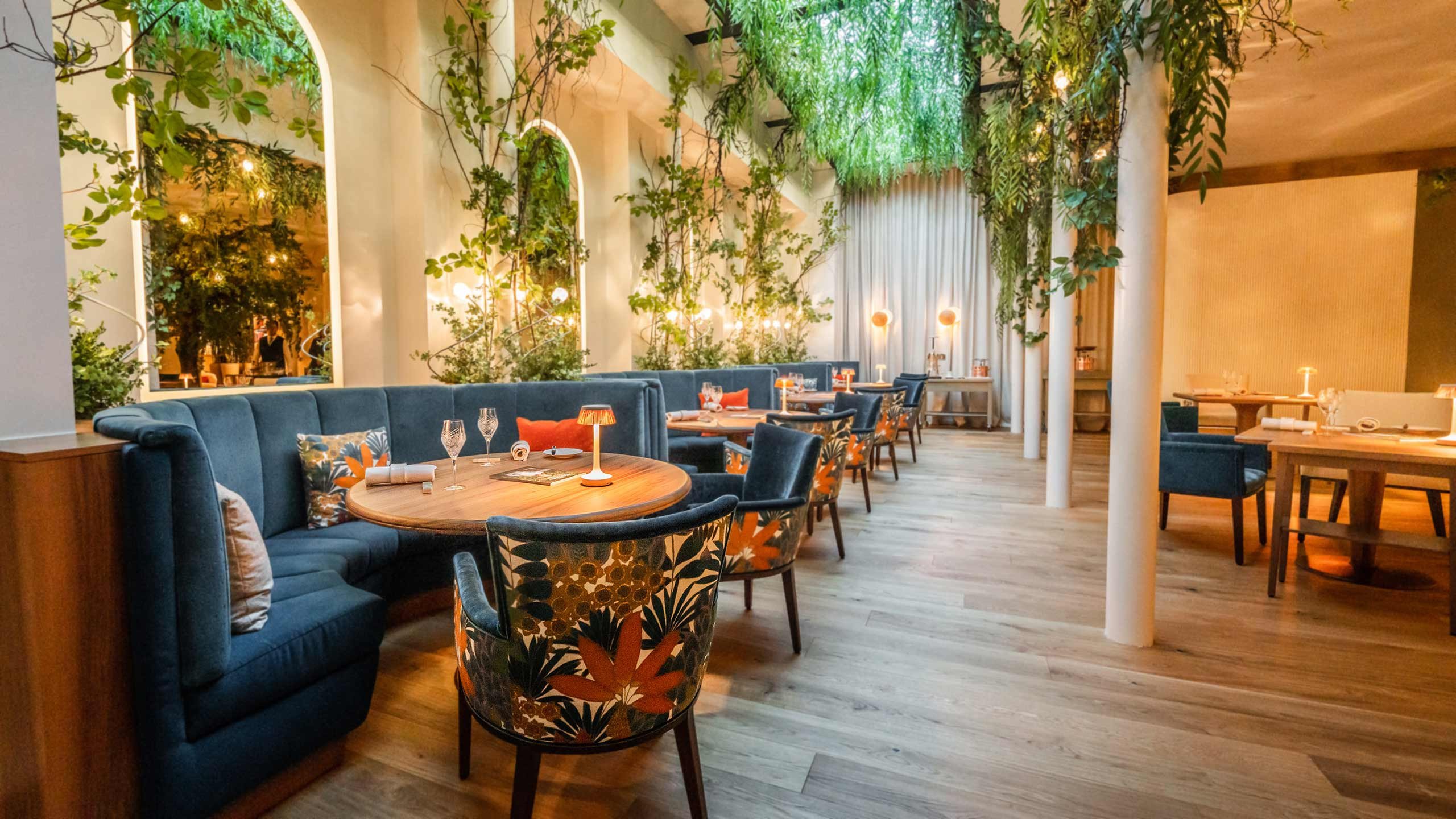
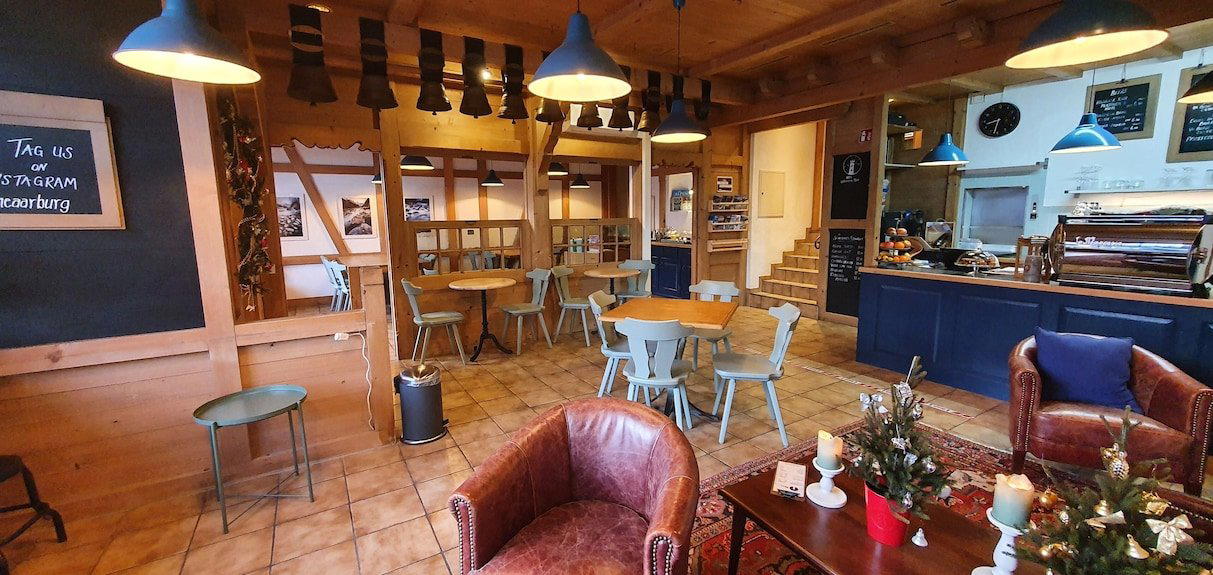
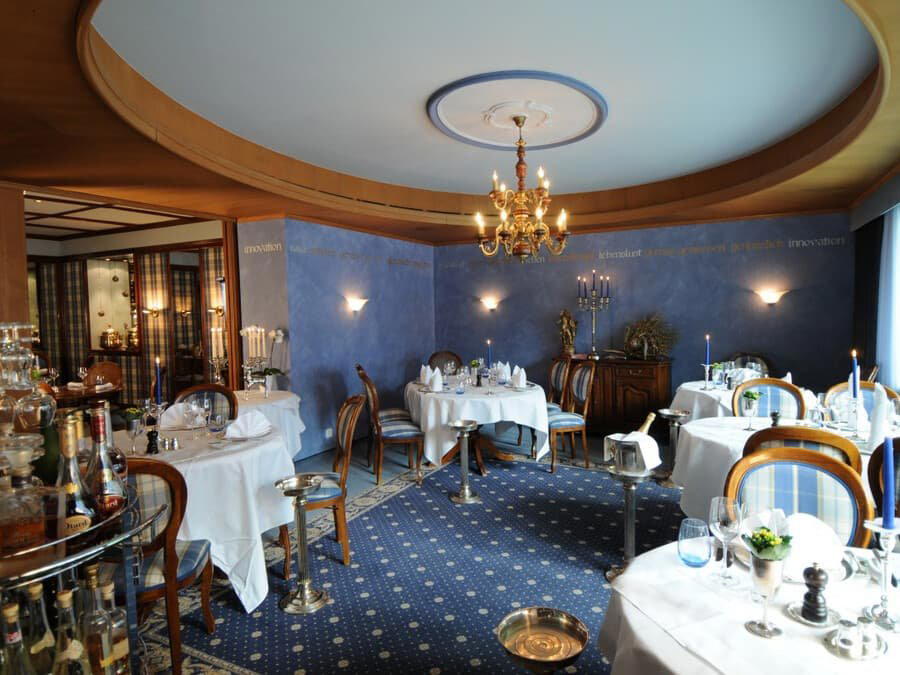
There is a particular quality to arriving at a formal restaurant in an alpine village. The scale of the place works against ceremony: the mountains press close, the streets are narrow, the population is counted in hundreds rather than thousands. Kandersteg, in the Bernese Oberland, sits at roughly 1,200 metres, surrounded by the kind of terrain that draws hikers and skiers rather than food critics. That tension — between serious kitchen ambition and a setting that would seem to argue against it — is precisely what makes Au Gourmet worth attention. Fine dining in an alpine village demands a different kind of confidence than the same operation would require in Geneva or Zurich, and the room at Doldenhornstrasse 26 carries it.
For a broader picture of where to eat, drink, and stay in the area, see our full Kandersteg restaurants guide, our full Kandersteg hotels guide, and our full Kandersteg bars guide. The village also has its own wineries and experiences worth mapping before a visit.
Cooking Classics: What the Designation Actually Means
Au Gourmet holds the COOKING CLASSICS distinction, a recognition that positions the kitchen within a defined tradition rather than chasing novelty for its own sake. In Switzerland's fine dining ecosystem, this matters more than it might appear. The country's most decorated restaurants , Schloss Schauenstein in Fürstenau and Memories in Bad Ragaz, both three-star operations working at the creative edge , represent one pole of Swiss fine dining ambition. COOKING CLASSICS signals the other pole: kitchens where the measure of skill is fidelity to technique and the integrity of classical preparation rather than the invention of new forms.
This places Au Gourmet in a different competitive conversation than, say, focus ATELIER in Vitznau or IGNIV Zürich by Andreas Caminada, both of which operate within creative or sharing formats at the higher end of the price spectrum. The classical register asks different questions of a kitchen: not what is new, but whether what is known is being executed with precision and restraint. For a certain kind of diner , one who finds more interest in a perfectly turned sauce than in a deconstructed one , that distinction is decisive.
Chef Atrem Estafev and the Classical Swiss Kitchen
The editorial angle of COOKING CLASSICS only holds if the kitchen can deliver on its implied promise, and at Au Gourmet that responsibility sits with chef Atrem Estafev. The classical Swiss fine dining tradition draws on French foundations while incorporating alpine ingredients and Central European technique , a synthesis that produces a kitchen logic quite distinct from the Franco-Japanese or Nordic inflections that dominate contemporary fine dining discourse. Working within that tradition requires a command of the fundamentals: stocks, reductions, protein cookery, the architecture of a composed plate that communicates through clarity rather than complexity.
The 4.5 Google rating drawn from 393 reviews is a meaningful signal in this context. In a small village, review volume of that scale is not incidental , it reflects consistent traffic over time and, more importantly, a consistently positive experience across visits and occasions. For comparison, Swiss restaurants operating at a similar classical register in larger cities, such as Cheval Blanc by Peter Knogl in Basel or Einstein Gourmet in Sankt Gallen, operate with a much larger catchment population. Sustaining 4.5 across nearly 400 reviews in Kandersteg requires a kitchen that performs reliably for both passing visitors and locals who return often enough to know what they are comparing against.
Where Au Gourmet Sits in the Swiss Fine Dining Map
Switzerland's fine dining geography is more dispersed than its surface area suggests. The concentration of Michelin recognition outside the major cities , in Fürstenau, in Vals, in Bad Ragaz , reflects a tradition of destination dining that the country has sustained for decades. 7132 Silver in Vals and Hotel de Ville Crissier in Crissier both draw guests willing to travel specifically for the table. Au Gourmet in Kandersteg participates in that same geography, though it operates at a different register and for a different guest profile.
The Bernese Oberland draws visitors primarily for its landscape and outdoor programming. Kandersteg itself is the trailhead for the Lötschberg route and a base for winter sports in the surrounding valleys. The diner arriving at Au Gourmet is as likely to have spent the afternoon on the Oeschinensee trail as they are to have arrived specifically for the kitchen. That context shapes the room's role: it is the most serious cooking available in the village, within reach of guests who want classical French-Swiss precision after a day in the mountains, not a tasting menu designed for an urban audience who has travelled four hours for the occasion.
That comparison extends internationally for context: Le Bernardin in New York City and Atomix in New York City both represent what happens when a city concentrates enough fine dining demand in a single location. The alpine model operates differently , fewer covers, less competitive density, a guest relationship built on regulars and seasonal visitors rather than the perpetual churn of a metropolitan market. Da Vittorio in St. Moritz and Colonnade in Lucerne offer further reference points for how Swiss fine dining accommodates the alpine visitor economy at different price points and formats.
Planning a Visit
Au Gourmet is at Doldenhornstrasse 26, 3718 Kandersteg, a short distance from the village centre and the main rail connection via the BLS Lötschberg line. Kandersteg is accessible by direct train from Bern, which places it within reach as a day trip for guests based in the Swiss capital, though the mountain setting makes an overnight stay the more considered option , see our Kandersteg hotels guide for accommodation in the village. Current hours and booking arrangements are leading confirmed directly with the restaurant, as seasonal alpine operations frequently adjust their schedules. Given the village's limited alternative dining at the same level, booking ahead during peak summer hiking season and the winter sports period is advisable. Guests using the village as an overnight base should also consult our Kandersteg bars guide and experiences guide for programming around the meal. For context on how L'Atelier Robuchon in Geneva handles classical French technique in a more urban Swiss setting, that comparison is useful before deciding how far into the fine dining spectrum this visit is meant to reach.
A Quick Peer Check
These are the closest comparables we have in our database for quick context.
| Venue | Cuisine | Price | Awards | Notes |
|---|---|---|---|---|
| Au Gourmet | Swiss Fine Dining | HIGHLIGHTS: • COOKING CLASSICS | This venue | |
| Schloss Schauenstein | Modern European, Creative | €€€€ | Michelin 3 Star | Modern European, Creative, €€€€ |
| Memories | Modern Swiss | €€€€ | Michelin 3 Star | Modern Swiss, €€€€ |
| focus ATELIER | Modern Swiss, Creative | €€€€ | Michelin 2 Star | Modern Swiss, Creative, €€€€ |
| IGNIV Zürich by Andreas Caminada | Sharing | €€€€ | Michelin 2 Star | Sharing, €€€€ |
| La Table du Lausanne Palace | Modern French | €€€€ | Michelin 2 Star | Modern French, €€€€ |
Continue exploring