Cave Caloz

Falstaff Winery - 3 Stars
Cave Caloz is a small family winery in Miège, Valais, where steep Alpine terraces, organic farming and local varieties drive the conversation. The estate’s six-to-seven-hectare scale, hand-worked vineyards and 2019 Organic Swiss Winemaker of the Year recognition place it in the serious, terroir-led side of Swiss wine rather than the polished hospitality circuit.

Pearl is the En Primeur Club membership app — saves, bookings, and concierge access live there. Same editors, same standards.
- Address
- Miège, Valais, Schweiz
- Directions
- Get directions
Stone terraces, drystone walls and an Alpine setting shape the first impression of Cave Caloz in Miege. The picture is of a small, family-run cellar with a direct working-winery feel: stainless steel and enamel tanks inside, rustic scenery outside, and an emphasis on artisan, low-intervention winemaking rather than polished design. It is the kind of place whose character is communicated less through theatrical presentation than through materials, setting and use: the hard surfaces of a cellar built for production, the practical presence of tanks, and the visual weight of terraced land around it.
Treat it instead as a scenic, rustic Miege winery where the appeal comes from its working-cellar character and Alpine setting. The most useful way to understand the venue is not to imagine a glossy, destination-style visitor attraction, but to read it as a cellar embedded in its landscape, where the surrounding terraces and stonework are part of the experience. Its appeal lies in that restraint: a sense of place, work and craft rather than a heavily curated hospitality concept.
Terraced Alpine setting, read through the cellar's character
Cave Caloz is best framed by its physical atmosphere: stone terraces, drystone walls and a practical cellar environment. The interior language is functional rather than decorative, with stainless steel and enamel tanks reinforcing the sense of a real production space. Those details matter because they set the tone for a visit. Instead of softening the winery into a showroom, the visible cellar elements keep attention on the fact that this is primarily a place where wine is made.
The Alpine context adds another layer to that reading. Terraces and drystone walls are not just scenery in the background; they give the site a textured, grounded identity and help explain why the place feels rustic rather than ornamental. The setting suggests a close relationship between landscape and cellar, while the cellar itself remains direct, practical and unfussy. Together, they create a mood that is quiet but distinctive, particularly for visitors who respond to places with a clear working character.
That makes the venue a fit for travellers who value authenticity over spectacle. The profile points to a family-run Alpine cellar with an artisan, low-intervention outlook, not a highly staged visitor experience. In practical terms, that means the pleasure is likely to come from noticing the scale, the materials and the working atmosphere, rather than expecting layers of interpretation or a polished hospitality sequence. The experience is strongest when approached with that slower, more observational mindset.
Specific claims about certification, awards, named vineyard sites, grape varieties, elevations or founding history are not part of the public record here, so they should not be treated as confirmed planning details. The reliable description remains narrower and more atmospheric: a small, rustic, scenic cellar in Miege, shaped by its Alpine surroundings and by the visible signs of hands-on winemaking.
A working cellar, not a design-led venue
The strongest grounded description of Cave Caloz is simple: small, scenic, rustic and rooted in the feel of an operating winery. Stainless steel and enamel tanks give the cellar a practical tone, while the terraces and drystone walls outside provide the Alpine context. That contrast between interior utility and exterior landscape is central to the venue's personality. It does not need elaborate design language to make an impression; the impression comes from the fact that the space be doing its job.
For visitors, that means expectations should be set around atmosphere rather than a guaranteed format. What can be said with confidence is that the venue suits people interested in the feeling of a working cellar and the rural texture of its surroundings. It is a place to approach for its sense of craft and setting, not for the certainty of a packaged visitor program.
Plan with flexibility and confirm practical arrangements directly before going. That advice is especially important for a venue best understood as a small, family-run cellar rather than a large, design-led operation. Confirming ahead keeps expectations aligned with what is actually available and allows the visit to remain focused on what the available description supports: the cellar's rustic character, its Alpine backdrop and its artisan winemaking atmosphere.
How to place it in a Miege itinerary
Cave Caloz makes sense for travellers looking for a rustic Miege winery with a family-run, working-cellar feel. It is not best described through unsupported claims about menus, awards or formal visitor programs; the draw is the setting and the artisan winemaking atmosphere. As part of a day in the area, it works well as a place chosen for mood and context: a cellar where the physical environment, from tanks to terraces, gives the visit its meaning.
Keep the planning language modest and grounded. The useful takeaway is that Cave Caloz offers a scenic, rustic point of interest for visitors who want to encounter a working Alpine cellar without overloading the visit with assumptions that are not supported by the public record.
Recognition history
Dated appearances from independent guides and award organizations, with the underlying list record or original source where available.
Falstaff Winery - 3 Stars
Falstaff
Continue exploring
More in Miege
Wineries in Miege
Browse all →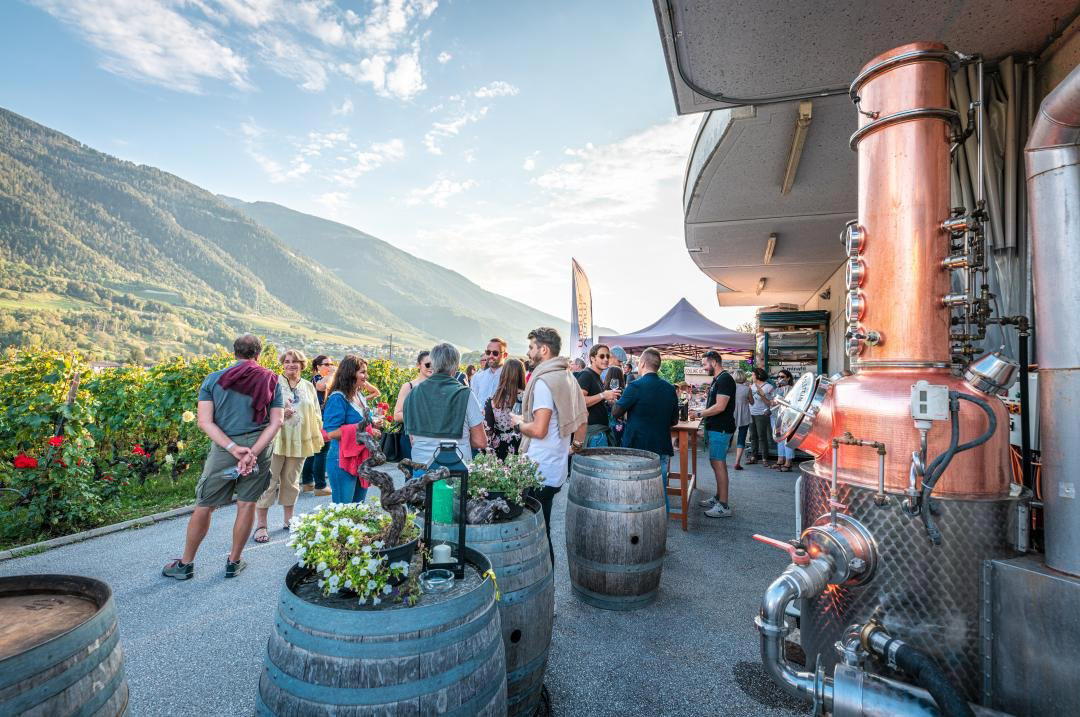
Bars in Miege
Browse all →
Restaurants in Miege
Browse all →
Details
- Scenic
- Rustic
- Classic
- Intimate
- Wine Education
- Solo Exploration
- Group Outing
- Romantic Getaway
- Special Occasion
- Vineyard Tour
- Estate Grounds
- Panoramic View
- Historic Building
- Private Tasting
- Organic
- Sustainable
- Vineyard
- Mountain
- Petite Arvine
- Fendant (chasselas)
- Heida Paien (savagnin)
- Cornalin
- Humagne Rouge
- Gamay
- Still Red
- Still White
- Orange
- Dessert
- Standard Tasting
- Vineyard Tour + Tasting
- Cellar Tour
- Private Tasting
- French
- German
- English
Small, family-run Alpine cellar with a direct, working-winery feel: stainless steel and enamel tanks, stone terraces and drystone walls outside, emphasizing artisan, low-intervention winemaking over polished design.