Restaurant POTO
Our verdict
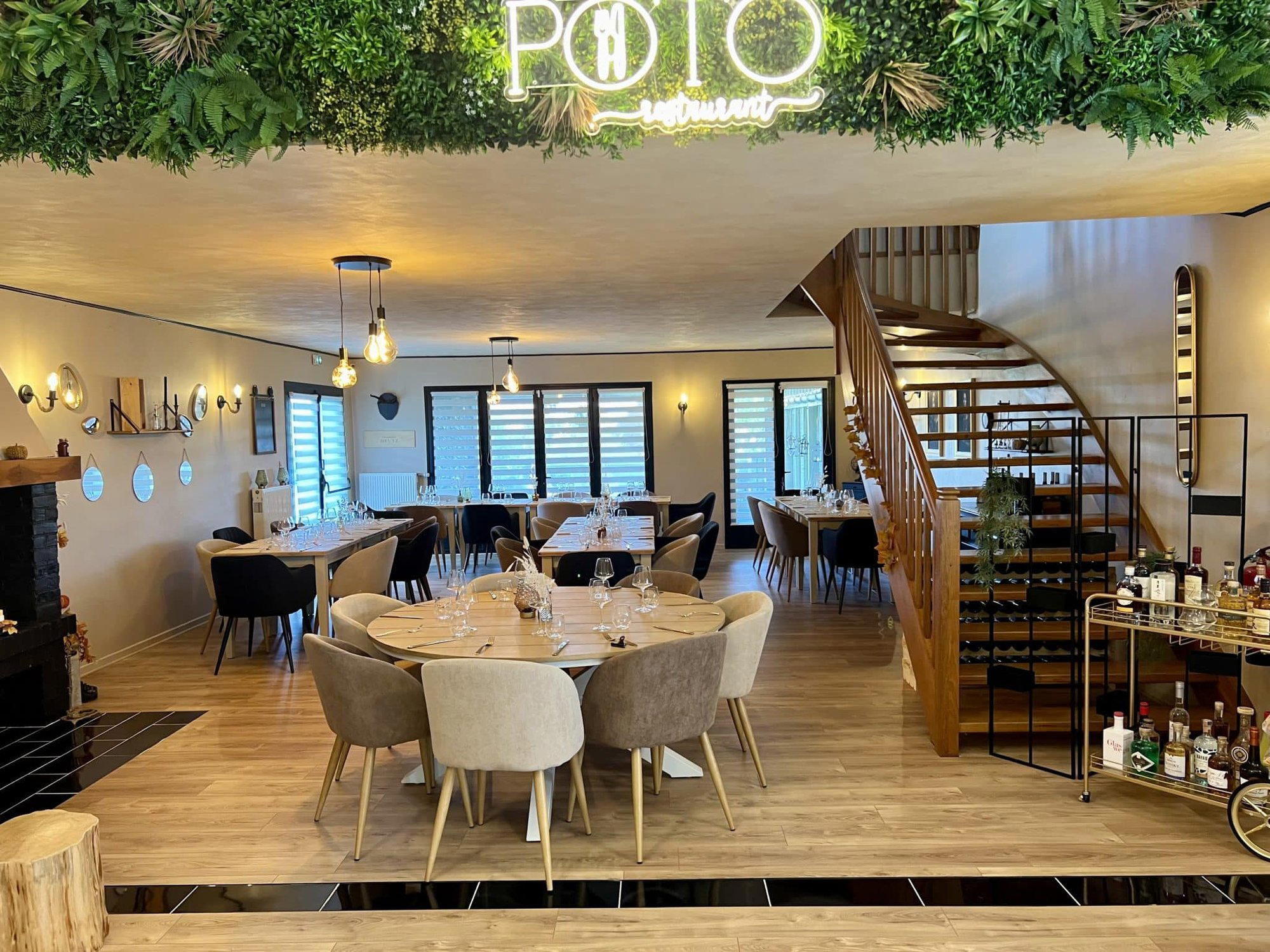
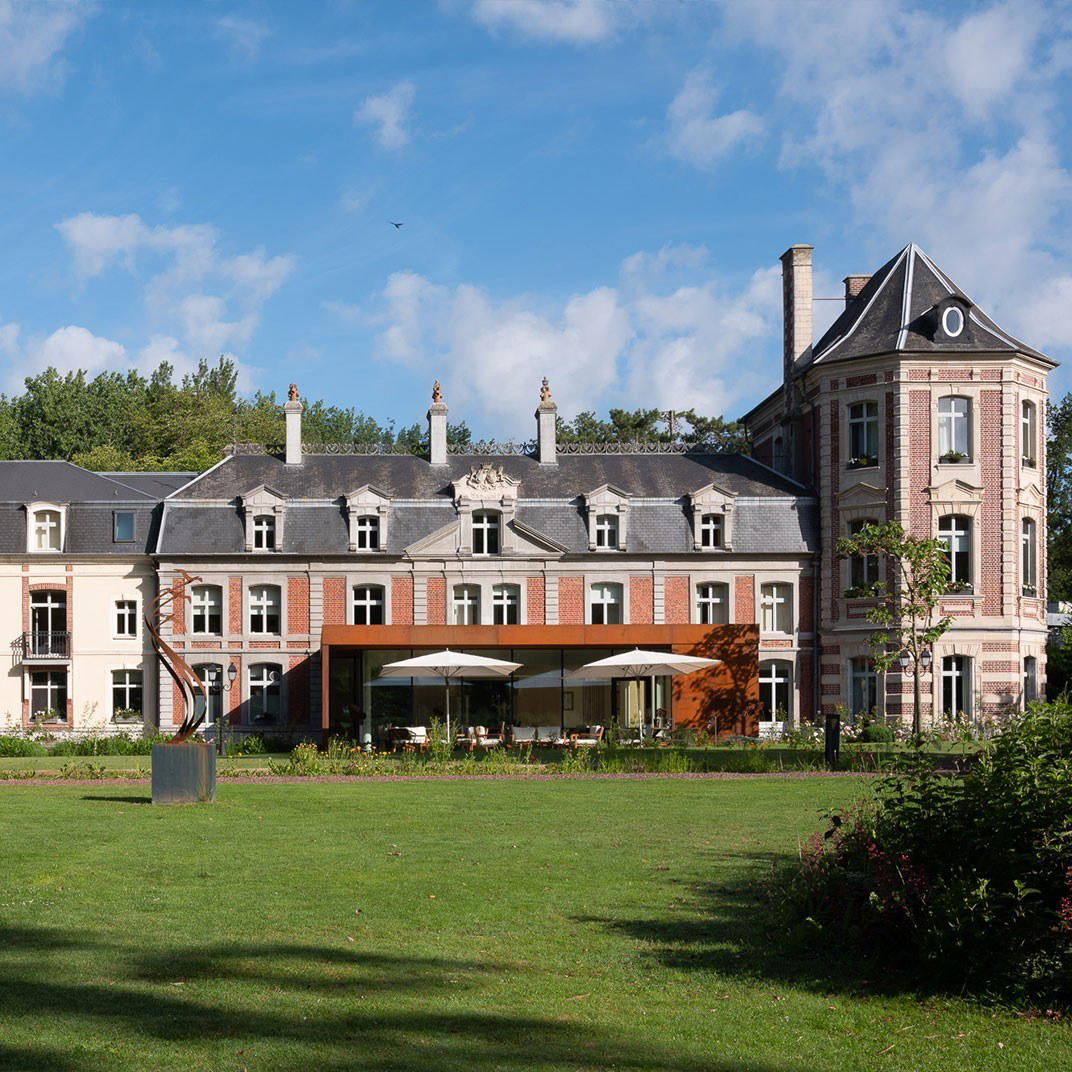
Restaurant POTO serves Creative French Bistro with Local Products in a historic building at 7 Rue des Courtils, with an extensive wine list and a leisurely pace for lunch or dinner.

Pearl is the En Primeur Club membership app, where members save venues, book tables and use the concierge.
A Village Table at the Edge of French Flanders
The road into Zudausques runs through a range of flat pasture and low hedgerow that most travelers pass without slowing. The village itself is small enough that a restaurant at 7 Rue des Courtils registers as a local institution before it registers as a dining destination. That tension, between provincial obscurity and genuine culinary ambition, defines the broader tradition that places like Restaurant POTO occupy across rural northern France. The Pas-de-Calais department has long sat outside the circuits that connect Paris, Lyon, and the Basque coast, which means the restaurants that persist here tend to do so on the strength of their relationship with local producers rather than on proximity to a metropolitan audience.
Where Northern French Farming Meets the Plate
The agricultural character of this corner of France is worth understanding before you sit down anywhere near Zudausques. The Audomarois marshlands to the west of Saint-Omer, roughly fifteen kilometres from the village, produce some of the most distinctive market-garden vegetables in France, including the famous chou-fleur and chicory varieties that have shaped the regional table for generations. The bocage country immediately around Zudausques contributes dairy, livestock, and the kind of short-supply-chain meat that restaurants in Paris pay significant premiums to source. For a kitchen operating in this territory, the sourcing case writes itself: the supply is immediate, the quality is traceable, and the seasonal rhythm is dictated by what the surrounding farms actually produce rather than by what a central market happens to carry.
This is the ingredient logic that separates a certain tier of rural French restaurant from its urban counterparts. Kitchens such as Bras in Laguiole built reputations precisely by treating the produce of their immediate region, the aubrac plateau in that case, as the primary creative constraint. The same discipline appears, in different form, in places like Auberge du Vieux Puits in Fontjoncouse, where the isolation of the Corbières hills forced a hyperlocal sourcing model that eventually drew international attention. Restaurant POTO occupies that same structural position in its own territory: a kitchen whose address, by any conventional measure, should work against it, but whose access to northern French produce represents a genuine material advantage.
The Broader Northern France Context
Dining in rural Pas-de-Calais occupies a different register from the grand tables of Alsace, Burgundy, or the Riviera. The region does not have the institutional prestige of Auberge de l'Ill in Illhaeusern or the scenographic advantage of Mirazur in Menton. What it has is a cooking tradition rooted in preservation, in hearty cold-weather preparation, and in the kind of produce that benefits from a cool, damp Atlantic climate. Sea-facing Boulogne-sur-Mer is less than forty kilometres away, which means the Channel's fishing grounds are within meaningful striking distance of any kitchen prepared to work with them. The endive, the maroilles cheese from the border country, the local lamb from the marsh pastures near Calais: these are the ingredients that define the region's culinary identity, and they are the materials that make a restaurant in Zudausques more than a curiosity on the map.
France's restaurant culture outside its major cities tends to self-select for seriousness. Without the walk-in trade that sustains a Paris bistro or a Lyon bouchon, a rural table depends on intentional visits, on guests who have made the journey specifically. That model, familiar from destinations such as Troisgros in Ouches or Georges Blanc in Vonnas, tends to produce kitchens with a more focused sense of purpose than their urban counterparts. The guest who arrives in Zudausques has already committed to the experience before the first course arrives.
Planning Your Visit
Zudausques sits roughly fifteen kilometres south of Saint-Omer, which is itself served by the Eurostar connection at Lille-Europe and by direct TGV services from Paris Gare du Nord. Driving from Calais takes under forty minutes via the A26 autoroute, making the village accessible from the Channel Tunnel terminal for travellers arriving from the United Kingdom. The surrounding area rewards a slower itinerary: the Audomarois marshland boat markets, the Cistercian abbey ruins at Clairmarais, and the medieval fortifications of Saint-Omer itself are all within twenty minutes of Zudausques. Given the rural setting and the typical operating model of restaurants at this scale in France, contacting the restaurant directly well in advance of any intended visit is advisable, as seasonal hours and reservation availability in small village kitchens vary considerably from the fixed schedules of city dining rooms. For the broader region's dining context, see our full Zudausques restaurants guide.
How Restaurant POTO Fits the French Rural Table Tradition
Across France, the restaurants that have earned lasting reputations outside the major cities share a common discipline: they treat geographic limitation as creative direction. Christopher Coutanceau in La Rochelle built a three-star programme around Atlantic seafood caught within sight of the restaurant. La Marine on Noirmoutier turned an island's limited supply chain into a defining aesthetic. The pattern repeats because it works: a kitchen that commits to what grows or swims or grazes within a short radius tends to develop a more coherent identity than one that sources from everywhere and nowhere in particular.
Restaurant POTO's position in Zudausques places it inside that same argument. The village is not a dining destination in the way that Menton or Megève, home to Flocons de Sel, draw visitors primarily for their restaurants. It is a working agricultural settlement in one of France's less celebrated departments, which means any kitchen that earns a following here does so through consistency and a genuine connection to its surroundings rather than through location advantage. That is, in the end, the more durable kind of reputation to build.
For comparison with France's highest-profile creative cooking, see Alléno Paris au Pavillon Ledoyen and AM par Alexandre Mazzia in Marseille. For the Champagne region's approach to serious dining, Assiette Champenoise in Reims offers a useful benchmark. Alsace's grand table tradition is anchored by Au Crocodile in Strasbourg. And for French-rooted fine dining that has crossed the Atlantic, Le Bernardin and Atomix in New York City represent the international reach of the tradition. At the other end of the formality scale, Paul Bocuse's Auberge du Pont de Collonges and L'Oustau de Baumanière in Les Baux anchor the classical end of the French country-house dining spectrum.
Frequently asked questions
Is Restaurant POTO a family-friendly restaurant?
Zudausques is a small rural village in Pas-de-Calais, and restaurants of this type in the French countryside tend to operate with a relaxed, unhurried pace that suits families. Contacting the restaurant directly before your visit is the most reliable approach.
What's the overall feel of Restaurant POTO?
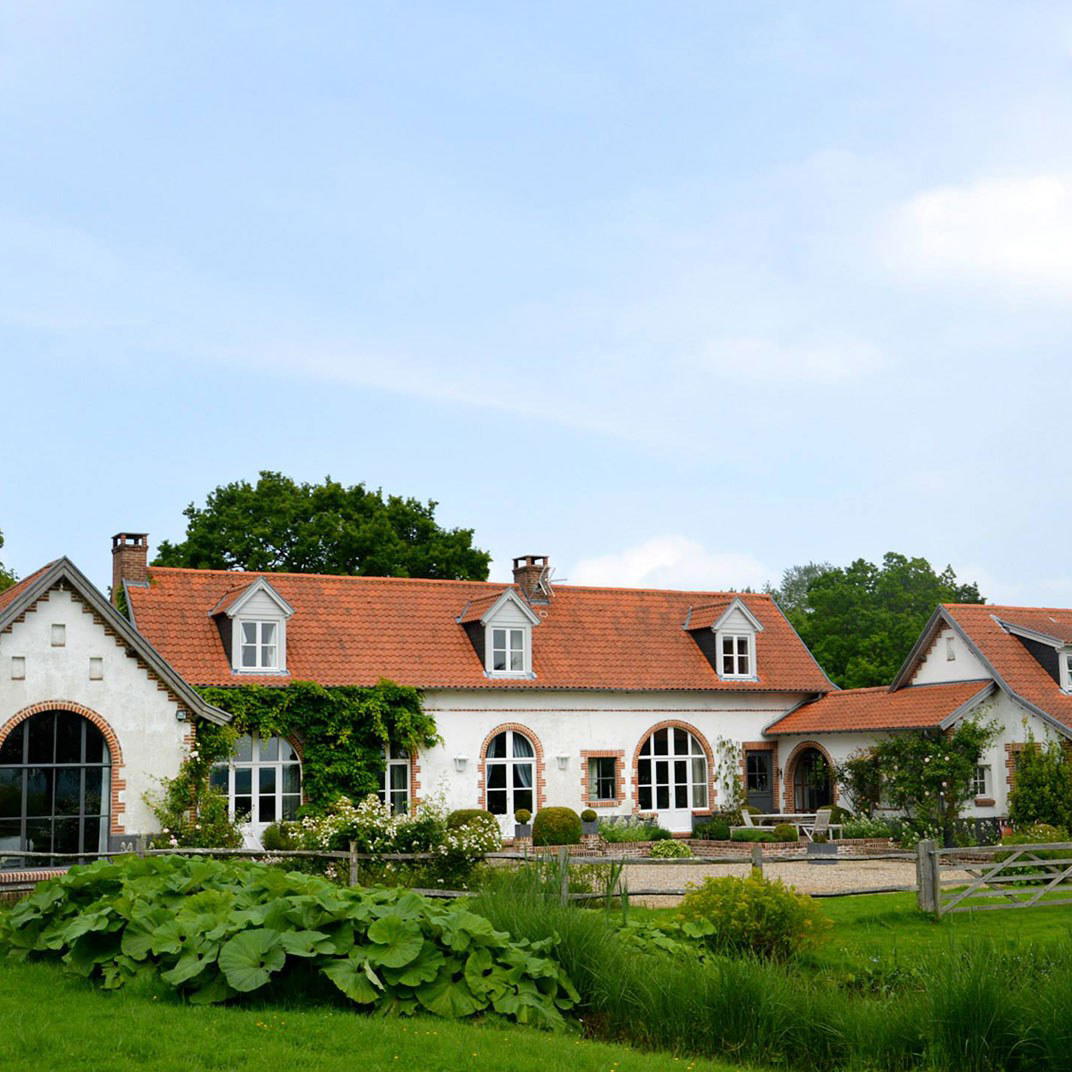
Restaurant POTO sits at 7 Rue des Courtils in Zudausques, a village defined by flat Flemish pasture and agricultural quiet rather than tourist infrastructure. The setting places it firmly in the tradition of the French rural table: removed from urban dining theatre, oriented around the local farming character of the Pas-de-Calais. Expect an atmosphere shaped by that geography rather than by urban trend.
Is Restaurant POTO worth the detour from Saint-Omer or Lille?
Zudausques sits roughly fifteen kilometres south of Saint-Omer and within reach of Lille via the TGV corridor, making Restaurant POTO a viable detour for travellers already in the northern France region. The village sees little passing traffic by design, which means the restaurant serves a primarily local clientele rather than a tourist circuit. Whether that detour is warranted depends on your appetite for the quieter, agricultural end of French rural dining in Pas-de-Calais.
What should I order at Restaurant POTO?
Northern Pas-de-Calais kitchens in this area typically draw on the Audomarois marsh produce, freshwater fish, and regional dairy traditions, so dishes rooted in that local supply chain are worth asking about when you book. Confirm current offerings directly with the restaurant.
Where is Restaurant POTO located?
Restaurant POTO is located at 7 Rue des Courtils, 62500 Zudausques, France, Zudausques.
How far ahead should I plan for Restaurant POTO?
Zudausques draws a limited number of visitors by design, and village restaurants in rural Pas-de-Calais with a local following can fill quickly on weekends despite their size. Reservation lead times for Restaurant POTO are not formally documented, but planning at least a week ahead for weekend visits is a reasonable baseline for restaurants of this type in the region.
What's the signature at Restaurant POTO?
Restaurants rooted in this corner of France, fifteen kilometres south of Saint-Omer, tend to anchor their menus in seasonal Pas-de-Calais produce rather than in a single headline preparation. Asking the kitchen about the day's market supply is typically the most productive approach.
Side-by-Side Snapshot
Comparable venues nearby, for context on price, style, and recognition.
| Venue | Cuisine | Price | Notes |
|---|---|---|---|
| Restaurant POTOThis venue (the venue you are viewing) | Creative French Bistro with Local Products | $30–50 | Not listed |
| Maison Blanche | Modern French Fine Dining | Not listed | 8th arrondissement |
| L'Atelier de Zadig | Modern French Bistronomy | $30–50 | Berck-sur-Mer |
| Restaurant Instinct Amiens | Modern French Seasonal | $50–100 | Amiens |
| Brother & Sister | French Bistronomie | $50–100 | Vieux Lille 3 |
| Aux Pêcheurs d'Etaples | French Seafood | $50–100 | Port d'Etaples |
Continue exploring
More in Zudausques
Details
- Cozy
- Lively
- Rustic
- Modern
- Date Night
- Casual Hangout
- Historic Building
- Extensive Wine List
- Local Sourcing
- A La Carte
- Vegetarian Friendly
Current opening hours
- Monday
- 10 AM–4 PM
- Tuesday
- 10 AM–4 PM
- Wednesday
- Closed
- Thursday
- 10 AM–4 PM
- Friday
- 10 AM–2:30 PM, 6–11 PM
- Saturday
- 10 AM–2:30 PM, 6–11 PM
- Sunday
- Closed
Hours can change for holidays and private events. Hours as of .
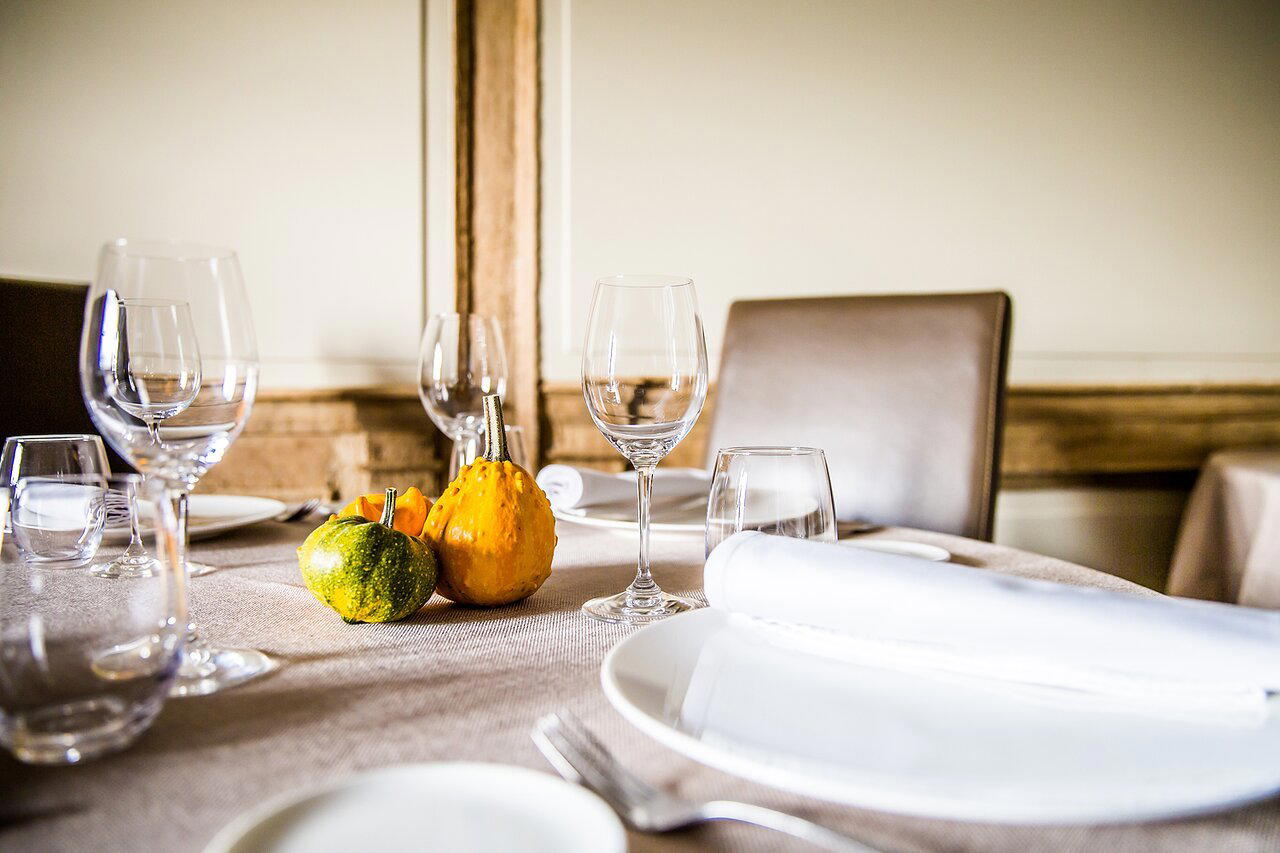
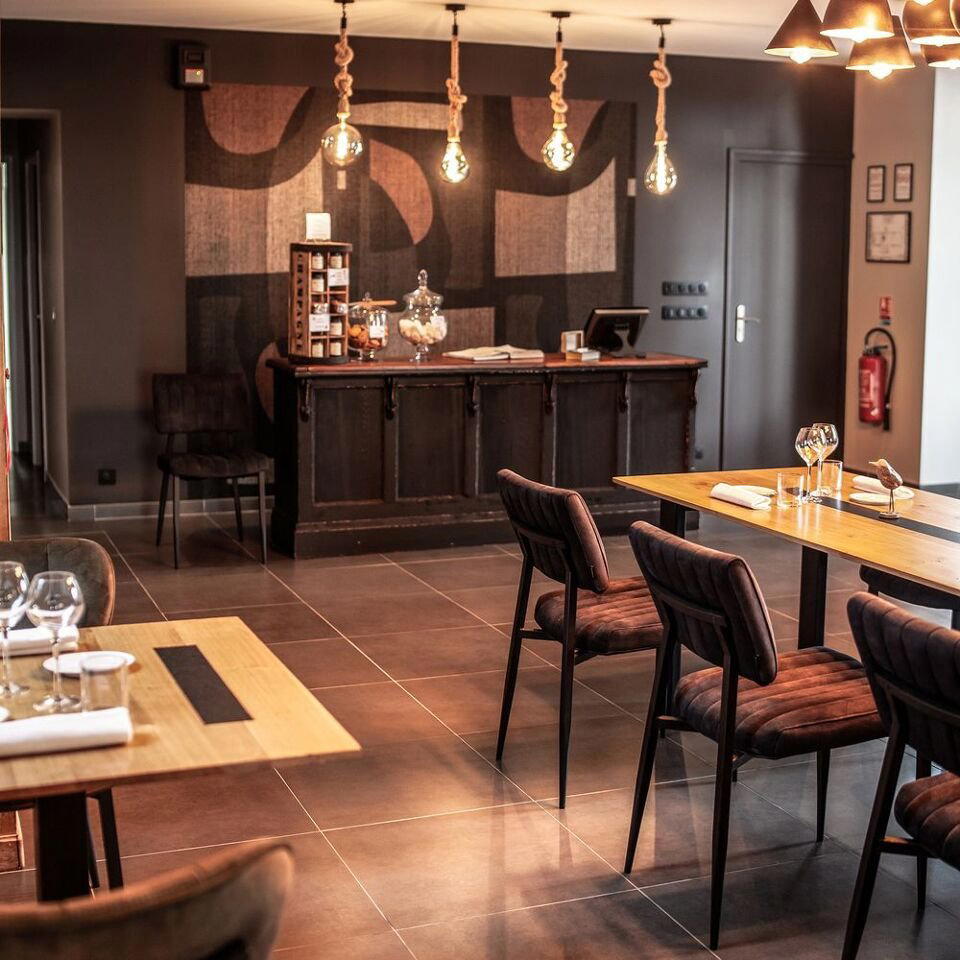
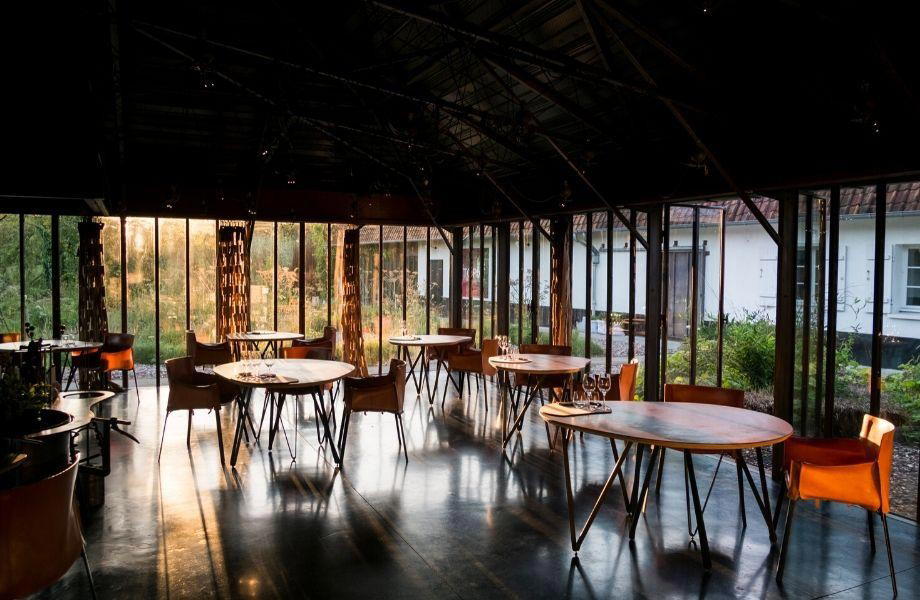
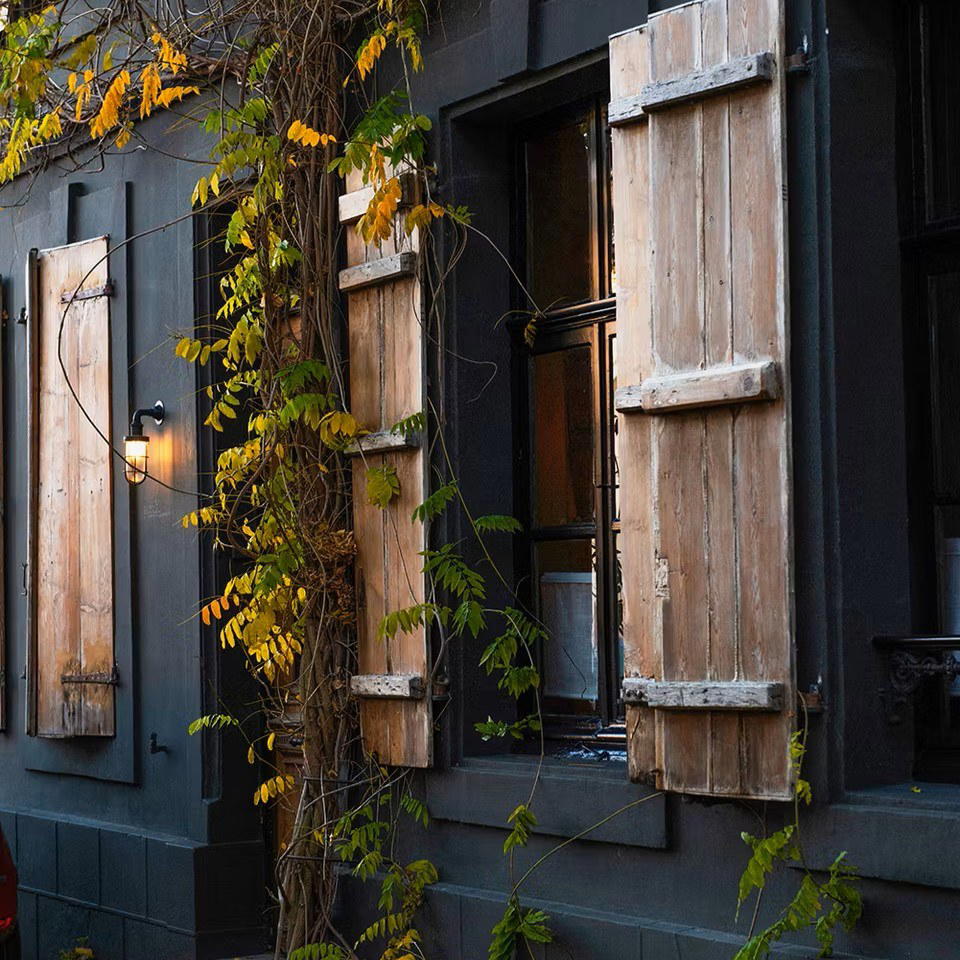
Chaleureuse, cosy, convivial atmosphere blending tradition and modernity in a warmly renovated historic setting.