Our verdict
On McGill Street in Old Montreal, Restaurant Pastel occupies a corner of the city where French-rooted technique and collaborative kitchen culture converge. The address places it within walking distance of the waterfront and the broader Old Port dining corridor, where the competition runs from casual bistros to formal tasting menus. Pastel positions itself in the mid-to-upper tier of that spectrum, drawing a crowd that arrives with some expectation of craft.
- Address
- 124 McGill St, Montreal, Quebec H2Y 2E5, Canada
- Phone
- (514) 395-9015
- Directions
- Get directions
The menu
What to order
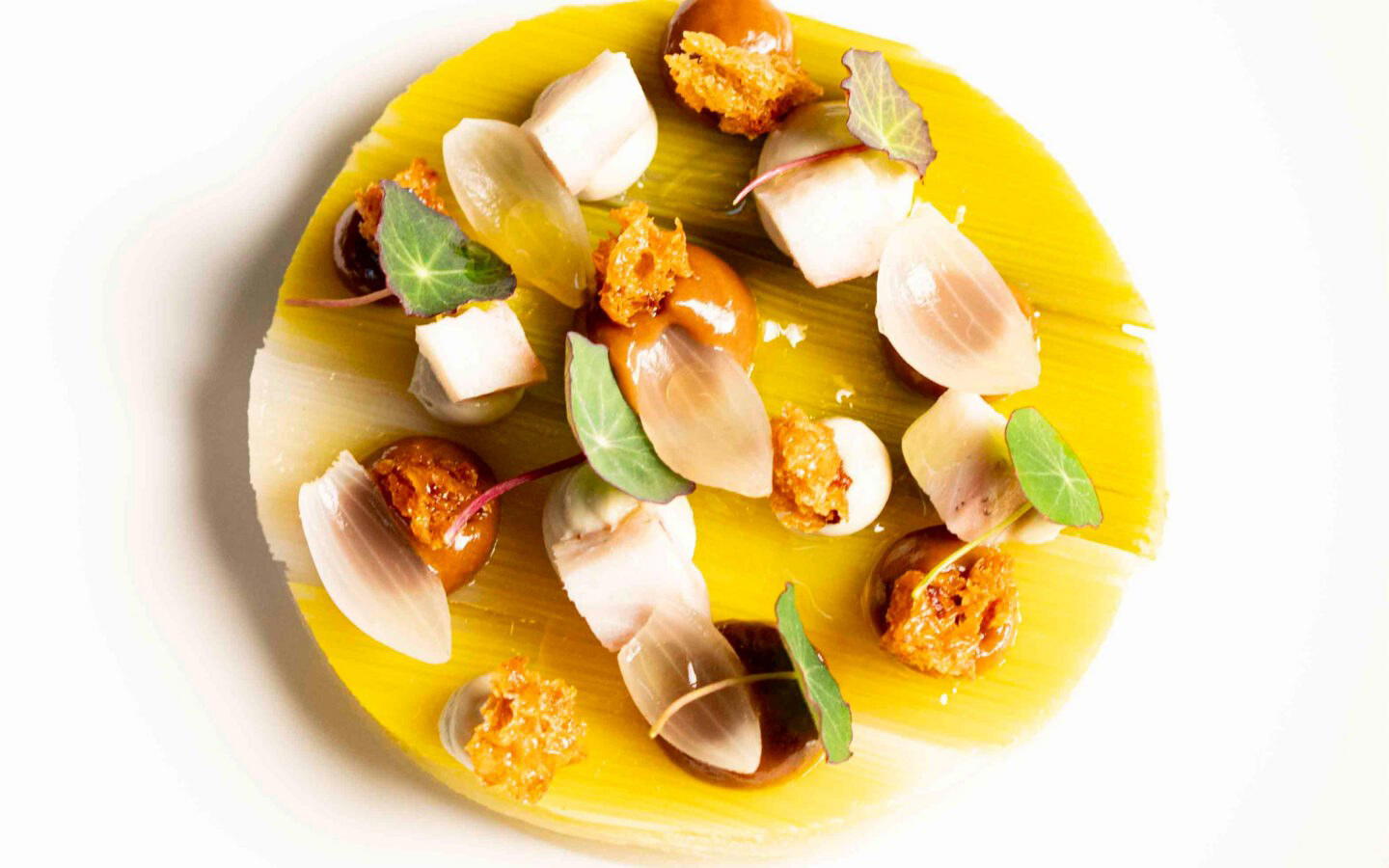
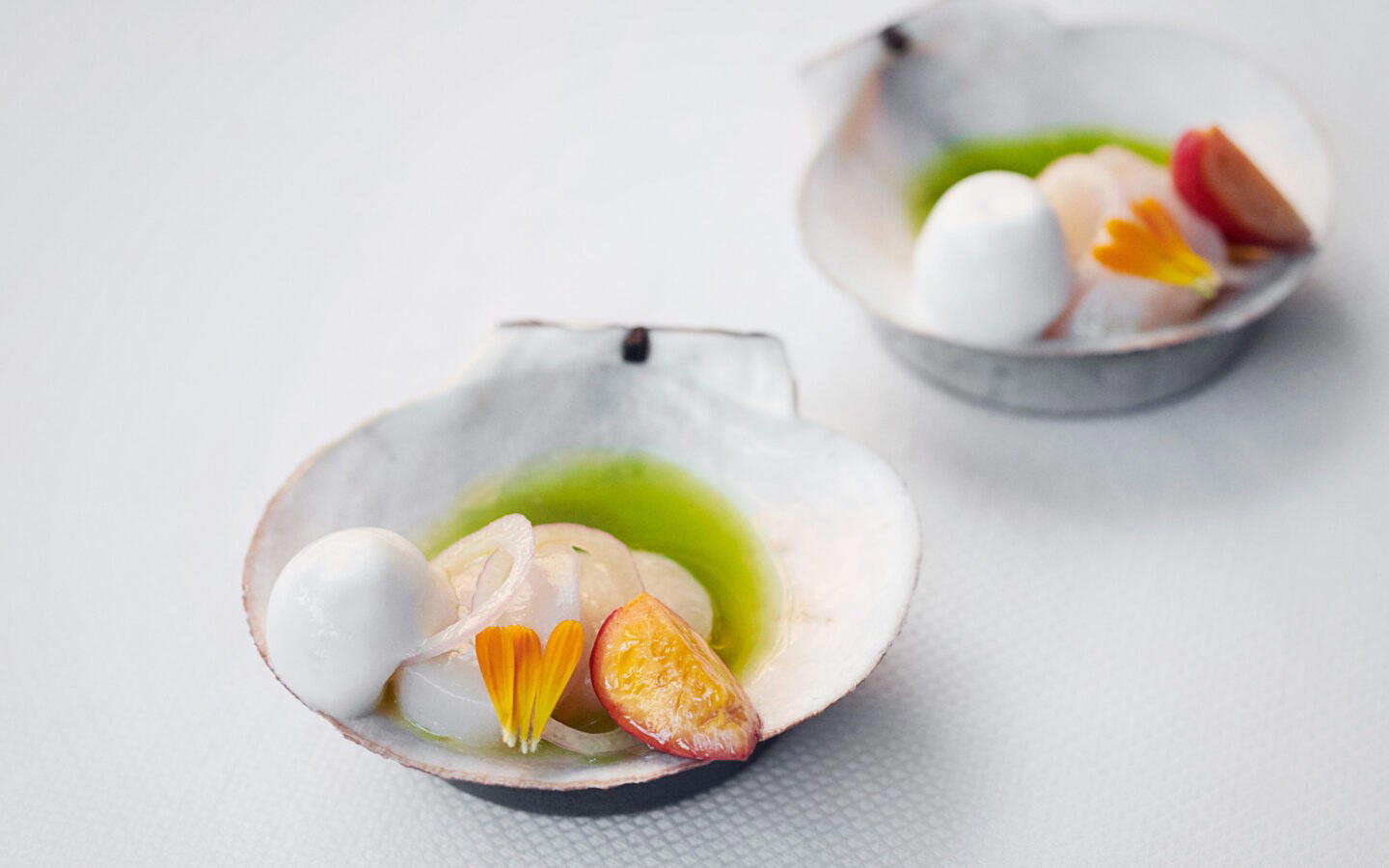
- Beet_mosaic
- Parsley_pasta
Where McGill Street Meets the Old Port Dining Corridor
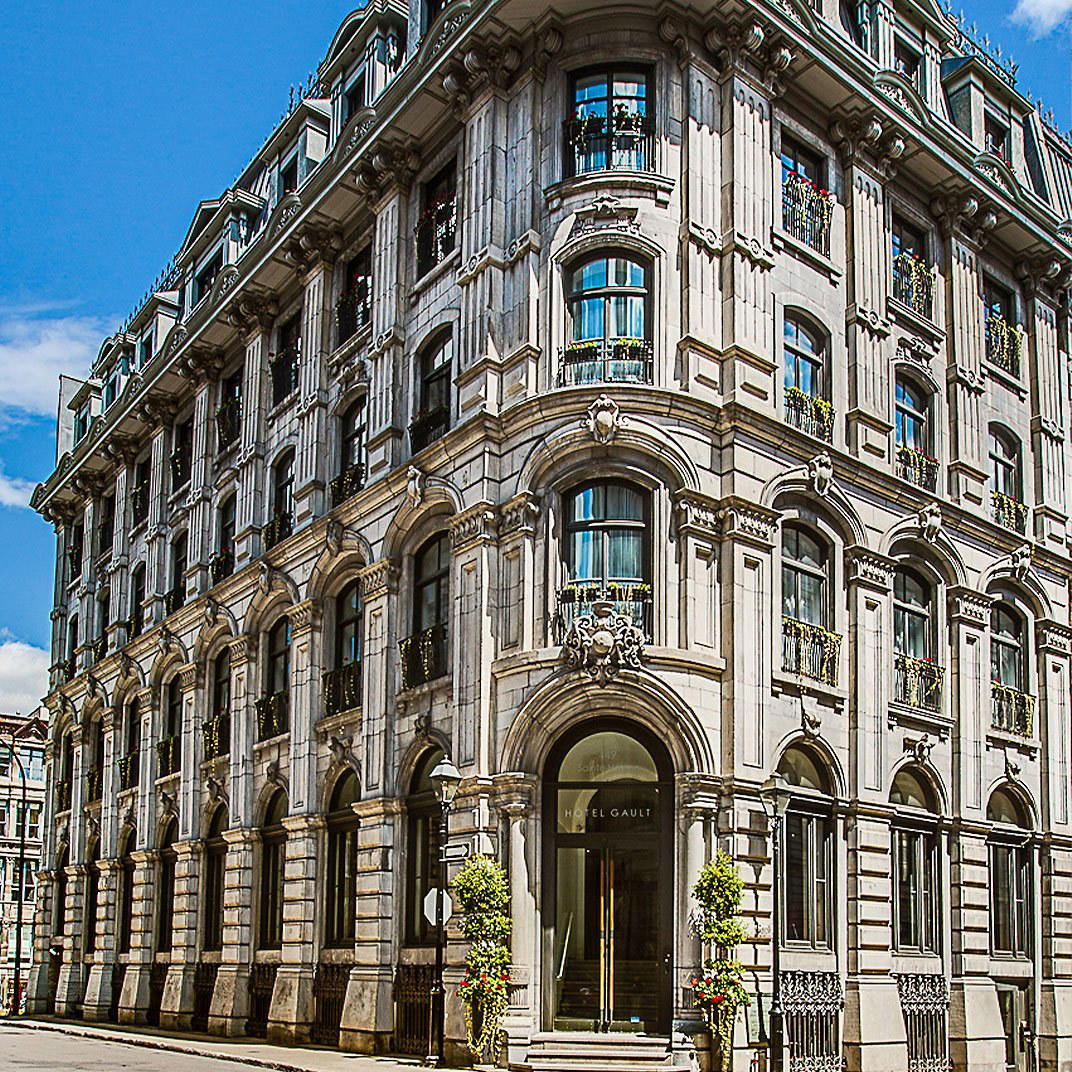
Old Montreal has a particular quality in the colder months: the stone facades darken with rain or frost, the streets narrow to a kind of enforced intimacy, and the restaurants that line them become genuinely functional shelters rather than casual stops. The block along McGill Street, running toward the waterfront, carries a density of serious dining rooms that has built up over the past decade as the neighbourhood shed its purely tourist identity and attracted a more local, food-aware clientele. Restaurant Pastel at 124 McGill sits inside that shift — an address that now signals something beyond souvenir-district eating.
Montreal's fine-casual tier has expanded considerably as chefs trained in formal European and Quebec kitchens have chosen formats that sit between the white-tablecloth austerity of a place like Jérôme Ferrer's Europea and the neighborhood bistro register of L'Express. Pastel occupies a position in that middle band, where the ambition on the plate outpaces the formality of the room — a format that has proven commercially durable in Montreal and mirrors what is happening at Mastard and Sabayon elsewhere in the city.
The Collaborative Model in the Dining Room
Canadian fine dining has moved away from the chef-as-singular-auteur model that dominated restaurant culture in the 2000s and early 2010s. What has replaced it, at the better addresses, is a more integrated approach: kitchen, floor, and cellar working in visible coordination rather than operating as separate departments. This is partly a response to smaller teams and tighter margins, but it has also produced a more coherent guest experience. When the sommelier understands the logic of a dish, its acidity, its fat content, its textural ambition, the wine pairing becomes an argument rather than a decoration. When front-of-house staff are embedded in that same conversation, the service feels informed rather than scripted.
This team-driven model is now a reliable marker of seriousness in Montreal's upper-middle dining tier. Restaurants that operate this way tend to develop a consistent voice across courses, a coherence that goes beyond what any single department could achieve alone. At Pastel, the McGill Street address places it in a neighbourhood where that standard has become increasingly expected rather than exceptional, and where diners arriving from the 3 Pierres 1 Feu end of the market or stepping up from more casual spots like Abu el Zulof will notice the difference in register immediately.
Old Montreal in Context: A City With Range
Montreal's dining range is wider than most Canadian cities of comparable size. At the formal end, Tanière³ in Quebec City and Alo in Toronto set a standard that few Canadian rooms match on sheer technical ambition. Further afield, places like Eigensinn Farm in Singhampton and Fogo Island Inn's dining room represent a different model entirely, where the location is inseparable from the proposition. Montreal's answer to all of this has generally been a form of French-inflected modernism that is more pragmatic and less scenographic, cooking that prioritises the plate over the narrative around it.
Pastel operates in that spirit. The McGill Street location is not a destination address in the way that a remote inn or a rooftop tasting room might be, it earns its visits through the food and floor rather than through spectacle. That is, arguably, the harder version of the proposition. For a guide to that full range, the EP Club Montreal restaurants guide maps the tier structure in detail.
What the Format Signals
Within Canada's broader fine-casual movement, the restaurants that have sustained the most critical attention share a few structural traits: menus that change with supply rather than season in the broad marketing sense, wine programs with genuine depth at the by-glass level, and floor teams that can hold a conversation about both rather than defaulting to recitation. Restaurant Pearl Morissette in Lincoln has made this model central to its identity, as has AnnaLena in Vancouver. In Quebec, Narval in Rimouski has shown that the format travels beyond major urban centres.
Pastel's position on McGill, an address with foot traffic from the Old Port, from office density nearby, and from hotel guests along the waterfront, gives it a mixed clientele that few purely neighbourhood restaurants deal with. That mix can be a creative constraint: rooms that rely on local regulars can calibrate their offer more tightly, while rooms serving a broader demographic need a different kind of legibility. The better Old Montreal restaurants have learned to operate across both registers without flattening the offer to suit the median visitor.
Planning Your Visit
Old Montreal is most accessible by Metro to Place-d'Armes or Square-Victoria stations, both within a short walk of the McGill Street address. The neighbourhood is dense with hotels, making Pastel a practical dinner option for visitors staying in the Old Port corridor. For those arriving from elsewhere in the city, the area is easily reached by cab or rideshare, particularly on evenings when the Vieux-Port waterfront draws crowds and street parking becomes unpredictable. Given the format and address, booking ahead is the sensible approach, walk-ins at serious Montreal restaurants in this price band are increasingly rare, particularly Thursday through Saturday. Comparable rooms at this level in Canada, from The Pine in Creemore to Cafe Brio in Victoria, operate on reservation-first models, and Montreal's upper-middle tier has largely followed suit. Phone and online booking details are best confirmed directly with the restaurant, as operational specifics can shift. Those travelling from or comparing against American peers should note that the format occupies a similar niche to Lazy Bear in San Francisco in its collaborative service approach, though at a distinctly Montreal price register, one that typically runs below comparable New York rooms like Le Bernardin and regional Canadian alternatives that operate at very different scales.
Frequently asked questions
Can I bring kids to Restaurant Pastel?
Montreal's mid-to-upper dining tier generally accommodates families on the earlier side of service, typically before 7pm, when the room is less pressured and noise levels are manageable. Pastel's Old Montreal address draws a mixed clientele that includes business dinners and couples, so parents with younger children will find the environment more comfortable at off-peak hours. If the menu format runs to multiple courses without much flexibility, it is worth confirming with the restaurant whether a shorter or simplified option is available for younger diners.
How would you describe the vibe at Restaurant Pastel?
Old Montreal dining rooms in this price band tend toward a considered informality: the rooms are not stiff, but the attention to detail on the plate signals that the kitchen is taking the meal seriously. Pastel sits in that register, a space where you would not feel out of place in a well-cut jacket or in smart-casual dress, and where the conversation on the floor is more knowledgeable than perfunctory. Montreal generally runs warmer in service style than comparable rooms in Toronto or New York, and that character tends to carry through in Old Port-area restaurants regardless of price point.
What do people recommend at Restaurant Pastel?
Without fabricating specific dish names or tasting notes, the pattern at comparable Montreal rooms in this tier is that the most discussed elements tend to be the technical precision of the savoury courses and the coherence of the wine pairing, rather than any single showpiece dish. The collaborative service model, when it works well, means that the floor team can articulate the kitchen's choices clearly, which is itself part of what guests return for. Checking recent visitor accounts on reservation platforms will give the most current picture of what is resonating.
Is Restaurant Pastel reservation-only?
Montreal's upper-middle dining tier has shifted decisively toward advance bookings, particularly at addresses in Old Montreal where weekend foot traffic creates demand that walk-in capacity cannot absorb. At Pastel's price and format level, arriving without a reservation on a Thursday, Friday, or Saturday evening carries real risk of unavailability. Booking two to three weeks ahead for weekend slots is a reasonable baseline expectation, though mid-week availability tends to be more flexible. Confirming current booking policy directly with the restaurant is advisable, as operational details can change.
What's the defining dish or idea at Restaurant Pastel?
In the absence of confirmed menu specifics, the more useful frame is the idea the restaurant represents rather than any single plate. Pastel sits in a Montreal tradition of French-influenced modernism where the kitchen's structural logic, how dishes are sequenced, how flavours are built across a meal, matters as much as individual components. At comparable rooms in the Canadian fine-casual tier, the defining quality is usually the coherence of the experience across kitchen and floor rather than a single signature item.
Does Restaurant Pastel work as a solo dining option in Old Montreal?
Solo dining in Montreal's upper-middle tier has become more viable as counter seating and bar programs have developed at serious restaurants across the city. Old Montreal specifically draws a professional clientele that includes solo business travellers and visiting food writers, which means rooms in this corridor are generally more attuned to solo guests than neighbourhood restaurants further from the Old Port. Confirming counter or bar availability when booking is advisable, as these seats tend to offer the most direct engagement with the collaborative service model that defines the better rooms at this level.
Peers You’d Cross-Shop
A short peer table to compare basics side-by-side.
| Venue | Cuisine | Price | Awards | Notes |
|---|---|---|---|---|
| Restaurant PastelThis venue — the venue you are viewing | Modern French Fine Dining with Canadian Influences | Not listed | Not listed | Not listed |
| L’Express | Classic French Bistro | $50–100 | Michelin Plate · Star Wine List | French Bistro |
| Schwartz’s | Montreal Smoked Meat Deli | $20–30 | Michelin Plate | Delicatessen |
| Toqué | Modern Quebecois Fine Dining | $100–150 | Michelin Plate · La Liste Top Restaurants | French |
| Jérôme Ferrer - Europea | Modern French Fine Dining with Quebec Influences | $150–200 | 1 Michelin Star · Relais Chateaux Award | Modern Cuisine |
| Mastard | Modern Quebec Terroir Fine Dining | $50–100 | 1 Michelin Star · Canada's 100 Best Restaurants #63 | Modern Cuisine |
Details
- Elegant
- Sophisticated
- Modern
- Intimate
- Date Night
- Special Occasion
- Open Kitchen
- Extensive Wine List
- Local Sourcing
- Tasting Menu
- A La Carte
- Wine
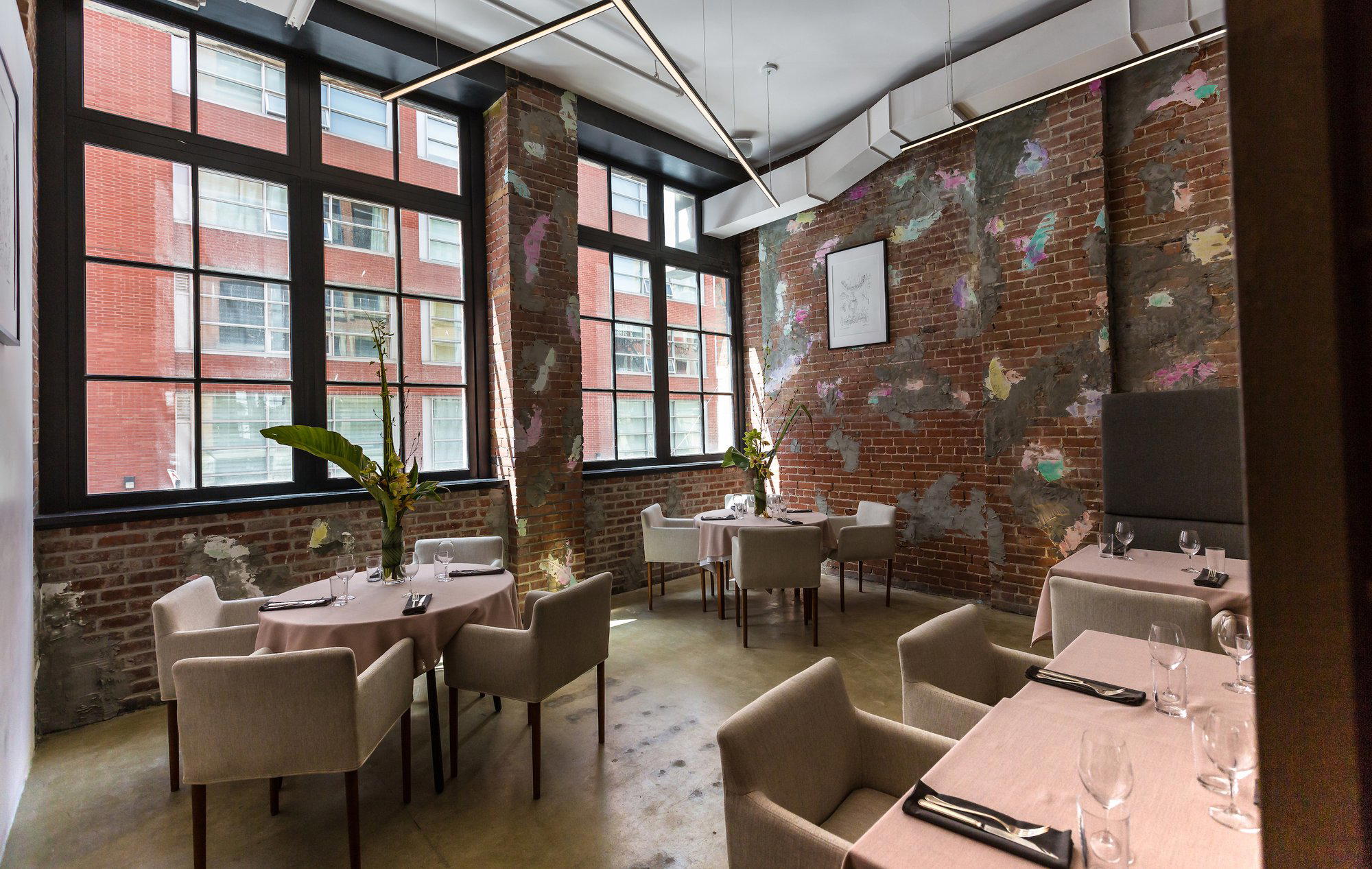
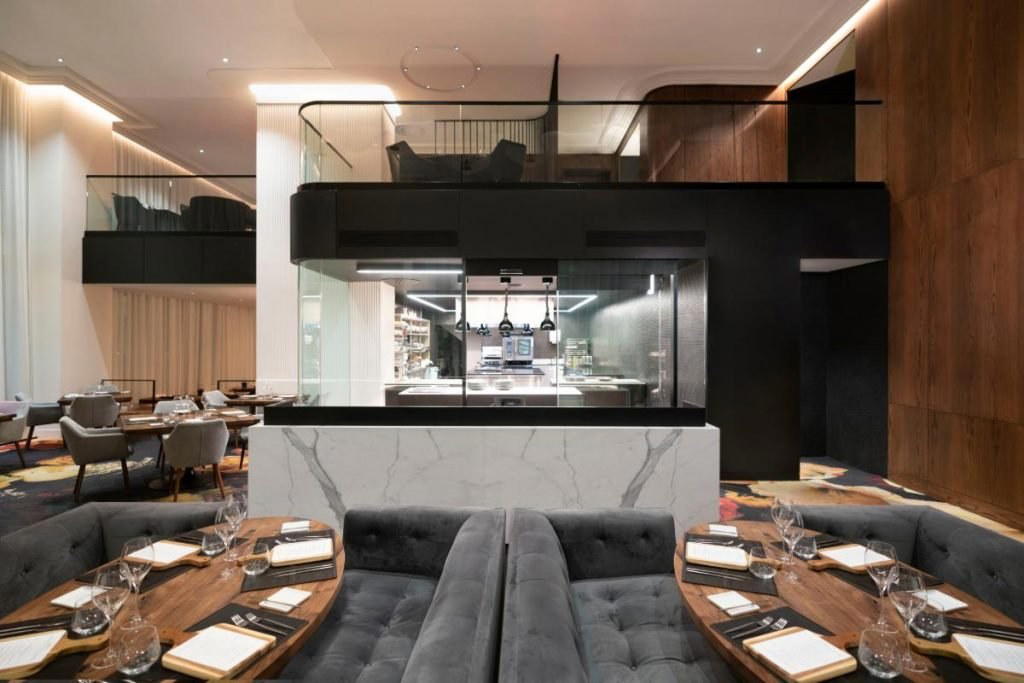
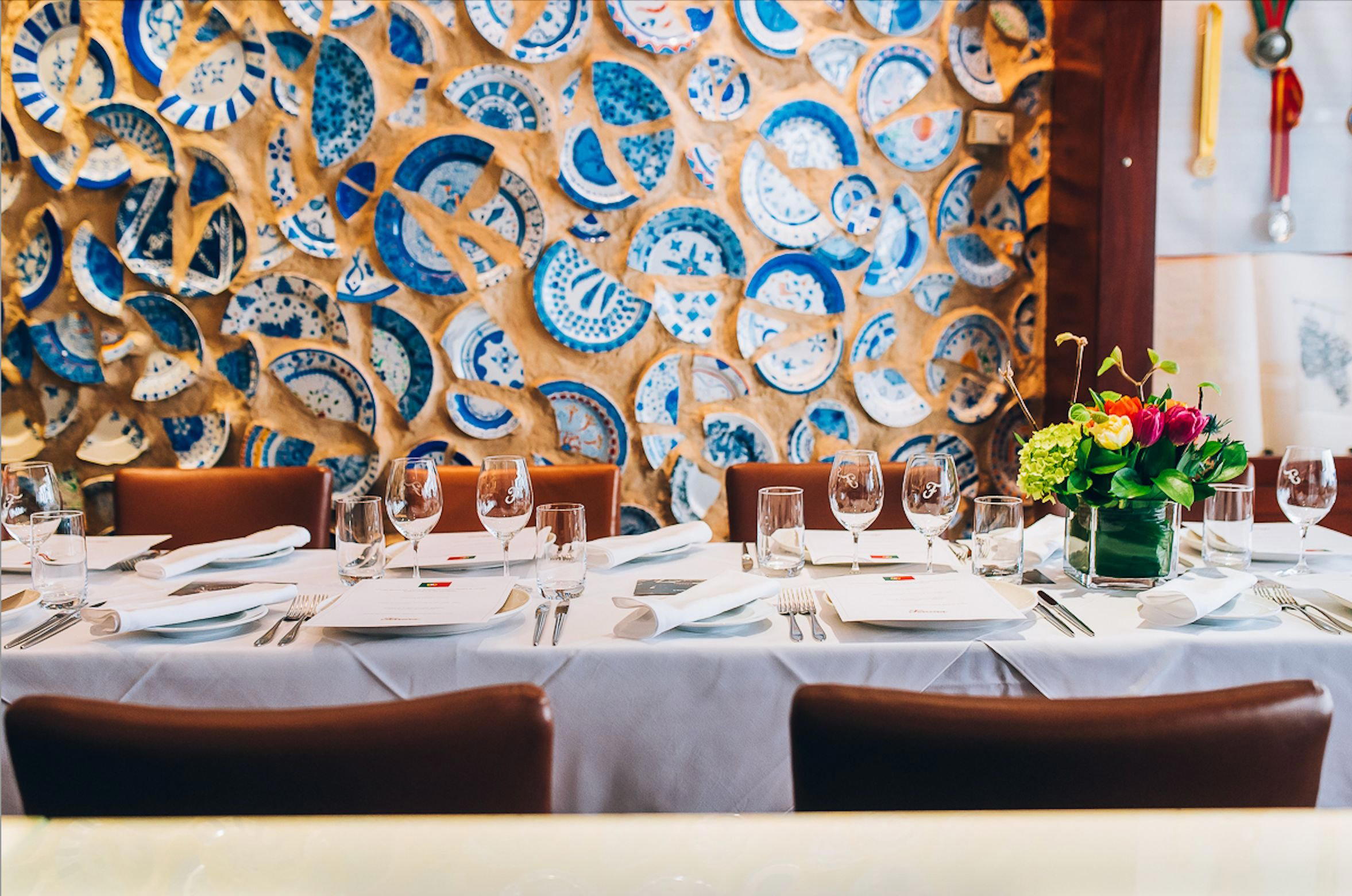
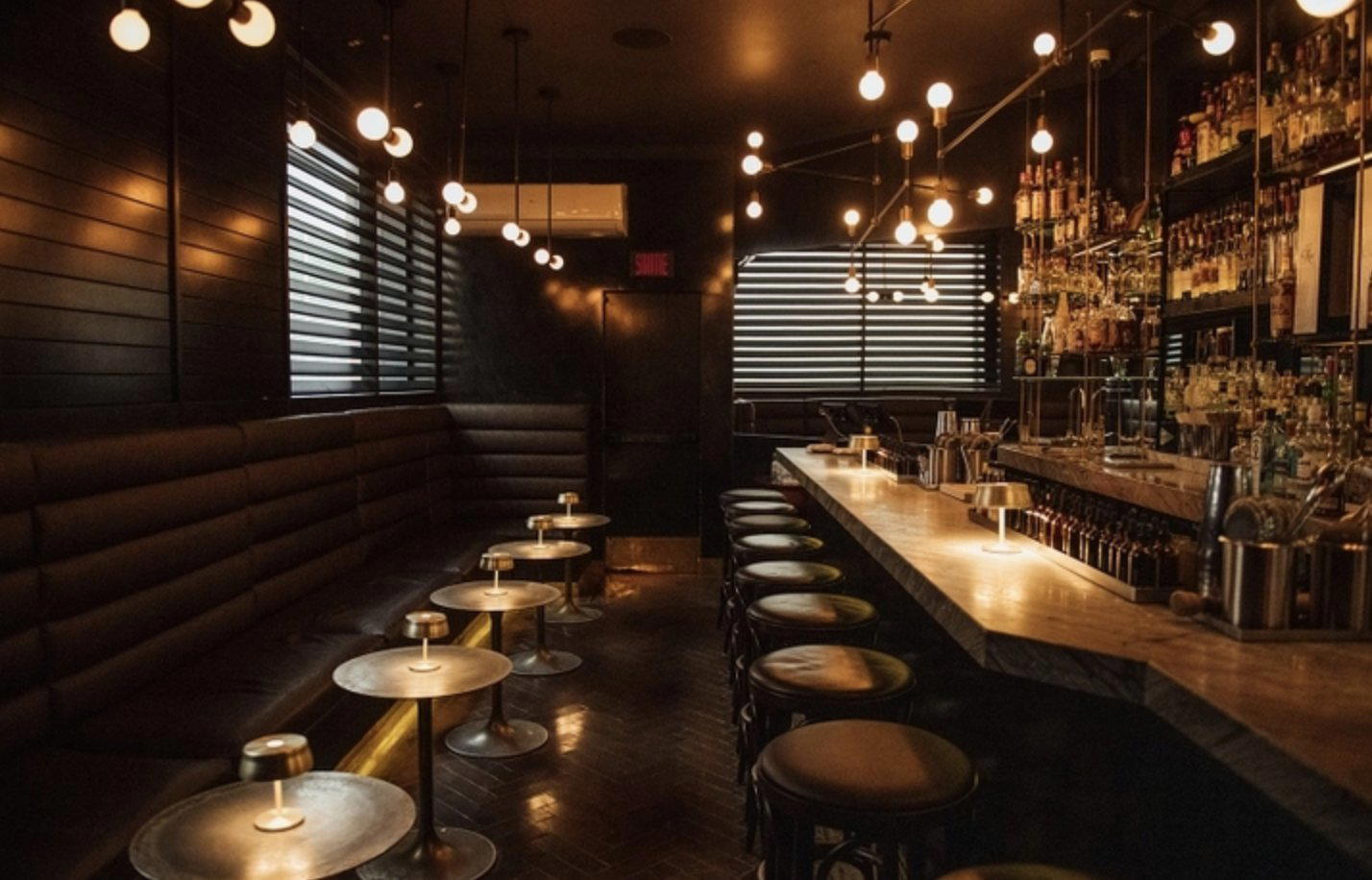
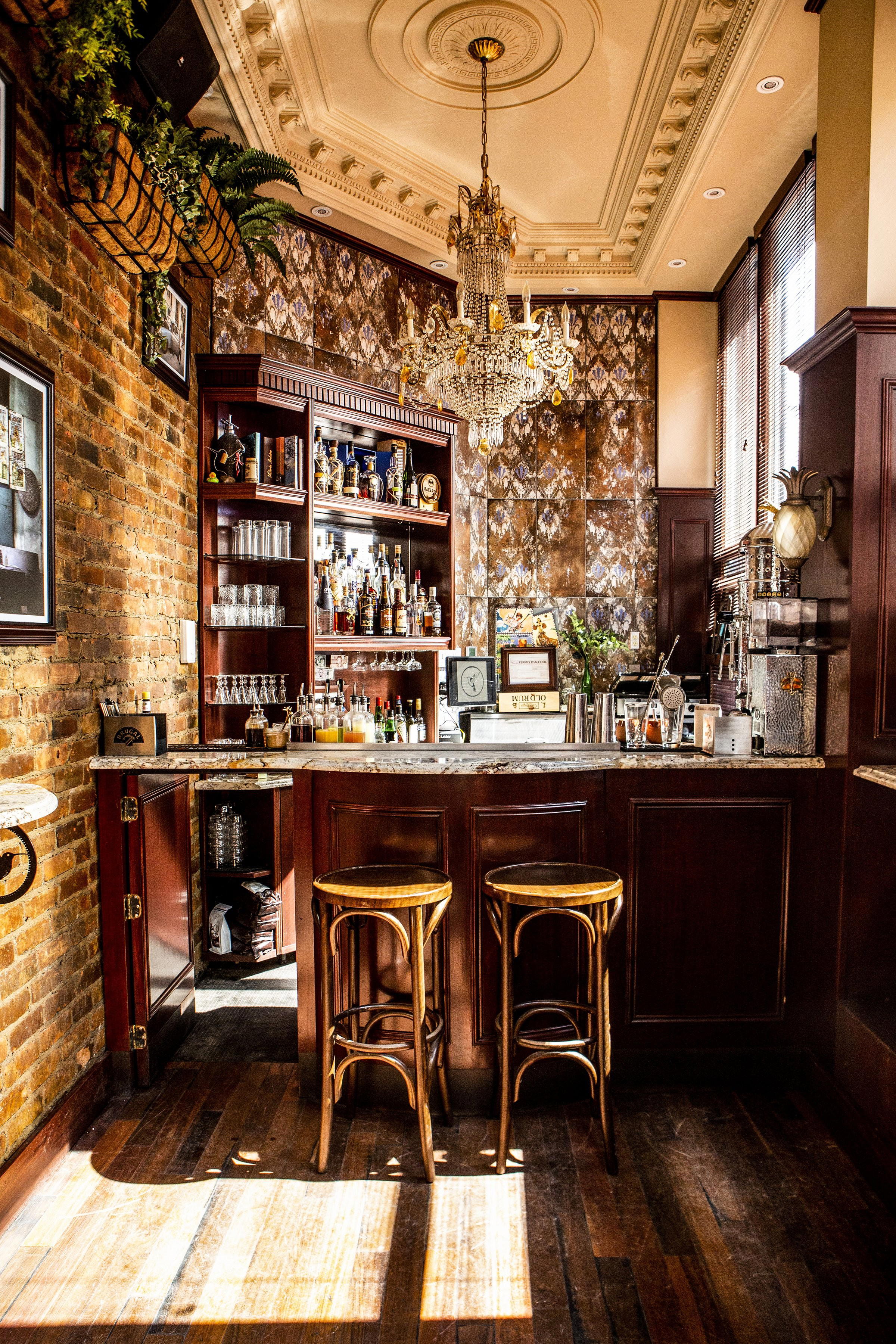
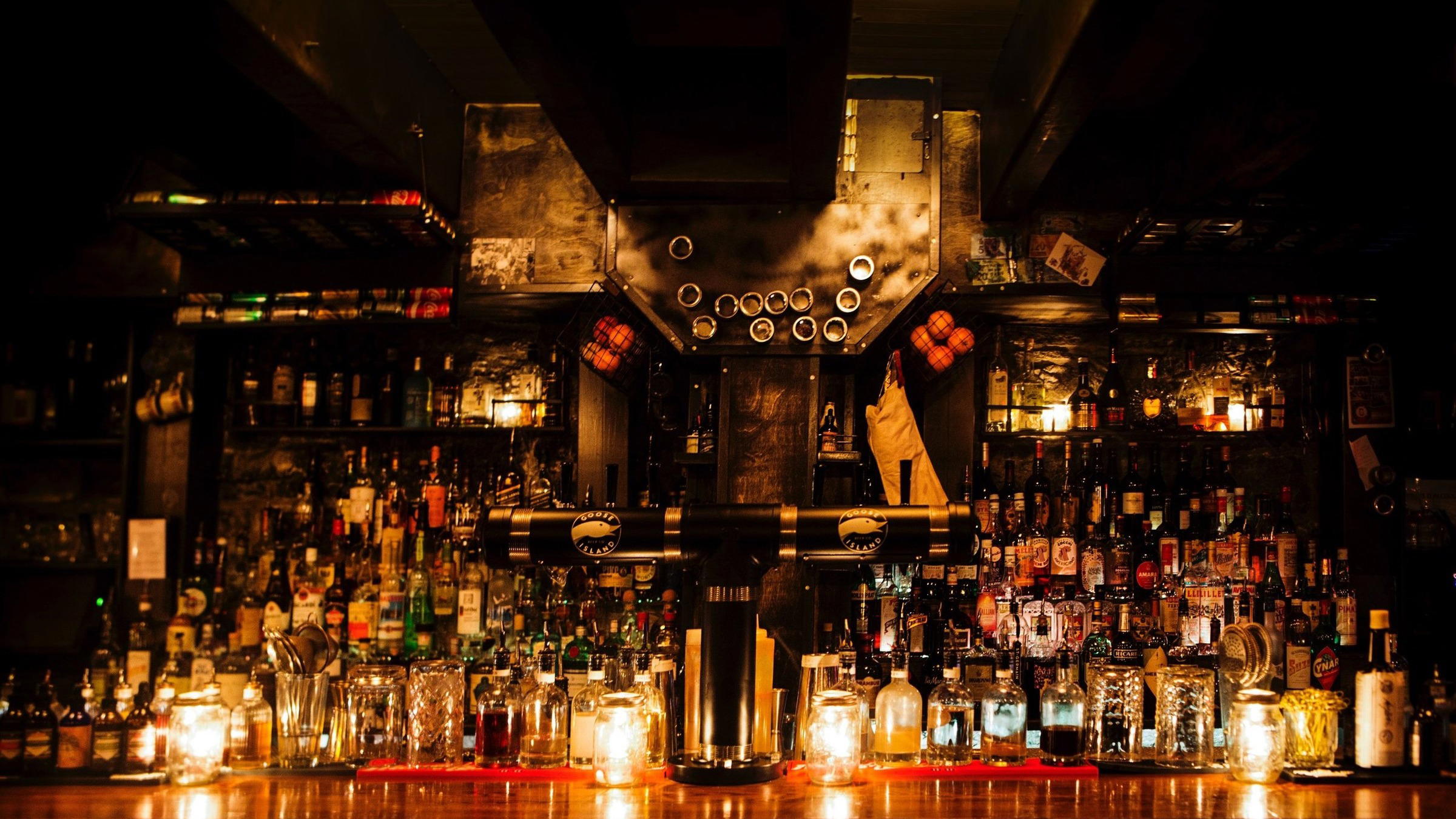
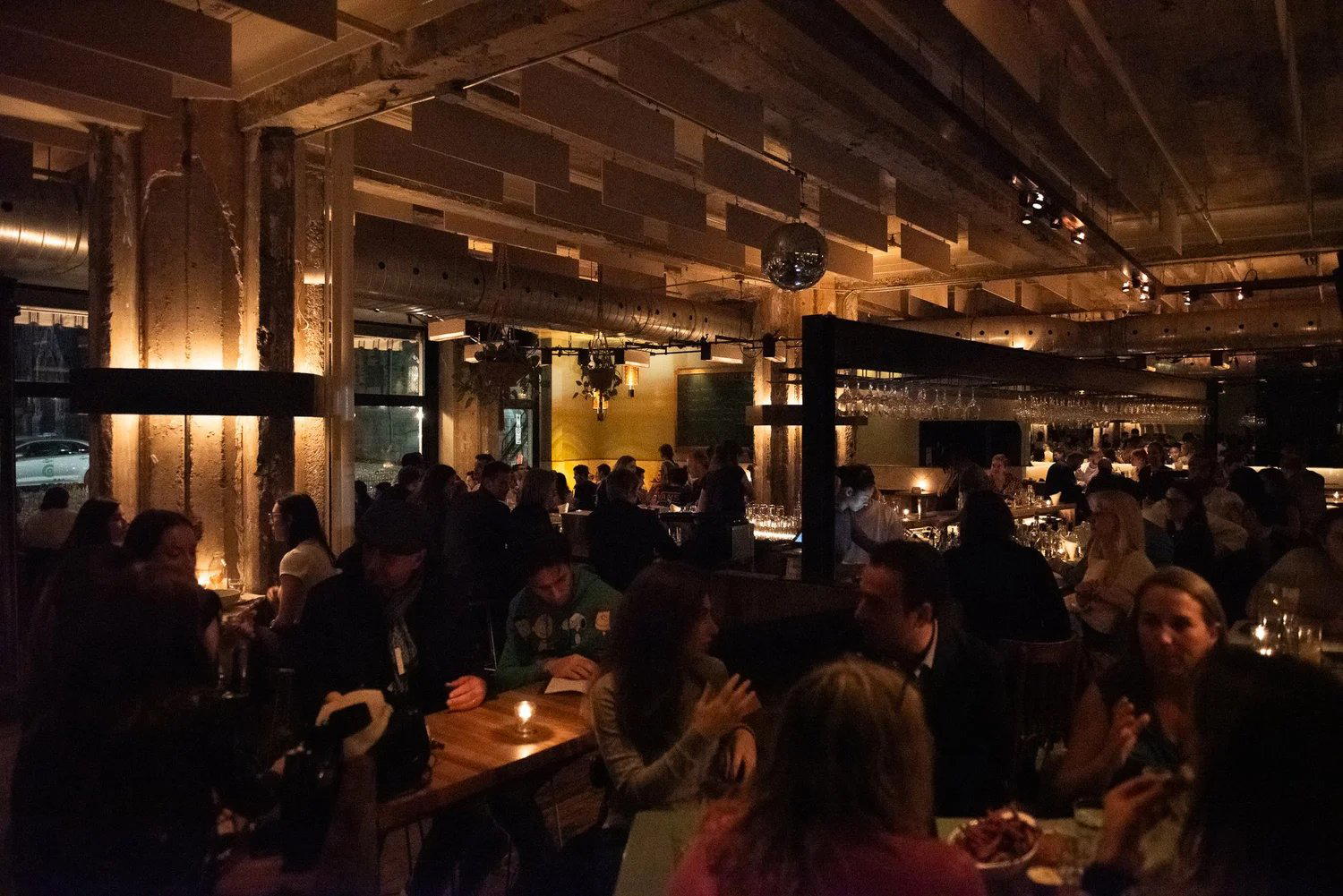
Elegant atmosphere with white tablecloths, steel-beamed historic space, and refined hospitality that feels welcoming yet sophisticated.