Restaurant Naides

1 Michelin Star
Our verdict
Restaurant Naides on Bush Street brings Filipino fine-dining tasting menus to San Francisco's Chinatown-adjacent corridor, a format that remains scarce in the city's otherwise ambitious contemporary dining scene. The address places it within walking distance of several Michelin-recognised rooms, yet the cuisine it represents operates in a different register entirely, one the city's high-end circuit has been slow to acknowledge. Plan accordingly: availability and booking details are best confirmed directly.

Pearl is the En Primeur Club membership app, where members save venues, book tables and use the concierge.

The menu
What to order
- Sinigang with abalone
- Puto with pork rillette
Filipino Fine Dining in a City Still Catching Up
San Francisco's upper tier of tasting-menu restaurants has long clustered around a recognisable set of influences: French technique, Japanese restraint, California produce. Rooms like Atelier Crenn, Benu, and Quince have each earned Michelin recognition while working within frameworks the city's critics and diners know well. Filipino fine dining sits outside that established grammar, which is precisely what makes a restaurant like Naides worth tracking. The tasting-menu format applied to Filipino cuisine is not a novelty exercise. It is an argument, that the archipelago's cooking traditions carry enough complexity, regional variation, and historical layering to sustain a multi-course progression at the level the city's more decorated rooms operate.
Bush Street, where Naides sits at number 708, runs through a transitional stretch of the city between Union Square's commercial density and the edge of Chinatown. It is not a restaurant row in the way that, say, the blocks around Lazy Bear in the Mission have become associated with a particular dining style. The neighbourhood does not announce ambition the way some corridors do. That absence of context is part of the point: the restaurant earns its place through the specificity of what happens inside, not through association with a fashionable address.
The Format and What It Signals
A Filipino tasting menu in a fine-dining register is still a rarity in American cities, which gives Naides a positioning that has no direct local peer. Comparable arguments have played out elsewhere. Atomix in New York City demonstrated that Korean cuisine could anchor a multi-course tasting-menu format that competed directly with the city's most decorated French and Japanese rooms. The broader pattern, a non-European cuisine finding institutional recognition through the tasting-menu format, has become one of the defining narratives in American fine dining over the past decade. San Francisco, a city with a substantial Filipino-American population and a dining scene that has otherwise pushed aggressively into contemporary territory with restaurants like Saison, has been slower to produce that recognition for Filipino cooking at this tier.
The tasting-menu format itself carries specific expectations for the diner: a fixed progression, a single seating or limited turns per evening, courses designed to build rather than simply accumulate. When that structure is applied to a cuisine with as much regional variation as Filipino cooking, from the vinegar-forward adobo traditions of Luzon to the coconut-rich preparations of the Visayas, the peanut-based kare-kare, the raw-cured kinilaw that parallels ceviche in method if not in cultural origin, it creates a framework for educating as much as feeding. That educational dimension is part of what distinguishes serious tasting-menu operations from restaurants that simply charge tasting-menu prices.
Booking: The Practical Reality
The editorial angle here is the booking experience, because for a restaurant operating in a format this specialised, the approach to reservations defines the entire engagement. San Francisco's leading tasting-menu rooms have moved decisively toward advance-booking models. The French Laundry in Napa, the reference point for the region's premium dining aspirations, books two months out through its own platform and through third-party reservation systems simultaneously. Rooms like Single Thread Farm in Healdsburg have developed waiting-list cultures that function almost independently of real-time availability.
That is not unusual for a restaurant at this stage: some of the city's most serious rooms have gone through periods where reservations operated through direct email or a quiet social media presence before stabilising into a more formal system. The absence of confirmed booking infrastructure in the public record should be read as a prompt to do current research rather than as a signal about the restaurant's seriousness.
Given the address in a central San Francisco neighbourhood, logistics from most hotel bases in the city are direct. The Bush Street location puts the restaurant within walking distance of Union Square hotels and a short ride from properties in SoMa or the Financial District. For visitors using San Francisco as a base to explore the wider Bay Area dining circuit, which now extends to Healdsburg and the Napa Valley, Naides represents a city-centre anchor for Filipino fine dining that does not require a car. The San Francisco hotels guide covers the full range of accommodation options across the city's neighbourhoods if you are building an itinerary around multiple dining evenings.
Where Naides Fits in the City's Broader Scene
San Francisco's tasting-menu tier has consolidated around a relatively small number of rooms, most of them carrying Michelin recognition and priced accordingly. Benu has held three Michelin stars since 2014, operating at the intersection of French technique and Korean and Chinese references. Atelier Crenn holds three stars under a French contemporary framework. Quince and Lazy Bear occupy the two-star tier. These rooms have defined what institutional recognition looks like in the city for the past decade, and they share certain common denominators: long lead times for reservations, fixed tasting-menu formats, and price points that reflect the scarcity of seats.
Naides enters a scene where the category architecture is established but the Filipino fine-dining slot remains genuinely open. That openness creates both an opportunity and a challenge: the opportunity to define a new reference point for what Filipino tasting-menu dining looks like in California, and the challenge of earning recognition from critics and diners who may not yet have the framework to assess it accurately. The parallel in American dining that is most instructive here is not a San Francisco comparison but a national one. When Atomix moved toward its current format in New York, it did so in a city where Korean-American dining already had critical attention; the restaurant refined and formalised that attention. San Francisco's Filipino-American dining culture has a community base but has not yet produced its Michelin-recognised anchor at the tasting-menu tier. Whether Naides becomes that anchor will depend on how its cooking is received over time, not on the format alone.
For readers building a broader sense of where Naides sits relative to American fine dining as a whole, the national context is worth holding. Rooms like Alinea in Chicago, Le Bernardin in New York City, and Providence in Los Angeles define the reference tier for serious tasting-menu dining in American cities. Emeril's in New Orleans and Alain Ducasse's Louis XV in Monte Carlo serve as international comparators for what longevity and institutional weight look like in fine dining. Naides is not yet positioned against those rooms in terms of documented recognition, but the format it has chosen places it in a conversation with that tier rather than with the neighbourhood restaurant category. Our full San Francisco restaurants guide maps the city's dining options across all categories and price points, and the bars guide, wineries guide, and experiences guide cover the full scope of a San Francisco visit.
Frequently asked questions
Would Restaurant Naides be comfortable with kids?
A Filipino fine-dining tasting menu at this address on Bush Street is a format built around extended, multi-course pacing and a focused dining room atmosphere. That context is generally a poor fit for young children, both for the length of service and the format's emphasis on sequential courses. Families with older teenagers who are comfortable at the tasting-menu table may find it more suitable.
Is Restaurant Naides formal or casual?
Naides operates in a fine-dining tasting-menu register, which places it above San Francisco's mid-casual dining tier without necessarily requiring black-tie dress. The Filipino tasting-menu format it occupies has almost no direct local peer, so the room functions closer to the city's Michelin-tracked tasting counters in terms of occasion and tone. Business casual to smart dress is the reasonable baseline.
Is Naides one of the only Filipino fine-dining tasting menus in San Francisco?
At the fine-dining tasting-menu level, Filipino cuisine has very few dedicated rooms across American cities, and San Francisco's upper tasting-menu tier has historically clustered around French, Japanese, and California-produce-driven formats. Naides on Bush Street occupies a positioning with no direct local equivalent in that register. That scarcity is part of what makes the reservation decision easier to justify.
What should I order at Restaurant Naides?
As a tasting-menu restaurant, Naides does not operate an à la carte list, the kitchen sets the sequence, which is the defining feature of this format. The menu draws from Filipino culinary tradition interpreted through a fine-dining framework, a combination that remains genuinely rare in American cities. Trust the progression rather than arriving with specific dish requests.
Comparable Venues
Comparable venues nearby, for context on price, style, and recognition.
| Venue | Cuisine | Price | Awards | Notes |
|---|---|---|---|---|
| Restaurant NaidesThis venue (the venue you are viewing) | Modern Filipino Fine Dining | $150–200 | 1 Michelin Star | Not listed |
| Garden Court | Historic American Brunch & Afternoon Tea | $50–100 | Not listed | Financial District/South Beach |
| Sushi Sato | Japanese Omakase Sushi | $150–200 | Not listed | Nob Hill |
| Hinata | Sushi Omakase | $100–150 | Not listed | Tenderloin |
| Bourbon Steak | Modern Steakhouse | $150–200 | Not listed | Tenderloin |
| Osso Steakhouse | Classic Steakhouse | $100–150 | Wine Spectator Best of Award of Excellence | Nob Hill |
Recognition history
Dated appearances from independent guides and award organizations, with the underlying list record or original source where available.
Michelin 1 Star
Michelin
Continue exploring
More in San Francisco
Restaurants in San Francisco
All restaurants in San Francisco →
Bars in San Francisco
All bars in San Francisco →


Details
- Intimate
- Cozy
- Elegant
- Modern
- Special Occasion
- Date Night
- Open Kitchen
- Natural Wine
- Local Sourcing
- Tasting Menu
- Natural Wine
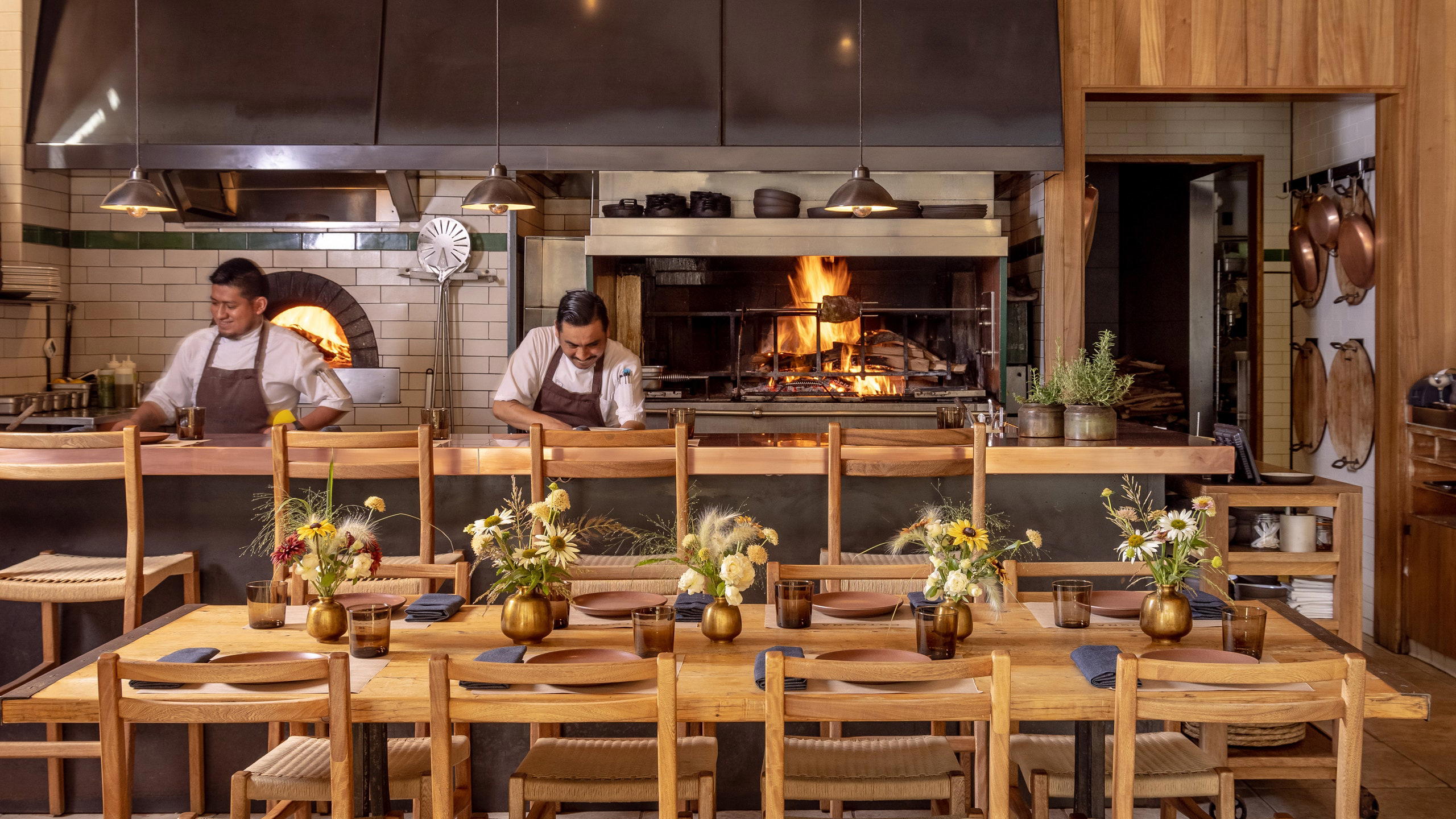
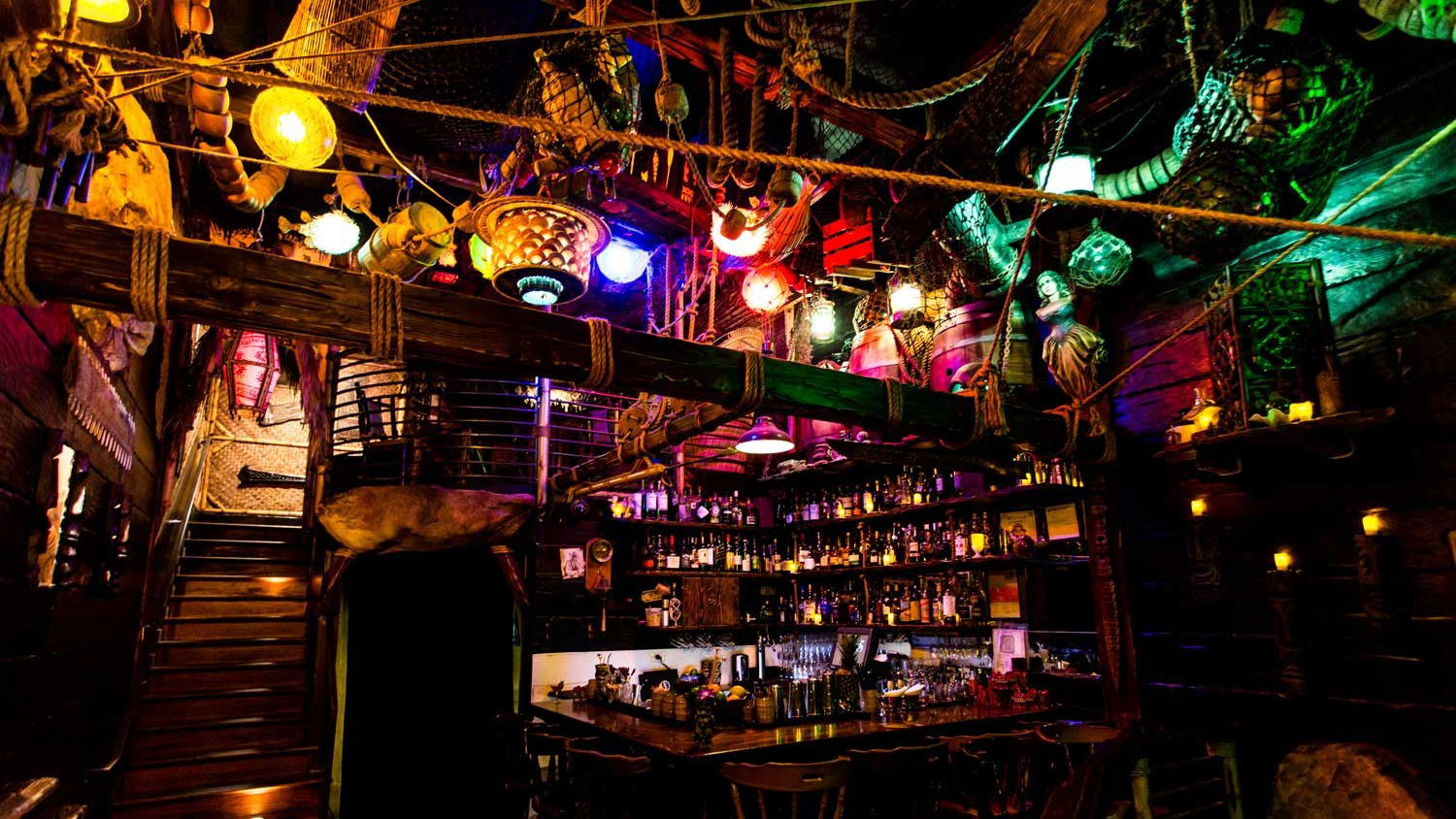
Cozy and inviting ambiance with an open kitchen allowing diners to watch the culinary team.