Restaurant Le Cap Horn
Our verdict
Restaurant Le Cap Horn occupies an address on Boulevard Hébert in Saint-Malo, where the Breton dining tradition meets a setting shaped by the port city's relationship with sea and wind. The restaurant sits in a city whose restaurant scene has grown more ambitious in recent years, offering visitors a reference point within the local table.

Pearl is the En Primeur Club membership app — saves, bookings, and concierge access live there. Same editors, same standards.
- Address
- 100 Bd Hébert, 35400 Saint-Malo, France
- Phone
- +33299407540
- Hours
- Daily 12:30–2 PM, 7:30–9 PM
- Website
- restaurant-caphorn.fr
- Directions
- Get directions
- Booking
- Book on the venue's website
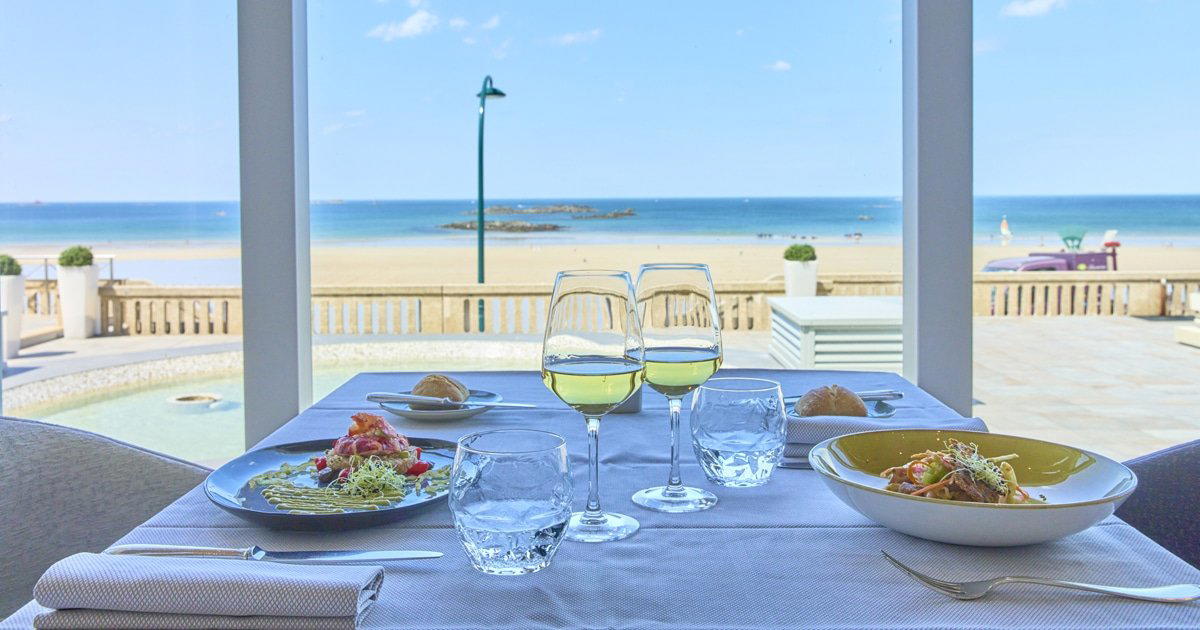
The menu
What to order
- Grilled turbot with aniseed
- Cancale oysters
- Scallops from Erquy with beurre blanc
- Blue lobster ravioli
- Salted butter kouign amann
Where the Port City Eats: Saint-Malo's Dining Register
Saint-Malo has always organised itself around the sea. The walled city's relationship with Atlantic trade, corsair wealth, and Breton agricultural abundance shaped a culinary character that still reads clearly on its restaurant menus today: shellfish landed a few kilometres away, butter from the Pays de la Loire border, lamb from the salt marshes of Mont-Saint-Michel Bay. What has changed in the past decade is the ambition applied to those materials. The city's dining scene has split, as it has in comparable French port towns, between neighbourhood tables working in a traditional register and a smaller cohort of kitchens applying more considered technique to the same local larder. Restaurant Le Cap Horn, at 100 Boulevard Hébert, sits within that broader conversation — a Saint-Malo address for those tracking the city's table seriously.
For a fuller map of the city's options, the EP Club Saint-Malo restaurants guide covers the range from creative tasting menus to neighbourhood bistros.
The Setting: Boulevard Hébert and What It Signals
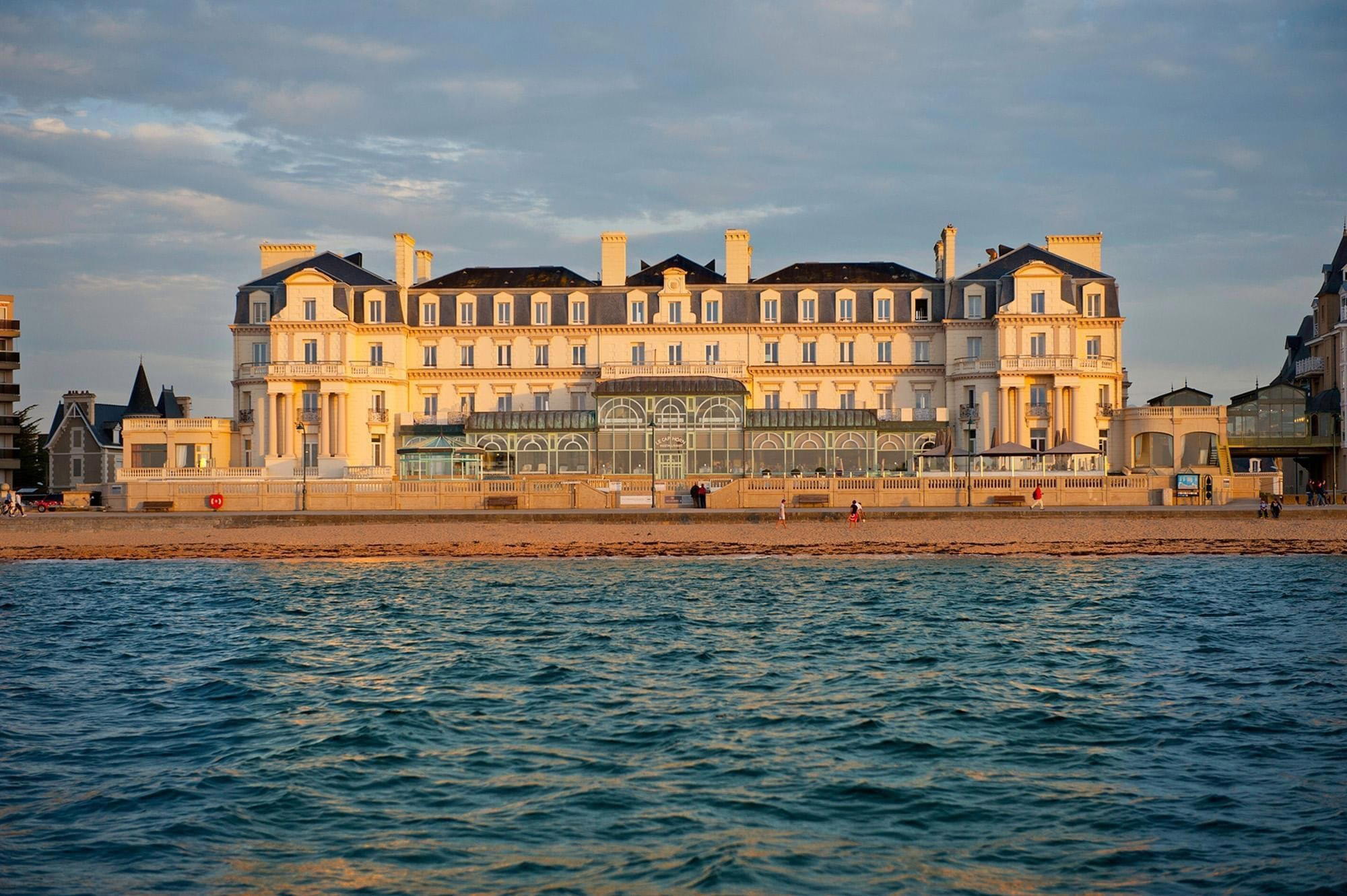
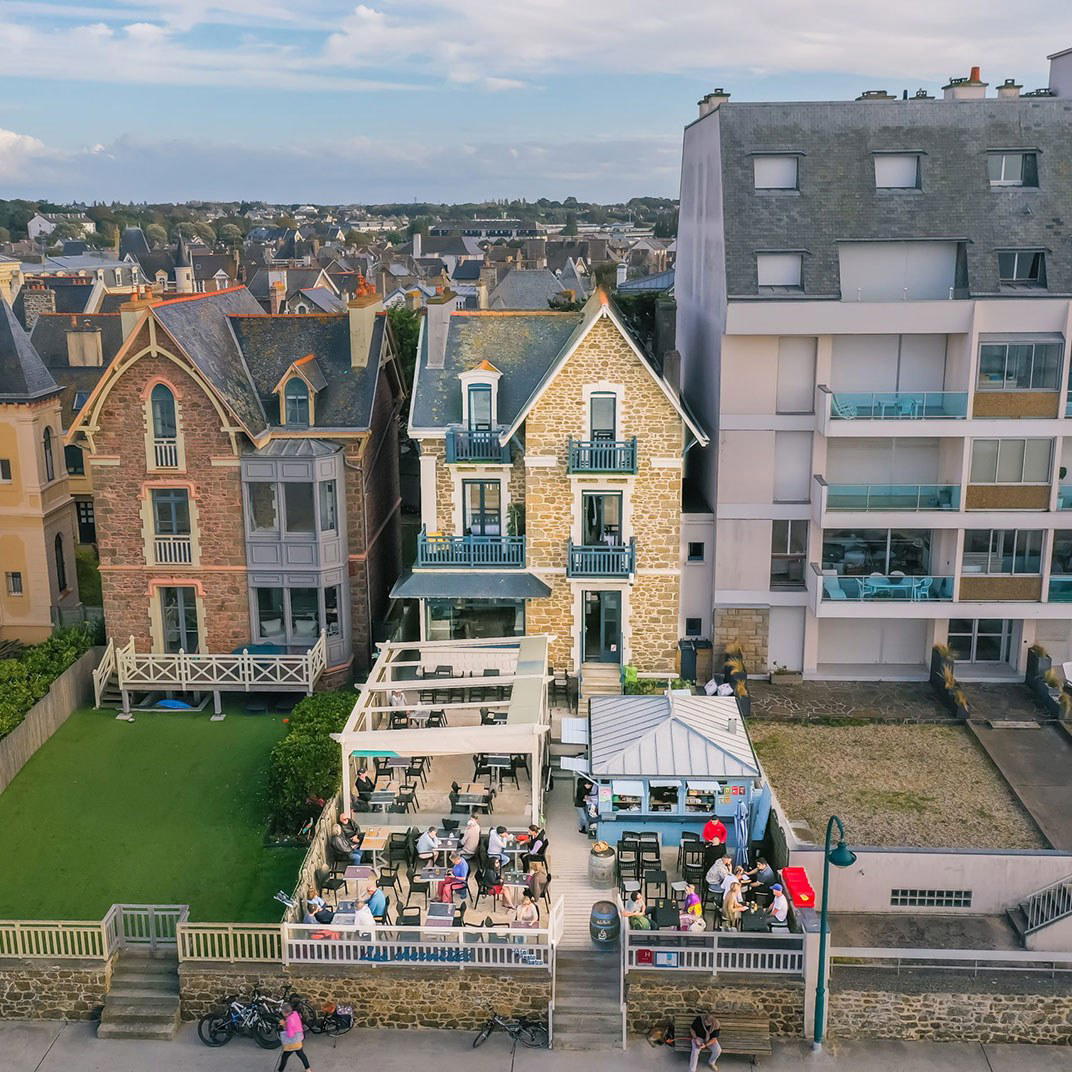
Boulevard Hébert runs along the outer edge of the walled city, close enough to the sea that the light and the noise of the Rance estuary are constant presences. In French coastal cities, an address on a waterfront boulevard tends to attract two different kinds of restaurant: the high-volume tourist operations optimised for sunset views, and the more considered tables that use location as context rather than commodity. The distinction matters because it shapes everything from the pace of service to the seriousness of the wine list. Le Cap Horn's name gestures to the southern tip of South America, the most demanding passage in maritime history — a reference that fits Saint-Malo's deep corsair and sailor heritage, and one that sets a particular tone before a guest walks through the door.
The physical approach to a restaurant on a boulevard like this is instructive. The sea-facing position means the building catches Atlantic weather directly, and the interiors of such establishments in Brittany tend toward warmth and enclosure in response: materials that absorb rather than reflect, a room that feels deliberate about keeping the outside outside. Whether that describes Le Cap Horn's specific interior would require a visit to confirm, but the urban typology of the address is well established.
The Wine Angle: How Coastal Restaurants Build Their Lists
In Brittany, the wine question is structurally interesting because the region produces almost none of its own. Unlike restaurants in Burgundy or Alsace, where the cellar is partly an expression of local identity, a Breton restaurant's list is built entirely through selection and curation, which means the sommelier's or owner's preferences show through more directly. The leading coastal French lists in this register tend to anchor around two axes: Loire whites (Muscadet, Savennières, Vouvray) for their natural affinity with shellfish and salt, and a broader French selection that gives weight to smaller appellations the Paris-focused trade often overlooks.
The current direction of serious French restaurant wine programs, including those at recognised tables like Alléno Paris au Pavillon Ledoyen and Assiette Champenoise in Reims, is toward deeper vertical selections and a more explicit commitment to grower producers over négociant names. Whether a mid-tier regional restaurant like Le Cap Horn operates in that mode or takes a more accessible, rotation-led approach is exactly the kind of question worth putting directly to the house when booking. A wine list that takes Breton positioning seriously will lean hard into the Loire-Atlantique producers; one that is playing safe will default to Bordeaux and Burgundy by appellation recognition alone.
At the broader level, the French regional restaurant scene has produced some of the most interesting wine programs precisely because the absence of a dominant local appellation forces genuine curation. Restaurants such as Bras in Laguiole and Flocons de Sel in Megève have built lists that reflect their geographic positioning with genuine depth. The same pressure applies in Saint-Malo.
Any assessment of Le Cap Horn requires placing it within the local competitive structure. Saint-Malo's most decorated kitchen is currently Le Saint Placide, which operates at the creative end of the city's restaurant range at the €€€€ tier, and represents the benchmark for technical ambition in the city. Below that, the scene divides across several formats: Ar Iniz works in the modern cuisine register, Betton Fils brings a contemporary Breton perspective, and Autour du Beurre takes a product-focused approach anchored in one of Brittany's most discussed ingredients. Annadata adds another angle to the city's table.
That ambiguity is itself a signal: the most-discussed tables in any French city tend to generate a data trail of reviews, recognition, and recorded openings. Restaurants that sit slightly outside that trail are often neighbourhood-oriented, value-conscious, or simply earlier in their public visibility cycle. Any of those conditions can describe a worthwhile table.
Breton Food Logic: What the Kitchen Is Working With
The materials available to a Saint-Malo kitchen are among the most compelling in northern France. Cancale, a 20-minute drive east, is one of France's principal oyster-producing bays. Coquilles Saint-Jacques from the Bay of Saint-Brieuc are harvested seasonally from October through April and represent a Breton product with genuine appellation protection. The lamb from the pre-salé pastures near Mont-Saint-Michel develops a flavour profile shaped by saline grass that has no direct equivalent elsewhere in France. Butter from Isigny and the Breton creameries carries a fat content and flavour that French kitchens treat differently from any industrial alternative.
A kitchen at this address that is serious about its location will be building menus around the rhythm of those seasonal availabilities rather than a fixed year-round card. The distinction between a restaurant that changes its offer as the Saint-Jacques season opens and closes and one that runs a static menu regardless is one of the clearest indicators of kitchen commitment in coastal France. When booking, the most useful question to ask is what the kitchen is currently featuring and why.
Planning a Visit
Le Cap Horn's address at 100 Boulevard Hébert places it at the edge of the historic walled city, accessible on foot from the intra-muros area in roughly ten minutes. For visitors arriving by rail, Saint-Malo station sits to the south of the old town, and the boulevard is reachable without requiring a taxi. Given the absence of published hours and booking data, contacting the restaurant directly before visiting is the appropriate approach, particularly in the shoulder seasons of October and early spring when Breton coastal restaurants frequently adjust their operating schedules. The summer months, from late June through August, represent the highest-demand period across all of Saint-Malo's dining, and any serious table on the waterfront boulevard will fill quickly during that window.
Visitors planning a more extended survey of the French fine dining landscape alongside a Brittany stop will find useful comparison points at Mirazur in Menton, Troisgros in Ouches, Auberge de l'Ill in Illhaeusern, AM par Alexandre Mazzia in Marseille, Paul Bocuse in Collonges-au-Mont-d'Or, and Au Crocodile in Strasbourg. Transatlantic comparisons can be drawn with Le Bernardin in New York City and Atomix, both of which demonstrate how a strong wine program and precise product sourcing intersect at the top end of the market.
Frequently asked questions
Can I bring kids to Restaurant Le Cap Horn?
Saint-Malo's dining culture is generally family-oriented, particularly along Boulevard Hébert where Le Cap Horn sits at the edge of the historic walled city.
What should I expect atmosphere-wise at Restaurant Le Cap Horn?
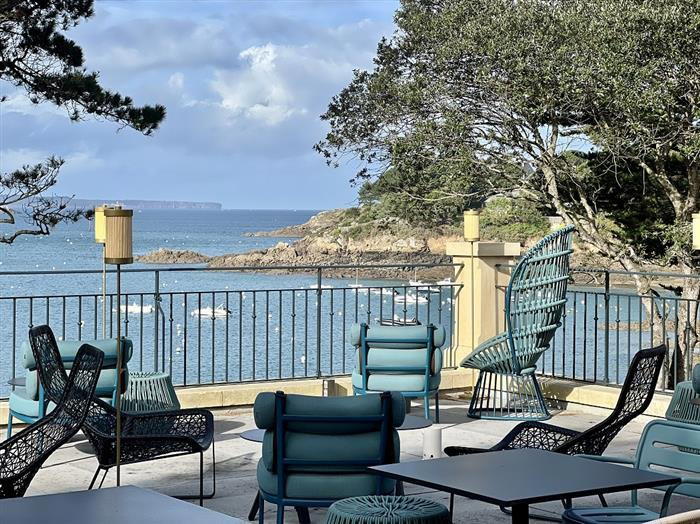
The address at 100 Boulevard Hébert places the restaurant on the outer perimeter of the intra-muros zone, close enough to the Rance estuary that the light quality and coastal proximity shape the room's character. Expect the kind of setting that is more about location than theatrical interior design — a working port city restaurant rather than a destination showcase.
Is Restaurant Le Cap Horn well positioned for visiting the Saint-Malo walled city on the same day?
At 100 Boulevard Hébert, the restaurant sits directly adjacent to the intra-muros perimeter, making it a practical stop before or after walking the ramparts. The walled city's main gates are accessible on foot from this address, placing Le Cap Horn within the natural circuit of a Saint-Malo afternoon rather than requiring a separate journey across the city.
What do regulars order at Restaurant Le Cap Horn?
A Breton coastal restaurant at this address would be expected to work with those materials, though dish specifics should be verified on arrival or by contacting the venue directly.
Where is Restaurant Le Cap Horn in Saint Malo?
Restaurant Le Cap Horn is located at 100 Bd Hébert, 35400 Saint-Malo, France, Saint Malo.
What's the best way to book Restaurant Le Cap Horn?
The most reliable approach is to check the venue's official channels via in-person enquiry or through a local concierge if you are staying within the walled city, which is a short walk from Boulevard Hébert.
What's the defining dish or idea at Restaurant Le Cap Horn?
What the location signals is a kitchen oriented toward Atlantic and Breton produce — the same supply chain that feeds Saint-Malo's most serious tables, from Cancale shellfish to the agricultural hinterland of the Rance valley. The defining idea is likely the place itself: a restaurant at the literal edge of a sea-facing walled city.
Comparison Snapshot
Comparable venues nearby, for context on price, style, and recognition.
| Venue | Cuisine | Price | Notes |
|---|---|---|---|
| Restaurant Le Cap HornThis venue — the venue you are viewing | Modern Breton Seafood | $50–100 | Not listed |
| L'Absinthe | Modern French Bistro | $50–100 | Intramuros |
| Les Embruns | Traditional French Seafood | $30–50 | Sillon |
| Histoire de Crêpes | Traditional Breton Crêpes & Galettes | $10–20 | Saint-Malo Intra-Muros |
| Annadata | Gourmet Vegetarian French | Not listed | Intra-Muros |
| Caraque | Breton Crêperie | $10–20 | Saint-Malo |
Continue exploring
More in Saint Malo
Restaurants in Saint Malo
Browse all →
Bars in Saint Malo
Browse all →
Details
- Elegant
- Romantic
- Sophisticated
- Scenic
- Date Night
- Business Dinner
- Special Occasion
- Celebration
- Waterfront
- Panoramic View
- Wine Cellar
- Private Dining
- Hotel Restaurant
- Terrace
- Extensive Wine List
- Sommelier Led
- Local Sourcing
- Sustainable Seafood
- Waterfront
- A La Carte
- Prix Fixe
- Tasting Menu
- Wine
- Regional Specialties
- Vegetarian Friendly
- Gluten Free Options
Current opening hours
- Monday
- 12:30–2 PM, 7:30–9 PM
- Tuesday
- 12:30–2 PM, 7:30–9 PM
- Wednesday
- 12:30–2 PM, 7:30–9 PM
- Thursday
- 12:30–2 PM, 7:30–9 PM
- Friday
- 12:30–2 PM, 7:30–9 PM
- Saturday
- 12:30–2 PM, 7:30–9 PM
- Sunday
- 12:30–2 PM, 7:30–9 PM
Hours can change for holidays and private events. Last verified .
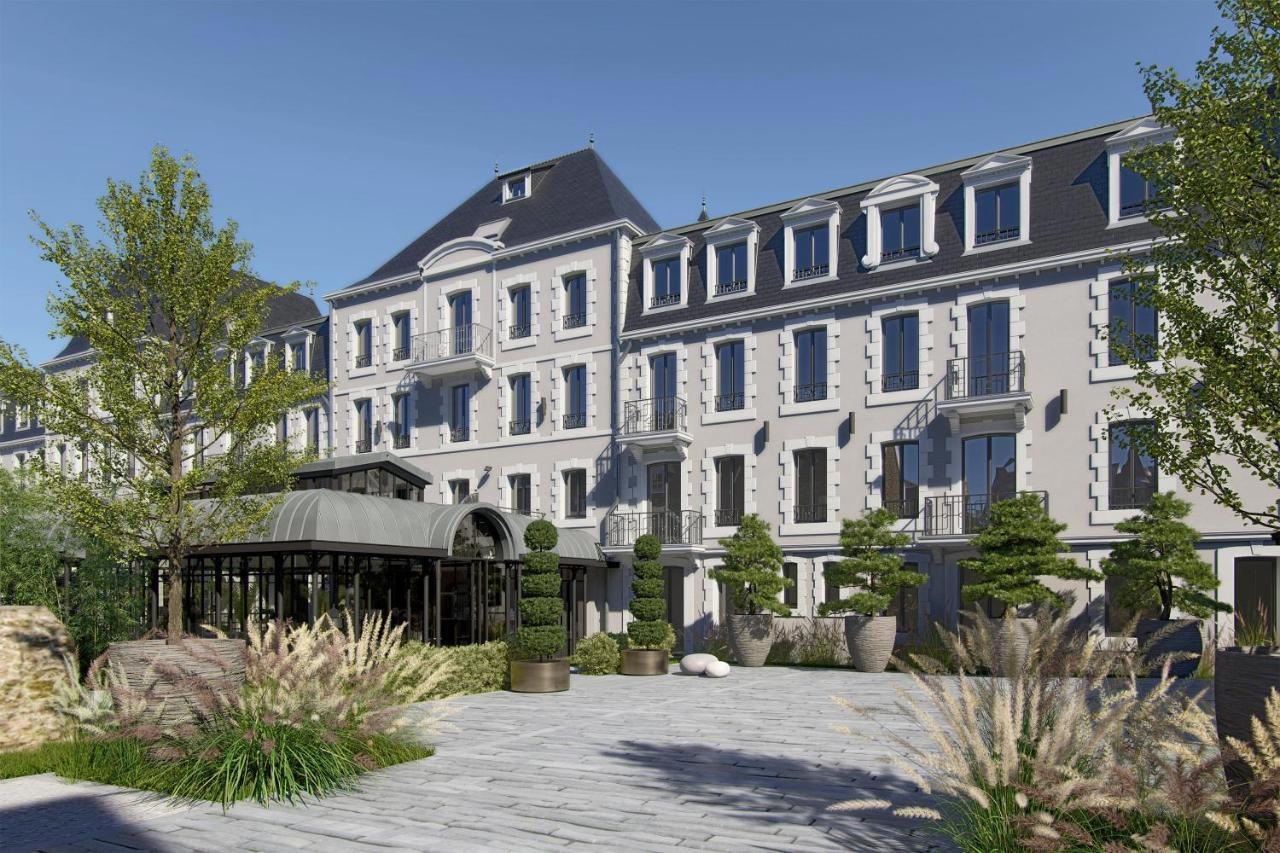
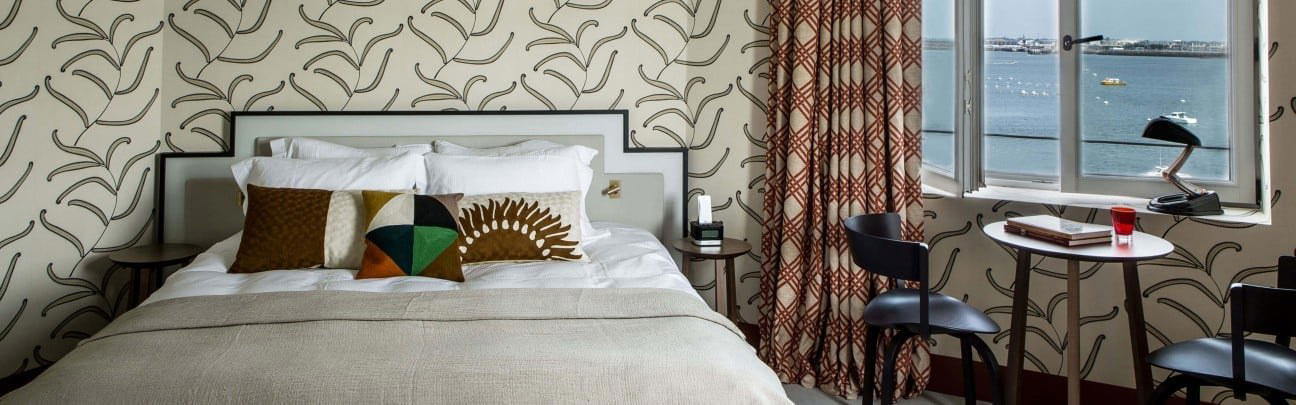
Refined and sophisticated dining room with natural light from expansive sea views, creating a serene yet upscale atmosphere.