On a quiet residential street in Salou, Restaurant La Morera occupies a corner of the Costa Daurada dining scene that sits well clear of the resort strip. The kitchen draws on the agricultural and coastal produce that defines the broader Tarragona province, positioning it among a small cohort of neighbourhood addresses worth planning around rather than stumbling into.
Pearl is the En Primeur Club membership app — saves, bookings, and concierge access live there. Same editors, same standards.
- Address
- Carrer de Berenguer de Palou, 10, 43840 Salou, Tarragona, Spain
- Phone
- +34977385763
- Website
- facebook.com
- Directions
- Get directions
 Saves & bookings on Pearl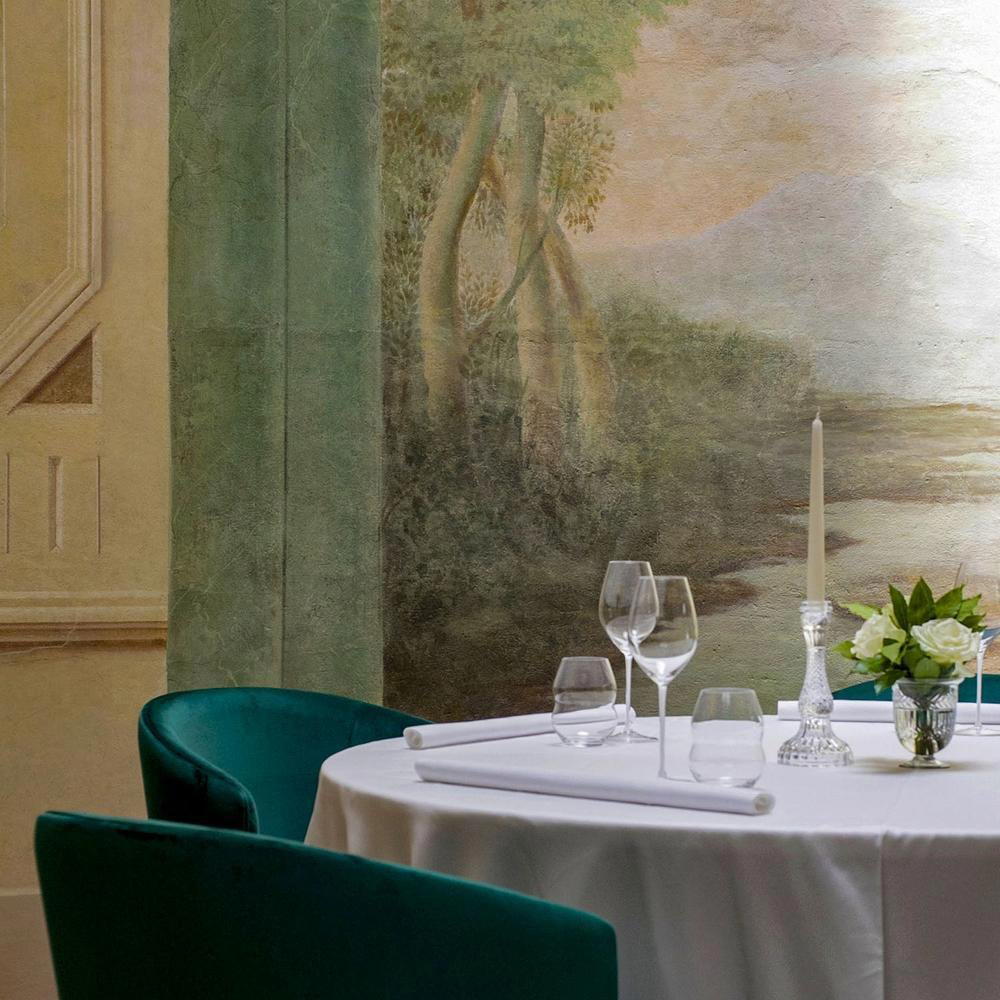
A Street Address That Rewards Attention
Salou's reputation in most travel writing begins and ends with its beachfront, which means the town's handful of neighbourhood restaurants rarely get the analytical treatment they deserve. Carrer de Berenguer de Palou is a residential lane, the kind of street where shuttered apartment buildings and small corner businesses outnumber tourist infrastructure by a considerable margin. Restaurant La Morera sits on that street, at number 10, and its address points to a dining room serving Salou's neighbourhood crowd rather than the resort strip a few blocks away.
The surrounding area of Tarragona province produces particularly under-discussed agricultural ingredients in Catalonia. The Camp de Tarragona, the inland agricultural plain that feeds the coast, grows hazelnuts, olives, and stone fruits at a scale that makes the region one of Spain's more significant horticultural zones. The sea off this stretch of the Costa Daurada adds a layer of coastal produce, red prawns, sea urchin, anchovies from L'Ametlla de Mar, that connects the province to the same sourcing conversations happening in higher-profile kitchens further up and down the Mediterranean. Restaurants that anchor themselves to this supply geography, rather than importing prestige ingredients from elsewhere, tend to build menus with a coherence that shows in the eating.
Where La Morera Sits in the Salou Dining Picture
Salou's restaurant tier is narrow. At the contemporary end, Deliranto operates at the €€€€ price point with a modern format, while La Morera de Pablo & Ester sits in the €€ bracket with a modern cuisine approach that reflects the town's dominant mid-market character. The Roadhouse Salou addresses a different audience altogether. La Morera occupies its own position in this small comparable set, and understanding where it fits requires looking at the kind of dining culture Salou actually supports rather than the kind the resort brochures suggest it needs.
For the broader context of what serious restaurant cooking in this region looks like, the Catalan and Valencian examples are instructive. El Celler de Can Roca in Girona and Cocina Hermanos Torres in Barcelona represent the apex of the regional tradition, where local-ingredient logic meets formal creative ambition. At the Valencian end, Ricard Camarena in València and Quique Dacosta in Dénia have built international reputations on produce sourced within a tight geographic radius. The argument that coastal Catalan and Valencian produce is among Spain's most compelling is now well-established; the question for any restaurant operating in this corridor is how seriously it engages with that sourcing logic.
The Ingredient Geography of the Costa Daurada
The editorial angle that matters most for a restaurant on this stretch of coast is provenance. The Costa Daurada sits between two distinct supply zones: the fishing ports of the Ebro Delta to the south, where rice cultivation and freshwater-meets-saltwater shellfish define the larder, and the nut and olive groves of the Priorat and Camp de Tarragona inland. Any kitchen working seriously with this geography has access to ingredients that rarely appear in the export-facing version of Spanish gastronomy: caragols de vinya (vineyard snails), local varieties of mongetes (white beans), and the red prawns of Tarragona, which have a sweetness and texture distinct from the more famous examples from Palamós or Dènia.
Spain's most decorated kitchens have all, in different ways, made ingredient sourcing central to their critical identity. Aponiente in El Puerto de Santa María built its three-Michelin-star reputation around marine ingredients that most kitchens discard. Azurmendi in Larrabetzu integrates a kitchen garden directly into its dining experience. Mugaritz in Errenteria and Arzak in San Sebastián have both, across decades, made the Basque larder the subject of sustained creative attention. This is the tradition that serious Spanish restaurants inherit, whether or not they operate at that level of formal ambition. For venues in our full Salou restaurants guide, the question is which ones engage with that tradition at the neighbourhood scale.
How to Approach a Visit
Planning around a restaurant in a beach resort town requires some timing intelligence. Salou's peak season runs from June through August, when the town's population multiplies and dining rooms that were quiet in May fill quickly. Neighbourhood restaurants that draw a local clientele alongside tourists tend to operate on a slightly different rhythm than resort-facing venues, the lunch service often carries more weight, and the evening pace can be more considered. Arriving without a reservation during peak season at a well-regarded local address is a reasonable risk only on weekday evenings; weekends in summer are a different calculation entirely.
The address at Carrer de Berenguer de Palou 10 puts La Morera within walking distance of the central Salou grid, accessible from the main resort areas on foot in under fifteen minutes. For visitors based further along the coast, or those arriving from Tarragona city, the proximity to the regional road network makes it a practical detour.
Le Bernardin in New York City and Atomix in New York City represent what that sourcing rigour looks like at the formal end of the market; the neighbourhood version of the same discipline is a different, and in some respects more durable, model. Spain's own regional canon, from Martin Berasategui in Lasarte-Oria to Casa Marcial in Arriondas to DiverXO in Madrid and Atrio in Cáceres, demonstrates that the relationship between a kitchen and its local geography is the variable that most consistently explains why one restaurant outlasts another in critical memory.
Side-by-Side Snapshot
Comparable venues nearby, for context on price, style, and recognition.
| Venue | Cuisine | Price | Awards | Notes |
|---|---|---|---|---|
| Restaurant La MoreraThis venue — the venue you are viewing | Modern Mediterranean Spanish | $$$ | Not listed | Not listed |
| La Morera de Pablo & Ester | Modern Mediterranean | $$$ | Michelin Plate | near Plaça de la Pau |
| The Roadhouse Salou | American Steakhouse & Grill | $$ | Not listed | Salou |
| Deliranto | Modern Spanish Contemporary | $$$ | Michelin 1 Star | Salou |
| Restaurant Brisa | Mediterranean Seafood & Tapas | $$$ | Not listed | la Barceloneta |
| Pez Bomba | Mediterranean Tapas & Rice | $$$ | Not listed | Castelldefels |

At a Glance
- Elegant
- Modern
- Cozy
- Date Night
- Special Occasion
- Family
- Terrace
Current opening hours
- Monday
- Closed
- Tuesday
- 1:30–5 PM
- Wednesday
- 1:30–5 PM, 8:30 PM–12 AM
- Thursday
- 1:30–5 PM, 8:30 PM–12 AM
- Friday
- 1:30–5 PM, 8:45 PM–12 AM
- Saturday
- 2–5 PM, 9 PM–12 AM
- Sunday
- 2–5 PM
Hours can change for holidays and private events. Last verified .
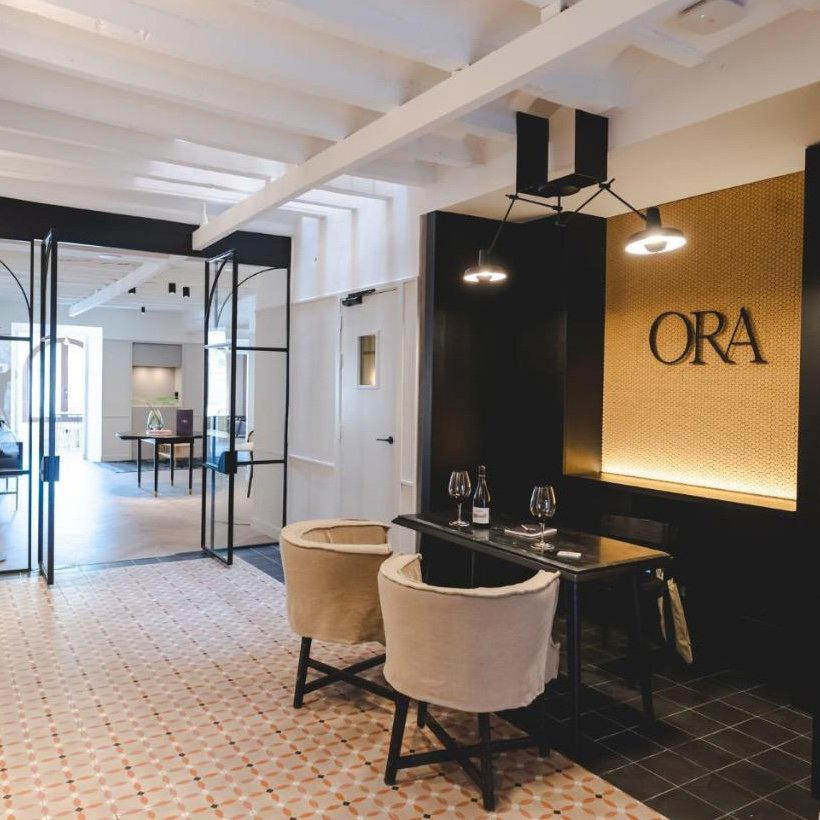
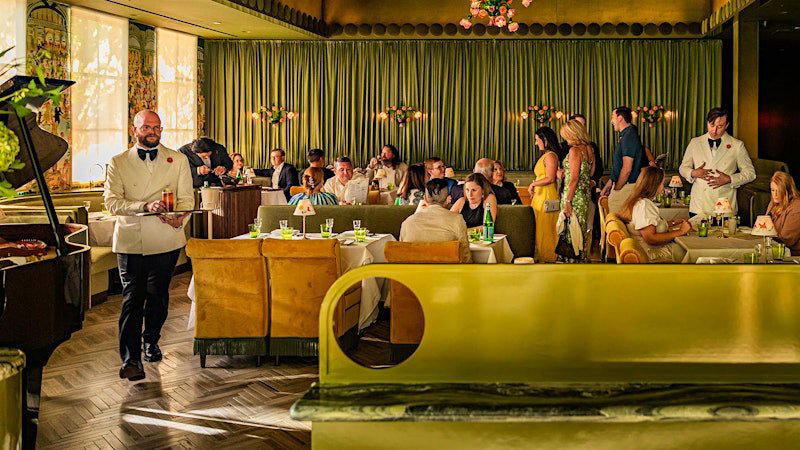
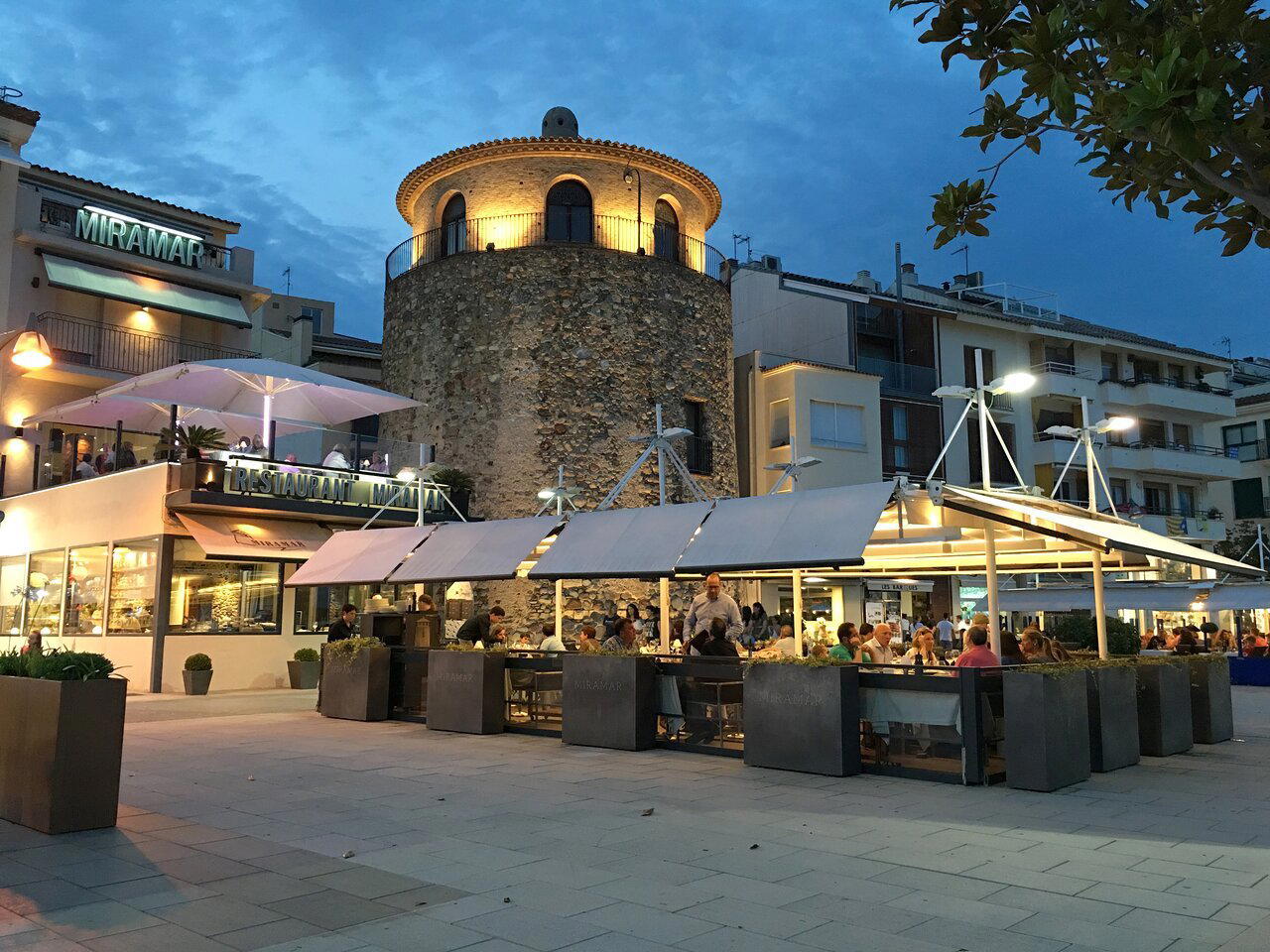
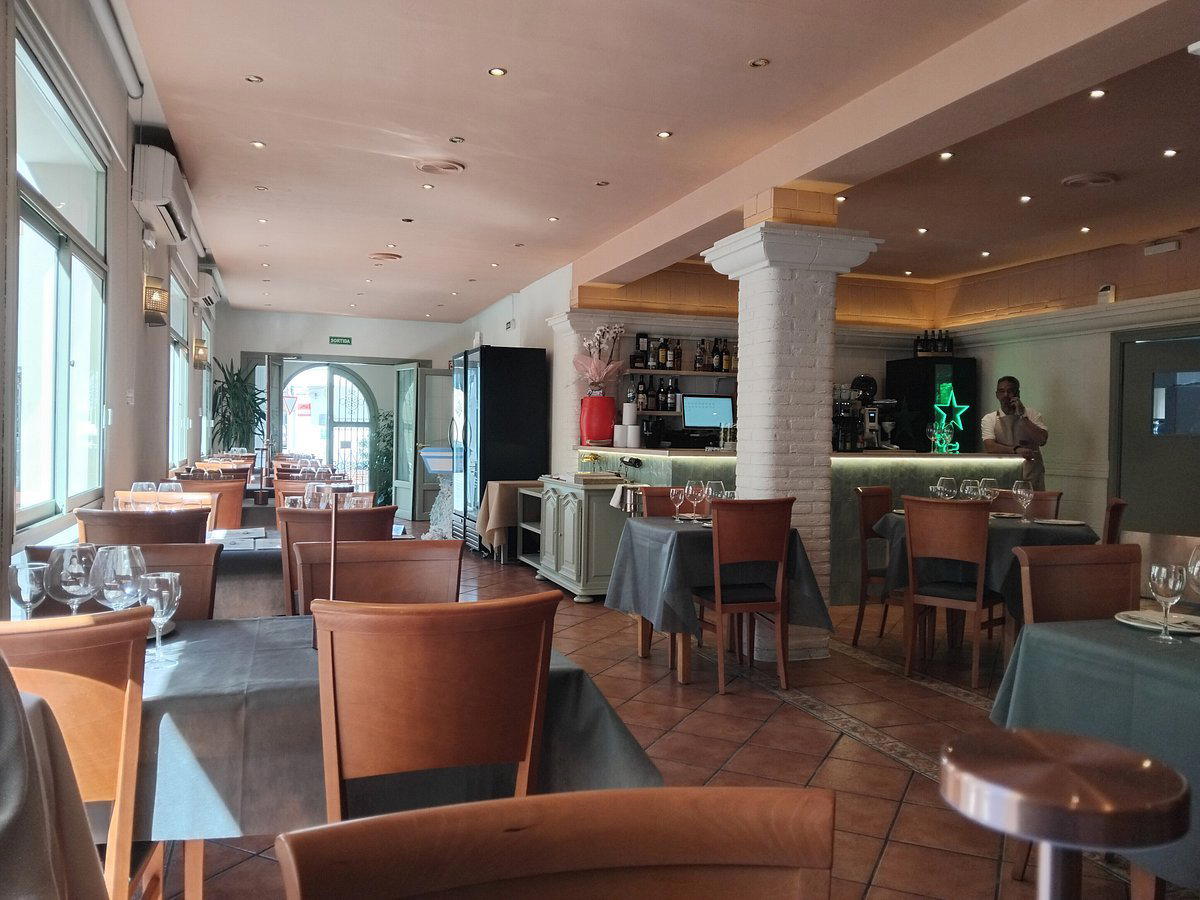
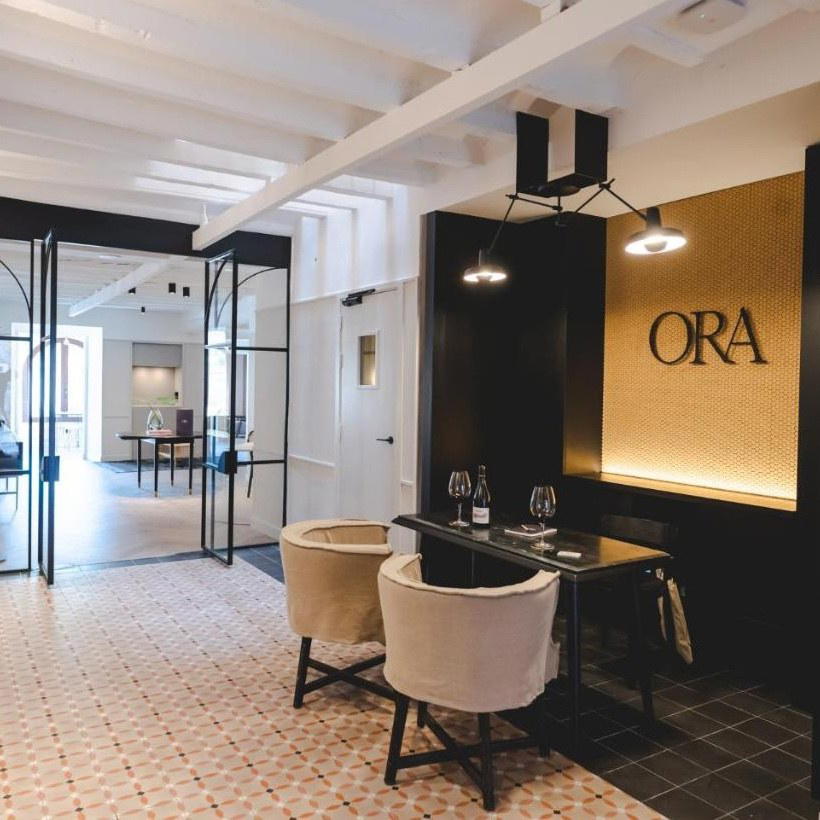
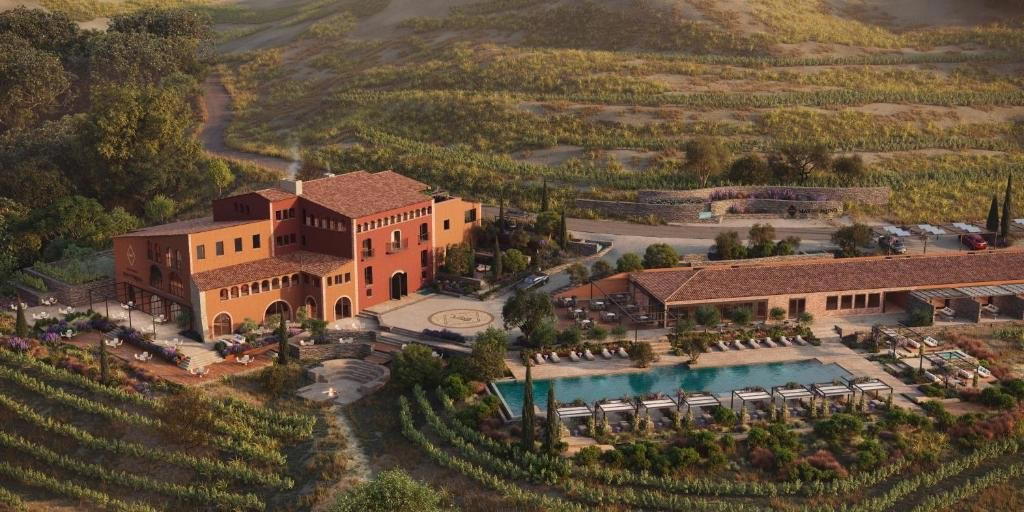
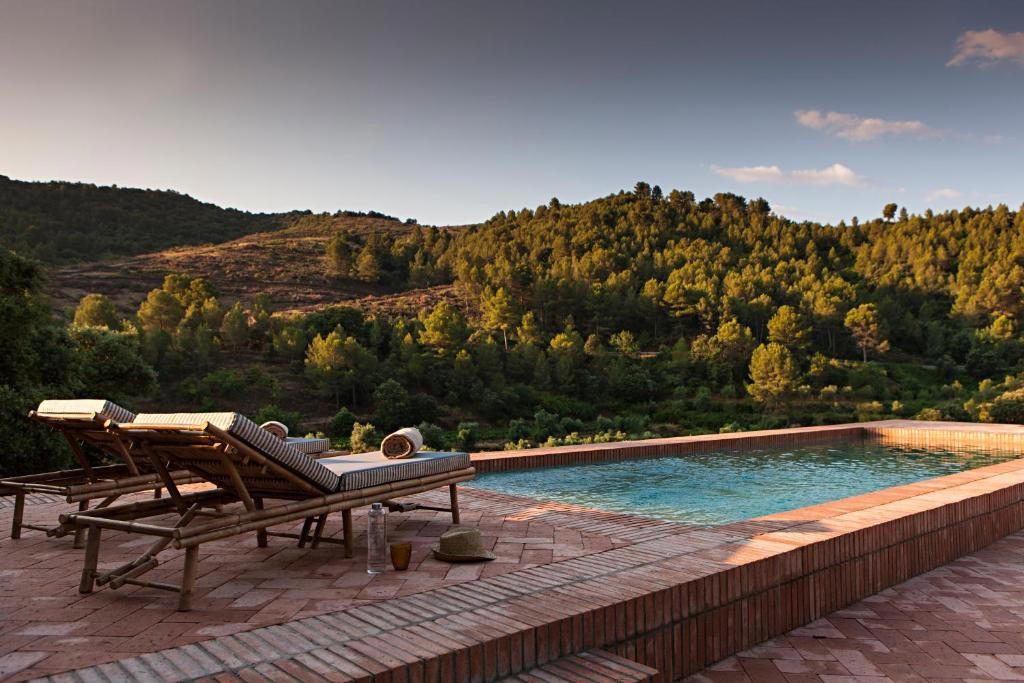
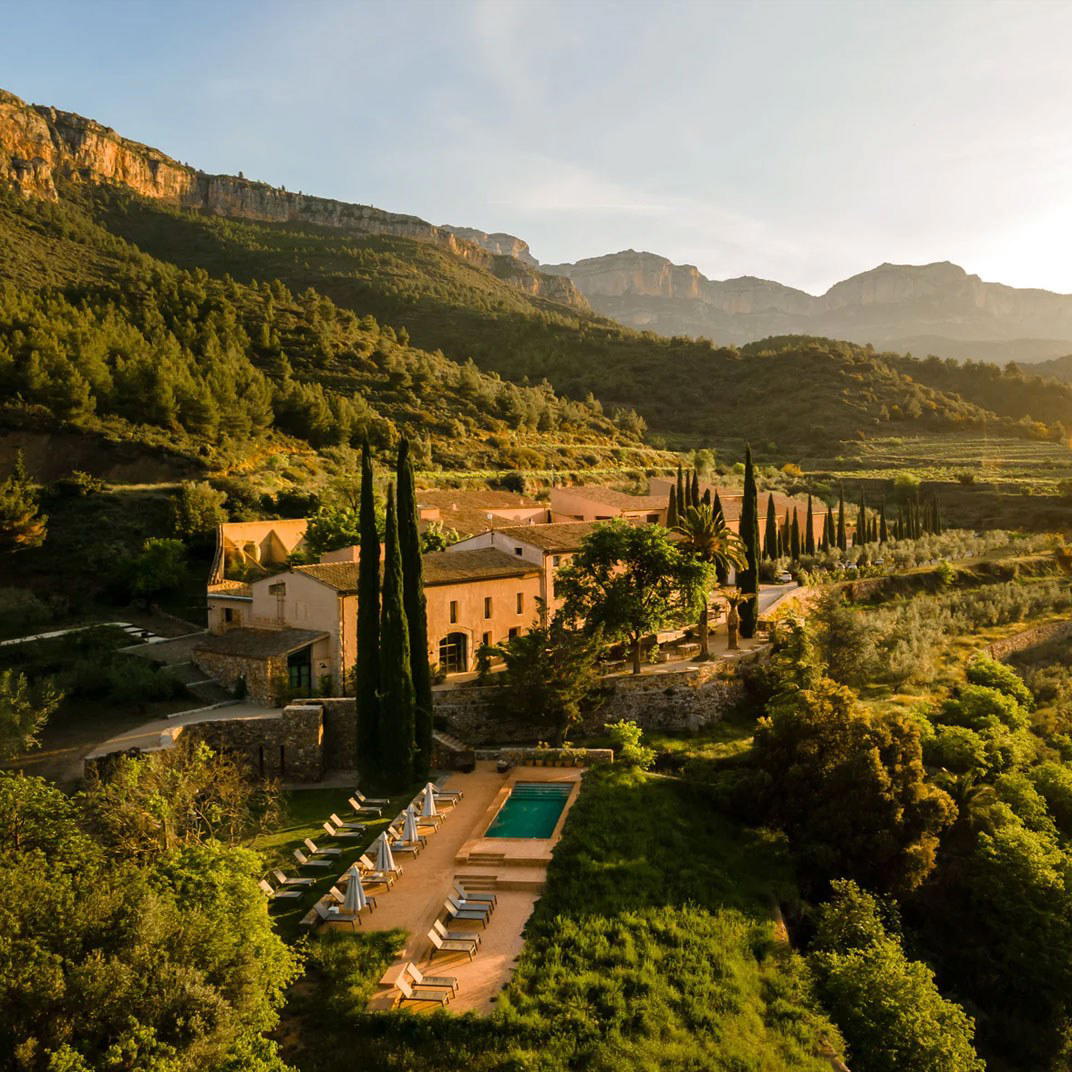
Glass-fronted dining room with inviting, elegant decor and shaded outdoor terrace, creating a welcoming and sophisticated atmosphere.