Restaurant la Marée
On the Quai Henri Chéron in Grandcamp-Maisy, Restaurant la Marée occupies a position that says everything about its priorities: facing the harbour where Normandy's fishing boats return each morning. The cooking here is anchored in the Channel's seasonal catch, placing it squarely in the tradition of Normandy's port-town seafood tables, direct, ingredient-led, and shaped by the tides more than by culinary fashion.
Pearl is the En Primeur Club membership app — saves, bookings, and concierge access live there. Same editors, same standards.
- Address
- 5 Quai Henri Chéron, 14450 Grandcamp-Maisy, France
- Phone
- +33231214100
- Website
- restolamaree.com
- Directions
- Get directions
 Saves & bookings on Pearl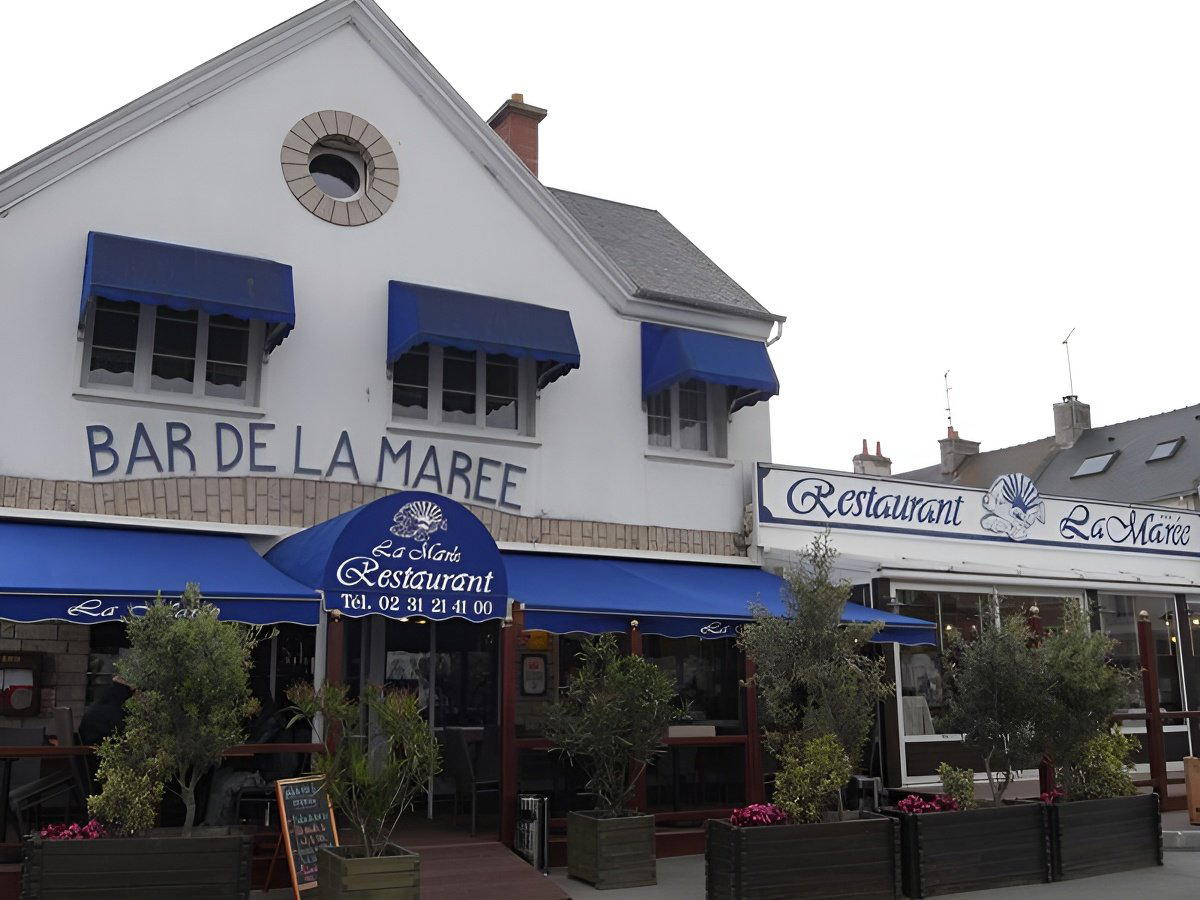
Where the Harbour Sets the Menu
The quayside restaurants of Normandy's smaller fishing ports operate on a logic that their urban counterparts can rarely replicate: the supply chain is measured in metres, not kilometres. Grandcamp-Maisy, a working port on the Côte de Nacre between Cherbourg and Bayeux, has a commercial fishing fleet that still lands lobster, sole, turbot, and scallops from the Bay of the Seine. Restaurant la Marée, at 5 Quai Henri Chéron, sits on the harbour edge within sight of where those boats tie up. The address is not incidental, it is the editorial point. In a country where fine-dining seafood restaurants like Christopher Coutanceau in La Rochelle have built reputations around coastal provenance and sustainable sourcing, la Marée operates at a more local register: a port-town table whose authority derives from proximity rather than prestige.
The Normandy Fishing Port Tradition
To understand what a restaurant like la Marée represents, it helps to understand what Grandcamp-Maisy is. The town is not a resort. It is a working port with a fish market, a small marina, and a coastline that carries the weight of D-Day history, the Rangers who scaled the Pointe du Hoc cliffs are commemorated minutes away. The restaurants here do not compete with the grand tables of Paris or the three-star destinations like Alléno Paris au Pavillon Ledoyen or Mirazur in Menton. They belong to a separate tradition: the French port restaurant, where the cooking is shaped first by the morning's catch and second by everything else. This tradition runs from Brittany through Normandy and down the Atlantic coast, producing restaurants that are less about culinary transformation and more about responsible stewardship of notable raw material.
Normandy's waters are cold, productive, and among France's most significant for shellfish and flatfish. The scallops fished from the Bay of the Seine, the coquilles Saint-Jacques de Normandie, carry a protected designation of origin and are harvested under strict seasonal controls, typically from October through May. The lobsters from this stretch of Channel coastline are a different animal from their Atlantic-farmed counterparts: slower-growing, firmer, and available in limited quantities that a small port restaurant can work through with minimal cold-storage intervention. These are not abstract provenance claims. They are the structural conditions that make a quayside address like la Marée's materially different from a seafood restaurant operating further inland.
What the Setting Tells You Before You Sit Down
Approaching the quay at Grandcamp-Maisy, the sensory register is specific to Normandy's working coast: salt air, the low-tide smell of exposed rock and seaweed, the visual texture of fishing gear stacked along the waterfront. A restaurant positioned directly on that quai is making an implicit argument about where its food comes from. The dining room outlook, onto the harbour basin and the boats, is not decorative. It is contextual information about the supply chain on the plate. This kind of physical honesty, where the origin of the food is visible from the table, is something the more architecturally ambitious dining rooms in France cannot manufacture. Flocons de Sel in Megève commands the alpine landscape. Bras in Laguiole frames the Aubrac plateau. La Marée frames the fishing fleet. Each is a form of terroir argument made architectural.
For visitors arriving from outside Normandy, the practical approach runs through Bayeux (roughly 25 kilometres east) or Carentan. Grandcamp-Maisy is not served by rail, which means a car is the realistic option from any direction. Summer weekends along the Côte de Nacre draw significant D-Day memorial tourism as well as Normandy food visitors, and the town's better tables fill accordingly. Booking ahead is advisable for any Friday or Saturday evening between June and September, and for the peak scallop season in late autumn and winter, when the combination of fresh product and fewer tourists creates one direct version of what the restaurant does.
Ingredient Logic and the Port-Town comparable set
Within Grandcamp-Maisy, la Marée's immediate peer is La Trinquette, another seafood address on the same harbour. The comparison is instructive: both restaurants work from the same local supply conditions, and the differentiation between them is less about ingredient access and more about format, price register, and dining room character. Nationally, the restaurants that have made one deliberate argument for coastal provenance at the summit end of French dining include operations like Christopher Coutanceau in La Rochelle, where the fishing heritage is embedded in both sourcing policy and chef biography. La Marée operates several tiers below that in terms of formal recognition, but the underlying logic, short supply chains, seasonal availability, harbour-to-table timing, is the same argument made at a different scale.
France's broader restaurant culture has seen growing interest in this kind of unmediated sourcing, particularly as chefs at institutions like Auberge de l'Ill in Illhaeusern and Auberge du Vieux Puits in Fontjoncouse have built their reputations in part on deep regional rootedness. The port restaurant format, at its direct leading, is one expression of that: no supply chain complexity, no transporting fish across three regional borders, no ingredient mythology required. The argument is made by geography alone.
Planning Your Visit
Restaurant la Marée is at 5 Quai Henri Chéron, 14450 Grandcamp-Maisy. Current hours, pricing, and booking availability are best confirmed directly with the restaurant, as seasonal fishing ports often adjust service patterns between summer and off-season. One ingredient-driven experience is likely during scallop season (October to May) or in the peak summer months when the full range of Channel species is in active supply. Grandcamp-Maisy has limited accommodation, so visitors combining the restaurant with D-Day site visits typically base themselves in Bayeux or Caen and drive in for the evening.
Comparable Spots, Quickly
Comparable venues nearby, for context on price, style, and recognition.
| Venue | Cuisine | Price | Awards | Notes |
|---|---|---|---|---|
| Restaurant la MaréeThis venue — the venue you are viewing | Traditional French Seafood | $$ | Not listed | Not listed |
| La Trinquette | Norman Seafood Bistro | $$ | Michelin Plate | Grandcamp-Maisy |
| Ty Gibus | French Bistronomy | $$ | Not listed | near university |
| Crêperie Ahna | Breton Crêperie | $$ | Not listed | centre-ville |
| Loca Café | Modern French Bistro | $$ | Not listed | Granville |
| L'Armateur | Traditional French Bistronomique | $$ | Not listed | Intra-Muros |
Continue exploring
More in Grandcamp-Maisy
Restaurants in Grandcamp-Maisy
Browse all →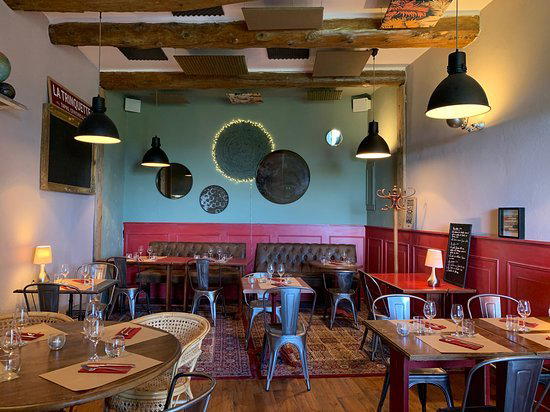
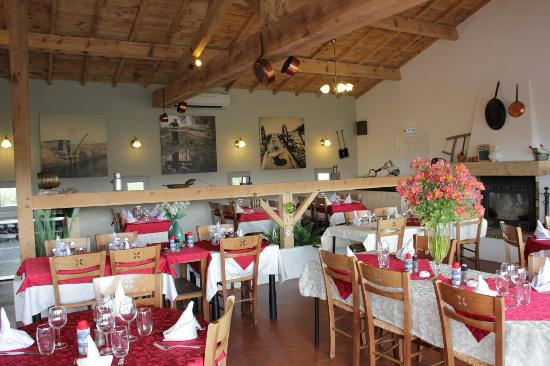
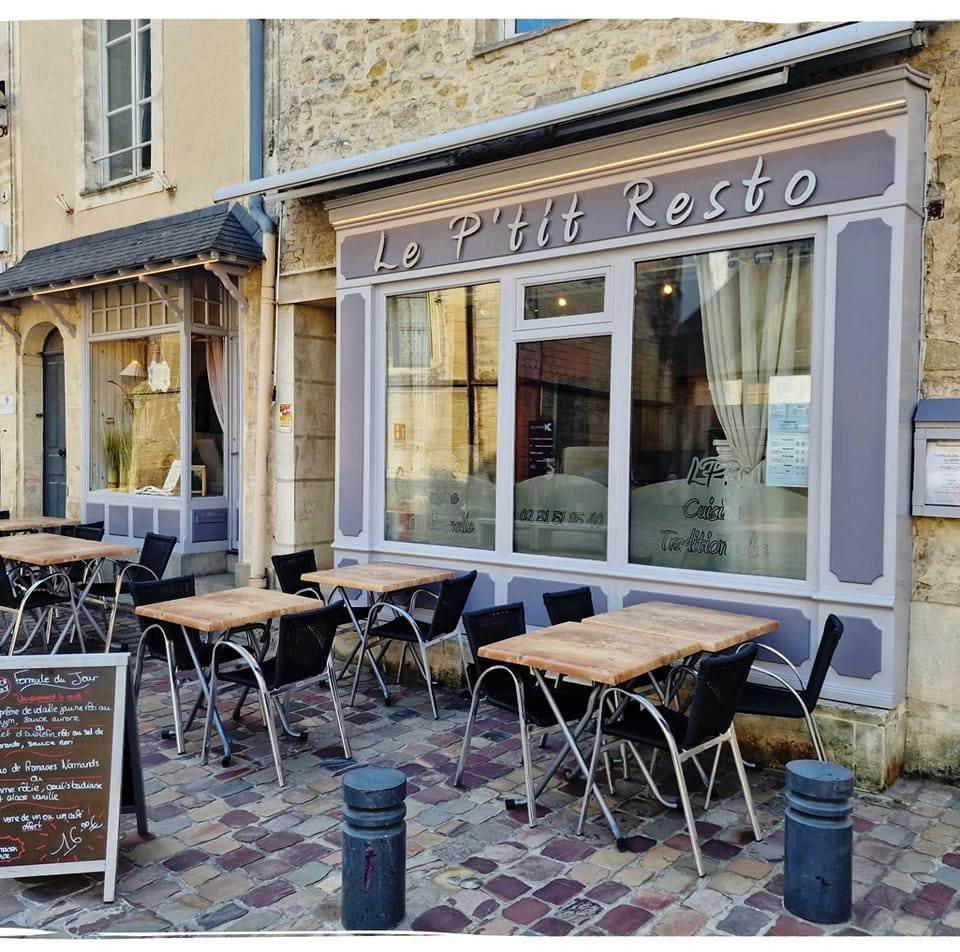
Bars in Grandcamp-Maisy
Browse all →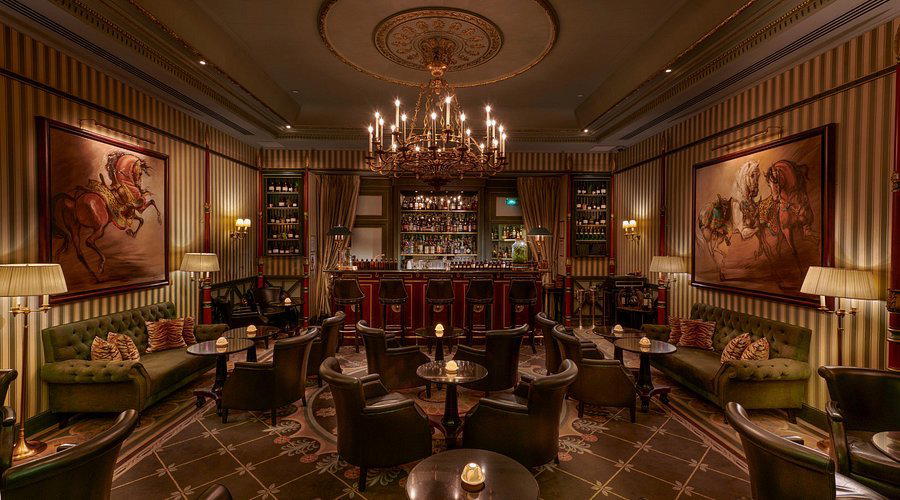
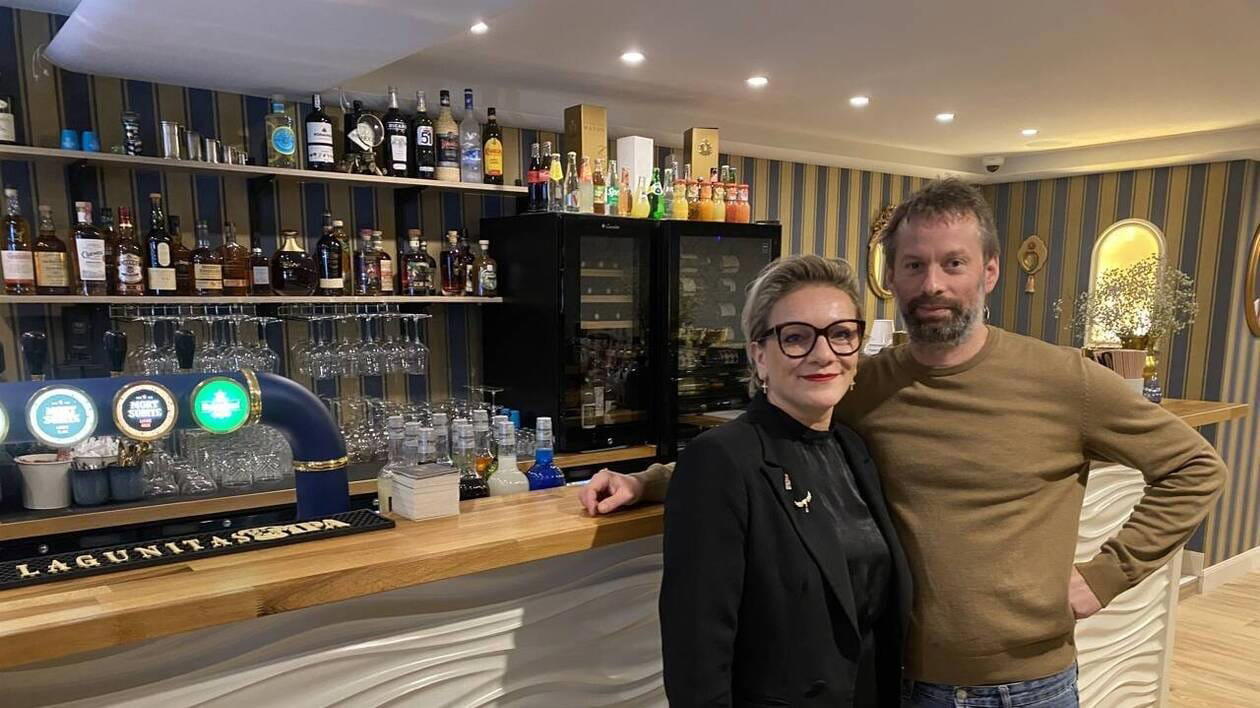
At a Glance
- Classic
- Cozy
- Scenic
- Family
- Casual Hangout
- Waterfront
- Local Sourcing
- Waterfront
Current opening hours
- Monday
- 12–2 PM, 7–9 PM
- Tuesday
- 12–2 PM, 7–9 PM
- Wednesday
- 12–2 PM, 7–9 PM
- Thursday
- 12–2 PM, 7–9 PM
- Friday
- 12–2 PM, 7–9 PM
- Saturday
- 12–2 PM, 7–9 PM
- Sunday
- 12–2 PM
Hours can change for holidays and private events. Last verified .
Welcoming and relaxed atmosphere in a renovated fisherman's bar with direct views of the port and fishing boats.