L'Armateur
Positioned on Rue des Cordiers within Saint-Malo's historic intra-muros, L'Armateur occupies a setting that the city's granite-walled dining scene has long made its own. Compared to the more contemporary rooms at Le Saint Placide or Ar Iniz, L'Armateur leans into the physical character of the old town, making the space itself a primary part of the proposition.
Pearl is the En Primeur Club membership app — saves, bookings, and concierge access live there. Same editors, same standards.
- Address
- 14 Rue des Cordiers, 35400 Saint-Malo, France
- Phone
- +33299899360
- Website
- larmateur-saint-malo.com
- Directions
- Get directions
 Saves & bookings on Pearl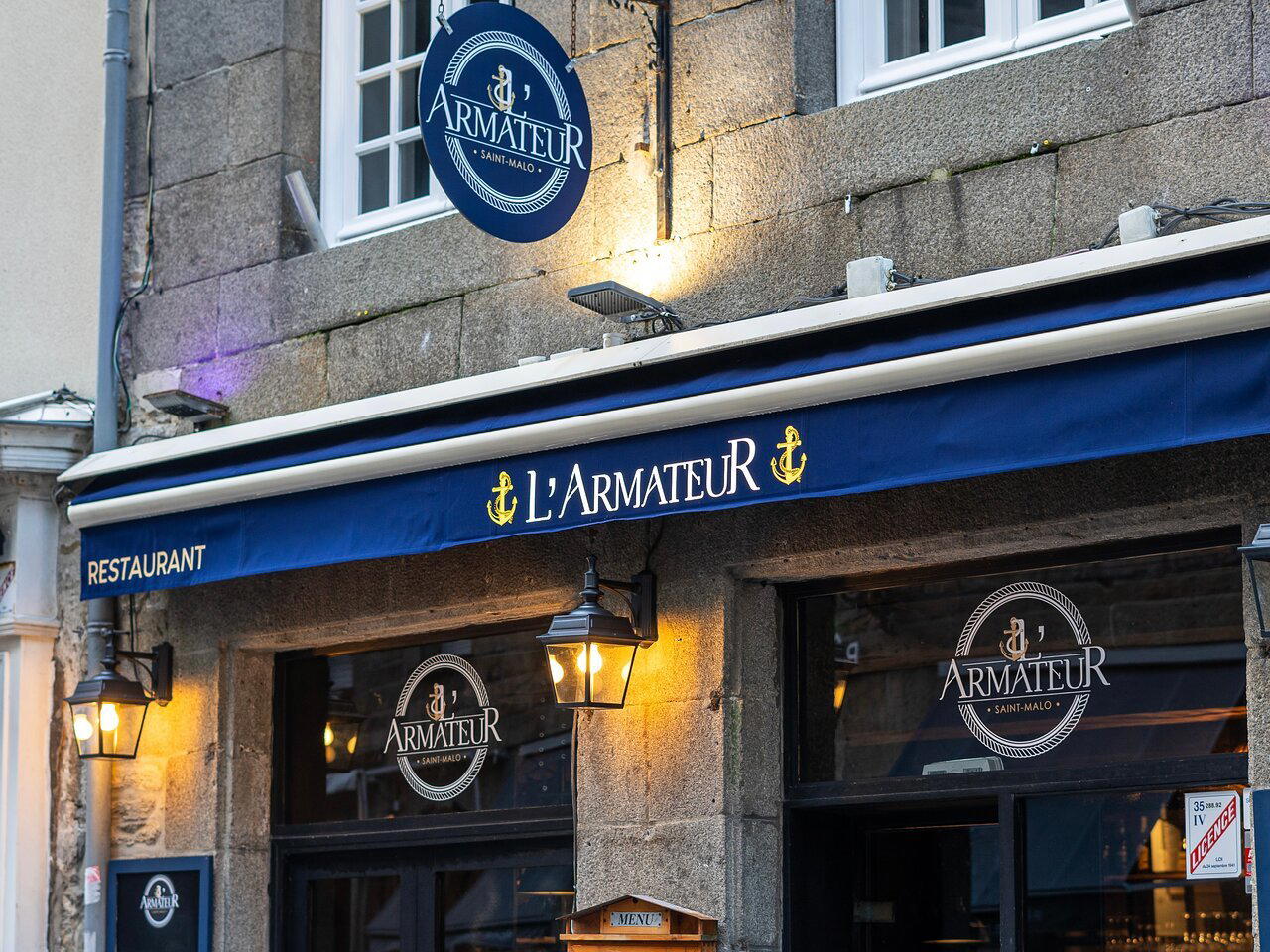
Stone Walls and Sea Light: Dining Inside Saint-Malo's Fortified City
Saint-Malo's intra-muros is one of the more architecturally concentrated dining environments in northern France. The walled city, rebuilt almost entirely after the bombardments of 1944, was reconstructed in granite using pre-war plans, which means that its streets, façades, and interior volumes carry a deliberate historical weight even where the stones are relatively modern. Restaurants here work with, or against, that physical reality. Rue des Cordiers, where L'Armateur sits at number 14, runs through a quieter quarter of the old town, away from the main pedestrian flow along Rue de Dinan or the waterfront ramparts, giving establishments here a different register from the more visited corners of the walled city.
That address places L'Armateur inside a competitive set that includes rooms across a range of formats and price points. The city's dining conversation currently runs from Le Saint Placide, which operates at the creative end of the local market at €€€€, through mid-range contemporaries like Ar Iniz and Betton Fils, down to more accessible entries such as Annadata. Specialist Breton identity is anchored nearby at places like Autour du Beurre. Within that range, the physical container of a dining room, its scale, its materials, the quality of its natural light, often determines how a venue is received as much as what arrives on the plate.
The Architecture of the Room
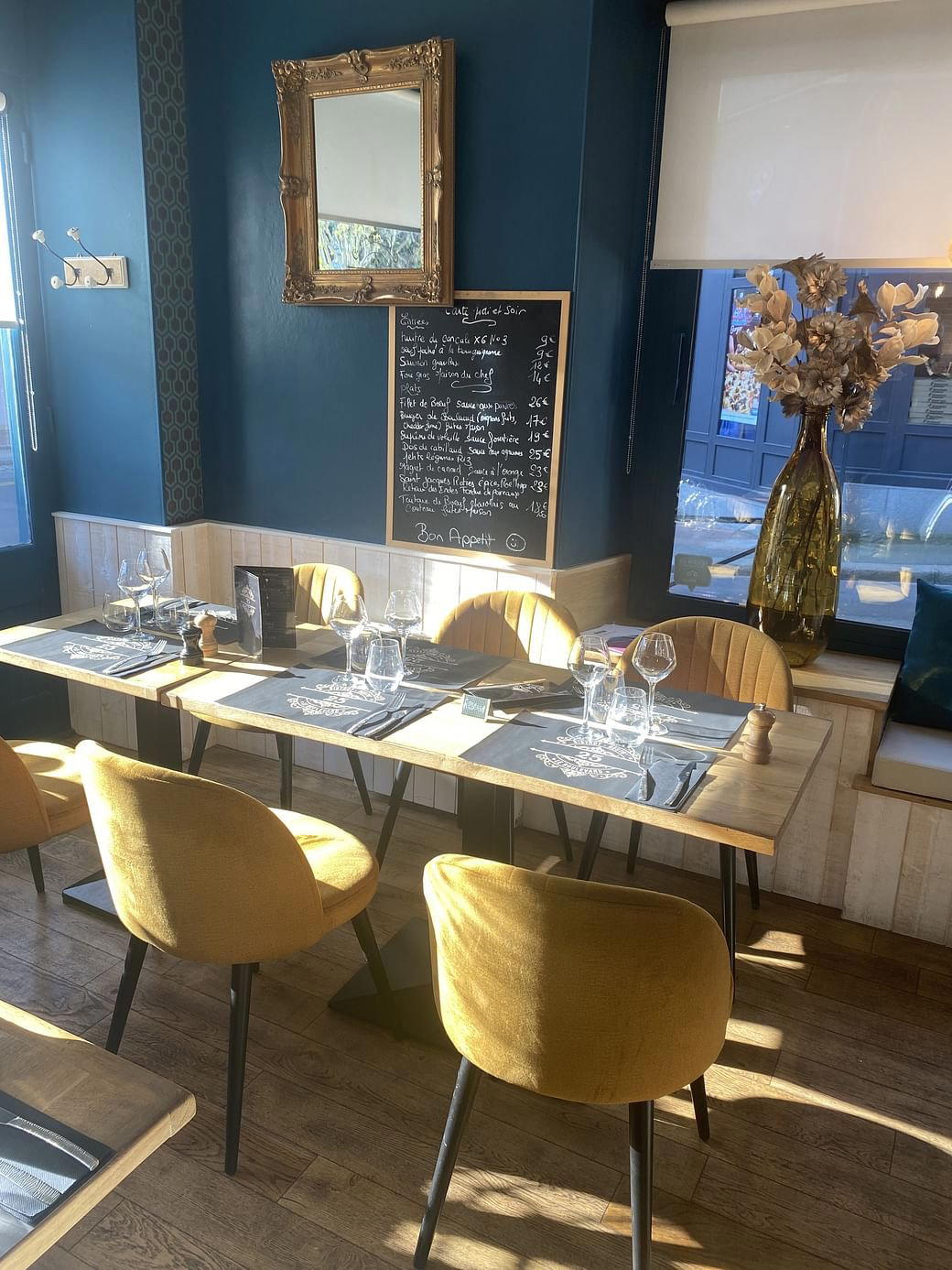
Granite-built rooms in Saint-Malo's intra-muros present a particular design challenge. The walls are thick, the windows often deep-set, and the ceiling heights in older structures tend to be low by the standards of contemporary restaurant design. These are spaces that reward restraint and punish over-decoration. Particularly successful rooms in this typology work with the existing material palette, stone, exposed timber, the occasional painted plaster, rather than imposing a foreign aesthetic onto it. Where natural light from the street is limited, the quality of artificial lighting becomes the defining interior decision.
Rue des Cordiers itself is a narrow street, which means that southern-facing rooms in this stretch receive filtered rather than direct light for much of the day. That light quality, diffuse and slightly cool, suits a room that leans on material texture for warmth. The intra-muros model of dining is one that France has refined over decades in cities like Strasbourg, where Au Crocodile operates within a similar logic of historic urban containment, or in Alsace at Auberge de l'Ill, where the physical setting is inseparable from the dining proposition. In Saint-Malo, the intra-muros restaurants that have built the strongest reputations have generally found a way to make the room feel like a reasonable place to spend two hours rather than a heritage backdrop for a perfunctory meal.
Where L'Armateur Sits in the Saint-Malo Conversation
The broader Saint-Malo restaurant scene has been moving toward greater culinary seriousness over the past decade, tracking a pattern visible across France's secondary cities as dining ambition dispersed outward from Paris. The trajectory that produced restaurants like Mirazur in Menton or Flocons de Sel in Megève, where a particular location becomes inseparable from a culinary identity, has encouraged coastal and regional cities to develop more confident dining voices. Saint-Malo, with its proximity to both the sea and Brittany's agricultural interior, has the raw material to support that kind of ambition. The question for any intra-muros restaurant is whether it uses that context or simply benefits passively from the tourist geography.
The restaurant's position on Rue des Cordiers puts it slightly off the main visitor circuit, which in practice tends to mean a more locally weighted customer base during shoulder season, broadly October through April, and a more mixed clientele during the summer peak, when the walled city fills considerably. That seasonal dynamic is relevant to how such a room performs: the summer months bring foot traffic and spontaneous covers, while the quieter periods reward restaurants that have built genuine local loyalty. For visitors planning around the summer peak, booking ahead is the practical course of action for any intra-muros address.
Restaurants in this part of northern France draw comparisons with the French coastal dining tradition more broadly. The Breton coastline operates differently from the Mediterranean corridor, the produce is colder-water, the palette is less botanical, the cooking tends toward richer, more butter-forward preparations. Autour du Beurre makes that Breton butter tradition explicit as a concept; other rooms in the city integrate it less programmatically. The strongest reference points for serious French cooking at a national level, Alléno Paris au Pavillon Ledoyen, Troisgros in Ouches, Bras in Laguiole, operate at a scale of recognition that most regional rooms aspire toward rather than inhabit. Saint-Malo's better restaurants, including those at the creative end like Le Saint Placide, are building within that broader tradition rather than outside it.
Planning a Visit
The restaurant is at 14 Rue des Cordiers in Saint-Malo's intra-muros. The walled city is pedestrianised in its core, so access on foot from any of the main gates, Porte Saint-Vincent being one used arrival point from the train station side, takes under ten minutes. Saint-Malo's TGV connection to Paris Montparnasse runs at approximately three hours, making it accessible as a long weekend destination from the capital. Parking within the intra-muros is limited, and visitors arriving by car are better served by the lots outside the walls. The full Saint-Malo restaurants guide covers the broader dining scene across the walled city and surrounding areas, with comparison context across price tiers and cuisine types.
The Quick Read
Comparable venues nearby, for context on price, style, and recognition.
| Venue | Cuisine | Price | Notes |
|---|---|---|---|
| L'ArmateurThis venue — the venue you are viewing | Not listed | $$ | Not listed |
| Le P'Tit Crabe | Intra-Muros, Breton Creperie | $$ | Not listed |
| Mana | Intra-Muros, Modern French Neo-Bistro | $$ | Not listed |
| Le Bistro de Jean | Not listed | $$ | historic center (centre ville), Traditional French Bistro |
| Les Embruns | Sillon, Traditional French Seafood | $$$ | Not listed |
| Cargo Culte | intra-muros, French Vintage Bistro | $$ | Not listed |
Continue exploring
More in Saint Malo
Restaurants in Saint Malo
Browse all →
At a Glance
- Cozy
- Elegant
- Intimate
- Classic
- Date Night
- Family
- Group Dining
- Special Occasion
- Historic Building
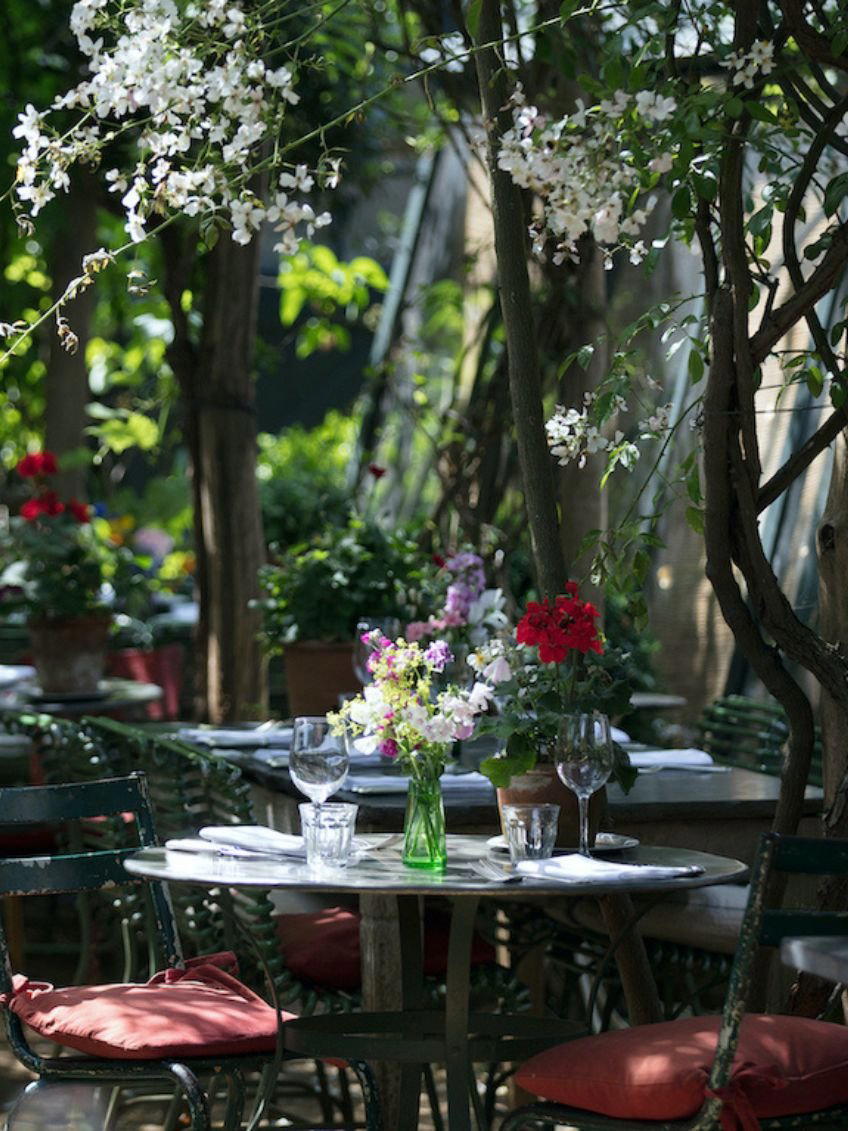
- Terrace
- Private Dining
- Extensive Wine List
- Local Sourcing
Current opening hours
- Monday
- Closed
- Tuesday
- 12–2 PM, 7–9:30 PM
- Wednesday
- 12–2 PM, 7–9:30 PM
- Thursday
- 12–2 PM, 7–9:30 PM
- Friday
- 12–2 PM, 7–9:30 PM
- Saturday
- 12–2 PM, 7–9:30 PM
- Sunday
- Closed
Hours can change for holidays and private events. Last verified .
Cozy and warm authentic setting with exposed stone walls, warm lighting, and a welcoming festive atmosphere praised in guest reviews.