Restaurant Cordel
Our verdict
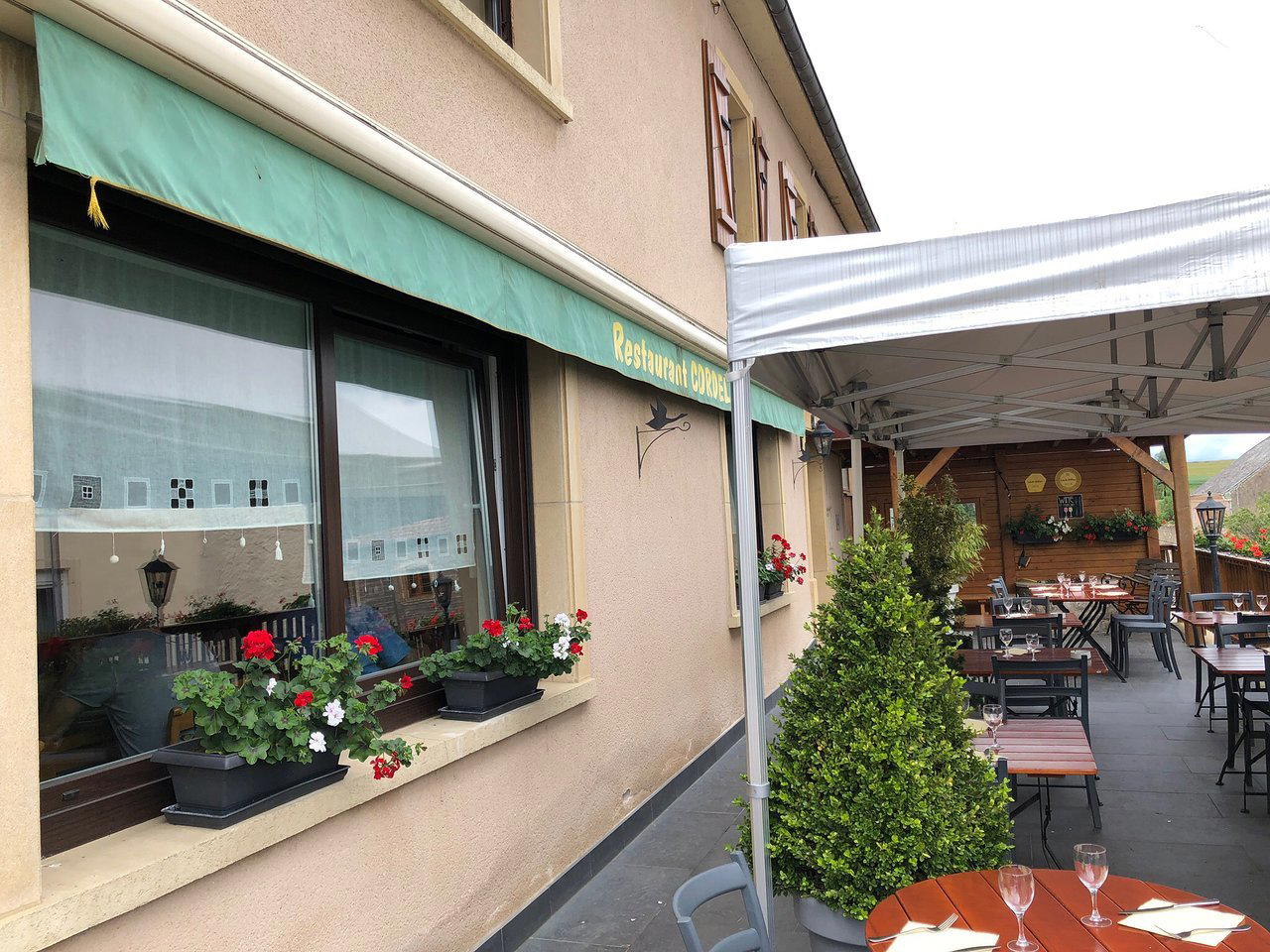
Restaurant Cordel sits at 66 Rue des Joncs in Beyren-lès-Sierck, a village in the Moselle department where the French, German, and Luxembourgish borders converge. The address alone signals a cooking tradition shaped by three national pantries rather than one. For a region with relatively low dining visibility on the international circuit, Cordel represents a reason to make the detour north from Metz.

Pearl is the En Primeur Club membership app, where members save venues, book tables and use the concierge.
Where Three Borders Meet on the Plate
The Moselle valley in northeastern France operates at the intersection of French, German, and Luxembourgish food culture, a triangular territory where the sourcing instincts of three national pantries overlap within a few kilometres of each other. Villages like Beyren-lès-Sierck sit in this confluence, and the restaurants that work here tend to draw from all three traditions simultaneously: the disciplined sauce technique of French classical cooking, the smoked-and-cured vocabulary of the German-influenced Saarland just across the border, and the produce-forward fastidiousness common to Luxembourg's serious dining scene. Restaurant Cordel, on Rue des Joncs in Beyren-lès-Sierck, occupies precisely that intersection, a village address in a region that rewards the kind of traveller willing to leave the motorway and follow a country road to the river.
This part of Moselle rarely appears in the same conversation as the country's more celebrated dining corridors. The Alsatian strip further south, anchored by Au Crocodile in Strasbourg and the broader Alsace tradition documented across decades of Michelin coverage, absorbs most of the international attention for northeastern French cooking. Beyren-lès-Sierck exists in a quieter register, a place where the dining proposition is shaped as much by geography and agricultural context as by any metropolitan ambition. That is not a limitation; it is a different kind of credential.
The Sourcing Logic of a Border Region
What makes the ingredient question particularly interesting in this corner of France is the compression of distinct agricultural zones into a short radius. The Moselle river corridor supports market gardening, orchard fruit, and freshwater fish. The forests that press close to the villages here yield game through the autumn months, a resource that shapes menus in ways that have less to do with trend and more to do with what the land reliably produces. Across the border in Luxembourg and the Saarland, artisan producers, cheesemakers, small-scale meat curers, specialty grain growers, operate at a scale that makes direct supply relationships practical for a village restaurant. The result is a sourcing geography that many urban restaurants spend considerable effort trying to replicate but that exists here simply as a function of location.
Ingredient sourcing in tri-border territories like this one tends to produce menus with a layered provenance that single-region restaurants cannot easily match. A kitchen in this location might work with Moselle river catch, Lorraine forest game, Luxembourg dairy, and Saarland charcuterie within a single menu without overstretching. That kind of multi-national pantry is what distinguishes the border-country restaurant tradition from the terroir-pure single-appellation approach you find at places like Bras in Laguiole or Mirazur in Menton, where the sourcing radius is deliberately narrow and the identity is built on exclusivity of place. Both approaches are valid; they simply make different editorial arguments about what food is for.
Beyren-lès-Sierck in Regional Context
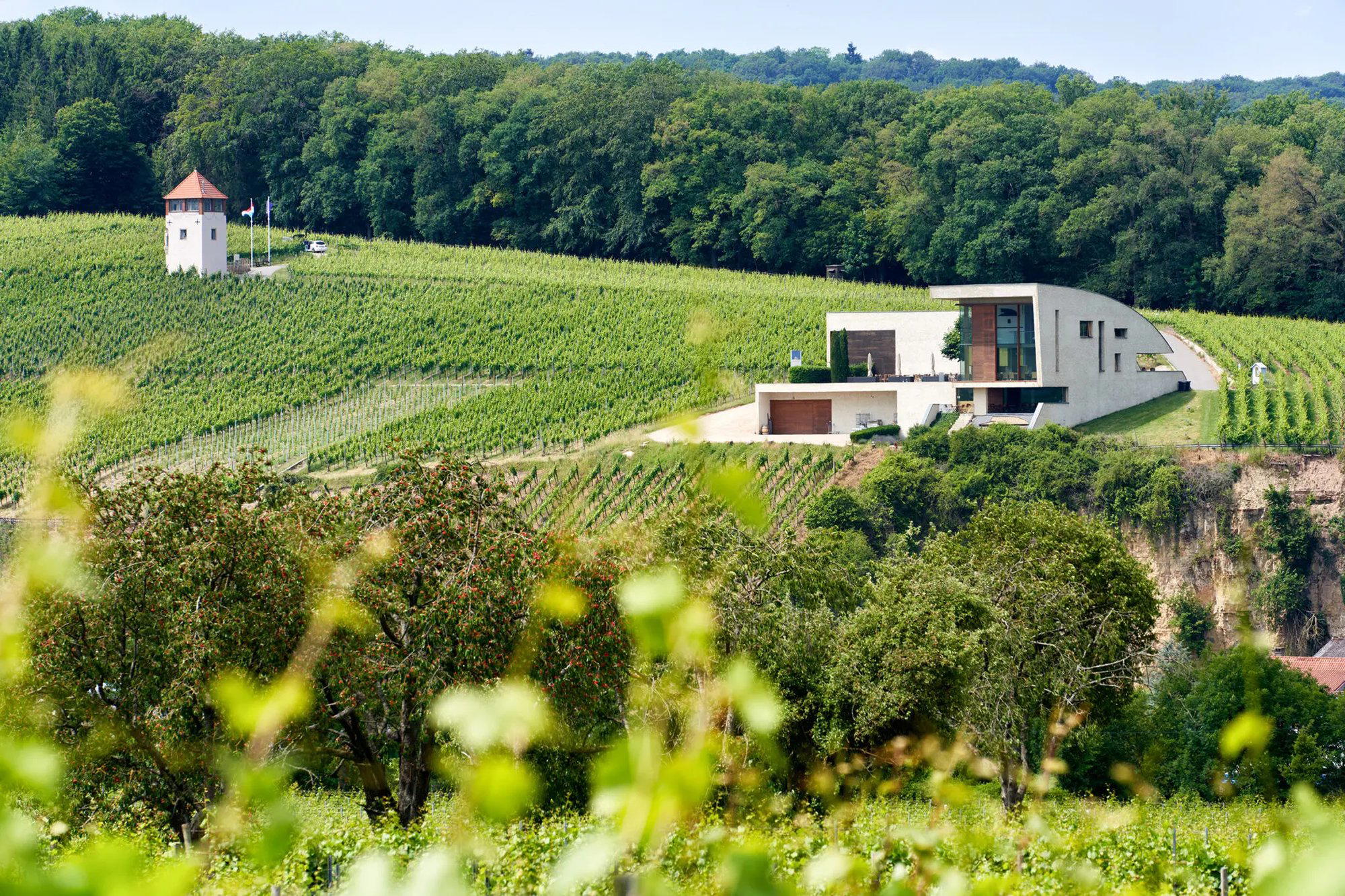
Beyren-lès-Sierck sits roughly 35 kilometres north of Metz, the Moselle department's main city, and a similar distance south of the point where France, Luxembourg, and Germany meet at Schengen. It is a village in the structural sense: small residential scale, agricultural surroundings, a pace dictated by the countryside rather than urban service culture. Restaurants in settings like this one operate in a tradition well established across rural France, the auberge model, where the building is part of the proposition and the meal is inseparable from the sense of having arrived somewhere that takes time to reach.
France's broader fine dining circuit offers a number of reference points for understanding what serious rural restaurants can achieve. Flocons de Sel in Megève built a three-Michelin-star reputation from a mountain village setting. Auberge de l'Ill in Illhaeusern has maintained multi-generational relevance from an Alsatian village on the Ill river. Auberge du Vieux Puits in Fontjoncouse drew serious attention to a village in the Aude that most travellers had never heard of. The pattern is consistent: rurality is not a handicap in French dining when the sourcing is right and the commitment is sustained. Beyren-lès-Sierck fits within that broader tradition of French villages that punch above their geographic visibility.
For a broader picture of what the region offers, our full Beyren-lès-Sierck restaurants guide covers the local dining scene in greater depth. Those looking to contextualise Restaurant Cordel against France's wider table might also find useful reference points at Troisgros - Le Bois sans Feuilles in Ouches, Georges Blanc in Vonnas, or L'Oustau de Baumanière in Les Baux, each of which represents a different version of the French rural dining proposition. For high-end urban contrast, Alléno Paris au Pavillon Ledoyen, Assiette Champenoise in Reims, and AM par Alexandre Mazzia in Marseille sit at the opposite end of the format spectrum. Internationally, Le Bernardin in New York City, Christopher Coutanceau in La Rochelle, and La Marine in Noirmoutier-en-l'île illustrate how French coastal and seafood traditions translate across different scales. Paul Bocuse - L'Auberge du Pont de Collonges in Collonges-au-Mont-d'Or and Atomix in New York City close out the comparison set at the formal tasting-menu end of the spectrum.
Planning a Visit
Restaurant Cordel is located at 66 Rue des Joncs, 57570 Beyren-lès-Sierck. The village is most practically reached by car from Metz or Thionville; public transport options in this part of rural Moselle are limited, and driving allows for the flexibility that exploring a village address requires. Current booking details, hours, and pricing are best confirmed directly with the restaurant before travel, as this information was not available at time of writing. For a region with limited dining infrastructure at this level, advance planning is sensible regardless of season.
Frequently asked questions
Is Restaurant Cordel okay with children?
Nothing in the available record for Restaurant Cordel explicitly addresses a children's policy. Given its location in Beyren-lès-Sierck, a small village rather than a city dining destination, it is reasonable to call ahead to confirm before arriving with young children. The rural Moselle setting generally points toward a relaxed, family-tolerant environment, though the restaurant's specific format may shape that.
What should I expect atmosphere-wise at Restaurant Cordel?
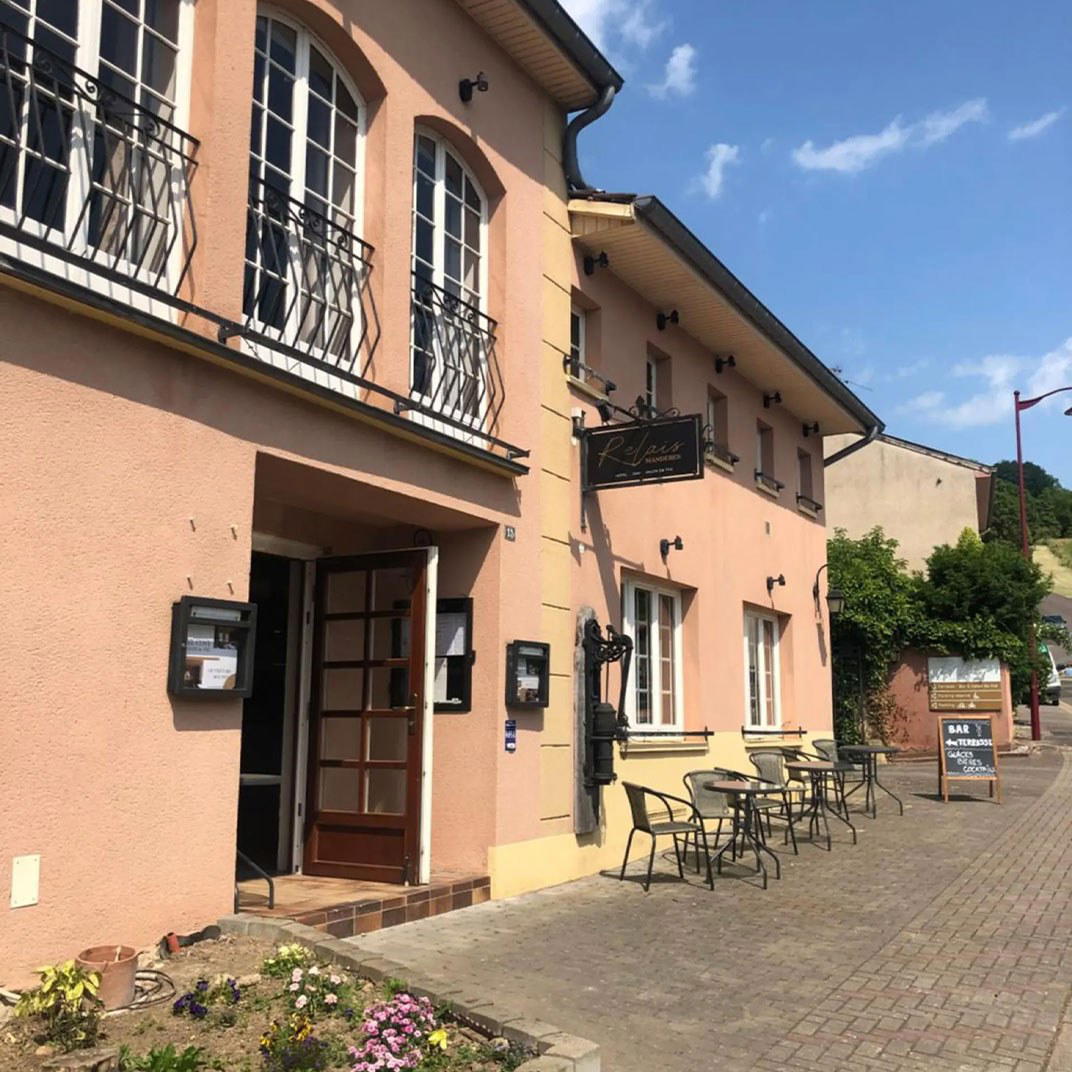
Restaurant Cordel sits at 66 Rue des Joncs in Beyren-lès-Sierck, a village in the Moselle valley roughly 35 kilometres north of Metz, close to the French-German-Luxembourgish border triangle. That geography tends to produce restaurants with a quieter, locally rooted character rather than the polished formality of city dining rooms. The setting is worth treating as part of the experience: the Moselle corridor at this latitude has its own unhurried pace.
Is Restaurant Cordel worth the drive from Metz or Luxembourg City?
Beyren-lès-Sierck sits approximately 35 kilometres north of Metz and within easy reach of Luxembourg City via the A31 motorway, placing Restaurant Cordel at a genuine crossroads of three national dining cultures. That border position is the context that gives the address its interest: the Moselle valley at this latitude is one of the few places in France where German Riesling appellations, Luxembourgish viticultural traditions, and Lorraine produce overlap in a single kitchen's sourcing radius. Whether the drive is worth it depends on the format and current kitchen, which is best confirmed directly with the restaurant before making the trip.
What's the best thing to order at Restaurant Cordel?
What the region does offer is a compressed range of agricultural zones: Moselle wines, cross-border charcuterie traditions, and produce from the Lorraine plateau all converge within a short radius of Beyren-lès-Sierck. Asking the kitchen what is sourced locally that week is usually the most reliable way to eat well in this corner of France.
How do I find Restaurant Cordel?
Restaurant Cordel is located at 66 Rue des Joncs, 57570 Beyren-lès-Sierck, France, Beyren Les Sierck.
What's the best way to book Restaurant Cordel?
For a village restaurant in the Moselle department, advance booking is advisable, particularly on weekends when cross-border traffic from Luxembourg and Germany adds to local demand.
At-a-Glance Comparison
Comparable venues nearby, for context on price, style, and recognition.
| Venue | Cuisine | Price | Notes |
|---|---|---|---|
| Restaurant CordelThis venue (the venue you are viewing) | Traditional French & Mosellane | Not listed | Not listed |
| Restaurant Le Paris | Traditional French Bistro | Not listed | centre-ville |
| Le Signal 2108 | Bistronomic French with Regional Alpine Specialties | $30–50 | Signal Mountain |
| La Grange | French Bistro | $20–30 | Avioth |
| LE MEDIEVAL | Classic Ardennes French Bistro | Not listed | Vieille Ville |
| Brasserie Le Landersheim | French Brasserie with Mediterranean Influences | $30–50 | Landersheim |
Continue exploring
More in Beyren Les Sierck
Restaurants in Beyren Les Sierck
All restaurants in Beyren Les Sierck →
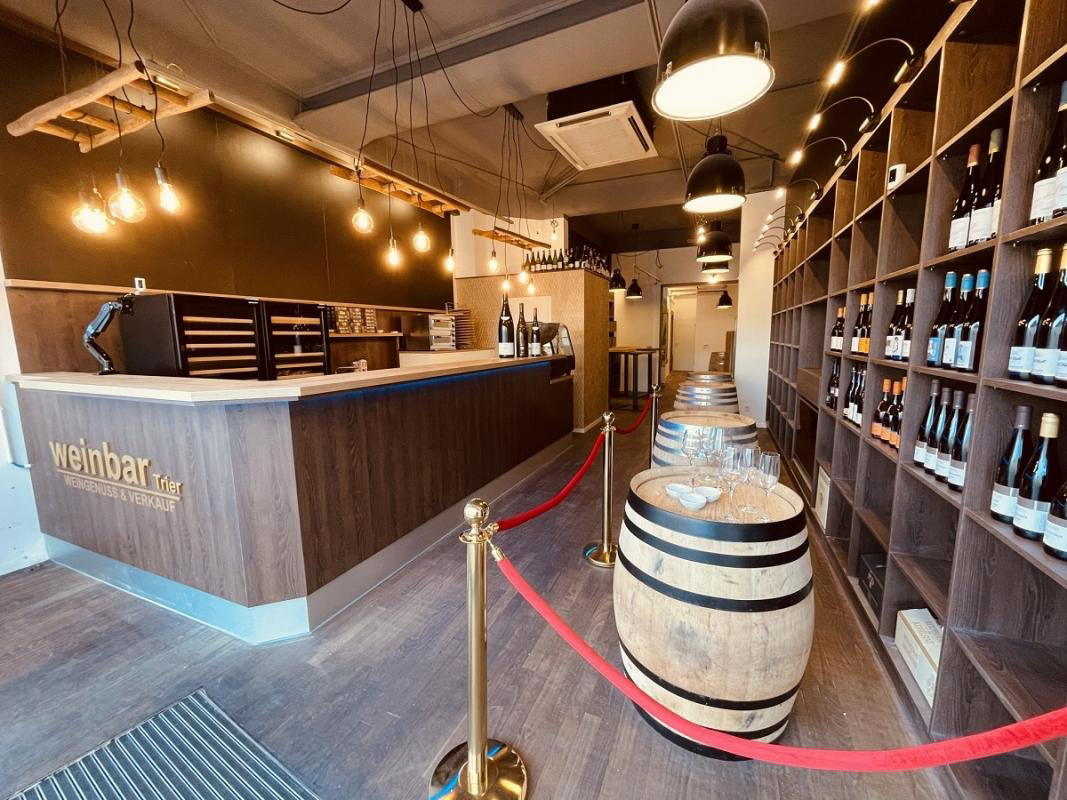
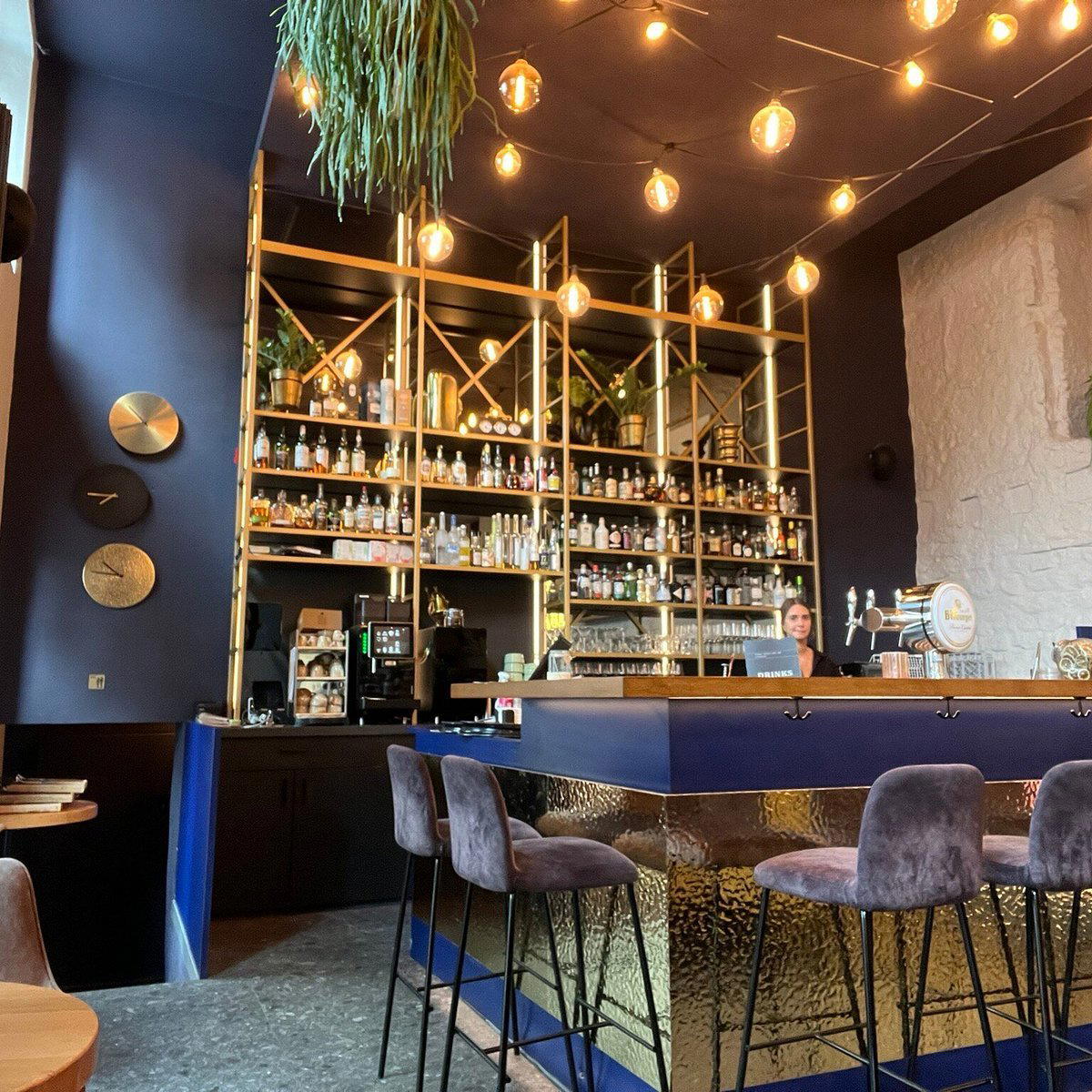
Bars in Beyren Les Sierck
Browse all →
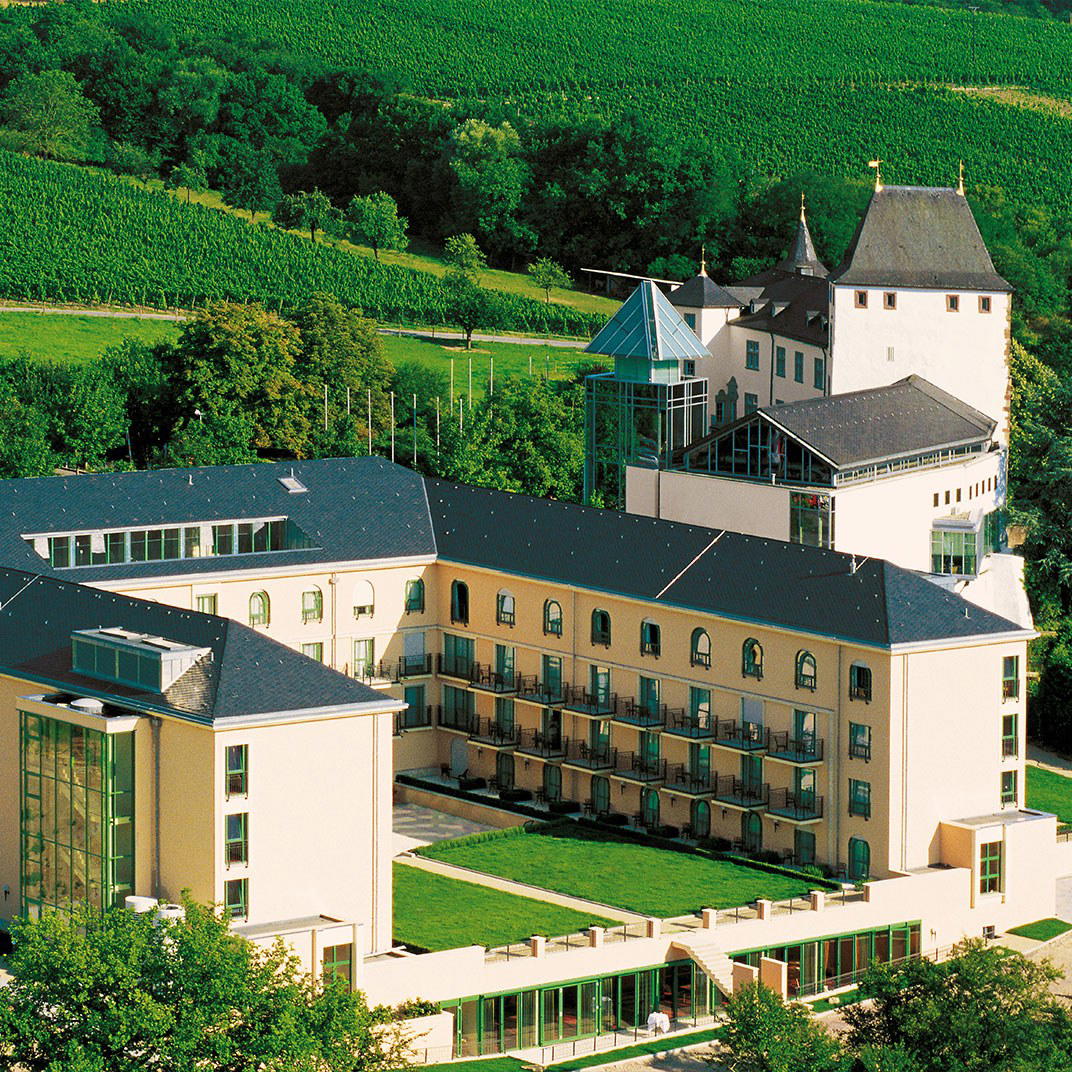
Hotels in Beyren Les Sierck
Browse all →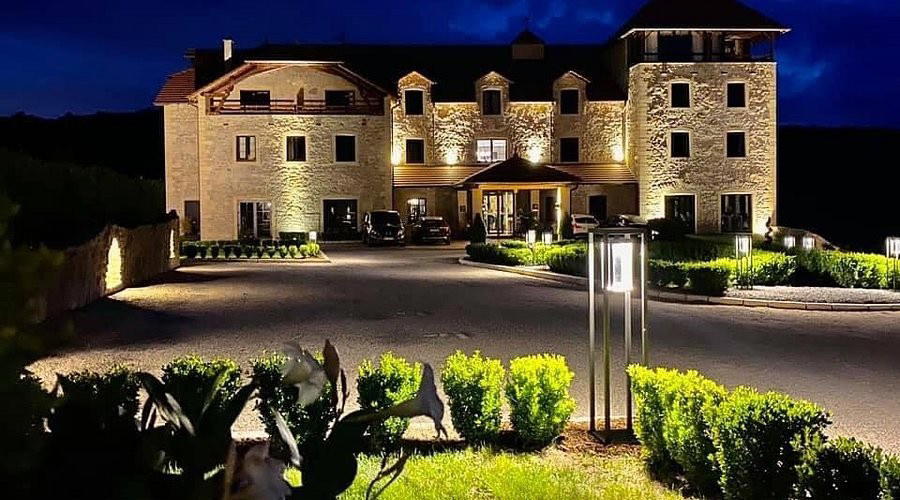

Details
- Cozy
- Classic
- Family
- Casual Hangout
- A La Carte
Current opening hours
- Monday
- 11:30 AM–2 PM, 7–9 PM
- Tuesday
- 11:30 AM–2 PM
- Wednesday
- Closed
- Thursday
- 11:30 AM–2 PM
- Friday
- 11:30 AM–2 PM, 7–9 PM
- Saturday
- 11:30 AM–2 PM
- Sunday
- Closed
Hours can change for holidays and private events. Hours as of .
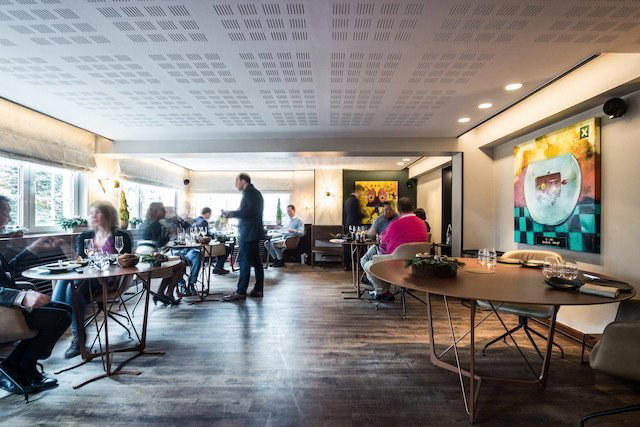
Warm and welcoming atmosphere with authentic homemade dishes.