Google: 4.8 · 212 reviews
Restaurant Bareiss





Restaurant Bareiss holds three Michelin stars and a 98-point La Liste score for 2026, placing it among the most decorated classical French tables in Germany. Chef Claus-Peter Lumpp's kitchen operates Thursday through Sunday inside the Bareiss hotel complex in Baiersbronn, a Black Forest village that concentrates more Michelin stars per square kilometre than almost anywhere in Europe. For structured, multi-course classical dining, few rooms in the country make a stronger case.
 Discover on Pearl
Pearl is the En Primeur Club membership app — saves, bookings, and concierge access live there. Same editors, same standards.
A Black Forest Village With an Unlikely Density of Stars
Baiersbronn sits in the northern Black Forest, roughly an hour's drive south of Stuttgart, and it presents an immediate paradox: the landscape is rural, the population modest, yet the village holds more Michelin stars than most European capitals can claim in a single neighbourhood. That concentration is not accidental. It reflects decades of serious investment in classical cooking traditions, a hotel infrastructure willing to support long-format dining, and a guest profile that travels specifically for the table rather than incidentally to it. Restaurant Bareiss is the most decorated address in that constellation, and understanding what it represents requires placing it inside that broader context first.
The Logic of the Classical French Table in Germany
Classical French cuisine occupies a specific and increasingly defended position in contemporary German fine dining. As kitchens across the country have moved toward New Nordic minimalism, fermentation-forward menus, or hyperlocal forage-driven formats, a smaller cohort has maintained the technical vocabulary of brigade cooking, sauce-work, and structured progression. That cohort is not simply resistant to change; it is making a deliberate argument about what multi-course dining can achieve when its foundations are rigorous classical technique. Opinionated About Dining ranked Restaurant Bareiss 27th among Classical restaurants in Europe for both 2024 and 2025, a consistency that signals sustained execution rather than a single strong year. The same logic applies to its Les Grandes Tables du Monde membership, a network whose admission criteria weight culinary tradition and service formality as heavily as innovation.
Peers in this classical tier across Germany include Vendôme in Bergisch Gladbach, Restaurant Haerlin in Hamburg, and Tantris DNA in Munich, all of which maintain three-star level credentials while positioning themselves against a French or Franco-German classical tradition rather than a contemporary one. Bareiss prices and formats against that peer set, not against the broader German restaurant market.
Arriving at the Table
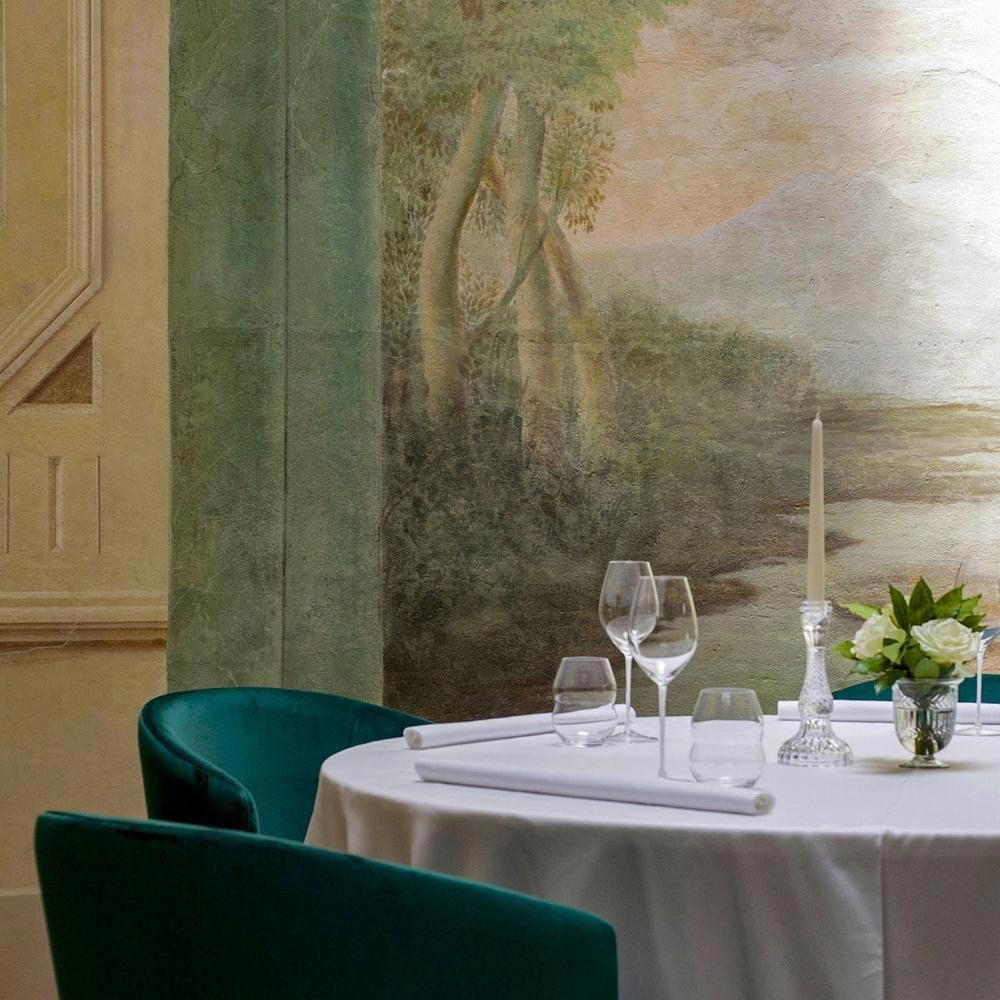
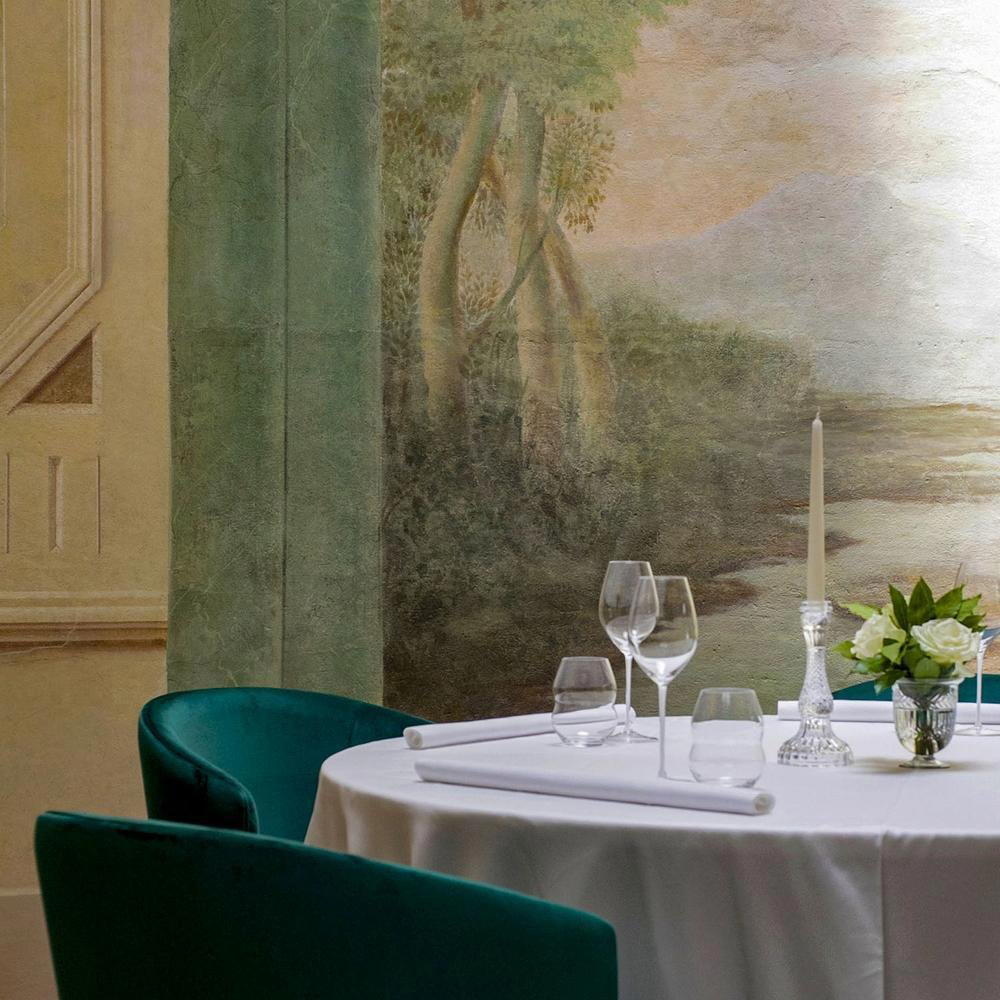
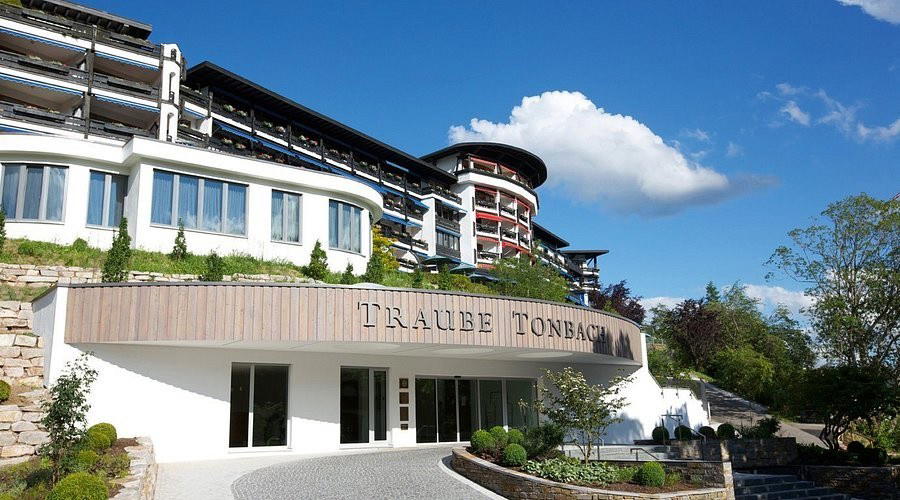
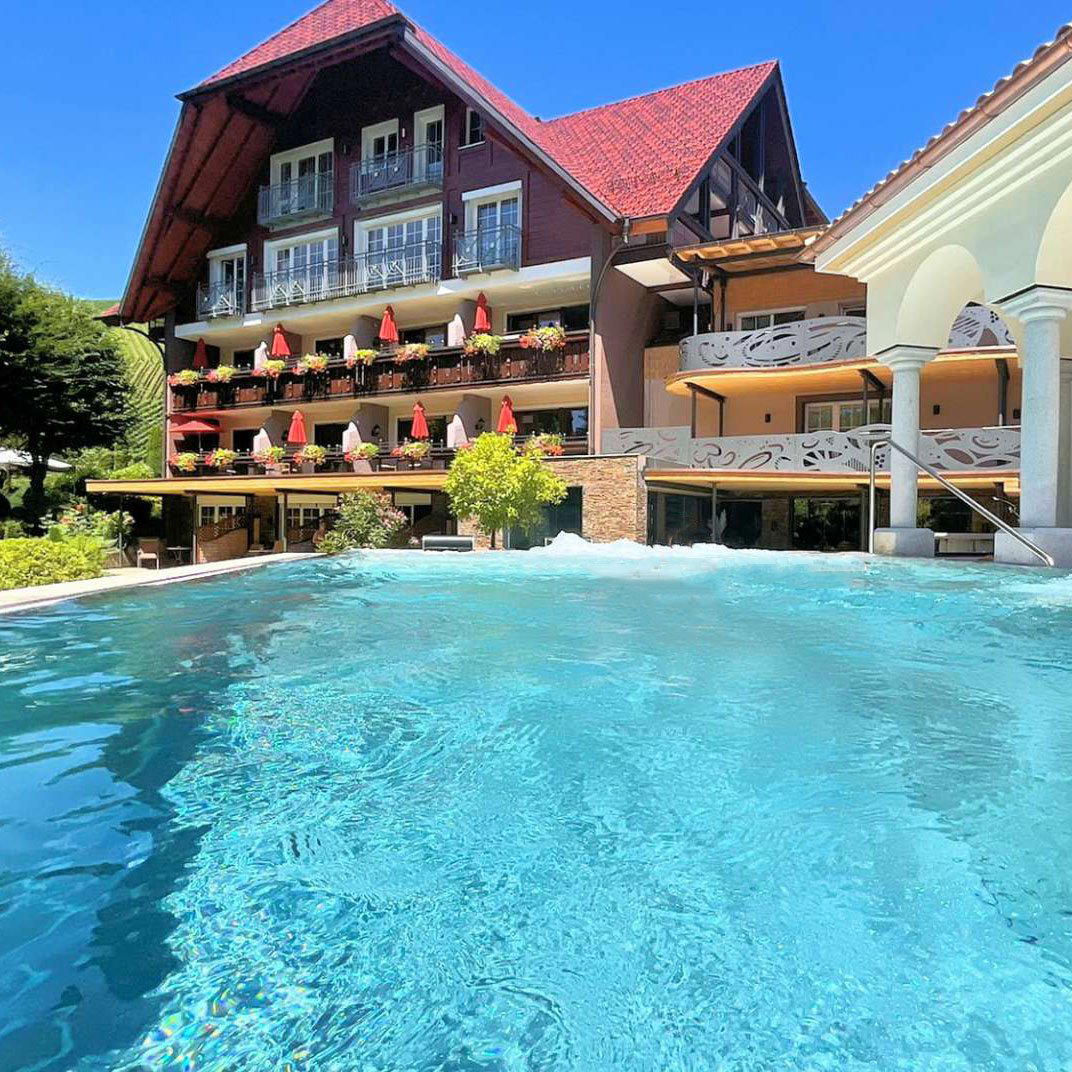
The Bareiss hotel complex anchors its end of Baiersbronn with the unhurried confidence of a property that has been hosting serious guests for generations. The restaurant occupies a dedicated room within the hotel, a space where the physical environment reinforces the formality of what follows: the service posture, the table spacing, the sequence of gestures that precede the first course. Classical French dining at this level is as much choreography as it is cooking, and the room is designed to support that choreography. There is none of the exposed-brick informality or counter-seating format that has defined the past decade of fine dining aesthetics elsewhere; this is a room that communicates its intentions before a single plate arrives.
Chef Claus-Peter Lumpp has led the kitchen here for long enough that the cooking and the room have reached a kind of mutual alignment. His name appears in the context of classical technique and consistent Michelin recognition, and the kitchen's standing, three stars held across multiple consecutive cycles and a 98-point La Liste score for 2026, confirms that the alignment is substantive rather than decorative. La Liste's methodology aggregates scores from hundreds of guides and publications globally, and a 98-point position places Bareiss in the upper tier of restaurants worldwide, not merely within Germany.
The Structure of the Meal
Classical French tasting menus at the three-star level follow a logic that has been refined over decades: the sequence of courses is not arbitrary but architectural, each stage preparing the palate and the appetite for what follows. Cold preparations give way to fish, fish to meat, meat to cheese, cheese to dessert, with intermediate courses managing pace and intensity. At this price tier, the experience of that structure, the curation of its logic, the precision of its execution, is what the diner is purchasing. The individual dish is evidence of the kitchen's capability; the sequence is the argument.
The price range at Bareiss falls at the leading end of German fine dining (€€€€), which positions it in a bracket where the expectation is a full evening rather than a meal. Service at Les Grandes Tables du Monde properties is formally assessed alongside cooking, meaning that the front-of-house choreography, the wine service, the pacing of courses, carries institutional weight. Diners booking here should plan accordingly: this is a Thursday-through-Sunday operation, with lunch service running 12 to 2pm and dinner from 7 to 11pm. The kitchen is closed Monday through Wednesday, a schedule common among three-star tables where the team's preparation and sourcing require non-service days.
Baiersbronn as a Dining Destination
The case for travelling to Baiersbronn specifically for its restaurants is stronger than it might initially appear. Within the village and its immediate surroundings, the Bareiss complex also houses Schwarzwaldstube, another classical French address at the leading of the local hierarchy, alongside more accessible formats including 1789 (modern cuisine), Schlossberg (creative), Dorfstuben (country cooking), and Engelwirts-Stube (farm to table). The village functions as a self-contained fine dining ecosystem, which is unusual outside of a handful of destination-dining locations globally.
For visitors building a multi-day itinerary around Baiersbronn's tables, the hotel infrastructure within the complex means that the question of where to stay and where to eat can be resolved simultaneously. Our full Baiersbronn hotels guide covers the wider accommodation picture, and our full Baiersbronn restaurants guide maps the dining options across price tiers and formats. Those planning around experiences beyond the table will find our full Baiersbronn experiences guide and bars guide useful for building out the broader visit.
Placing Bareiss in the Wider German Three-Star Conversation
Germany's three-Michelin-star tier is smaller than France's or Japan's but has been growing steadily, and the range of approaches within it is wider than the star count might suggest. Aqua in Wolfsburg and JAN in Munich occupy different positions on the classical-to-contemporary axis, while CODA Dessert Dining in Berlin and ES:SENZ in Grassau demonstrate how far the format has moved in some kitchens. Bareiss and its closest classical peers, including Brasserie Les Trois Rois in Basel across the border, represent the argument that the classical tradition is not a default position but a deliberate one, and that executing it at the highest level requires as much discipline as any avant-garde kitchen.
The Google review score of 4.8 across 201 reviews is a useful ground-level signal: at this price point and format, guest expectations are high and tolerance for inconsistency is low. A sustained 4.8 reflects a kitchen and front-of-house team that have internalised the standard rather than occasionally meeting it.
Those considering a visit should also consult our Baiersbronn wineries guide for context on the regional wine culture that complements the table here, and our experiences guide for activity options that structure the time between meals in a way appropriate to a destination trip of this nature.
Planning a Visit
Restaurant Bareiss operates Thursday through Sunday only. Lunch runs from noon to 2pm; dinner from 7pm to 11pm. The address is Hermine-Bareiss-Weg 1, 72270 Baiersbronn. Given the three-star profile and the destination nature of the visit, booking well in advance is advisable; three-star tables in Germany at this profile typically operate with lead times of several weeks to months depending on the season. The price tier (€€€€) aligns with peer tables in Germany's classical fine dining bracket. The Bareiss hotel complex is the practical base for most visitors combining dinner with an overnight stay, and the concentration of dining formats within the complex means that a multi-night visit can be structured around different price points and styles without leaving the property.
FAQ
What's the signature dish at Restaurant Bareiss?
Restaurant Bareiss does not publicly document a single signature dish in its available records, which is consistent with the classical French tasting menu format: the kitchen's identity is expressed through the architecture of the full sequence rather than a single plate. Chef Claus-Peter Lumpp's three-star standing and the restaurant's Opinionated About Dining ranking among Europe's leading classical tables (27th in 2025) confirm the kitchen's technical range, but specific dish details should be confirmed directly with the restaurant at the time of booking. What the awards record does signal clearly is a kitchen operating at the level where classical saucing, protein cookery, and structured progression are the primary registers of quality.
Side-by-Side Snapshot
A quick context table based on similar venues in our dataset.
| Venue | Cuisine | Price | Awards |
|---|---|---|---|
| Restaurant BareissThis venue — the venue you are viewing | French, Classic French | €€€€ | Michelin 3 Stars, Les Grandes Tables Du Monde Award (2025) |
| Schwarzwaldstube | French, Classic French | €€€€ | Michelin 3 Star |
| 1789 | Modern Cuisine | €€€€ | Michelin 1 Star |
| Dorfstuben | Country cooking | €€ | |
| Köhlerstube | Modern French | ||
| Schatzhauser | International | €€ |
Continue exploring
More in Baiersbronn
Restaurants in Baiersbronn
Browse all →
Hotels in Baiersbronn
Browse all →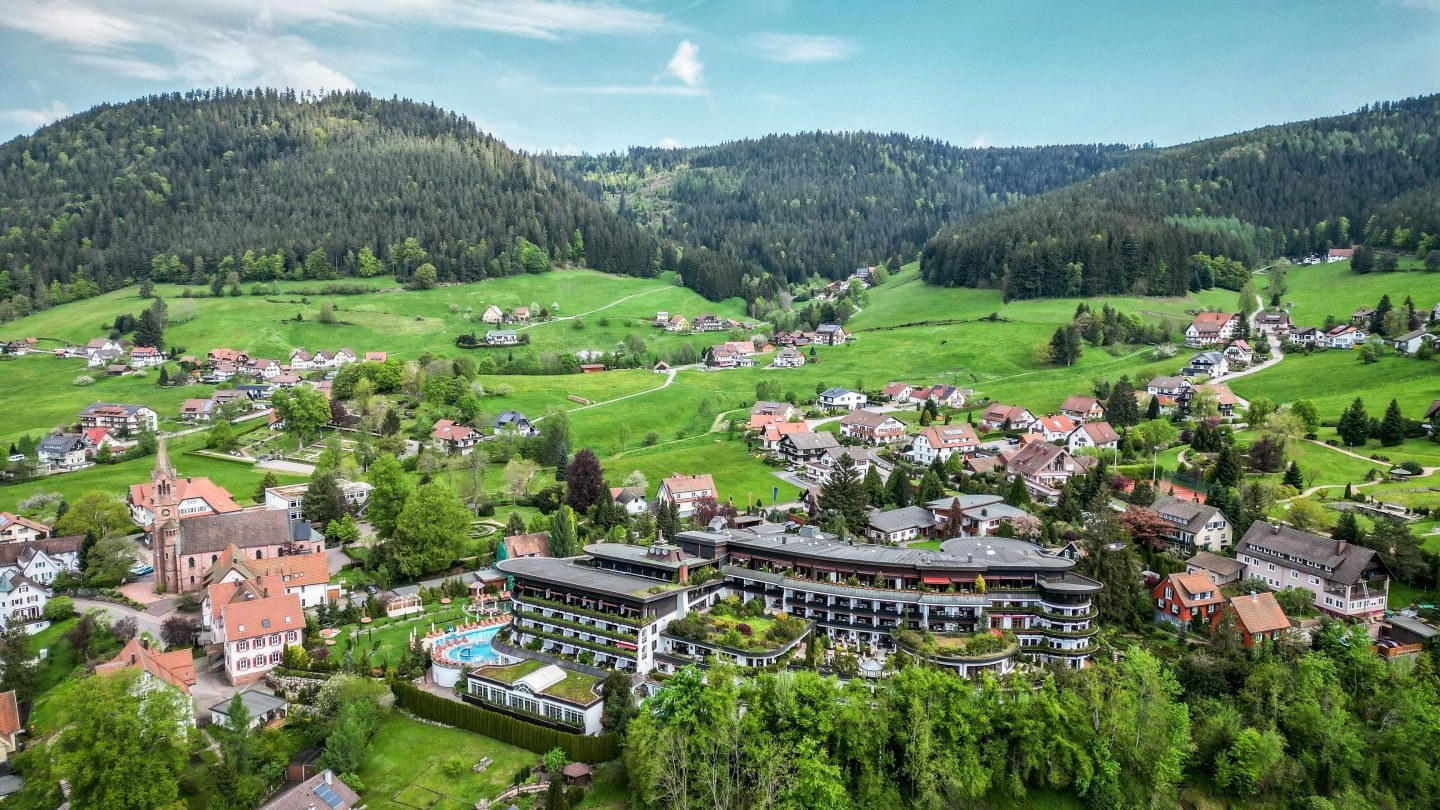
Wineries in Baiersbronn
Browse all →
At a Glance
- Elegant
- Classic
- Sophisticated
- Intimate
- Special Occasion
- Date Night
- Business Dinner
- Hotel Restaurant
- Private Dining
- Extensive Wine List
- Sommelier Led
- Local Sourcing
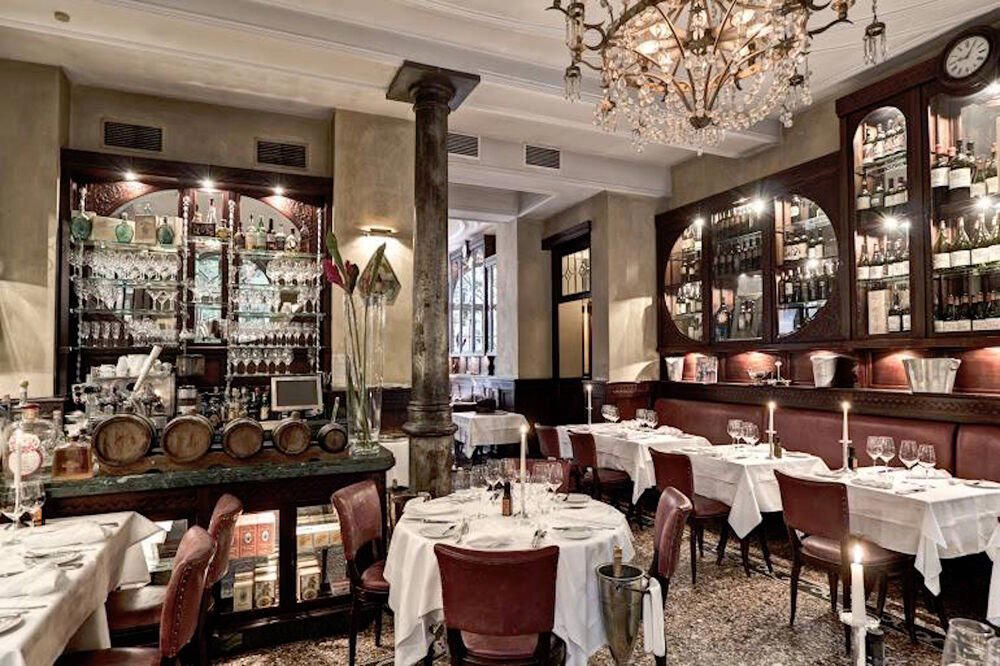
Refined classic dining room with old-school formal elegance, featuring flickering candlesticks, marble fireplace, silk curtains, and attentive professional service in a calm, dignified atmosphere.