Restaurant Artischocke
Our verdict
On Peterstraße in Wilhelmshaven, Restaurant Artischocke occupies a corner of Germany's North Sea coast that rarely features in fine dining conversations. The name alone signals an ingredient-led sensibility, and the restaurant's presence in a working port city places it in a category of regionally committed kitchens that operate well outside the metropolitan circuits tracked by most award bodies. For travellers making their way along the Lower Saxony coast, it warrants a deliberate detour.

Pearl is the En Primeur Club membership app — saves, bookings, and concierge access live there. Same editors, same standards.
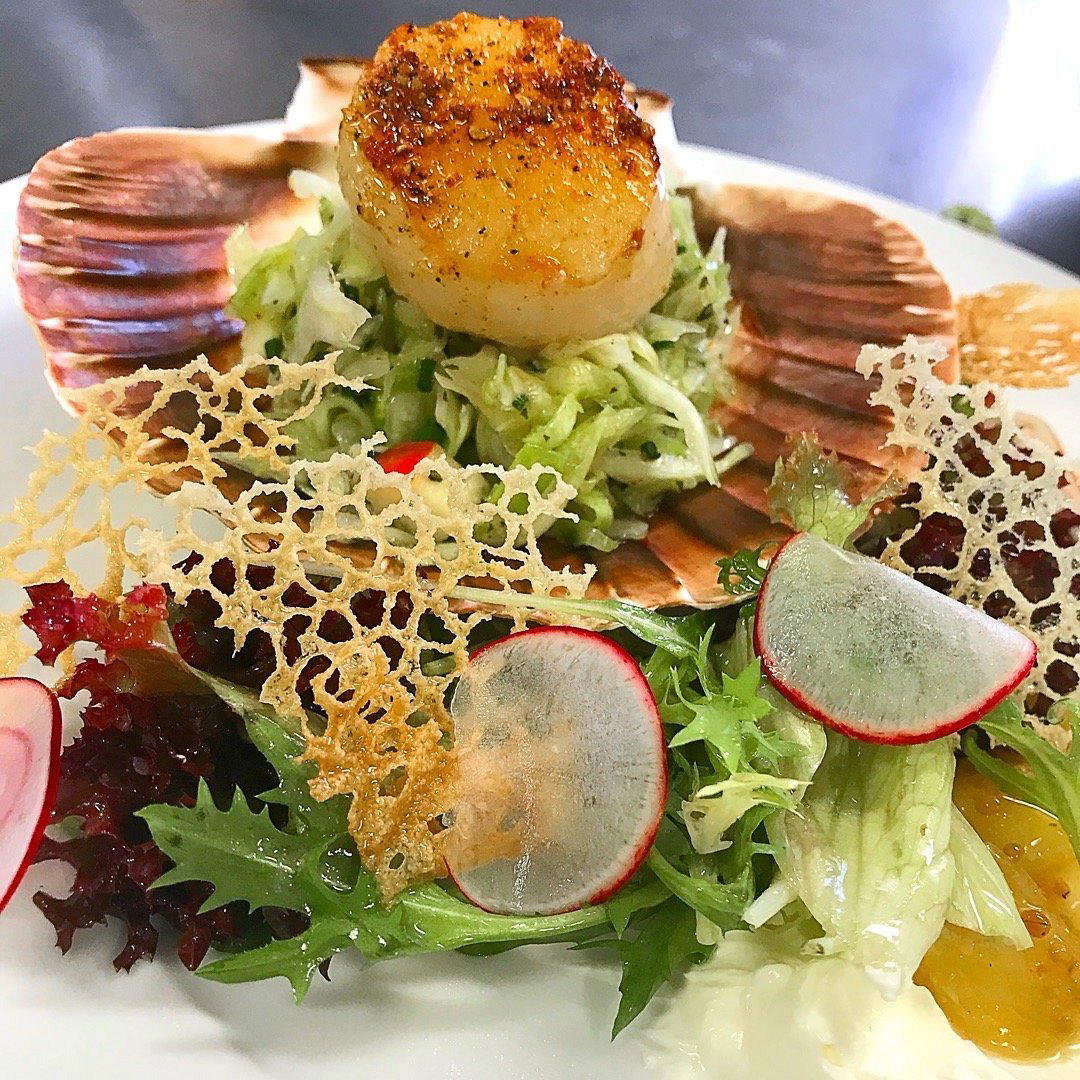
A Port City and Its Table
Wilhelmshaven sits on the Jade Bight, a tidal bay on Germany's North Sea coast, and its identity has always been shaped by the water rather than by gastronomy. The city grew around naval infrastructure, then expanded into container logistics, and the dining scene that developed alongside it reflects a place where ingredients arrive fresh from the sea and surrounding marshland rather than from a curated supply chain engineered for prestige kitchens. That context matters when assessing what a restaurant named after an artichoke is doing here. The name is not decorative. It points toward a kitchen with a stated relationship to plant-based or vegetable-forward sourcing in a region where fish and North Sea produce form the more obvious culinary identity. See our full Wilhelmshaven restaurants guide for broader context on where the city's dining currently sits.
The Room on Peterstraße
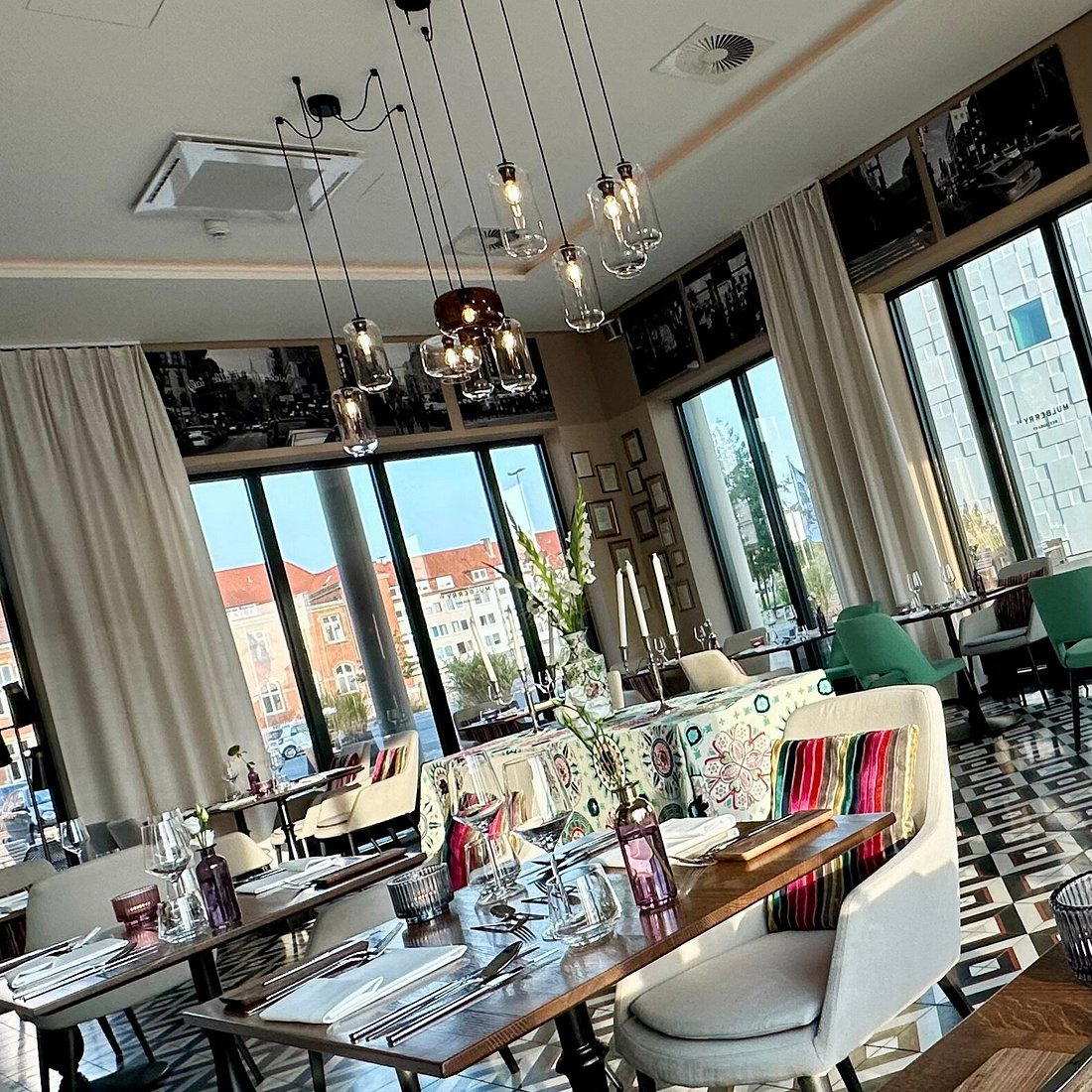
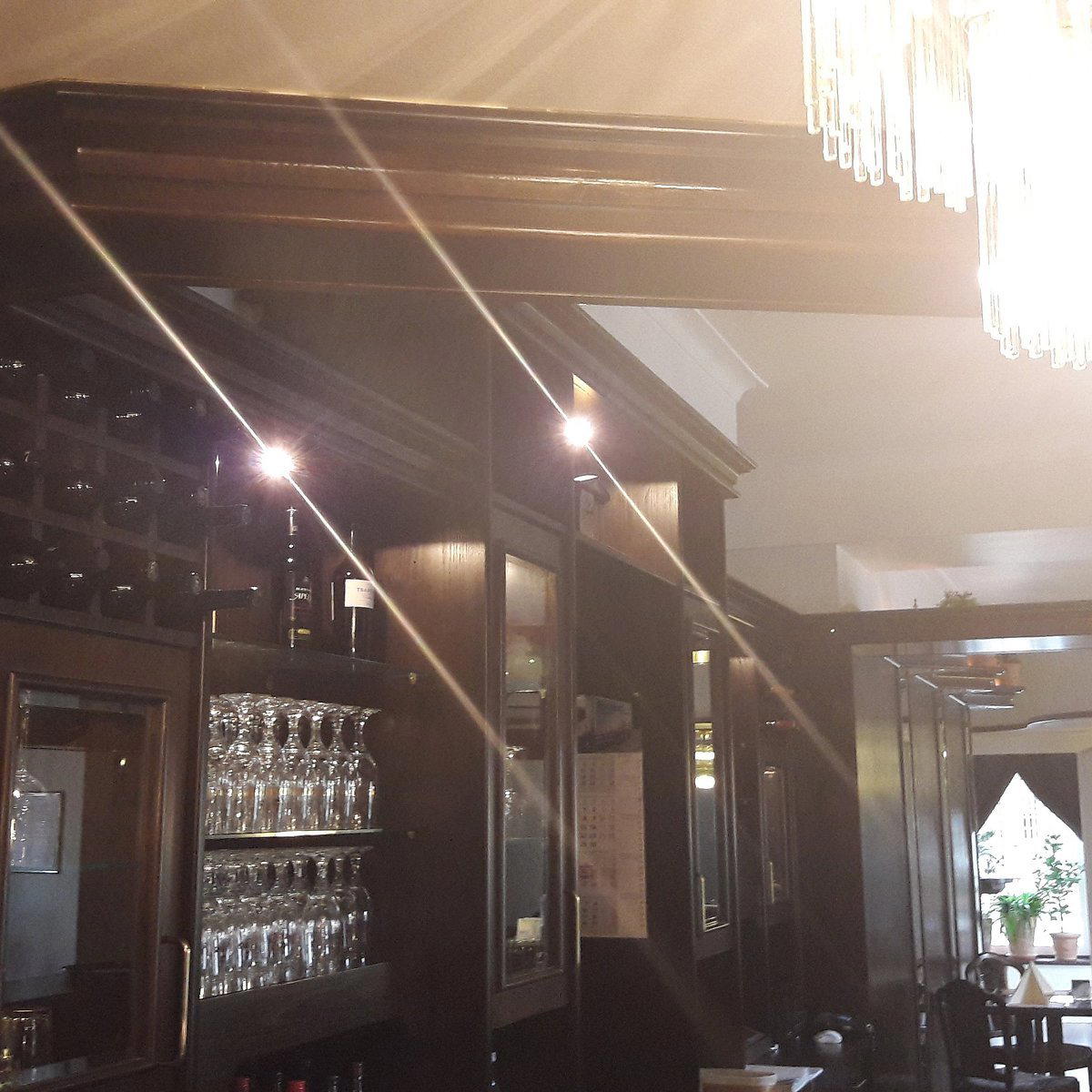
Peterstraße 19 places Restaurant Artischocke in the central grid of Wilhelmshaven, within walking distance of the Südstrand waterfront and the commercial spine of the city. Approaching on foot, the architecture reads as mid-century German provincial: functional facades, minimal ornamentation, the occasional burst of renovation. Inside, the expectation set by the name suggests a space that prioritises clarity over theatrics, with the kind of interior grammar common to regionally serious German restaurants that are not interested in competing with the spectacle dining of larger cities. Venues of this type in comparable German port or naval towns tend to keep the room understated and let the plate carry the weight.
Ingredient Sourcing on the North Sea Coast
Germany's coastal kitchen has historically operated on a shorter supply chain than its inland counterparts. The Jade Bight and surrounding Wadden Sea zone produce crab, shrimp, North Sea plaice, and seasonal shellfish that move quickly from water to kitchen. The marshland hinterland behind Wilhelmshaven adds lamb — Wattlamm, the salt-meadow lamb grazed on coastal pasture, is a regional product with genuine provenance credentials — alongside root vegetables and herbs that carry the mineral edge of land reclaimed from tidal flats. A restaurant in this location that commits to local sourcing is drawing on a supply network that is genuinely differentiated from what a kitchen in Frankfurt or Munich can access. The artichoke of the name is more unusual in this geography, pointing toward a kitchen willing to work with produce that requires either specialist local growers or a relationship with producers further inland, which itself signals a particular level of sourcing seriousness.
For comparison, Germany's most recognised kitchens, such as Aqua in Wolfsburg or Schwarzwaldstube in Baiersbronn, operate from regions with deep-rooted fine dining infrastructures and established supplier networks developed over decades. A kitchen in Wilhelmshaven building something comparable works with different constraints and, correspondingly, a different set of potential strengths. The proximity to primary producers is one of them.
Where Artischocke Sits in the German Restaurant Field
Germany's serious restaurant tier has spread well beyond Munich, Berlin, and Hamburg in the past decade. Venues like ES:SENZ in Grassau, Schanz in Piesport, and Bagatelle in Trier demonstrate that ambition in German fine dining no longer maps neatly onto city size or tourist footfall. Wilhelmshaven, with a population of around 75,000 and no obvious claim to gastronomic tourism, is exactly the kind of city where a regionally serious kitchen can develop without the overhead pressures and expectation cycles that shape restaurants in larger markets. Restaurants in comparable positions, such as ATAMA by Martin Stopp in Sankt Ingbert or ammolite in Rust, have built serious reputations in cities that were not obvious candidates for fine dining recognition.
The broader German creative dining conversation, represented by venues like CODA Dessert Dining in Berlin, JAN in Munich, and Vendôme in Bergisch Gladbach, tends to emphasise sourcing narrative as a core part of the restaurant's identity. At the international level, kitchens like Le Bernardin in New York City and Atomix have demonstrated that deep ingredient focus, when executed with discipline, forms the basis of lasting critical recognition. A restaurant named for a single vegetable in a North Sea port is making, at minimum, a legible statement about where its priorities lie.
Planning a Visit
Wilhelmshaven is accessible by rail from Bremen in under two hours, and from Hanover in approximately two and a half hours, making it a viable day-trip or overnight destination from either city. Peterstraße is within the walkable centre, close to the main rail station. Given the restaurant's location in a city that does not run on heavy tourism volumes, reservations made in advance are advisable, particularly for weekend evenings. For visitors combining the stop with broader Lower Saxony travel, the Wadden Sea National Park coastline and the naval museum at the Alter Vorhafen are worth building into the itinerary. Travellers who appreciate high-commitment regional kitchens in non-obvious locations, and who follow restaurants like Victor's Fine Dining by Christian Bau in Perl, Waldhotel Sonnora in Dreis, AUGUST in Augsburg, Restaurant Haerlin in Hamburg, or AURA by Alexander Herrmann and Tobias Bätz in Wirsberg, will find the detour to Wilhelmshaven consistent with that broader pattern of seeking out serious kitchens in underreported locations.
Frequently asked questions
Is Restaurant Artischocke a family-friendly restaurant?
Nothing in the public record definitively classifies Artischocke as a family destination or rules it out. Located at Peterstraße 19 in central Wilhelmshaven, the restaurant sits in a walkable neighbourhood that draws a mixed local crowd. Your best approach is to check the venue's official channels before booking with children, particularly for evening sittings.
How would you describe the vibe at Restaurant Artischocke?
Wilhelmshaven is a working port city shaped more by the tides of the Jade Bight than by gastronomy tourism, and Artischocke reflects that grounded character. The address on Peterstraße places it in the commercial heart of the city, close to the waterfront, which suggests a room that serves locals as much as visitors. Expect a setting that reads as purposeful rather than performative.
Is Restaurant Artischocke worth a trip from Bremen or Hanover?
Wilhelmshaven sits under two hours from Bremen by rail and roughly two and a half from Hanover, putting Artischocke within range as a standalone dining destination rather than a detour. Germany's serious restaurant tier has extended well beyond its major cities in the past decade, and port-city kitchens on the North Sea coast represent one of the less-trafficked corridors of that expansion. Whether the journey pays off depends on what the current menu delivers — confirming details with the restaurant before travelling is advisable.
What do regulars order at Restaurant Artischocke?
Germany's North Sea coast kitchen has long centred on Wadden Sea seafood and regional produce with short supply chains, which tends to shape what any serious Wilhelmshaven kitchen anchors its menu around. Checking directly with the restaurant will give you the current card.
A Quick Peer Check
Comparable venues nearby, for context on price, style, and recognition.
| Venue | Cuisine | Price | Notes |
|---|---|---|---|
| Restaurant ArtischockeThis venue — the venue you are viewing | Classic French Bistro | Not listed | Not listed |
| Bremers Bauerndiele | Traditional German & Mediterranean | Not listed | Wiefelstede |
| Bistro Carmagnole | Classic French Bistro | Not listed | Sternschanze |
| Am Kamin | French Fine Dining with Regional Influences | Not listed | central |
| Cutters Ribhouse * the World of BBQ | American BBQ | Not listed | Bremerhaven |
| Flum | Classic French Brasserie | $30–50 | Rotherbaum |
Continue exploring
More in Wilhelmshaven
Restaurants in Wilhelmshaven
All restaurants in Wilhelmshaven →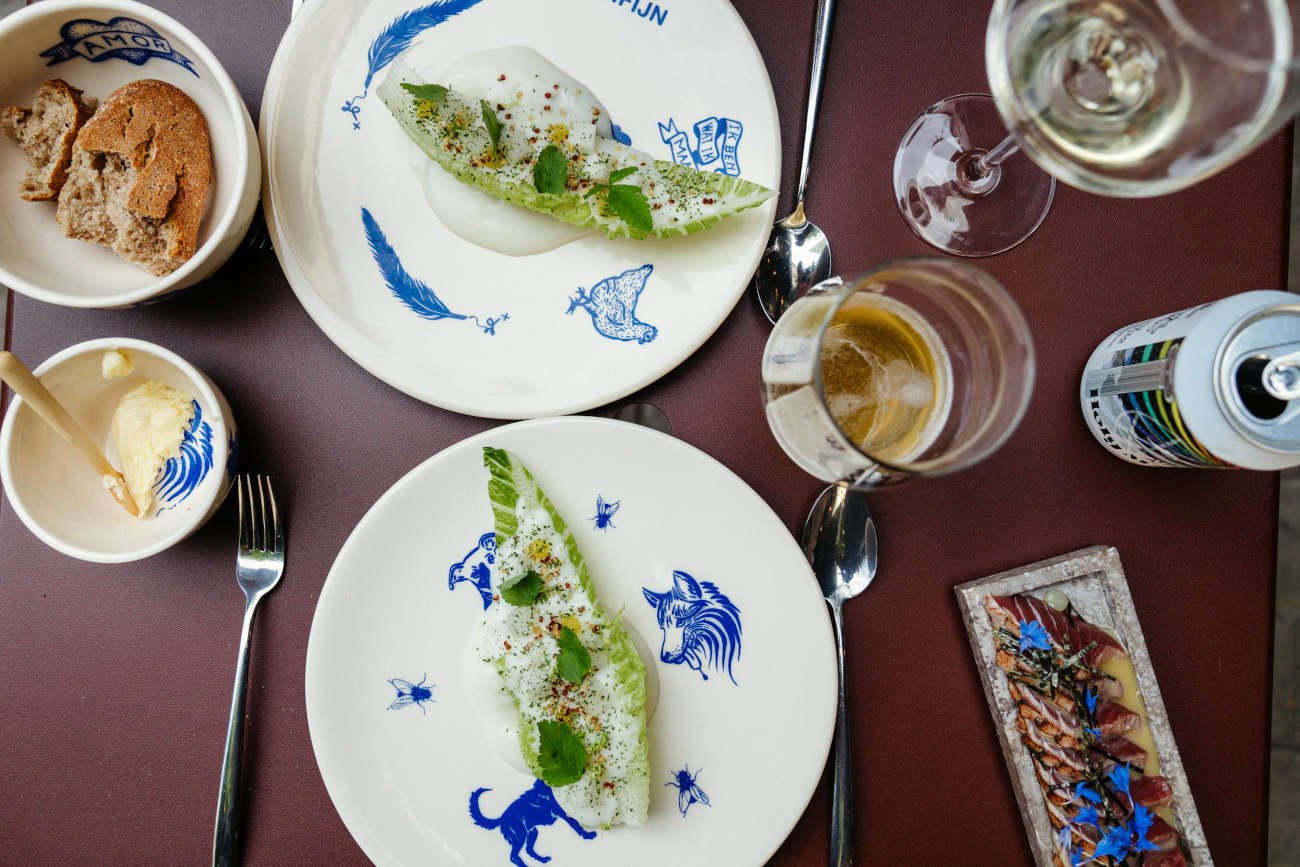
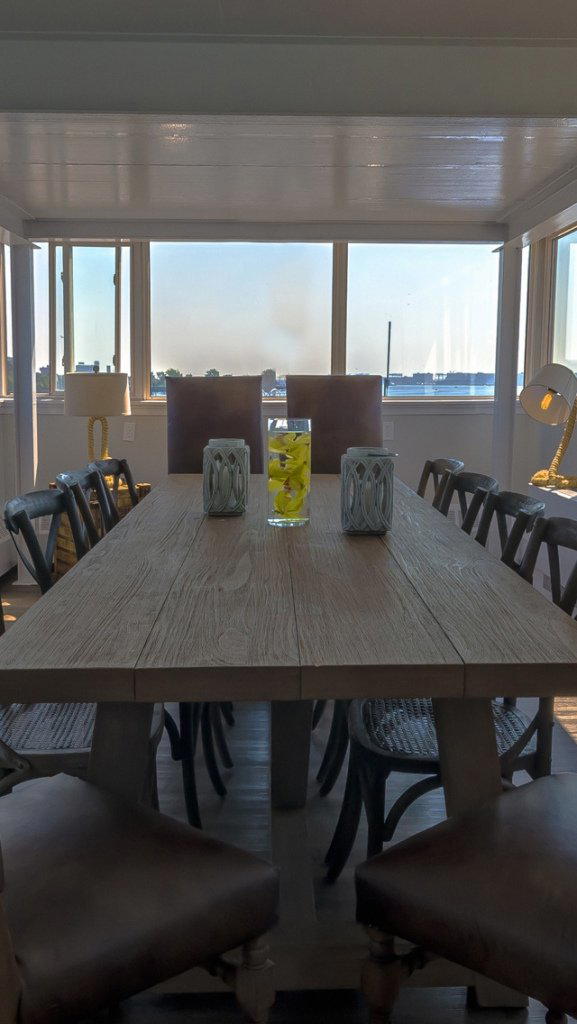
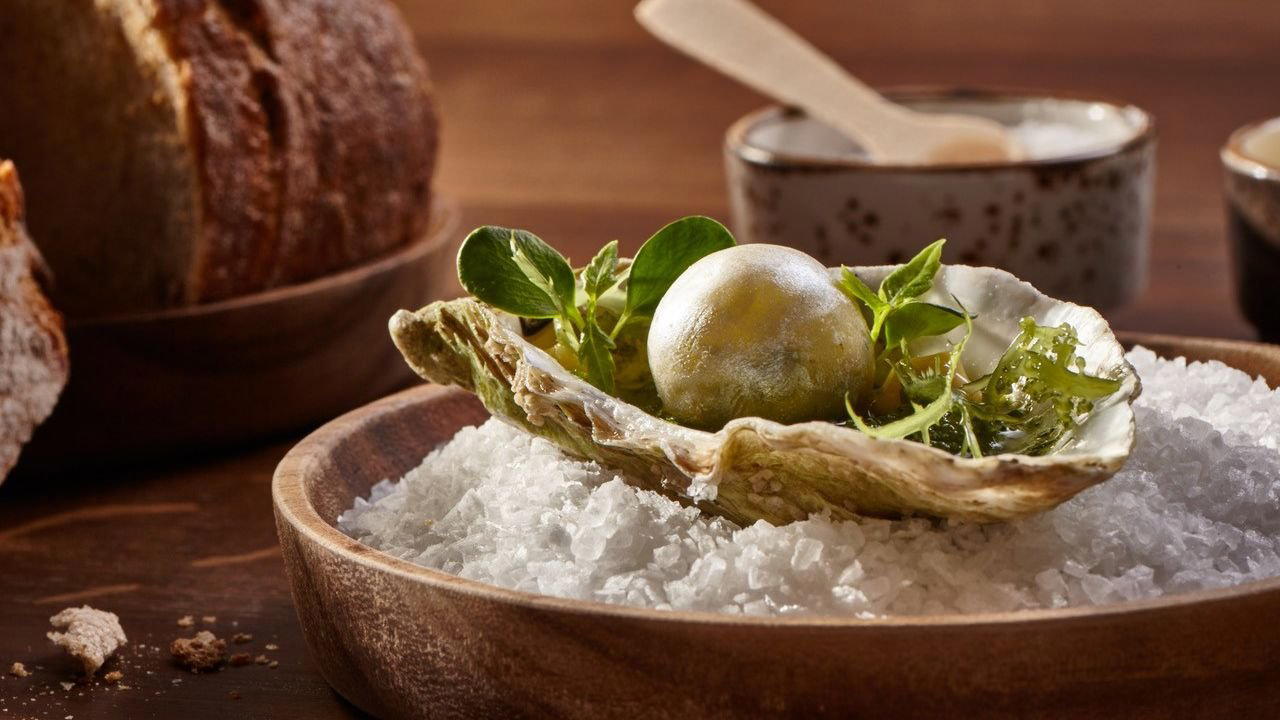
Hotels in Wilhelmshaven
Browse all →
Restaurant Artischocke
The wine
- Wine program
- Curated wine list
- Extensive wine list
Details
- Elegant
- Cozy
- Classic
- Date Night
- Special Occasion
- Historic Building
- Extensive Wine List
- Local Sourcing
- A La Carte
- Vegetarian Friendly
Current opening hours
- Monday
- Closed
- Tuesday
- 12–2:30 PM, 6–11 PM
- Wednesday
- 12–2:30 PM, 6–11 PM
- Thursday
- 12–2:30 PM, 6–11 PM
- Friday
- 12–2:30 PM, 6–11 PM
- Saturday
- 12–2:30 PM, 6–11 PM
- Sunday
- Closed
Hours can change for holidays and private events. Last verified .
Elegant charm in the upstairs restaurant with a relaxed bistro vibe downstairs, praised for its cultured hospitality and atmospheric dining.