Restaurant ALAJE serves authentic Ethiopian cooking at 60 Rue de Fontenelle in Rouen, with Nay Tsom and Nay Si'eret on the menu; the casual, conversational room suits lunch or dinner.
Pearl is the En Primeur Club membership app — saves, bookings, and concierge access live there. Same editors, same standards.
- Address
- 60 Rue de Fontenelle, 76000 Rouen, France
- Phone
- +33652765502
- Website
- restaurantalaje.fr
- Directions
- Get directions
 Saves & bookings on Pearl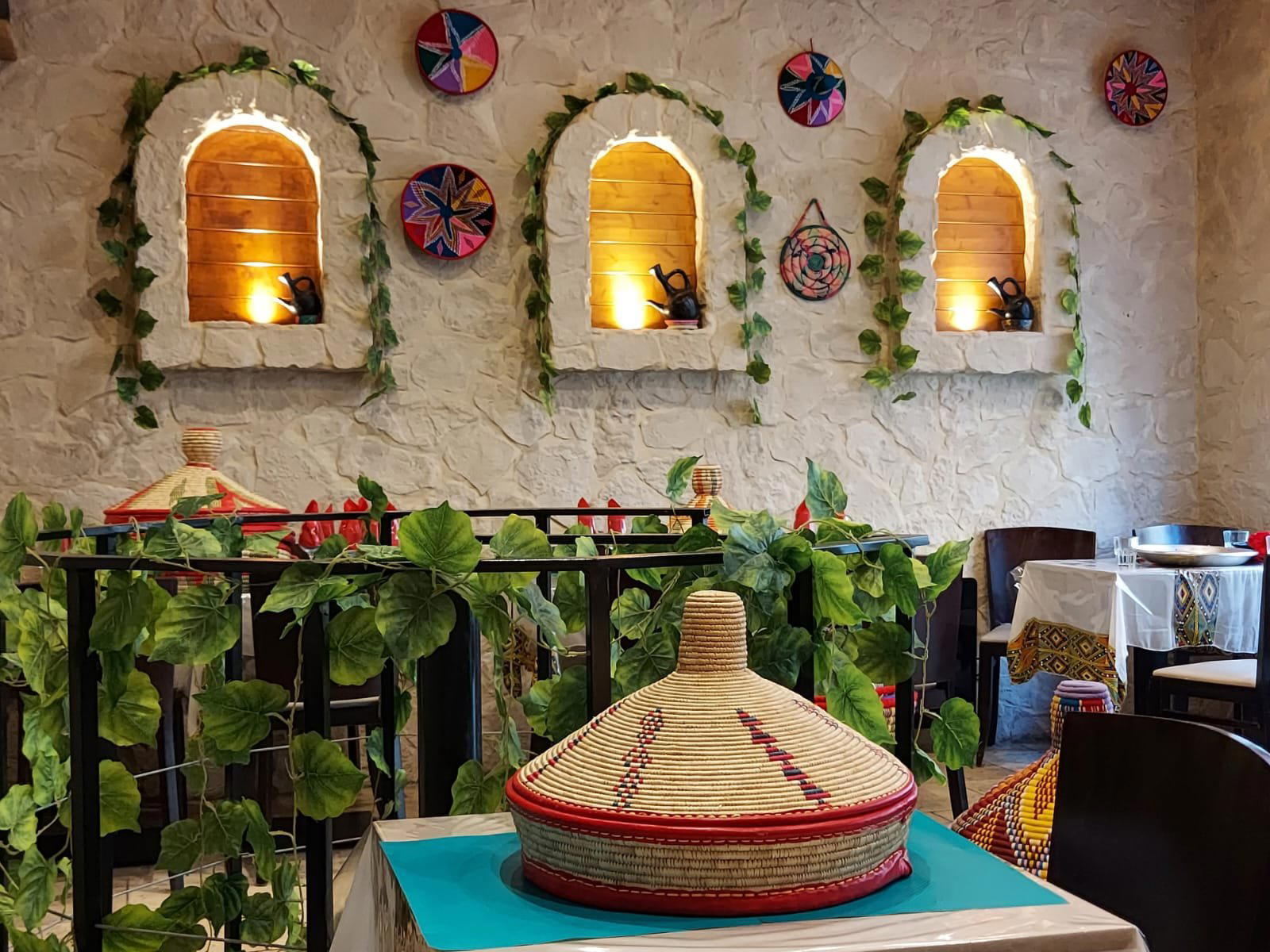
Rue de Fontenelle and the Architecture of Attention
Restaurant ALAJE is an Authentic Ethiopian restaurant at 60 Rue de Fontenelle, 76000 Rouen, France. The address sits within walking distance of the Seine and the medieval core, in a part of the city where the fabric is residential and unremarkable from the street, which means that arriving at ALAJE is an act of intention rather than accident. That distinction matters in how the room reads once you are inside it.
Rouen's fine-dining tier has been reshaping itself over the past decade. The city was long understood through its Norman brasserie tradition, the kind of room where duck in blood sauce and cream-heavy sole define the order of the evening. That tradition persists at addresses like Brasserie Paul, where the bourgeois dining room has been continuous since the early twentieth century. But a younger, more technically-driven cohort has established itself alongside it. L'Odas operates at the creative end of that cohort, with a price point and ambition that place it in direct comparison with mid-tier Paris destinations. ALAJE enters the conversation from a different angle, and the physical space is the first clue to what that angle is.
The Physical Container and What It Implies
In French restaurant design, the relationship between the dining room's scale and the kitchen's ambition is rarely incidental. The rooms that accommodate fifty covers with ease tend to produce food calibrated for volume. The rooms that make forty covers feel generous tend to produce something more considered. Its position on Rue de Fontenelle places it on a street with limited passing trade. A restaurant that survives without foot traffic from the cathedral quarter or the market is sustaining itself on reputation and repeat custom, which implies a room built for the returning diner rather than the tourist.
The broader pattern in French provincial dining is that interiors which prioritise acoustic comfort over visual drama tend to hold their clientele across multiple visits. The noisy, surface-heavy rooms of the 2010s renovation cycle have lost ground to quieter, more material-honest spaces, and Rouen's serious dining addresses have tracked that shift. At Au Flaméron, the approach to space is similarly understated, though the price tier and format differ. What the better rooms in this city share is a resistance to over-decoration, which reflects the Norman instinct for utility over display.
Norman Cooking and the Regional Context
Normandy's pantry is among the more coherent in France. Apples and calvados, cream from the bocage, sole and turbot from the Channel coast, duck from the Rouen breed that still carries the city's name: the raw materials impose a strong identity on any kitchen operating within reach of them. The question for a modern restaurant in this city is not whether to use those ingredients but how far to interpret them. The brasserie tradition reads them straight. The creative addresses around L'Odas push against them with technique imported from Paris or further afield. A third approach, and the one that produces particularly durable restaurants in provincial France, is to absorb the regional logic while applying a quiet technical rigour that doesn't announce itself. That third approach describes ALAJE's competitive position within Rouen's dining tier, even if the specific execution awaits your own visit for confirmation.
For comparative scale, consider what frequently discussed provincial French tables outside the main cities tend to share: clarity of format, tight menus, and a refusal to compete on sheer breadth of offering. Flocons de Sel in Megève and Bras in Laguiole hold their positions in the French canon not through size or spectacle but through consistency and specificity of place. That model of provincial seriousness is the relevant benchmark for understanding what ALAJE is attempting on Rue de Fontenelle.
Where ALAJE Sits in Rouen's Dining Order
Rouen now has several addresses worth treating as a reason for the journey rather than merely a convenience of it. ACQUA & FARINE covers the Italian end of the contemporary spectrum; Chez L'Gros holds the convivial bistro register. ALAJE operates in the space between the gregarious and the ceremonial, which in a city of Rouen's size is a precise position. The city sits roughly seventy-five minutes from Paris by train, close enough for the capital's critical infrastructure to take notice, far enough that it maintains a genuine provincial identity rather than functioning as a satellite of the Parisian scene.
That proximity to Paris matters for context. The French haute cuisine axis runs through addresses like Alléno Paris au Pavillon Ledoyen and Mirazur in Menton, both of which have shaped expectations for what serious French cooking looks and costs. Provincial addresses cannot and should not attempt to replicate that register, but they are increasingly assessed against it by an audience that travels between them. ALAJE's location in Normandy's capital city places it within that assessment framework. The full Rouen restaurants guide maps the city's full range if you are building an itinerary.
Planning Your Visit
Rue de Fontenelle 60 is accessible on foot from Rouen's right-bank hotel concentration via the Pont Corneille, a walk of around fifteen minutes that takes you through the old market square and past the church where Joan of Arc was burned. That particular approach gives the arrival a weight that is hard to manufacture. Rouen's main train station, Rouen-Rive-Droite, is served by regular TER and Intercités services from Paris Saint-Lazare, with journey times from seventy to ninety minutes depending on service type. The station is roughly twenty minutes on foot from the Rue de Fontenelle address.
Booking is recommended, and the restaurant is open Monday 6:30 to 11:30 PM; Tuesday to Sunday 11:30 AM to 2:30 PM and 6:30 to 11:30 PM. Advance reservation is recommended. For broader context on the French provincial dining circuit, comparable addresses include Assiette Champenoise in Reims and Au Crocodile in Strasbourg, both of which operate in cities of roughly comparable scale and regional identity to Rouen.
Just the Basics
Comparable venues nearby, for context on price, style, and recognition.
| Venue | Cuisine | Price | Notes |
|---|---|---|---|
| Restaurant ALAJEThis venue — the venue you are viewing | old town, Authentic Ethiopian | $$ | Not listed |
| L'Espiguette | Not listed | $$ | Place Saint-Amand, Traditional French Bistro |
| Louisette | Centre, Modern French-Asian Fusion | $$$ | Not listed |
| Le Veau d'Or | Not listed | $$ | :null, Traditional French Offal Bistro |
| La Galerie | old town, Contemporary French Seasonal | $$$ | Not listed |
| Ho Lamian | Not listed | $$ | Old Center (Vieux Rouen), Authentic Cantonese Hand-Pulled Noodles |
Continue exploring
More in Rouen
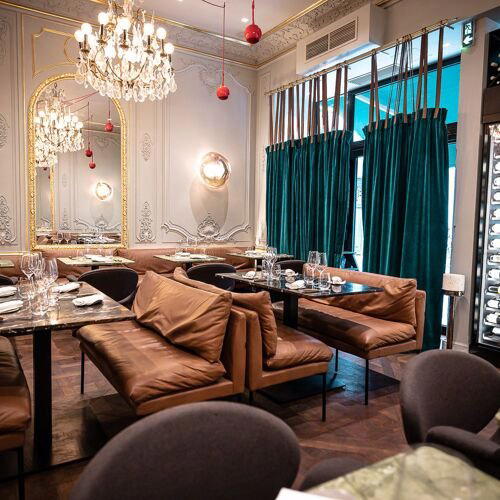
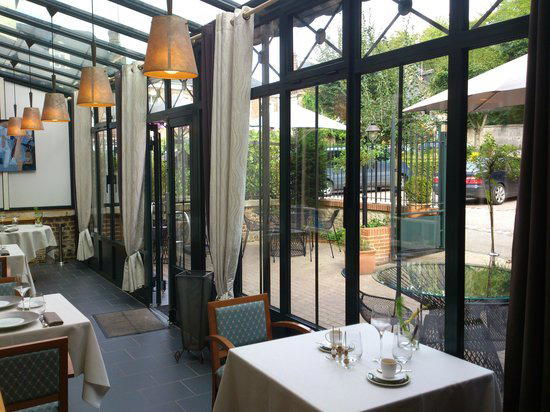
Restaurants in Rouen
Browse all →
Hotels in Rouen
Browse all →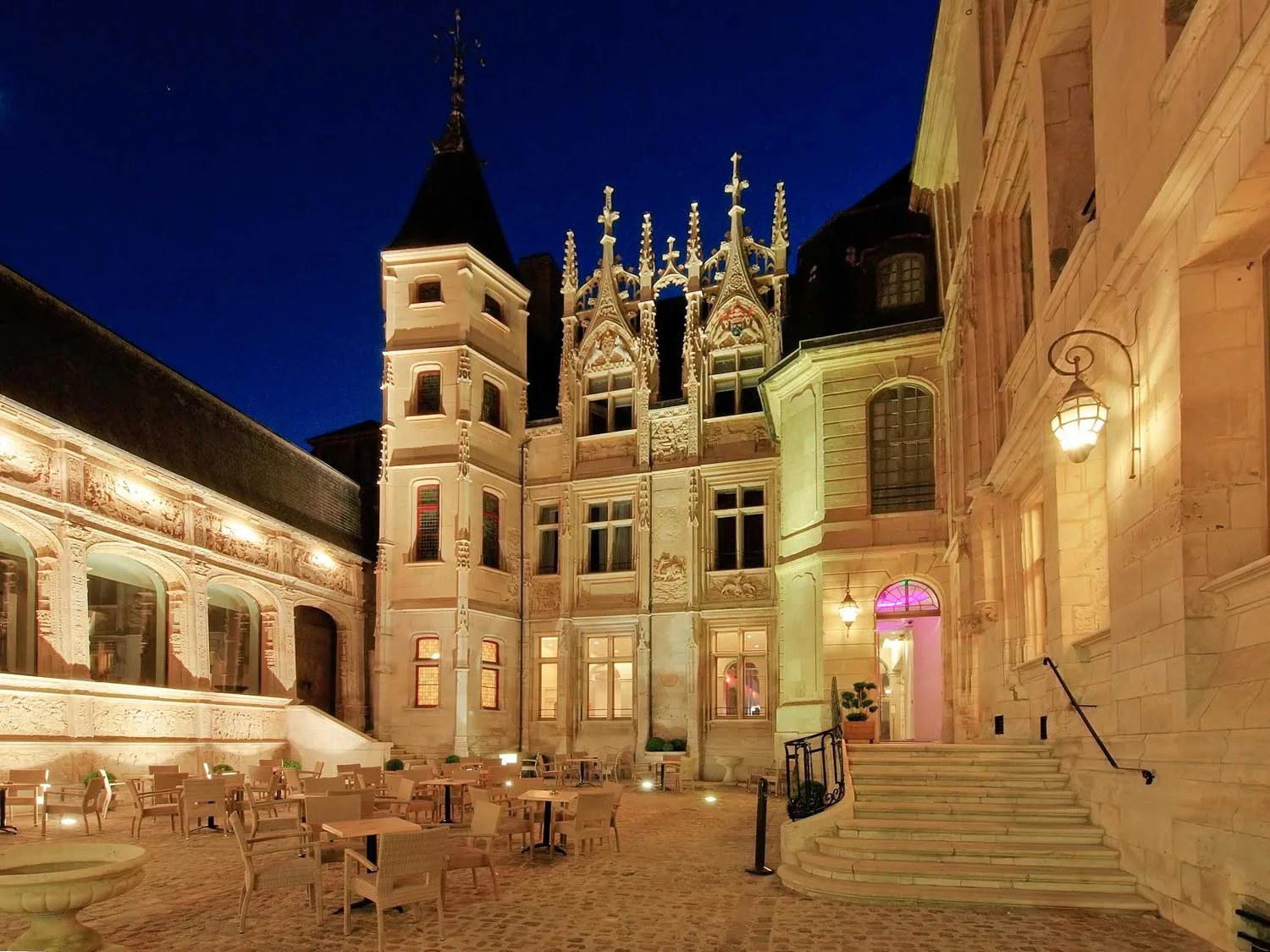
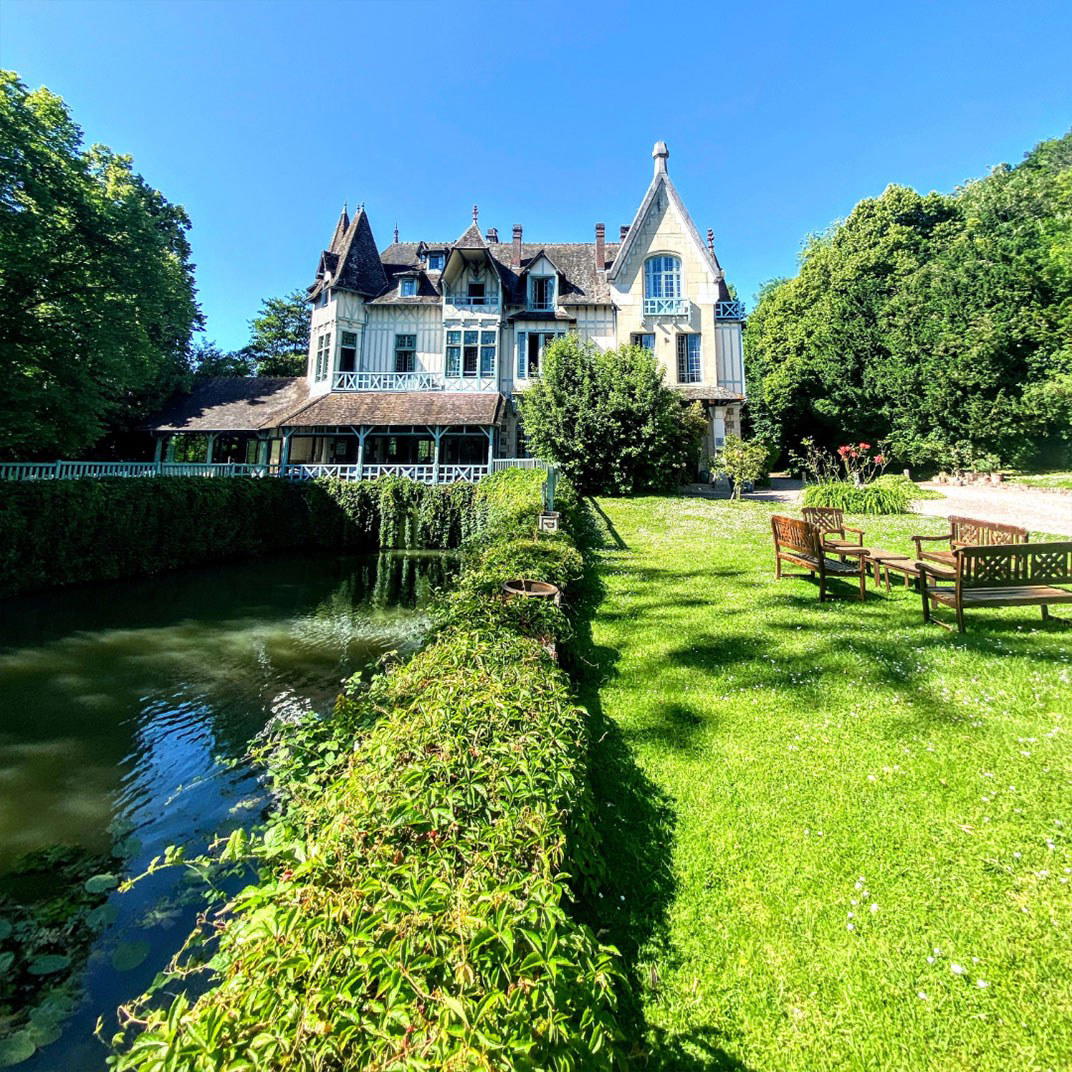
Wineries in Rouen
Browse all →
At a Glance
- Cozy
- Modern
- Casual Hangout
- Group Dining
- Standalone
Current opening hours
- Monday
- 6:30–11:30 PM
- Tuesday
- 11:30 AM–2:30 PM, 6:30–11:30 PM
- Wednesday
- 11:30 AM–2:30 PM, 6:30–11:30 PM
- Thursday
- 11:30 AM–2:30 PM, 6:30–11:30 PM
- Friday
- 11:30 AM–2:30 PM, 6:30–11:30 PM
- Saturday
- 11:30 AM–2:30 PM, 6:30–11:30 PM
- Sunday
- 11:30 AM–2:30 PM, 6:30–11:30 PM
Hours can change for holidays and private events. Last verified .
Cozy atmosphere with serene, modern decor.