Renee’s Kitchenette and Grill

Our verdict
Renee’s Kitchenette and Grill belongs to the older Roosevelt Avenue Filipino dining tradition: practical, communal, and built around food that reads as daily comfort rather than performance. Opened in 1992 by Renee and Ernesto Dizon for Little Manila’s growing community of immigrant nurses, it remains a Jackson Heights reference point for no-nonsense Filipino cooking.

Pearl is the En Primeur Club membership app, where members save venues, book tables and use the concierge.

The menu
What to order
- Kare-kare
- Pork sisig
- Halo-halo
- Lumpiang shanghai
- Grilled BBQ chicken
New York City does not ease diners into its busiest dining rhythms. The transit noise is close, storefronts press together, and the day favors quick choices: where to eat, what to carry home, which table can take a group. Here, Filipino dining is less staged discovery than recognition. Shared plates, hot food, rice as the quiet center of gravity, and the practical pace of an everyday meal define the ritual before anyone turns it into an itinerary.
Renee’s Kitchenette and Grill has a clear place in that tradition. The New York Times lists the restaurant as a Filipino, $$ restaurant in New York City in its dining-guide entry. That recognition matters because it places the restaurant within New York’s living Filipino food culture rather than treating it as a novelty. This is the kind of meal that makes sense for groups, regulars, families, and diners looking for a restaurant that feels rooted in daily use rather than special-occasion theater.
New York City Filipino dining is built around sharing, rice, and the pace of daily life
Filipino restaurant meals in New York often resist the Western habit of one dish per diner. The table works as a spread. One plate belongs beside soup, rice, and something richer or darker from the grill or pot. Pleasure builds cumulatively: soft textures, warm broth, savory depth, rice, and conversation moving around the table.
That pattern separates this meal from New York’s more scripted formats. The city has rooms where the kitchen controls sequence and tempo; older neighborhood dining rooms often put the table in charge. Dishes arrive for division, not admiration. Sauce, broth, and rice set the pace. The meal signals a cuisine that privileges appetite, utility, and memory over presentation.
The restaurant’s price tier matters. A $$ Filipino restaurant in New York City poses a different decision than a special-occasion tasting menu. The value is not novelty, but a kitchen serving food that can hold up under repeat visits and group ordering. Travelers trying to understand New York’s Filipino food culture can miss this when attention stays only on new openings and more formal dining rooms.
The older kitchenette model still explains how Filipino New York eats
The name Renee’s Kitchenette and Grill gives away the format: domestic scale on one side, cooked-to-order sturdiness on the other. Kitchenette suggests proximity to home cooking without pretending the restaurant is a private home. Grill adds the public, commercial edge that makes it a New York City restaurant rather than a family table. Together they describe a style common across immigrant corridors in New York: familiar dishes prepared at restaurant volume, served informally enough for regulars to fold the meal into an ordinary week.
That ordinariness is the point. New York dining coverage often rewards transformation: a kitchen reframes a cuisine, a menu translates memory into tasting portions, a room announces ambition through design. Everyday Filipino kitchens argue differently. Cuisine survives through repetition, convenience, and a clientele that does not need every dish explained. The cooking can be plain-spoken and still deep because the meal’s structure is already understood.
Renee’s place in that structure rests on continuity rather than spectacle. Its inclusion on the 2026 New York Times Best Restaurants in New York City list, where it is ranked No. 68, gives outside recognition to a restaurant whose appeal is grounded in a practical dining format. Filipino New York is linked here to family networks, work schedules, repeat visits, and food shared before or after the rest of the day.
Readers mapping the broader city should treat this as one strand in a wider Filipino and Asian American dining conversation, not a substitute for it. Contemporary dining in New York includes more formal formats, while small-format restaurants stretch across many cuisines and service styles. The distinction is format, not hierarchy: neighborhood meal, tasting counter, bar-led dining, and specialist room answer different questions.
How to read the table: order for contrast, not polish
The smart way into this Filipino meal is to build by function. Start with something savory, add something warming, make room for rice, and let stronger flavors work across the spread. The meal is not improved by chasing one trophy dish. It works when the table has enough contrast for everyone to keep returning to the center.
The room’s informality should not be misread as a lack of seriousness. Many durable immigrant restaurants in New York operate with minimal explanation because their audience knows the codes. A diner unfamiliar with Filipino food should slow down and watch how tables are assembled: rice as infrastructure, dishes shared rather than guarded, plates passed without fine-dining choreography. Etiquette is generous and practical. Order more than one dish, eat communally, and let the meal develop in layers.
For a broader itinerary, Renee’s Kitchenette and Grill pairs naturally with a wider New York food day rather than a single-destination plan. EP Club’s city guides can place the meal against adjacent choices across New York City restaurants, New York City hotels, New York City bars, New York City wineries, and New York City experiences. Readers tracing diaspora cooking beyond New York can also look to other community-rooted dining rooms in general, using Renee’s as one clear example of how an independent restaurant can carry culture through repetition, hospitality, and daily service.
The case for Renee’s Kitchenette and Grill is not glamour. It is continuity. A Filipino restaurant recognized by the New York Times in its 2026 New York City list has weight because it still points back to the essential ritual: shared plates, rice, a table that fills before analysis, and a New York City dining room where Filipino food is carried forward, not introduced.
Frequently asked questions
Where do I go for Renee’s Kitchenette and Grill?
Renee’s Kitchenette and Grill is located in New York City.
How would you describe the cuisine at Renee’s Kitchenette and Grill?
Renee’s Kitchenette and Grill serves Filipino cuisine.
Is Renee’s Kitchenette and Grill award-winning?
Renee’s Kitchenette and Grill is recognized on the 2026 New York Times Best Restaurants in New York City list, where it is ranked No. 68.
What's the price range at Renee’s Kitchenette and Grill?
Pricing at Renee’s Kitchenette and Grill is listed as $$.
How It Compares
Comparable venues nearby, for context on price, style, and recognition.
| Venue | Cuisine | Price | Awards | Notes |
|---|---|---|---|---|
| Renee’s Kitchenette and GrillThis venue (the venue you are viewing) | Filipino Home-Style Cuisine | $10–20 | Not listed | Not listed |
| Uncle Ray’s Chicken Rice | Singaporean Hainanese Chicken Rice | $20–30 | Grub Street Best Food of 2026 (So Far) | Hell's Kitchen |
| Deluxe Green Bo | Shanghainese Dumplings | $10–20 | Not listed | Chinatown-Two Bridges |
| Paquitos | Authentic Mexican Taqueria | $10–20 | Not listed | East Village |
| Otto's Tacos | Southern California-Style Tacos | Not listed | Not listed | East Village |
| Nathan's Famous | Classic American Hot Dogs | $10–20 | Not listed | Coney Island-Sea Gate |
Recognition history
Dated appearances from independent guides and award organizations, with the underlying list record or original source where available.
New York Times Best Restaurants in New York City #68
New York Times
Continue exploring
More in New York City
Restaurants in New York City
All restaurants in New York City →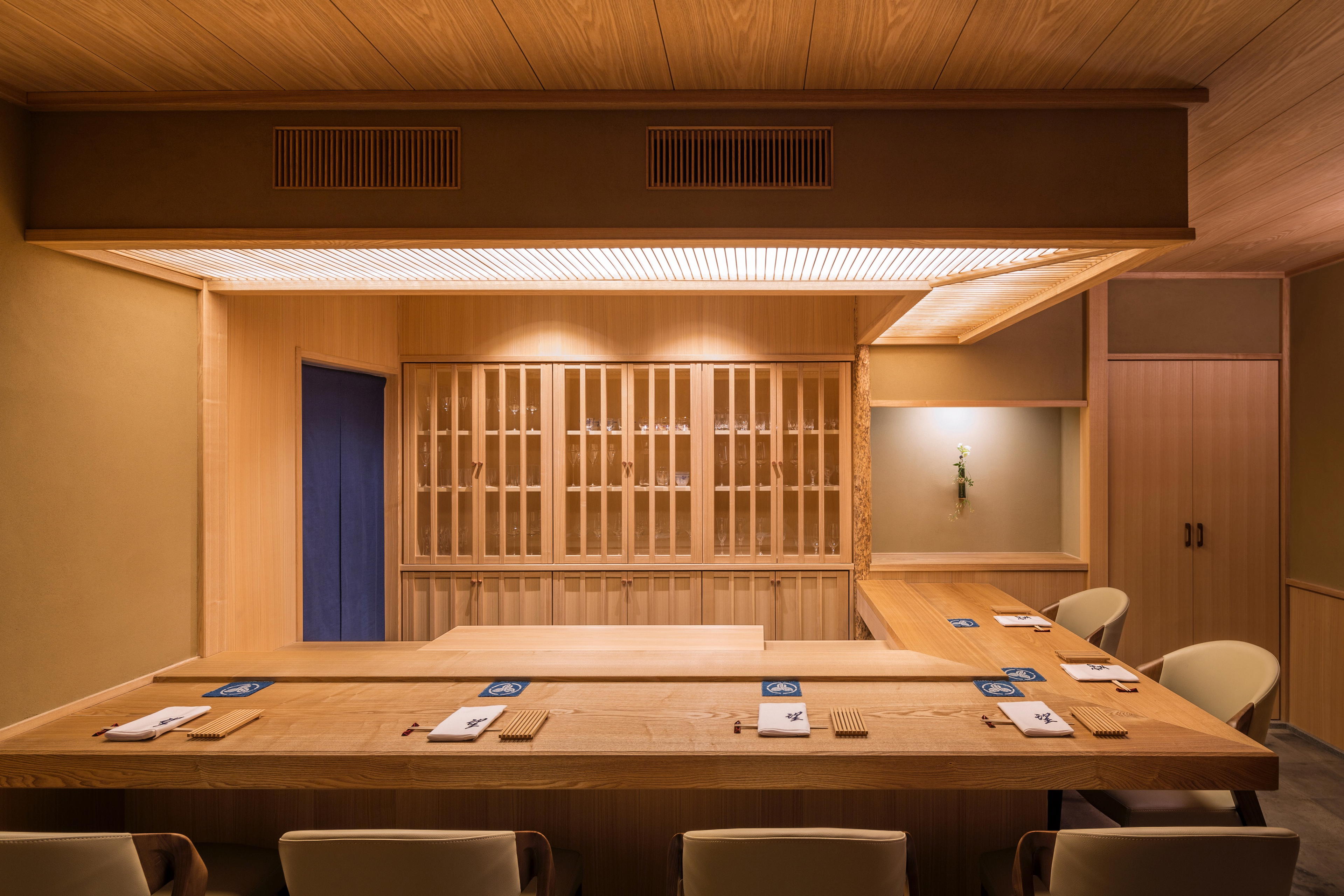
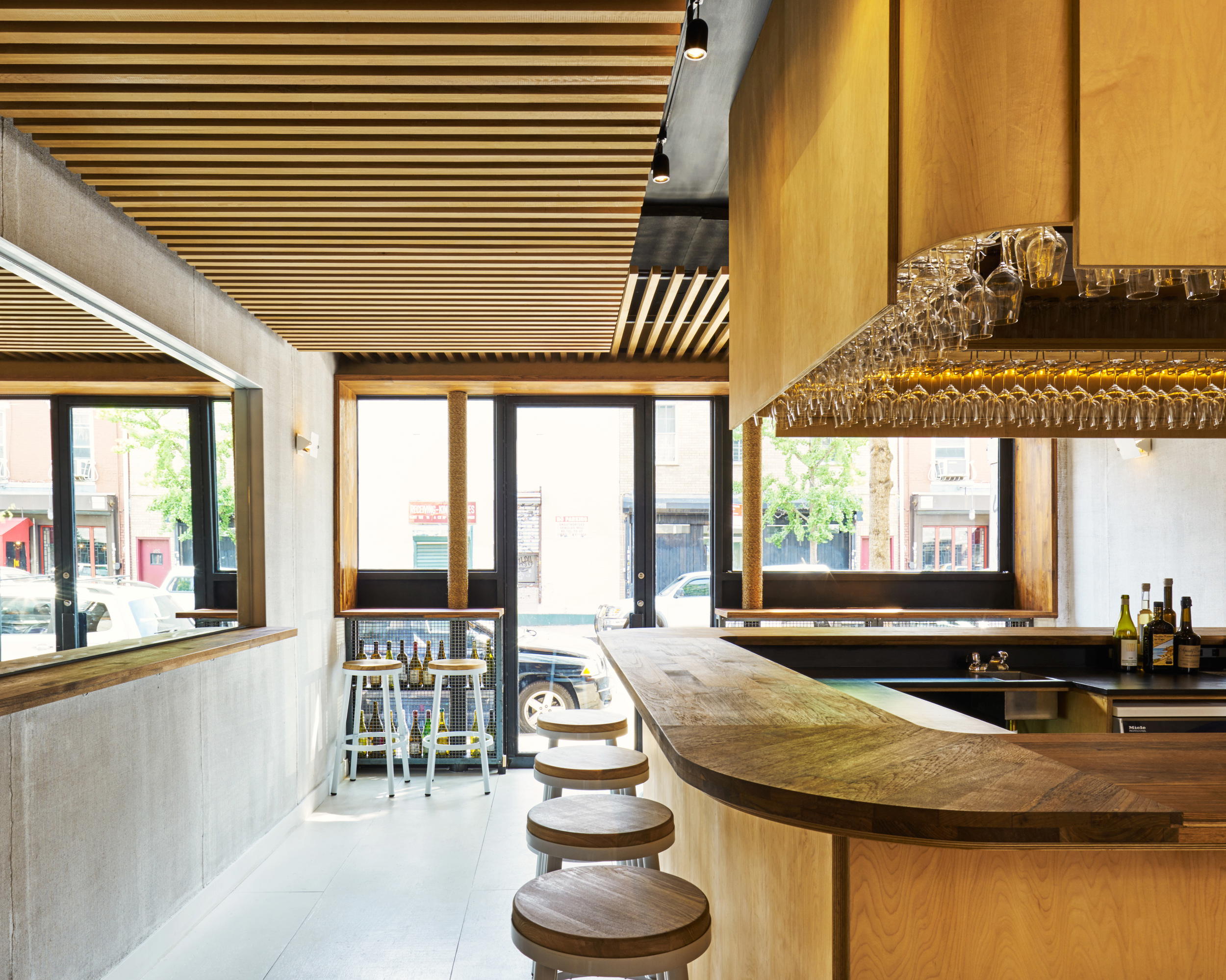
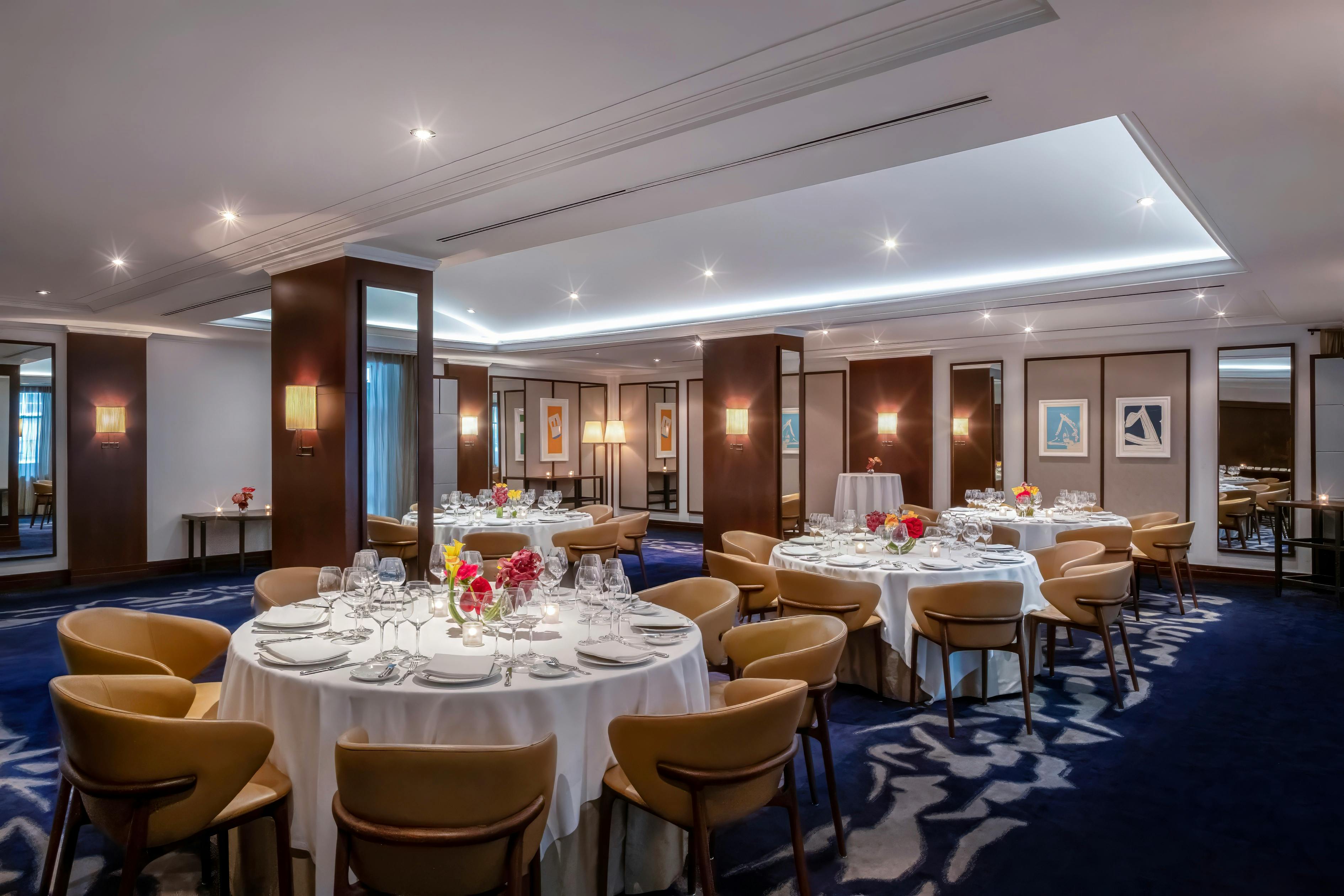
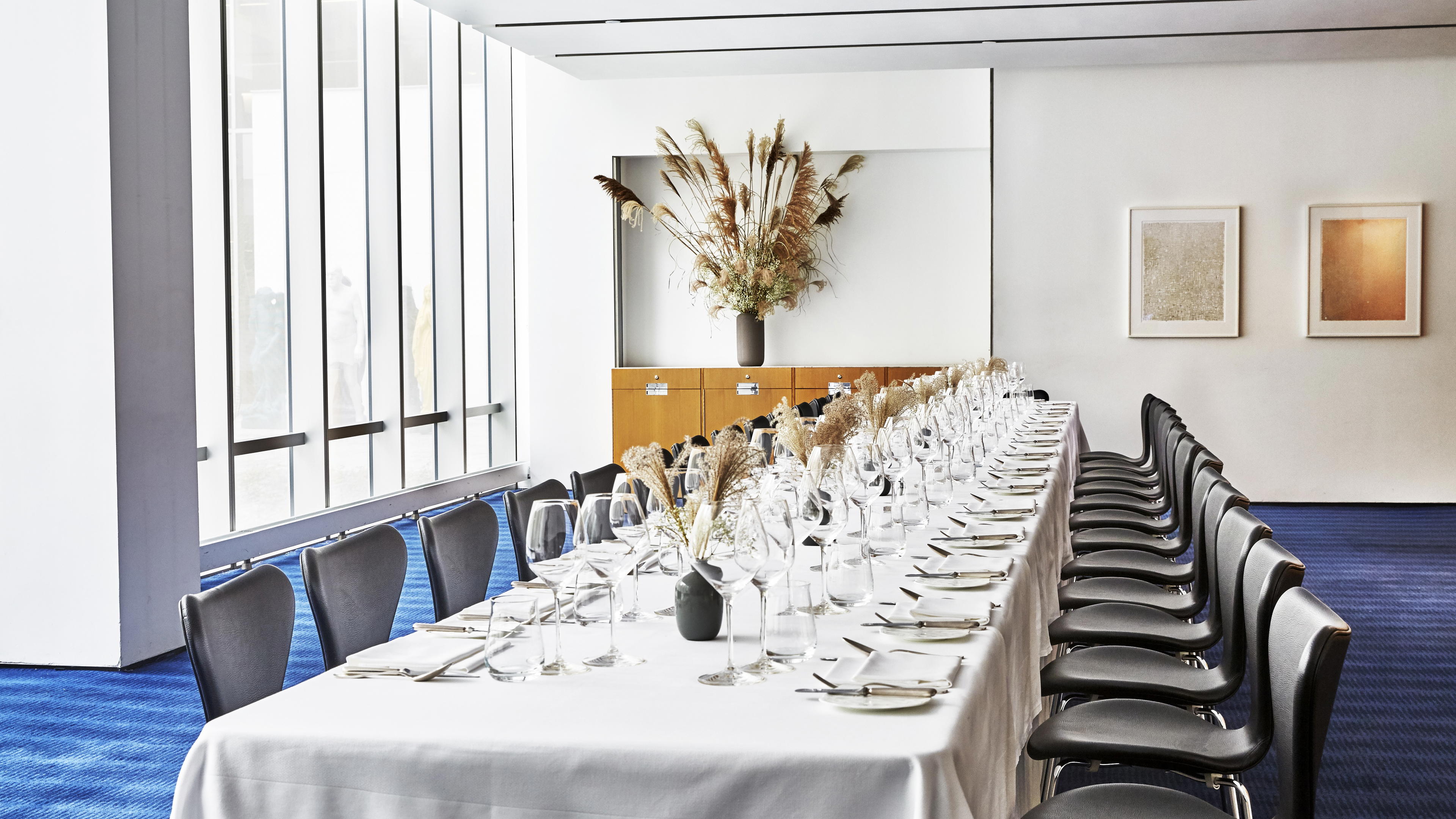
Bars in New York City
All bars in New York City →








Details
- Cozy
- Classic
- Rustic
- Family
- Casual Hangout
- Group Dining
- Brunch
- Standalone
- Street Scene
- A La Carte
- Family Style
- Pescatarian Friendly
Current opening hours
- Monday
- 10 AM–7 PM
- Tuesday
- Closed
- Wednesday
- 10 AM–7 PM
- Thursday
- 10 AM–7 PM
- Friday
- 10 AM–7 PM
- Saturday
- 9 AM–7 PM
- Sunday
- 9 AM–7 PM
Hours can change for holidays and private events. Hours as of .
Casual, mom-and-pop, and bustling, with a home-style, no-pretension feel that diners describe as warm and family-oriented.