
Tabelog 100 #39
Our verdict
Ginza’s Chinese dining scene spans business-room formality, tea-salon restraint and luxury shopping-district polish. Reikasai Ginza The Chinese Imperial Court dishes belongs to the refined end of that spectrum, with Chinese and dim sum cooking, fish-focused and wellness-minded menu signals, sommelier service and selection for Tabelog Chinese TOKYO “Tabelog 100” in 2026, 2024 and 2023.

Pearl is the En Primeur Club membership app, where members save venues, book tables and use the concierge.
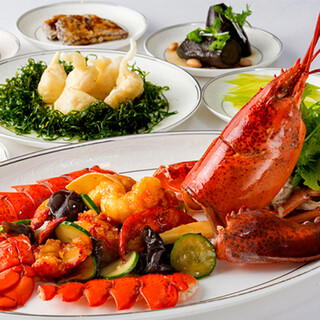
The menu
What to order
- 翡翠豆腐 (Jade Tofu)
- フカヒレ (Shark Fin)
- 北京ダック (Peking Duck)
- 上海蟹コース (Seasonal Shanghai Crab Course)
- チャイニーズアフタヌーンティー (Chinese Afternoon Tea)
Arriving for a composed meal changes the register before the first course: the city context recedes, the room sets the pace, and Chinese dining moves from quick appetite into a more measured rhythm of service, pacing and occasion. In Tokyo, that distinction matters. Chinese cooking here is not one category but many formats, from dumpling counters and Sichuan heat to rooms for business, family meals and polished multi-course dining. Reikasai Ginza The Chinese Imperial Court dishes sits in the latter camp, where the test is control: sourcing cues, pacing, room discipline and whether the meal carries both ceremony and restraint.
Tokyo Chinese dining, filtered through ceremony and restraint
Tokyo absorbs foreign cuisines into its own codes. French rooms become quieter, sushi counters more exacting, and Chinese restaurants often lean into diplomacy and composure rather than volume. The category competes not only with other Chinese restaurants, but with Tokyo sushi, steak, wagyu and tea-led salons serving the same high-intent diner. Useful reference points show the range: HIGASHIYA GINZA through tea and confectionery ritual, Dons de la Nature through steakhouse seriousness, Ginza Sushi Ichidai Yugo through sushi precision, GURGAON through a more casual curry price tier, and Ushigoro through yakiniku. Against that mix, Chinese dining earns its place when banquet grammar feels measured rather than heavy.
The useful signal at Reikasai is its position within Chinese dining while also allowing room for dim sum and yum cha. In a Tokyo Chinese context, that marks a clear frame: not only abundance for its own sake, but balance, pacing and the kind of portion control expected by diners who might otherwise choose sushi or other polished Japanese dining. Dim sum and yum cha widen the frame, adding small-format precision to a restaurant otherwise suited to courses and formal occasions. The result is Chinese cuisine adapted to Tokyo’s appetite for clarity, sequence and restraint.
Selection for Tabelog Hyakumeiten recognition in 2026 places the restaurant in a peer group judged by local diners rather than international trophy logic. Its 3.71 Tabelog score is not global-award shorthand, but in Tokyo it is a practical signal: enough consensus to matter, especially where regulars, business diners and multi-generational families shape reputation more than destination tourists.
Why the room matters as much as the cooking
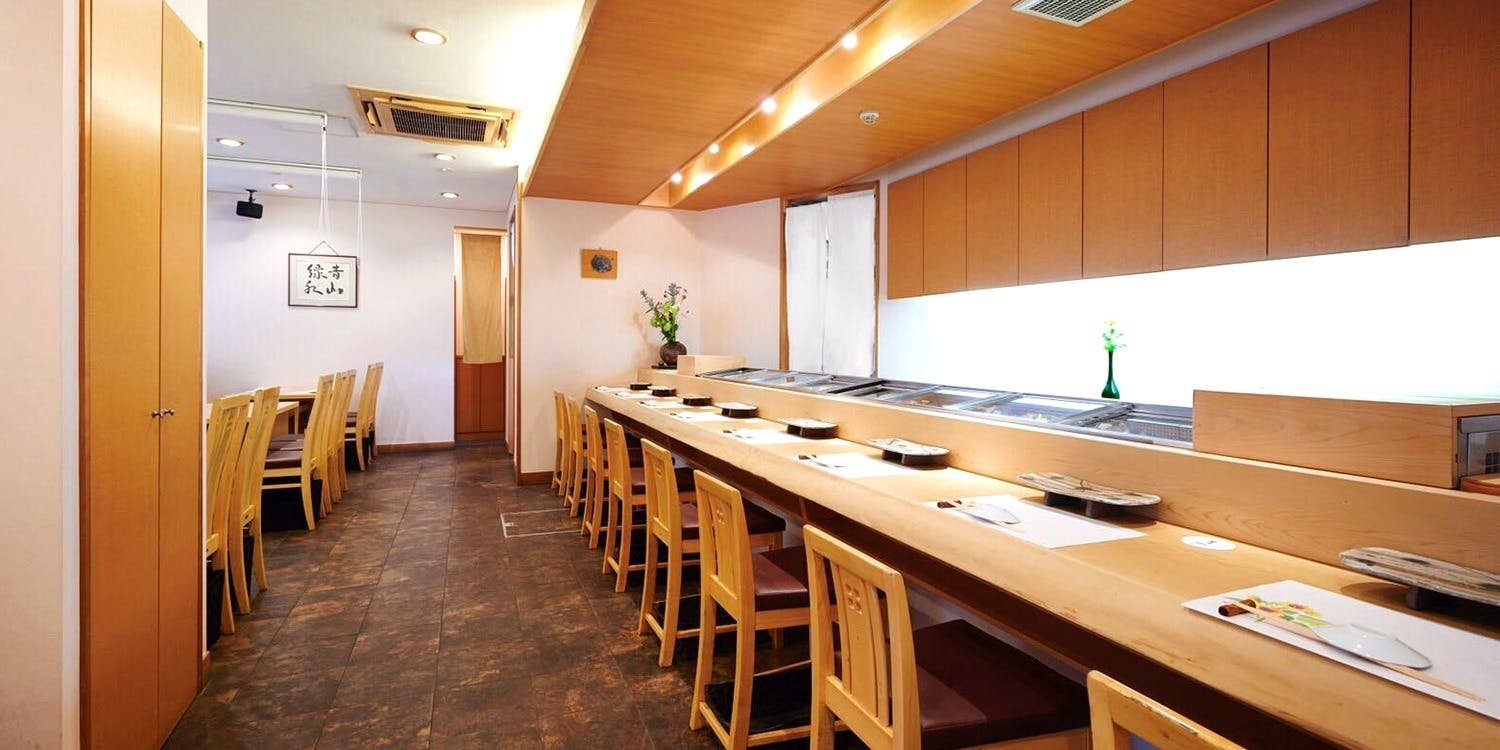
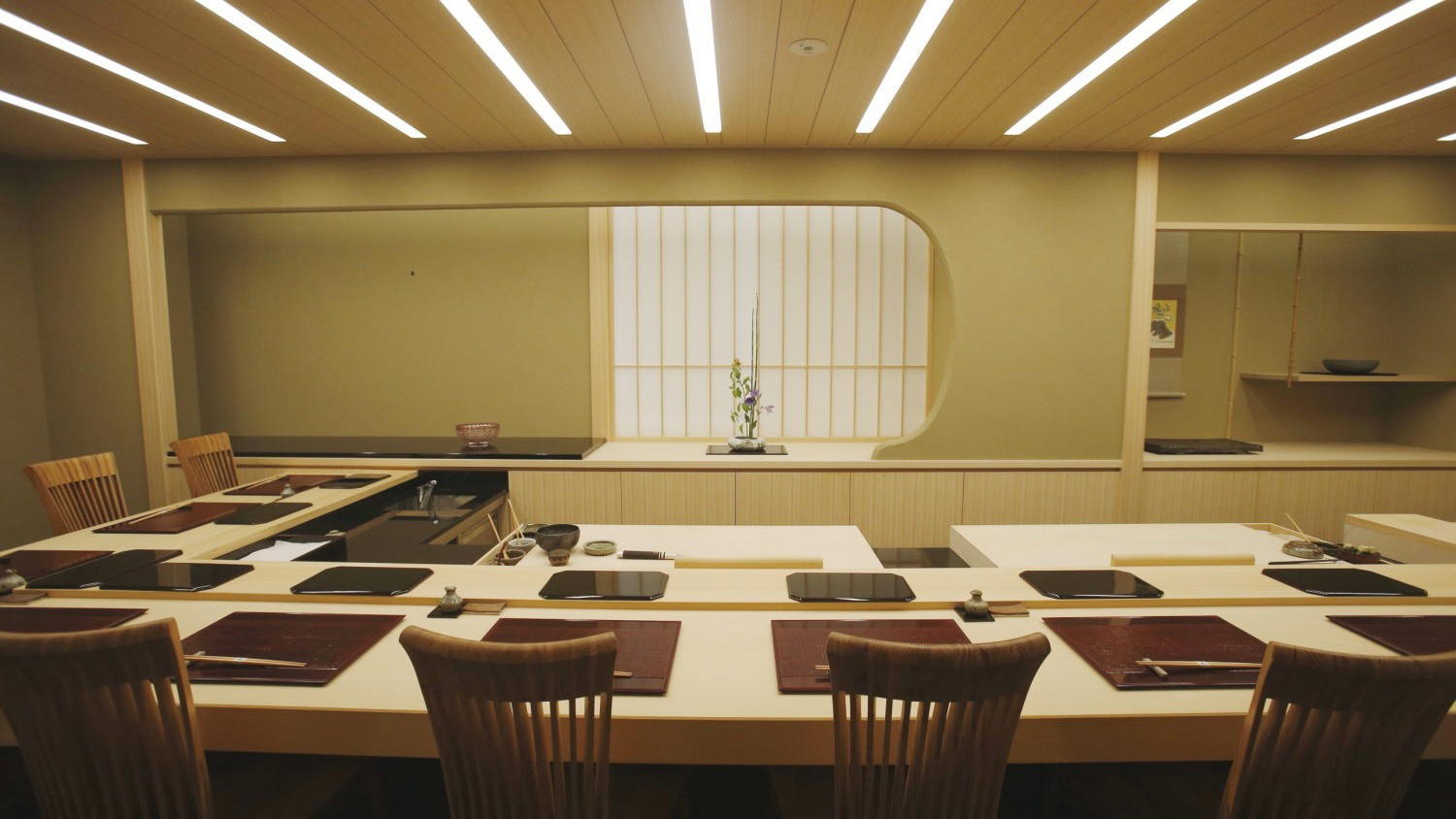
Chinese dining in Tokyo often succeeds or fails on the room. A counter can forgive tight choreography; a larger-format restaurant cannot. Here, the physical experience is part of the proposition: the meal needs a setting that can carry conversation, courses and service rhythm without making the evening feel rushed. For groups, that sense of separation and pace is not a luxury flourish; it is what lets course-based Chinese cooking work for negotiations, celebrations and cross-generational meals.
Drinks are another Tokyo-specific layer. Chinese restaurants in Japan often negotiate between traditional Chinese drinking customs, wine expectations and local habits at the table. That flexibility matters because diners may want seafood, lighter sauces and aromatic restraint to sit comfortably beside a range of pairings. The point is less about showmanship than about making the food feel fluent in a Tokyo dining sequence, where service and pairing expectations are already well established.
The best version of this format sits between adult occasion restaurant and family-compatible dining room. It is not casual family dining, and it is not a tiny counter built around maximum intimacy. Instead, the appeal is in a composed setting that can handle different kinds of meals without losing its sense of occasion. That makes the restaurant more usable than many small specialty rooms while still keeping the experience polished.
How to place it within a Tokyo itinerary
For a visitor building a Tokyo dining sequence, this is not the slot for maximum theatre. It is the slot for a composed Chinese meal in Tokyo when sushi counters, yakiniku rooms and other tasting-menu formats have already filled the calendar. The city rewards contrast: a precise sushi lunch one day, a more formal Chinese dinner the next, a tea-led afternoon between. That is where Reikasai Ginza The Chinese Imperial Court dishes makes its strongest case, as part of Tokyo’s habit of turning dining into calibrated occasion rather than spectacle.
Travelers comparing across the city should treat it as a polished Tokyo Chinese option, not a catch-all Tokyo restaurant. For a broader map, start with Our full Tokyo restaurants guide, then use district and genre to sharpen the choice. Casual or offbeat daytime plans, meat-focused evenings and counter-led meals all answer different needs, while Reikasai Ginza The Chinese Imperial Court dishes is better understood as the composed Chinese-dining slot in the itinerary. City planning does not stop at restaurants: broader hotel, bar, wine and experience planning can help set the rest of the day around the meal.
Beyond Tokyo, the same format question follows Japanese dining: what kind of room does the food need? Some meals call for group-friendly comfort, others for a café register, a regional detour, a casual specialist frame or the precision of a small room. Even outside Japan, Japanese drinking and casual food cultures travel differently depending on setting. Tokyo’s version here is more formal, more controlled and more dependent on the room doing its work.
Frequently asked questions
Would Reikasai Ginza The Chinese Imperial Court dishes be comfortable with kids?
Reikasai Ginza The Chinese Imperial Court dishes is best approached as a polished Tokyo restaurant rather than a casual family stop. If visiting with children, confirm suitability directly with the restaurant when booking.
Is Reikasai Ginza The Chinese Imperial Court dishes formal or casual?
The room reads polished rather than casual. It suits a composed Chinese meal in Tokyo, especially when the occasion calls for more ceremony and pacing than a quick everyday restaurant.
What does dinner at Reikasai Ginza The Chinese Imperial Court dishes typically cost?
Dinner at Reikasai Ginza The Chinese Imperial Court dishes is listed at JPY 8,000 - JPY 9,999, while lunch is listed at JPY 6,000 - JPY 7,999.
What part of town is Reikasai Ginza The Chinese Imperial Court dishes in?
Reikasai Ginza The Chinese Imperial Court dishes is located in Tokyo.
How far ahead should I plan for Reikasai Ginza The Chinese Imperial Court dishes?
Plan ahead for Reikasai Ginza The Chinese Imperial Court dishes, especially for dinner. Its Tabelog Hyakumeiten recognition in 2026 makes it a sensible restaurant to secure early when building a Tokyo dining itinerary.
Just the Basics
Comparable venues to calibrate price, style, and recognition.
| Venue | Cuisine | Price | Awards | Notes |
|---|---|---|---|---|
| Reikasai Ginza The Chinese Imperial Court dishesThis venue (the venue you are viewing) | Imperial Chinese court cuisine in Ginza | $50–100 | Tabelog 100 #39 | Not listed |
| HIGASHIYA GINZA | Modern Japanese Tea Salon & Wagashi | $50–100 | Not listed | Not listed |
| Dons de la Nature | Steak | Not listed | Not listed | Not listed |
| Ginza Sushi Ichidai Yugo | Traditional Edomae Sushi Omakase | $100–150 | Michelin Plate | Sushi |
| GURGAON | Traditional North Indian Curry House | $20–30 | Tabelog 100 #3 | JPY 2,000 - JPY 2,999 JPY 1,000 - JPY 1,999 |
| Ushigoro | Premium Yakiniku | $200–300 | Tabelog Bronze #502 | Yakiniku |
Recognition history
Dated appearances from independent guides and award organizations, with the underlying list record or original source where available.
Tabelog 100 #39 · No. 39
Tabelog · Tabelog 100 - Chinese cuisine - TOKYO - 2026
Continue exploring
More in Tokyo
Restaurants in Tokyo
All restaurants in Tokyo →

Bars in Tokyo
All bars in Tokyo →


Details
- Elegant
- Sophisticated
- Romantic
- Quiet
- Date Night
- Business Dinner
- Group Dining
- Private Event
- Private Dining
- Design Destination
- Standalone
- Organic
- Tasting Menu
- Set Menu
- A La Carte
- Vegetarian Friendly
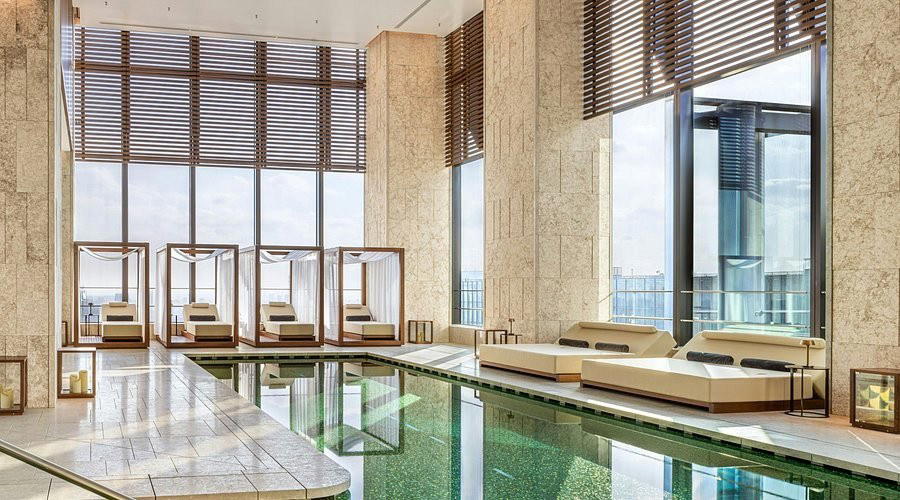
A refined, court-style dining room with softly filtered light, jade-colored sofas, and fully private rooms, creating a serene and luxurious setting suited to leisurely course meals and afternoon tea.