Red Bicycle sits in Oia, the clifftop village above Santorini's northern caldera edge, where the dining scene has shifted steadily toward locally grounded cooking over imported formulas. With most of Oia's serious restaurants concentrating on Aegean produce and island-specific ingredients, Red Bicycle occupies a neighbourhood defined as much by what it grows and fishes as by its famously photographed sunsets.
Pearl is the En Primeur Club membership app — saves, bookings, and concierge access live there. Same editors, same standards.
- Address
- Oia 847 02, Greece
- Phone
- +30 2286 071918
- Website
- instagram.com
- Directions
- Get directions
 Saves & bookings on Pearl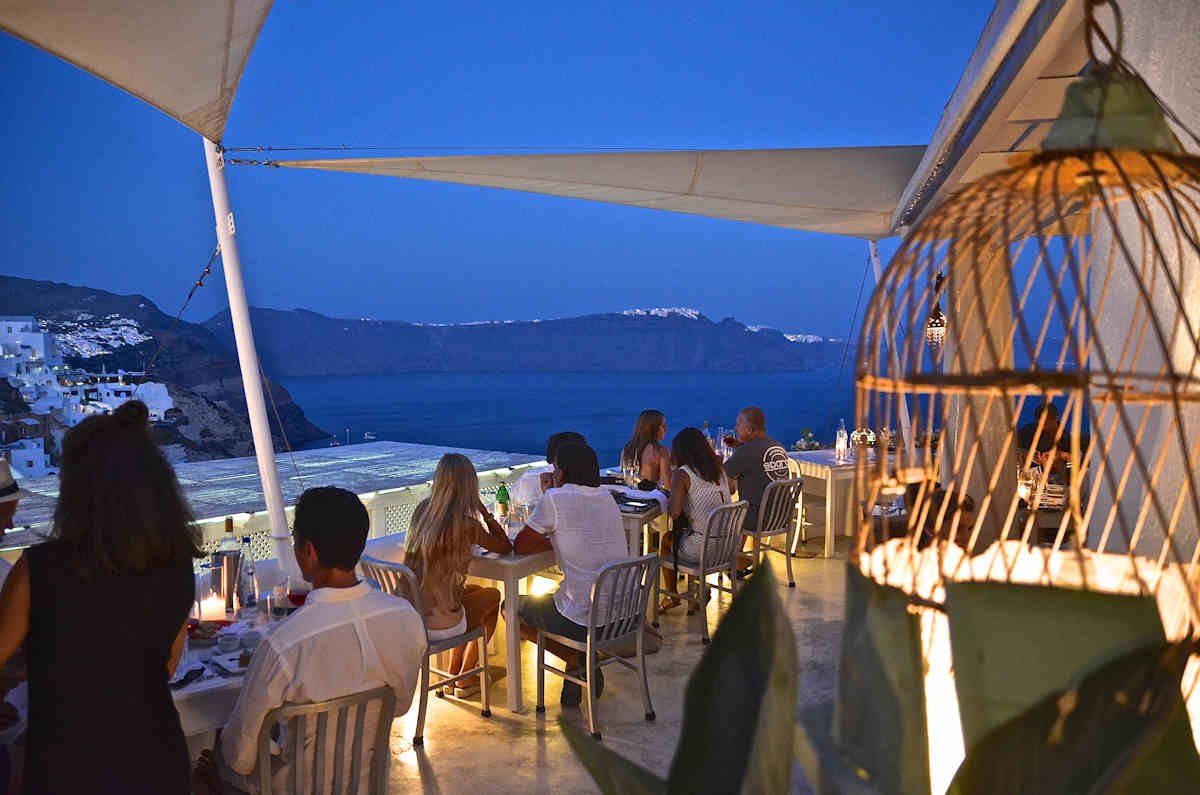
Where Oia's Ingredient Story Begins
Oia sits at the northern tip of Santorini's crescent, and the village's relationship with food is inseparable from the volcanic soil beneath it. The Assyrtiko grape, the fava bean, the small sweet tomatoes that concentrate their sugars in near-waterless ground, these are not decorative local color. They are the agricultural argument for why eating in Oia is categorically different from eating at a Greek-island resort that sources from the mainland. The restaurants that understand this place the island's produce at the center of their offer rather than using it as garnish. Red Bicycle is a restaurant in Oia, Santorini, with a smart casual dress code and reservations essential.
Oia's dining tier sits above the broader Santorini market in terms of expectation and, in most cases, price. The village has fewer tables than Fira or Imerovigli, which concentrates demand and raises the baseline of ambition. Visitors who arrive here having eaten elsewhere in the Cyclades often notice the shift: the ingredient sourcing tends to be tighter, the menus shorter, and the relationship to local producers more visible. For comparison, Selene in Santorini has spent years defining what a commitment to island-origin ingredients actually looks like on a plate, and the ripple effect on surrounding restaurants is observable.
The Physical Approach
Arriving at Red Bicycle means passing through the narrow pedestrian lanes that define Oia's upper village, where whitewashed walls press close and the light shifts depending on the hour. The caldera view opens at certain angles, then disappears again behind a building. This compressed, layered geography is not incidental to the dining experience in Oia: it shapes pacing, arrival rituals, and the expectation diners carry to the table. Restaurants here do not benefit from expansive frontages or parking-adjacent positioning. They earn their clientele through word of mouth and repeat visits, which tends to favor places with cooking worth returning to.
The concentration of serious kitchens in this part of the village means that a short walk separates Red Bicycle from other recognized addresses. Black Rock Restaurant, Botrini's Santorini, Fanari Restaurant, Lure Restaurant, and NAOS Restaurant all operate within the same compact radius. That proximity creates a genuine competitive environment, which tends to raise quality across the cluster rather than dilute it.
Ingredient Sourcing in the Santorini Context
The case for Santorini as a distinct agricultural zone rests on its terroir in the literal sense. The island's pumice-heavy volcanic soil, combined with near-zero rainfall during the growing season, forces plants to develop root systems that draw from deep moisture reserves. The result, in produce terms, is flavor concentration that is measurably different from mainland equivalents. Cherry tomatoes grown here test at higher brix levels than their continental counterparts. The fava, which is actually a type of yellow split pea, grows almost nowhere else in Greece at the same quality. Capers thrive on the island's rocky terraces in a way they do not in more temperate soil.
For a kitchen in Oia operating within this supply environment, the sourcing question is less about finding notable ingredients than about maintaining relationships with the producers who grow them at small scale. Santorini's agricultural output is not large. The island does not function as a bulk supplier to the Greek food system; it produces artisanal quantities, often sold directly to hotels and restaurants before reaching any retail market. This is the framework within which serious Oia kitchens operate, and it rewards those with established local connections over those dependent on regional distributors.
Restaurants across the Greek islands that have prioritized this kind of sourcing discipline share a reference set. Aktaion in Firostefani and Almiriki in Mykonos represent comparable positions in their respective settings, where the island's own supply chain becomes the organizing logic for the menu. At the more ambitious end of the Greek dining market, Delta in Athens has used producer relationships as a cornerstone of its critical recognition. The pattern is consistent: sourcing specificity is what separates the restaurants worth tracking from those worth ignoring.
Oia's Broader Restaurant Pattern
Oia's peak season runs from late April through October, with August representing the highest-demand weeks. During that window, tables at established addresses fill days or weeks in advance, particularly for sunset-facing positions. The village has a well-documented over-tourism problem during peak periods, which affects arrival logistics more than the dining experience itself but is worth factoring into planning. Arriving outside the August peak, in May, June, or September, typically offers better access with the full kitchen in operation.
The Greek island restaurant scene has diversified considerably over the past decade, with properties elsewhere in the Aegean raising standards in ways that make regional comparison more meaningful. Olais in Kefalonia, Etrusco in Kato Korakiana, and Old Mill in Elounda all operate within a Greek island fine-dining conversation that now extends well beyond Santorini. Internationally, the emphasis on local ingredient provenance that defines Santorini's leading kitchens connects to a wider movement: Le Bernardin in New York City and Lazy Bear in San Francisco each built their reputations on sourcing specificity as much as technique. The principle scales from a clifftop village in the South Aegean to a Manhattan dining room.
Resort-integrated dining in the Greek islands has also grown more sophisticated, with properties like Myconian Ambassador Thalasso Spa in Platis Gialos and Myconian Utopia Resort in Elia investing in kitchens that rival standalone restaurants. Avaton Luxury Beach Resort in Halkidiki represents a similar trend on the mainland. The standalone village restaurant in Oia operates in a different register, relying on kitchen quality rather than amenity packaging to justify its position.
Planning a Visit
The restaurant is located in Oia proper, within the village's main pedestrian zone. In Reservations are essential. Given Oia's geography, the practical approach is to plan dinner around a specific arrival window, as lane access narrows and crowds increase in the hour before sunset at the western end of the village.
Quick Comparison
Comparable venues nearby, for context on price, style, and recognition.
| Venue | Cuisine | Price | Notes |
|---|---|---|---|
| Red BicycleThis venue — the venue you are viewing | Modern Greek Mediterranean | $$$ | Not listed |
| Black Rock Restaurant | Post-Modern Greek Fine Dining | $$$$ | Oia |
| Fanari Restaurant - Oia | Modern Greek Fine Dining | $$$$ | Oia |
| NAOS Restaurant | Modern Greek Mediterranean Fine Dining | $$$$ | Oia |
| Botrini's Santorini | Modern Mediterranean Fine Dining | $$$$ | Oia |
| Lure Restaurant | Modern Mediterranean with Greek & French Influences | $$$$ | Oia |
Continue exploring
More in Oia
Restaurants in Oia
Browse all →
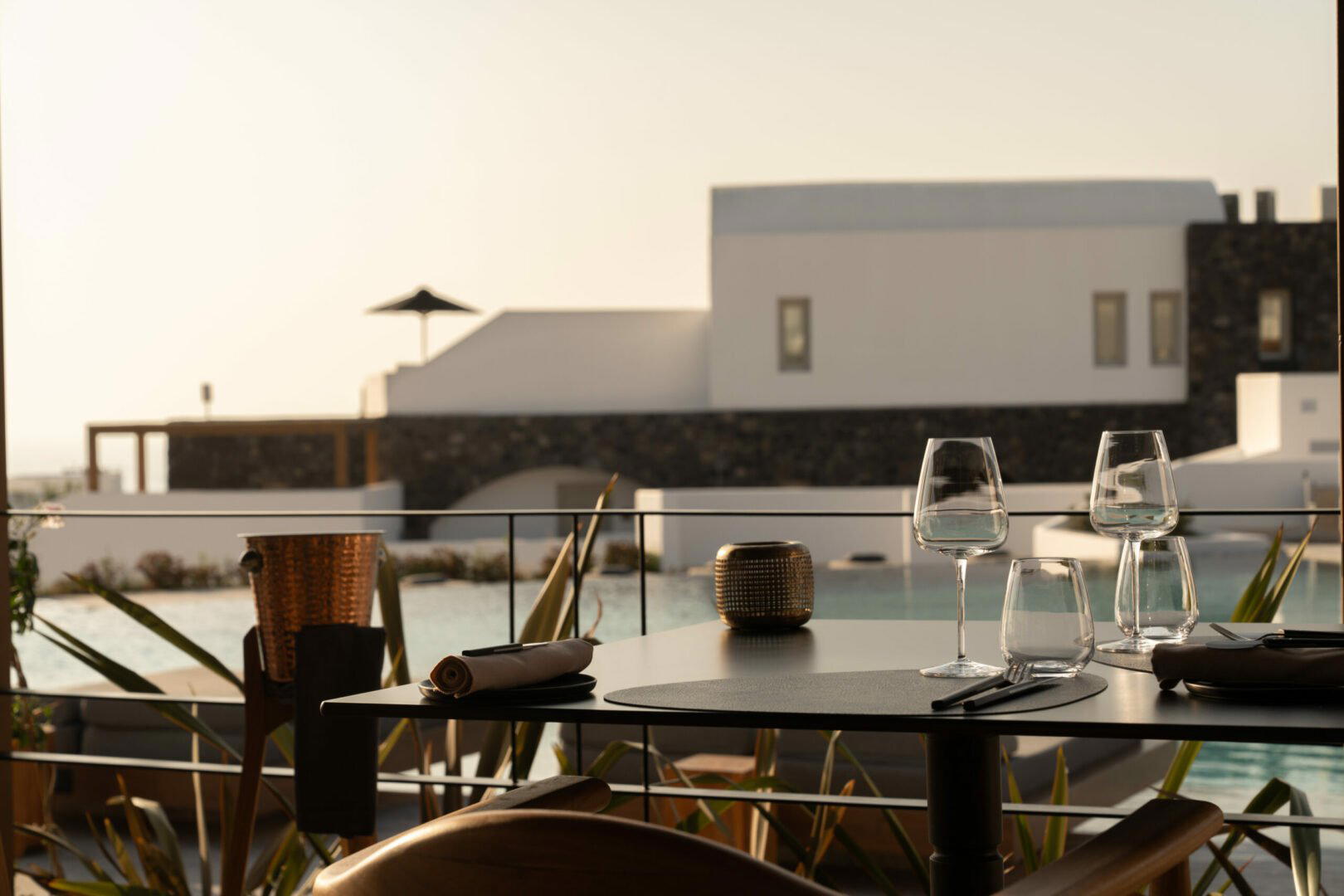
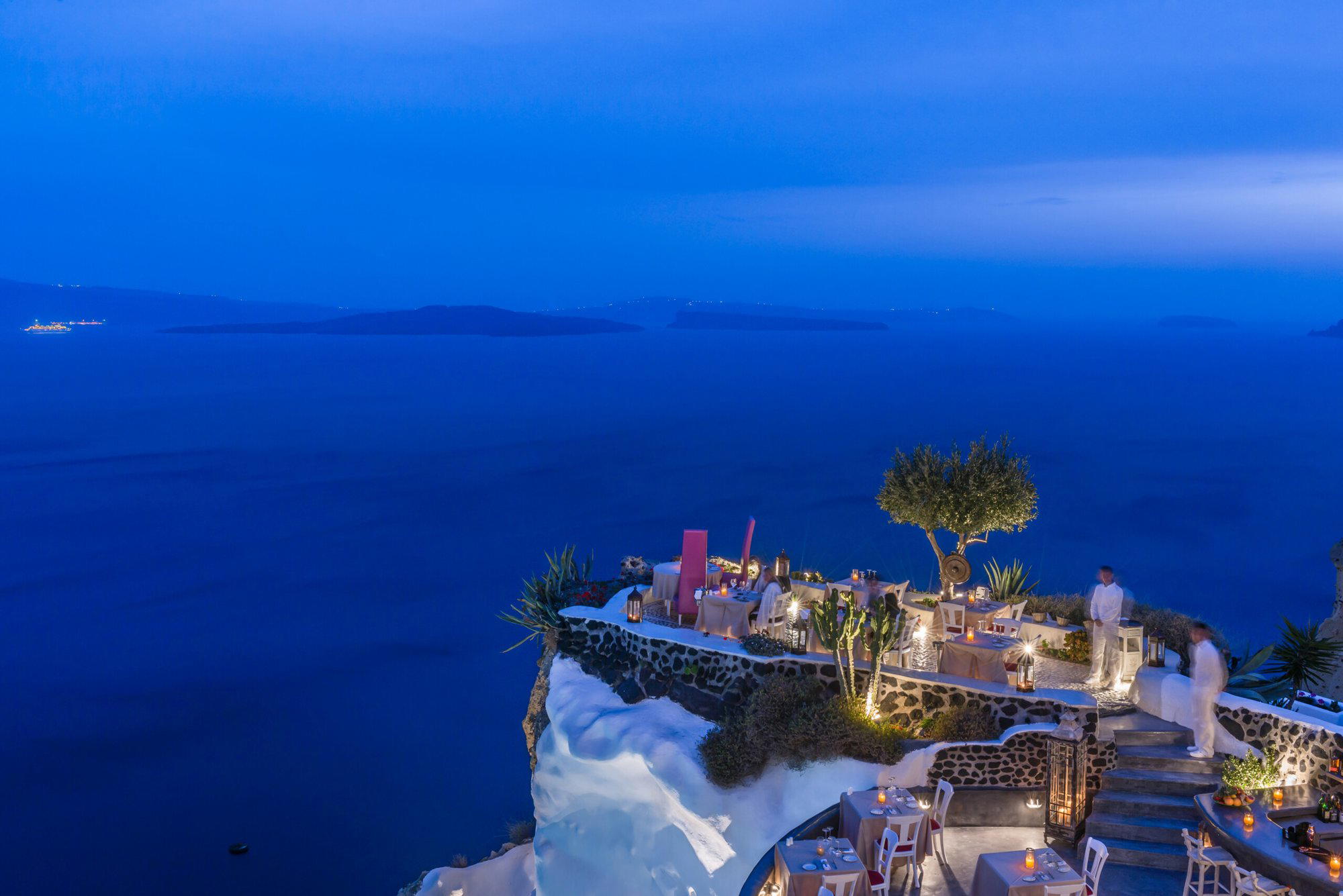
Bars in Oia
Browse all →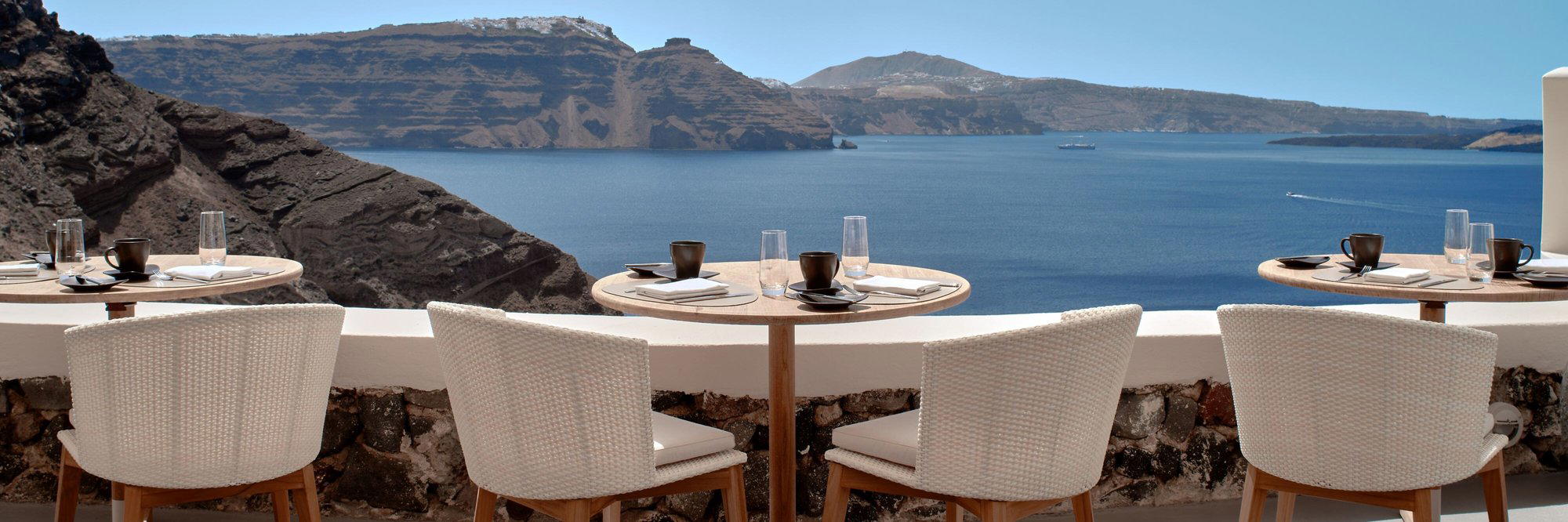
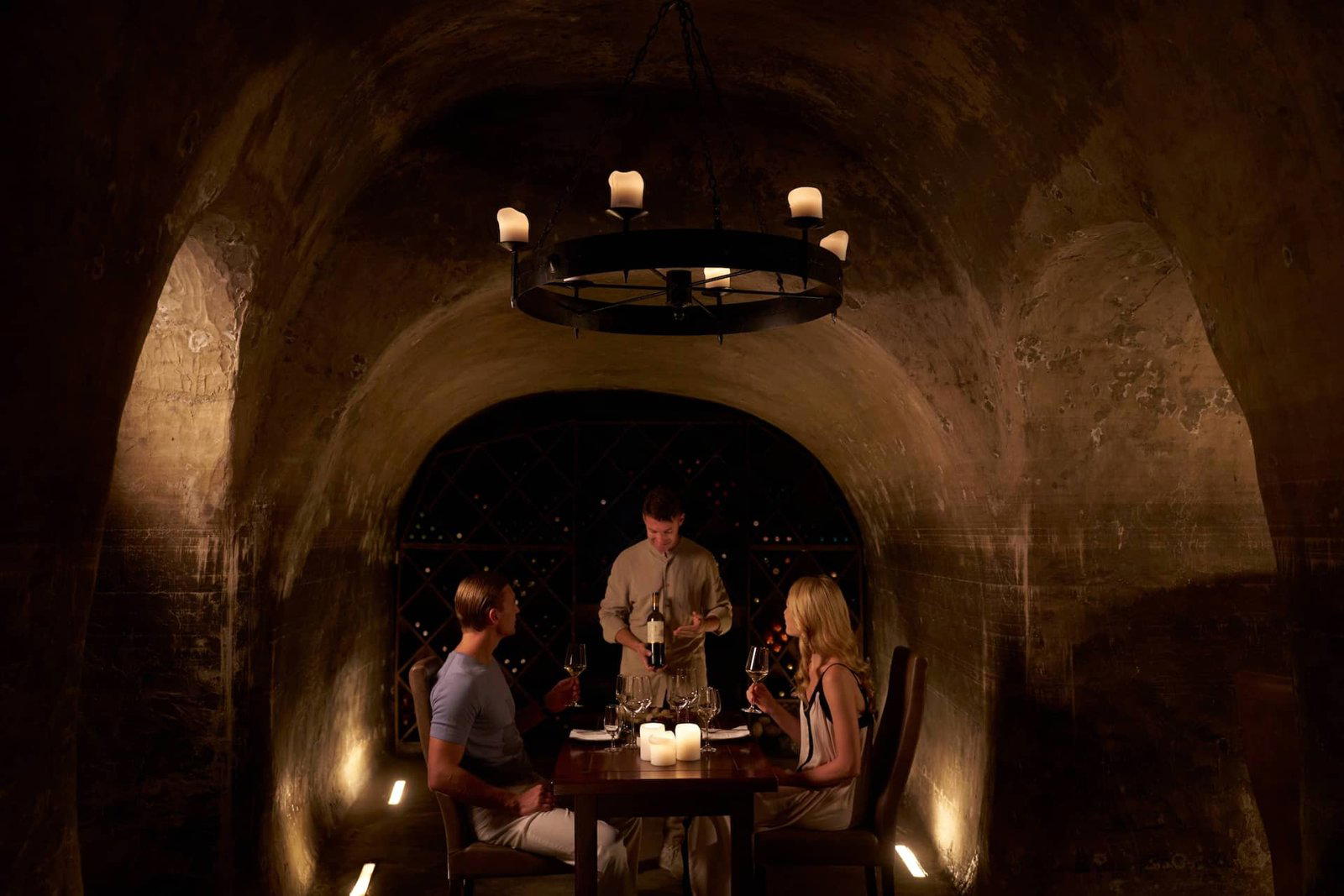
Hotels in Oia
Browse all →
At a Glance
- Romantic
- Scenic
- Elegant
- Intimate
- Date Night
- Special Occasion
- Terrace
- Panoramic View
- Historic Building
- Local Sourcing
- Waterfront
Current opening hours
- Monday
- 6 PM–12 AM
- Tuesday
- 6 PM–12 AM
- Wednesday
- 6 PM–12 AM
- Thursday
- 6 PM–12 AM
- Friday
- 6 PM–12 AM
- Saturday
- 6 PM–12 AM
- Sunday
- 6 PM–12 AM
Hours can change for holidays and private events. Last verified .
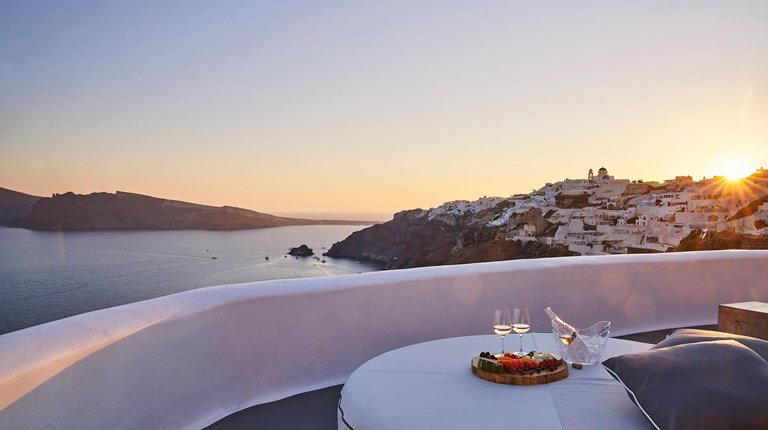
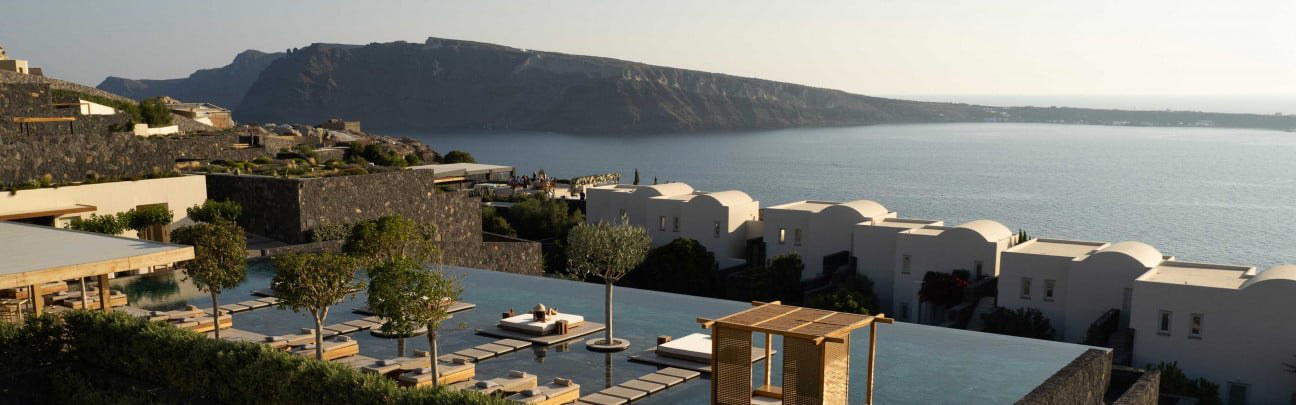
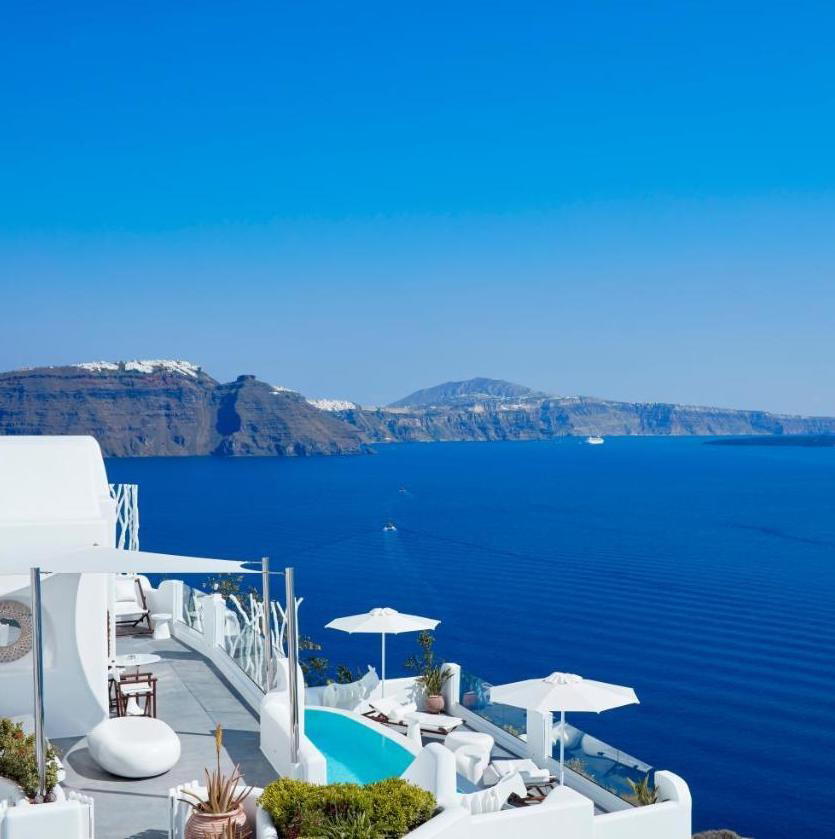
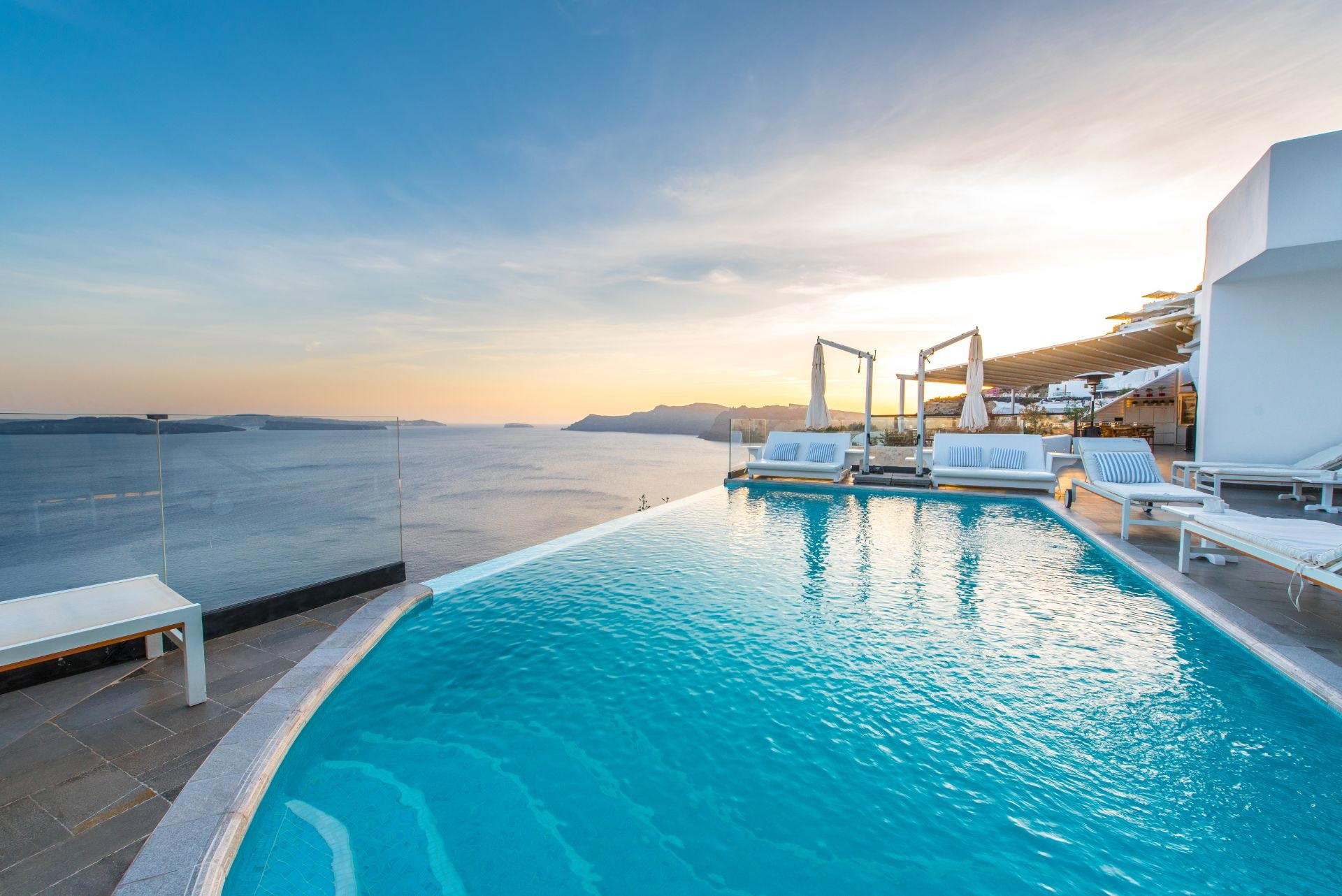
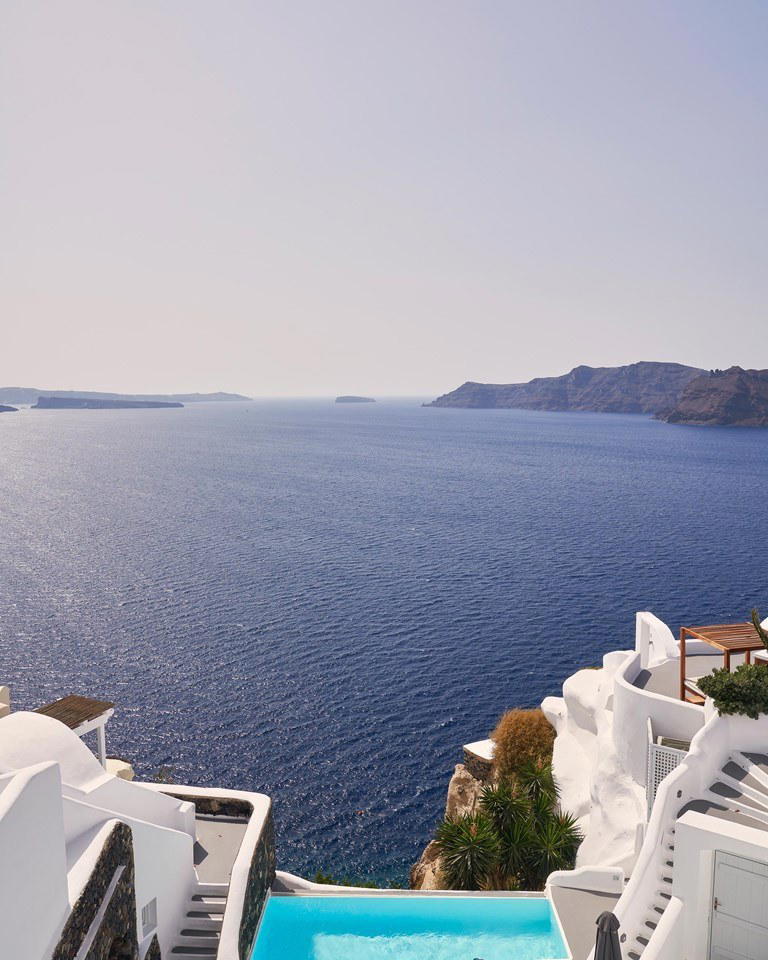
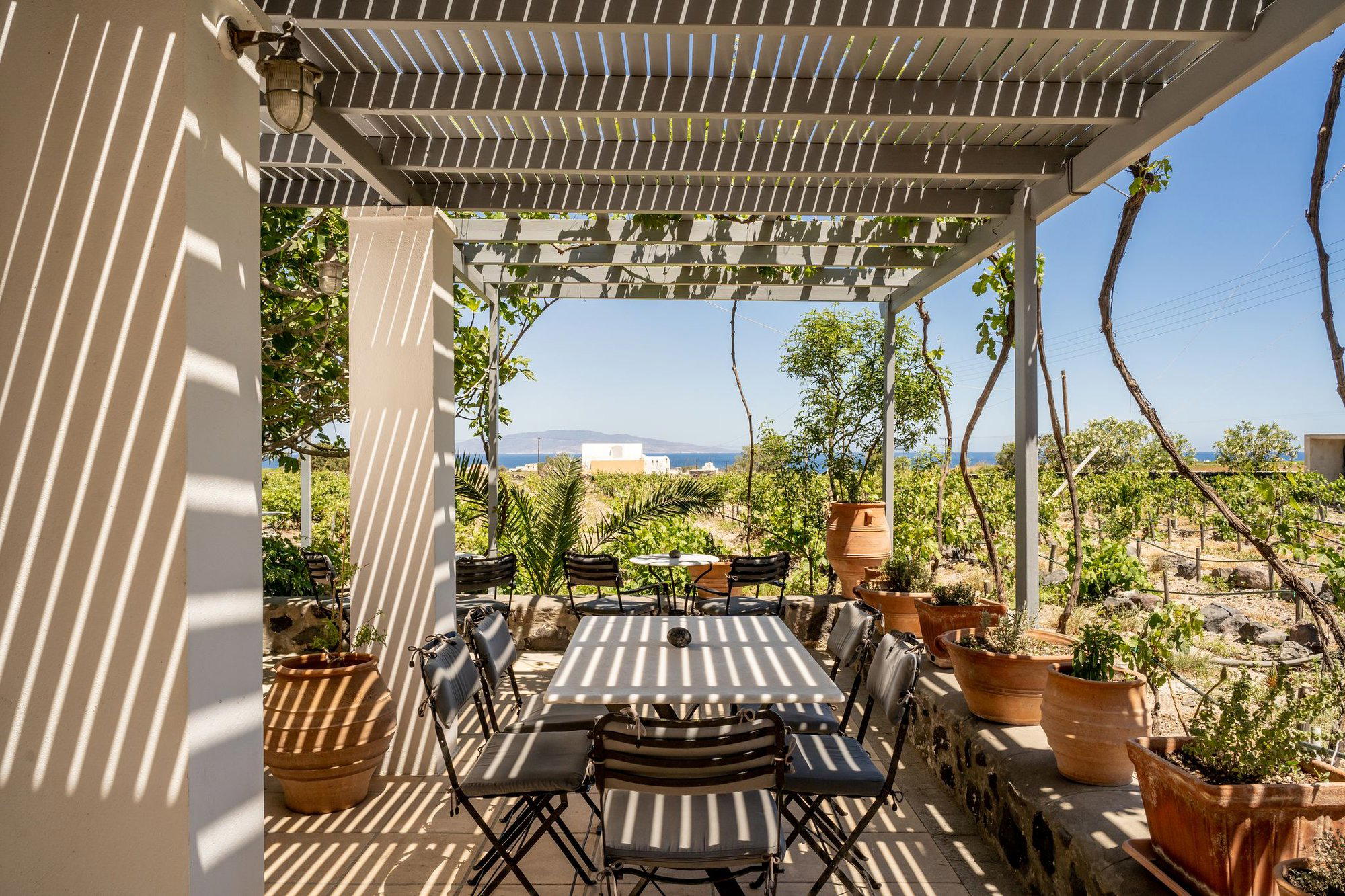
Open-air terrace with soft island breezes, chic interior, and panoramic caldera views.