Our verdict
R-Asia brings Asian cooking to Postgången 59 in Solna Municipality, a suburb of Stockholm that has quietly developed a more varied restaurant offer than its central-city neighbours tend to acknowledge. The address places it within easy reach of Stockholm by commuter rail, making it a practical choice for those who prefer to avoid the capital's premium pricing tiers.

Pearl is the En Primeur Club membership app — saves, bookings, and concierge access live there. Same editors, same standards.
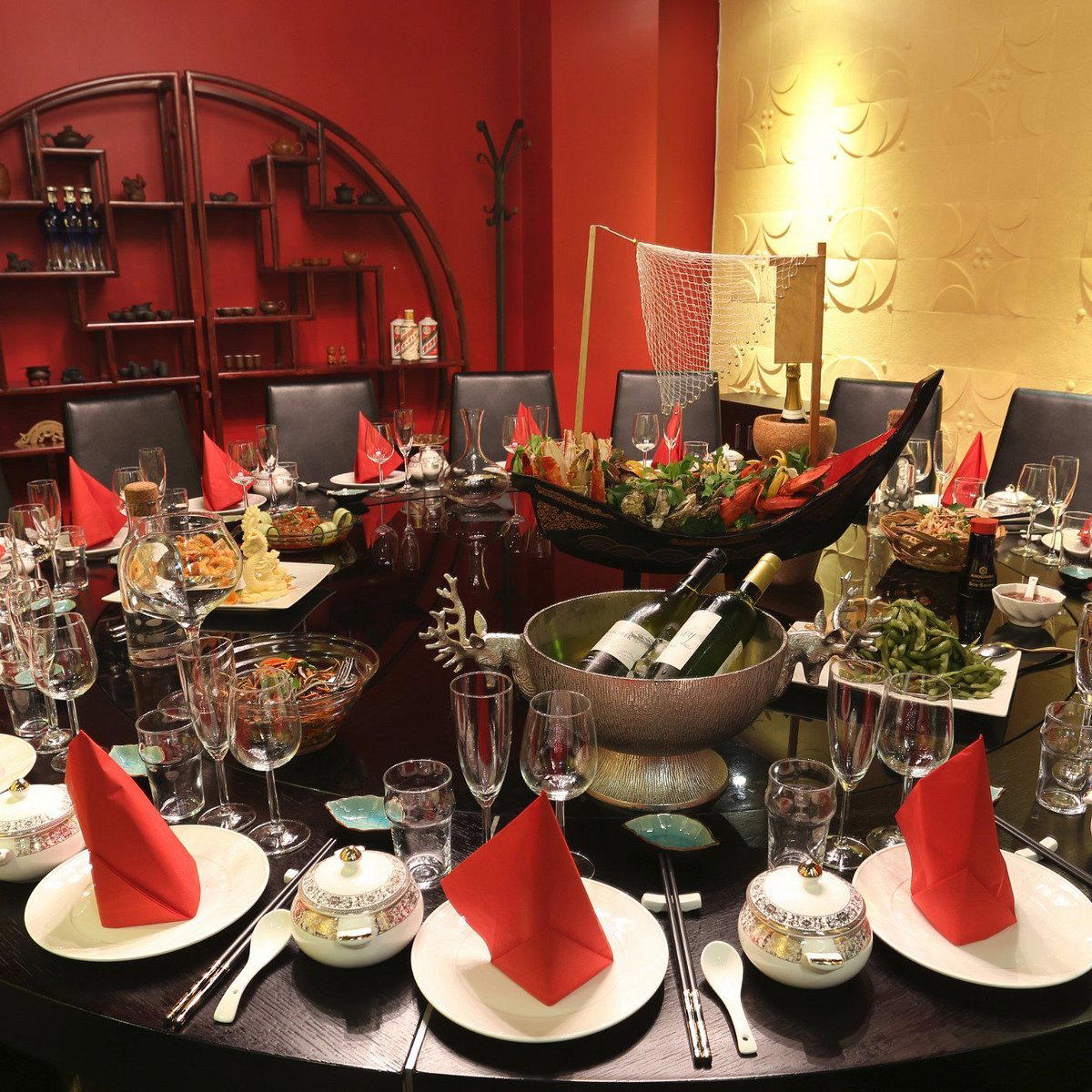
Asian Dining in the Stockholm Orbit: Where Solna Sits
The restaurants that earn attention in the greater Stockholm area tend to cluster toward the centre, where Frantzén in Stockholm anchors the best of the Swedish fine-dining conversation and a dense tier of Nordic tasting-menu houses competes for the same reservation windows. What that concentration creates, almost by default, is a workable case for the suburbs. Solna Municipality, sitting directly north of the capital and connected to central Stockholm by commuter rail in under fifteen minutes, has grown a restaurant offering that operates outside that central pressure cooker, with lower overheads and a more neighbourhood-oriented clientele. R-Asia, at Postgången 59 in the 171 45 postcode, is part of that suburban fabric.
Asian cuisines have carved out a meaningful place in Swedish dining over the past two decades, moving from the periphery of the market to something closer to the mainstream. In Stockholm and its surrounding municipalities, that shift shows up in the range of price points and formats now on offer, from casual ramen counters to more considered pan-Asian or single-origin Asian kitchens that take ingredient sourcing and technique seriously. Where R-Asia positions itself within that spectrum is what this piece addresses.
The Ingredient Question: Where Asian Cooking Earns Its Authority in Scandinavia
One of the more interesting tensions in Asian cooking outside Asia is the sourcing problem. The pantry assumptions that underpin Japanese, Korean, Southeast Asian, or Chinese cuisine, such as specific soy varieties, fresh galangal, particular grades of rice, fermented pastes with years of provenance, or fish sourced from specific fisheries, do not travel easily, and the gap between what a kitchen actually uses and what the dish is supposed to taste like can be significant. This is not a problem unique to Scandinavia, but the distance from the source regions makes it more acute here than in, say, London or Amsterdam, where larger diaspora communities have supported deeper and more specialised supply chains for decades.
The more serious Asian kitchens operating in Sweden have approached this in different ways. Some prioritise strict import of specific ingredients even at high cost, building their identity around authenticity to a single regional tradition. Others work a hybrid line, sourcing what they can locally and importing strategically, which can produce interesting results when a kitchen is honest about what it is doing rather than pretending otherwise. This approach has parallels in how New Nordic restaurants, including Vollmers in Malmö and VYN in Simrishamn, have built identity around Swedish raw materials rather than imported prestige ingredients, though the conceptual direction is almost opposite.
These are the questions worth asking when you sit down.
Solna as a Dining Address
Solna is better known as the home of Friends Arena and the Karolinska Institute than as a dining destination, and that positioning works in its favour. The restaurant field in Solna is more functional than curated, which makes places that show genuine kitchen ambition, whatever the cuisine, relatively easy to identify because they stand against a less competitive backdrop than they would in the capital.
For context on what serious dining looks like across Swedish municipalities more broadly, the range runs from destination-level kitchens such as Signum in Mölnlycke and ÄNG in Tvååker to more grounded neighbourhood operations like PM & Vänner in Växjö and Adrian Restaurang in Borås. Solna's dining scene sits closer to the neighbourhood end of that range, which shapes the expectation appropriately. See our full Solna Municipality restaurants guide for a broader read of what the area offers.
How R-Asia Compares Within Its Category
Asian restaurants operating in suburban Swedish municipalities occupy a different competitive frame than the top-end Asian kitchens in major global cities. For reference points on what serious Asian-informed fine dining can look like at its ceiling, Atomix in New York City demonstrates how Korean culinary tradition scales to the highest price tier with sourcing depth and tasting-menu rigour, while Le Bernardin in New York City shows how ingredient provenance can become a kitchen's defining editorial statement. R-Asia is not in that conversation, and there is no useful reason to position it there. What matters at a Solna address is whether the cooking is honest about what it is, whether the sourcing decisions hold up under basic scrutiny, and whether the price-to-value relationship makes sense for a non-central Swedish municipality.
Other Swedish restaurants that have built serious reputations outside the capital provide a more useful peer frame. 28+ in Gothenburg, Knystaforsen in Rydöbruk, Lilla Bjers in Visby, and Camp Ripan in Kiruna all illustrate that meaningful kitchen ambition is not confined to Stockholm, and that the interesting story in Swedish dining right now is partly about what is happening in secondary and tertiary locations. Venues like Brasserie Park in Jonkoping, Enoteket in Norrköping, John's Place in Varberg, and Veto in Örebro reinforce that point across different city sizes and cuisine types.
Planning a Visit
R-Asia is located at Postgången 59, 171 45 Solna, a short commute from central Stockholm via the commuter rail network. Solna station provides direct access and the journey from Stockholm City takes approximately twelve minutes, making this a practical weeknight option for Stockholm-based diners who prefer to step outside the central dining circuit. No awards or formal ratings are recorded for R-Asia at this time.
Frequently asked questions
Is R-Asia a family-friendly restaurant?
R-Asia is located at Postgången 59 in Solna, a residential municipality that draws a broad cross-section of local diners rather than a strictly destination-dining crowd. That neighbourhood context generally supports a relaxed, all-ages atmosphere.
Is R-Asia a good option for Asian food near Friends Arena or the Karolinska Institute in Solna?
R-Asia's address at Postgången 59, 171 45 Solna places it within the same municipality as both Friends Arena and the Karolinska Institute, making it a practical option for Asian dining in that part of the Stockholm commuter belt. Solna has fewer dedicated Asian kitchens than central Stockholm, so R-Asia occupies a relatively open field for that cuisine type in the area. For event days at Friends Arena, proximity and local alternatives are worth factoring into planning.
What dish is R-Asia famous for?
No specific signature dishes are documented in R-Asia's public record at this time.
Comparison Snapshot
Comparable venues nearby, for context on price, style, and recognition.
| Venue | Cuisine | Price | Awards | Notes |
|---|---|---|---|---|
| R-AsiaThis venue — the venue you are viewing | Authentic Hunan and Sichuan Chinese | $20–30 | Not listed | Not listed |
| Sardin | Modern Italian Neighborhood Bistro | Not listed | Star Wine List · White Guide Sweden Restaurants - Fine Level | Råsunda |
| Tennstopet Grill | Traditional Swedish Husmanskost | $20–30 | Not listed | Vasastan |
| Giro | Authentic Neapolitan Pizza | $20–30 | Not listed | Norrmalm |
| Meatballs | Traditional Swedish Meatballs | $20–30 | Not listed | Södermalm |
| Landet | Scandinavian-French Fusion | $20–30 | Not listed | Midsommarkransen |
Continue exploring
More in Solna
Restaurants in Solna
All restaurants in Solna →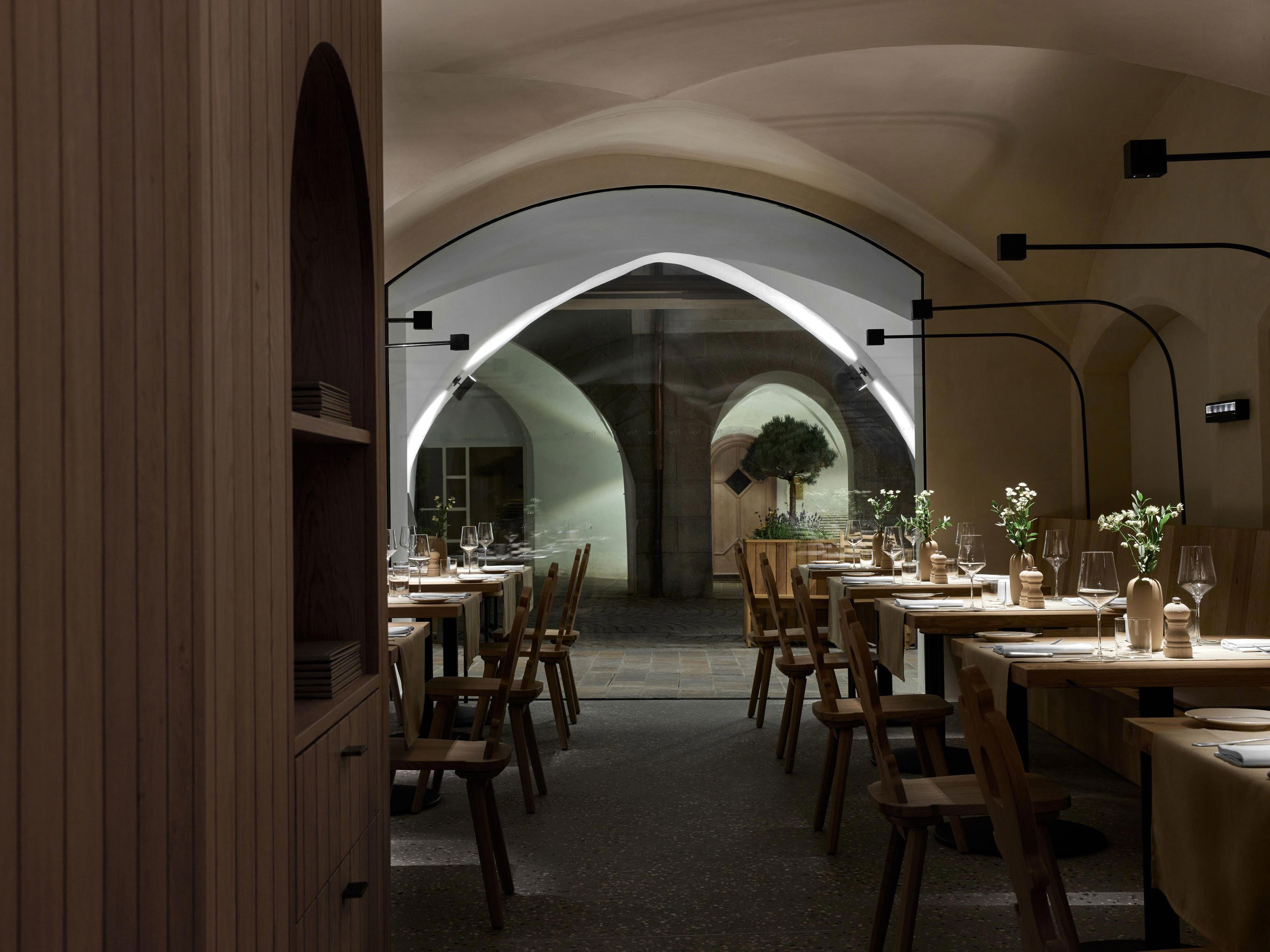
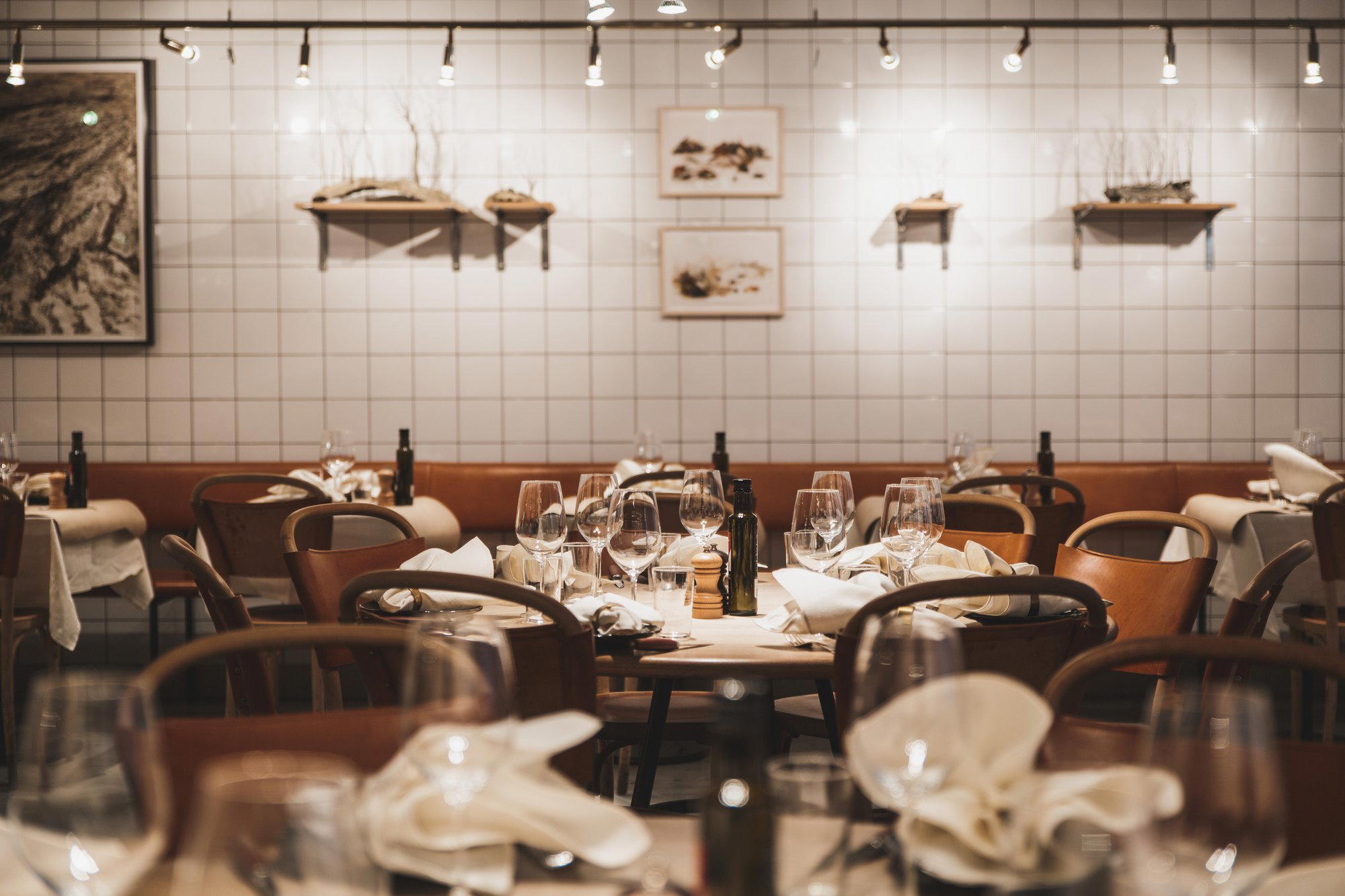
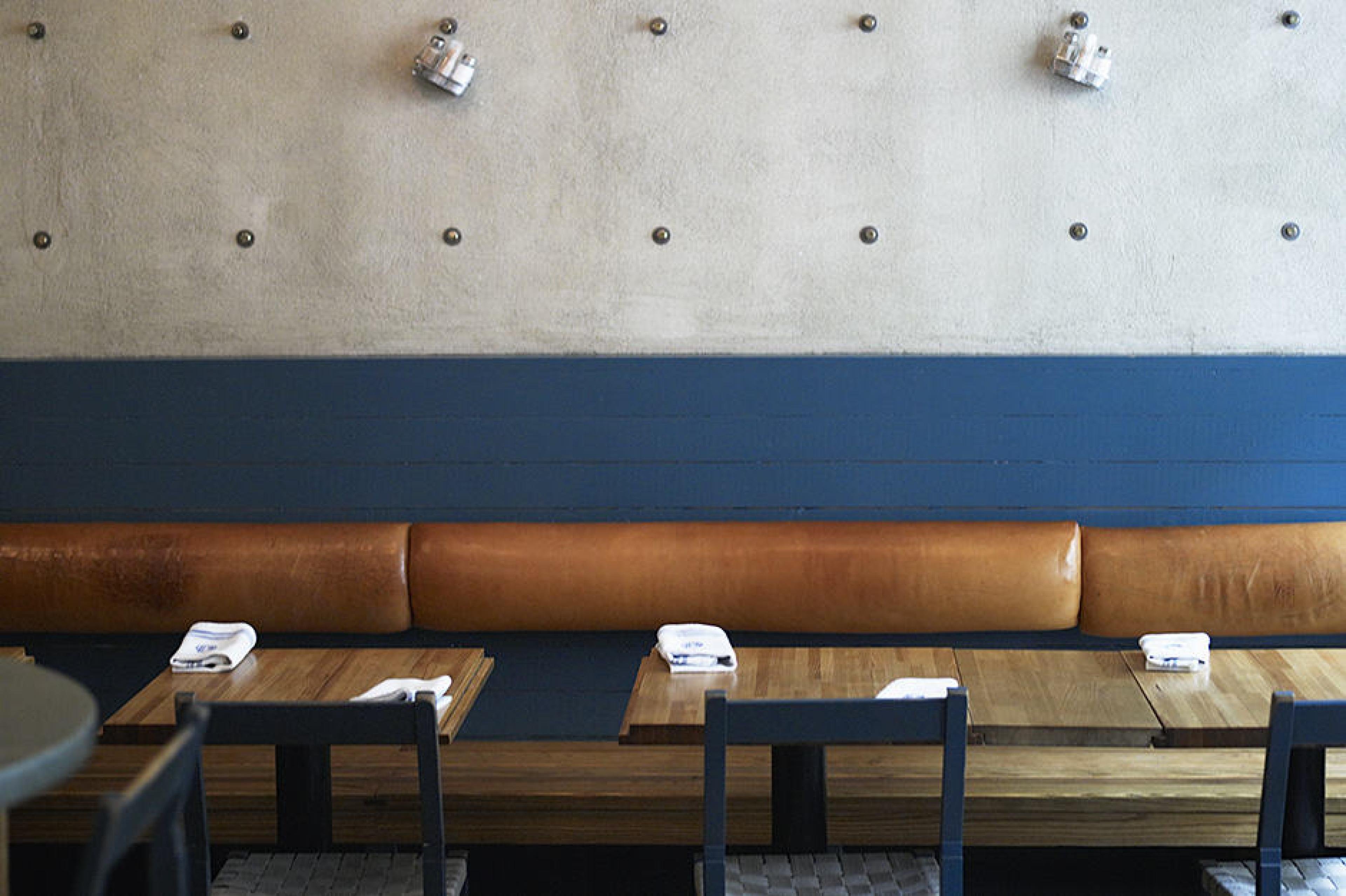
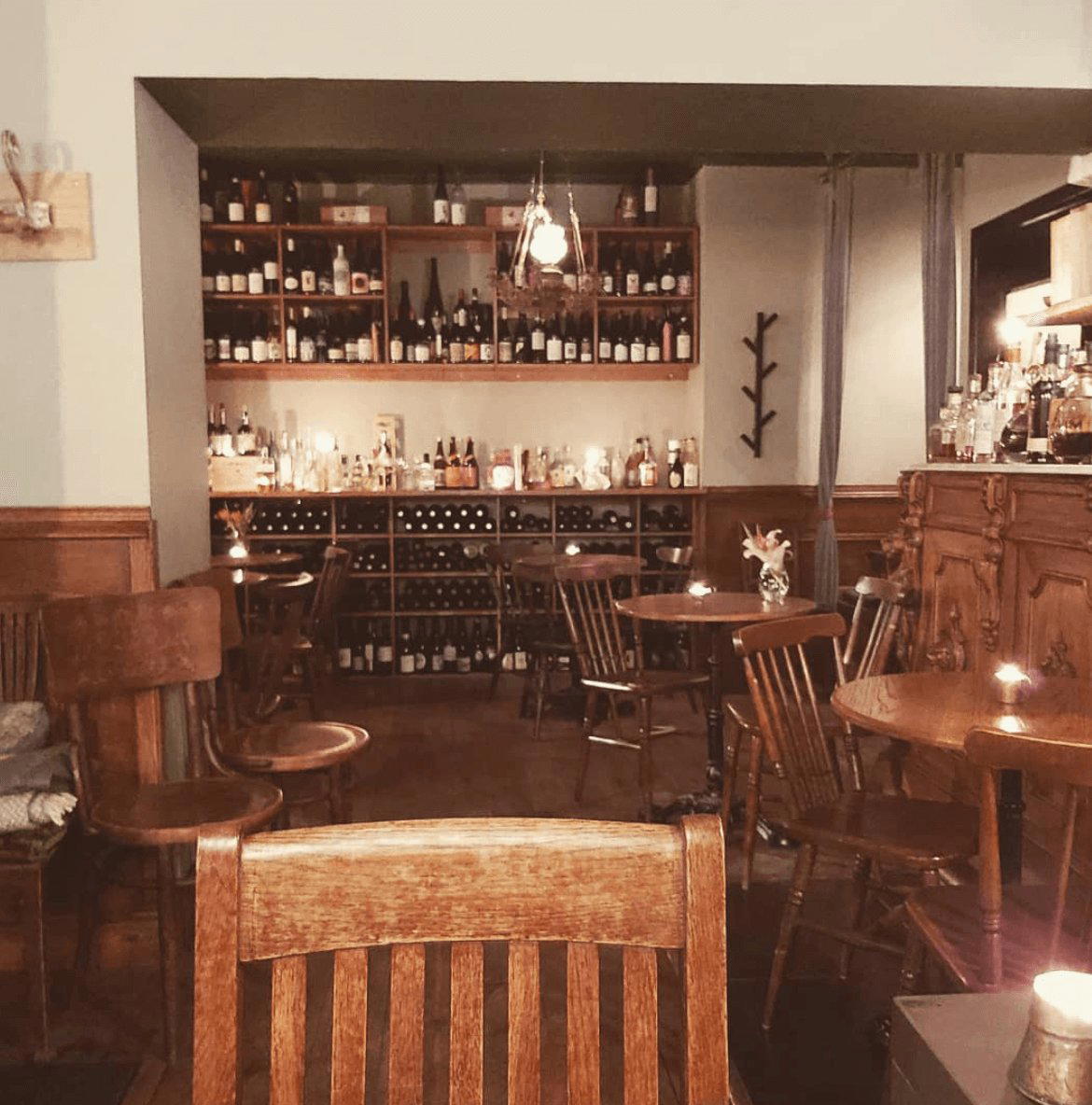
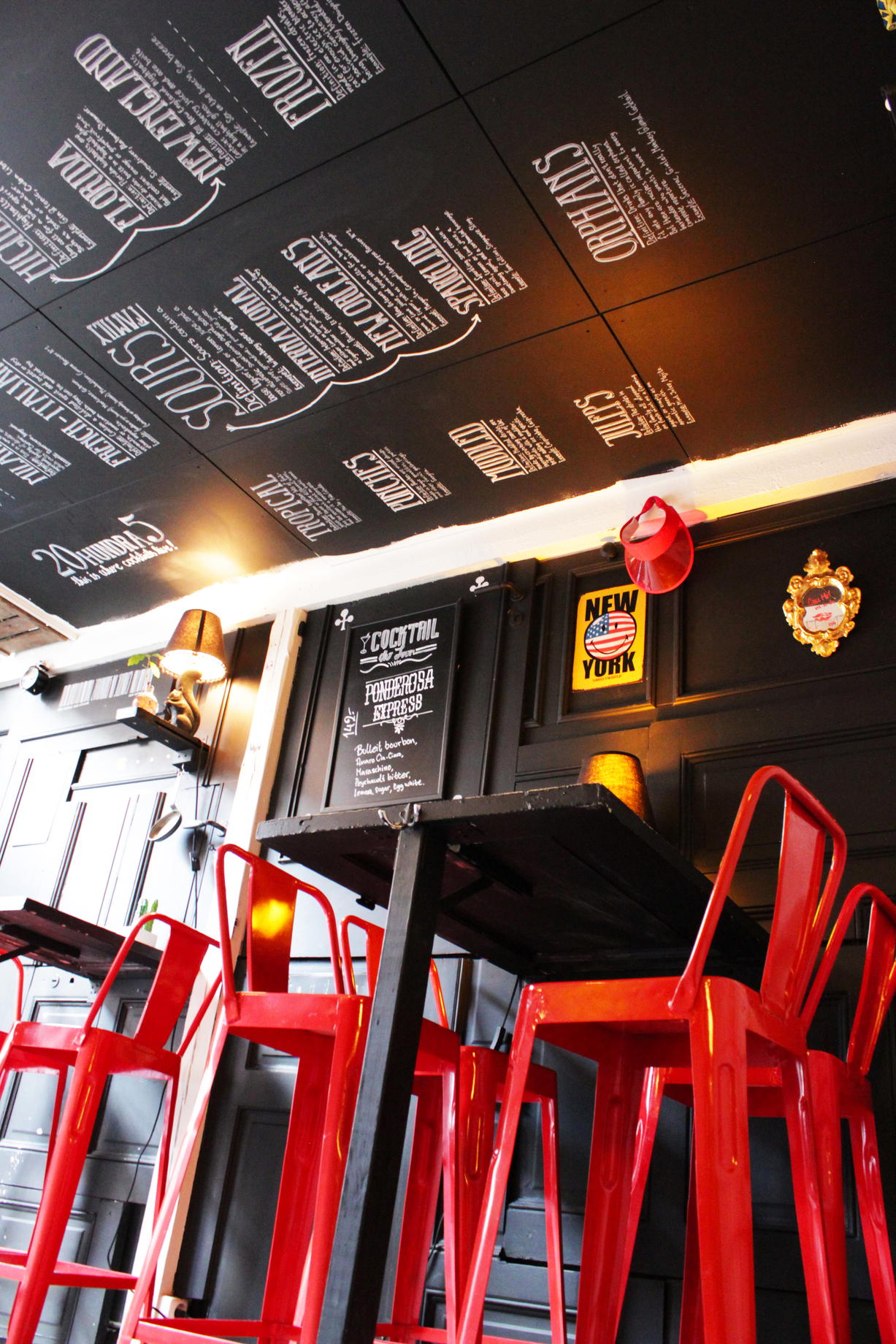
Details
- Modern
- Group Dining
- Family
- Casual Hangout
- Private Dining
- Local Sourcing
- Buffet
- A La Carte
- Vegetarian Friendly
Current opening hours
- Monday
- 10:30 AM–3 PM, 5–9:30 PM
- Tuesday
- 10:30 AM–3 PM, 5–9:30 PM
- Wednesday
- 10:30 AM–9:30 PM
- Thursday
- 10:30 AM–3 PM, 5–9:30 PM
- Friday
- 10:30 AM–3 PM, 5–10:30 PM
- Saturday
- 12–10:30 PM
- Sunday
- 12–9:30 PM
Hours can change for holidays and private events. Last verified .
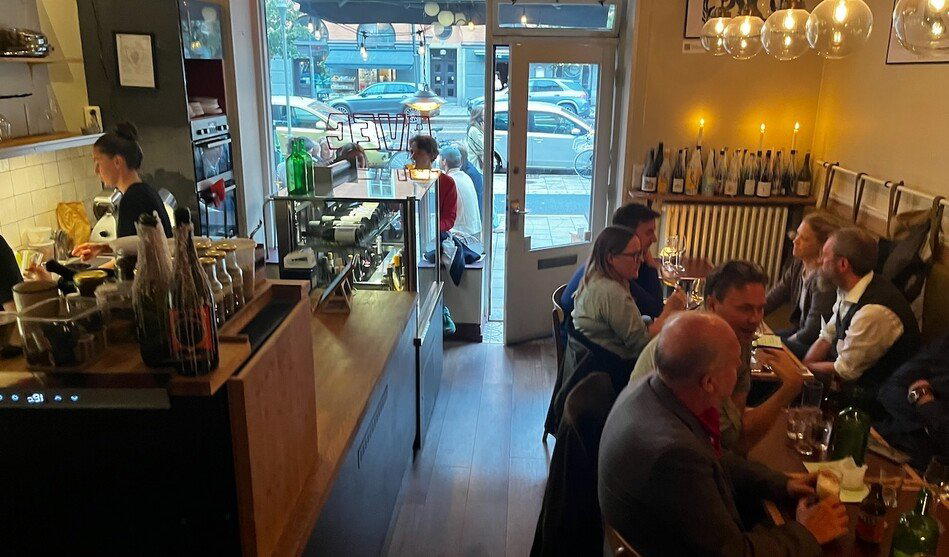
Casual shopping center setting with family-friendly atmosphere