Rasa Sayang
On Macclesfield Street in the heart of Chinatown, Rasa Sayang occupies a corner of London's most concentrated Southeast Asian dining strip. The kitchen draws from Malaysian and Singaporean traditions, placing it in a category where few central London addresses compete with comparable seriousness. For visitors working through the neighbourhood's options, it remains a reference point for the region's cooking in the capital.
Pearl is the En Primeur Club membership app — saves, bookings, and concierge access live there. Same editors, same standards.
- Address
- 5 Macclesfield St, London W1D 6AY, United Kingdom
- Phone
- +44 20 7734 1382
- Website
- rasasayangfood.com
- Directions
- Get directions
 Saves & bookings on Pearl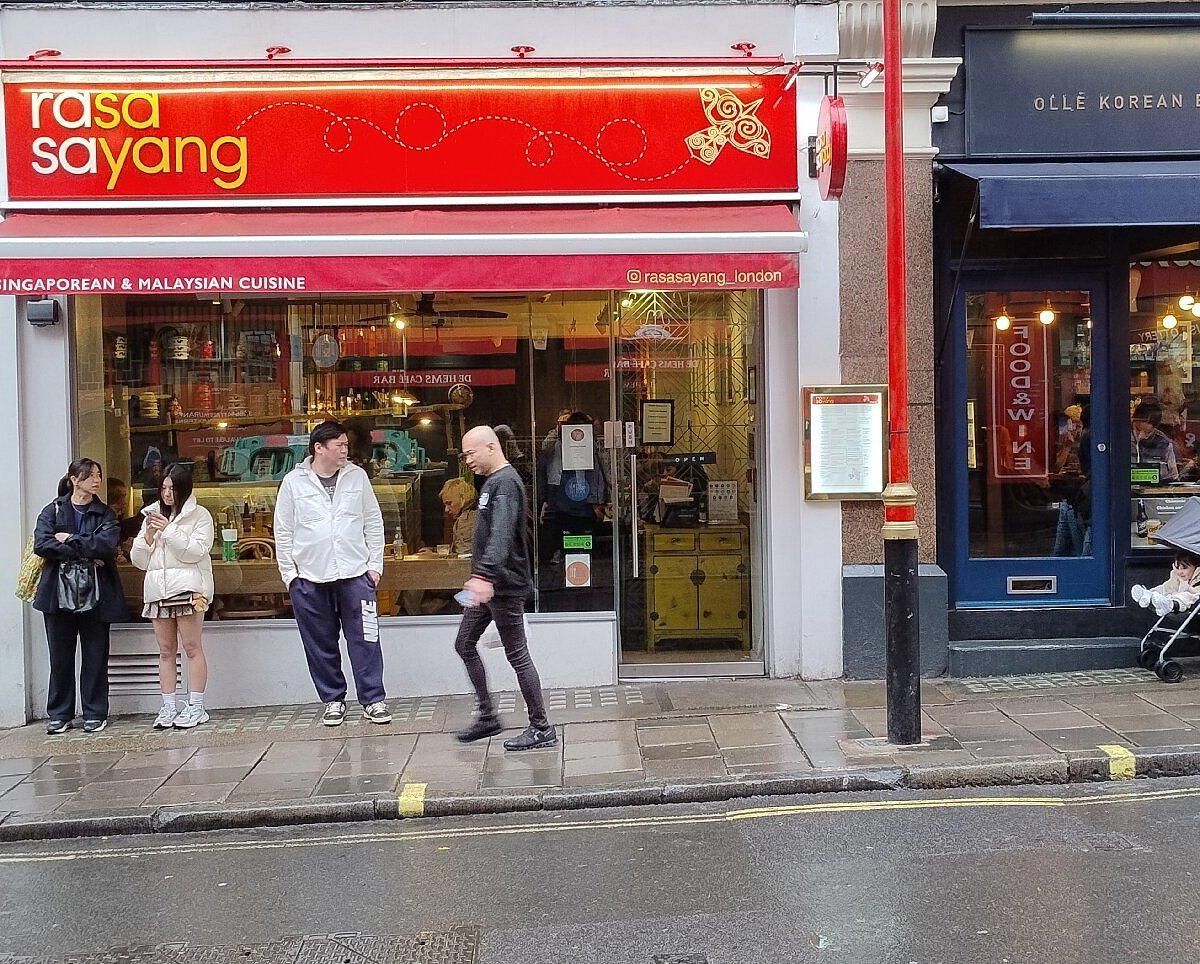
Chinatown's Southeast Asian Tier
Macclesfield Street sits at the quieter eastern edge of London's Chinatown, one block removed from the tourist-facing neon of Gerrard Street. The address matters: this stretch has historically housed the neighbourhood's more focused regional operators, where Malaysian and Singaporean cooking holds a different position than the broader Cantonese mainstream that dominates the area. Within that context, Rasa Sayang has operated as one of the more visible names in a category that central London has never fully developed to the depth you find in, say, Birmingham's Chinatown or the suburbs of Kuala Lumpur themselves.
Southeast Asian cooking in London occupies a structurally awkward space. The city has deep Cantonese and more recent Hong Kong-style infrastructure, and a growing tier of modern Pan-Asian restaurants pitched at the fine-dining bracket. Malaysian and Singaporean cuisine, hawker-rooted, intensely spiced, built around roti, laksa, and char kway teow, sits between those poles, rarely receiving the same investment in venue design or premium positioning that Japanese or modern Chinese concepts attract. That gap is partly cultural (the hawker tradition resists white-tablecloth translation) and partly commercial (price expectation is harder to reset for cuisines associated with street food). Rasa Sayang addresses that middle ground from a Chinatown base rather than attempting a repositioning into another part of the city.
Reading the Meal in Sequence
The logic of a Malaysian-Singaporean table follows a different arc than European multi-course convention. There is no strict progression from light to rich; dishes arrive to share, and the sequencing is governed more by cooking method and sauce weight than by the Western appetiser-to-dessert model. Understanding that structure is the starting point for getting full value from the kitchen.
A table typically opens with roti canai, the flaky, oil-layered flatbread that benchmarks any Malaysian restaurant's relationship with the basics. The dhal or curry dipping sauce alongside it signals the kitchen's spice calibration early. From there, the heavier, longer-cooked dishes, rendang, curry laksa, nasi lemak built around coconut rice, carry the centre of the meal. These are the preparations where Malaysian cooking distinguishes itself most clearly from its Thai or Indonesian neighbours: the spice pastes are richer, the cooking times longer, the sauces reduced rather than brothy.
The hawker-style dishes that form the meal's second register, char kway teow, Hainanese chicken rice, hokkien mee, require a different kind of attention. Wok hei, the breath of the wok created by high heat and fast movement, is the technical marker that separates a competent version of these dishes from a compelling one. It is difficult to replicate in a restaurant kitchen operating across a full service. How consistently that quality appears is the editorial question for any serious evaluation of a Malaysian restaurant in this city.
Dessert in this tradition often resolves into something cooling and textural rather than sweet and rich: ice kachang, cendol, or kuih. These are calibrated endings to a table that has run hot and complex, and they function as genuine counterweights rather than obligatory additions. The full arc of the meal, from roti through to a cold dessert, represents one of the more internally coherent dining progressions in London's mid-register ethnic dining.
Neighbourhood Placement and Peer Context
Locating Rasa Sayang in its competitive set requires looking beyond the immediate Chinatown block. At the premium end of London dining, the city's Michelin-starred addresses, CORE by Clare Smyth, Restaurant Gordon Ramsay, Sketch, The Lecture Room and Library, The Ledbury, and Dinner by Heston Blumenthal, occupy a different price tier and a different culinary tradition. The comparison that matters more is with the handful of Malaysian operators across London: Bayswater's longer-established addresses, the suburban Malaysian clusters in Golders Green and Edgware, and the newer wave of Malaysian-influenced small plates concepts in east London.
Within Chinatown specifically, the restaurant has historically operated as one of the more prominent non-Cantonese options. That positioning has its own logic: foot traffic in Chinatown is high and international, which means the kitchen serves both Malaysian diaspora diners with calibrated expectations and visitors encountering the cuisine for the first time. Those are different audiences, and balancing them shapes menu decisions in ways that a purely local suburban restaurant would not face.
For those building a wider picture of British restaurant cooking during a London visit, the city's destination addresses extend well beyond the capital: The Fat Duck in Bray, L'Enclume in Cartmel, Moor Hall in Aughton, Gidleigh Park in Chagford, Hand and Flowers in Marlow, and Le Manoir aux Quat' Saisons in Great Milton each represent a distinct strand of the country's cooking at high level. Internationally, Le Bernardin in New York City and Atomix in New York City show the range of what serious tasting-format dining looks like in another major market.
Planning a Visit
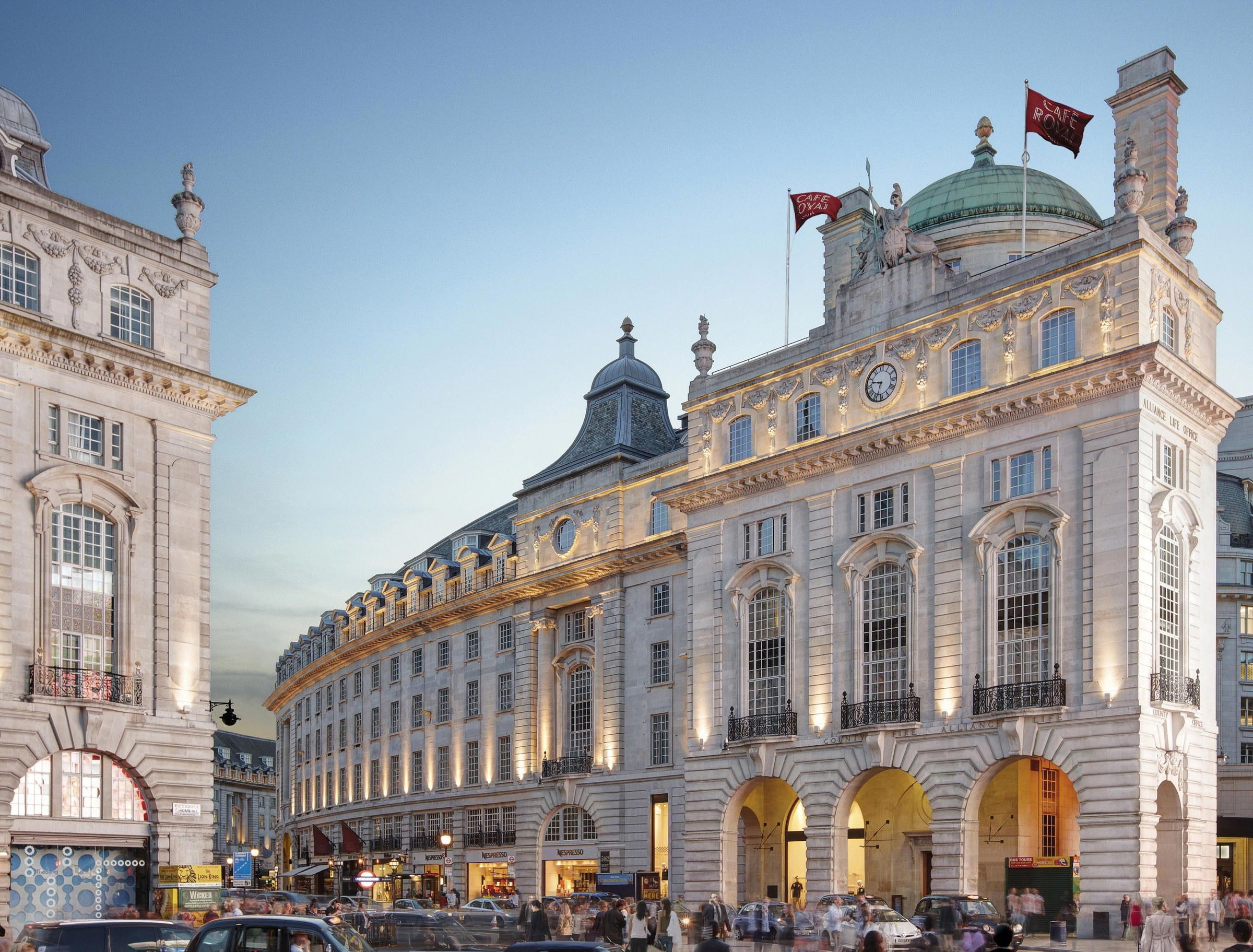
The restaurant is located at 5 Macclesfield Street, London W1D 6AY, a short walk from Leicester Square and Piccadilly Circus underground stations. The address places it within the Chinatown block, accessible on foot from the West End's main dining and theatre district. Dress: casual. Budget: mid-range by London standards, in keeping with the Chinatown neighbourhood's price register rather than the West End fine-dining tier. Timing: weekend lunches draw the highest footfall in Chinatown; midweek evenings offer a less pressured service pace for those who want to take the meal at a longer rhythm.
For broader planning across the capital,
Comparable Spots
Comparable venues nearby, for context on price, style, and recognition.
| Venue | Cuisine | Price | Notes |
|---|---|---|---|
| Rasa SayangThis venue — the venue you are viewing | Authentic Malaysian & Singaporean | $$ | Not listed |
| Hoppers Marylebone | Modern Sri Lankan Street Food | $$ | Marylebone |
| Norbert's | Rotisserie Chicken | $$ | Peckham |
| Cafe Strudel | Austrian Café | $$ | Mortlake |
| Great Nepalese | Authentic Nepalese | $$ | Somers Town |
| Chuku’s | Nigerian Tapas | $$ | South Tottenham |

At a Glance
- Lively
- Cozy
- Group Dining
- Casual Hangout
- Open Kitchen
- Beer Program
Current opening hours
- Monday
- 12–10 PM
- Tuesday
- 12–10 PM
- Wednesday
- 12–10 PM
- Thursday
- 12–10 PM
- Friday
- 12–10 PM
- Saturday
- 11:30 AM–10 PM
- Sunday
- 11:30 AM–9 PM
Hours can change for holidays and private events. Last verified .
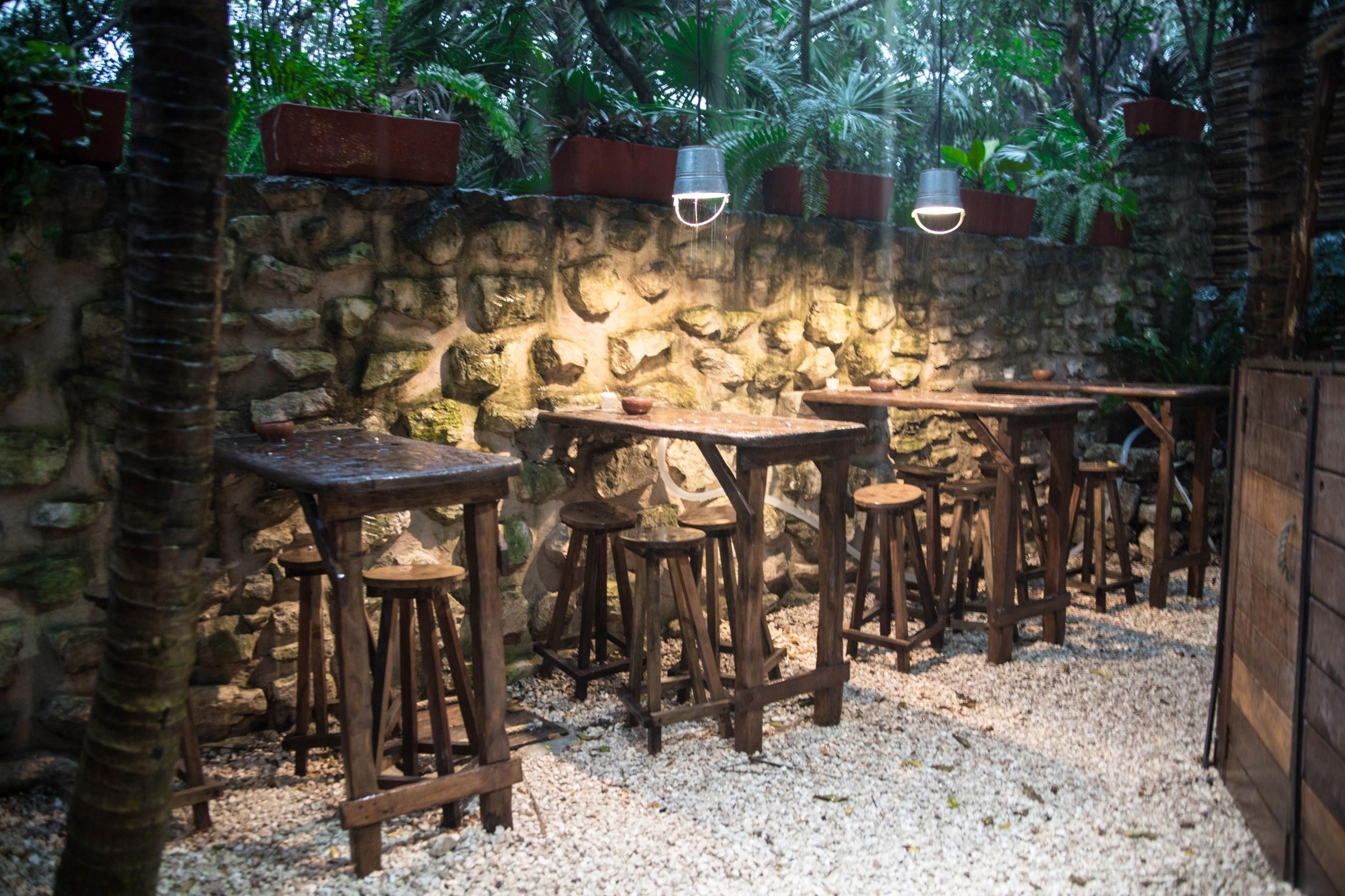
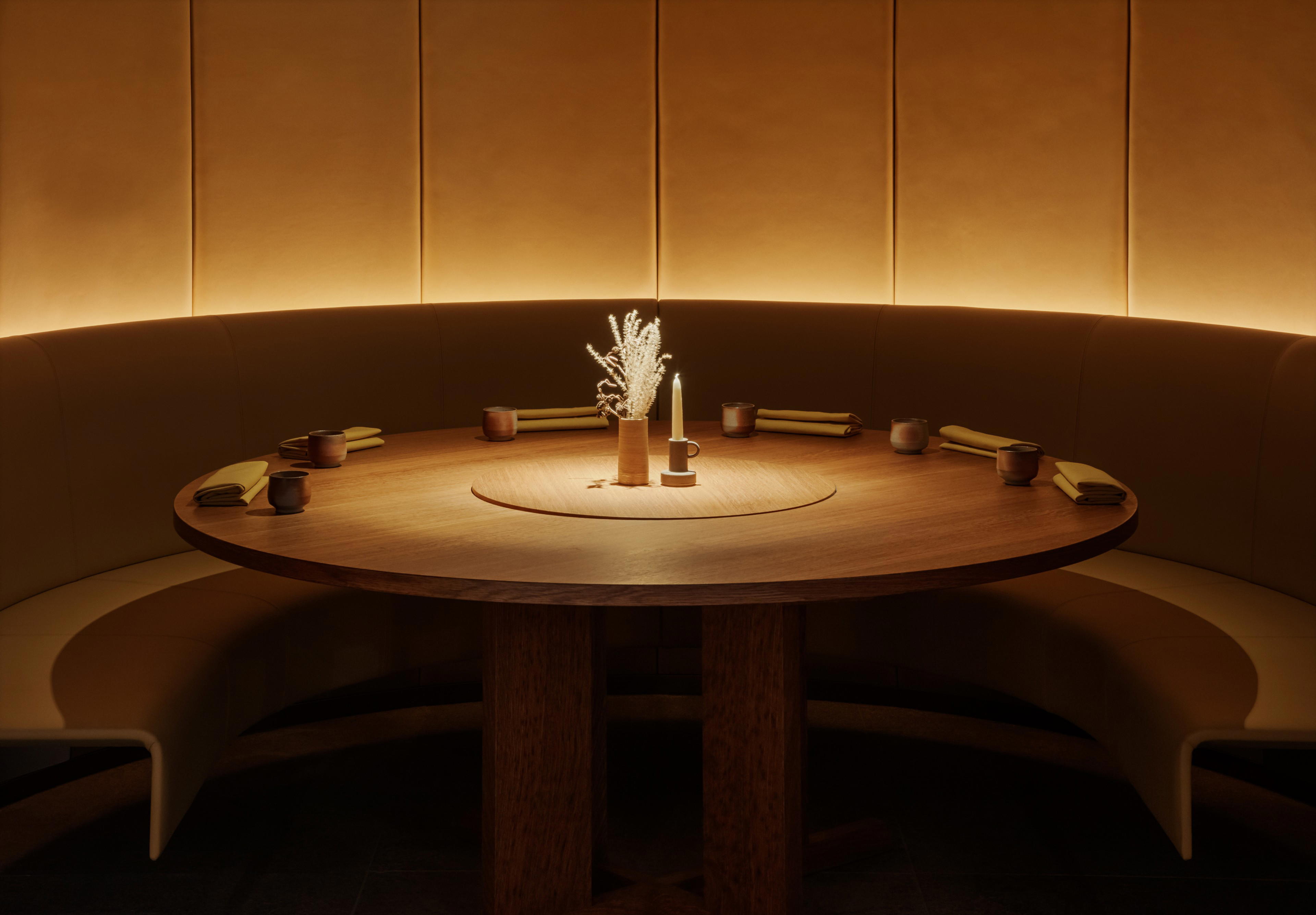
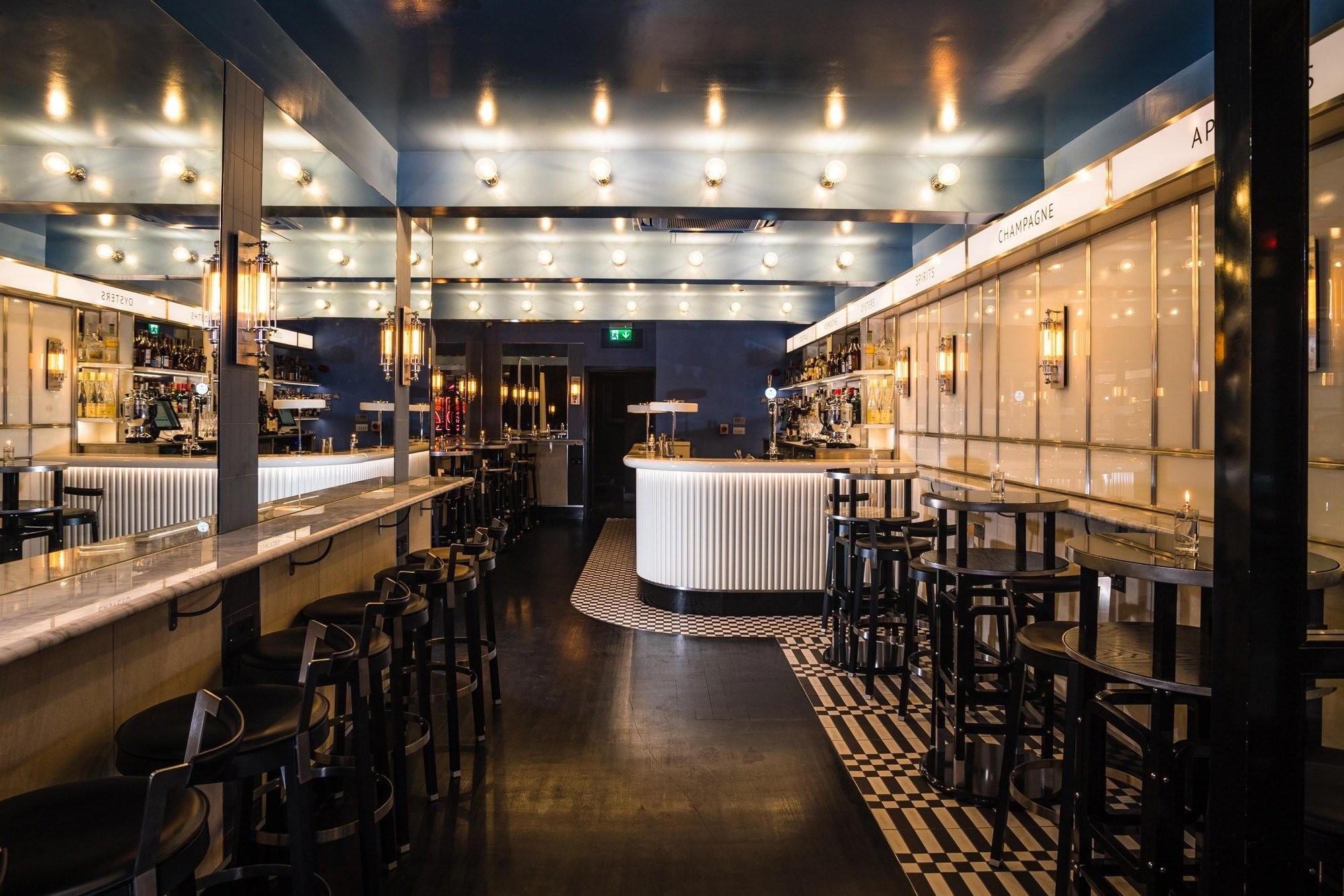
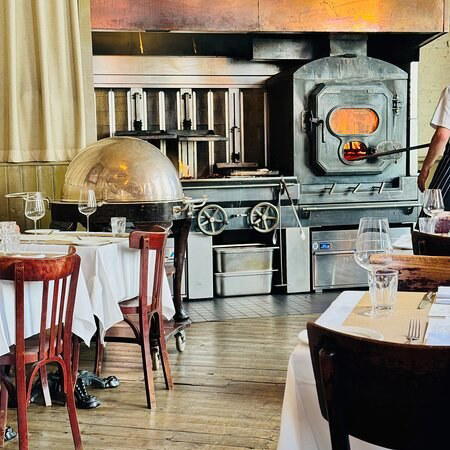
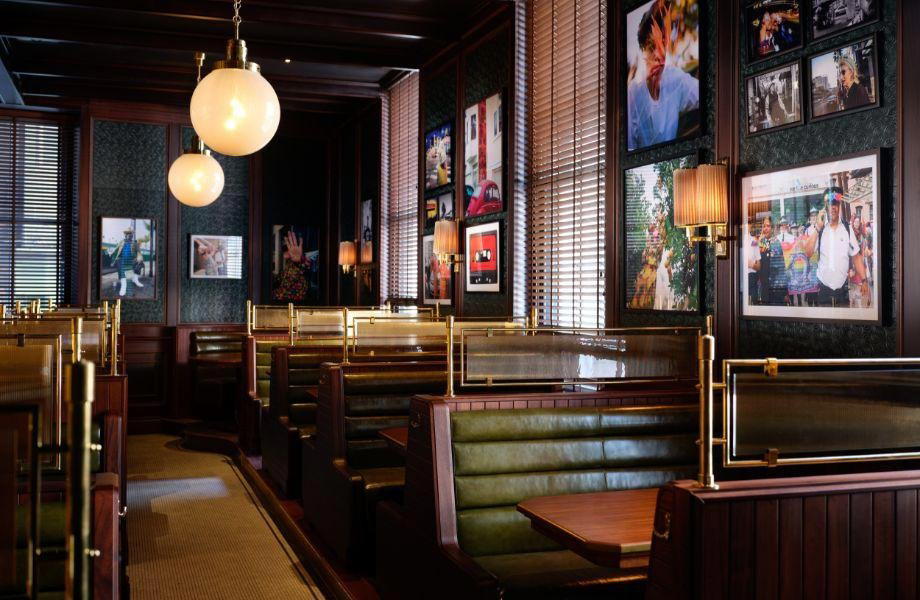
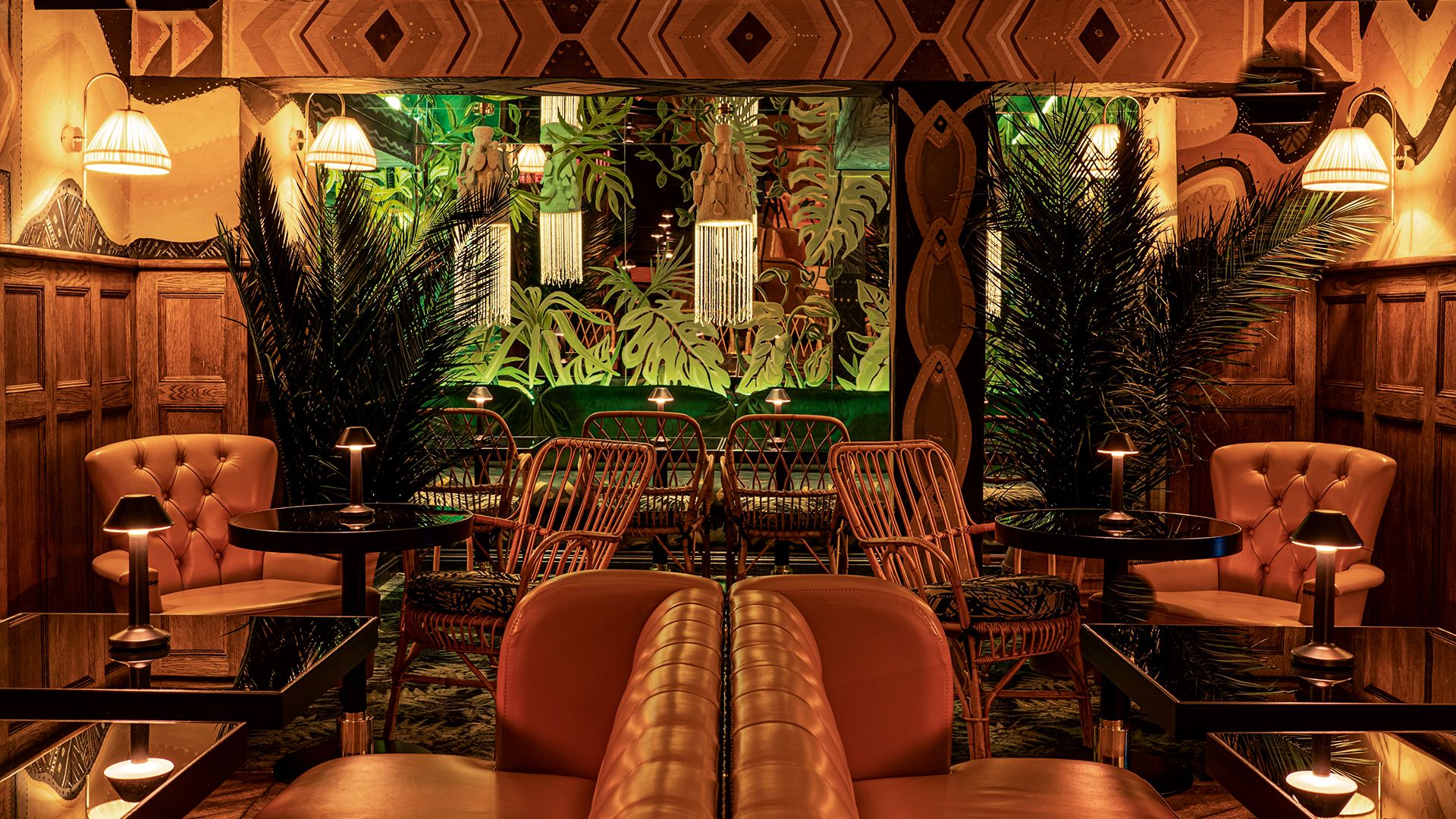
Café-like with bright lighting, warm and lively atmosphere evoking Malaysian street cafes, though some find it noisy and functional.