Rangoon Bistro
On SE 11th Avenue, Rangoon Bistro brings one of Portland's most underrepresented cuisines to a neighborhood already known for serious independent dining. Burmese cooking sits at a crossroads of Chinese, Indian, and Southeast Asian influence, and the bistro format makes that layered tradition accessible without flattening it. For regulars, it functions as a reliable anchor in a city where curious eaters tend to return to places that hold their ground.
Pearl is the En Primeur Club membership app — saves, bookings, and concierge access live there. Same editors, same standards.
- Address
- 2131 SE 11th Ave, Portland, OR 97214
- Phone
- (503) 953-5385
- Website
- rangoonbistropdx.com
- Directions
- Get directions
 Saves & bookings on Pearl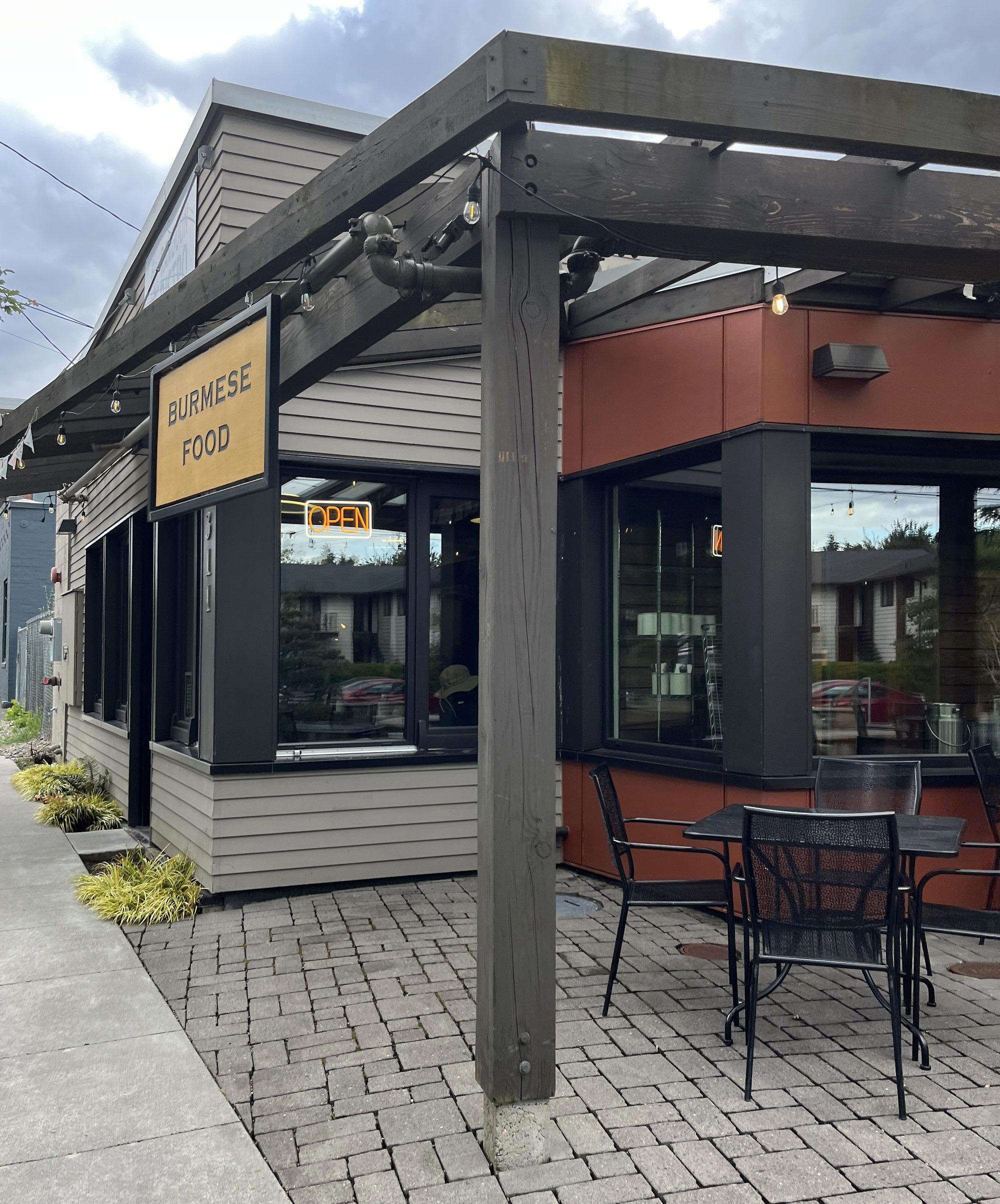
Where SE Portland Meets the Irrawaddy
Rangoon Bistro sits within that continuum at 2131 SE 11th Ave. Rangoon Bistro holds its own position in that peer group by representing a cuisine that remains genuinely rare in the American Pacific Northwest: Burmese.
The Cuisine Itself: Why Burmese Cooking Rewards Attention
Burmese cuisine occupies a geography of influence. Positioned between India, China, Thailand, and Bangladesh, Myanmar's culinary tradition absorbed turmeric and lentil from the west, noodle technique from the east, and fish sauce and fermented shrimp paste from the south, then developed its own logic on top of those borrowings. The result is a kitchen where mohinga (rice noodle soup traditionally eaten at breakfast) shares table space with samosas, where tea leaf salad (laphet thoke) functions as both condiment and centerpiece, and where oil-forward cooking, particularly the slicked finish common in Burmese curries, signals craft rather than excess.
That complexity makes Burmese food genuinely difficult to place for first-time diners, and it is precisely why regulars find it so rewarding after the first or second visit. The cuisine does not resolve easily into familiar categories: it is not Thai, not Chinese, not Indian. It exists as its own thing, and restaurants that cook it seriously ask something of the table in return.
Portland's version, through Rangoon Bistro, fits the city's preference for smaller, less-produced dining formats.
The Regulars' Logic
Restaurants that develop loyal return audiences in Portland tend to share certain qualities: consistent execution, prices that do not require an occasion, and a menu depth that reveals itself across multiple visits. The restaurant fits that pattern. The bistro format, lighter and more flexible than a full-service dining room, suits the rhythm of neighborhood eating, where a Tuesday dinner is as likely as a Saturday one and the table is not a performance.
For regulars, the draw with Burmese cooking specifically is often the tea leaf salad, which functions as a reference point meal to meal. Laphet thoke is built on fermented tea leaves combined with fried garlic, sesame seeds, dried shrimp, tomatoes, and roasted peanuts, tossed at the table and adjusted by the eater. It is at once sour, salty, bitter, and crunchy, and no single component dominates. It is the kind of dish that rewards the diner who does not need it explained a second time, the dish regulars order without looking at the menu.
Rangoon Bistro in Portland's Broader Dining Context
Burmese fits that context without effort. It is a cuisine with enough complexity to sustain serious interest, accessible enough in price and format to avoid the barriers that attend tasting-menu dining, and rare enough in the city to retain a distinct identity rather than competing in a crowded subcategory. For comparison, the high-end tasting format represented in other cities by restaurants like Alinea in Chicago, Lazy Bear in San Francisco, Le Bernardin in New York City, The French Laundry in Napa, Single Thread Farm in Healdsburg, or Emeril's in New Orleans operates in a different register entirely. The restaurant belongs to the other tradition: the local institution that earns loyalty through repetition, not occasion.
Planning Your Visit
The restaurant is located at 2131 SE 11th Ave in Portland's SE Division neighborhood, walkable from the broader cluster of independent restaurants that define the area. The bistro format and SE Portland address place it naturally in the range of casual-to-mid dining that characterizes the neighborhood, consistent with the pricing norms for independent Burmese restaurants in American cities. First-time visitors benefit from treating the menu as a survey: the tea leaf salad and a curry are standard anchors, and the noodle dishes provide the clearest window into how the kitchen handles Burmese technique.
Cuisine Lens
Comparable venues nearby, for context on price, style, and recognition.
| Venue | Cuisine | Price | Notes |
|---|---|---|---|
| Rangoon BistroThis venue — the venue you are viewing | Burmese Bistro | $$ | Not listed |
| Broder Nord | Scandinavian Brunch | $$ | Mississippi Ave |
| Magna Kusina | Modern Filipino | $$ | Hosford-Abernethy |
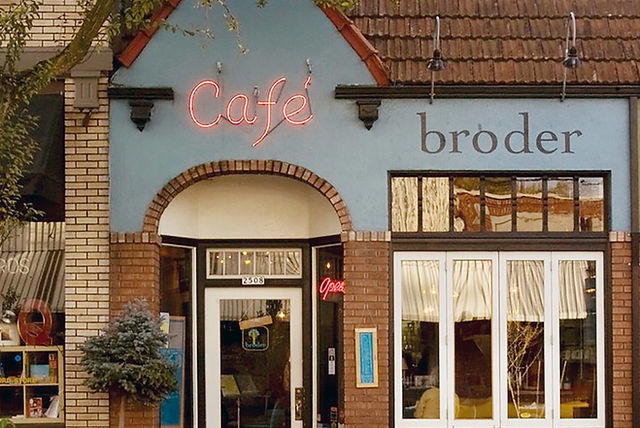
| Broder Café | Nordic/Scandinavian Brunch Café | $$ | Hosford-Abernethy |
| Cool Moon Ice Cream | Artisanal Ice Cream & Sorbet | $$ | Pearl |
| Mother's Bistro & Bar | American Comfort Food | $$ | Downtown |
Continue exploring
More in Portland
Restaurants in Portland
Browse all →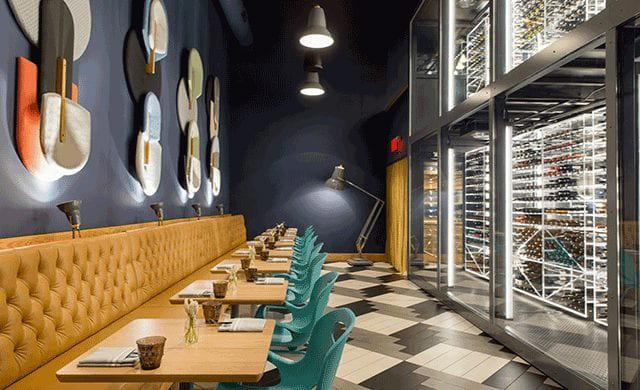
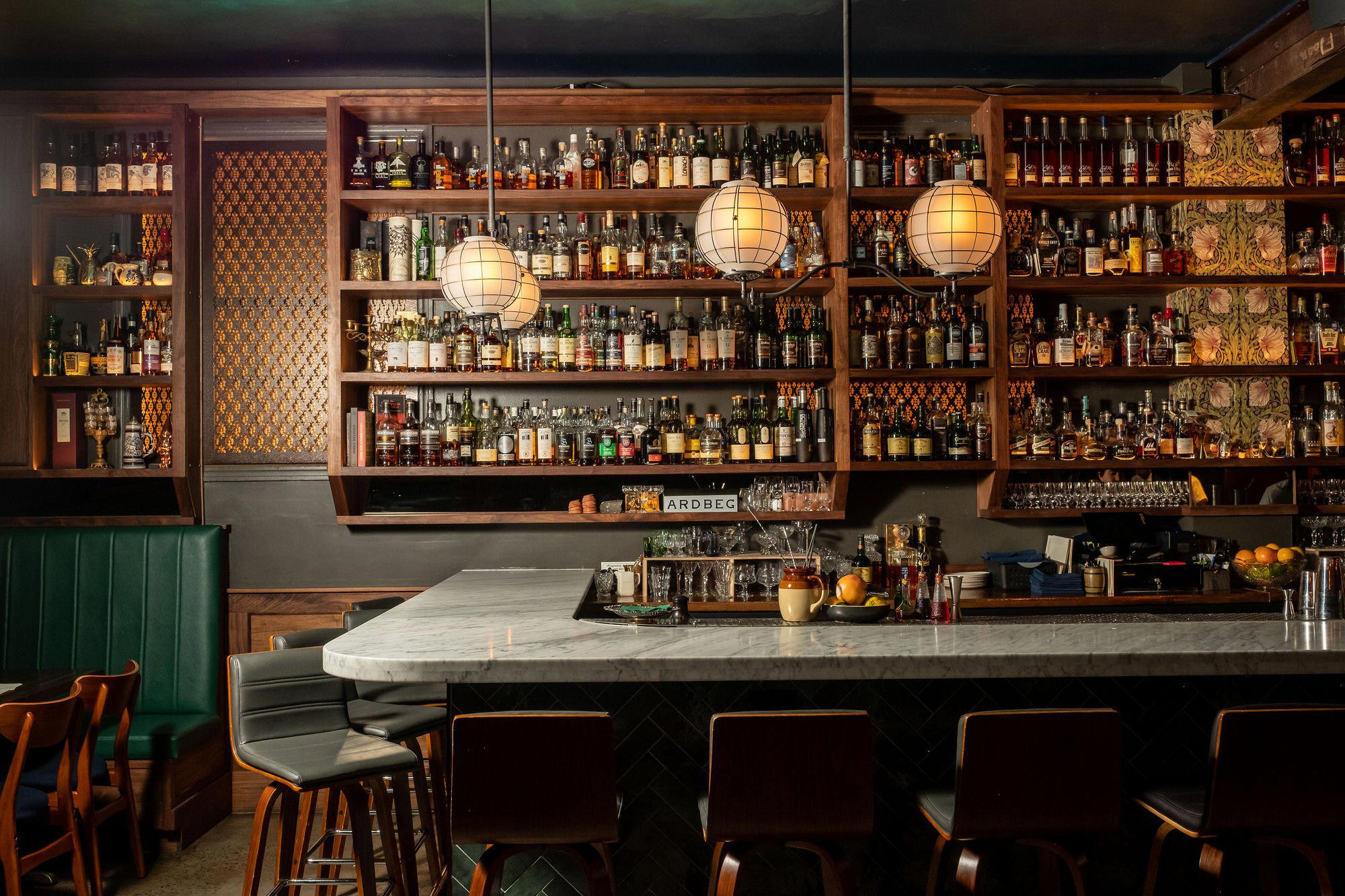
Bars in Portland
Browse all →
Hotels in Portland
Browse all →

At a Glance
- Cozy
- Casual Hangout
- Date Night
- Open Kitchen
- Craft Cocktails
- Local Sourcing
Current opening hours
- Monday
- 5–9 PM
- Tuesday
- 5–9 PM
- Wednesday
- 5–9 PM
- Thursday
- 5–9 PM
- Friday
- 12–10 PM
- Saturday
- 12–10 PM
- Sunday
- 12–9 PM
Hours can change for holidays and private events. Last verified .
Cozy, down-to-earth atmosphere with hodgepodge decor including vintage signage and wooden puppets, creating welcoming vibes.