Burmatown

Michelin Plate
Our verdict
Burmatown brings Burmese cooking to Corte Madera's suburban Marin dining scene with enough seriousness to earn consecutive Michelin Plate recognition in 2024 and 2025. The menu draws on the layered fermented, sour, and umami-forward pantry of Southeast Asian highland cooking, a tradition still underrepresented in the Bay Area. The room consistently performs above its modest price point.

Pearl is the En Primeur Club membership app — saves, bookings, and concierge access live there. Same editors, same standards.
- Address
- 18 Tamalpais Dr, Corte Madera, CA 94925
- Phone
- (415) 985-5060
- Hours
- Mon ClosedTue–Thu 12–2 PM, 4:30–8:30 PMFri 12–2 PM, 4–8:30 PMSat 4–8:30 PMSun Closed
- Website
- burmatown.com
- Directions
- Get directions
The menu
What to order
- Tea Leaf Salad
- Korean Ribeye Beef Bao
- Mushroom Garlic Noodles
- Coconut Chicken Curry
- Black Cod with Miso Broth
A Cuisine That Earns Its Place on the Marin Table
Marin County's dining corridors run toward farm-to-table California comfort and the occasional sushi counter, which makes a Burmese restaurant holding consecutive Michelin Plate recognition in Corte Madera something worth examining seriously. The Michelin Plate is not a star, but it signals that inspectors ate here and found the cooking technically sound enough to list. For a mid-price Burmese room in suburban Marin, that matters as a calibration point. Those two signals, independent of each other, point in the same direction.
The Ingredient Logic of Burmese Cooking
To understand why Burmese food is compelling at this moment in Bay Area dining, it helps to understand what the cuisine actually asks of its sourcing. Myanmar's kitchen sits at a crossroads of Chinese, Indian, and Southeast Asian traditions, and its pantry reflects that: fermented tea leaves (laphet), shrimp paste, tamarind, turmeric, dried shrimp, and a range of preserved aromatics that require either direct importation or close substitution. Unlike Thai or Vietnamese cooking, which have established domestic supply chains in Northern California, Burmese ingredient sourcing remains more fragmented. Kitchens that cook this food seriously have to solve a logistics problem that their Thai or Vietnamese counterparts solved decades ago.
The fermentation at the center of Burmese cooking is particularly specific. Laphet, the pickled tea leaf used in the country's most recognizable salad, is not a product that can be locally grown and processed at scale in California. It arrives dried or preserved and requires careful handling to maintain its characteristic bitter, slightly sour profile. Restaurants in the Bay Area that take Burmese cooking seriously are, by necessity, working with a sourcing chain that connects to diaspora importers and specialty distributors. That supply discipline shows up in the final plate in ways that matter: the difference between a laphet thoke made with properly fermented tea and one made with an approximation is not subtle.
For context on how rare this level of commitment to a single-nation Southeast Asian tradition is in Northern California, compare the Burmese restaurant count to the Vietnamese or Thai counts in any major Bay Area city. The numbers are not close. Teni East Kitchen in San Francisco represents one of the handful of Bay Area Burmese addresses that has attracted sustained critical notice, and Little Myanmar in New York City operates in a similarly small tier on the East Coast. Burmatown holds its position in that national short list.
What the Price Point Signals
The double-dollar price range places Burmatown in casual-to-mid territory, well below the four-dollar tier occupied by restaurants like Lazy Bear in San Francisco, The French Laundry in Napa, or Alinea in Chicago. That positioning is consistent with how Burmese restaurants operate nationally: the cuisine has not yet moved into the tasting-menu or omakase pricing tier that contemporaries in Korean cooking, for instance, now occupy at places like Atomix in New York. The Michelin distinction here is notable precisely because it arrives at an accessible price point, suggesting the inspectors found cooking quality that exceeded what the price implied. That is a different kind of signal than a star at a fine-dining room, but it is a meaningful one for a reader deciding where to eat in Corte Madera on a weeknight.
Nearby, Pig in a Pickle anchors the barbecue end of Corte Madera's casual dining. The two restaurants operate in the same price band but represent distinct traditions, and the contrast illustrates how the town's mid-range dining has more range than the geography might suggest. For anyone building a longer Marin itinerary, our full Corte Madera restaurants guide maps the wider field.
Where Burmese Fits in the Bay Area's Southeast Asian Canon
Bay Area diners have been well-served by Vietnamese and Thai cooking for decades, with deep infrastructure in the East Bay and San Jose. Cambodian and Laotian kitchens exist but remain sparse. Burmese sits in its own category: geographically adjacent to those traditions but culinarily distinct, with a salad-forward, fermented-ingredient approach and a reliance on textures (crunchy fried garlic, toasted sesame, split peas) that do not map neatly onto either the Thai or Vietnamese template. It shares some of Indian cooking's use of turmeric and lentil preparations, and the Chinese influence shows up in noodle formats, but the combination produces a flavor profile that has no close equivalent in the Bay Area's existing restaurant ecology.
That distinctiveness is both a challenge and a point of interest. Diners who came to Burmese food through the laphet thoke or the mohinga (a fish-based noodle soup that functions as Myanmar's national breakfast dish) understand that the cuisine rewards repeat visits as familiarity builds.
Planning a Visit
Corte Madera sits in Marin County, accessible from San Francisco via US-101 north. The restaurant's address at 18 Tamalpais Drive places it in a low-key commercial zone, the kind of Marin setting where parking is typically not the problem it would be in the city. Pricing at the double-dollar tier means a meal for two with drinks stays well within a casual dining budget. For those building a wider Marin visit, the town's broader hospitality picture is covered in our Corte Madera hotels guide, bars guide, wineries guide, and experiences guide.
For those whose Marin visit connects into a broader Northern California trip, the Bay Area's fine-dining anchor points are well-documented: Single Thread Farm in Healdsburg for kaiseki-influenced farm sourcing, and Lazy Bear in San Francisco for progressive American cooking at the two-star level. Nationally, the comparison set for Michelin-recognized cooking at accessible price points is a short list, and Burmatown belongs on it for what it does specifically: Burmese cooking at a standard that has held inspector attention across two consecutive cycles.
Frequently asked questions
Where exactly is Burmatown?
Burmatown is located at 18 Tamalpais Dr, Corte Madera, CA 94925, Corte Madera.
Fast Comparison
| Venue | Cuisine | Price | Awards | Notes |
|---|---|---|---|---|
| BurmatownThis venue — the venue you are viewing | Burmese & Asian Fusion | $20–30 | Michelin Plate | Not listed |
| Le Bernardin | French Seafood Fine Dining | $300–500 | 3 Michelin Stars · World's 50 Best #13 | French, Seafood |
| Atomix | Modern Korean Tasting Menu | $300–500 | 2 Michelin Stars · World's 50 Best #7 | Modern Korean, Korean |
| Lazy Bear | Modern American Tasting Menu | Not listed | 2 Michelin Stars · World's 50 Best #25 | Progressive American, Contemporary |
| Alinea | Avant-Garde Molecular Gastronomy | $300–500 | 2 Michelin Stars · World's 50 Best #37 | Progressive American, Creative |
| Masa | Seasonal Hokkaido Tempura Omakase | $150–200 | Tabelog 100 #34 | Sushi, Japanese |
Recognition history
Dated appearances from independent guides and award organizations, with the underlying list record or original source where available.
Michelin Plate
Michelin · 2026 Michelin Plate
Full recognition history (3 entries)
Michelin Plate
Michelin
Michelin Plate
Michelin
Continue exploring
More in Corte Madera
Restaurants in Corte Madera
Browse all →
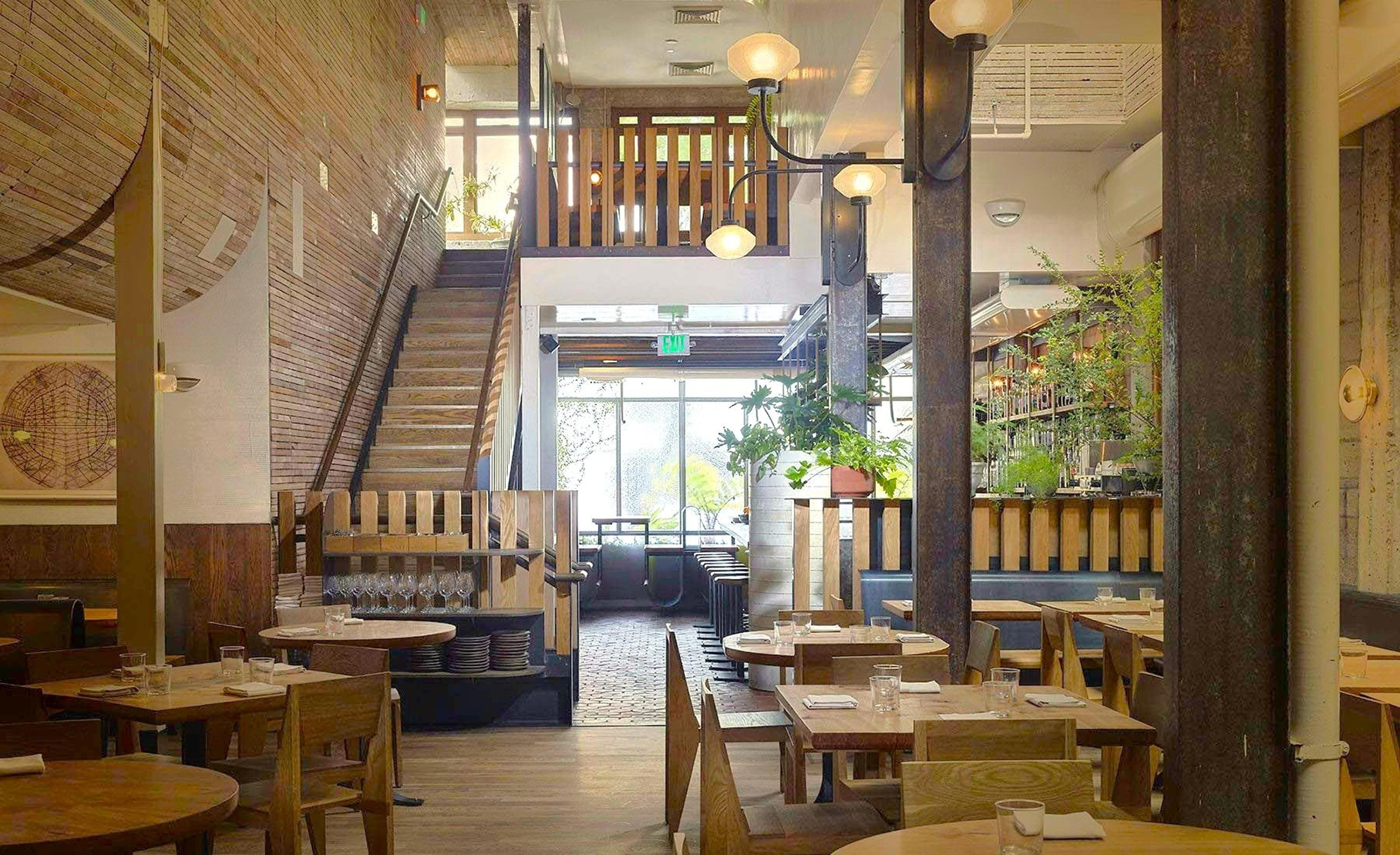
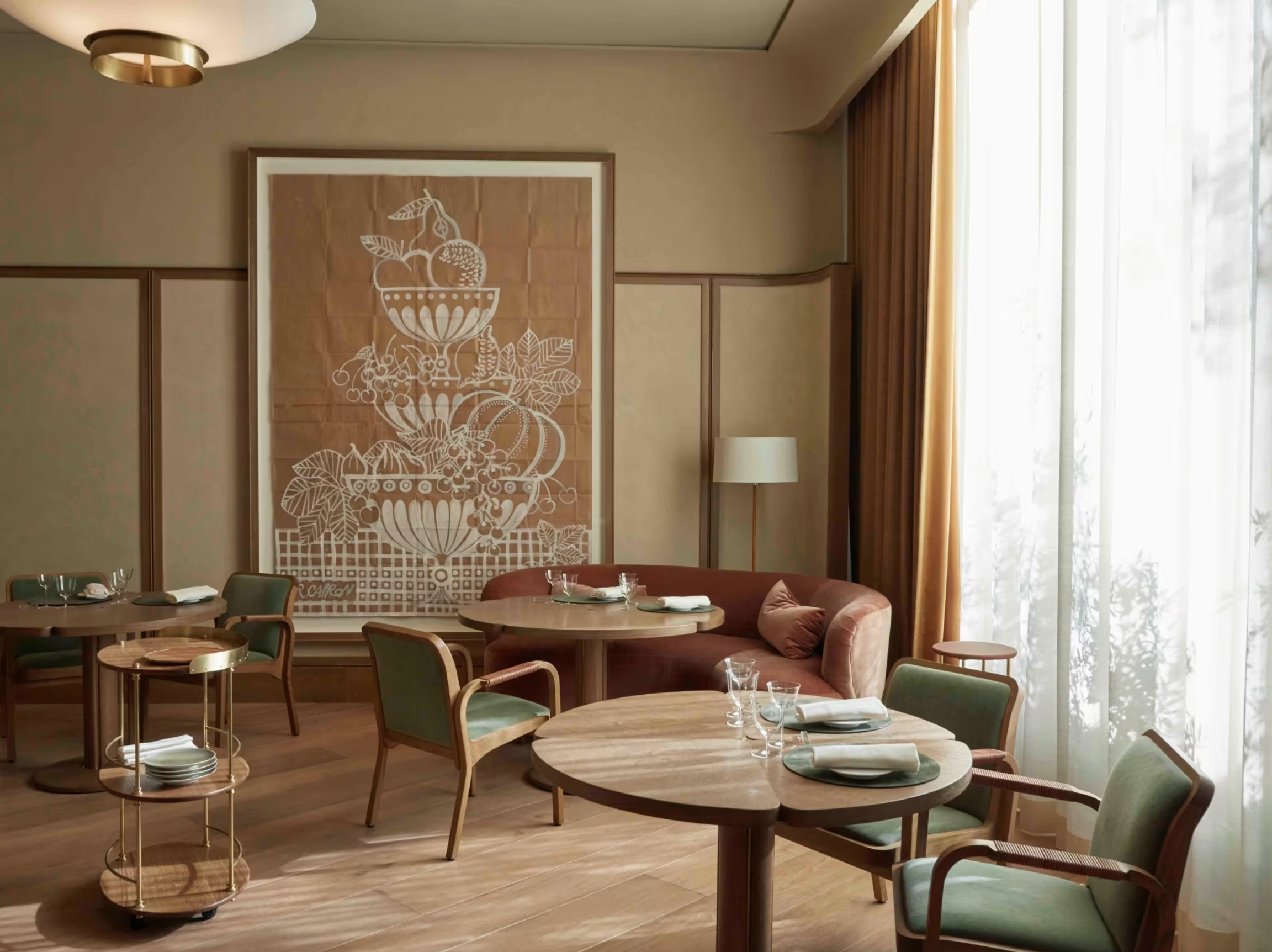
Bars in Corte Madera
Browse all →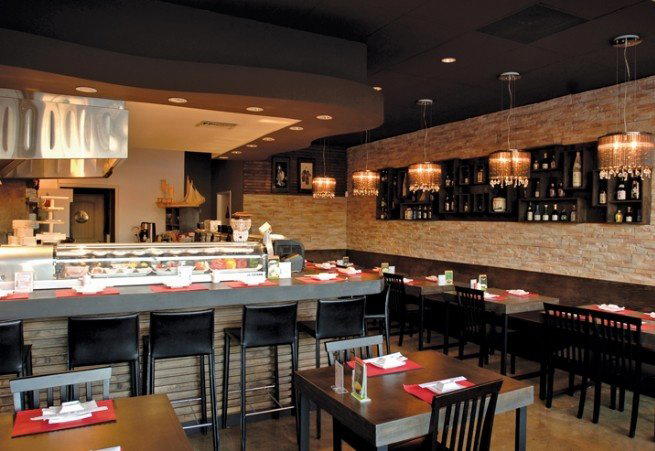
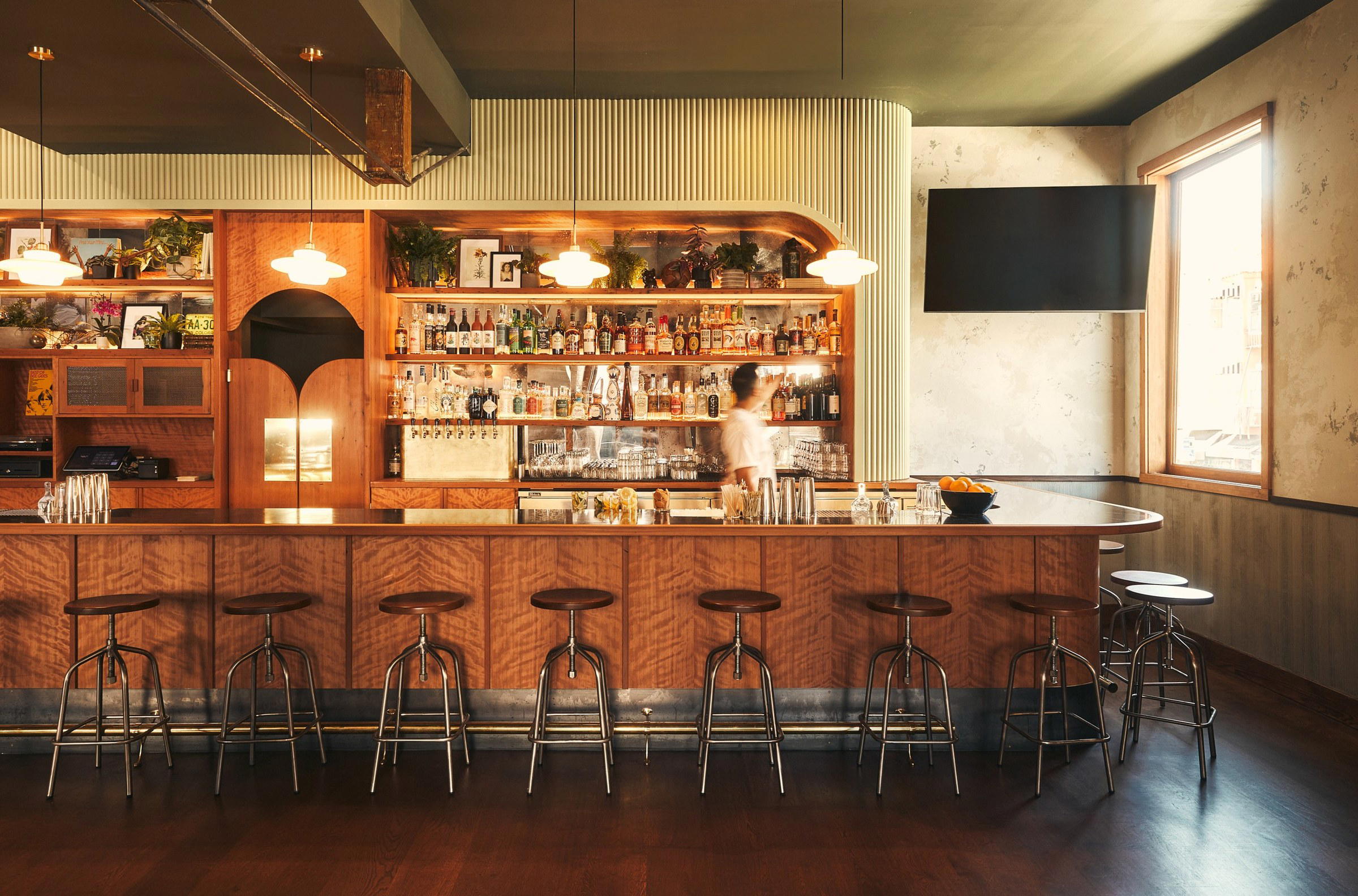
Hotels in Corte Madera
Browse all →

Details
- Cozy
- Lively
- Family
- Group Dining
- Casual Hangout
- Standalone
- Local Sourcing
- Family Style
- Small Plates
- A La Carte
- Vegetarian Friendly
- Vegan Options
Current opening hours
- Monday
- Closed
- Tuesday
- 12–2 PM, 4:30–8:30 PM
- Wednesday
- 12–2 PM, 4:30–8:30 PM
- Thursday
- 12–2 PM, 4:30–8:30 PM
- Friday
- 12–2 PM, 4–8:30 PM
- Saturday
- 4–8:30 PM
- Sunday
- Closed
Hours can change for holidays and private events. Last verified .
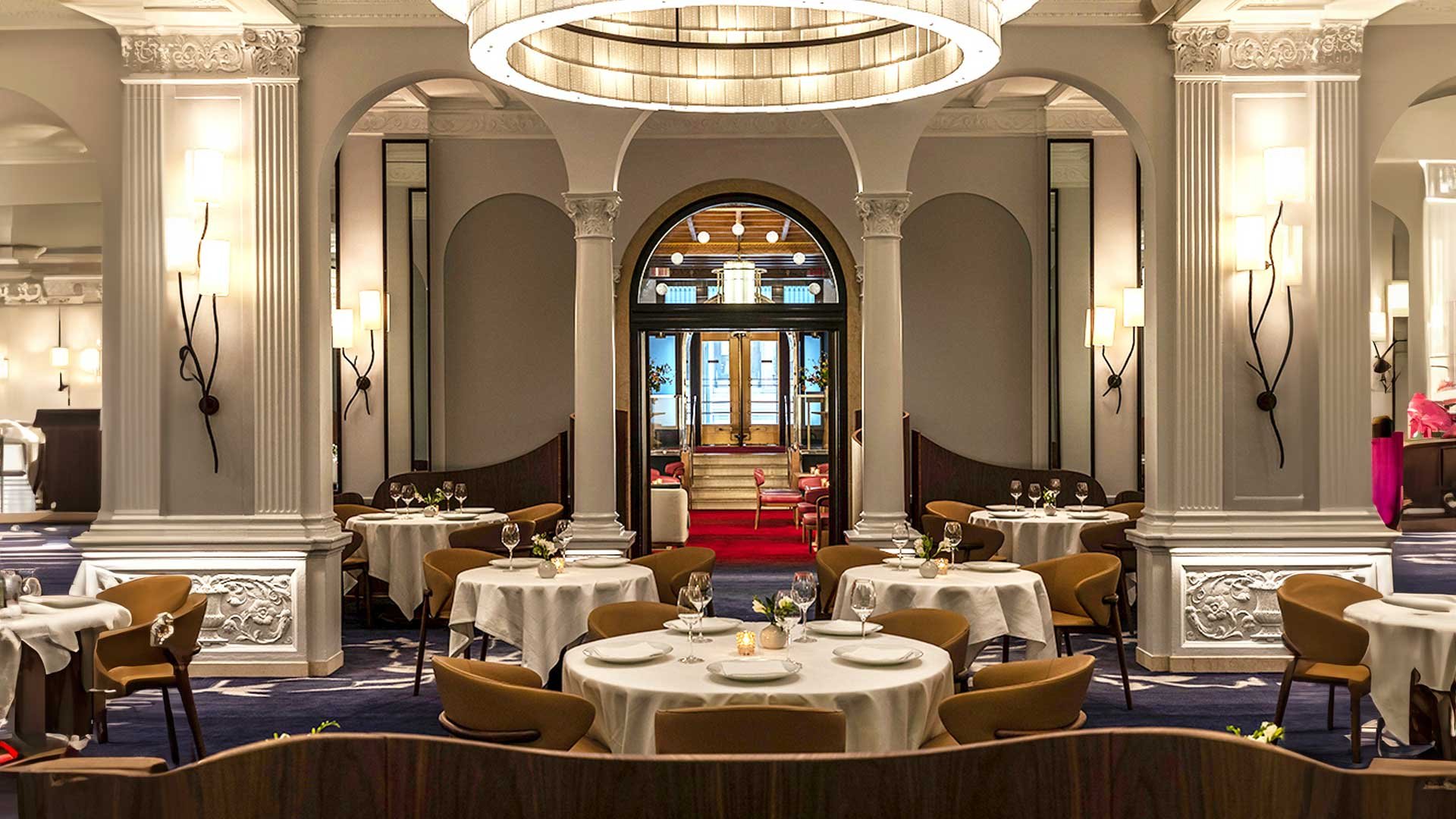
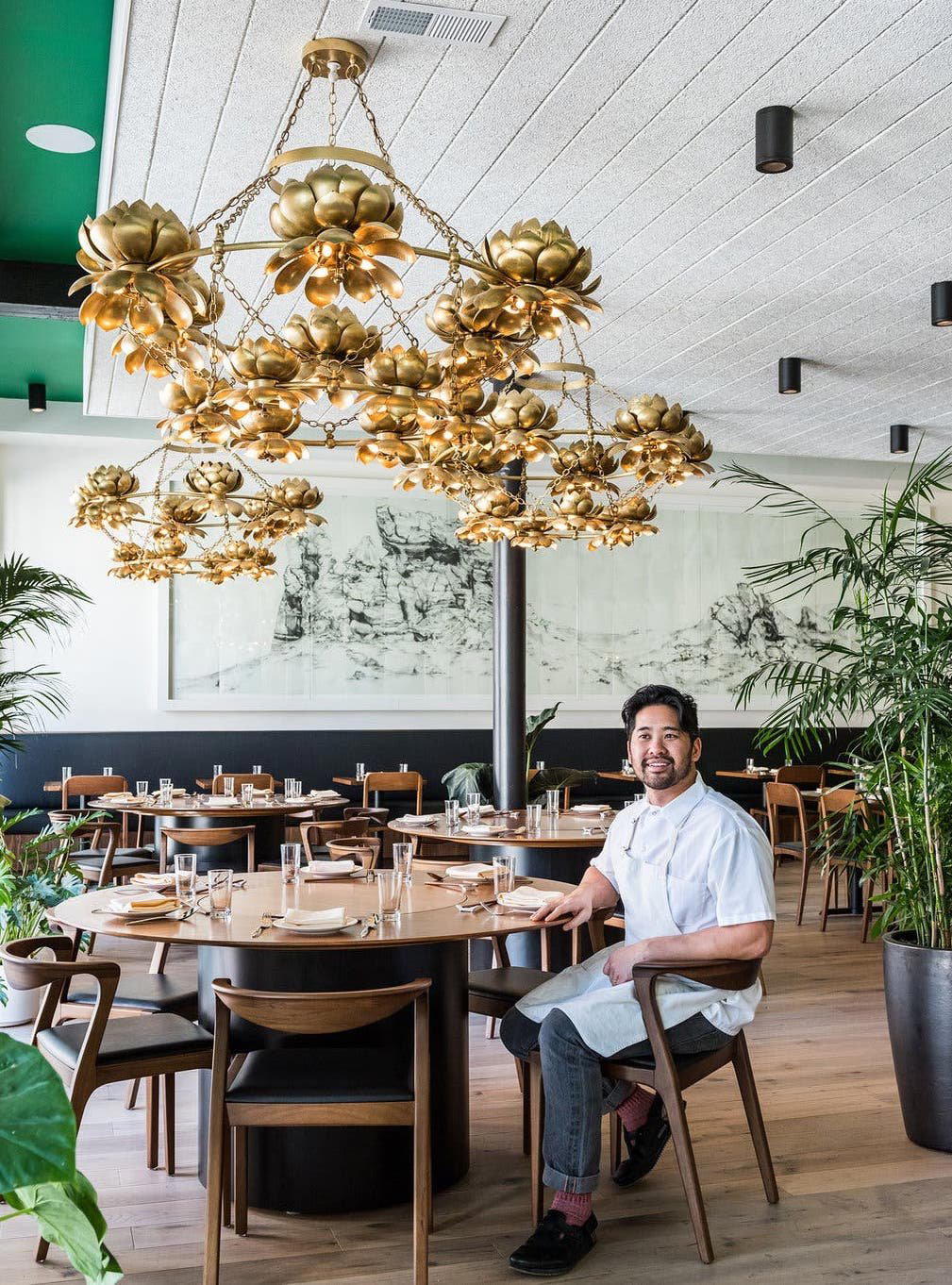
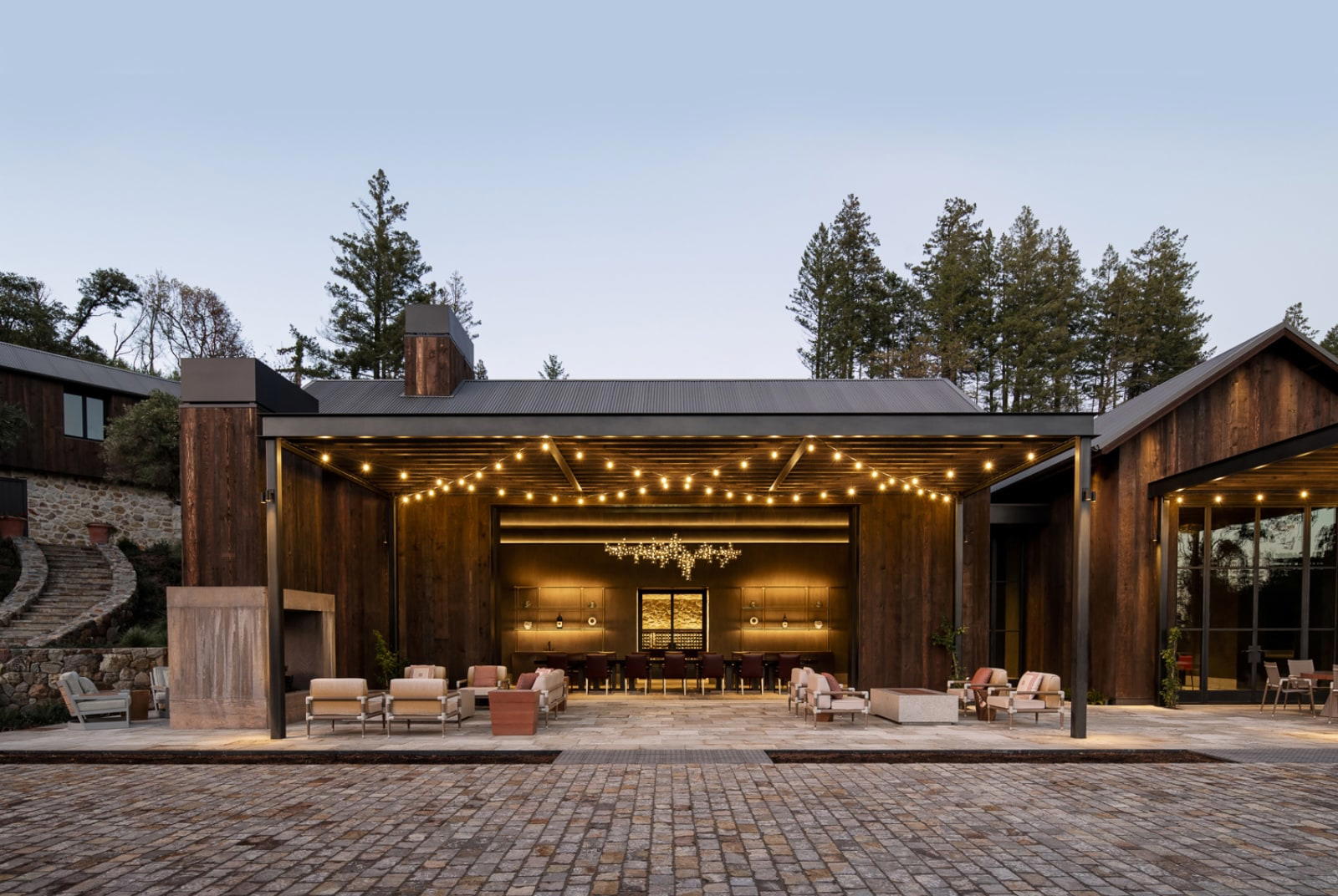
Bright, warm, and inviting with natural materials and Burmese art decor; excellent lighting creates a buzzy, energetic atmosphere that fills the small intimate space with the pleasant hum of diners.